You want high-quality products, but you believe top-tier factories only serve industry giants. You worry your order volume is too small to get their attention. Is the door really closed to you?
Yes, small brands can use L'Oréal’s factories1. L'Oréal does not make bags internally; they use professional OEM/ODM manufacturers2 in China. These factories are open to other clients, provided you can negotiate the Minimum Order Quantity (MOQ)3 or use available stock materials.

Many buyers like you feel intimidated by large Chinese manufacturers. You assume that because a factory produces for a famous brand like L'Oréal or Estée Lauder, they will not look at a smaller inquiry. However, in my 15 years of running Coraggio, I have seen many small brands successfully partner with top-level manufacturers. The key is understanding how the supply chain4 actually works. It is not about the size of your brand name. It is about understanding the factory's production logic5. Once you understand this, you can access the same quality as the big players.
Does L'Oréal Actually Manufacture Their Own Bags?
Many buyers assume big beauty brands own their bag production lines. This is a common misconception that stops you from finding better suppliers.
Most beauty giants focus on cosmetics, not sewing. They outsource all promotional and packaging bags to specialized OEM/ODM factories. This means the production lines making famous bags are independent businesses looking for orders from various clients.
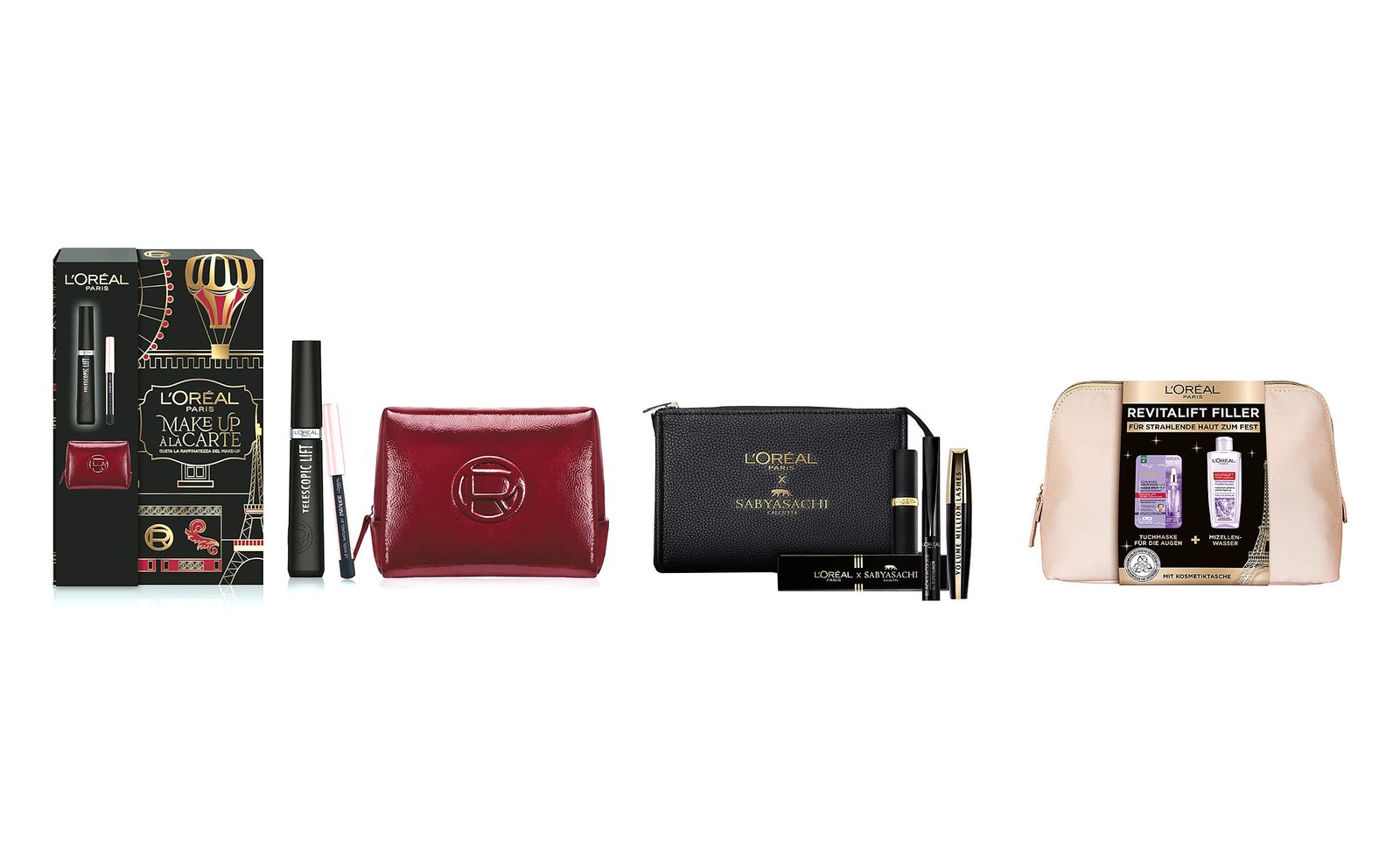
Let's look deeper into the reality of the manufacturing industry in China. Big brands like L'Oréal are marketing and chemical formulation experts. They are not textile experts6. They do not own rows of sewing machines, and they do not employ hundreds of workers to stitch zippers onto cosmetic bags. Instead, they rely on factories like mine.
We operate as Original Equipment Manufacturers (OEM) and Original Design Manufacturers (ODM). This means we own the machines, we hire the 120 skilled workers, and we manage the 3,000 square meters of production space7. L'Oréal is simply a client, just like you could be.
When a factory serves a giant client, they must upgrade their systems. We buy better automated cutting machines. We train our design team of 10 people to understand international trends. We improve our management to handle millions of dollars in turnover.
However, a factory is a business that needs to fill its capacity 12 months a year. Big brands have peak seasons and slow seasons. During the slow times, or even to fill gaps in production lines, factories are very willing to take orders from other brands. The factory does not belong to L'Oréal; the factory belongs to the supplier. This distinction is crucial. It means the facility, the skill, and the quality control systems8 are available to anyone who can meet the business terms.
| Feature | Brand (e.g., L'Oréal) | Factory (e.g., Coraggio) |
|---|---|---|
| Core Competency | Marketing, Sales, Chemistry | Manufacturing, Sourcing, Logistics |
| Asset Ownership | Brand IP, Formulas | Sewing Machines, Warehouses |
| Role | Buyer | Seller / Producer |
| Exclusivity | Owns the design (usually) | Open to multiple clients |
What Is the Biggest Barrier for Small Brands?
You found the factory, but they might reject your inquiry. The problem isn't your brand size; it is usually the production volume.
The main challenge is the Minimum Order Quantity (MOQ)3. Big factories operate on efficiency. Setting up a line for 500 bags costs the same as for 10,000. However, this barrier is not impossible to break if you know the right strategies.
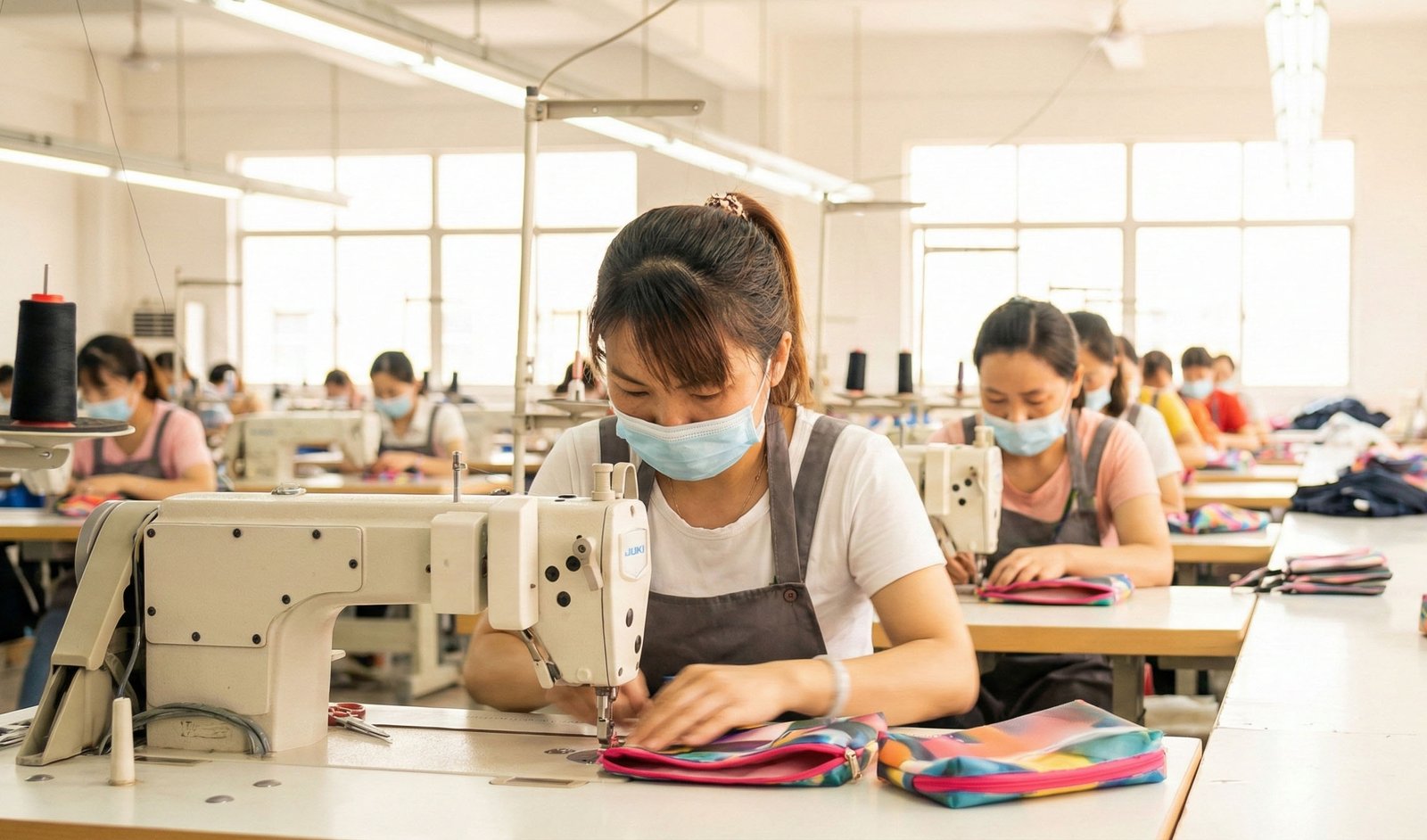
I need to be honest with you about why factories hesitate with small orders. It comes down to pure mathematics and efficiency. In my factory, we have 8 production lines. To start a new style, we have to stop a line. We have to change the threads on the machines. We have to calibrate the tension. We have to teach the workers the new steps. This setup time costs money.
If you order 10,000 cosmetic bags, that setup cost is spread over many units. It becomes pennies per bag. If you order 300 bags, that setup cost makes the price per bag very high.
Furthermore, the biggest issue is often the material, not the labor. Fabric suppliers in China also have MOQs. If I want to buy a specific custom-dyed polyester, the fabric mill might require me to buy 1,000 yards minimum. If your order only uses 200 yards, I am left with 800 yards of waste. I cannot absorb that cost, and you do not want to pay for it.
This is why you might hear "No" from a supplier. It is not arrogance. It is because the numbers do not work for a standard custom order. But, as an experienced buyer, you should not stop at the first "No." You need to understand where the cost is coming from so you can propose a solution.
Key Components of MOQ:
- Material MOQ: The minimum amount of fabric the textile mill will dye for us.
- Dyeing Surcharge: Extra fees for small batches of material.
- Production Efficiency: The loss of time when switching styles on the sewing line.
When you understand these three points, you can negotiate. You can ask, "What if I pay the dyeing surcharge9?" or "What if I pick a fabric you already have?" This changes the conversation from a hard "No" to a negotiation about terms.
How Can You Lower the MOQ to Work with Top Factories?
You want the quality, but you cannot order 10,000 pieces yet. You need a solution to bypass the strict quantity rules.
You can negotiate lower MOQs by being flexible. Ask to use "stock fabric10" left over from other runs or schedule your production during the factory's "low season." This helps the factory keep workers busy and gives you access to premium production lines.

This is the insider secret that can save your business money and get you into the best factories. I often tell my clients that flexibility is their best currency. If you are rigid about every detail, you must pay for high volume. If you are flexible, we can help you.
Strategy 1: Use Stock Fabric In our warehouse, we always have leftover fabric. Maybe a big client ordered 50,000 blue cooler bags, and we have enough fabric left for 500 bags. If you are willing to use this exact blue color, I do not have to buy new fabric. I do not have to pay the fabric mill's MOQ. I can start cutting immediately. This allows me to lower your MOQ significantly. For example, at Coraggio, we keep stock of eco-friendly materials because we know green products are popular in Europe and North America.
Strategy 2: The "Low Season" Advantage Manufacturing in China has seasons. Before Chinese New Year, it is crazy. Everyone is rushing. But there are months when orders are slow. During these times, I want to keep my 120 workers employed. I do not want them to sit idle. If you tell me, "I am not in a rush, you can produce this when you have a gap," I am much more likely to accept a small order.
Strategy 3: Consolidated Orders If you want a specific custom bag, try to order different products that use the same material. Maybe you order a tote bag, a cosmetic bag, and a duffle bag. If they all use the same black canvas, we can combine the material purchase. This meets the fabric mill's requirement, even if the quantity for each individual bag style is lower.
| Negotiation Tactic | Why it Works for the Factory | Benefit to You |
|---|---|---|
| Stock Fabric | No need to purchase new raw materials | Lower MOQ, Faster delivery |
| Flexible Timing | Fills idle production gaps | Access to top-tier quality |
| Common Materials | Meets bulk fabric purchasing rules | Consistent brand look, variety of products |
Why Should You Fight to Use These Big-Name Factories?
You might think finding a smaller, cheaper workshop is easier. But taking the easy path often leads to quality disasters later.
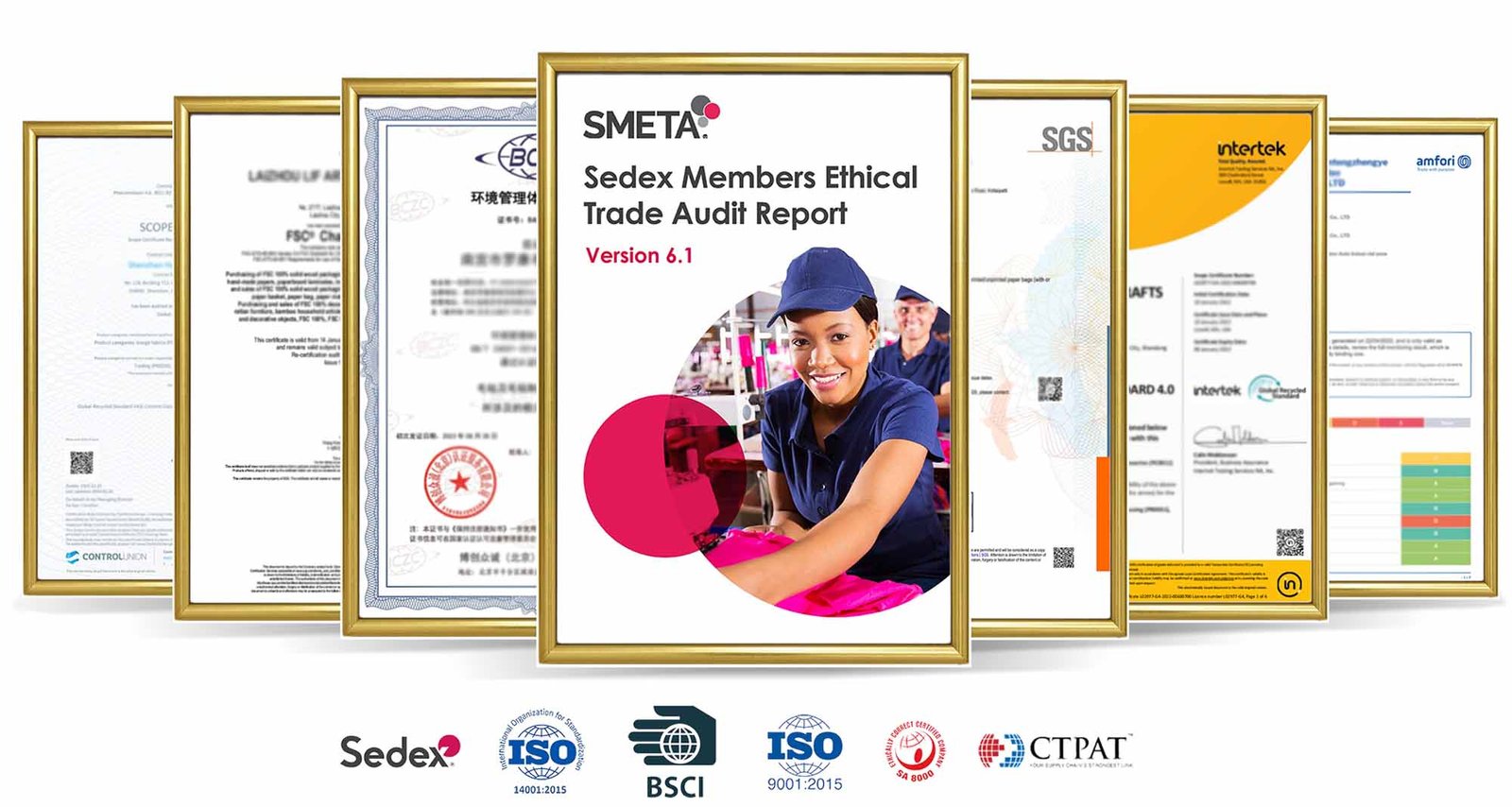
Using a factory that serves big brands gives you automatic quality assurance11. These factories have passed strict audits (like ISO12, SA8000) required by L'Oréal. You get the same skilled workers and quality control systems8 without paying for the expensive audit process yourself.
I remember a client from Canada who tried to save money by using a very small, family-run workshop for his first order. The price was 10% cheaper than mine. But when the bags arrived, the stitching was crooked, and the zippers broke easily. He lost his customers and damaged his brand reputation. He came back to me for the second order, realizing that price is not the only factor.
When you work with a factory like Coraggio that serves markets in Europe and Japan, you are "inheriting" our compliance13. Big brands like L'Oréal send third-party auditors to inspect us. They check our lights, our fire safety, our worker wages, and our quality control processes. They force us to be better.
To keep these big clients, we must maintain these high standards every single day. When we put your small order on the production line, the same worker who sews the big brand's bag sews yours. The same QC inspector checks your bag. The same machine cuts your fabric.
You are effectively getting a million dollars worth of quality control infrastructure for free. You do not have to fly to China to inspect the factory because the big brands have already done it for you. This reduces your risk massively.
Furthermore, we understand complex requirements. We know about eco-friendly certifications14. We know about chemical testing15 for the US and EU markets. A small, cheap workshop might use glue that smells bad or fabric that contains banned chemicals. They do not know better. We do.
The "Big Factory" Advantage List:
- Stable Supply Chain: We do not disappear overnight.
- Compliance: We meet international labor and safety standards.
- Innovation: Our design team follows global trends.
- Risk Reduction: We solve problems before shipping because we cannot afford to lose our reputation.
Conclusion
Yes, you can use top-tier factories. By using stock fabric10 or flexible timing to overcome MOQ issues, you gain access to the same quality and compliance13 as global giants, instantly boosting your brand's credibility.
Discover how small brands can leverage L'Oréal's manufacturing capabilities for quality products. ↩
Learn about OEM/ODM manufacturers and how they can help small brands access quality production. ↩
Understand MOQ and how it affects small brands when working with manufacturers. ↩
Explore the concept of a stable supply chain and its importance for small brands. ↩
Explore the concept of production logic and its importance for small brands. ↩
Find out the role of textile experts in the manufacturing process and why they matter. ↩
Understand the significance of production space in the manufacturing process. ↩
Discover the role of quality control systems in ensuring product quality. ↩
Discover what a dyeing surcharge is and how it impacts small orders. ↩
Find out how using stock fabric can lower costs and MOQs for small brands. ↩
Explore the quality assurance processes that big brands use and how small brands can benefit. ↩
Learn about ISO certification and its importance for quality in manufacturing. ↩
Understand the importance of compliance in manufacturing and its impact on product quality. ↩
Find out about eco-friendly certifications and their significance in the manufacturing process. ↩
Learn about chemical testing and its importance for product safety and compliance. ↩