A container can look on time on paper, then get pulled for a CBP 5H exam1 and stop for days or weeks. I know that delay can ruin a selling season fast.
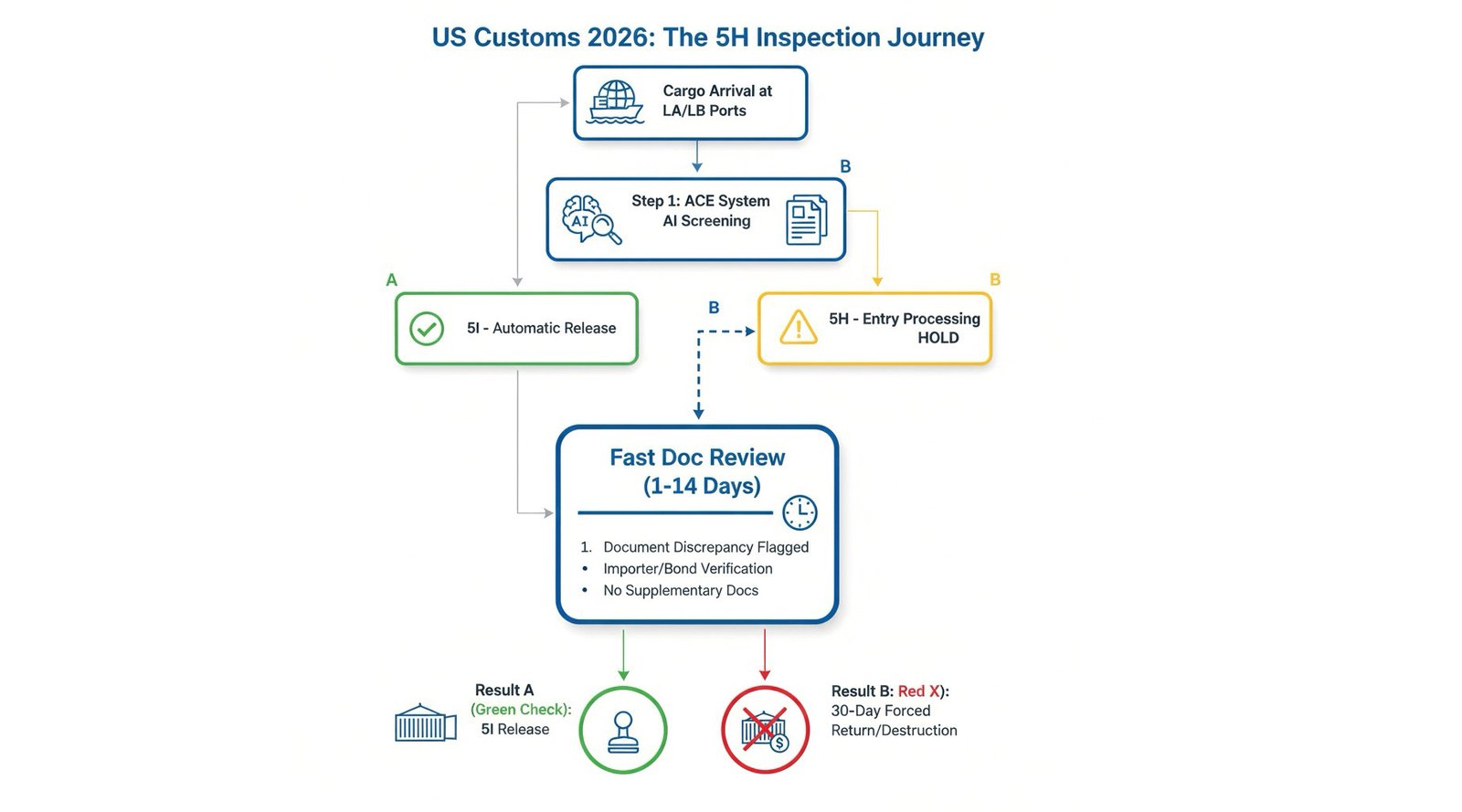
A CBP 5H exam1 can delay bag imports2 by 3 days to 2–3 weeks because U.S. Customs may pull a container for manual opening and inspection3. For buyers, the main impact is late delivery, extra port and storage fees, and missed sales windows4.

When I talk with bag buyers, I hear the same fear again and again. A shipment leaves the factory on time, but it still does not arrive when planned. A 5H hold is one of the clearest reasons. It is not always about a bad supplier. It is often about customs risk5, paperwork, shipment profile6, and random control. That is why I always tell buyers to plan for customs risk5 before goods sail, not after the container gets stuck.
What Is a CBP 5H Exam and How Is It Triggered?
A shipment can move smoothly for weeks, then customs pulls it aside without warning. I know this feels unfair when your order was packed well and shipped on time.
A CBP 5H exam1 is a manual customs inspection where a container is set aside, opened, and checked by officers. It may be triggered by risk flags, paperwork issues, product concerns, routing patterns, importer history, or random selection.
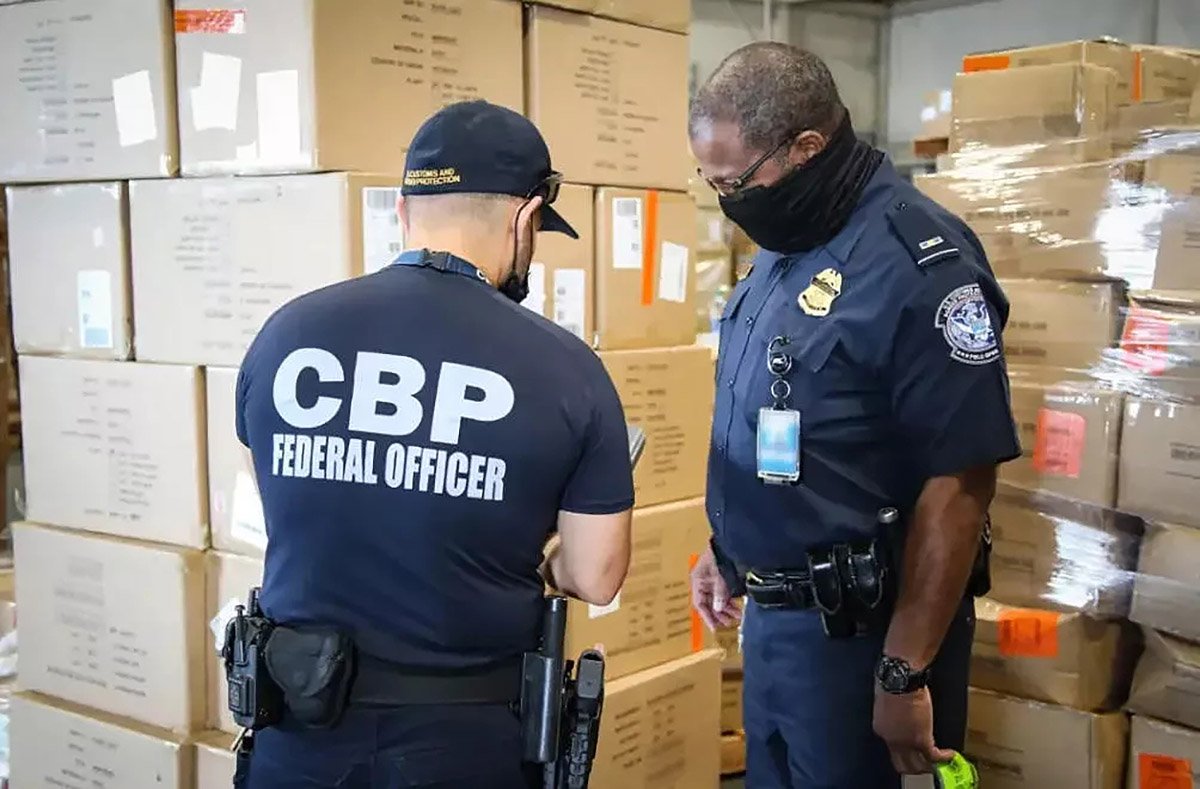
When I explain a 5H exam to buyers, I use a simple picture. Customs does not just scan the container and wave it through. Customs pulls the box out, sends it to an exam site, opens it, and checks selected cartons by hand. For bag importers, this means the cargo is no longer moving like a normal release. It is waiting in a queue, then waiting for labor, then waiting for review.
A 5H exam can be triggered by many things. Some are clear. Some are not. I usually break them down like this:
| Possible Trigger | What It Means for a Buyer |
|---|---|
| Incomplete documents | Missing or unclear invoice, packing list, HTS code, or declaration data can raise questions |
| Product description issues | If “bags” is too vague, customs may want to verify materials, use, value, or category |
| Importer history7 | New importers or accounts with past issues may face more checks |
| Country of origin risk8 | Some origins, routes, or transshipment patterns can bring more attention |
| Value mismatch9 | If declared value looks too low or inconsistent, customs may inspect |
| Random selection | Even compliant shipments can still be chosen |
I have seen buyers assume the exam means there is a serious legal problem. That is not always true. A 5H exam does not automatically mean fraud or seizure. It means customs wants a closer look. Still, the business result is real. The container stops. Your delivery plan changes. If you sell seasonal backpacks, cooler bags, or promotional totes, that pause can hurt more than the exam itself.
How Long Does a 5H Customs Exam Take for Bag Shipments?
A container can arrive at port, but that does not mean your goods are close to release. I have seen buyers lose calm because they planned for sailing time, not exam time.
A 5H customs exam for bag shipments usually takes at least 3 days, but it can take 2–3 weeks depending on port congestion10, exam site capacity11, trucking availability, customs workload, and document follow-up needs.
I always tell buyers that exam time is not one single block. It is a chain of waiting points. First, the container must be selected and marked. Next, the terminal or carrier has to move it to the exam location. Then it enters the line. Then labor opens it. Then customs checks it. Then it is repacked and released back into the system. If any part of that chain slows down, the whole delay grows.
For bag shipments, the real timeline often depends on the port. Busy ports can take longer because there are more containers than exam capacity. Peak season can make it worse. Holidays can make it worse too. If customs asks for more clarification on product details, the hold can stretch further.
I usually explain the time risk like this:
| Stage | Typical Delay Risk |
|---|---|
| Container pulled from normal flow | 1–2 days |
| Transfer to exam site | 1–3 days |
| Waiting for exam slot | 1–7 days |
| Manual opening and inspection | 1 day |
| Rework, release, and return | 1–5 days |
A smooth case may finish in about 3 days. A harder case can run 2 to 3 weeks. That range matters a lot for large retailers and supermarket buyers. If a back-to-school backpack order lands late, the season does not wait. If a Christmas gift bag shipment misses shelf time, the margin may disappear. I once worked with a buyer who thought he had enough buffer. He had seven extra days in the plan. The exam still pushed him past the launch date. Since then, I plan customs delay into the calendar, not outside it.
What Costs Does a 5H Exam Add to Your Import Order?
Many buyers prepare for freight cost, duty, and local delivery. Then a 5H exam appears, and a shipment that looked profitable starts leaking money day by day.
A 5H exam can add exam handling fees, drayage, terminal storage12, demurrage, detention, warehouse charges, and delay-related costs. In many cases, the buyer bears these charges, not the supplier, unless terms clearly say otherwise.

This is the part that catches many importers off guard. Time loss is painful, but direct cost is often the bigger shock. A container under exam can generate several separate charges. These fees come from different parties. The port may charge one part. The terminal may charge another part. The trucker may bill for extra moves. The exam station may charge handling. The carrier may add detention if the container is not returned on time.
I like to show buyers the cost picture in a plain table:
| Cost Item | Why It Happens |
|---|---|
| Exam fee | The exam site charges for unloading, opening, handling, and reloading |
| Drayage | The container must be moved from terminal to exam site and back |
| Storage / port warehousing | Cargo sits longer than planned at port or facility |
| Demurrage13 | The container stays at terminal beyond free time |
| Detention14 | The equipment is held too long outside normal free time |
| Admin and broker cost | Extra document work and customs follow-up may create service fees |
| Business loss15 | Late launch, stockout, or missed promotion reduces sales and margin |
For bag buyers, the hidden loss can be even larger than the bill. A delayed tote bag order for a retailer promotion may lose the whole campaign window. A private label cosmetic bag order may miss a launch date. A cooler bag shipment for summer may arrive after the sales peak. In those cases, the invoice cost is only part of the problem.
That is why I always push for clear terms before production starts. Buyers should know who pays what under a customs exam. In many transactions, the importer carries these local U.S. costs. If the buyer assumes the supplier will absorb them, conflict starts fast. Good planning does not remove the exam, but it stops surprise from turning into a bigger loss.
How Can Bag Importers Reduce the Risk of a 5H Hold?
No importer can promise zero exams. Still, I have learned that many customs problems become more likely when small mistakes pile up before shipment.
Bag importers can reduce 5H hold risk by using accurate documents, clear product descriptions, compliant labeling, stable sourcing, realistic declared values, and suppliers with strong QC and export experience. Good planning lowers risk, even if it cannot remove it.
I never tell buyers there is a magic trick. Customs can still select a clean shipment. But I do believe importers can lower the chance of unnecessary attention. Most risk control starts far earlier than the vessel booking. It starts with how the product is described, packed, declared, and managed.
Here is the checklist I use when I prepare bag export orders with buyers:
| Risk Control Step | Why It Helps |
|---|---|
| Use detailed invoices | Clear item names, materials, sizes, and usage help customs understand the goods |
| Keep declared value realistic | Very low pricing can trigger questions |
| Match all documents | Invoice, packing list, booking, labels, and filing data must align |
| Classify products carefully16 | Bags can vary by use and material, so HTS accuracy matters |
| Work with experienced factories17 | Factories that know OEM export rules make fewer packing and paperwork mistakes |
| Confirm labeling and origin marks | Missing or wrong labels can create issues |
| Build time buffer18 | Even if selected, the shipment has room in the schedule |
| Split urgent orders19 | If possible, do not put all urgent seasonal stock in one container |
I also think supplier choice matters more than many buyers expect. A factory with stable QC, clean packing control, and export discipline reduces confusion. At Coraggio, this is why I focus on document consistency, product details, and production control before cargo leaves China. If a buyer wants low cost only, the shipment may save money at origin but lose more at destination.
I have also seen buyers improve results by reviewing their own process. Some importers use broad product names like “travel bag” across many styles. That can be too loose. A better approach is to describe goods in plain and exact terms, such as material, purpose, and style type. Simple clarity often helps more than fancy language.
Does the 5H Exam Affect All Types of Bags and Luggage?
Many buyers ask me if only one kind of bag gets targeted. They hope their tote bags or cosmetic bags are somehow “safe” from customs delay.
A 5H exam can affect many types of bags and luggage, including tote bags, backpacks, duffle bags, cosmetic bags, and cooler bags. The exam usually relates more to shipment risk factors, documents, and customs review needs than to one bag type alone.
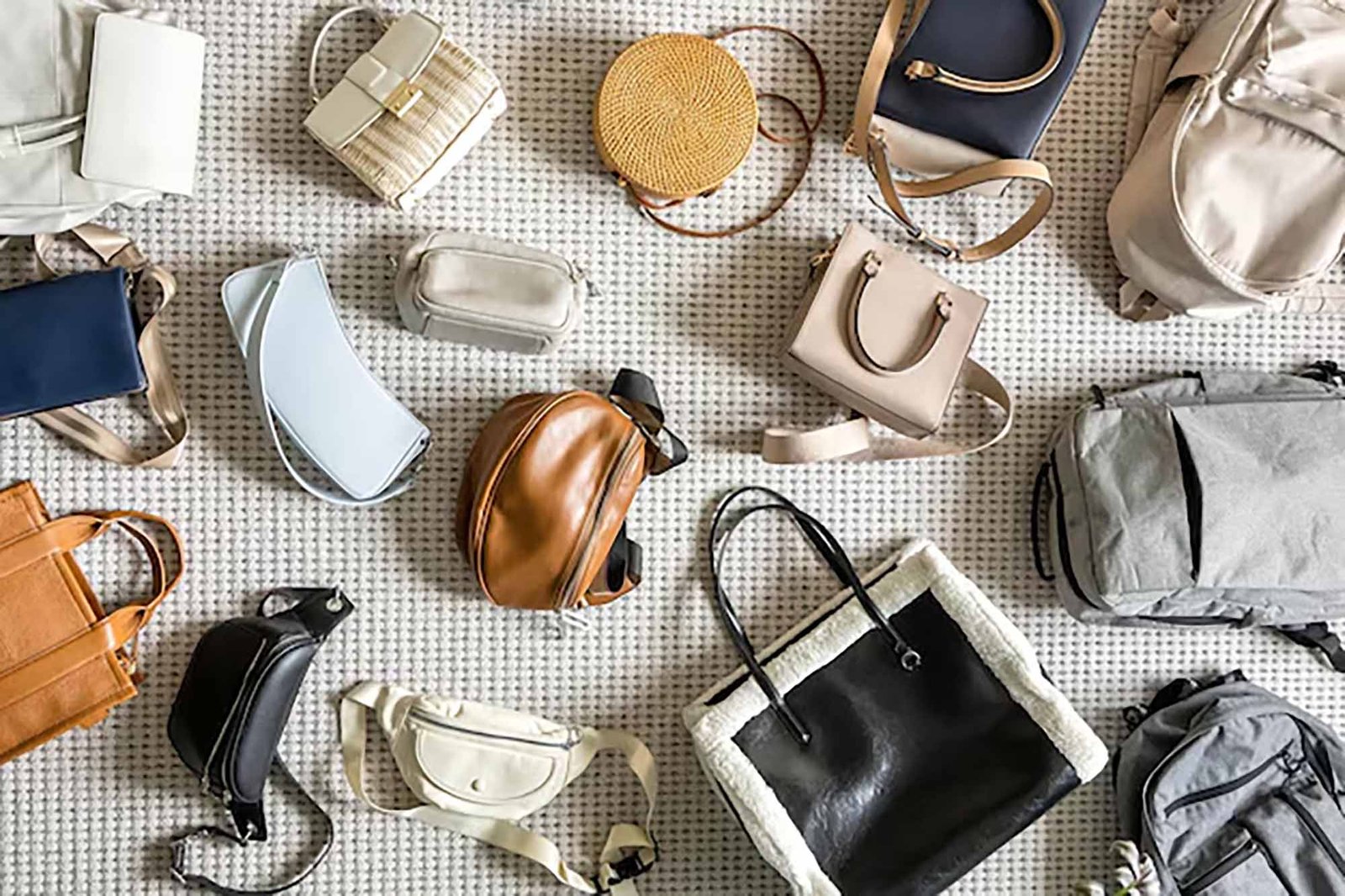
From what I have seen, customs does not look at one simple category and stop there. Many kinds of bags can be examined. The bigger issue is how the shipment looks as a customs file and as a physical load. That means product type matters, but not by itself. Material, declared use, value, labels, and paperwork quality all matter too.
I usually explain the product side like this:
| Bag Type | Possible Customs Attention Point |
|---|---|
| Tote bags | Material content, value, private label packaging |
| Backpacks | Multi-material structure, intended use, classification details |
| Duffle bags | Size, material, sports or travel use category |
| Cosmetic bags | Coated fabric, set packing, retail packaging details |
| Cooler bags | Insulated layer, material declaration, food-contact questions in some cases |
| Luggage | Construction, shell or textile details, category code accuracy |
So, no, there is no simple “safe bag” group. A plain canvas tote can be examined. A basic backpack can be examined. A luggage shipment can pass without issue. The exam decision is often tied to the full risk picture.
This matters for buyers who source many SKUs in one container. Mixed bag shipments can create more document complexity. If one line on the invoice is vague, it can affect the whole load. I have seen buyers assume the simple items will move through because they are simple products. But customs reviews the shipment, not only the easiest SKU in it.
That is why I like to standardize details across every style before shipment. I keep names clear. I keep materials clear. I keep carton marks clear. I keep packaging records in order. I do this because I know a customs exam does not care whether the order was for fashion totes, travel duffles, or promotional gift bags. If the container is selected, every style inside can be part of the delay story.
Conclusion
A CBP 5H exam1 can delay bag imports2, raise landed cost, and hurt seasonal sales. I reduce the risk by planning earlier, documenting better, and choosing stable factory control.
Understanding the 5H exam process helps you forecast delays, negotiate terms correctly, and communicate clearly with your freight forwarder and broker. ↩
Learning how inspections affect bag imports lets you build realistic lead times and avoid stockouts on key seasonal and promotional items. ↩
Seeing what actually occurs in a manual inspection clarifies why delays and extra handling fees occur and what risks you should plan for. ↩
If you rely on seasonal sales, knowing how delays erase sales windows helps you redesign calendars and protect margin on key programs. ↩
Mapping your customs risk profile lets you take preventive steps in documentation, routing, and supplier choice to cut avoidable holds. ↩
Understanding how customs views your shipment profile lets you adjust routing, consolidation, and product mix to reduce inspection triggers. ↩
Knowing how your track record is scored motivates better compliance habits that can gradually lower exam frequency and delays. ↩
Origin risk directly affects which containers get pulled; learning this helps you design safer sourcing and routing strategies. ↩
Accurate declared values protect you from audits, fines, and holds that can quietly destroy the profit on an entire program. ↩
By understanding port congestion effects, you can pick ports and seasons more strategically and add realistic buffer to your plans. ↩
Capacity bottlenecks at exam sites can add many days; knowing this helps you pressure-test timelines with your logistics partners. ↩
Recognizing when storage starts and how it accrues allows you to forecast extra costs and push partners to minimize dwell time. ↩
Demurrage fees can erase your margin quickly; learning how they work helps you set better free-time terms and react faster to holds. ↩
Distinguishing detention from demurrage makes your invoices clearer and helps you negotiate contracts that cap or limit these charges. ↩
Quantifying business loss from delays helps you justify higher-quality suppliers, better routing, and more robust risk planning. ↩
Accurate classification lowers duty risk, audit exposure, and the chance that customs questions your category or value declarations. ↩
Factories that know export rules make fewer document and labeling mistakes, which directly reduces your exam and delay risk. ↩
A realistic buffer keeps promotions and launches on track even when random exams occur, protecting your sell-through and margins. ↩
Spreading urgent stock across containers ensures that one exam or delay does not jeopardize your entire seasonal or promo program. ↩