Bag buyers often struggle between premium look and supply reality. A wrong embroidery choice can raise costs, delay delivery, and create quality risk across a full order.
For most bulk bag orders1, machine embroidery is the best choice because it gives stable lead times2, even stitch quality3, and controllable unit cost. Hand embroidery works better for limited editions or small luxury details where higher perceived value4 can justify the extra labor.
I have seen many buyers focus first on visual appeal, then run into trouble when they check delivery dates, MOQ, and defect rates5. That is why I always look at embroidery as both a design choice and a production choice. If I only chase beauty, I may hurt the whole project. If I only chase efficiency, I may miss a chance to build brand value. The real answer is not emotional. It is practical. For most B2B bag programs6, machine embroidery carries the order. For premium capsules, hand embroidery can add a strong finishing touch. I think the smart buyer does not ask which one is better in general. I think the smart buyer asks which one fits the product line, target price, and order size.
What Are the Key Differences Between Hand and Machine Embroidery on Bags?
Many buyers see embroidery as one simple decoration method. That mistake can lead to poor quoting, weak sampling decisions, and avoidable quality complaints after the goods arrive.
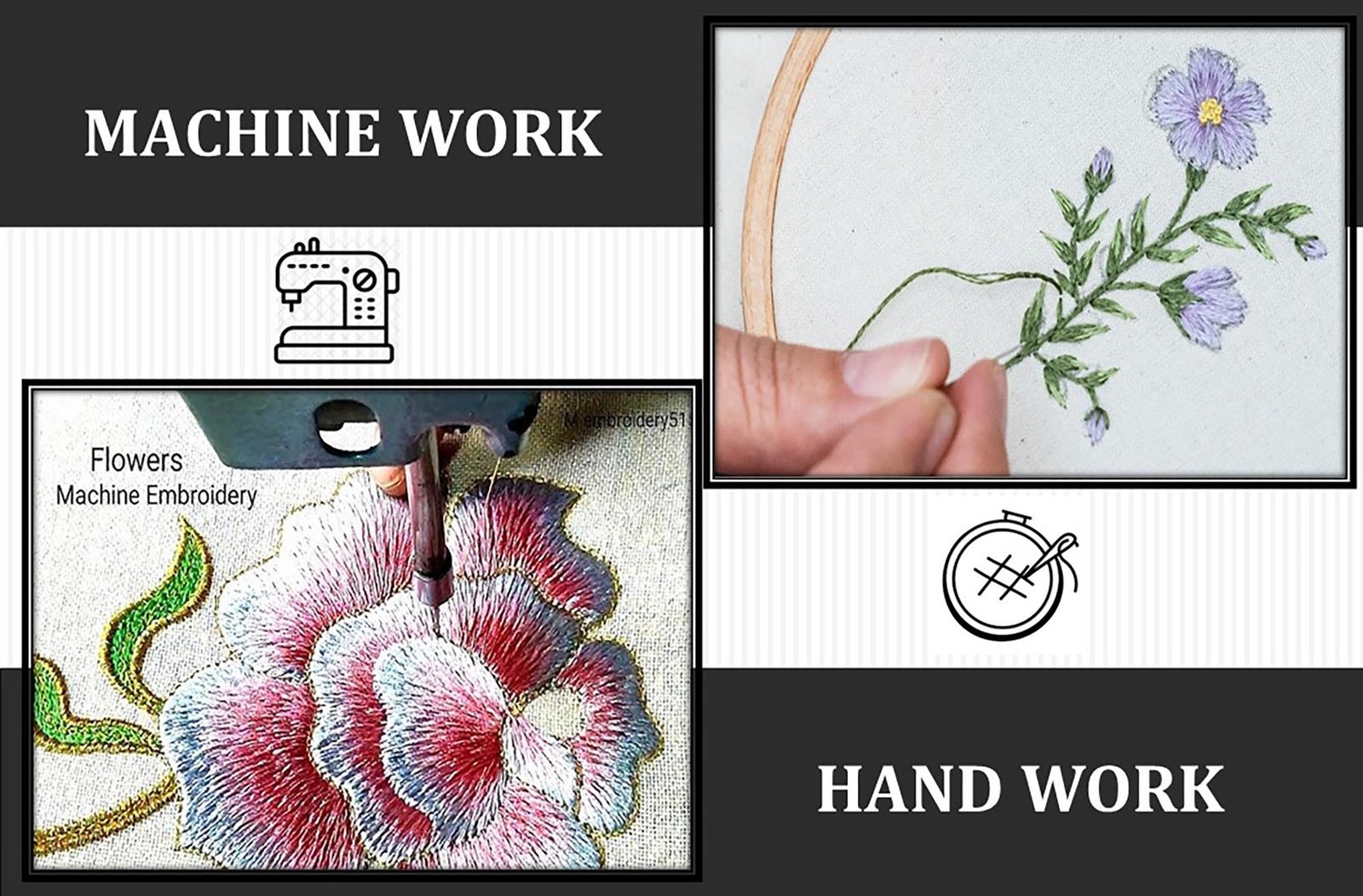
The main difference is this: machine embroidery gives speed, consistency, and lower cost for bulk orders, while hand embroidery gives a more crafted and premium look but needs more labor, more time, and tighter quality control.
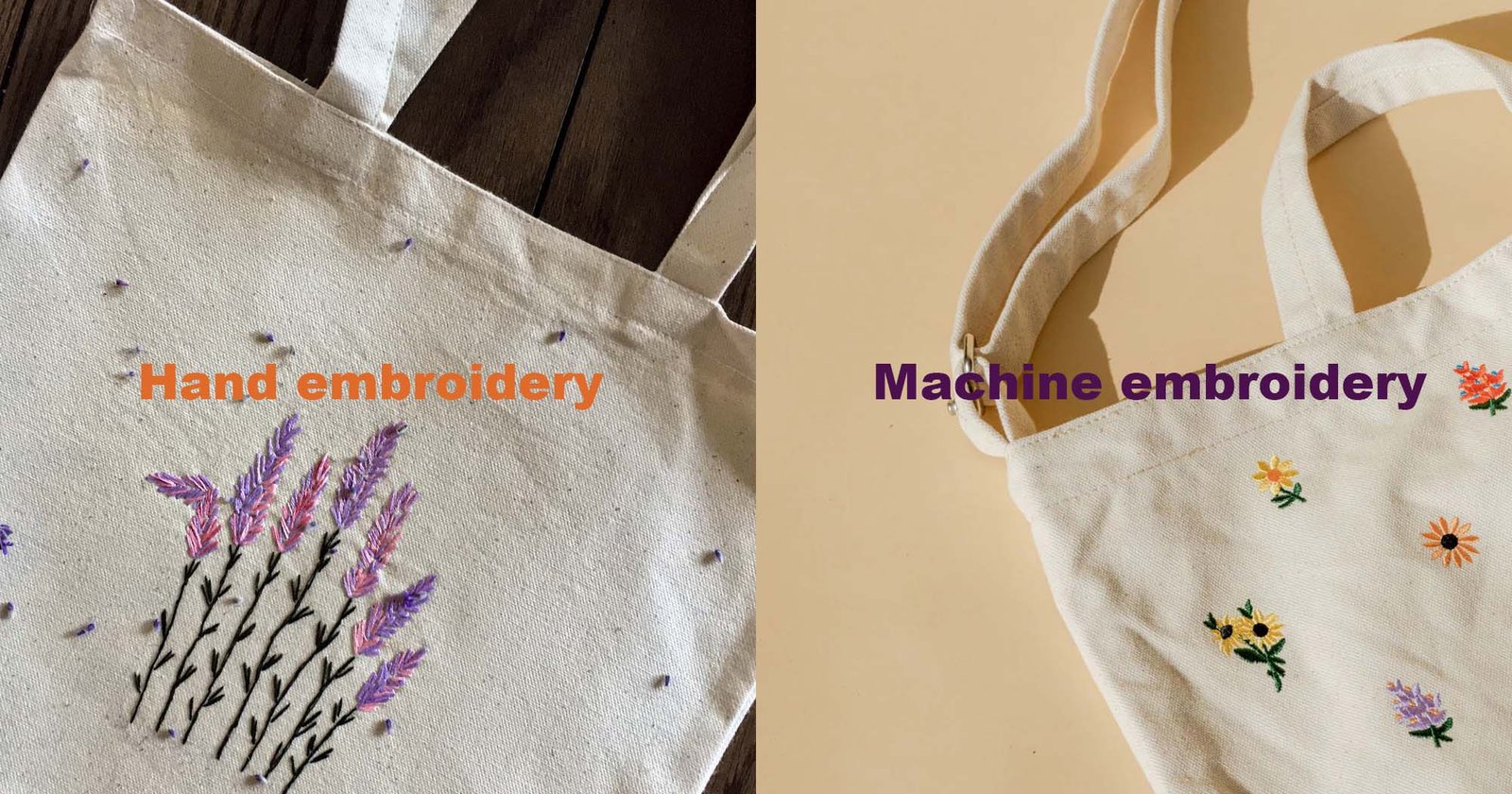
When I compare hand and machine embroidery, I start with how each method behaves in real production. Machine embroidery is based on digitized files, fixed stitch paths, and repeatable output7. This means one logo can look almost the same across hundreds or thousands of bags. That is a huge advantage for supermarket buyers, brand programs, and promotional orders. Hand embroidery is different. It depends on worker skill, pace, and concentration. That gives it charm, but it also brings variation.
I usually break the decision into a few basic points:
| Factor | Hand Embroidery | Machine Embroidery |
|---|---|---|
| Visual feel | Rich, crafted, artistic | Clean, regular, uniform |
| Speed | Slow | Fast |
| Bulk consistency8 | Lower | Higher |
| Cost per unit | Higher | Lower |
| Best for | Luxury details, limited runs9 | Logos, regular patterns, big orders |
| Defect risk | Higher variation | More controlled |
I also think about fabric behavior. On canvas, both methods can work well if the backing and stitch density10 are right. On softer bags, machine embroidery often gives a cleaner result because the process is easier to control. I once worked on a custom tote program where the buyer first loved hand embroidery in sampling. The sample looked warm and special. But when we estimated a large order, the labor time changed everything. The buyer quickly saw that the style could not support the final landed cost11. We changed to machine embroidery for the main logo and kept hand detail only on a small gift edition. That was a much better business choice.
Is Machine Embroidery Good Enough for High-End Handbags?
Some buyers worry that machine embroidery may look too industrial. They fear that a luxury or premium bag line will lose its value if the decoration looks too regular.
Yes, machine embroidery can be good enough for high-end handbags when the design, thread choice, stitch density, fabric support, and placement12 are handled well. Premium results depend more on execution standards than on the machine itself.
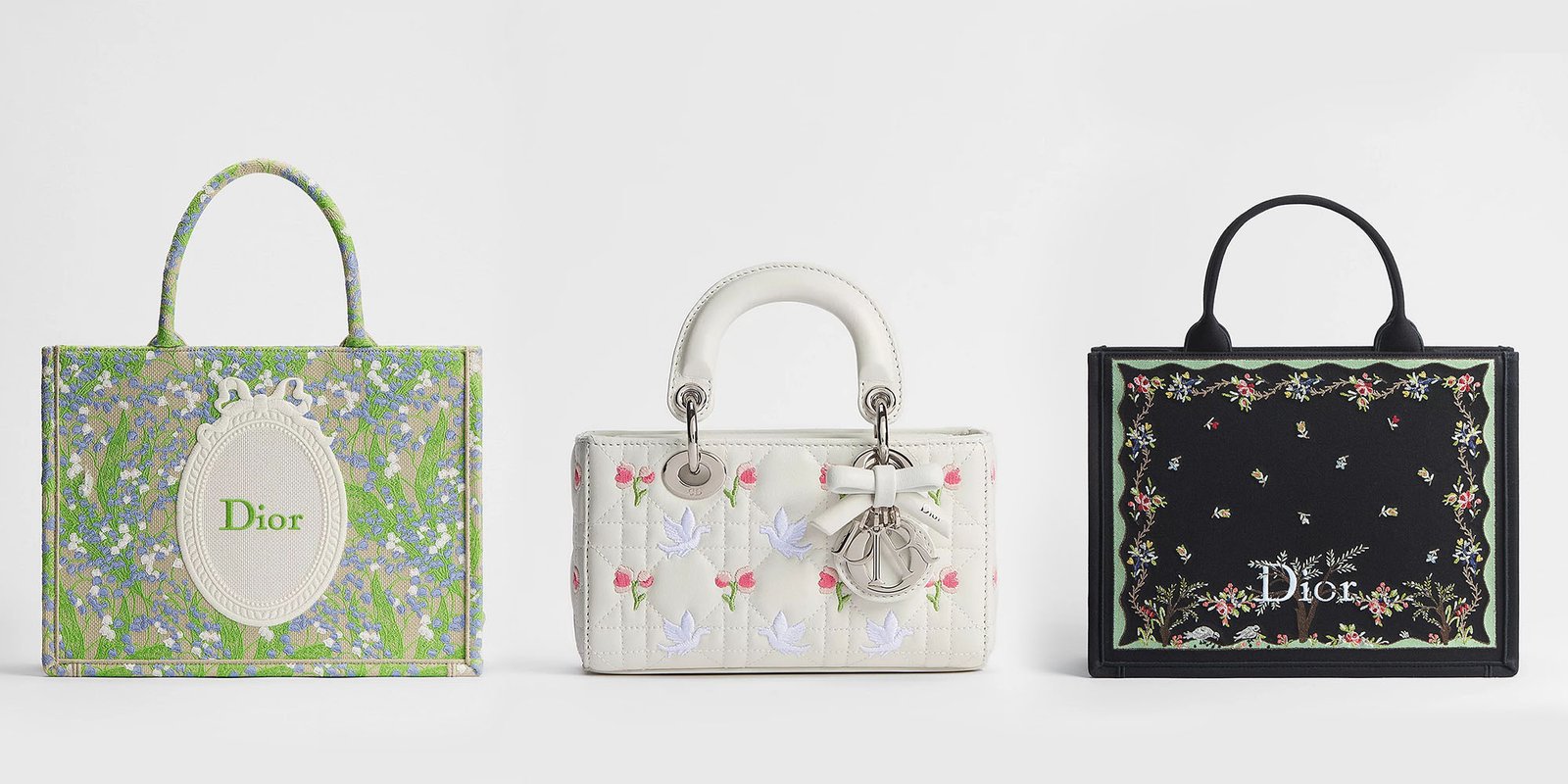
I think this question matters because many buyers still connect “handmade” with “luxury” and “machine-made” with “cheap.” In real bag production, that is too simple. High-end quality does not come from the method alone. It comes from the full set of details around the method. A well-digitized embroidery file13, high-grade thread, proper underlay, clean trimming, and stable backing can make machine embroidery look sharp and refined. If the logo is simple, geometric, or brand-led, machine embroidery is often the better premium choice because the edges stay neat and the look stays consistent.
Here is how I judge whether machine embroidery can support a premium bag line:
| Premium element14 | Why it matters |
|---|---|
| High-quality thread | Gives better shine, color depth, and durability |
| Correct stitch density | Prevents stiffness, puckering, or weak coverage |
| Proper backing | Helps keep shape and keeps surface smooth |
| Clean digitizing | Keeps lines clear and avoids thread pile-up |
| Smart placement | Makes branding look intentional, not crowded |
| Material testing | Confirms the embroidery suits leather, canvas, or nylon |
I have seen machine embroidery look more expensive than poor hand embroidery. That happens when hand stitching is uneven, thread tension changes, or layout drifts from piece to piece. Luxury buyers do not only pay for labor. They pay for control, finish, and confidence. If I am building a high-end handbag with a limited but not tiny volume, I may still choose machine embroidery for the main mark. Then I may add hand-finished beads, edge accents, or a stitched motif in one small area. That mix gives me both reliability and story. In many cases, that is enough to support a premium price without losing production discipline.
How Does Embroidery Type Affect Bag Production Cost and MOQ?
Buyers often choose an embroidery style at the design stage without checking cost structure. That can break the margin later and make the MOQ impossible to manage.
Machine embroidery usually lowers unit cost and supports bulk MOQ because it runs faster and more consistently. Hand embroidery raises labor cost and often works better for small premium runs, special editions, or partial decorative use.
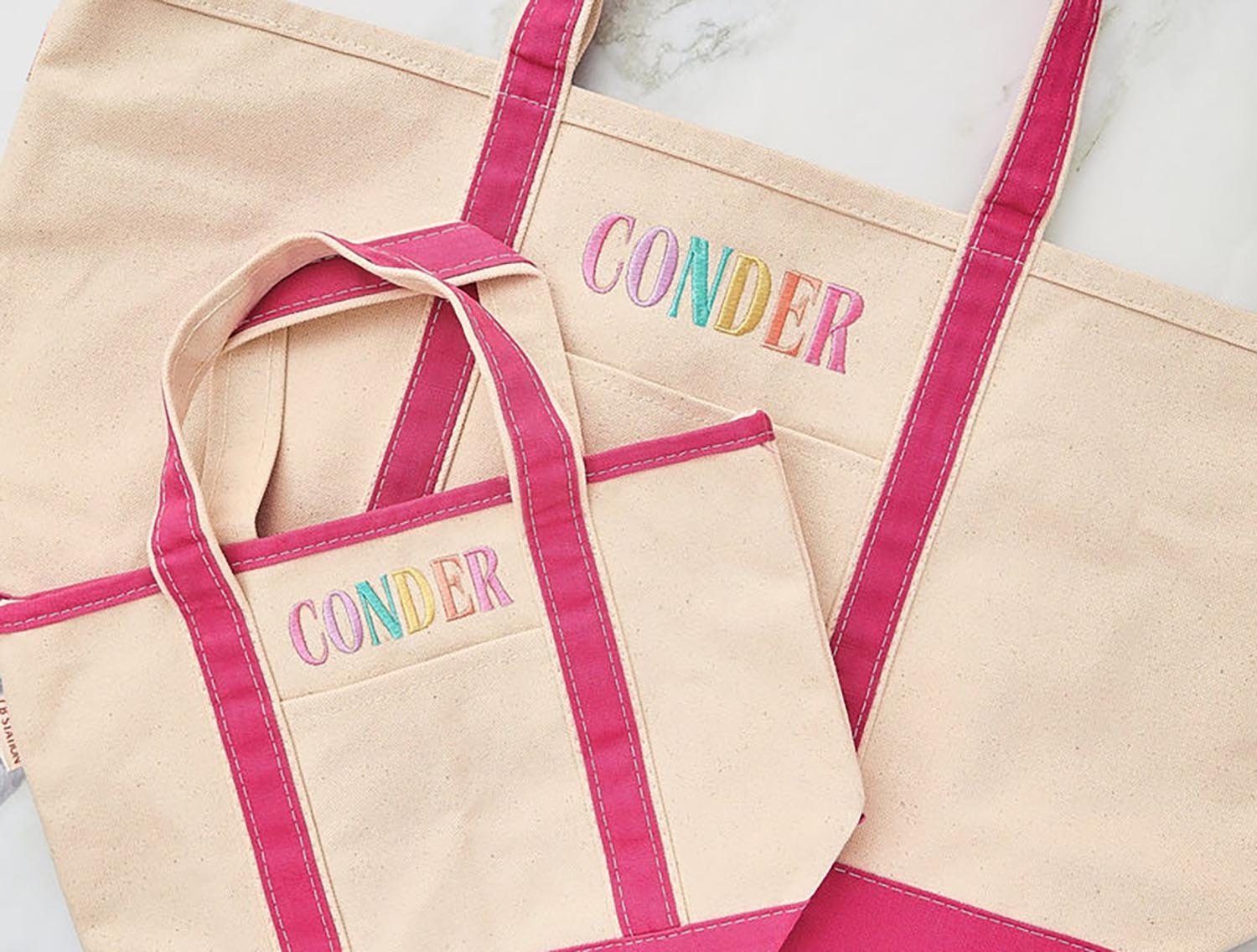
When I talk with buyers, I find that cost is not only about the embroidery itself. Cost also includes sampling time, defect risk, line efficiency, rework, and shipment planning. Machine embroidery has a setup cost15. A factory needs digitizing, testing, and machine time. But once the file is approved, the factory can spread that setup across many units. This is why machine embroidery becomes more attractive as order quantity grows. The unit price becomes easier to control, and the delivery window becomes easier to predict.
Hand embroidery works in the opposite way. It does not need the same machine setup, but it needs much more labor input on every single bag. That means the unit cost stays high. It may even rise if skilled workers are limited.
I usually explain it like this:
| Cost point | Hand Embroidery | Machine Embroidery |
|---|---|---|
| Sample development | Flexible but slower | Needs digitizing but repeatable |
| Unit labor cost | High | Lower |
| Large order efficiency16 | Weak | Strong |
| MOQ fit | Better for niche runs | Better for bulk programs |
| Delivery planning | Less stable | More stable |
| Reorder consistency | Harder | Easier |
If I am sourcing for a chain store, a distributor, or a gift buyer, I almost always push machine embroidery first. The business model needs stable replenishment and price protection. If I am working on a luxury capsule, then hand embroidery may make sense, but I still try to use it with discipline. I may limit it to the flap, zipper pull panel, or front badge area. That way, I keep the craft value without letting labor cost take over the whole bag. In my experience, this is the most practical path for a buyer who wants both margin and market appeal.
Which Embroidery Method Holds Up Better on Leather and Canvas Bags?
A beautiful embroidery idea can fail fast if it does not suit the bag material. Buyers who ignore this may face puckering, thread wear, or damaged surfaces after use.
Canvas usually handles both hand and machine embroidery well, while leather needs more careful control. Machine embroidery often performs better for repeatable results, but hand embroidery can work on leather when used in small areas with skilled finishing.
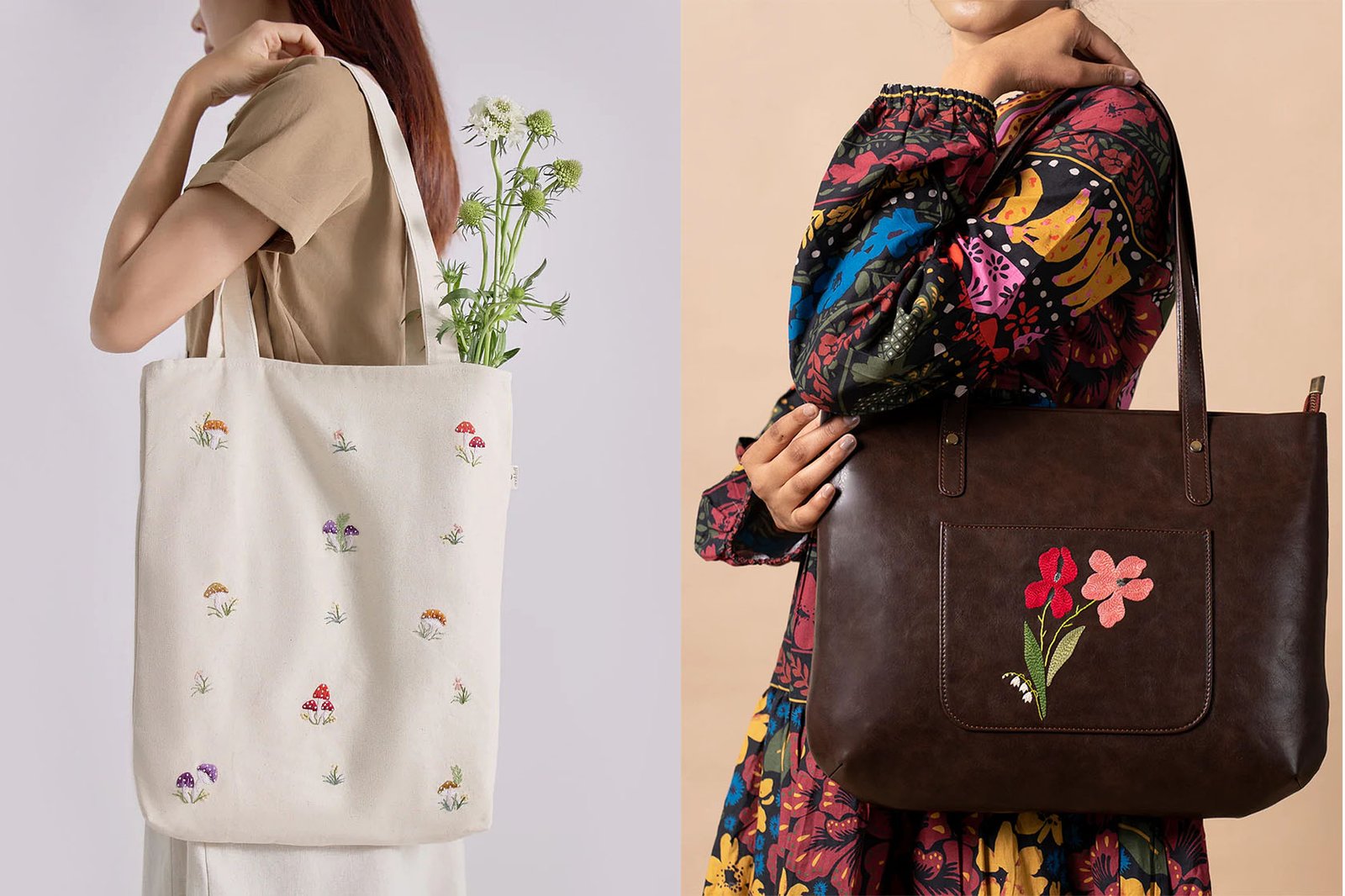
Material choice changes everything. Canvas is usually more forgiving. It has a stable body, good stitch support, and lower risk of visible needle damage when the embroidery plan is correct. That makes it suitable for logos, repeat patterns, and decorative motifs in either method. Machine embroidery on canvas is especially efficient because the fabric can hold dense stitching more easily with proper backing.
Leather is more sensitive. Once the needle punches the surface, the mark is permanent. If the stitch density is too high, the leather may weaken, wrinkle, or tear over time. If the embroidery area is too large, the surface can lose its clean luxury feel. This is why I treat leather embroidery with caution.
Here is how I look at durability by material:
| Material | Hand Embroidery | Machine Embroidery | Main concern |
|---|---|---|---|
| Canvas | Good | Very good | Puckering if backing is poor |
| Cotton tote fabric | Good | Very good | Distortion on thin fabric |
| PU leather | Limited use | Good with testing | Needle marks and stiffness |
| Genuine leather | Small detail only | Good with expert setup | Surface damage and tearing |
| Heavy twill | Good | Very good | Thread density balance |
I always ask for wear testing, rub testing, and visual approval under normal light. I also check the back side of the embroidery because hidden roughness can affect lining quality or user feel. I remember one canvas backpack order where a dense logo looked perfect in photos but caused wave distortion near the pocket seam. We solved it by lowering stitch density and changing the backing. That small change improved both durability and appearance. So for me, the answer is not just hand versus machine. The answer is material plus method plus construction. That full view protects the order.
Can Hand Embroidery Details Increase the Retail Price of a Bag?
Many buyers like the story of handmade value, but they still wonder if customers will actually pay more for it. If not, the added cost becomes dead weight.
Yes, hand embroidery details can increase retail price when they are visible, meaningful, and limited enough to feel special. The extra value works best in premium, gift, or limited-edition bag lines rather than mass-market bulk products.
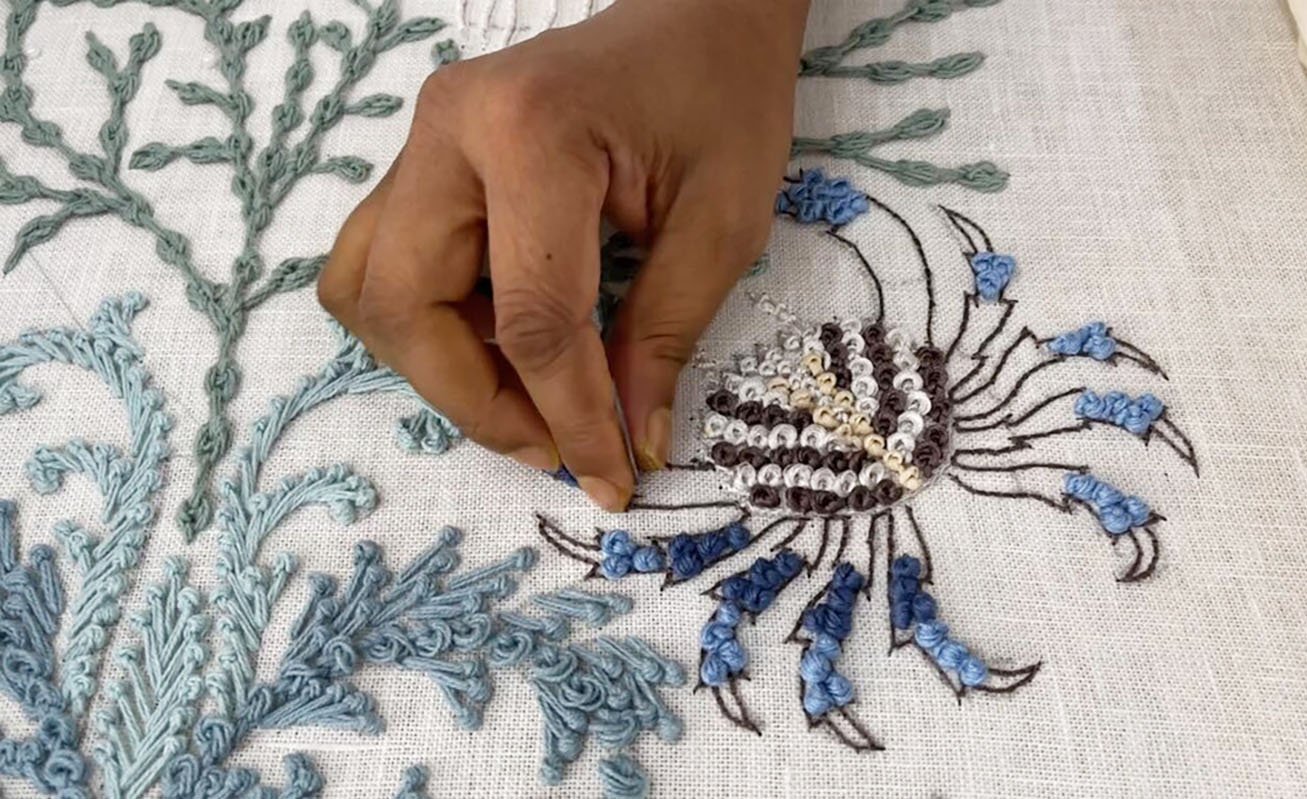
I believe hand embroidery creates value when it gives the bag a story that the customer can see and feel right away. If the detail is too small, too hidden, or too similar to machine work, the market may not reward the extra cost. But if the hand embroidery adds texture, craft identity, local art feel, or collector appeal, then the retail price can move up. This is especially true in boutique channels, premium gifting, and brand collaborations.
Still, I do not think buyers should use hand embroidery everywhere. The key is placement and message. A small handcrafted panel, floral corner, monogram patch, or artisan motif can lift the bag’s image without turning the whole style into a production headache.
I usually assess retail value through these points:
| Value driver | Why it can raise price |
|---|---|
| Visible craft detail | Customers can quickly see the difference |
| Limited edition use | Scarcity supports higher perceived value4 |
| Brand story | Handmade elements support premium storytelling |
| Mixed-material design | Hand detail feels more curated |
| Gift appeal | More emotional value for the buyer |
| Social media look | Unique detail can increase interest online |
I once reviewed a buyer’s product plan for a small holiday collection. The original idea used machine embroidery on every style. The bags were neat, but they felt common. We then added hand embroidery only on one premium cosmetic bag and one mini tote. Those two items carried a stronger story, and the buyer used them as image drivers for the whole collection. The retail price moved up, and the line looked more special. That experience reminded me that hand embroidery does not need to dominate the range. Sometimes a small handmade touch can do the brand work that a full machine-made line cannot do alone.
Conclusion
I choose machine embroidery for bulk bag orders1 and hand embroidery for premium details. In most cases, mixing both methods is the most practical and profitable strategy.
Understanding how embroidery scales in bulk helps you avoid cost surprises and late deliveries as your order size grows. ↩
Learning how embroidery affects timing lets you promise realistic launch dates and keep your supply chain predictable. ↩
Knowing which factors control stitch quality helps you reduce defects and protect your brand image on every unit produced. ↩
Connecting craft details to customer perception helps you justify premium pricing and stronger margins at retail. ↩
Seeing how these metrics shift by method helps you pick decoration that matches your business model, not just the design. ↩
Optimizing embroidery for B2B programs helps you support repeat orders, co-branding, and strict price targets reliably. ↩
Understanding the digital side of embroidery lets you control consistency and communicate better with factories. ↩
Improving bulk consistency cuts complaints and returns, protecting both your reputation and long-term buyer relationships. ↩
Knowing where handwork truly pays off prevents overspending on craft that your target customers may not value enough. ↩
Choosing the right backing and density prevents puckering and distortion, keeping your designs crisp and durable. ↩
Seeing the full landed-cost impact helps you price products correctly and protect margins across markets. ↩
Fine-tuning these parameters gives you a more luxurious finish without abandoning the efficiency of machine work. ↩
Good digitizing avoids thread pile-ups and fuzzy edges, so your logo looks sharp on every production batch. ↩
Focusing on the right premium elements lets you upgrade look and feel without wasting money on invisible details. ↩
Understanding setup cost helps you negotiate with factories and decide minimum viable order sizes sensibly. ↩
Improving efficiency on big orders protects timelines, reduces overtime risk, and keeps unit cost under control. ↩