Sourcing insulated bags is tricky because poor quality is hard to see from a photo. If you choose the wrong specs, your customers will complain about spoiled food. You need a clear guide to avoid costly mistakes.
The most critical specs for insulated bags are the insulation material type, foam thickness, and liner quality. Focus on closed-cell foam for temperature retention, heat-sealed PEVA or TPU liners for leakproofing, and reinforced stitching for durability. These determine performance and longevity.
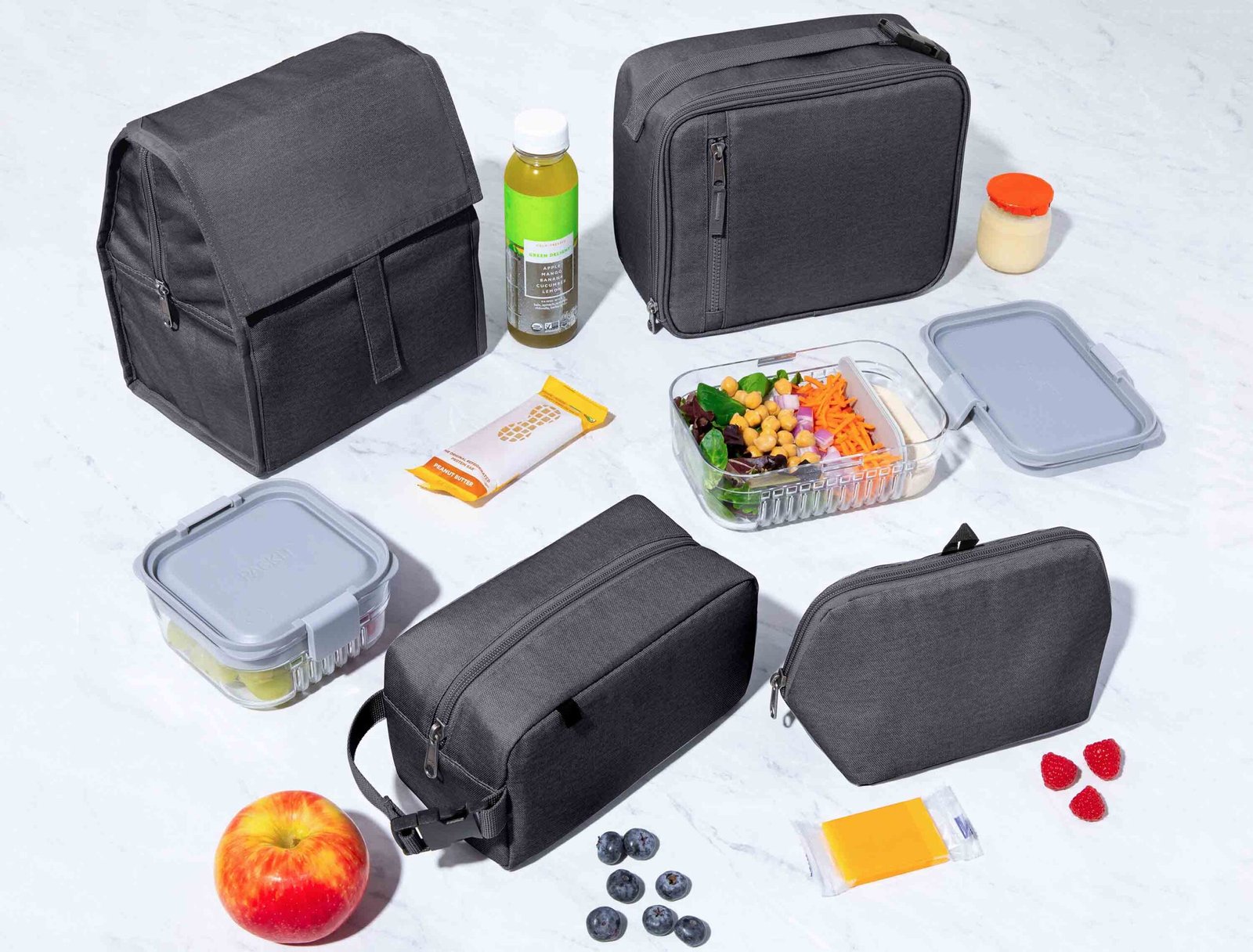
I have seen many buyers struggle with technical sheets. They see numbers but do not know what works in real life. I want to help you understand the exact details you need to check. This will help you find the right product for your market and avoid bad feedback.
What Insulation Materials Deliver the Best Temperature Retention?
Customers want cold drinks, not lukewarm water. Poor insulation ruins your brand reputation fast. You must pick materials that actually work to keep items fresh.
The best retention comes from closed-cell EPE foam1 or NBR foam2. Thickness matters; 5mm is standard, but 8mm or 10mm offers superior performance3. Reflective aluminum foil or PEVA liners4 further trap temperature inside effectively.
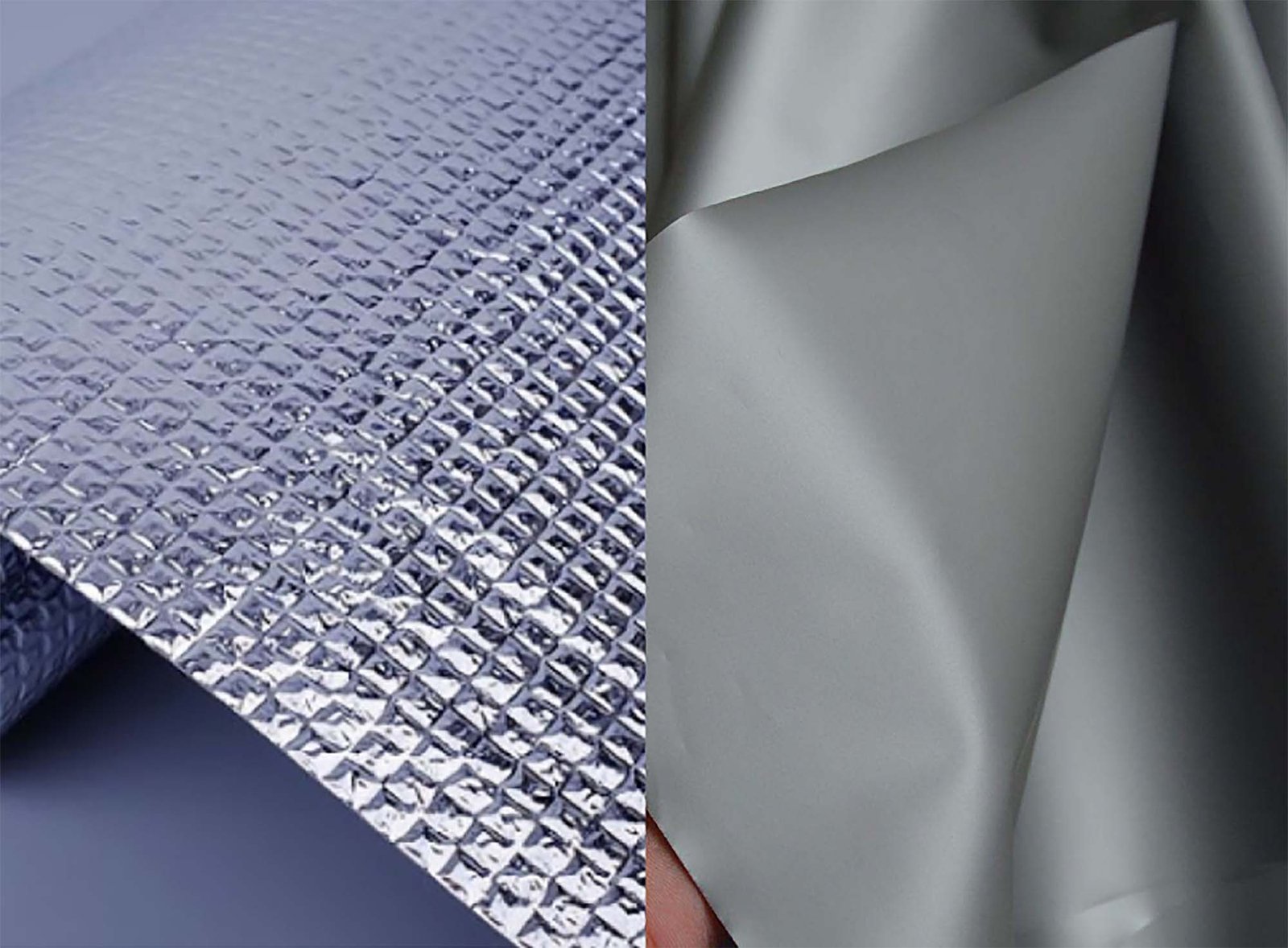
I have worked in this industry for 15 years, and I see buyers make the same mistake often. They try to save money on the foam. This is a bad idea. The foam is the heart of the bag. You need to understand the three main layers.
The Middle Layer: Foam Type
The most common material we use is EPE foam (Pearl Cotton)5. It is lightweight and cheap. For basic lunch bags, 3mm is okay. But for a high-quality cooler, you need at least 5mm or even 8mm. The thicker the foam, the longer the ice lasts. Another option is NBR foam2. This is rubber-based. It is softer and insulates better, but it costs more.
The Inner Layer: The Liner
The liner works with the foam. Aluminum foil is the entry-level choice. It reflects heat well but tears easily. PEVA is better6. It is a smooth plastic that is food-safe and waterproof. For heavy-duty bags, we use TPU. It is very strong and handles extreme cold without cracking.
Here is a simple breakdown to help you choose:
| Material Combination | Insulation Time | Cost | Best Use Case |
|---|---|---|---|
| 3mm EPE + Aluminum Foil | 2-3 Hours | Low | Promotional gifts, short trips |
| 5mm EPE + PEVA | 4-6 Hours | Medium | Daily lunch bags, supermarket bags |
| 8mm NBR + TPU7 | 8-12 Hours | High | Premium outdoor coolers, camping |
Which Key Specs Should You Confirm Before Placing a Bulk Order?
A spec sheet can look confusing if you are not a technical expert. If you miss one detail, production goes wrong. You need to know exactly what to ask the factory.
Confirm the outer fabric density (like 600D Oxford), handle reinforcement methods, and zipper quality. Also, specify the exact foam thickness in millimeters and the liner material type. These define the bag's durability and daily usability.
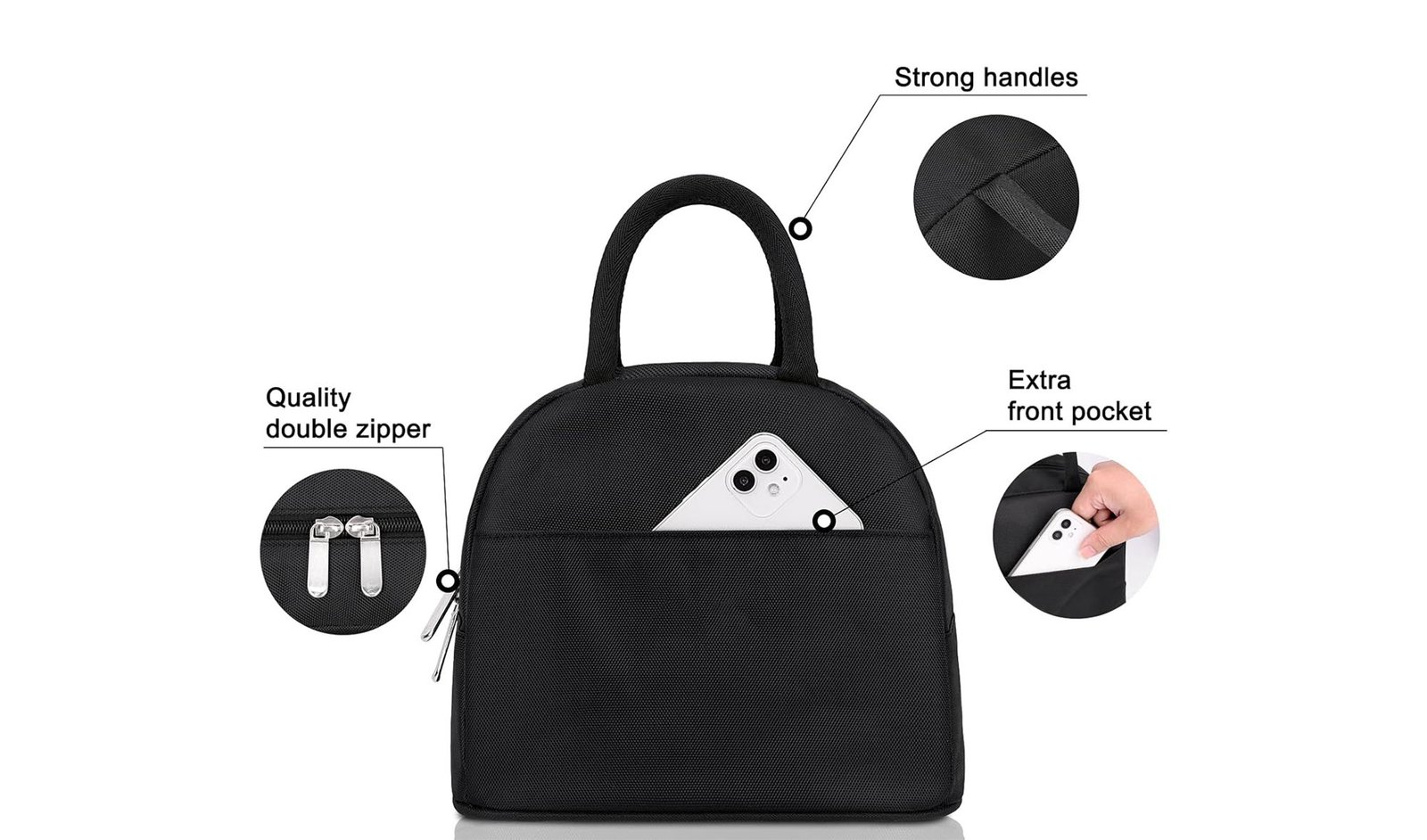
When you send an inquiry to me or any supplier, being specific helps you get an accurate price. There are three main areas you must define clearly. If you leave these open, a cheap factory will use the lowest quality to give you a low price.
Outer Fabric Durability
We usually use "D" to measure fabric density. 600D Oxford is the industry standard8. It is strong enough for grocery bags and coolers. If you see 420D or non-woven fabric, it is much weaker. Non-woven fabric is like the reusable bags you get for free9. It tears after a few uses. Always ask for 600D or higher for retail products.
Handle Strength
The handle carries all the weight. I always recommend "Box-X" stitching. This is a square with an X sewn inside it at the connection point. It distributes the weight. Also, check if the webbing strap goes all the way under the bag. This supports the bottom and prevents the handle from ripping off the top fabric.
Zipper Quality
The zipper is the most common failure point. A #5 nylon zipper is the minimum size you should accept10. If the bag is large, ask for a #8 zipper. Metal sliders are stronger than plastic ones. If you want a premium feel, ask for SBS or YKK brand zippers11, though they cost a bit more.
| Component | Minimum Spec | Recommended Spec | Why it Matters |
|---|---|---|---|
| Outer Shell | 420D Polyester | 600D Oxford / Tarpaulin | Prevents tearing and abrasion |
| Stitching | Single Stitch | Box-X Reinforced | Prevents handles from detaching |
| Zipper | #3 Nylon | #5 or #8 Nylon | Ensures smooth opening and closing |
What Size, Capacity, and Load Limits Fit Your Use Case Best?
A bag that is too big is hard to carry. A bag that is too small is useless. You must match the size to the end-user's needs.
Calculate capacity based on standard can or bottle sizes12, usually measured in liters. Ensure the load limit exceeds the weight of that capacity when full. Common sizes range from small 6-can lunch bags to large 30-liter grocery totes.
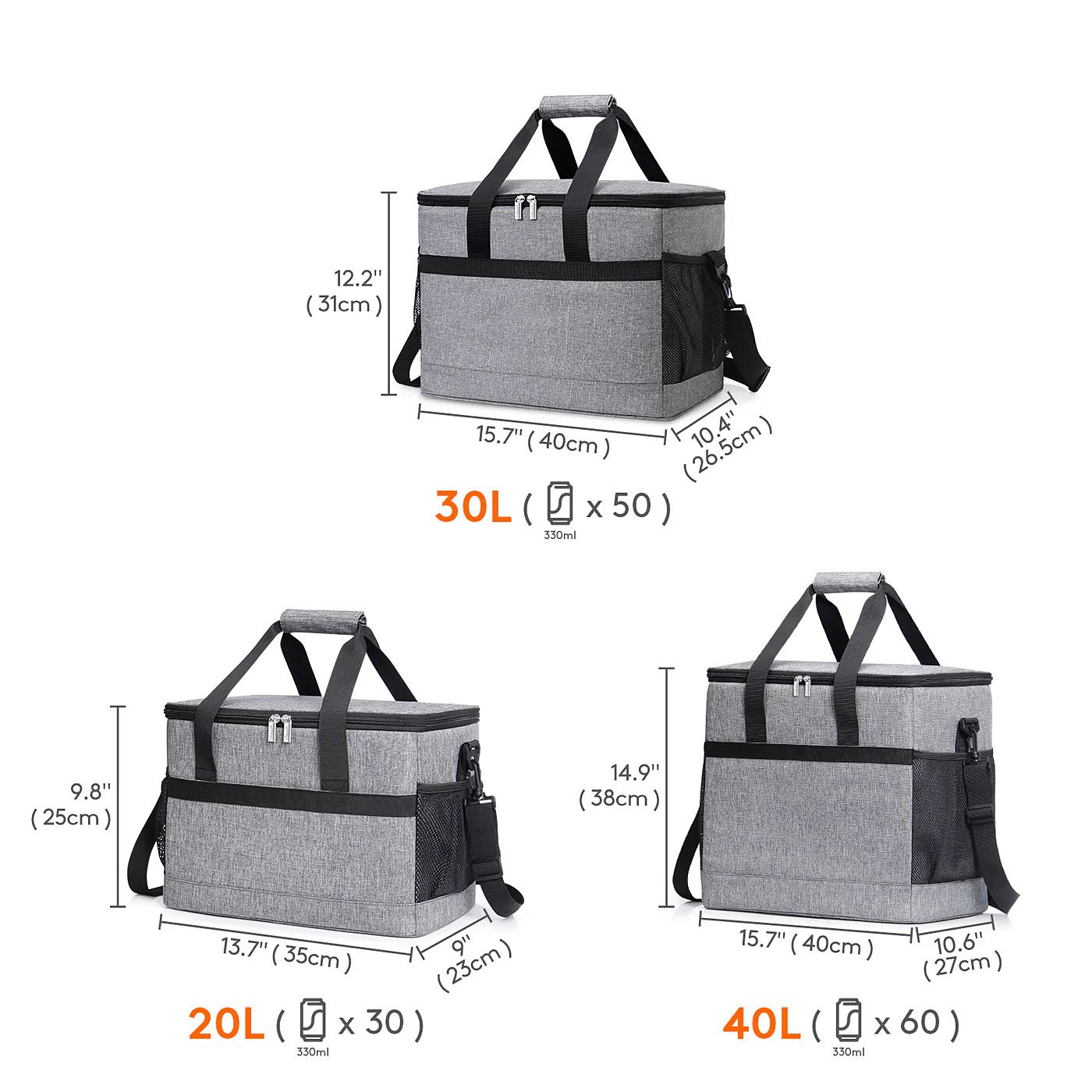
Size is not just about length and width. It is about usage scenarios. I help clients design bags for specific markets, like Canada or Europe. We have to think about what the user puts inside.
Understanding Volume
We measure volume in Liters, but customers think in "Cans." A standard soda can (330ml) is a good measuring unit.
- Small (Personal): Holds 6 cans. Good for a child's lunch.
- Medium (Family): Holds 24 cans. Good for a picnic.
- Large (Party/Delivery): Holds 40+ cans. Good for food delivery or catering.
Load Bearing vs. Capacity
Water is heavy. If you have a 30-liter bag, it could theoretically hold 30kg of water. But can the user lift 30kg? Probably not. However, the bag must be strong enough to hold it without breaking. I suggest testing the bag with 1.5 times the expected weight. If the bag is for 10kg of groceries, we test it with 15kg.
Shipping Considerations
This is a tip for your profit margin. Bigger bags cost more to ship. We try to design bags that fold flat13. Soft cooler bags are better for this than hard-shell coolers. If the bag folds well, you can fit more pieces in a container. This lowers your landed cost per unit.
| Bag Type | Typical Capacity | Dimensions (Approx) | Max Load Recommendation |
|---|---|---|---|
| Lunch Bag | 5L - 7L | 22x15x17 cm | 3-5 kg |
| Grocery Tote | 20L - 25L | 35x25x35 cm | 10-12 kg |
| Large Cooler | 30L - 40L | 40x30x35 cm | 15-20 kg |
How Do You Verify Leakproof Lining, Zippers, and Seam Sealing?
Leaking bags damage car seats and clothes. This is the number one reason for returns. You cannot afford to sell a cooler bag that drips.
Verify leakproofing by checking for heat-sealed seams (Hot Press technology14) on the liner. Sewn seams will leak. Ensure the zipper is water-resistant or airtight if full submersion is expected. Test by filling the liner with water.
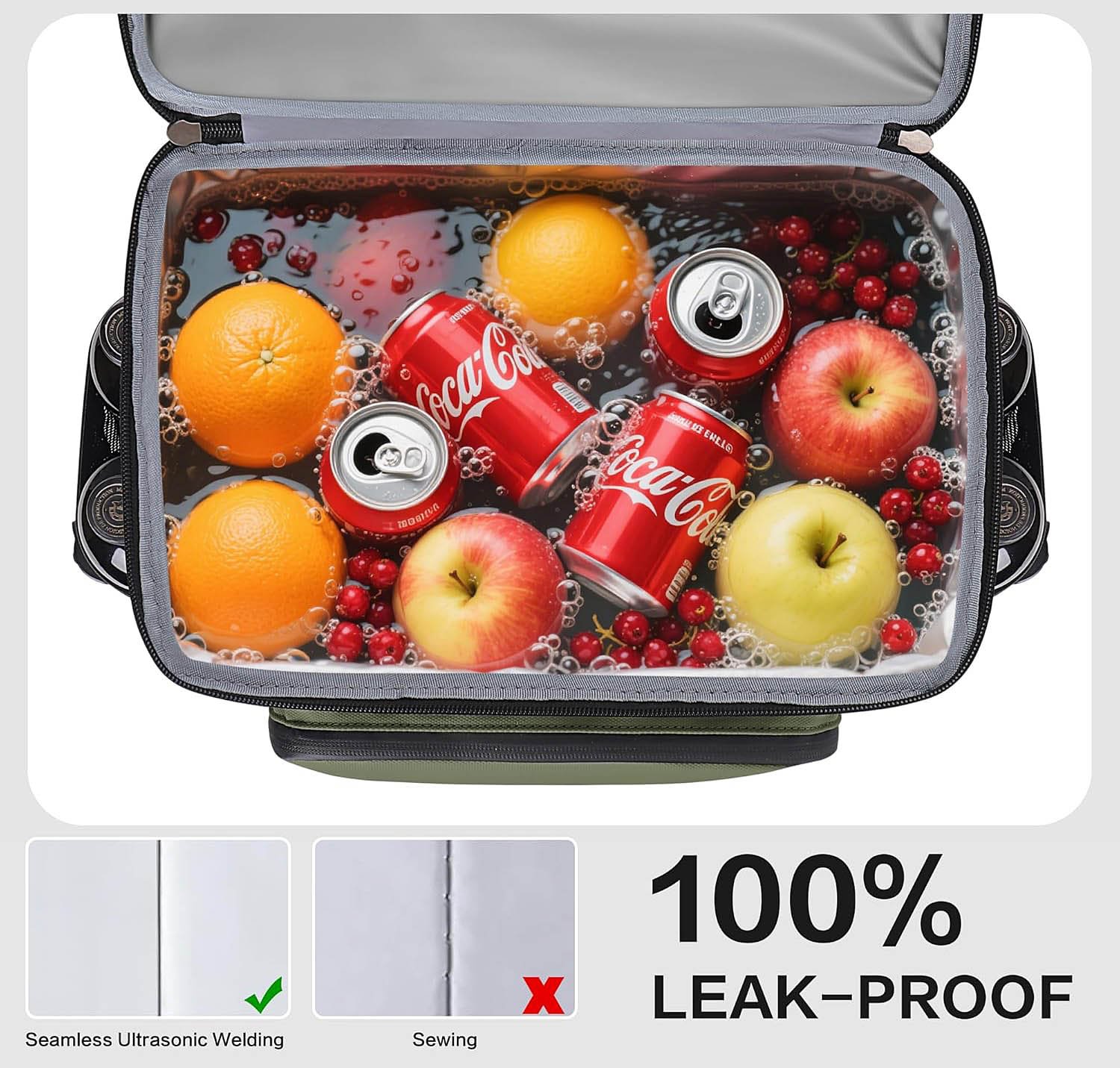
There is a big difference between "water-resistant" and "leakproof." Many suppliers play word games here. You need to know the technology behind the manufacturing process to spot the difference.
The Sewing Problem
If a factory sews the inner liner with a needle and thread, it has thousands of tiny holes. Liquid will pass through. This is fine for a lunch bag with containers, but bad for loose ice.
The Solution: Hot Press Technology
For a truly leakproof bag, we use High-Frequency Welding15 or Hot Press technology14. This melts the PEVA or TPU material together at the seams. It creates a solid bond with no needle holes. When you inspect a sample, look at the corners inside. If it looks melted together and smooth, it is heat-sealed. If you see thread, it will leak.
The Water Test
I always tell my clients to do a simple test. When you get the sample, pour a pitcher of water directly into the bag. Let it sit for 30 minutes. Place it on a dry piece of paper. If the paper is dry, the liner is good. Then, tip the bag upside down. If water comes through the zipper, it is a standard zipper. If you need it to be 100% airtight, you must ask for an airtight TPU zipper16, but these are very expensive.
| Method | Leak Proof Level | Cost Impact | Best For |
|---|---|---|---|
| Sewn Seams | Low (Leaks liquids) | Low | Dry food, containers |
| Taped Seams | Medium (Resists splashes) | Medium | Light rain protection |
| Heat Sealed (Hot Press) | High (Holds water) | High | Ice, drinks, fishing |
What Quality Tests and Certifications Should a Supplier Provide?
Importing unsafe materials can get your goods seized. You also face legal risks if chemicals are present. You must demand the right paperwork.
Suppliers should provide FDA or LFGB certification17 for food contact safety. Ask for physical tests like load-bearing tests, zipper durability cycles, and insulation time testing reports. These prove the bag is safe and functional.

Safety is serious business. In my factory, we deal with buyers from Europe and North America every day. Their regulations are strict. You cannot just buy any plastic material.
Chemical Safety
The inner liner touches food directly. It must be safe.
- FDA (USA): The material must be food-grade and non-toxic.
- LFGB (Europe): This is even stricter than FDA.
- BPA Free: Ensure the plastic does not contain Bisphenol A. Always ask the supplier for a recent test report from a lab like SGS or Intertek for the specific material batch.
Physical Durability Tests
Certificates are for safety, but physical tests are for quality.
- Load Test: We hang the bag with heavy weights for 24 hours to see if the handles stretch or break.
- Zipper Cycle Test: A machine opens and closes the zipper 500 to 1000 times to ensure it does not jam.
- Drop Test: We fill the bag and drop it from a height to see if the bottom seam bursts.
Managing Quality Control
Since you are likely overseas, you cannot be in the factory. You should hire a third-party inspection agency18 for orders over $10,000. Give them these standards. If the factory knows you will inspect the goods based on these tests, they will be much more careful during production.
| Certification/Test | Region/Purpose | What it Checks |
|---|---|---|
| FDA | USA | Food contact safety |
| LFGB | Germany/EU | Stricter food contact safety |
| REACH | EU | Chemical substances (Lead, Phthalates) |
| Tensile Strength Test | Global | How much weight before breaking |
Conclusion
To succeed, focus on insulation thickness, leakproof heat-sealing, and strong stitching. Verify specs with samples and certifications. This ensures happy customers and profitable orders.
Learn how closed-cell EPE foam actually performs so you can justify higher specs and avoid bags that fail to keep items cold. ↩
Understand when paying extra for NBR foam is worth it for your target market and product positioning. ↩
See tested performance differences so you can choose the right foam thickness instead of guessing from supplier claims. ↩
Compare pros and cons of both liners so you can balance cost, durability, and food safety for your use case. ↩
Get technical data on EPE foam to know when its cost savings are acceptable and when to upgrade materials. ↩
Confirm PEVA’s benefits for food safety, waterproofing, and durability to support your spec decisions with facts. ↩
Validate this premium material combo against real-world camping and delivery needs before investing in high-end stock. ↩
Check real durability tests and comparisons so you don’t downgrade to weaker fabrics that trigger returns. ↩
See failure rates of non-woven bags so you avoid using them in products meant for long-term retail use. ↩
Review zipper size recommendations to prevent breakage and complaints about snagging or splitting zippers. ↩
Evaluate brand-name zipper reliability so you know when the upgrade helps premium positioning and reduces returns. ↩
Learn a clear method to express capacity in “cans” so your product listings match customer expectations. ↩
Discover packaging and folding strategies that improve container utilization and boost your profit margin. ↩
See how heat-sealed seams work so you can insist on the correct process instead of sewn liners that leak. ↩
Understand this welding method to better evaluate factories that claim truly leakproof construction. ↩
Decide if you really need a fully airtight zipper for your market or if a standard water-resistant zipper is enough. ↩
Ensure your bags meet the correct regional standards and avoid customs or legal issues with unsafe liners. ↩
Learn how inspections work and what tests to specify so you can protect large orders from hidden quality problems. ↩