Are you tired of dealing with middlemen who hike up prices and delay information about your bag orders? Finding a reliable factory in China is hard, but it is the only way to secure good margins.
To source non-woven bags efficiently, identify direct manufacturers with ISO certifications1 to avoid trading fees. Always request physical samples2 to verify fabric weight (GSM) and stitching strength. Ensure the supplier offers OEM customization3 and has proven experience exporting to your specific market for smooth logistics.

I have seen many buyers lose money because they chose the wrong partner. In this guide, I will share my 15 years of experience at Coraggio to help you succeed.
How to Tell a Real Non-Woven Bag Manufacturer from a Trading Company?
You think you are talking to a factory, but they might just be an office with a phone and a computer.
A real manufacturer owns the production lines and allows video inspections of the floor. Trading companies usually have a wide variety of unrelated products. Ask for a factory audit4 or check their business license to see if it says "Production" or just "Sales."5
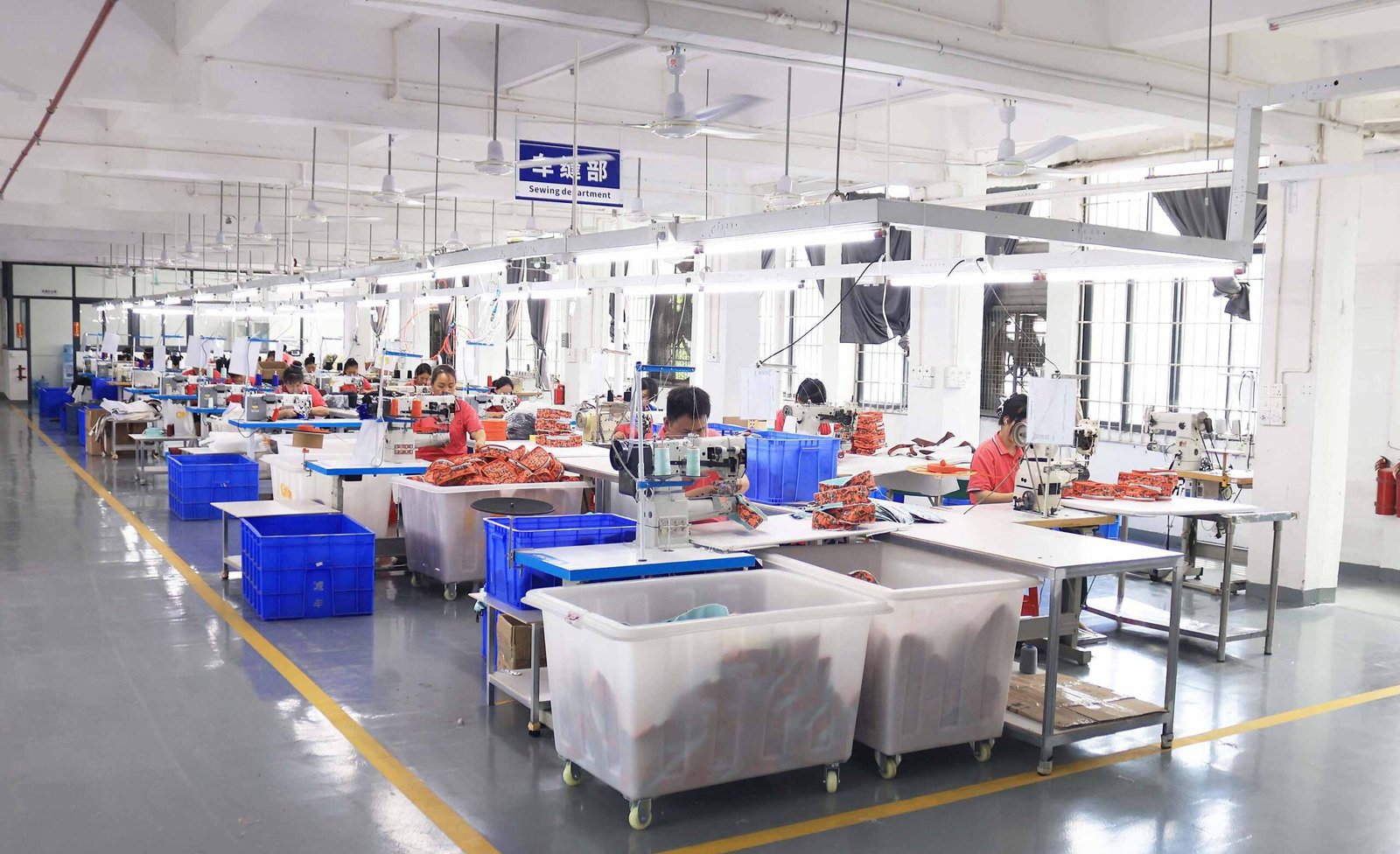
It is very common for buyers to get confused between a factory and a trading company. I have been in this industry for 15 years, and I see this happen all the time. A trading company buys from us and sells to you. They add a margin to the price. This makes your cost higher. Also, communication is slower because they have to ask us for answers.
At Coraggio, we have a 3,000 square meter facility and 120 workers. When you ask a technical question, my design team answers it immediately. A trading company cannot do this. They often lack technical knowledge.
Here is how you can check if a supplier is real:
| Feature | Real Manufacturer (Like Coraggio) | Trading Company |
|---|---|---|
| Product Range | Focused (e.g., only bags) | Wide (e.g., bags, pens, electronics) |
| Price | Factory Direct Price6 | Factory Price + Commission |
| Customization | Flexible (OEM/ODM) | Limited to standard stock |
| Response Time | Fast (Direct contact) | Slow (Middleman communication) |
| Factory Visit | Welcomes visits/video calls | Avoids or delays visits |
You should ask for a video call during working hours7. Ask them to walk onto the production floor. If they refuse or make excuses, they are likely a trader. Working directly with a factory gives you control. You can change materials or adjust designs quickly. This is vital for long-term business growth.
What Are the Key Quality Checks for Bulk Non-Woven Bags?
Poor quality bags rip easily, and your customers will blame you, not the factory in China.
Focus on the GSM (Grams per Square Meter) of the fabric8; higher GSM means stronger bags. Check the handle stitching, specifically looking for "X" stitching reinforcement9. Inspect the printing quality to ensure logos do not peel off. Always ask for a pre-production sample.

Quality problems can destroy your reputation. I remember a new client from Canada who came to us after a bad experience. He bought bags that were too thin. They broke when his customers put groceries in them. This happened because he did not check the GSM.
GSM stands for Grams per Square Meter. It tells you how thick the fabric is.
- 70-80 GSM: Good for light use, like trade show giveaways.
- 90-100 GSM: Standard for grocery bags and retail.
- 110+ GSM: Heavy-duty use, very strong.
You must also check the construction method. There are two main types:
- Ultrasonic (Heat Sealed)10: These are made by machines. They are cheaper and faster to make. They are good for lighter loads.
- Sewn (Stitched)11: These are made by workers on sewing machines. They are stronger. We use "X" stitching on the handles. This prevents the handle from ripping off under heavy weight.
Printing is another pain point. If the ink is bad, it will scratch off. We use strict QC checks at Coraggio. We do a tape test12. We stick tape on the logo and pull it off. If the ink stays, it is good. You should ask your supplier to do this test. Always approve a physical sample before you authorize the mass production. Do not rely only on photos.
What Customization Options Are Available for Global Brands?
Generic bags do not build a brand, so you need a supplier who can make your design real.
Global brands can customize bag dimensions, fabric colors, and handle lengths. Common printing options include silk screen for simple logos and laminated printing for full-color images. You can also add accessories like zippers, velcro, or hard bottoms for better structure.

Customization is where you add value. You are not just buying a bag; you are buying a marketing tool. At Coraggio, we offer OEM and ODM services. This means we can make a bag exactly how you want it.
First, think about the Printing Method:
- Silk Screen Printing13: Best for 1-3 colors. It is cheap and clear. Good for simple logos.
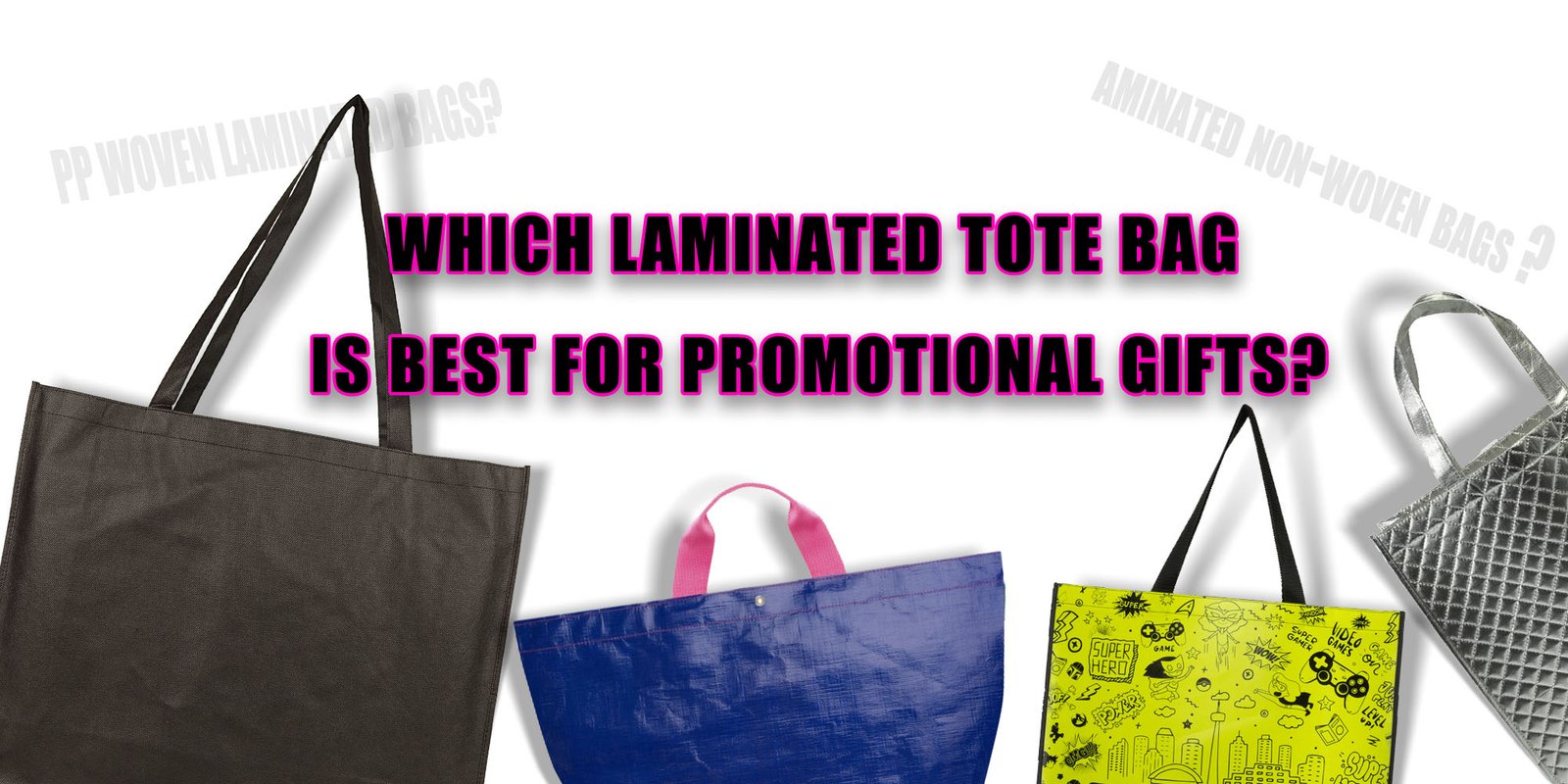
- Laminated (Gravure) Printing14: This is for full-color pictures. We print on a film and stick it to the bag. It looks shiny and waterproof. It is very durable.
- Heat Transfer: Good for complex logos on smaller orders.
Next, consider the Structure:
- Box Bags: These have a flat bottom and sides. They stand up by themselves.
- T-shirt Bags: These look like plastic grocery bags but are reusable. They are very cheap.
- Cooler Bags: We add foam and foil inside to keep food cold.
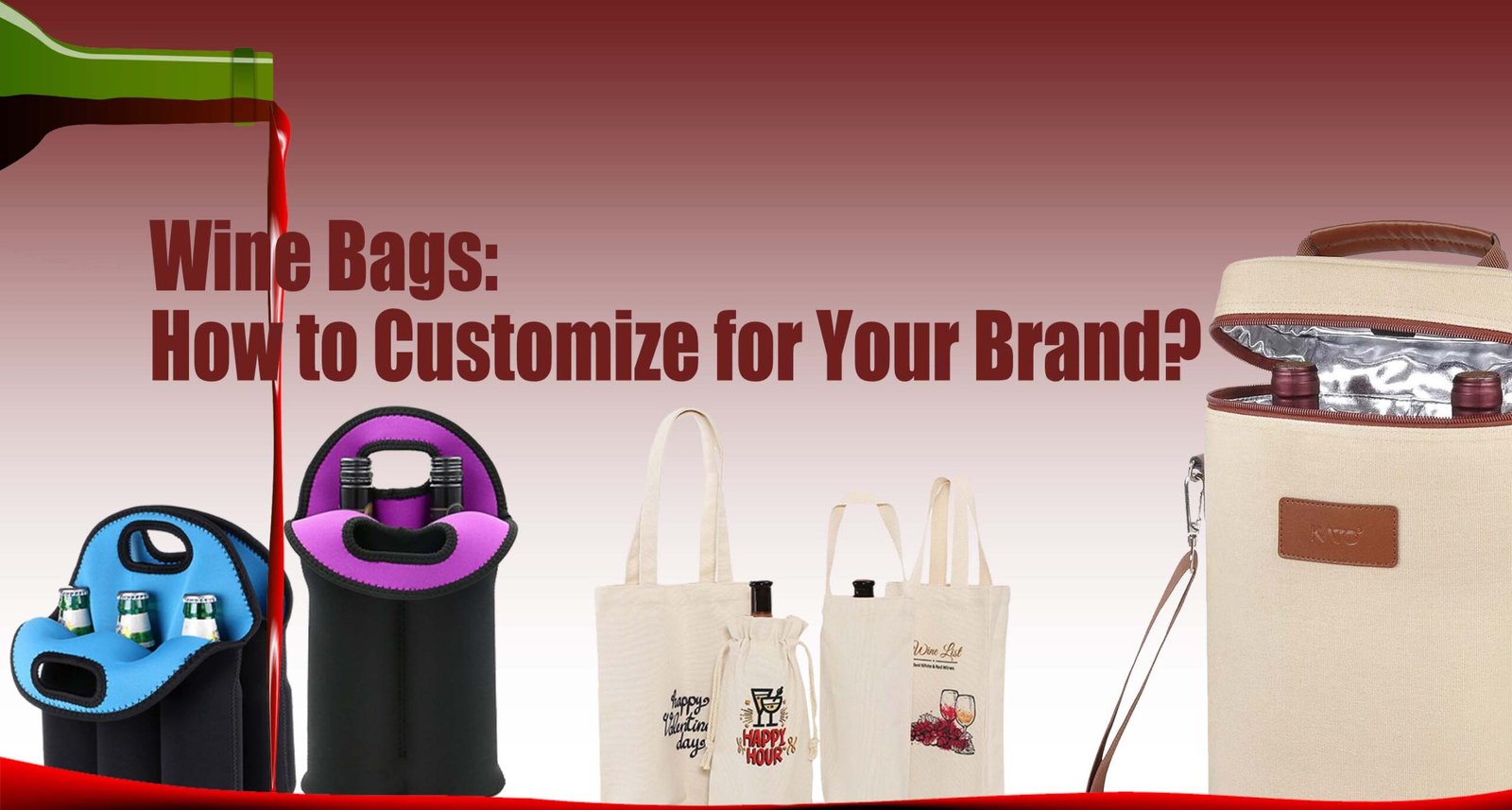
I have a design team of 10 people. We help clients who have an idea but no drawing. For example, a client wanted a bag for wine bottles. We designed a divider inside the bag. This stopped the bottles from hitting each other. We also added a velcro closure at the top.
You can also choose eco-friendly materials. We have RPET non-woven fabric15. This is made from recycled plastic bottles. It is very popular in Europe now. It helps your brand look responsible.
What Are the Typical MOQs and Pricing for Wholesale Orders?
You want the best price, but you might not want to buy a whole container immediately.
Typical MOQs for custom non-woven bags start around 1,000 to 5,000 pieces depending on the printing method. Prices drop significantly as volume increases due to machine setup costs. Simple screen-printed bags are cheaper than fully laminated ones.
Pricing and Minimum Order Quantity (MOQ)16 are linked. Many buyers ask why the price is high for 500 bags. The reason is the setup cost.
For every order, we have to:
- Buy the specific fabric color.
- Make printing plates or screens.
- Set up the cutting and sewing machines.
These costs are fixed. If you buy 500 bags, you share this cost across only 500 items. If you buy 10,000 bags, the cost per bag drops a lot.
Here is a general guide to MOQs:
- Silk Screen Bags: MOQ is usually 1,000 pcs. The setup is easy.
- Laminated Bags: MOQ is usually 5,000 pcs. The copper cylinders for printing are expensive to make.
- Special Fabric Colors: If you need a specific Pantone color for the fabric, the MOQ might be 1 ton of material (about 10,000+ bags).
To get the best price, try to order a Full Container Load (FCL)17. Shipping a full container is much cheaper per bag than shipping a few boxes (LCL).
Price also depends on complexity. A simple flat bag is the cheapest. A bag with a gusset (sides) costs more. A bag with zippers and pockets costs the most. At Coraggio, we always give a breakdown of the price. You can see how much the material, printing, and labor cost. This transparency helps you make decisions.
How Long is the Lead Time and Shipping from China to the US/EU?
A late delivery can ruin your seasonal promotion, so timing is everything in this business.
Production usually takes 20 to 30 days after sample approval18. Shipping by sea to the US or EU takes about 30 to 45 days. Always plan your orders at least 3 months in advance to account for customs clearance and potential port delays.
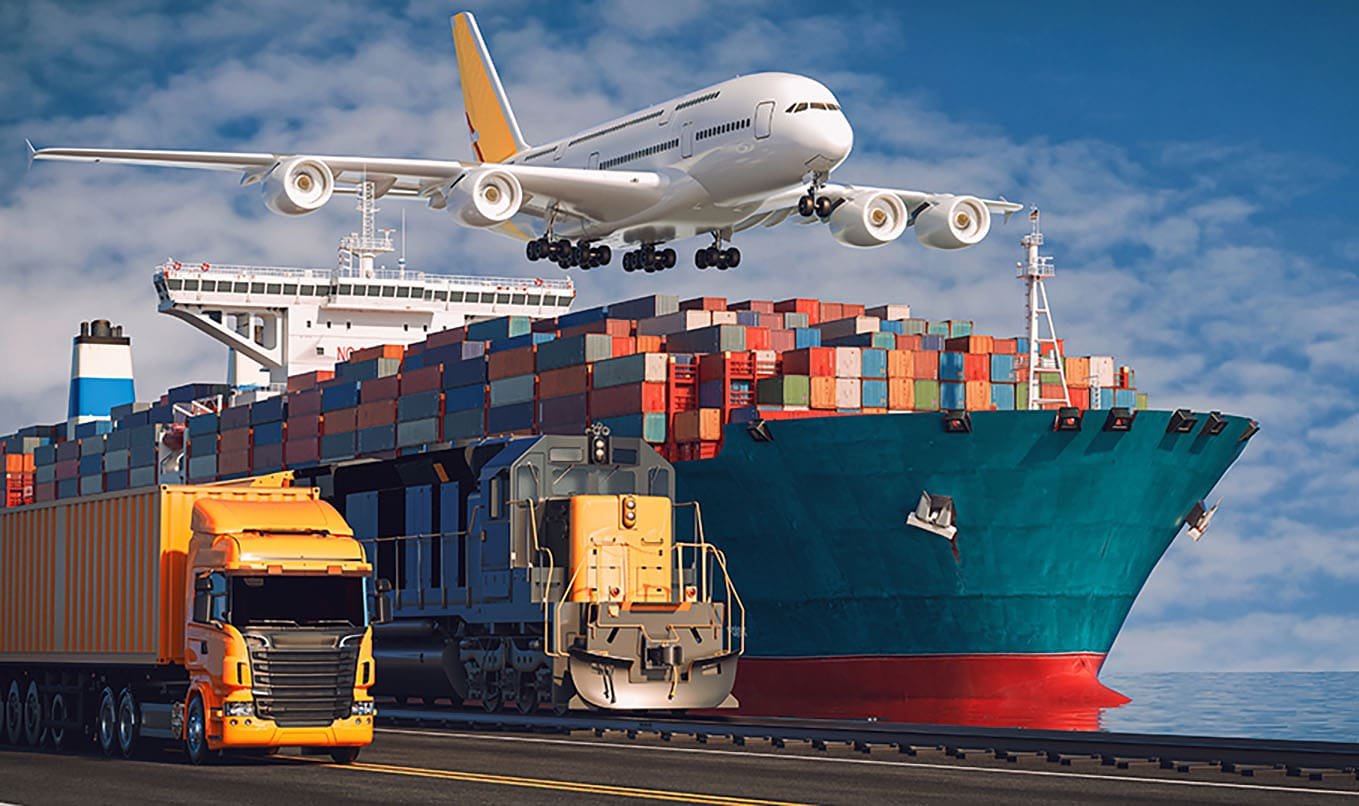
Time management is critical for procurement. I see buyers panic because they ordered too late for Christmas. You need to understand the timeline.
The Production Phase (20-30 Days):
- Material Sourcing (5-7 days): We order the fabric pellets and make the cloth.
- Printing (5-7 days): We cut the fabric and print your design.
- Sewing (10-15 days): This takes the most time. Our 8 production lines work fast, but quality takes time.
- Packing and QC (3-5 days): We check every bag and pack them into cartons.
The Shipping Phase:
- Sea Freight19: This is the standard for bulk bags. It is cheap.
- To West Coast USA: ~25 days.
- To East Coast USA: ~35-40 days.
- To Europe: ~35-45 days.
- Air Freight: This is very expensive. Only use this for urgent samples or very small orders. It takes 5-7 days.
- Rail Freight: This is a good option for Europe. It takes about 20-25 days. It is faster than sea but cheaper than air.
You must also think about holidays. Chinese New Year shuts down factories for 3 weeks20. If you order in January, you might not get goods until April.
At Coraggio, we help with logistics. We can do FOB (Free on Board) where we put it on the ship, and you handle the rest. Or we can do DDP (Delivered Duty Paid), where we deliver to your door. For buyers like Mark Porter who are busy, DDP is a great option. It saves you from dealing with customs paperwork.
Conclusion
Sourcing non-woven bags requires checking factory credentials, verifying fabric quality, and planning logistics early. Working directly with a manufacturer like us ensures better prices and reliable delivery for your business.
Learn how to filter out unreliable vendors and ensure you only work with certified factories that protect your margins and product consistency. ↩
Understand how real samples reveal fabric strength, stitching, and print quality so you avoid costly surprises in mass production. ↩
Explore how tailored OEM options can turn simple bags into branded marketing tools that justify higher selling prices. ↩
A proper audit verifies real production capability, compliance, and reliability before you risk large orders. ↩
Learning to read licenses protects you from unknowingly dealing with middlemen that inflate your costs. ↩
See how cutting out intermediaries directly improves your margins and competitiveness in your local market. ↩
Using live video walkthroughs lets you confirm real production lines without the cost of flying to China. ↩
Mastering GSM selection helps you match bag strength to usage, preventing breakage complaints and product returns. ↩
Learn how proper handle reinforcement prevents failures under load and protects your reputation with end customers. ↩
Knowing when heat-sealed bags are sufficient can lower your costs while still meeting performance needs. ↩
Understand why stitched construction is preferred for heavier loads and premium retail applications. ↩
This simple test helps you verify durable logo prints that won’t peel, fade, or embarrass your brand. ↩
Use the right print method to keep costs low while achieving clean, sharp logos on your bags. ↩
Discover how full-color, laminated prints can make your bags look premium and waterproof for branding impact. ↩
Switching to RPET can strengthen your sustainability story and appeal to environmentally conscious buyers. ↩
Understanding MOQs helps you plan order sizes that balance cash flow, stock levels, and unit cost. ↩
See how optimizing container usage dramatically reduces your per-bag shipping cost and total landed price. ↩
Approved samples lock in specs and reduce disputes, reworks, and delays once production starts. ↩
Planning around realistic sea transit times keeps your seasonal launches and promotions on schedule. ↩
Knowing this annual disruption helps you order early and avoid months-long delays in your supply chain. ↩