Book Tote Bag or Backpack: Which Is Better for Buyers?
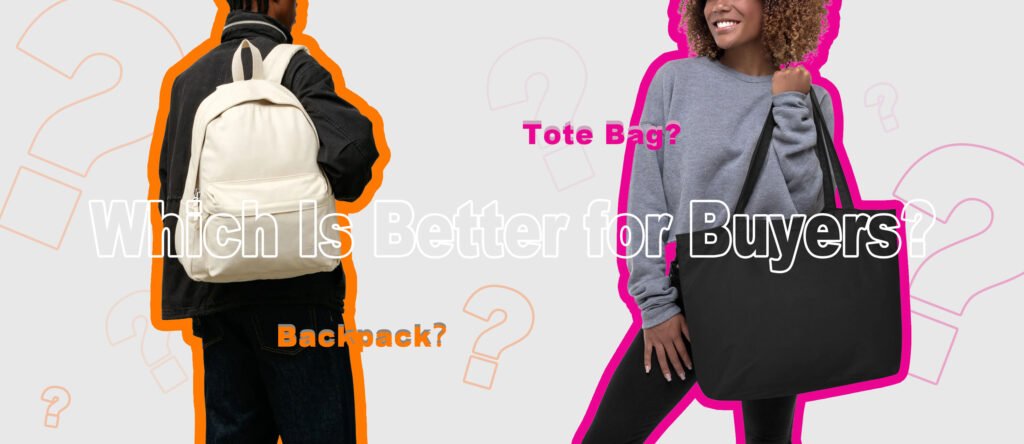
Compare book tote bags and backpacks for wholesale buyers. Learn which bag fits branding, load needs, daily use, and sourcing risk.
Why Do Bag Factories Say No to 10-20 Custom Bags?
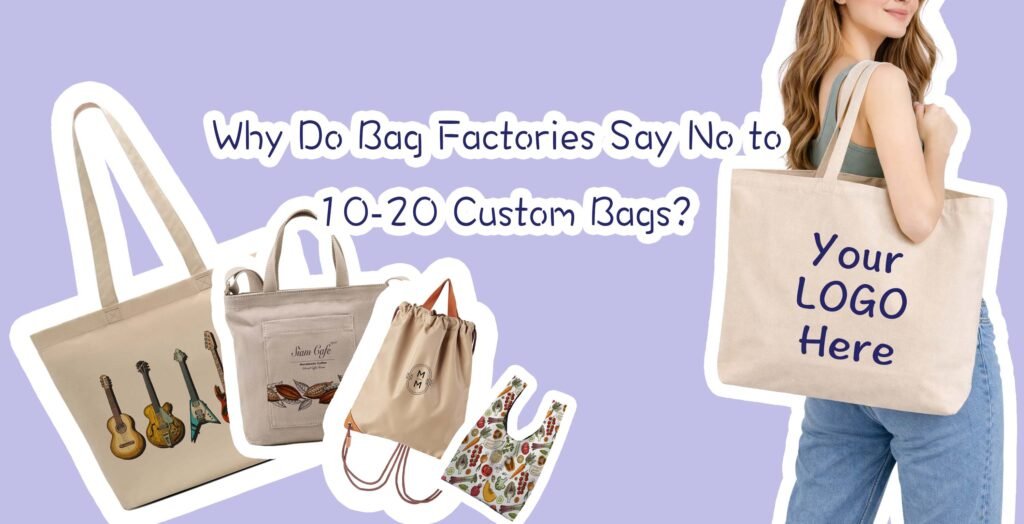
Why bag factories refuse 10-20 custom bags, how MOQ works, and smarter ways buyers can test designs before bulk production.
Knit vs. Woven Bags: Which Fabric Should Buyers Choose?
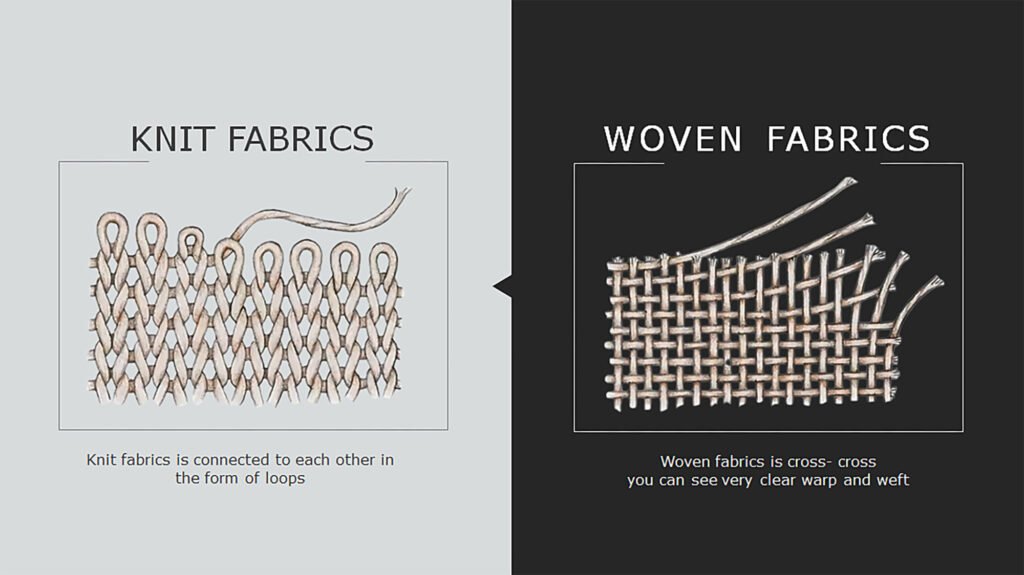
Knit or woven fabric for bags? Learn which holds shape better, prints sharper logos, and lasts longer — a practical guide for bag buyers and sourcing teams.
Is Nearshoring Better Than Low-Cost Sourcing for Bags?
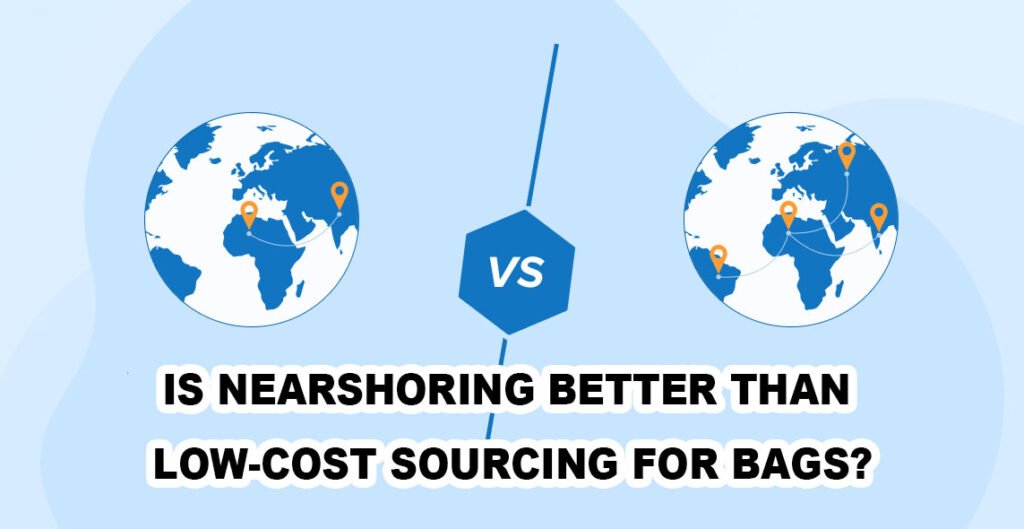
Nearshoring vs low-cost sourcing for bags: which is better? Learn how top bag buyers choose the right strategy by SKU, lead time, cost, and market need.
What Is Coated Canvas & Why Do Bag Buyers Love It?
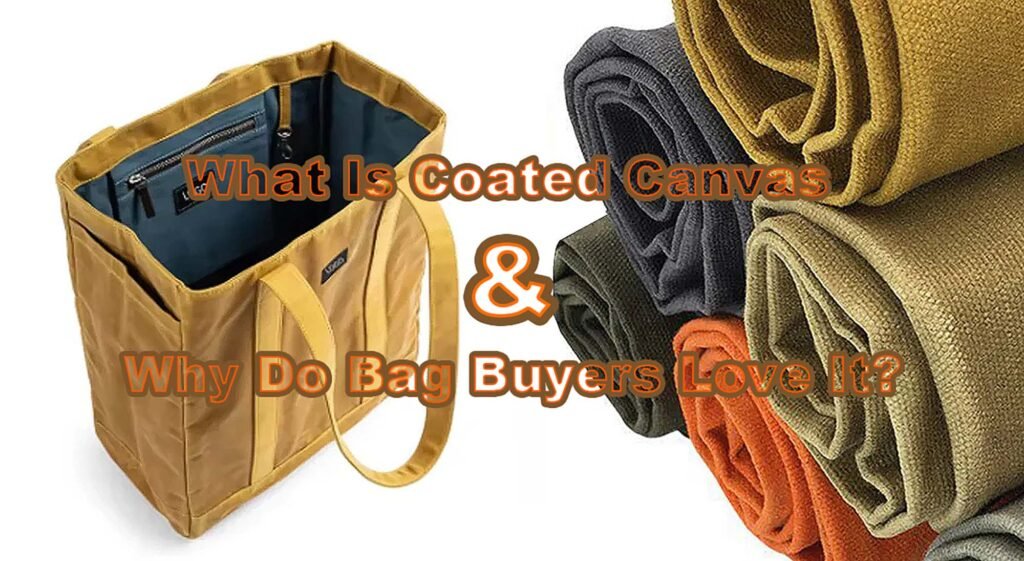
Coated canvas is durable, water-resistant, and print-ready — discover why top bag buyers and luxury brands choose it over leather for handbag collections.
What Is GOTS Certification? Why Every Bag Buyer Needs It
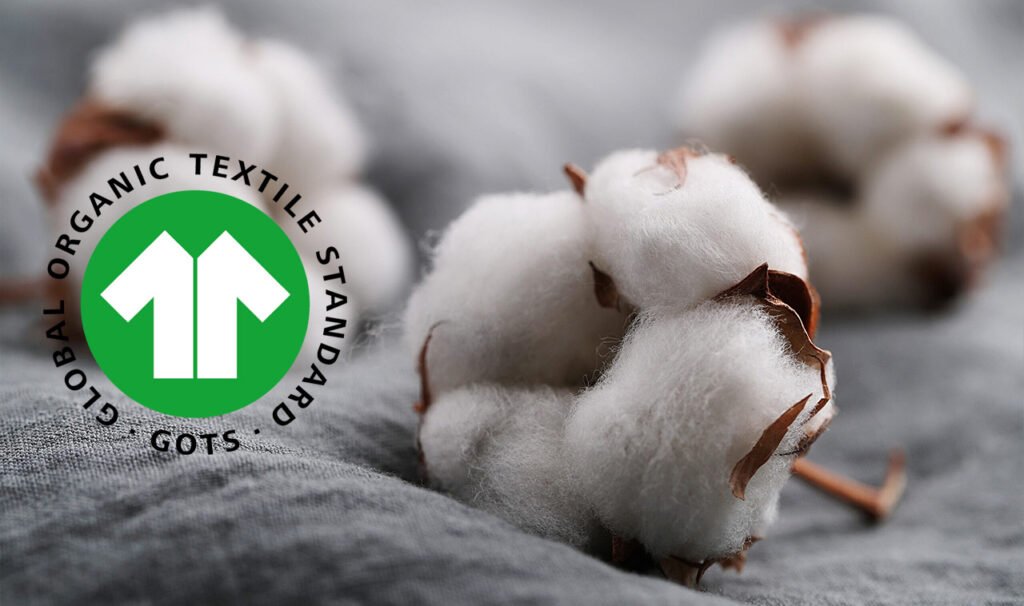
GOTS certification proves organic textile claims across the supply chain. For bag buyers, it reduces audit risk and meets top retail entry standards.
Why Are Blu Bags Popular and How Can Your Brand Profit?
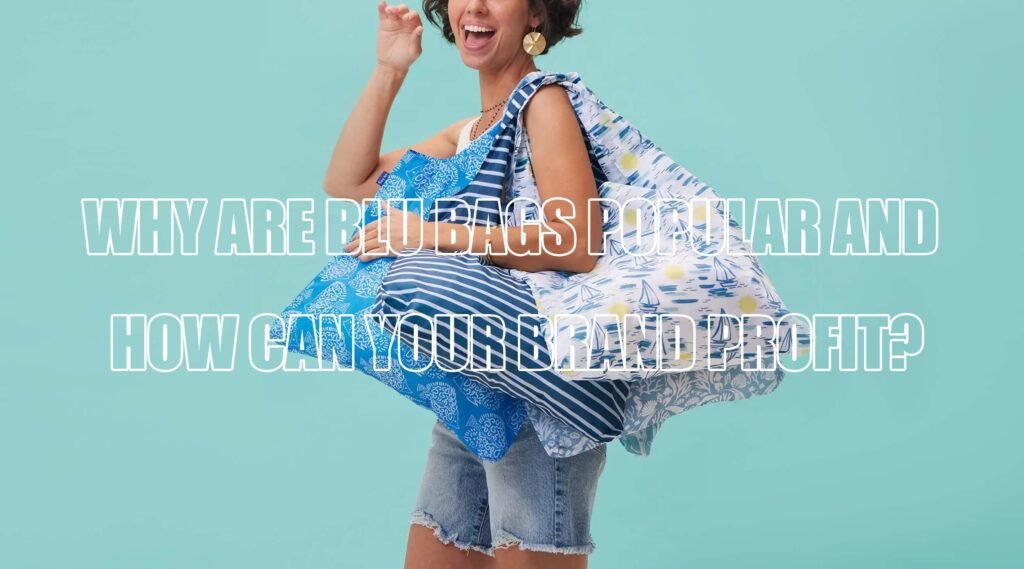
Why are Blu Bags popular? Discover what makes them easy to sell, source, and brand—and how bulk buyers can profit from this bag trend.
Do Bag Buyers Really Prefer Middlemen Over China Factories?
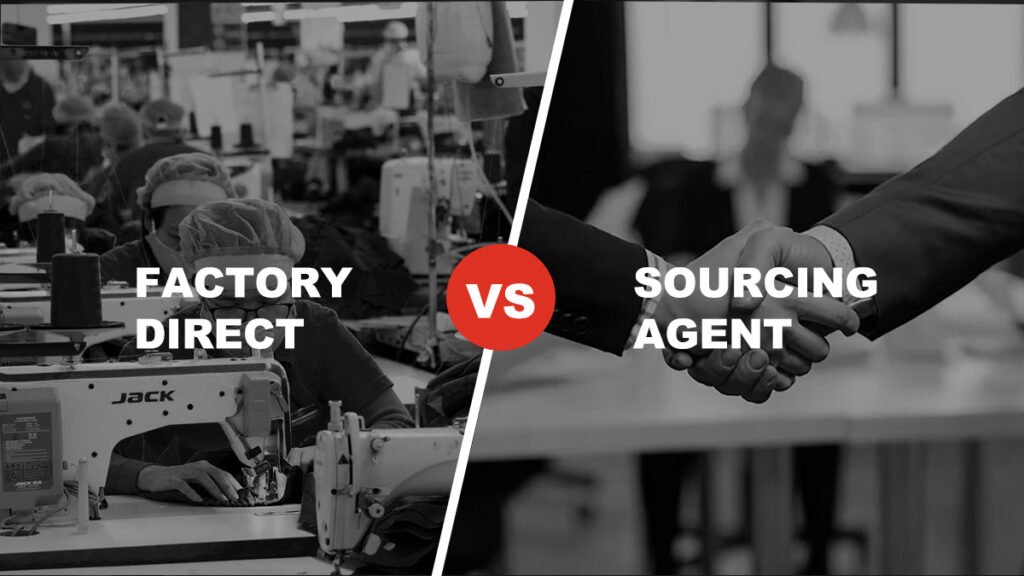
Most bag buyers use middlemen to reduce sourcing risk, not out of habit. Learn when factory-direct works and when a sourcing agent protects your margin.
How Miscommunication Raises Your Bag Sourcing Costs
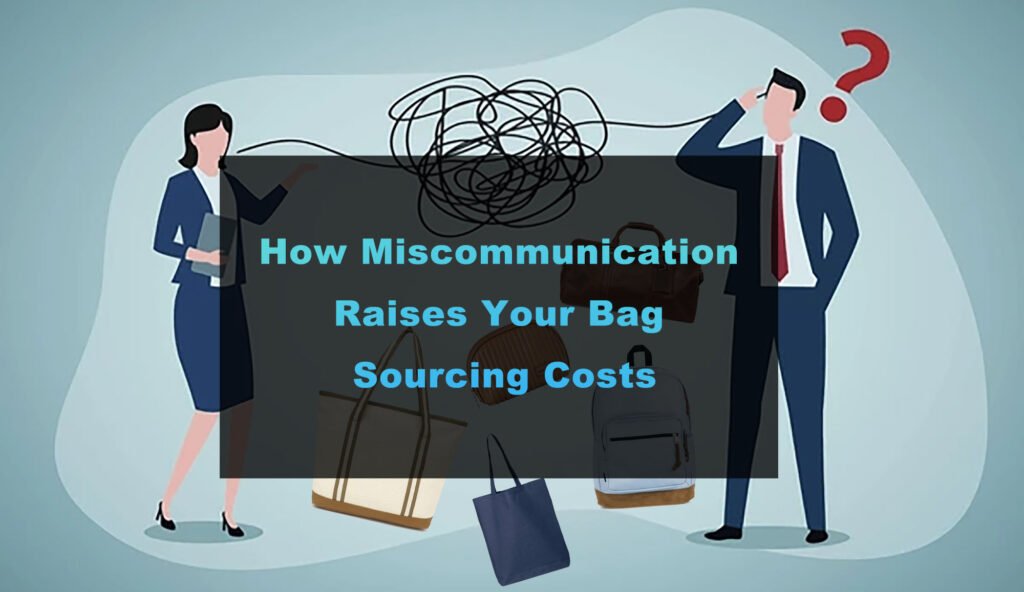
Miscommunication in bag sourcing leads to re-sampling, rework, delays, and costly air freight. Use a spec sheet, PPS, and sign-off checklist to protect margins.