Tariffs are scary for your business. If the government raises taxes, your profit margins drop. You need to know exactly what happens next to save money on your bag orders.
Trump tariffs will likely raise the landed cost of bags imported from China to the USA1. While duties increase expenses, China’s mature supply chain often remains the most efficient option. Importers should calculate total landed costs2 and negotiate with factories to share the burden3.
Many buyers are worried about their margins right now. The news keeps talking about trade wars and taxes. It feels uncertain. But you do not need to panic yet. Let us look at the details together so you can make the right choice for your business.
Will Trump Tariffs Make Bags from China Too Expensive to Import?
You want low prices. Tariffs add extra costs to every invoice. This eats your profit. We must see if the final price is still competitive for your market.
Tariffs increase the duty rate4, making the unit price higher upon entry. However, Chinese manufacturing costs are often lower than other countries initially. Even with a tariff, the total cost might still be lower than producing in the US or Europe.
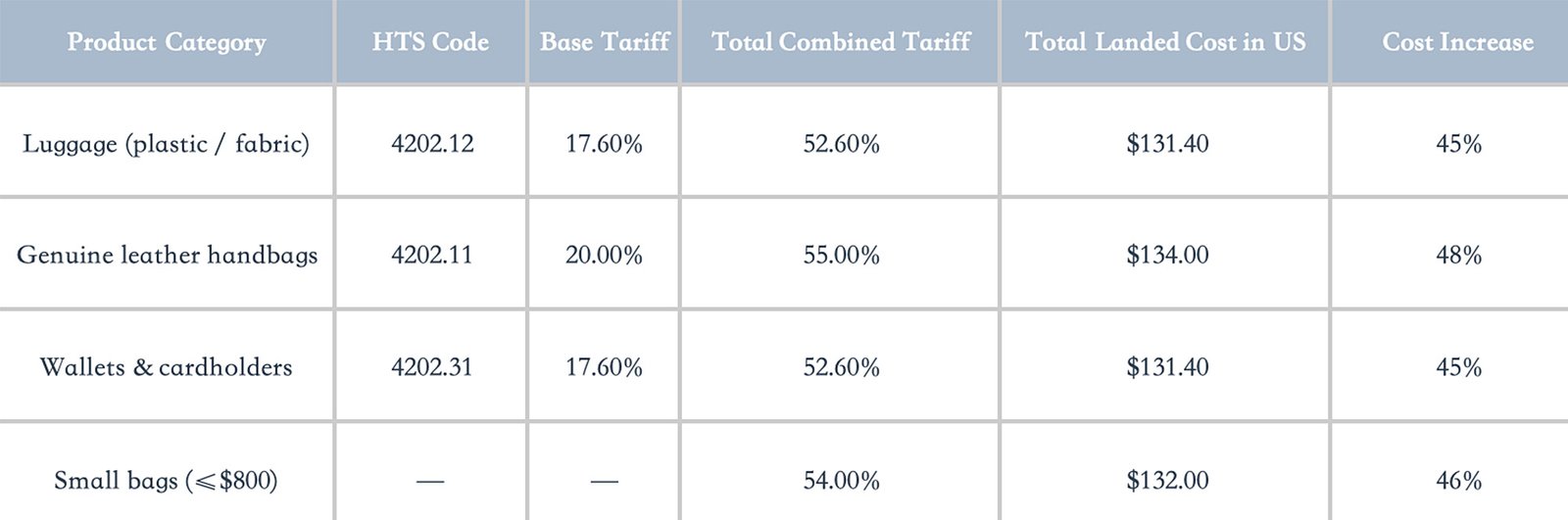
We need to use critical thinking here. The "price" on the invoice is not the only cost. You must look at the "Landed Cost." This is the total price when the goods arrive at your warehouse. It includes the factory price, shipping, and the tariff.
If the tariff goes up by 10% or even 20%, the bag becomes more expensive. This is a fact. But you must compare this to other options. I have 15 years of experience in this industry. I see the costs in other countries too. In China, our production lines are very fast. Coraggio has 120 workers who are very skilled5. We make fewer mistakes. We have less waste.
If you go to a factory in a different country, their initial price might look the same. But their efficiency is lower. Their waste is higher. This drives their price up. So, even with a penalty tax on China, China is often still cheaper. You are paying for speed and reliability6.
Here is a simple breakdown of how cost factors compare:
| Cost Factor | China Manufacturing | Western Manufacturing |
|---|---|---|
| Labor Cost | Low | Very High |
| Material Access | Immediate (Local) | Slow (Imported) |
| Production Speed | Fast | Slow |
| Tariff Impact | High | Low |
| Total Landed Cost | Competitive | Expensive |
You must do the math on the total cost, not just the tax rate.
Are U.S. Bag Importers About to Face Higher Tariff Costs?
You have budgets to meet. The government might change the rules suddenly. This creates risk for your next quarter. You need to know if you will pay more soon.
Yes, if new policies are enacted, US importers will pay higher duties at customs. This applies specifically to goods made in China. The exact percentage depends on the specific Harmonized Tariff Schedule (HTS) code7 for the type of bag you are importing.
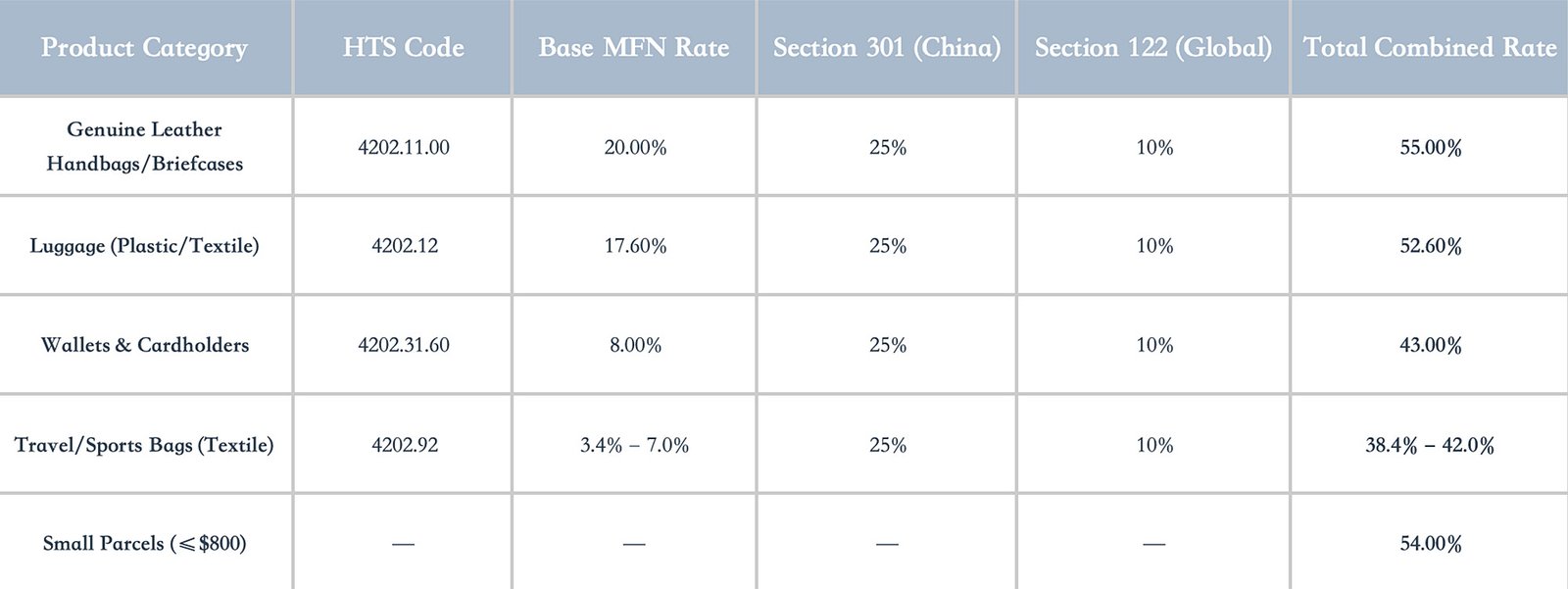
We need to understand who pays the bill. The exporter in China does not pay the US tariff. You, the importer of record8, pay the tariff. This directly affects your cash flow.
In the past, we saw tariffs change quickly. It creates confusion. You need to look at your HTS codes. This is the code that tells Customs what your product is. A backpack has a different code than a cosmetic bag9. A cooler bag is different from a tote bag. Even the material matters. A cotton bag might have a lower tax than a polyester bag10.
I remember a client who bought cooler bags. He thought the tax was high. We checked the code. We changed the lining material slightly. The code changed. He saved money. You need to study these codes now.
Also, you must watch the news. If a new policy starts on a specific date, any goods arriving after that date get taxed. It does not matter when you ordered them. It matters when they arrive. This is why planning the delivery date is so important11.
Key Factors for Importers:
- HTS Classification: Check if your bag falls under a high-tax category.
- Material Composition: Synthetic fabrics often face different rates than natural ones.
- Timing: Goods on the water might get taxed if they arrive late.
Should Bag Importers Look for Alternatives to China?
You hate relying on one country. High taxes make you want to leave. You might think about moving your orders to Vietnam or India immediately.
Moving production reduces tariff risks but introduces new problems. Other countries often lack the raw material supply chain that China has12. This leads to longer lead times and quality issues. You must weigh the tax savings against potential supply chain disruptions.
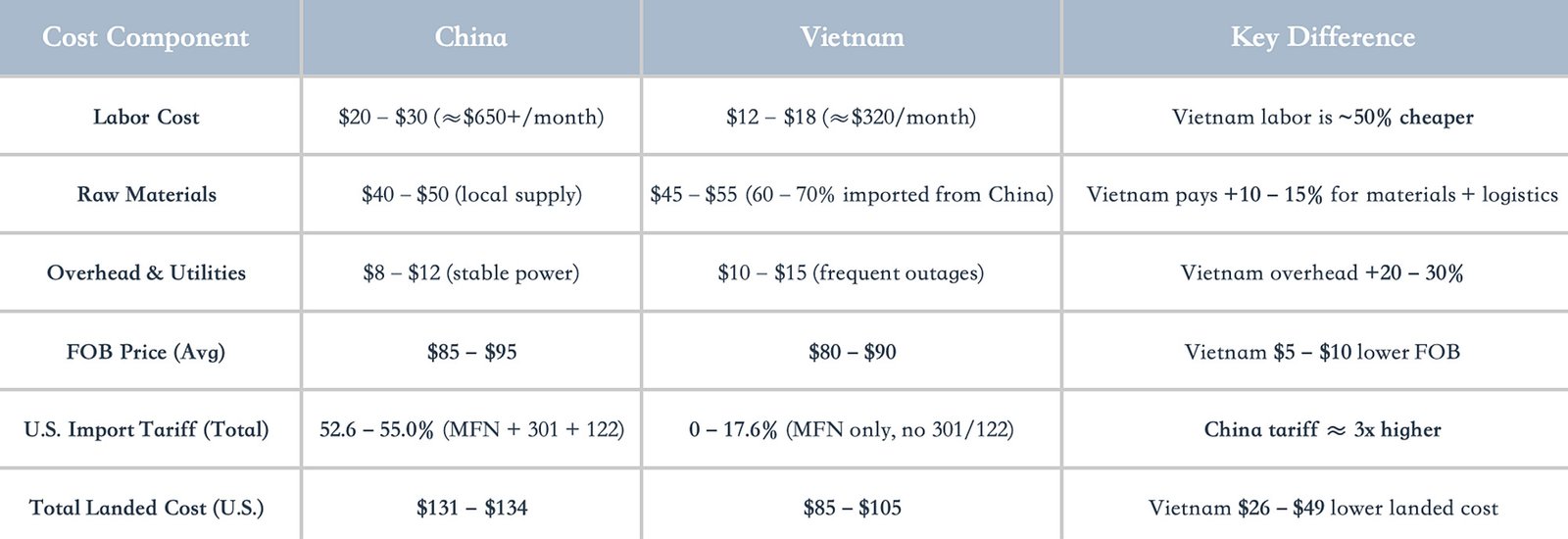
This is a very popular question. Many people ask me about Vietnam or India. It sounds like a good idea because the tariffs are lower there. But you must understand how a bag is made.
A bag needs fabric, zippers, buckles, webbing, and packaging. Where do these things come from? They almost all come from China. China has the biggest textile industry in the world.
If you move your factory to Vietnam, that factory still buys the fabric from China. They have to ship the materials from China to Vietnam first. This takes time. It adds shipping costs. Then they make the bag. Then they ship it to you.
I have seen buyers try this. They often face delays. The color of the fabric is wrong, and they have to wait two more weeks for a new roll from China. In China, we just drive to the textile market and get a new roll the same day.
Also, the workers in Southeast Asia are still learning. Our workers at Coraggio have been doing this for over 10 years. The quality is consistent. If you move, you trade a tariff cost for a quality risk13. You might save 10% on tax but lose 15% on bad products or late deliveries.
Risks of Moving Supply Chain:
- Fragmented Supply Chain: Raw materials still come from China.
- Longer Lead Times: Extra shipping time for materials.
- Inconsistent Quality: Less experienced labor force.
How Will Chinese Bag Manufacturers Respond to New Tariffs?
You need your supplier to help you. If they do nothing, you lose money. You want to know if factories like us will lower prices to help.
Chinese manufacturers will likely lower margins to keep customers14. Factories may also improve efficiency to reduce production costs. We will work with buyers to adjust product designs or materials to keep the final price stable despite higher taxes.
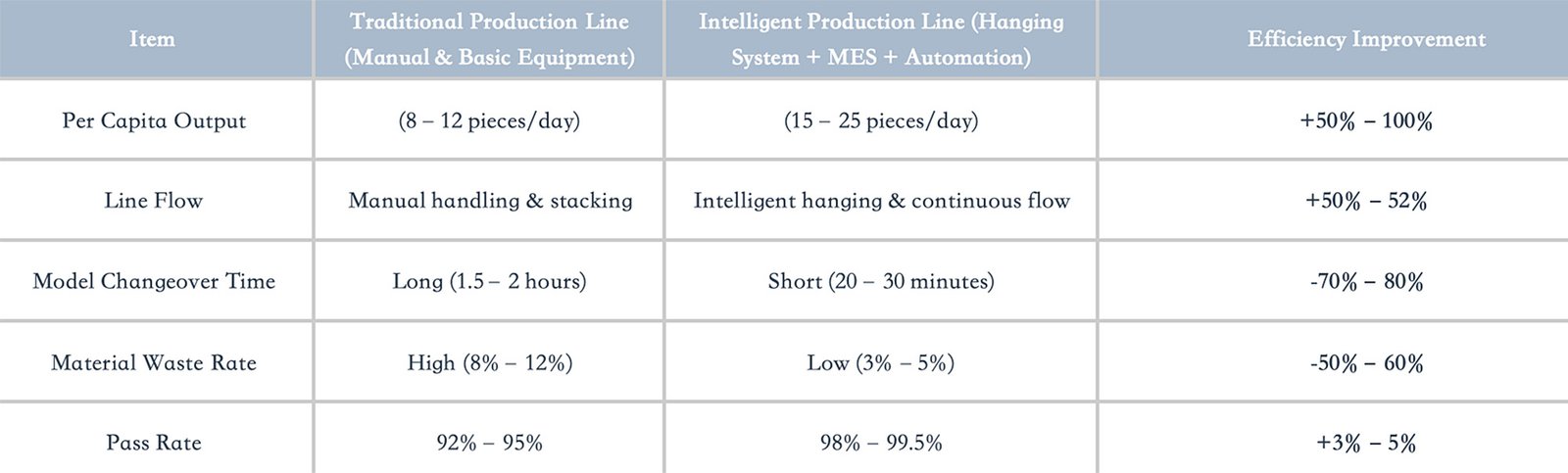
We do not just sit and watch the prices go up. We are partners. If you cannot sell the bags, we cannot make them. So, we take action to help you.
First, we look at our own costs. We try to be more efficient. At Coraggio, we use automated cutting machines15. This saves fabric. Less waste means a lower price for you. We also have 8 production lines. We organize them to work faster.
Second, we can do "Value Engineering16." This means we look at your bag design. Maybe we can change the construction. If we change a metal zipper to a high-quality nylon zipper, the price drops. If we remove a complex pocket that nobody uses, the labor cost drops. We can find ways to lower the FOB price. This helps offset the tariff.
We also have strong relationships with material suppliers. We buy in large quantities. We can negotiate better prices for the fabric and pass those savings to you. We want to keep your business. We are willing to reduce our profit slightly to keep the orders moving.
How We Help You Save:
- Design Optimization: Simplifying features to cut labor costs.
- Material Swaps: using eco-friendly but cost-effective alternatives.
- Efficiency: Using technology to reduce waste.
What Should Bag Buyers Do to Reduce Tariff Risks?
You feel helpless against government rules. But you are not helpless. You need a plan to protect your business and keep your prices low.
Buyers should communicate early with suppliers. You can lock in prices before tariffs change. You can also explore different shipping terms like DDP17. Diversifying your product mix to include lower-tax categories is another smart strategy to maintain overall profitability.
You need to be proactive. Do not wait for the tax bill to arrive. The first thing you should do is talk to us. Communication is the most important tool.
If you know you need bags for the Christmas season, order them now. Do not wait. If we can produce and ship the bags before a new tariff law starts, you save a lot of money. We can rush the production for you. We have done this for many clients in North America.
You should also look at your product mix. Some bags have high value and high profit. Some are cheap giveaways. The tariff hurts the cheap items more. Maybe you focus on higher-quality bags. The customer pays more, and the tariff is easier to absorb.
Also, ask us about shipping. Sometimes we can combine shipments to save freight costs. Every dollar you save on shipping helps pay for the tariff. We can also help you with documents to make sure the customs clearance is smooth.
Action Plan for Buyers:
- Order Early: Beat the implementation date of new laws.
- Review Incoterms: Discuss shipping responsibilities.
- Upgrade Quality: Focus on higher-margin products.
- Consolidate: Ship fewer, larger containers to save freight18.
Conclusion
Tariffs increase costs, but China remains the best source for quality bags. Plan ahead, talk to your supplier, and focus on total value, not just the tax rate.
Understanding full landed cost (not just factory price) lets you see true profitability and avoid nasty surprises when tariffs hit your margins. ↩
A clear landed-cost formula helps you compare suppliers and countries accurately so you don’t switch production based on misleading price tags. ↩
Learning proven negotiation tactics can reduce your unit cost and keep your products competitive even when duties rise sharply. ↩
Seeing how higher duty rates flow through to unit pricing helps you plan markups, adjust quotes, and preserve profit margins. ↩
Knowing how workforce skill translates into fewer defects and faster production helps you value quality beyond just labor rate comparisons. ↩
Quantifying speed and reliability shows why a slightly higher invoice can still mean better cash flow and fewer costly delays. ↩
Correct HTS classification can legally lower your duty rate and prevent fines or delays from customs misclassification. ↩
Clarifying your obligations as importer of record helps you manage cash flow, compliance, and liability at the border. ↩
Knowing how product type changes duty rates lets you plan product lines and pricing more strategically to reduce tax exposure. ↩
Material-based tariff differences can guide design decisions that reduce duties without sacrificing product appeal. ↩
Timing imports around policy changes can mean the difference between healthy profit and unexpected, margin-killing costs. ↩
Evaluating supply chain depth helps you see why moving production might cause delays and hidden costs despite lower tariffs. ↩
Understanding these risks prevents you from saving a few points on duty only to lose more to defects, returns, and late shipments. ↩
Seeing how suppliers share tariff pain helps you negotiate better and maintain stable pricing for your customers. ↩
Learning about automation benefits shows how your factory can offset tariff increases through efficiency gains instead of quality cuts. ↩
Applying value engineering to your designs can lower FOB prices while preserving function, helping you absorb higher duties. ↩
Choosing the right Incoterms can shift responsibilities and simplify landed-cost control, especially in volatile tariff environments. ↩
Freight optimization can free up budget to cover higher tariffs, improving overall profitability without raising retail prices. ↩