Air travelers often get stopped for one small detail. A clear bag that looks too big1 can cause delays, complaints, and returns. I always treat this size issue seriously.
For OEM brands, the safest TSA quart bag size2 is usually around 6×9 inches, with a more conservative production size like 6.5×7.5 inches3 to reduce inspection risk. TSA follows the 3-1-1 rule4, and officers mainly check whether the bag looks like a one-quart clear bag.
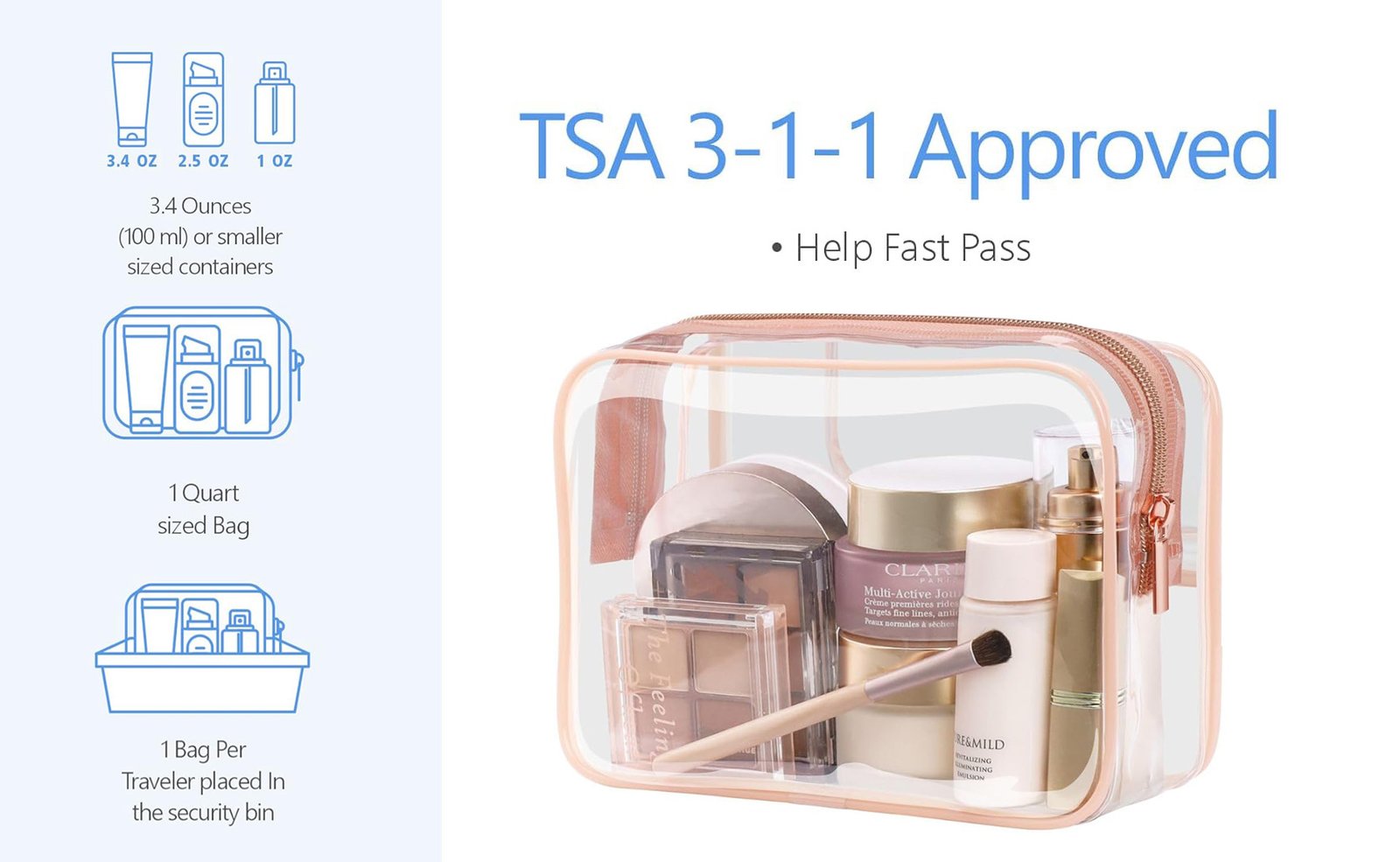
When I work on travel bag projects, I see that small size details can create big business problems. A bag that is only slightly too large may still look fine in the factory. But it may fail at airport security. That is why I always suggest a safe, practical size instead of chasing the largest possible capacity.
What Are the Exact TSA Quart Bag Size Requirements?
Many buyers want one exact official number. The problem is simple. TSA rules are clear in principle, but field checks are often based on visual judgment5 at the checkpoint.
The common TSA quart bag size is about 6×9 inches, and many suppliers also use sizes under 7×8 inches. In real use, the bag should be clear, resealable, and close to one quart in capacity6, which is about 0.95 liters.
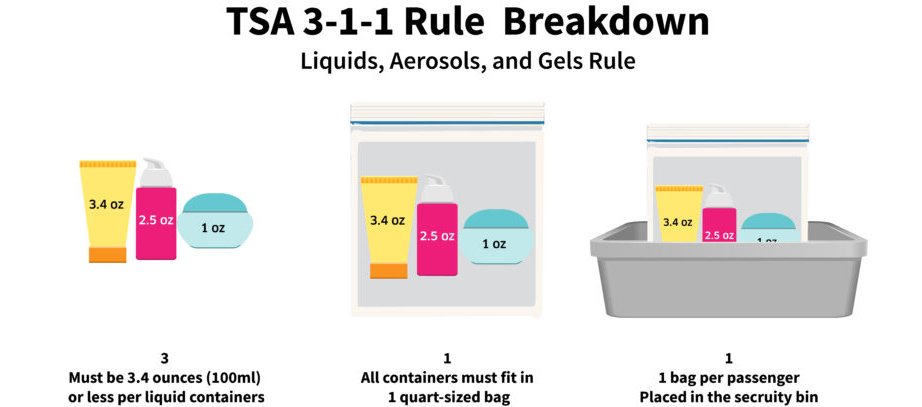
When I explain this to buyers, I start with the TSA 3-1-1 rule. Each passenger can carry liquids in containers of 3.4 ounces or less. Those containers must fit in one clear quart-size bag. Each passenger can bring one bag. That sounds exact. But TSA does not always publish one hard manufacturing spec like a technical blueprint. In practice, the officer usually checks whether the bag looks like a quart-size bag7 and whether the contents are easy to inspect.
For OEM brands, this creates a real design choice. If I make the bag too close to the upper edge, I increase the risk of complaints. If I make it a little smaller, I reduce that risk. I usually suggest a conservative production size like 6.5×7.5 inches3. That size gives enough room for daily travel items while leaving tolerance space for seams, zipper width, and factory variation8.
| Reference point | Common size | Notes |
|---|---|---|
| Standard market size | 6 × 9 in | Very common in retail |
| Upper practical range | Under 7 × 8 in | Often still accepted |
| Safe OEM suggestion | 6.5 × 7.5 in | Helps reduce border-line issues |
| Capacity target | About 1 quart | Roughly 0.95 L |
I learned this lesson years ago from a buyer who wanted the biggest possible bag. The sample looked good. But the final market feedback was mixed. Some users passed with no issue. Some users felt nervous at the checkpoint. Since then, I always choose stability over guesswork.
What Materials Are Accepted for TSA-Compliant Clear Bags?
A bag can have the right size and still fail the user experience. If the material is cloudy or weak, travelers and brands both lose confidence fast.
TSA-compliant quart bags should use transparent plastic, such as PVC, PET, PEVA, or TPU. The key point is high clarity, easy inspection, and enough strength9 for travel use. I usually suggest transparency above 92%10 for better visibility at security checks.
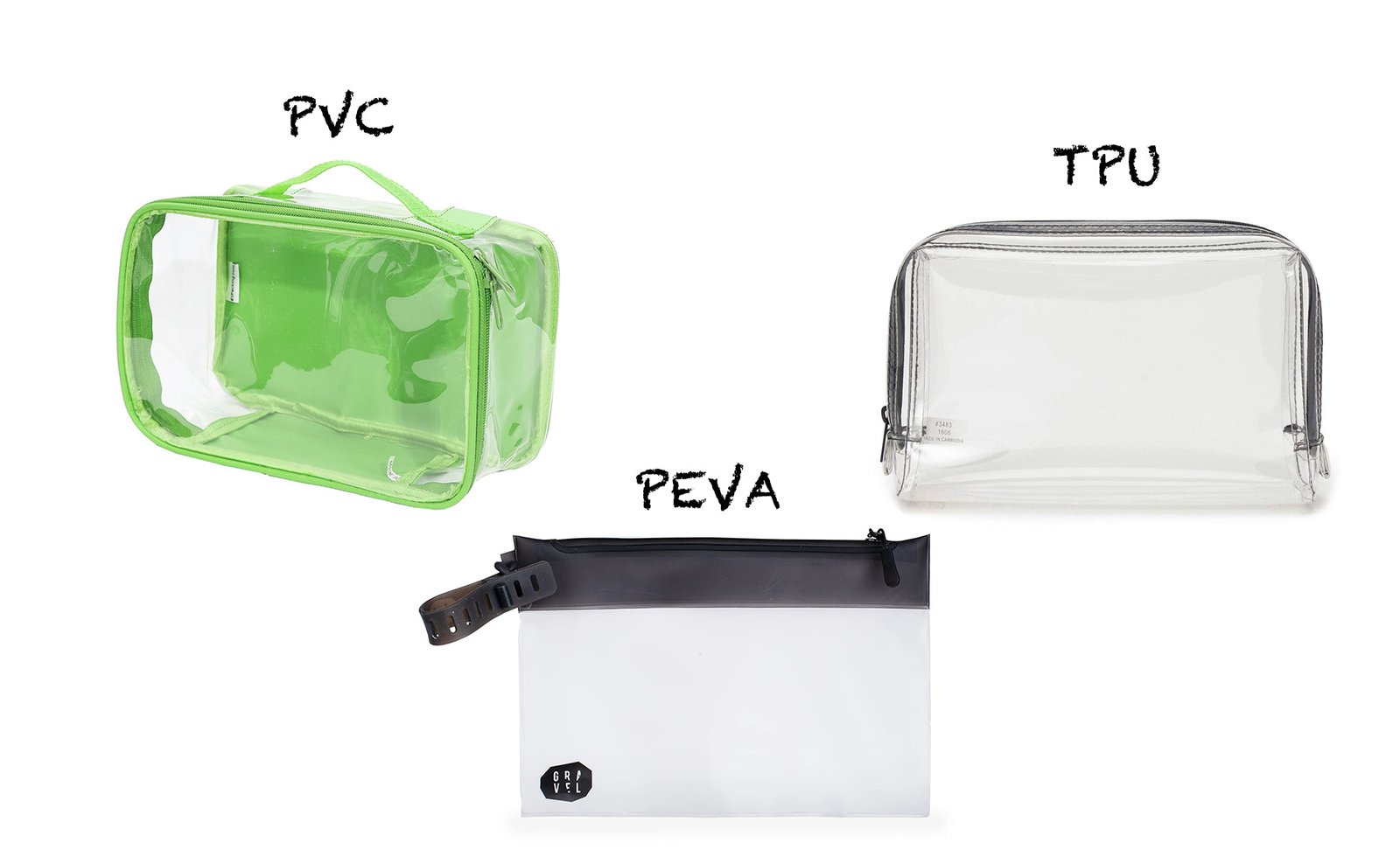
Material choice matters more than many buyers expect. I do not just look at cost. I also look at feel, smell, cold resistance, print effect, and long-term appearance. TSA officers need to see the contents quickly. So transparency is not just a nice feature. It is a functional requirement. If the film looks foggy, yellow, or scratched too easily, the bag becomes less useful.
I often discuss four common material options with customers. PVC is common and low cost11. PET offers strong clarity12. PEVA is softer and often feels more eco-friendly13 in the market story. TPU gives a more premium feel14 and better flexibility, but the cost is higher. The best choice depends on target market, budget, brand position, and compliance needs.
| Material | Main strength | Main weakness | Best use case |
|---|---|---|---|
| PVC | Low cost, easy production | May feel less premium | Mass retail and promotional orders |
| PET | High clarity, good look | Can be stiffer | Travel sets with a neat appearance |
| PEVA | Soft hand feel, lighter image | Clarity can vary by grade | Mid-range travel and cosmetic bags |
| TPU | Premium feel, durable, flexible | Higher cost | Brand upgrade and premium travel kits |
I also remind buyers to check zipper quality and edge finishing. A clear body with a poor zipper will still create problems. In one project, I changed only the zipper track thickness and the complaint rate dropped. So I always say that TSA compliance starts with visibility, but customer satisfaction depends on the full construction.
How Many Items Fit in a TSA-Approved Quart Size Bag?
Many buyers ask me this because they want the bag to feel useful, not just compliant. If the bag looks good but cannot hold normal travel items, the customer will not buy again.
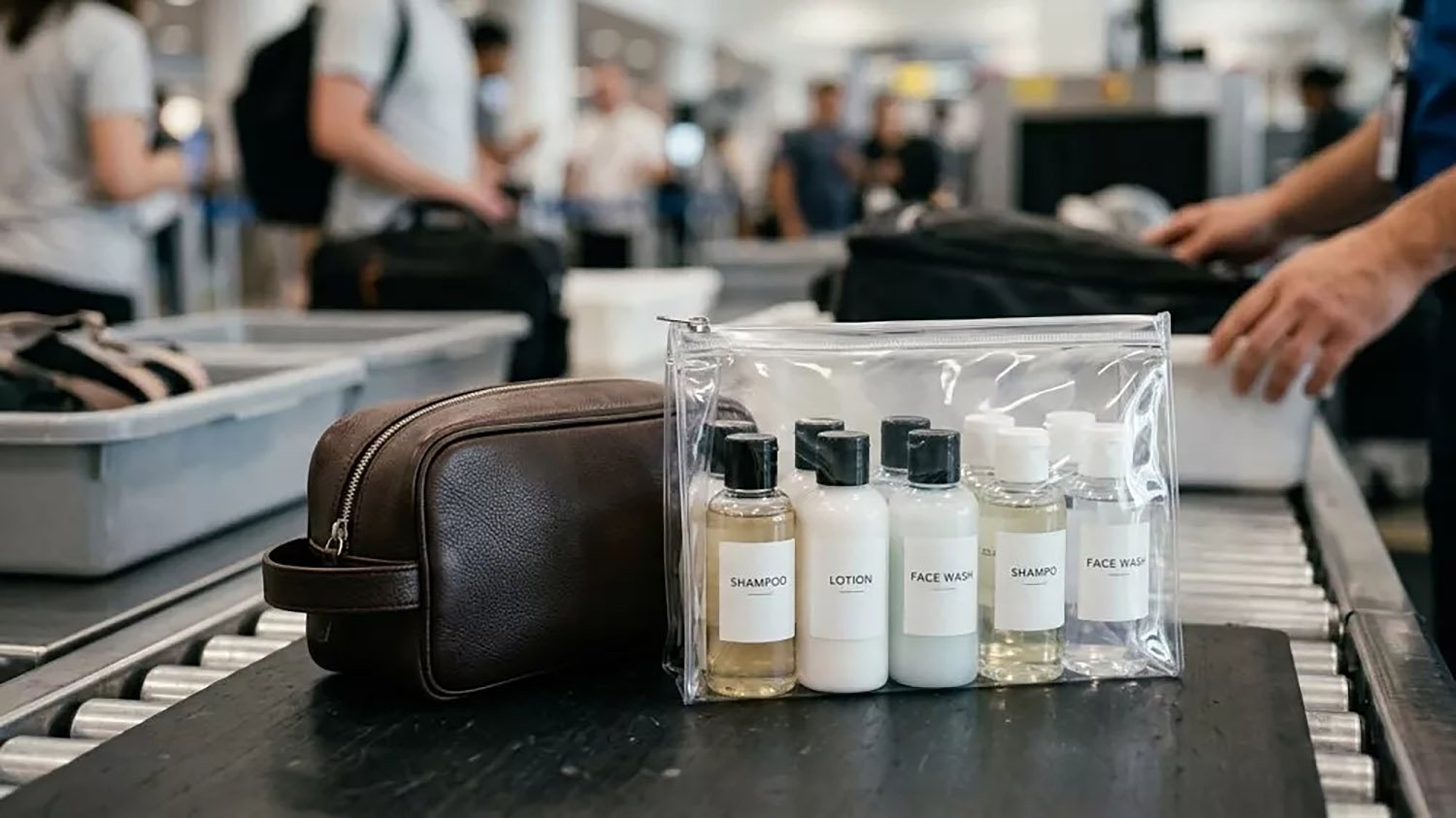
A TSA-approved quart size bag usually fits 6 to 10 small travel containers15, depending on bottle shape and closure type. Flat tubes and short bottles use space better than tall round bottles16, so bag layout matters as much as volume17.
This question is not only about math. It is also about product planning. A one-quart bag may hold several 100 ml bottles in theory, but actual packing depends on shape, cap size, wall thickness, and whether the user adds tools like a toothbrush, mini cream jar, or contact lens case. I often test this with real samples on my desk because numbers alone do not tell the full story.
A typical user may carry shampoo, lotion, face wash, sanitizer, toothpaste, perfume, and a small cosmetic item. That can work if each item has a compact shape. Tall cylindrical bottles waste space near the top corners. Soft tubes often fit better. Flat pouches fit even better. So when I support OEM brands, I often suggest selling the bag together with matched bottles that are designed for efficient packing.
| Item type | Space efficiency | Typical fit result |
|---|---|---|
| Flat travel tubes | High | Helps fit more items |
| Short square bottles | Medium to high | Good use of corners |
| Round bottles | Medium | More gaps between items |
| Wide cap jars | Low to medium | Use more top space |
From my experience, the best retail message is practical honesty. I do not promise that every user can fit 10 pieces. I say the bag usually fits 6 to 10 travel-size items. That range feels real. It matches actual use. It also lowers return risk because the end user gets what they expect.
What's the Minimum Order Quantity for Custom TSA Quart Bags?
Many importers want custom bags, but they worry about MOQ. This is a real issue. If the supplier asks for too much, the buyer carries too much inventory risk.
The minimum order quantity for custom TSA quart bags18 often starts from 1,000 to 3,000 pieces, depending on material, printing method, size, zipper type, and packaging. Simpler designs usually support lower MOQs, while fully custom projects need higher volumes.
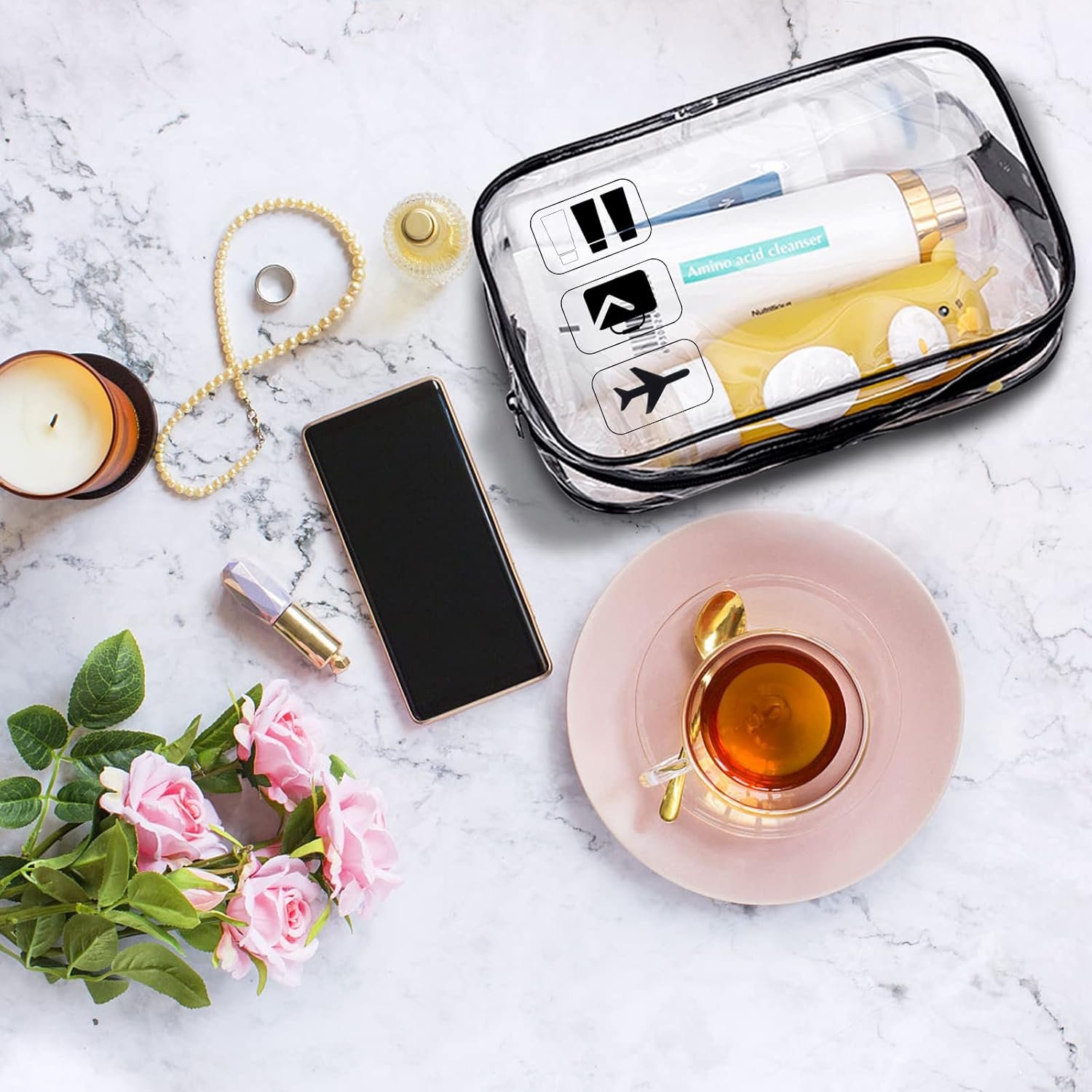
I work with many B2B buyers who need a balance between flexibility and cost. MOQ is not just a factory number. It comes from raw material purchasing, mold or tooling needs, printing setup, labor planning, and packaging method. A simple clear bag with one-color logo is much easier to produce in smaller runs. A bag with custom zipper color, printed pattern, hang card, barcode sticker, and inner insert needs more coordination.
At Coraggio, I always try to understand the buyer’s business model first. Is the customer testing one market? Is the bag part of a gift set? Is it for supermarket retail? Is it for a private label travel kit? Once I know that, I can suggest a smarter structure. Sometimes I advise buyers to use an existing size and only customize the logo and packaging. That reduces MOQ and shortens lead time.
| Custom level | Typical MOQ | Best for |
|---|---|---|
| Stock size + logo print | 1,000 pcs | Market testing |
| Custom size + logo | 2,000–3,000 pcs | Private label growth |
| Full OEM with packaging set | 3,000+ pcs | Retail chains and big distributors |
| Premium material upgrade | Depends on film supply | Brand upgrade projects |
I remember one buyer who first asked for a very complex design in a small quantity. I suggested a phased plan. We launched with a standard body and custom branding first. Sales were good. Then we moved to a more unique version. That step-by-step method reduced his risk and kept his budget under control.
Do TSA Quart Bag Dimensions Vary by Airline or Country?
Buyers often think TSA rules apply everywhere. That creates confusion. TSA is a U.S. system, but travel products are sold worldwide, so brands must think beyond one market.
Yes, quart bag expectations can vary by country and airport practice19. The U.S. TSA rule is the best-known reference, but other countries and airlines may use similar clear-bag rules with slightly different habits, enforcement styles, or wording.
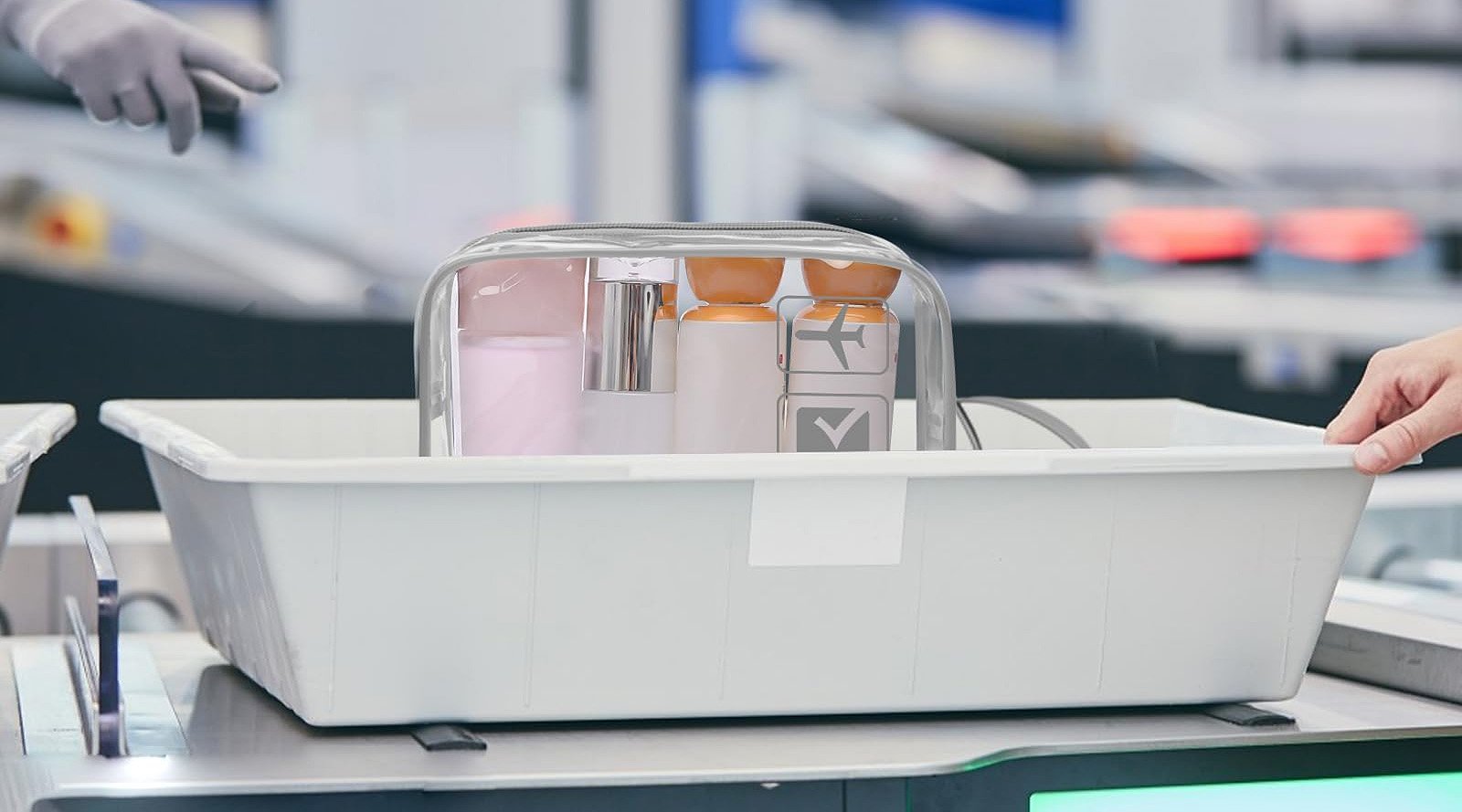
I always tell buyers that there are two levels to this issue. The first level is the formal rule. The second level is actual enforcement. In the U.S., travelers know the TSA quart-size concept. In Europe and other regions, airports may use liter-based language or local security guidance. Some airports are strict. Some are relaxed. Some focus more on the total look of the bag than exact measurement. That is why I do not design only for one border case. I design for broad acceptance.
For global OEM brands, the safest path is a clear bag that is slightly conservative in size, easy to reseal, and visibly transparent. This approach works well across many airports. If the bag is too large, too thick, too frosted, or too fancy, it may look less suitable for fast inspection. A simple and compliant look helps more than creative shapes.
| Market factor | What I watch | Safer OEM response |
|---|---|---|
| U.S. TSA practice | Quart-size expectation | Keep near standard quart look |
| Europe travel retail | Liter-based understanding | Stay compact and clearly transparent |
| Airline variation | Less about exact bag size, more about airport check | Focus on broad compliance |
| Global resale | Different user habits | Use conservative dimensions |
I have seen this in export projects to North America, Europe, Japan, and Singapore. Buyers often ask for the biggest possible bag at first. After discussion, most of them choose a safer universal size. That is usually the right decision. It protects the brand, helps end users, and reduces after-sales trouble.
Conclusion
I believe the best OEM TSA quart bag is clear, slightly conservative in size, and built for real airport use, not only for factory specs or catalog claims.
Understanding why oversized-looking bags trigger extra checks helps you design or choose bags that glide through security without hassles. ↩
Learning the safest working size range reduces the risk of customer complaints, returns, and problems at checkpoints for your travel products. ↩
Exploring this sizing strategy shows how a slightly smaller spec can protect your brand from borderline inspection failures. ↩
Knowing the 3-1-1 rule is essential for designing, buying, or using compliant liquid bags that won’t be rejected at screening. ↩
Seeing how inspections work in practice helps you avoid over-optimizing for numbers and ignore how bags actually appear to officers. ↩
Understanding these practical criteria ensures your bag design meets both regulatory expectations and traveler needs. ↩
Learning how appearance influences decisions helps you choose shapes and proportions that pass quickly under visual inspection. ↩
Accounting for tolerances prevents finished bags from unintentionally exceeding acceptable size, reducing rejection risk. ↩
Knowing which material qualities matter most lets you select films that satisfy both security and end-user expectations. ↩
Learning why high transparency levels matter helps you avoid cloudy films that frustrate officers and travelers alike. ↩
Comparing PVC’s benefits and trade-offs guides cost-effective decisions without sacrificing compliance and usability. ↩
Exploring PET’s clarity advantages helps you position your product as visually premium while staying checkpoint-friendly. ↩
Understanding PEVA’s perceived eco image can support greener branding and marketing stories for your product line. ↩
Learning about TPU’s premium feel and durability helps you justify higher price points for upgraded travel kits. ↩
Knowing realistic capacity helps you create accurate product claims and avoid disappointing travelers with overpromises. ↩
Understanding spatial efficiency lets you design coordinated bottle sets that maximize capacity in limited volume. ↩
Learning how layout impacts usable capacity helps improve both product design and packing tips for users. ↩
Knowing MOQ norms helps you plan inventory, negotiate with suppliers, and budget for private label projects. ↩
Understanding international differences keeps your products and messaging suitable for global travelers and markets. ↩