US buyers already face thin margins and tight delivery plans1. New Section 301 tariff threats2 add more pressure, more cost, and more supply chain risk for every bag importer.
No, Section 301 tariffs will not kill bag imports in 2026, but they can raise landed cost3s fast and force buyers to change sourcing plans. I see the best path as early supplier diversification4, forced labor checks5, and order planning before possible tariff changes.
When I talk with buyers, I hear the same concern again and again. They do not ask if sourcing will become harder. They ask how much harder it will get, how much more it will cost, and how fast they need to act. That is why this topic matters right now. In March 2026, the US launched Section 301 investigations into 60 countries over forced labor concerns. That list includes key bag sourcing markets like China, Vietnam, Cambodia, Bangladesh, and India. If new tariffs arrive as early as July 2026, buyers will need a clear plan, not guesswork. I want to break this down in a simple way so importers can make better decisions before costs rise and choices shrink.
Which Bag Sourcing Countries Are Most at Risk from 301 Tariffs?
Many buyers feel safe when they spread orders across Asia. That comfort can disappear fast if several bag sourcing countries6 face the same US trade pressure at once.
The countries most at risk are the ones already under trade pressure or named in the new March 2026 investigations, especially China, Vietnam, Cambodia, Bangladesh, and India. Buyers should review both tariff exposure and forced labor compliance, not just factory price.
I see this risk in two layers. The first layer is tariff history7. China is still the clearest example because many bag categories already carry 7.5% to 25% Section 301 duties on top of normal import duty. That means buyers who still rely heavily on China already know what tariff pain feels like. The second layer is the new forced labor investigation8. This is where the risk spreads wider. Vietnam, Cambodia, Bangladesh, and India matter because they are major alternatives for bags, backpacks, totes, cosmetic bags, and travel products. If the US decides that forced labor risks exist in these supply chains, importers may face new tariffs, more customs review, or both.
I think buyers should stop looking only at country labels. They need to look at supply chain depth9. A factory in one country may still use fabric, trims, zippers, or packaging from a higher-risk country. That can create hidden exposure10.
| Country | Current Risk Level | Why It Matters for Bag Buyers | What I Would Check First |
|---|---|---|---|
| China | Very High | Existing 301 duties already affect many products | Current HTS code duty rate and supplier traceability |
| Vietnam | High | Big alternative to China, now under investigation | Raw material origin and labor compliance records |
| Cambodia | High | Price-driven sourcing base with compliance concerns | Factory audits and subcontractor use |
| Bangladesh | High | Strong in soft goods, cost advantage, labor scrutiny | Social compliance, capacity, and shipment control |
| India | Medium to High | Growing sourcing base with broad product range | Material sources and document consistency |
In my experience, the biggest risk is not always the highest-duty country. The biggest risk is the country where the buyer has weak visibility. If I cannot map the factory, key materials, and labor records, then I treat that source as exposed even before any tariff decision is announced.
How Much More Will Bag Imports Cost If New Tariffs Hit?
A small tariff can wipe out margin faster than many buyers expect. When freight, duty, packaging, and retailer demands stack up, one extra policy move can change the whole order.
If new Section 301 tariffs hit, bag import costs could rise from a few percentage points to more than 20%, depending on product type, country, and current duty status. China-based sourcing is likely to feel the sharpest increase because many categories already carry added tariffs.
I like to explain this with landed cost3, not just FOB price. Many buyers focus too much on unit price because it is easy to compare. But a tariff does not care about your sourcing spreadsheet. It hits the customs value, and then the full cost picture changes. If a handbag costs $5.00 FOB and the new tariff adds 15%, that is $0.75 more before inland costs, broker fees, warehousing, and retail markup effects. That single change can crush the margin on a mass retail program.
Here is a simple way I think about it:
| Cost Element | Before New Tariff | After 15% New Tariff on $5.00 FOB |
|---|---|---|
| FOB Unit Cost | $5.00 | $5.00 |
| Existing Duty | $0.40 | $0.40 |
| New 301 Tariff | $0.00 | $0.75 |
| Freight and Handling | $0.60 | $0.60 |
| Total Landed Cost | $6.00 | $6.75 |
That looks manageable on paper. But many buyers sell on fixed contracts. Some supermarket and chain store programs have little room for price changes. In those cases, a $0.75 increase is not small. It may erase profit or force a redesign. I have seen this happen before with buyers who waited too long and then had to switch materials, remove features, or delay launches.
I also think the effect will vary by sourcing mix. A buyer with 80% China exposure may feel immediate pain. A buyer with 40% Vietnam, 30% India, 20% China, and 10% domestic packaging may still feel pressure, but has more room to move. That is why I always say cost risk is not only about tariff rate. It is about concentration risk11.
Is Vietnam Still a Safe Sourcing Option for Bag Buyers in 2026?
Many buyers moved to Vietnam to escape China tariff pressure. Now they worry that the safer option may not stay safe for long.
Vietnam can still be a useful sourcing option12 in 2026, but I would not call it fully safe. Buyers should treat Vietnam as a strategic part of a broader sourcing mix, while checking material origins13, labor compliance, and capacity limits very carefully.
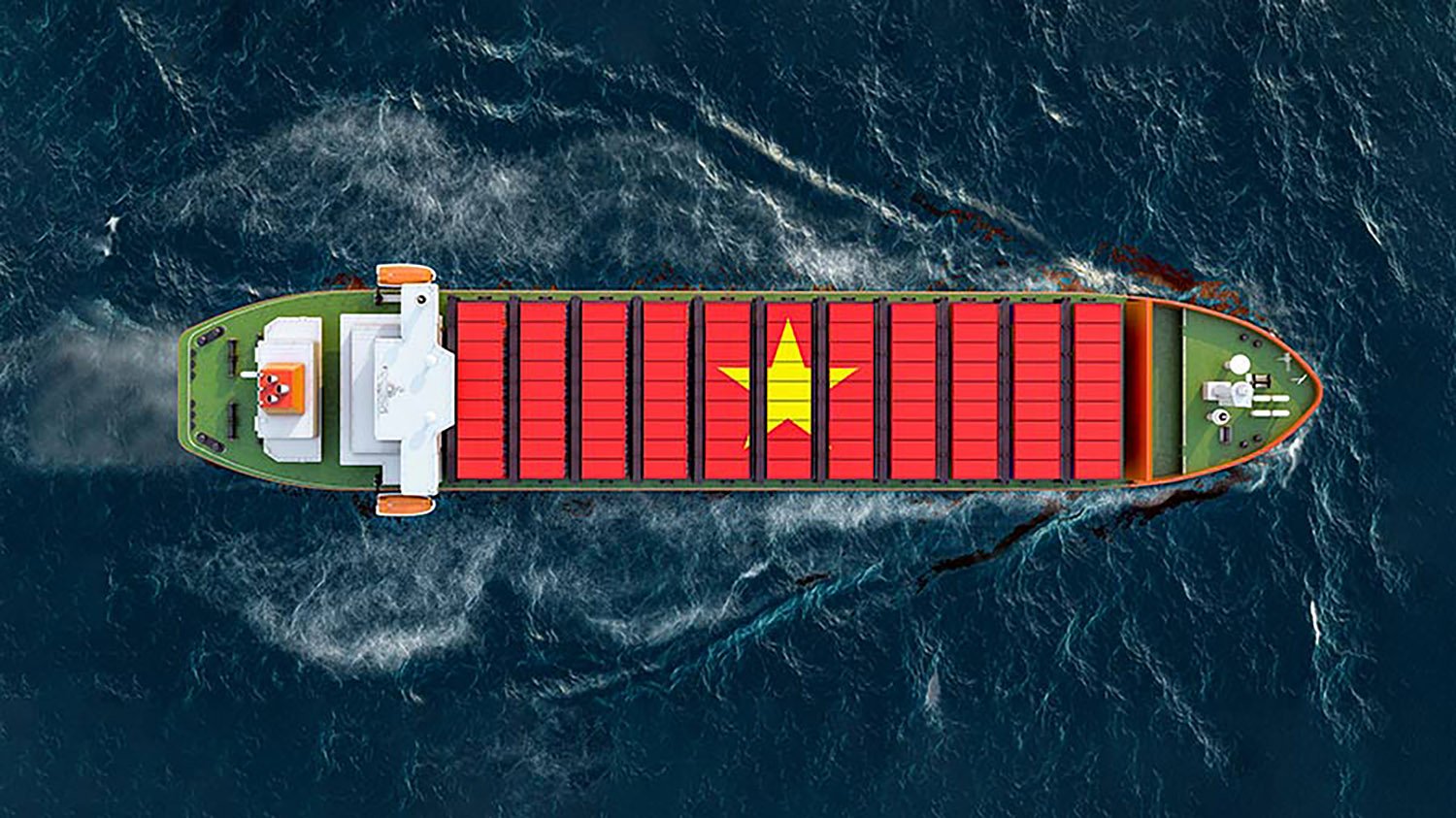
I think Vietnam is still important because it offers solid manufacturing ability, export experience, and better buyer confidence than some lower-cost markets. Many factories there understand large retail compliance needs. Many also have better production management than buyers expect. That is the good side.
But I would not describe Vietnam as risk-free. The first reason is policy risk. Once the US includes Vietnam in a Section 301 investigation, importers need to assume more scrutiny is possible. The second reason is supply chain dependence. Some Vietnam factories still rely on imported fabrics, webbing, hardware, or semi-finished parts from China. If the final assembly happens in Vietnam but major inputs come from higher-risk origins, customs questions can become harder to answer. The third reason is capacity pressure14. When too many buyers rush into one country, prices rise, lead times stretch, and factory selection gets weaker.
I usually break Vietnam sourcing into this view:
| Vietnam Advantage | Vietnam Risk | What I Would Do |
|---|---|---|
| Strong export base | Under new US investigation | Ask for full supply chain map |
| Good experience with OEM/ODM | Material origin may be mixed | Verify key inputs by document |
| Better perceived alternative to China | Capacity may tighten quickly | Book production earlier |
| Competitive quality-price balance | Labor compliance still matters | Run third-party audits |
I remember one project where a buyer thought Vietnam solved everything. On paper, the factory looked excellent. But when we checked more closely, most core materials came from outside Vietnam. That did not make the supplier bad. It only meant the buyer's risk picture was incomplete. That is why I say Vietnam is still useful, but only if the sourcing team goes deeper than the factory address.
What Should Bag Importers Do Now to Prepare for 301 Tariffs?
Waiting for the final policy announcement sounds safe, but it often creates the worst result. By then, prices move, factories fill up, and good backup options disappear.
Bag importers should act now by reviewing tariff exposure, diversifying suppliers, auditing forced labor compliance, confirming material origins13, and placing time-sensitive orders before any new tariff deadline. Early action gives buyers more leverage and fewer surprises.
If I were building a 2026 action plan today, I would keep it practical and fast. I would not wait for perfect certainty because trade policy rarely gives that. I would focus on the steps that reduce risk no matter what happens in July.
Here is the checklist I would use:
| Action | Why It Matters | How Fast I Would Move |
|---|---|---|
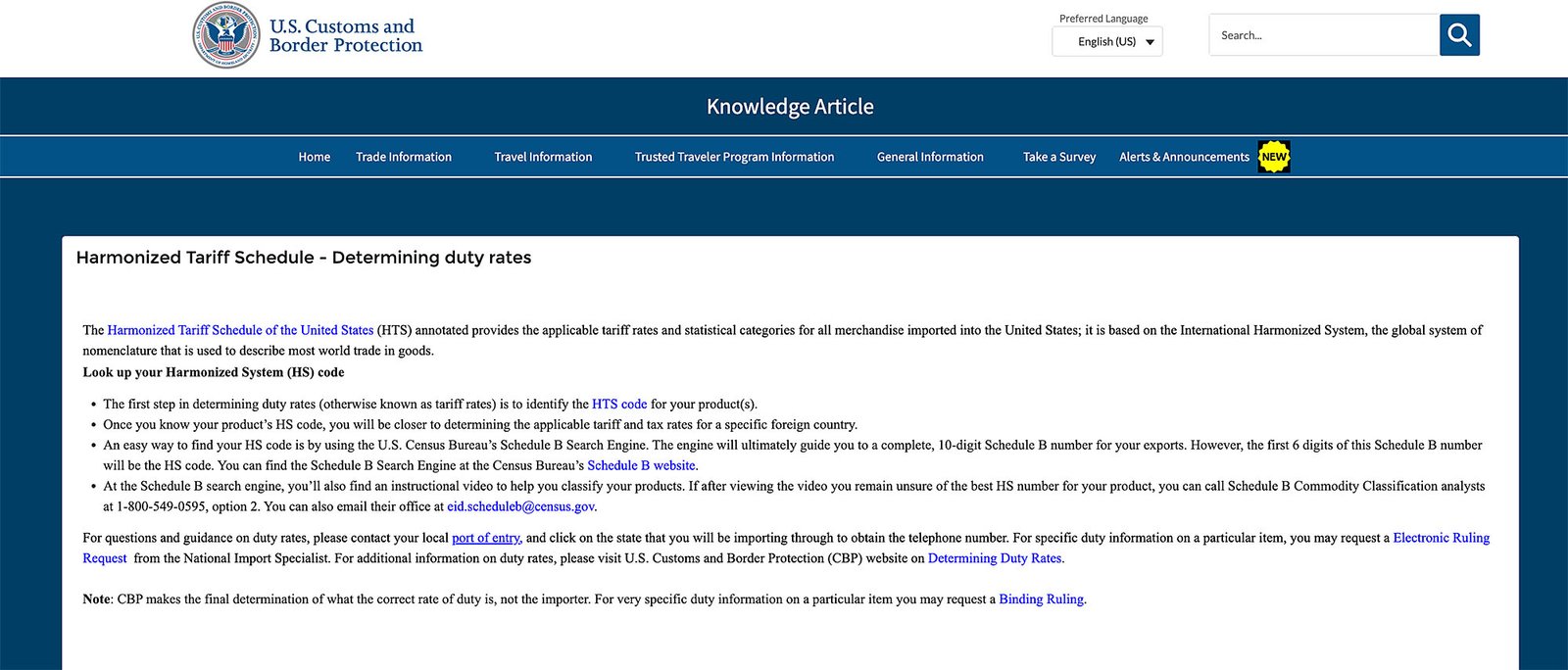
| Review HTS codes and current duty rates15 | Some buyers still do not know full exposure | Immediate |
| Map country concentration by SKU16 | Shows where tariff pain will hit first | Immediate |
| Audit forced labor compliance | Helps with customs risk and supplier quality | Within 2–4 weeks |
| Check raw material origin | Hidden risk often sits in inputs | Within 2–4 weeks |
| Build backup suppliers in 2–3 countries17 | Gives negotiation power and continuity | Start now |
| Pull forward urgent orders | Can beat tariff effective dates | Case by case |
| Rework costing models | Helps sales teams adjust sooner | Immediate |
I also think buyers should talk more openly with suppliers right now. Some factories hide problems because they fear losing business. I prefer direct questions. Where does the fabric come from? Who does the cutting? Is there subcontracting? Can you provide labor records? Can you hold price if policy changes after booking? These questions are not aggressive. They are basic sourcing discipline.
From my side, I have learned that the worst time to ask hard questions is after a shipment gets flagged. The best time is before the PO is signed.
Will Forced Labor Rules Affect My Bag Factory's Export Status?
Many importers think tariff risk and forced labor risk are separate issues. In real life, they often meet at the same customs checkpoint.
Yes, forced labor rules18 can affect a bag factory's export status by triggering customs holds, document reviews, shipment delays, tariff actions, or supplier removal from approved sourcing lists. A low price means little if the supply chain cannot pass compliance review.
I believe this is the most important part of the whole issue. A buyer can sometimes survive a tariff with a price increase or cost negotiation. But a forced labor compliance failure can stop shipments, damage brand trust, and create serious legal and retail problems. That is why I never treat this as only a political topic. It is a sourcing control topic.
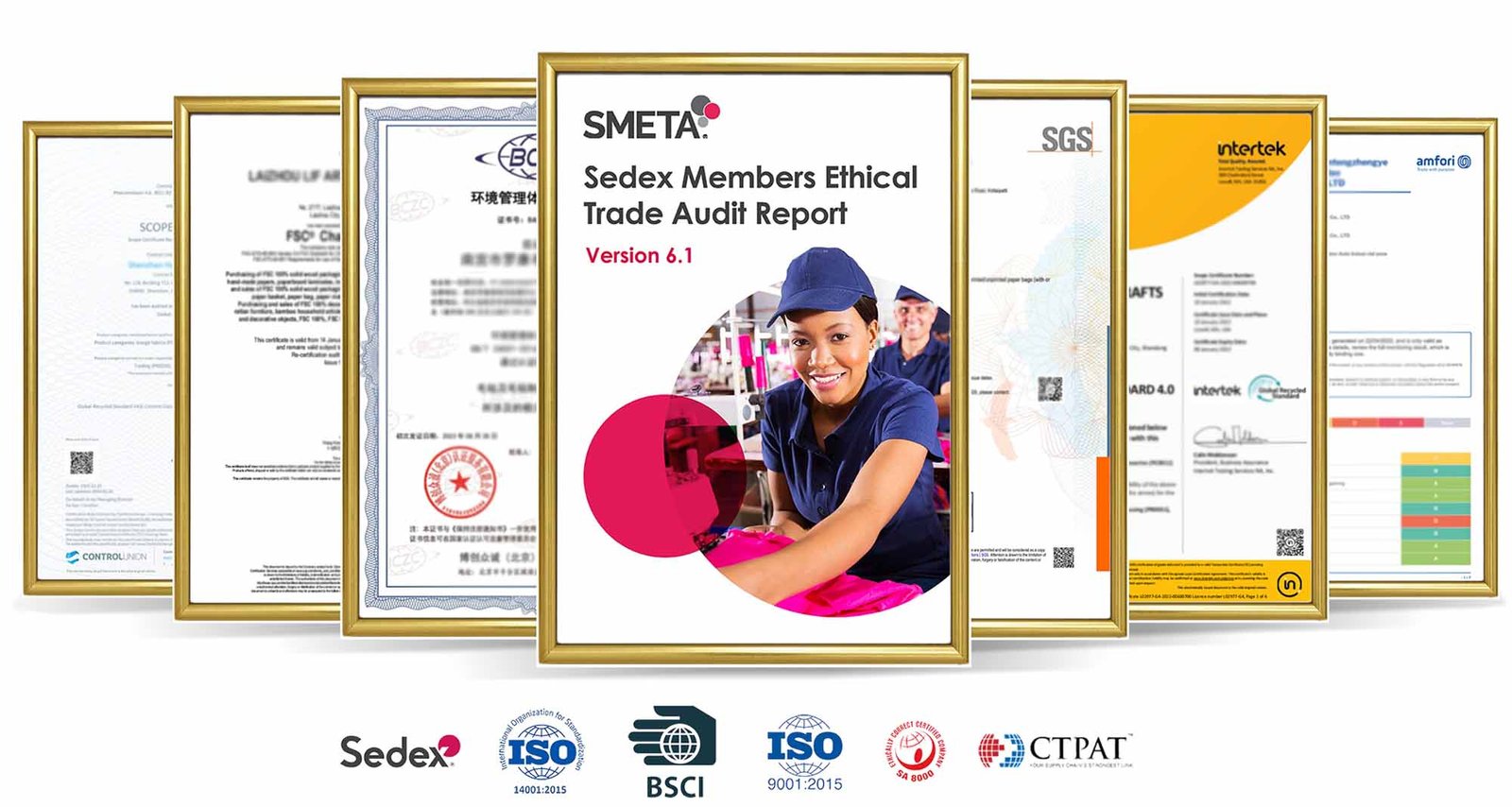
A factory's export status is not only about whether it can physically make the goods. It is about whether customs and the buyer can trust the production chain. That includes labor records, worker identity, wage systems, subcontracting control, raw material sources, and production traceability. If a supplier cannot show clear records, then the importer may face detention or long reviews even if the goods are made well.
I would ask every factory these basic questions:
| Compliance Area | What I Need to See | Red Flag |
|---|---|---|
| Labor records | Clear worker files and payroll | Missing or inconsistent data |
| Subcontracting | Written approval and transparency | Undisclosed outside production |
| Raw material traceability19 | Supplier list and purchase records | Unknown fabric or trim origin |
| Audit history | Recent third-party social audits20 | Expired or failed audit reports |
| Management response | Fast and clear answers | Delay, avoidance, or vague replies |
I once worked on a case where the factory had good samples, sharp pricing, and fast communication. Everything looked easy at first. Then the buyer asked for deeper compliance files, and the response became slow and incomplete. That moment told us more than the quote ever could. I think smart buyers need to trust both the numbers and the behavior. A factory that cannot explain its labor and sourcing system is not ready for 2026 risk.
Conclusion
Section 301 tariffs will not end bag imports in 2026, but they will reward buyers who diversify early, verify compliance, and plan costs before new trade pressure hits.
Understanding tactics to protect slim margins under tighter timelines helps you keep key retail programs profitable despite policy shocks. ↩
A clear overview of Section 301 actions lets you anticipate where costs may spike and adjust contracts and pricing before it hurts. ↩
Mastering landed cost modeling lets you see true profitability per SKU and renegotiate prices before margins disappear. ↩
Learning how to diversify suppliers early reduces disruption risk and gives you leverage if one country faces new tariffs or audits. ↩
Robust forced labor checks protect you from shipment detentions, retailer penalties, and reputational damage as rules get stricter. ↩
Comparing risk by country helps you rebalance volume away from vulnerable markets before investigations turn into added duties. ↩
Seeing how past tariff waves played out helps you model likely future moves and avoid repeating costly concentration mistakes. ↩
Understanding how investigations translate into real-world delays and costs helps you design compliance that actually clears customs. ↩
Looking beyond factory addresses to full supply chain depth reveals hidden exposure in materials, trims, and upstream labor. ↩
Finding and fixing concealed risk in fabrics or components now can prevent painful surprises during customs reviews later. ↩
Reducing dependence on any single country or supplier lowers the impact of sudden tariffs, audits, or capacity shocks. ↩
A focused view on Vietnam’s pros and cons helps you decide how much volume to place there and what safeguards to require. ↩
Solid proof of origin for fabrics and components is crucial to avoid detentions and to pass increasingly strict origin checks. ↩
Seeing how capacity crunches ripple into cost and quality helps you time orders better and pick factories more carefully. ↩
Correct classifications and up-to-date duty data can reveal savings opportunities and prevent costly misclassification penalties. ↩
Visualizing exposure per SKU lets you prioritize which programs need new suppliers or renegotiated terms first. ↩
Developing real, production-ready backups ensures continuity if your primary factory is hit by tariffs or compliance issues. ↩
Grasping how these rules are enforced helps you design documentation and controls that keep shipments moving smoothly. ↩
Better traceability systems give you credible proof for customs, retailers, and auditors when questions arise about origin or labor. ↩
Independent audits provide objective evidence of factory conditions, strengthening your defense if regulators or buyers probe deeper. ↩