You struggle to find a fabric that is soft yet strong enough for modern products. Your customers want protection for their electronics and style for their daily commute. The search ends here.
Neoprene is a synthetic rubber fabric known for its foam-like structure. It offers superior cushioning1, water resistance, and durability. This material is ideal for manufacturing laptop sleeves, lunch bags, and sports duffels because it protects contents while maintaining a modern, structured shape2.
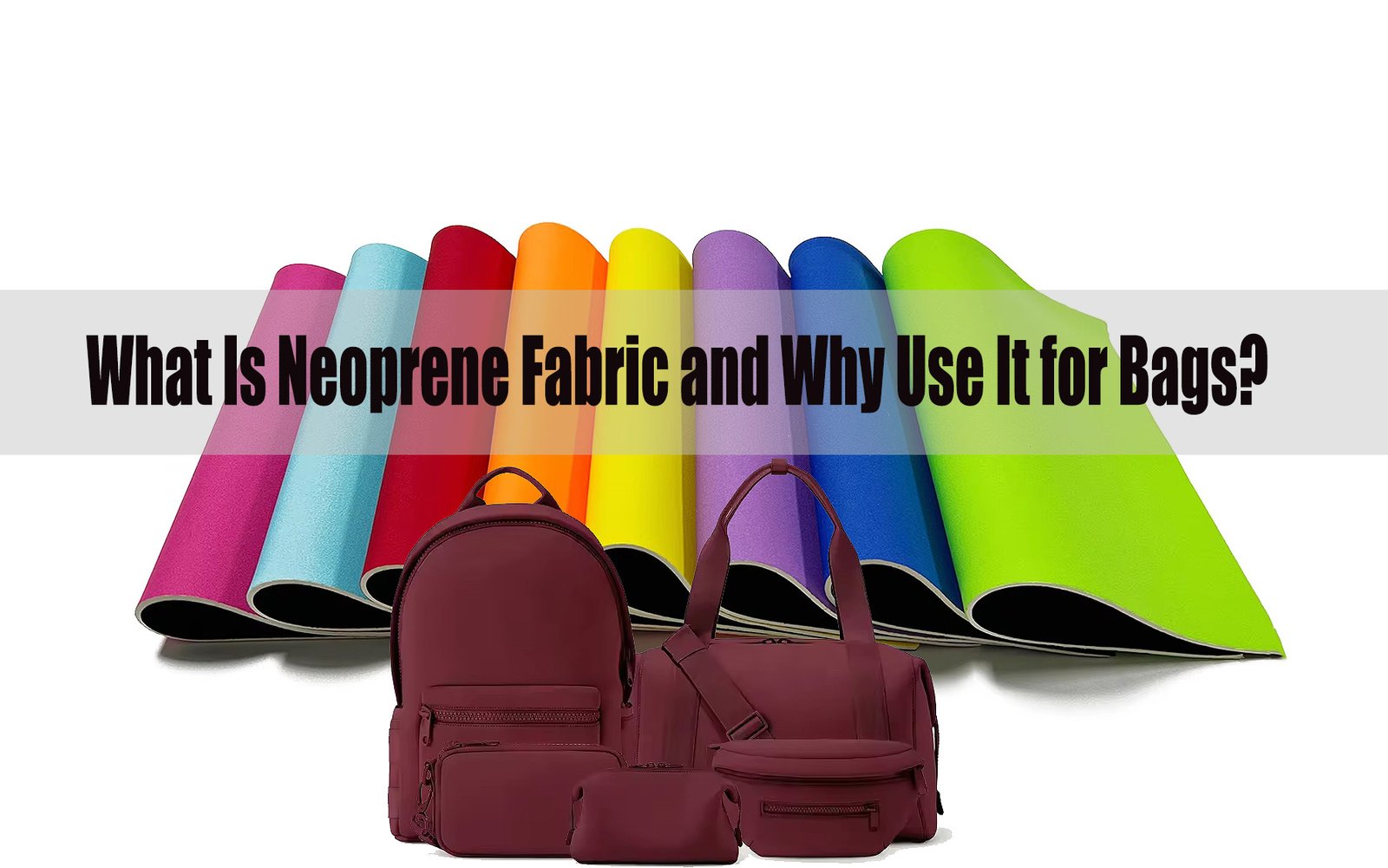
I have seen many buyers choose the wrong material for premium bags. They lose money on returns because the quality does not match the price. You do not want that. Let me explain why this rubber fabric is the best choice for your next order. I will show you how to use it to increase your profit margin.
What Is Neoprene Fabric Made Of?
Many factories use cheap fillers in their rubber to lower costs. You need to know the real composition to ensure quality for your brand.
The material is technically polychloroprene. It is a synthetic rubber produced by the polymerization of chloroprene. Manufacturers sandwich this rubber foam between layers of polyester or nylon fabric to create the smooth, spongy material used in bags.
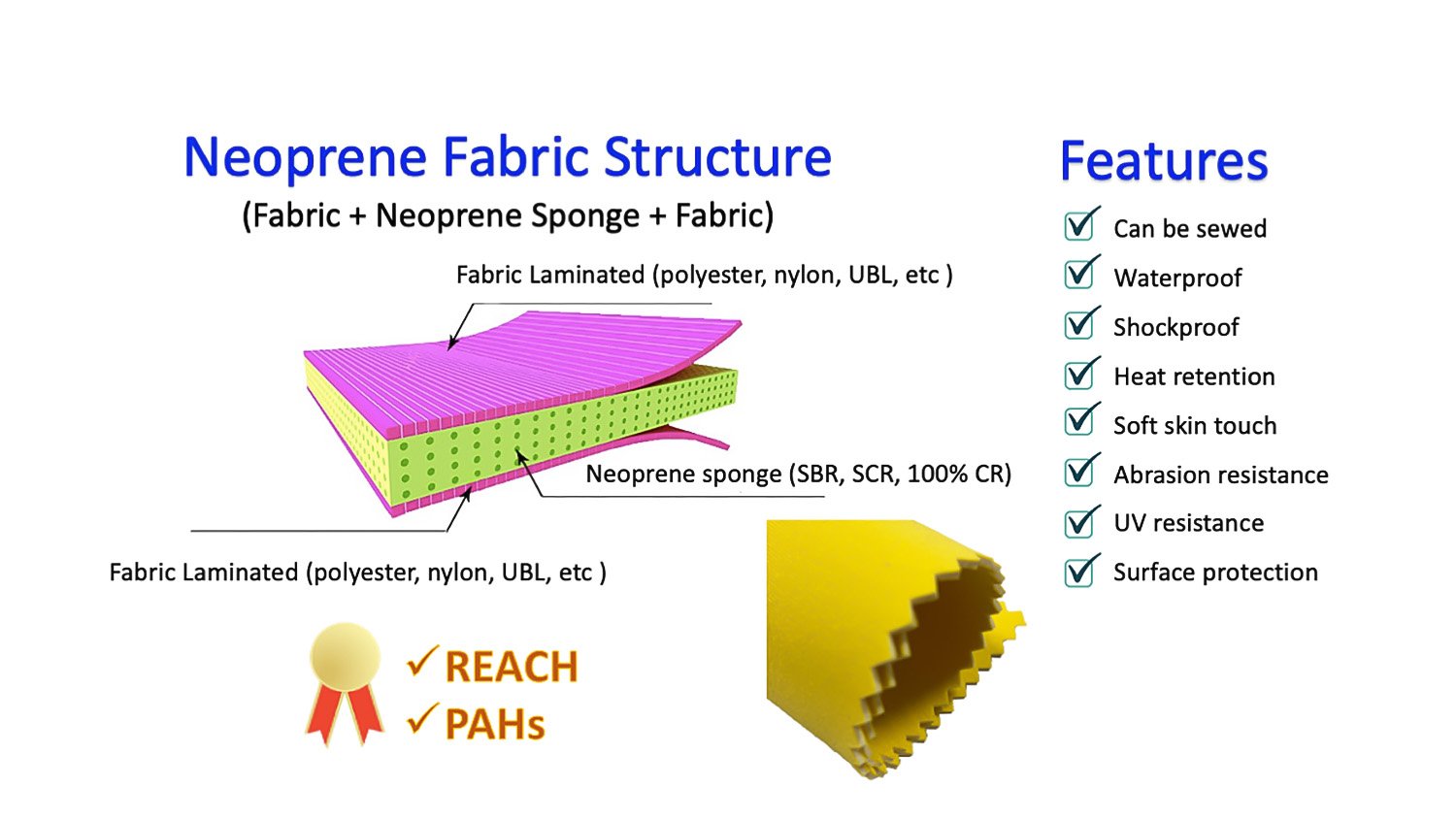
You might know this material from wetsuits. But in the bag industry, we process it differently. I want you to understand the structure so you can talk to your suppliers with confidence.
First, there is the core. This is the synthetic rubber foam. It gives the material its thickness and sponge-like feel. We call this the "foam core3." It contains nitrogen gas bubbles. These bubbles provide insulation and shock absorption.
Second, there are the outer layers. Raw rubber is sticky and not strong enough on its own. So, we laminate fabric onto both sides. We usually use Polyester or Nylon jersey knit4. This makes the surface smooth. It also allows us to print colors and patterns on it.
At Coraggio, we inspect these layers carefully. If the lamination is weak5, the fabric peels apart after a few months. That is a disaster for your reputation.
Here is a breakdown of the components we use:
| Component | Material | Function |
|---|---|---|
| The Core | Polychloroprene (SBR or CR) | Provides cushion, insulation, and shape. |
| Top Layer | Polyester or Nylon Jersey | Provides color, print surface, and soft touch. |
| Bottom Layer | Polyester Jersey | Provides durability and protects the rubber. |
When you order from China, you must specify the fabric type. Nylon feels softer but costs more. Polyester is standard and works well for most bags.
What Makes Neoprene Different From Polyester or PU for Bags?
Polyester is cheap, and PU looks like leather. But sometimes, your market needs something that feels different and performs better.
Unlike thin Polyester or stiff PU, Neoprene has a thick, spongy hand feel. It stretches without breaking and returns to its original shape. This material offers natural insulation6 and shock absorption that standard woven fabrics cannot match without extra padding.
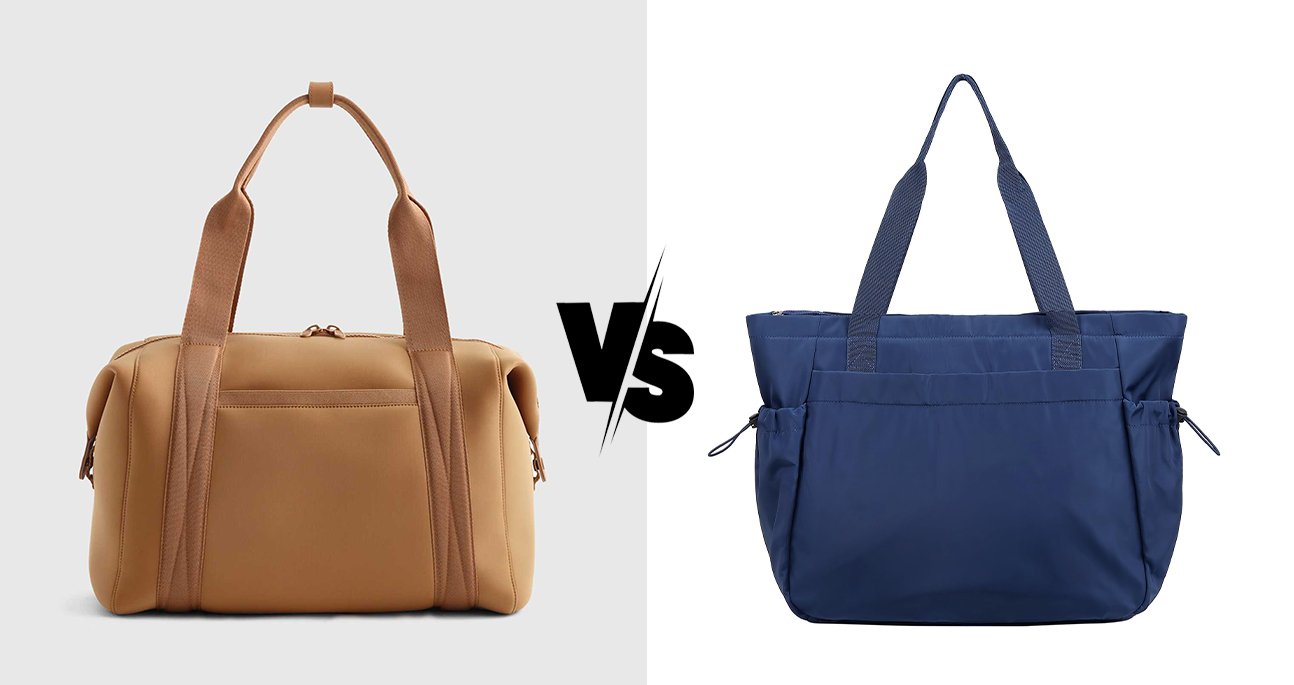
I have 15 years of experience in this industry. I see buyers get confused about materials often. You need to know when to switch from standard fabrics to Neoprene. This decision changes your product positioning.
Standard Polyester (like 600D)7 is thin. If you make a laptop bag with Polyester, you must add EPE foam8 inside. You have to sew a lining. It takes more steps.
Neoprene is different. It is the foam and the fabric in one piece. It stands up on its own. It has a "scuba" look that is very popular in fashion right now.
Let's look at the specific differences:
- Structure: Polyester collapses if the bag is empty. Neoprene holds its shape. This looks better on a store shelf.
- Protection: PU leather offers zero shock protection. If you drop a PU bag, the computer inside might break. Neoprene bounces. It protects valuable items.
- Stretch: Woven fabrics do not stretch. Neoprene has 4-way stretch9. This allows for unique, curved bag designs that other fabrics cannot achieve.
Here is a quick comparison for your sourcing strategy:
| Feature | Polyester (Oxford) | PU Leather | Neoprene |
|---|---|---|---|
| Shock Protection | Low (needs padding) | Low | High (Built-in) |
| Water Resistance | Moderate (coating) | High | High |
| Weight | Light | Heavy | Medium |
| Cost | Low | Medium | High |
If you want a cheap giveaway bag, use Polyester. If you want a high-value item for a boutique or electronics store, use Neoprene.
Is Neoprene Waterproof and Durable for Daily-Use Bags?
Your customers complain when their bags leak in the rain. Water damage destroys trust and hurts your brand reputation fast.
Neoprene is water-resistant and highly durable. The closed-cell rubber structure10 prevents water from soaking through easily. It resists weathering, oils, and heat11, making it perfect for outdoor gear, beach bags, and heavy-duty daily use.
I need to be honest with you about the word "waterproof." In the factory, we distinguish between the fabric and the finished bag.
The Neoprene material itself is waterproof. It is rubber. Water cannot pass through rubber. We use "closed-cell" foam. This means the air bubbles inside are separate. They do not act like a sponge that soaks up water.
However, a bag has seams. We sew the bag with needles. The needle makes holes. If you throw the bag in a swimming pool, water will enter through the needle holes.
For 99% of your customers, this does not matter. For rain, spills, or beach use, it is excellent. The outer fabric might get wet, but the inside stays dry for a long time.
Regarding durability, Neoprene is tough. It resists:
- Heat: It handles hot sunlight well.
- Chemicals: Oils and lotions do not ruin it easily.
- Abrasion: It does not tear easily like thin nylon.
I recommend this material for:
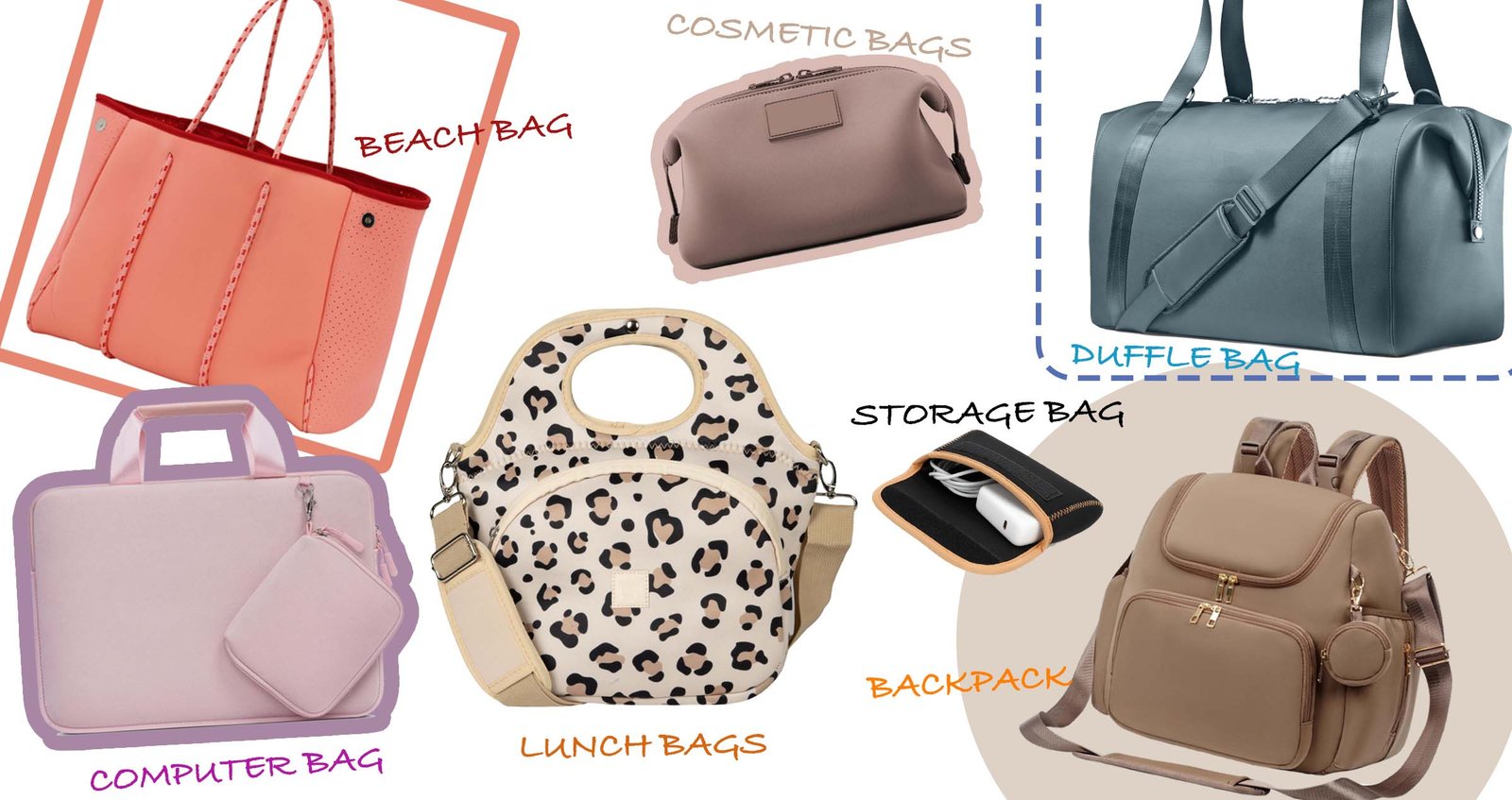
- Beach Bags: Sand shakes off, and wet towels do not soak through.
- Lunch Bags: If soup spills inside, you can wash it. It also keeps food cold or warm.
- Cosmetic Bags: It protects glass bottles from breaking and contains liquid spills.
At Coraggio, we test the fabric for aging. Cheap rubber cracks after one year. We use stable rubber that lasts for years. This keeps your after-sales complaints low.
What Neoprene Thickness (mm) Should Buyers Choose for Bags?
Choosing the wrong thickness makes a bag too heavy or too flimsy. This mistake costs you money in shipping or returns.
For most bags, a thickness between 3mm and 5mm12 is ideal. Laptop sleeves usually need 3mm for protection without bulk13. Heavy-duty cooler bags or large totes often use 5mm to hold their shape and provide better insulation.
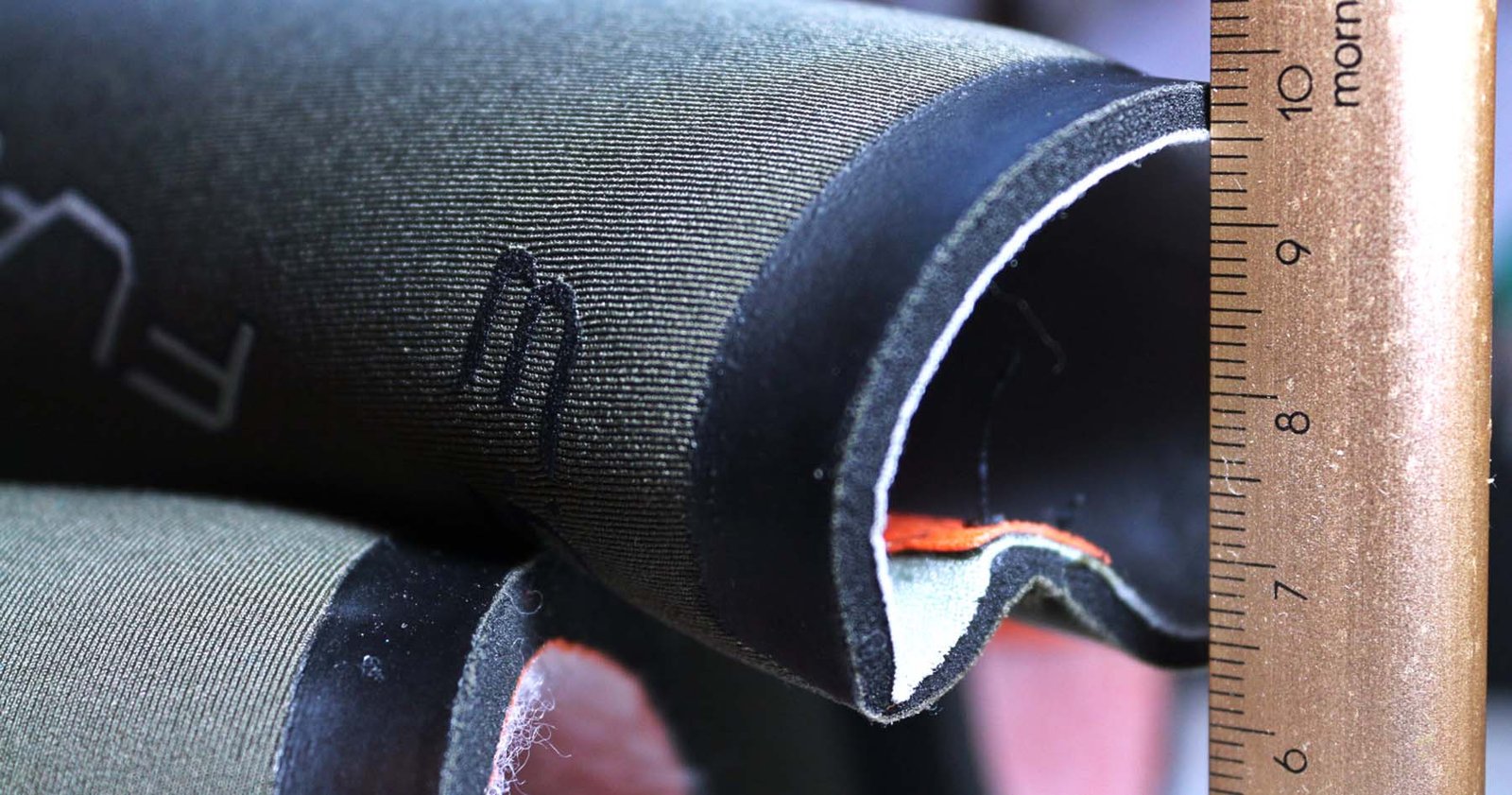
You might think "thicker is better." That is not always true. In my factory, I see problems when buyers ask for the wrong specs.
If the material is too thick (like 7mm), it is very heavy. Your shipping cost from China to Canada will explode. Also, it is hard to sew. The seams become bulky and ugly.
If the material is too thin (like 1.5mm), it feels cheap. It wrinkles easily. It offers no protection for a laptop.
Here is my guide for your procurement:
- 2.0mm - 2.5mm: Use this for small pouches, coin purses, or complex shapes. It is flexible. It is easy to turn inside out during production.
- 3.0mm - 3.5mm: This is the industry standard. We use this for 80% of our orders. It works for laptop sleeves, tote bags, and cosmetic bags. It has a good balance of weight and cushion.
- 4.0mm - 5.0mm: Use this for large beach totes, cooler bags, or wine bottle holders. It is stiff. It stands up completely straight. It provides maximum insulation for food.
You must also consider the "seam allowance14." When we sew 5mm neoprene, the folded edge is 10mm thick. This is very thick for a sewing machine. We might need special machines. This increases the production time.
When you send me an inquiry, tell me the usage of the bag. I will recommend the right millimeter. Do not guess. Let my team help you save money and ensure quality.
What Are the Pros and Cons of Neoprene Bags for B2B Sourcing?
Every material has a downside. Ignoring the risks of Neoprene will lead to production delays and unexpected costs for you.
The main pros are unique styling, shock protection, and high perceived value15. The cons include a higher material cost compared to polyester and potential creasing during shipping if not packed correctly.
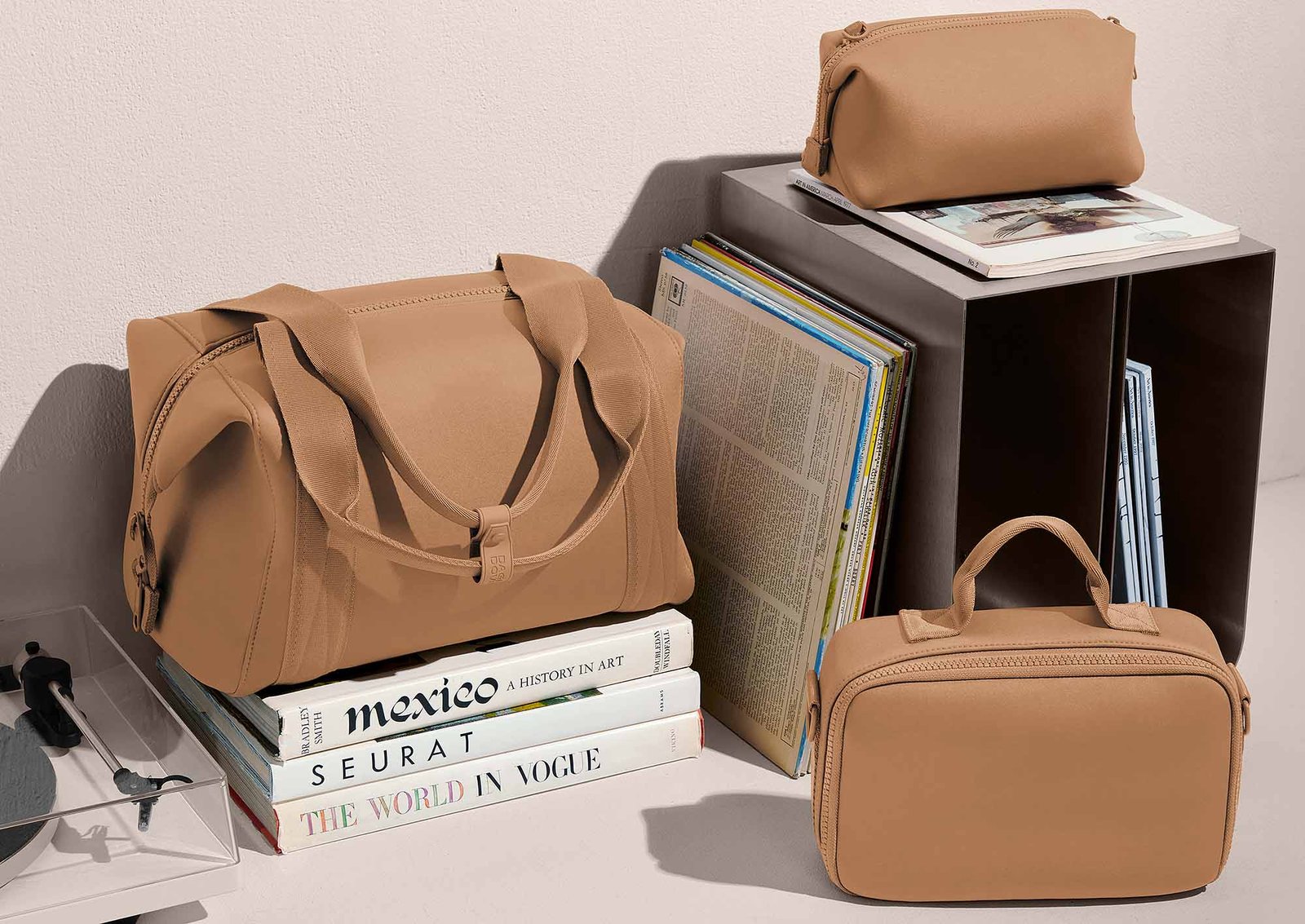
As a buyer, you need to look at the profit model. Neoprene costs more than Polyester. But you can sell it for a much higher price. The profit margin is usually better16.
Let's break this down using critical thinking.
The Pros (Why you should buy):
- High Value: It looks expensive. You can brand it as a "premium" or "tech" product.
- Customization: We can do sublimation printing17. This means we can print any photo, logo, or pattern on the entire bag. The colors are bright and do not fade.
- Versatility: You can sell the same style to a gym, a tech company, or a fashion brand.
The Cons (What you must watch out for):
- Creasing: This is the biggest pain point. If we fold the bags too tightly in the carton to save shipping space, the rubber gets permanent creases18.
- Solution: We must use larger cartons and put paper inside the bags. This increases shipping volume. You must calculate this into your landed cost.
- Smell: Fresh Neoprene smells like rubber19. It is strong.
- Solution: At Coraggio, we air out the material before packing. But you should warn your customers to let it breathe.
- Weight: It is heavier than nylon. Air freight is expensive for Neoprene. I recommend sea freight for large orders.
| Factor | Benefit | Risk |
|---|---|---|
| Price | High retail price point | High initial material cost |
| Shipping | Durable during transit | Risk of creases/High volume weight |
| Design | Full-color printing possible | Limited texture options (mostly smooth) |
If you plan your logistics well, the cons are manageable. The key is to work with a supplier who knows how to pack these bags properly.
Conclusion
Neoprene is a versatile, protective, and profitable material for modern bags. It requires careful selection of thickness and smart shipping plans, but the high-quality result is worth the investment.
Understanding how cushioning works helps you design bags that better protect electronics and fragile items, reducing returns and complaints. ↩
Learning how this fabric holds its shape lets you create higher-end, display-ready products that stand out on shelves and online. ↩
Knowing how the foam core functions helps you specify materials that balance protection, weight, and cost for each product line. ↩
Comparing nylon jersey to alternatives enables you to optimize softness, appearance, and price for your target market. ↩
Recognizing lamination issues helps you set proper QC standards and avoid products that peel and damage your brand reputation. ↩
Understanding insulation performance helps you design bags that genuinely keep food and drinks at temperature, boosting customer satisfaction. ↩
A clear comparison lets you choose when to upgrade from basic polyester to neoprene to justify higher retail pricing. ↩
Knowing when separate foam is necessary prevents overbuilding or under-protecting your bags, saving on materials and labor. ↩
Leveraging stretch properties allows more creative, ergonomic shapes that differentiate your products from standard woven bags. ↩
Learning this structure explains why neoprene resists water so well, allowing you to market waterproof benefits accurately. ↩
Knowing its resistance profile helps you confidently promote neoprene bags for outdoor, beach, and heavy daily use markets. ↩
Selecting the right thickness prevents costly mistakes like over-heavy bags or flimsy products that fail in use. ↩
This helps you choose a thickness that satisfies protection requirements while keeping products slim and easy to carry. ↩
Understanding seam behavior in thick neoprene lets you design bags that are both manufacturable and long-lasting. ↩
Learning what drives perceived value helps you position and price neoprene bags for stronger margins and premium branding. ↩
Understanding the margin structure clarifies how neoprene can increase overall profitability in your product portfolio. ↩
Exploring this printing method shows how to achieve vivid, durable all-over graphics that increase perceived value. ↩
Preventing creasing protects the product’s upscale look and reduces returns caused by cosmetic defects on arrival. ↩
Managing odor ensures a better unboxing experience and helps avoid negative customer reviews about “chemical” smells. ↩