Sourcing the right promotional bag is difficult. You want low costs, but you also need high impact. If the bag rips or the print looks cheap, your brand reputation suffers.
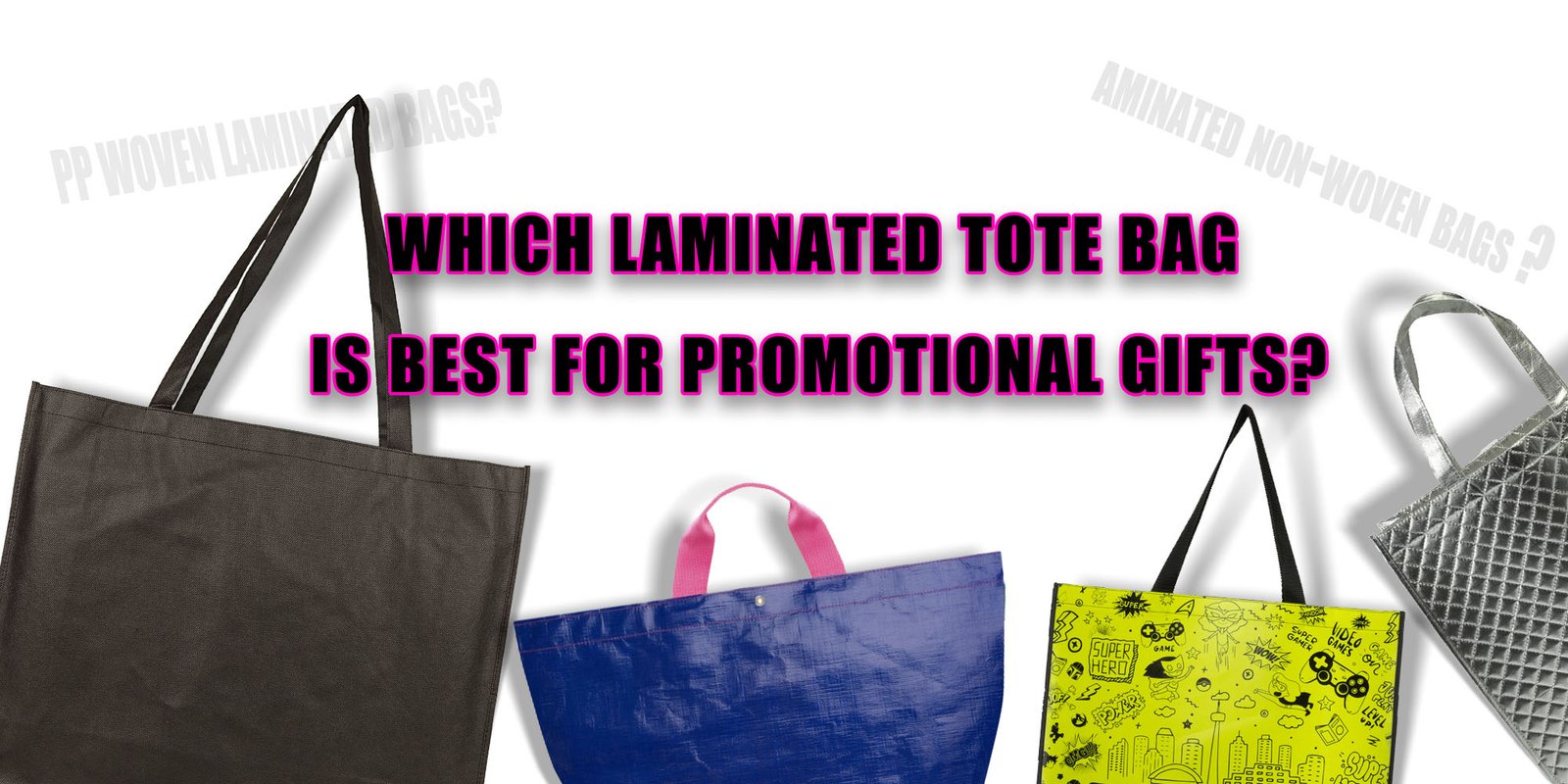
For heavy loads and bulk giveaways1, choose PP woven laminated bags2 because they are incredibly strong. For a premium look and sharper printing, choose laminated non-woven bags3 with a matte or glossy finish. The best choice depends on whether you prioritize weight capacity or visual appeal4.
I have seen many buyers struggle with this choice over my 15 years in the industry. Let me guide you through the details so you make the right decision for your business.
What Types of Laminated Tote Bags Are Used for Promotions?
You see laminated bags everywhere in supermarkets and trade shows5. However, mixing up the material types can lead to quality issues and customer complaints later on.
The two main types are PP Woven Laminated bags (made of woven plastic strips) and Laminated Non-Woven bags (made of bonded fibers). Woven bags offer superior strength for heavy items, while non-woven bags provide a smoother surface for detailed printing and a softer feel.
You need to understand the core structure of these bags to choose the right one. Both bags use a lamination process, but the base material is different.
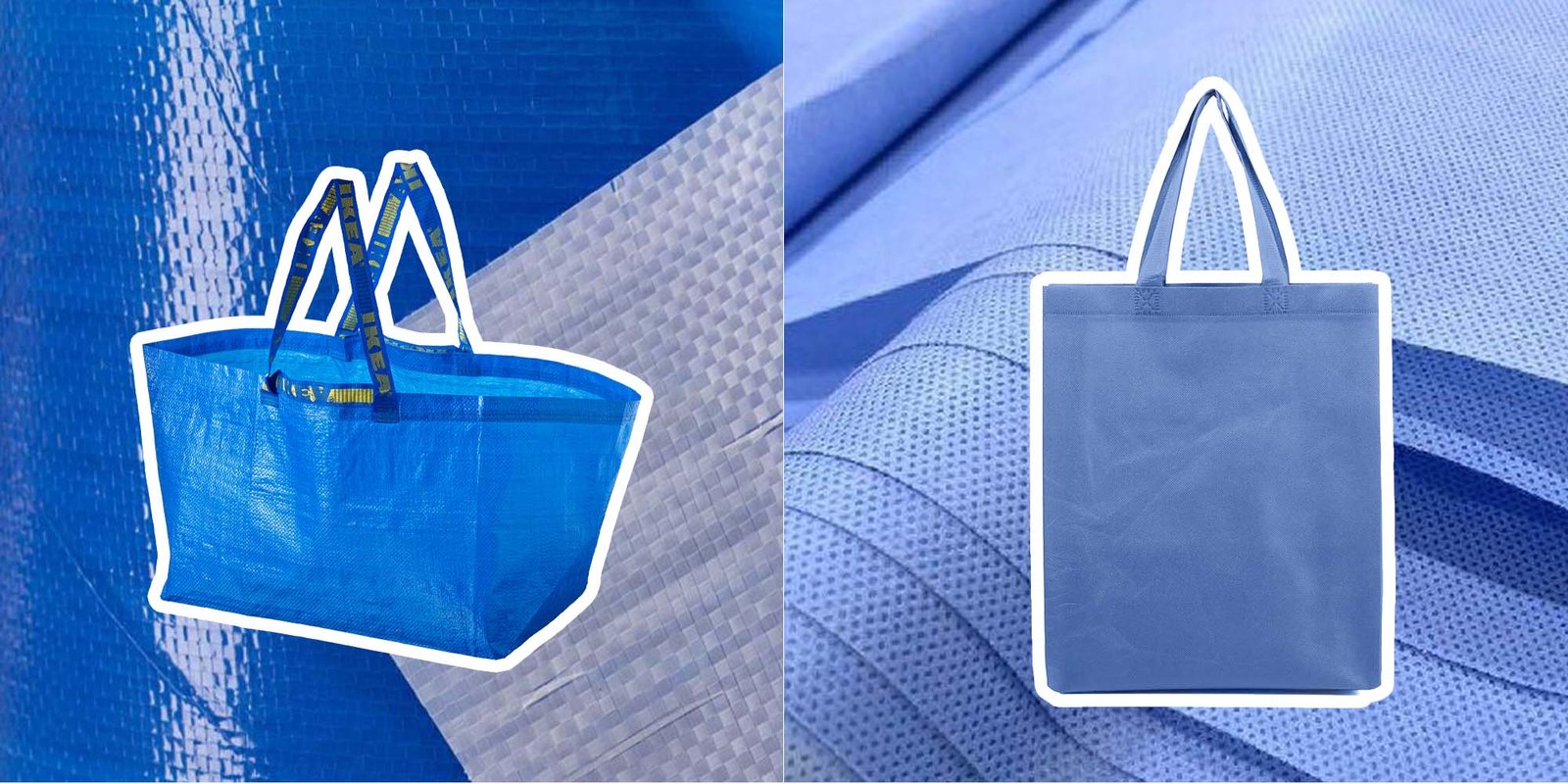
1. PP Woven Laminated Bags Think of the blue IKEA bags. That is PP (Polypropylene) woven material. It is made by weaving strips of plastic together. It is very strong. We recommend this for supermarkets or hardware stores. If your end customer needs to carry heavy groceries or tools, this is the best choice. It holds weight well without tearing.
2. Laminated Non-Woven Bags This material is made by bonding fibers together using heat and pressure. It feels more like fabric. When we laminate it, it becomes stiffer but retains a smooth look. It looks more "high-end" than the woven style.
Here is a simple comparison based on my experience at Coraggio:
| Feature | PP Woven Laminated | Laminated Non-Woven |
|---|---|---|
| Base Structure | Interlaced plastic strips | Bonded plastic fibers |
| Surface Texture | Slightly bumpy/textured | Smooth and flat |
| Weight Capacity | Very High (10kg - 20kg+) | Medium (5kg - 10kg) |
| Visual Appeal | Rugged, industrial | Premium, clean |
| Best Use | Grocery shopping, heavy kits | Trade shows, boutique retail |
If you are doing a massive giveaway and budget is the only concern, woven is usually slightly cheaper and tougher. If you want the recipient to use the bag as a fashion accessory, go with non-woven.
Which Material and Lamination Finish Should Buyers Choose?
The finish determines how the customer perceives your brand value. A cheap-looking finish can ruin a good design, even if the bag is strong.
Choose BOPP film6 for the best clarity and protection. For the finish, select glossy for vibrant, shiny colors that pop on a shelf. Select matte for a sophisticated, subdued look that feels more expensive and reduces glare. Both protect the bag from water and dirt.
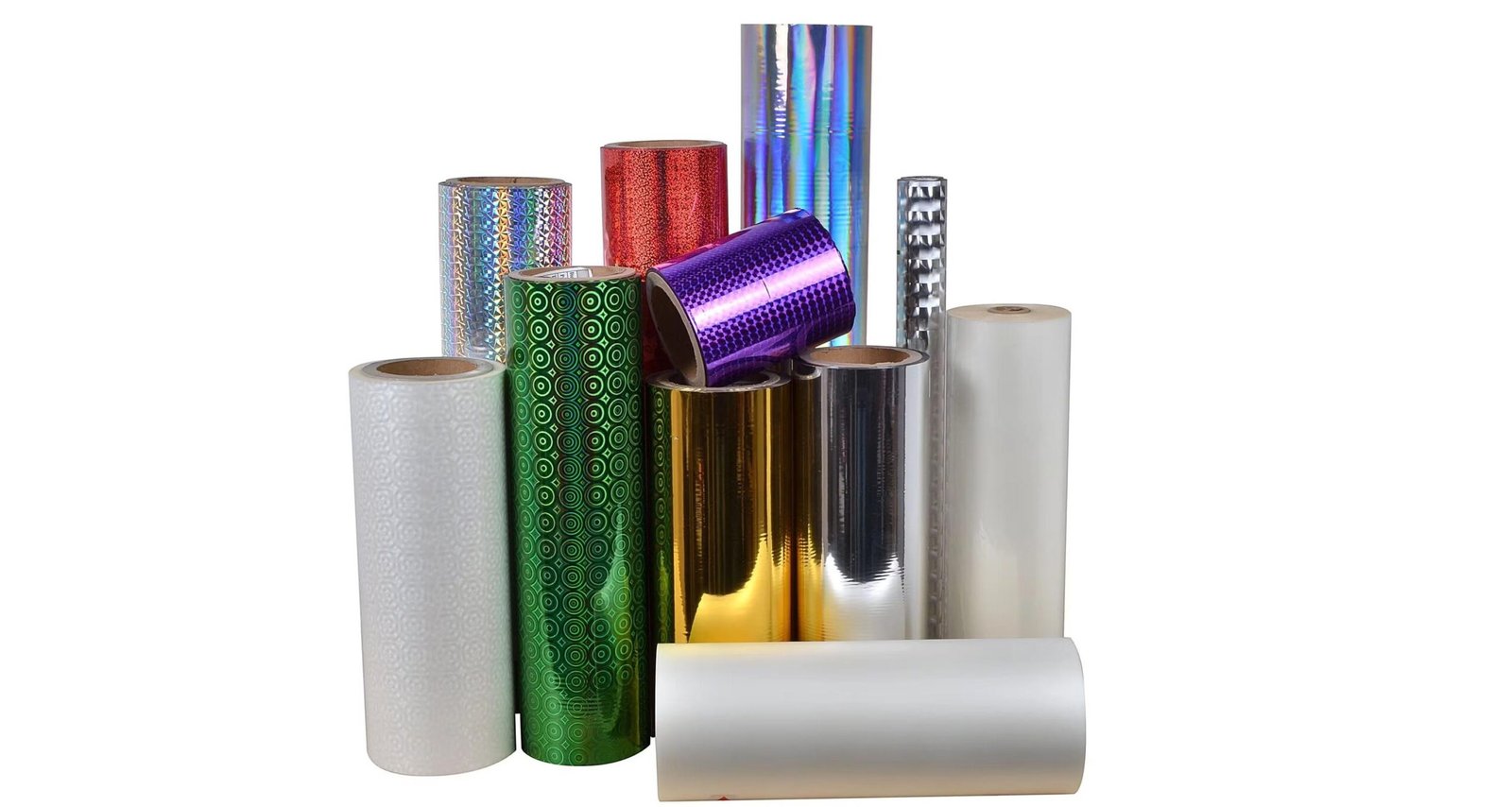
We use BOPP (Biaxially Oriented Polypropylene) film for lamination. This is the industry standard. It is clear and strong. However, the visual effect depends entirely on whether you choose Matte or Glossy.
Glossy Lamination:
- Pros: It makes colors look very bright. It is very shiny. It reflects light. It is very easy to wipe clean if it gets dirty.
- Cons: It can sometimes look "cheap" or "plastic" if the lighting is bad. It shows scratches more easily than matte.
- My Advice: Use this for supermarket bags or bright, colorful designs that need to stand out.
Matte Lamination:
- Pros: It does not reflect light. It looks soft and elegant. It feels smooth to the touch. It hides small scratches well.
- Cons: It is slightly more expensive than glossy (usually a small fraction). Colors appear a bit softer, not as loud.
- My Advice: If you are selling to a boutique or a corporate client who wants a "premium" gift, always choose matte.
I had a client from Canada who switched from glossy to matte for his cosmetic brand's gift bags. He told me his customers started reusing the bags more often because they looked like fashion items, not just ads. If you want the bag to be reused, the finish matters. For general promotional gifts, BOPP film6 on a woven bag is the standard. But for that "high-level" feeling, matte film on non-woven fabric is the winner.
How Durable and Water-Resistant Are Laminated Tote Bags?
Buyers hate complaints about ripped handles or soaked contents. You need assurance that the bag lasts long enough to provide advertising value.
Laminated bags are highly water-resistant7 because the plastic film seals the fabric. For maximum durability, look for "X-stitching8" on handles and full piping on the seams. PP woven bags generally last longer under heavy stress compared to non-woven options.
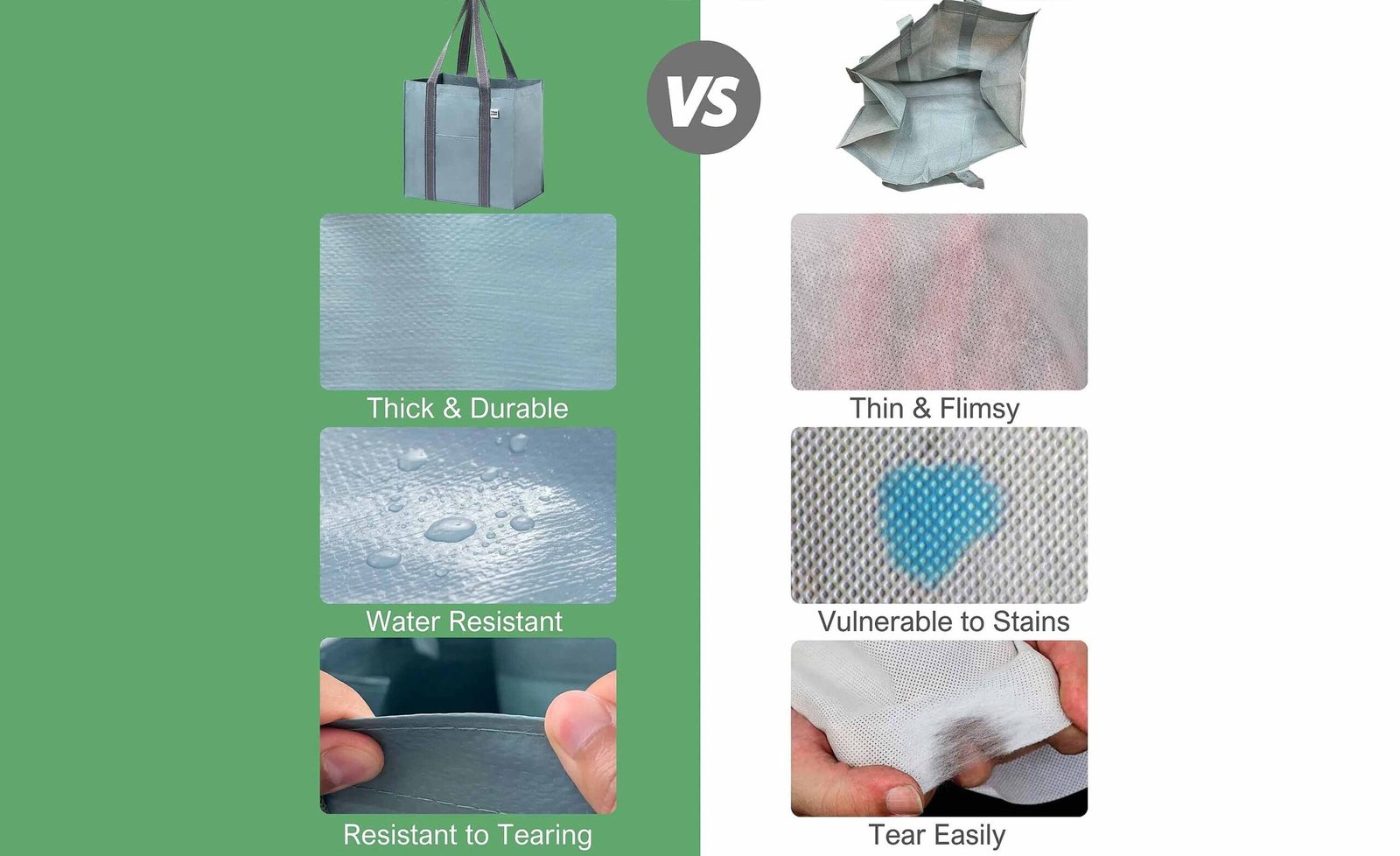
Durability is not just about the material. It is about how we put the bag together. At our factory, we focus on three specific areas to ensure the bag survives daily use.
1. Water Resistance Both woven and non-woven laminated bags are excellent for rain. The BOPP film6 is plastic. Water runs right off it. This is great for outdoor events or rainy climates like Vancouver or London. However, water can still seep in through the stitching holes.
- Pro Tip: If you need high water resistance, ask for "full lamination" (lamination that covers the bottom piping) and tight stitching.
2. Handle Strength The handle is usually the first thing to break.
- The Fix: We use "X-stitching8" (a box with an X inside) where the handle meets the bag. This distributes the weight.
- Material: We often use nylon webbing handles9 for heavy woven bags. They are stronger than self-material handles.
3. Seam Construction
- Piping: This is the border around the edge. It holds the shape.
- Binding: We sew a strip of material over the raw edges.
- My Insight: For heavy-duty use, PP woven is the king. It resists tearing even if punctured. Non-woven is strong, but if you poke a hole in it, the hole can expand under tension. If your client expects the bag to carry heavy tools or canned goods, do not risk it—choose woven.
What Printing Methods Work Best for Logos on Laminated Totes?
Your logo is the most important part of this product. If the ink peels off or looks blurry, the promotion fails and you lose money.
Rotogravure printing10 is the standard for laminated bags. It prints the design onto the film before lamination, ensuring 100% ink coverage and photo-realistic quality11. This method prevents scratching because the ink is trapped between the bag layer and the outer film.
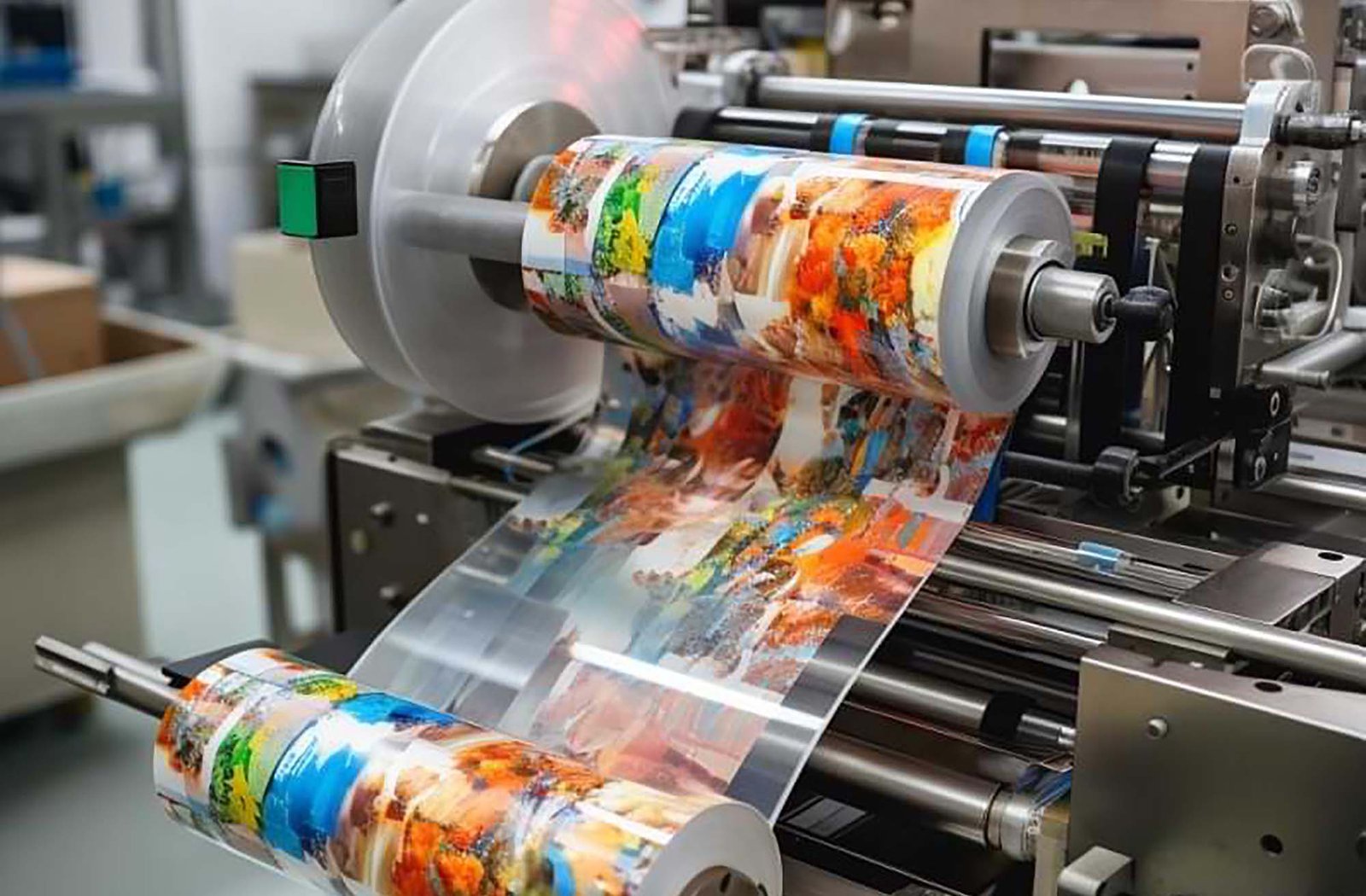
Many buyers ask me if they can use silk screen printing on these bags. The answer is usually no. Here is why Rotogravure (Gravure) is the best and only real choice for high-quality laminated bags.
How Rotogravure Works:
- Cylinders: We make copper cylinders for each color in your design (CMYK).
- Printing on Film: The machine prints the ink onto the inside of the clear BOPP film6.
- Lamination: We bond this printed film onto the woven or non-woven fabric.
Why this is better:
- Protection: The ink is sandwiched. It cannot be scratched off. It cannot fade easily from rubbing.
- Quality: You can print photos. You can print gradients. You can print complex artwork that silk screen cannot handle.
- Consistency: The first bag looks exactly the same as the 10,000th bag.
Critical Thinking for Buyers: The downside is the "setup cost." You have to pay for the printing plates (cylinders)12. Each color needs one cylinder. If your design has 4 colors, you pay for 4 cylinders. This can cost a few hundred dollars upfront.
- My Advice: If you have a complex logo or a photo design, this cost is worth it. If you only have a simple 1-color text logo and want a small quantity, laminated bags might be too expensive due to the plate costs. In that case, you might look at simple silk-screened non-woven bags (without lamination). But for the best visual impact, Rotogravure on lamination is the top standard.
What MOQ, Lead Time, and Packaging Options Should You Expect?
Great products mean nothing if they arrive late or cost too much to ship. Planning your logistics is just as important as choosing the material.
Expect an MOQ of around 1,000 to 3,000 pieces due to machine setup costs. Production typically takes 20-30 days. For packaging, ask for waterproof cartoning and verify the quantity per box to maximize container space and reduce shipping costs per unit.
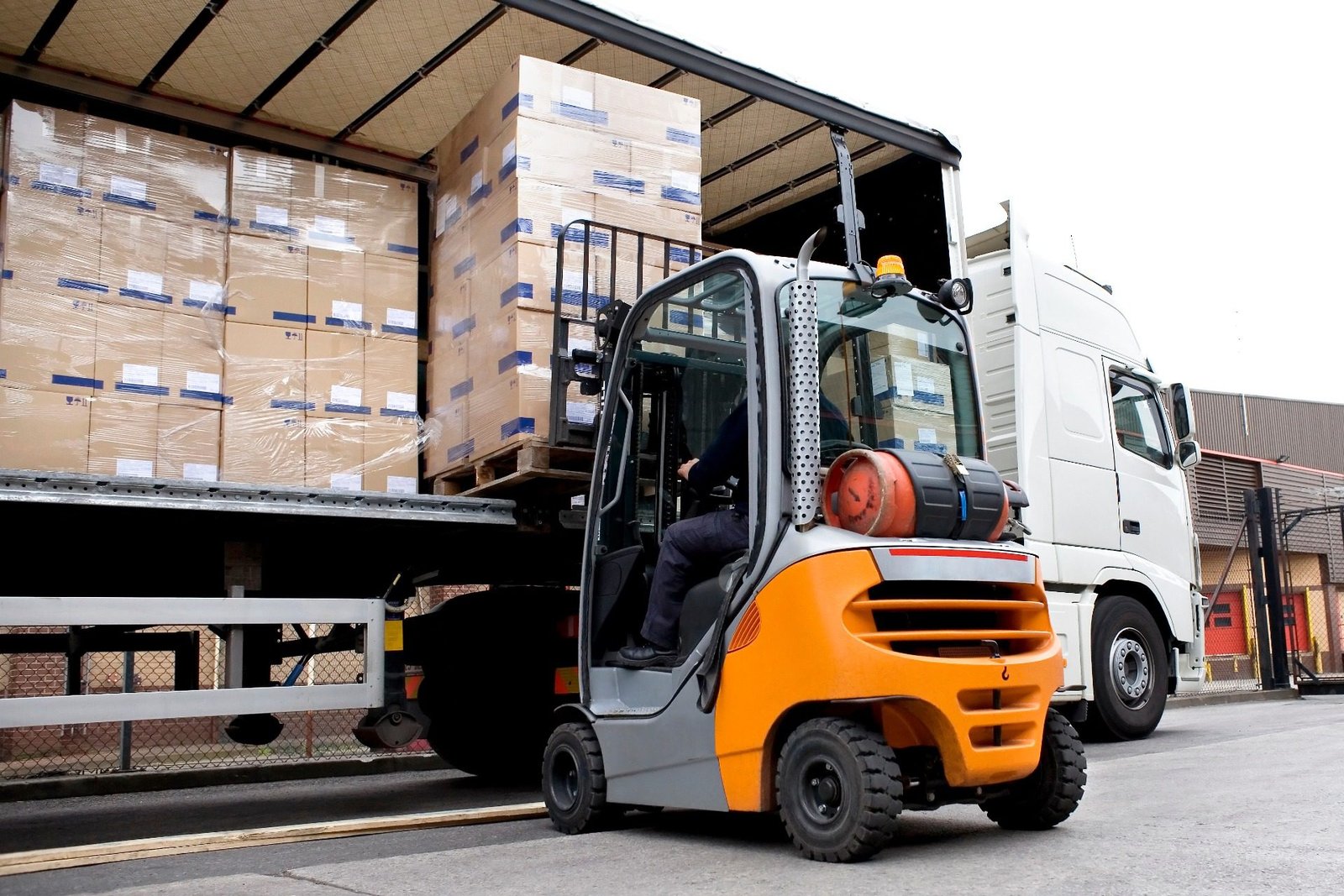
When you buy from China, you need to calculate the total timeline and volume. Here is a breakdown of what happens after you confirm the order with Coraggio.
Minimum Order Quantity (MOQ) Because we use large machines for lamination and printing, we cannot easily make 100 bags. The waste material during setup is too high.
- Standard MOQ: 3,000 pieces is the sweet spot for the best price.
- Low MOQ: We can sometimes do 1,000 pieces, but the unit price will be higher because the machine setup cost is spread over fewer bags.
Lead Time
- Sample: 7-10 days (we need to make the printing cylinders first).
- Mass Production: 20-30 days after you approve the sample.
- Shipping: 30-45 days by sea to North America or Europe.
- Total: You should start planning 3 months before your deadline.
Packaging for Export Never ignore the packaging.
- Carton Quality: Ask for "5-layer corrugated cardboard13." This prevents boxes from crushing during sea freight.
- Waterproofing: We usually put a large plastic bag inside the carton before putting the tote bags in. This protects against moisture in the shipping container14.
- Packing Quantity: We normally pack 100 pieces per carton.
- Logistics Tip: Laminated bags are stiff. They do not fold as small as simple cotton bags. They take up volume. Ask your supplier for the exact carton dimensions15 so you can calculate your shipping costs accurately.
Conclusion
To choose the best bag, match the material to the usage. Use PP woven for heavy loads and durability. Use laminated non-woven for a premium look. Always check the lamination finish and plan for plate costs.
Discover cost-effective bag options and strategies to stretch your budget without sacrificing perceived value. ↩
Learn technical specs, load ratings, and real-world use cases so you can confidently choose woven bags for demanding promotions. ↩
Understand why non-woven offers a premium look, and see examples that help you position your brand as more high-end. ↩
See decision frameworks and case studies so you can prioritize what matters most for your campaign’s ROI. ↩
Explore proven bag styles and features that attract booth traffic and maximize logo visibility at exhibitions. ↩
Understand this key lamination material, its benefits, and its impact on clarity, durability, and recyclability. ↩
Check lab tests and user reviews to ensure your bags can handle rain and spills without disappointing customers. ↩
See technical diagrams and stress tests so you can specify stronger handle construction in your purchase orders. ↩
Compare handle materials to reduce breakage complaints and choose the best option for heavy contents. ↩
Learn the full process, quality advantages, and cost implications so you can justify higher setup fees to clients. ↩
See side-by-side print comparisons to understand what’s visually possible for your next campaign artwork. ↩
Get cost benchmarks and break-even analyses to decide if cylinder investment makes sense for your order size. ↩
Learn how stronger cartons reduce damage, claims, and hidden logistics costs during sea freight. ↩
Discover practical methods like liners and desiccants to prevent mold, warping, and packaging damage in transit. ↩
See how volume, not just weight, drives shipping cost so you can optimize packing and budgeting accurately. ↩