2D barcode packaging by 2027 sounds simple at first. Many bag brands think it is just a small artwork update. Then the real problems appear: unclear retailer requirements, missing data rules, and supplier confusion. I have seen this happen many times. The smart solution is to prepare the workflow early, not wait for urgency.
Bag brands may need to prepare for 2D barcode packaging by 2027, but readiness is not only about printing a code on a box. Real readiness means confirming what data the barcode must carry, which customers or retailers will require it, where it will appear on packaging, and how suppliers will manage artwork, printing, and scanning quality without delays.
If I look at this from an OEM/ODM bag supplier view, the biggest issue is not whether a factory can print a symbol. The bigger issue is whether the brand, buyer, packaging team, and supplier are aligned before production starts. That is where delays usually begin, and that is why this topic matters now.
What Are 2D Barcodes on Retail Packaging?
Many teams hear the term and assume it means any square code on a carton. That assumption creates problems fast. I often see buyers send reference images without clear use requirements. Then everyone talks past each other. The real fix is to define the barcode function before touching artwork.
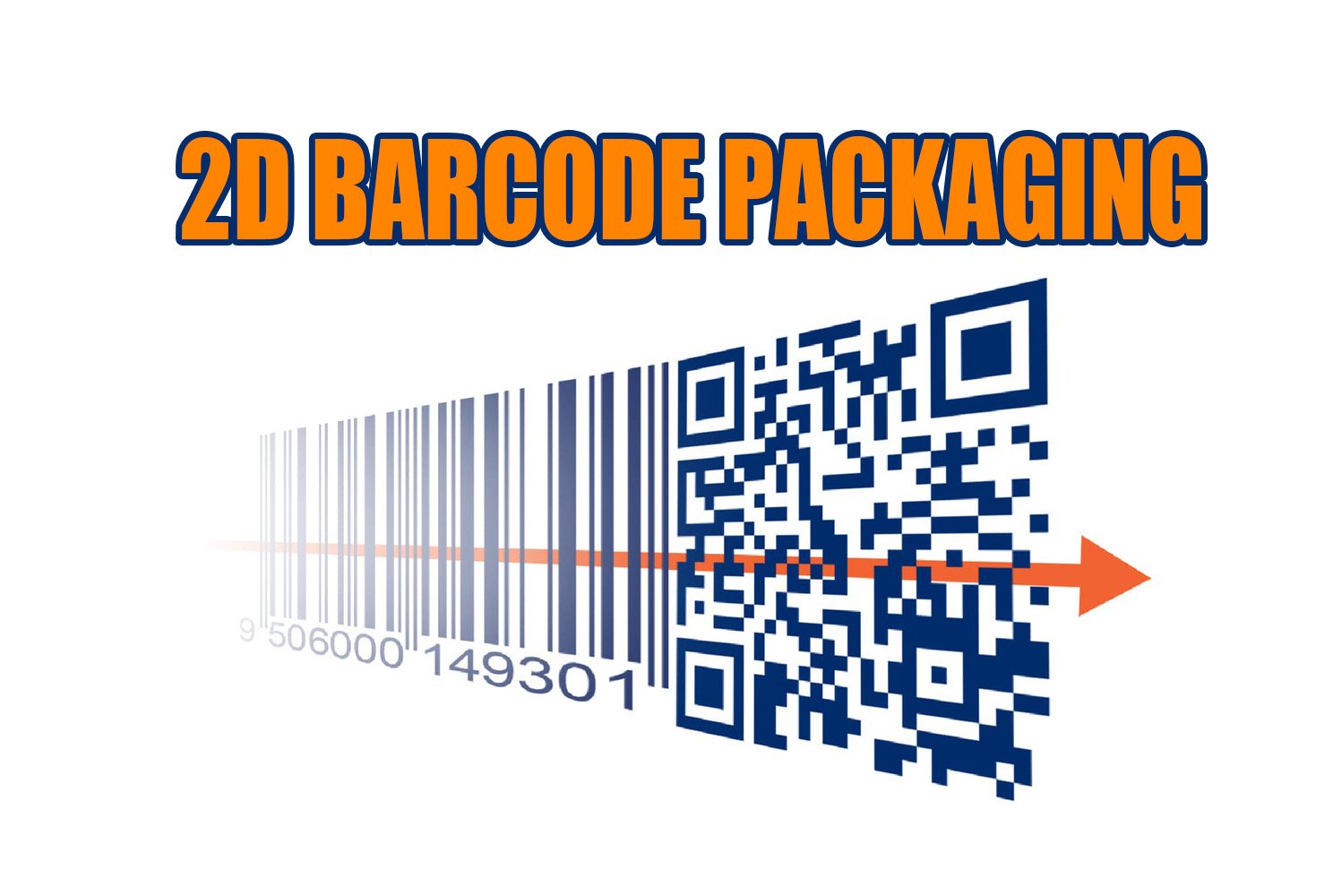
2D barcodes on retail packaging are machine-readable codes that can store more data than traditional 1D barcodes.1 In retail-facing packaging, they may support product identification, traceability, batch information, or digital links, depending on customer and channel requirements. They are not the same as ordinary marketing QR codes added only for promotion.2
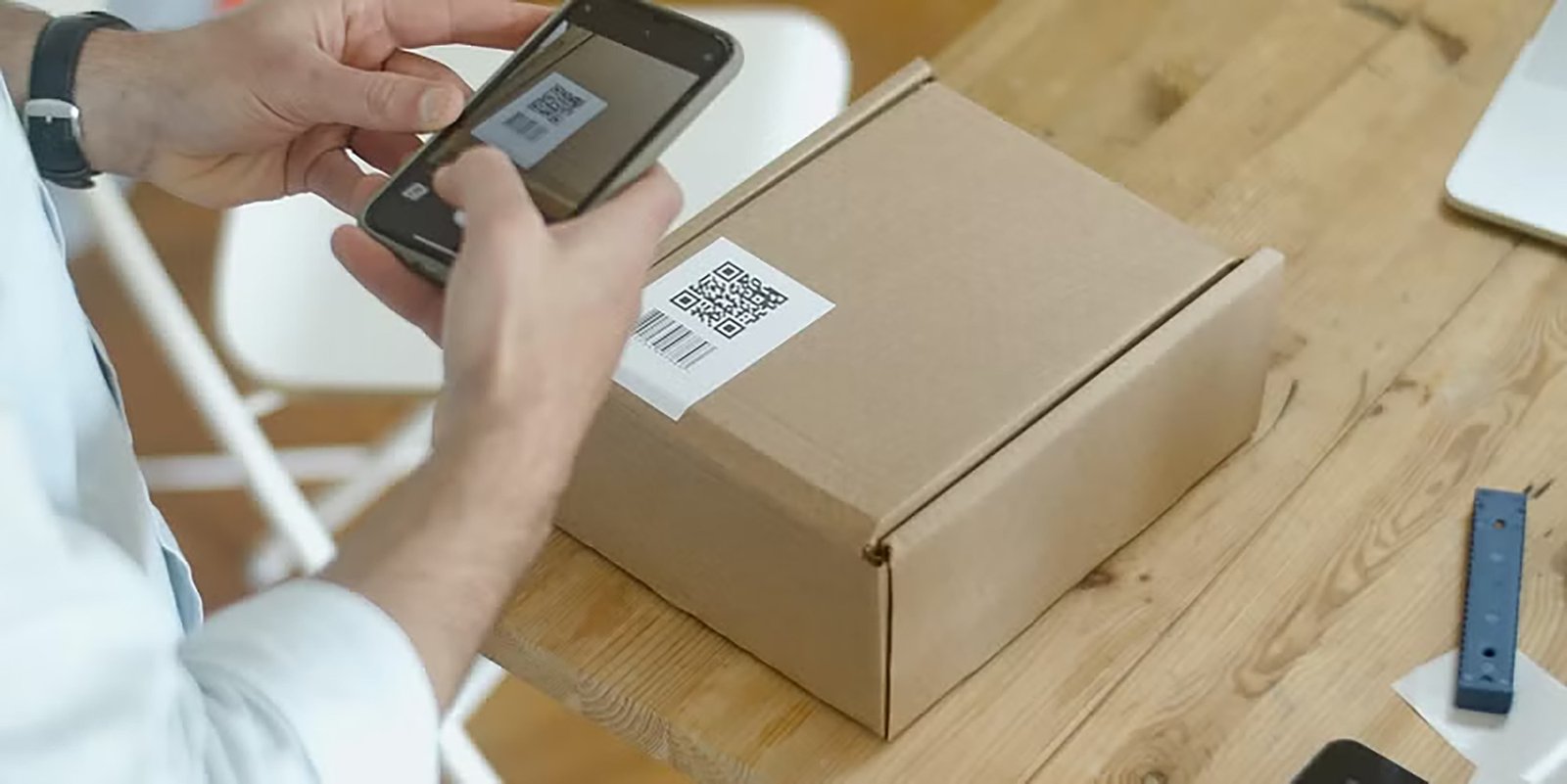
When I discuss packaging with overseas buyers, I usually start with one simple question: What is this code expected to do? That question saves a lot of time.
A 2D barcode is not just a design element
A packaging designer may see a symbol. A retailer may see a checkout or inventory tool. A compliance team may see a data carrier. A factory may see a print control issue. These are not the same things.
That difference matters because a 2D barcode on retail packaging can involve:
- Product identification
- Lot or batch association
- Traceability support
- Consumer-facing product information
- Retail scanning in store or warehouse
- Future compatibility with customer systems
If the brand does not know which of these applies, the supplier cannot set up artwork correctly.
Do not confuse retail 2D barcodes with marketing QR codes
This is one of the biggest misunderstandings I see.
A simple marketing QR code often links to:
- A campaign page
- A brand story
- A landing page
- A social media account
A retail or channel-driven 2D barcode may need:
- Structured encoded data
- Specific size and contrast controls
- Scannability at different stages
- Coordination with existing GTIN or packaging identification rules
Here is a practical comparison:
| Type | Main purpose | Typical owner | Main risk if unclear |
|---|---|---|---|
| Marketing QR code | Consumer engagement | Marketing team | Wrong link or weak campaign use |
| Retail 2D barcode | Identification or operational use | Cross-functional team | Scanning failure, retailer rejection, artwork rework |
In my experience, buyers get into trouble when one department asks for a “QR code,” but another department actually needs something more structured for retail packaging. Then the packaging supplier receives incomplete instructions and has to guess.
I always tell customers this: if the use case is not clear, the code should not enter final packaging artwork yet.
That is why 2D barcode packaging by 2027 is really a workflow question, not just a print question.
Why Should Brands Plan Packaging Artwork Before 2027?
Many brands wait because 2027 sounds far away. Then one retailer, one private-label customer, or one internal digital project changes the timeline overnight. I have seen urgent packaging revisions cause extra proof rounds, carton waste, and shipping pressure. Early planning prevents expensive last-minute changes.
Brands should plan packaging artwork before 2027 because future 2D barcode requirements may first appear through specific retailers, markets, or customer channels3. Early planning gives teams time to confirm data rules, reserve barcode space, align dielines, and avoid rushed artwork revisions that can delay production.
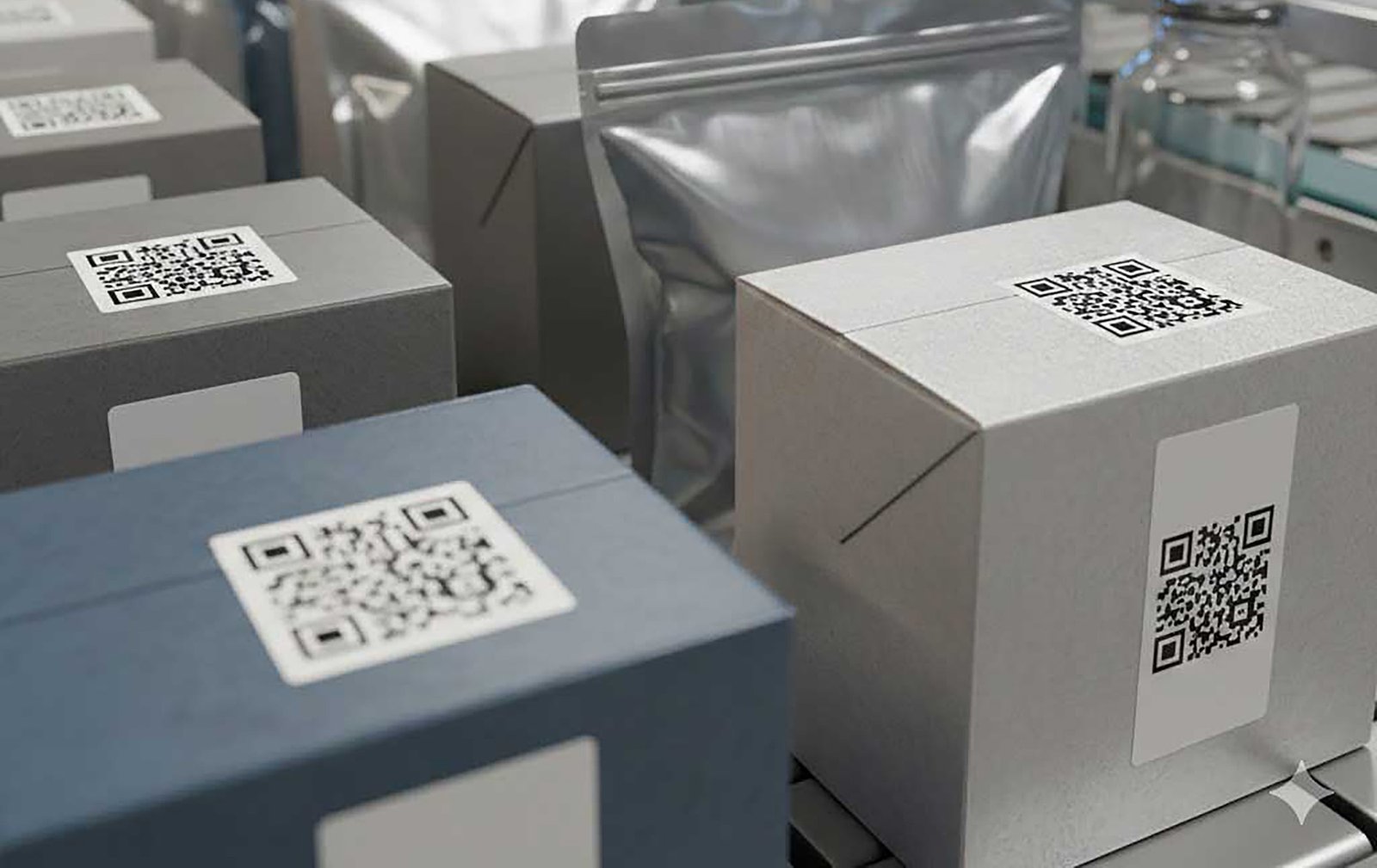
I do not think every market will move at the same speed. That is exactly why planning matters. The useful question is not “Is everyone forced by 2027?” The useful question is “Which customers will ask first, and are we ready when they do?”
Why waiting creates more friction than most teams expect
From the supplier side, late packaging changes rarely stay small4. One barcode update can trigger several linked revisions:
- Packaging artwork file update
- New print proof approval
- Box layout adjustment
- Master carton mark update
- Supplier communication with print vendor
- Internal SKU mapping check
- Re-testing of barcode placement and contrast
If a buyer starts this too late, the change can affect:
- Lead time
- Sampling cycle
- Packaging cost
- Product launch timing
- Existing packaging material inventory
In our projects, the barcode itself is usually not the hardest part. The hardest part is the back-and-forth caused by missing decisions.
For example, I once handled a customer inquiry where the buyer first sent only a visual sample. Later, the packaging team added a size rule. After that, another team requested a different placement because of a retail scanner concern. Then a final team asked whether existing 1D codes should stay. None of these questions were impossible. But because they came one by one, the timeline stretched much longer than expected.
What to lock in early
I suggest brands confirm these points before they brief suppliers:
- Which customer or channel is driving the need?
- What data must the 2D barcode contain?
- Will the existing 1D barcode remain?
- Which packaging levels need the code?
Product box, polybag, carton, or all three? - Who owns the final artwork approval?
- How will scannability be checked?
This is the real preparation behind 2D barcode packaging by 2027. It is not dramatic work, but it is the kind of work that keeps projects on schedule.
Where Should a 2D Barcode Be Placed on a Box?
Placement seems easy until packaging space gets tight. Bag boxes often already carry branding, legal text, item labels, care marks, and existing barcodes. If placement is decided too late, the code ends up near folds, glare zones, or weak contrast areas. That can hurt scanning and create rework.
A 2D barcode should be placed on a box where scanners can read it clearly and where printing remains stable5. In most cases, that means a flat, quiet area away from folds, edges, seams, heavy graphics, and reflective finishes6. Placement should follow the brand’s retail use case and be verified with the packaging supplier before final artwork approval.
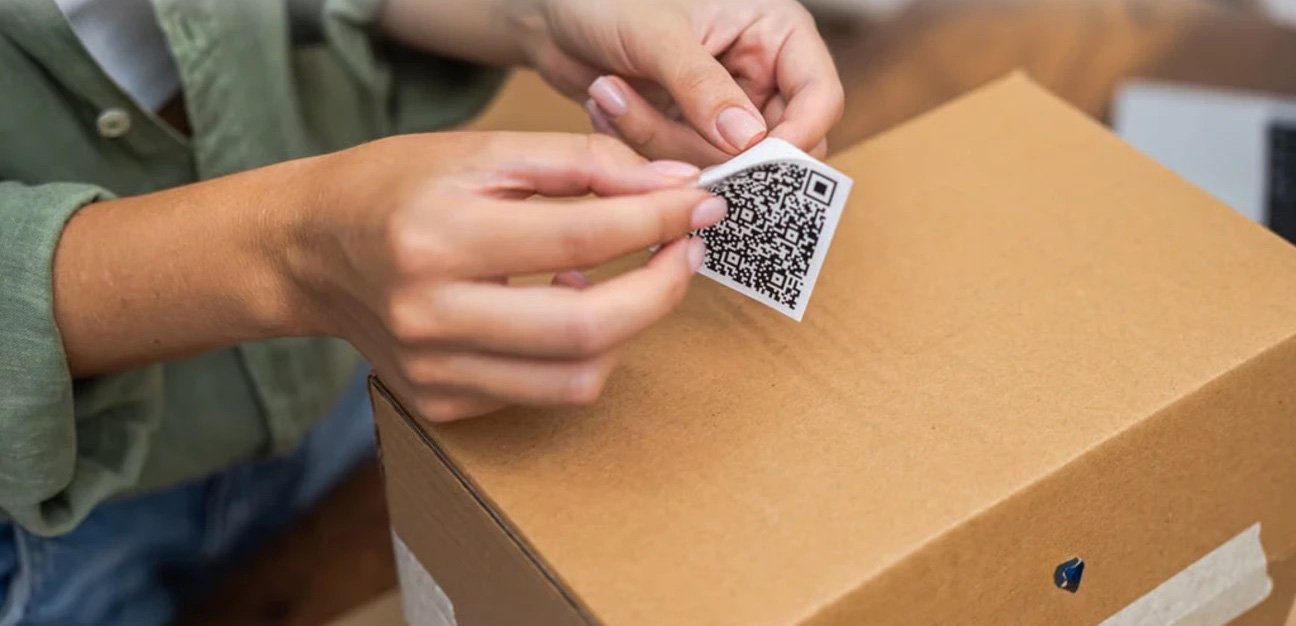
In real projects, box placement is rarely about “left or right.” It is about balancing scanning practicality with artwork reality.
Good placement starts with the box structure
A beautiful barcode in the wrong location is still a bad barcode. I usually ask for the box dieline first because placement depends on structure.
Areas that often create trouble:
- Fold lines
- Tuck flaps
- Corners
- Glossy hotspot areas
- Surfaces likely to get scratched
- Zones crowded with logos or patterns
Practical placement checklist
Here is the checklist I use when reviewing customer packaging files:
- Put the code on a flat panel
- Keep it away from edges and folds
- Leave enough clear space around it
- Avoid printing on top of strong patterns
- Avoid metallic, embossed, or highly reflective backgrounds
- Make sure human-readable text does not crowd the symbol
- Confirm the code will remain visible after packing, sealing, or labeling
Placement trade-offs on bag packaging
Bag brands often want the cleanest front panel for branding. I understand that. But the ideal brand view is not always the ideal scan view.
Here is a simple placement comparison:
| Placement area | Pros | Cons |
|---|---|---|
| Front panel | Easy access, visible | Can hurt design aesthetics |
| Side panel | Cleaner branding | Limited space on narrow boxes |
| Bottom panel | Hidden from main display | Poor convenience for routine scanning |
| Back panel | Good balance for many brands | Can get crowded with product info |
In my experience, the back panel or side panel often works best for retail packaging, but there is no single rule for every SKU.
My practical advice
I tell buyers to reserve barcode space early, even if final data is not ready yet. That small decision reduces later design conflict. If a brand waits until final proof stage to “fit in” the code, placement quality usually gets worse.
So when people ask me about 2D barcode packaging by 2027, I often answer with another question: Have you reserved the right space on the box yet? If not, the project is not really ready.
What Printing Details Affect Barcode Scanning?
A code can be correct in theory and still fail in production. That is where many teams get surprised. They approve artwork on screen, but the actual box has poor contrast, small size, or print spread. Then the barcode does not scan as expected. Printing detail matters more than people think.
The printing details that affect barcode scanning include size, contrast, background cleanliness, line or module sharpness, substrate surface, ink behavior, and print consistency.7 Even if the encoded data is correct, poor printing quality can reduce scanner performance and create downstream retail or warehouse problems8.
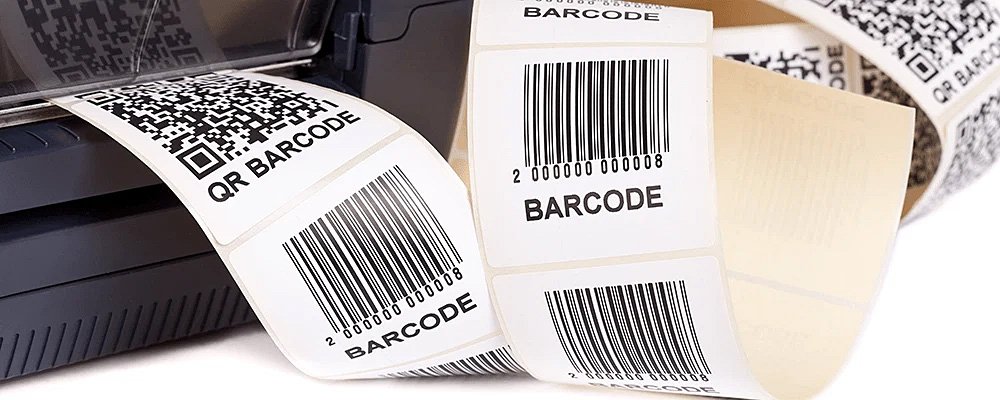
This is the area where supplier coordination becomes very practical. I am not a barcode standards authority, and I always tell customers to verify channel-specific rules. But from a packaging execution view, some issues come up again and again.
Print factors that often cause scanning problems
1. Size is too small
Design teams sometimes reduce the code to protect layout. That can make scanning less reliable, especially on textured or lower-quality board.
2. Contrast is too weak
Dark code on light background is usually safer than low-contrast combinations. Stylish color choices can hurt performance.
3. Background is too busy
Patterns, gradients, or images behind the code can interfere with readability.
4. Print gain or dot spread
On some materials or print methods, edges become less sharp. Small details can blur.
5. Surface finish creates glare9
Gloss, lamination, or reflective coatings can make scanner reading harder in some environments.
A simple production-minded review table
| Print detail | Low-risk approach | Common mistake |
|---|---|---|
| Color contrast | Dark on light background | Decorative low-contrast color pairing |
| Quiet zone | Clear empty margin | Code placed too close to text or graphics |
| Substrate | Stable, even print surface | Rough or reflective surface without testing |
| Size | Sized for real use case | Reduced only for visual reasons |
| Finish | Controlled finish around code | Heavy gloss or foil near scan area |
Why a press proof matters
I trust actual printed samples more than perfect screen previews. I have seen files that looked excellent on a monitor but produced weaker results on real cartons. That is why I encourage buyers to review:
- Physical samples
- Final print proofs
- Scan checks under practical conditions
This is especially important when:
- You use kraft or textured paper
- You apply matte/gloss combinations
- You print on small boxes
- You have dense artwork nearby
Printing capability alone does not equal readiness. A factory may be able to print the code, but the real question is whether the finished packaging can support consistent scanning after production, packing, transport, and shelf handling.
What Should Buyers Send to a Packaging Supplier?
Many buyers ask suppliers, “Can you add a 2D barcode?” I can answer yes or no only in a very general way. That question is too broad. Good execution depends on the input package. When information is incomplete, every approval takes longer and mistakes become more likely.
Buyers should send a packaging supplier the barcode use case, encoded data requirements, artwork files, placement preferences, packaging dielines, print specifications, and approval responsibilities. The more complete the brief is, the faster the supplier can assess feasibility, avoid rework, and support accurate production.10
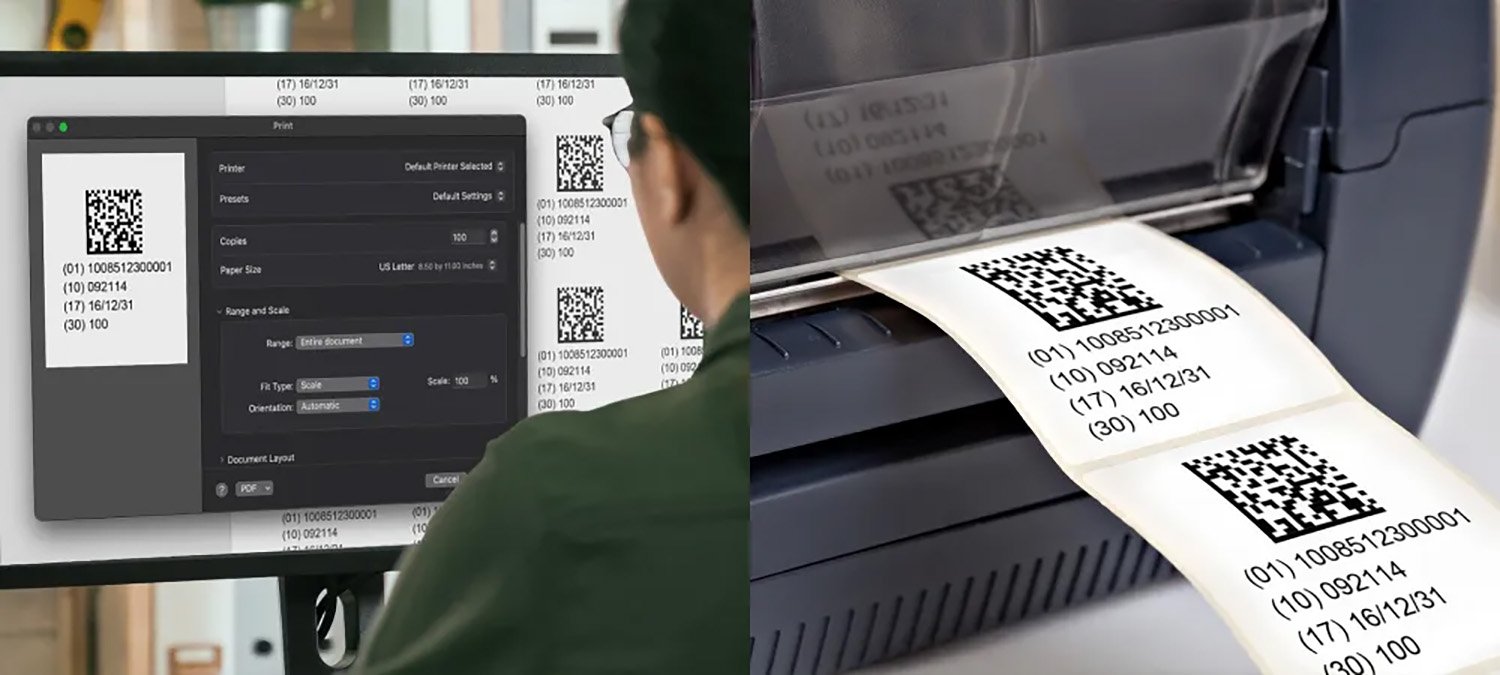
From my side, the best projects are not the ones with the most complicated requirements. They are the ones with the clearest instructions.
What I want to receive from a buyer
Here is the practical supplier briefing list I recommend:
Packaging type
- Product box
- Hangtag
- Polybag
- Master carton
Dieline or packaging dimensions
- Flat layout
- Panel size
- Fold and glue areas
Purpose of the 2D barcode
- Retail scan
- Traceability
- Customer-specific requirement
- Consumer information access
Data to be encoded
- Exact data string or generation method
- Variable or fixed data
- SKU-level or batch-level logic
Artwork files
- Editable source files
- Font outlines
- Linked images
- Color specs
Placement preference
- Preferred panel
- Minimum clear area
- Existing barcode relationship
Print requirements
- Color restrictions
- Finish limitations
- Material type
Approval process
- Who checks the code content?
- Who approves the artwork?
- Who signs off on print proof?
Why this matters so much
When buyers do not send this information, the supplier has to ask basic questions in multiple rounds. That slows quoting, sampling, and production planning.
I have learned that procurement leaders like Mark, the kind of buyer who values price, delivery, and control, usually appreciate a more structured checklist. It reduces misunderstanding and helps them compare suppliers fairly.
A good supplier brief does not only help the factory. It also helps the buyer discover what their own team has not confirmed yet.
That is the part many brands miss. 2D barcode packaging by 2027 is not just a supplier task. It is a coordination task across purchasing, packaging, design, and customer requirements.
Frequently Asked Questions
Is 2027 a mandatory global deadline for all bag brands?
No. I would not treat 2027 as one universal hard deadline for every market. I would treat it as a market signal. Different retailers, countries, and channels may move at different speeds, so brands should verify which customers will require changes first.
Can any factory print a 2D barcode on packaging?
Many factories can print a code, but that alone does not mean the project is ready. The brand still needs to define the data, placement, packaging level, and scanning expectations. Print ability is only one part of successful implementation.
Should brands replace existing 1D barcodes immediately?
Not necessarily. Some brands may need both during a transition period11, depending on customer or retailer expectations. I suggest confirming downstream requirements before removing any existing barcode format from current packaging.
What is the first step a procurement team should take?
I suggest starting with an internal requirement review. Confirm who is asking for the 2D barcode, what data it must contain, which SKUs are affected, and which packaging formats need revision. Then brief suppliers with complete information.
Does a marketing QR code count as 2D barcode packaging readiness?
Usually no. A marketing QR code is often just a consumer link. Retail-facing 2D barcode readiness involves data structure, packaging workflow, print execution, and scanning reliability. These are different use cases and should not be treated as the same project.
Conclusion
2D barcode packaging by 2027 is not really a yes-or-no printing decision. From what I see in OEM/ODM bag projects, the real question is whether the brand is ready in terms of data, artwork workflow, packaging placement, and supplier coordination. The brands that start early usually avoid rushed revisions and unnecessary delays. If you are reviewing bag packaging requirements now, I can help you sort the practical supplier-side questions, prepare cleaner artwork communication, and move faster with fewer surprises through Coraggio.
"Barcode", https://en.wikipedia.org/wiki/Barcode. Two-dimensional barcodes encode data in both horizontal and vertical directions, which allows them to store substantially more information than one-dimensional linear barcodes used primarily for product identifiers. Evidence role: definition; source type: encyclopedia. Supports: that two-dimensional barcodes encode information in both horizontal and vertical dimensions and generally hold more data than one-dimensional linear barcodes. ↩
"QR code", https://en.wikipedia.org/wiki/QR_code. QR codes are a general-purpose two-dimensional barcode symbology used across applications such as consumer links, identification, and supply-chain information exchange; therefore, a promotional QR implementation does not by itself establish readiness for operational retail barcode use. Evidence role: general_support; source type: research. Supports: that QR codes are a general 2D barcode format used in multiple contexts, including marketing and operational identification, so promotional QR implementation is not equivalent to broader retail data-carrier requirements. Scope note: This support is contextual because the distinction depends on the retailer or channel requirements rather than on the symbol type alone. ↩
"What is GS1 Sunrise 2027?", https://www.gs1us.org/industries-and-insights/by-topic/sunrise-2027. Industry documentation on the Sunrise 2027 initiative describes a phased transition in which retailers, brands, and markets adopt two-dimensional barcodes at different times, indicating that implementation pressures are likely to appear first in specific channels or customer relationships rather than uniformly across all markets. Evidence role: historical_context; source type: institution. Supports: that 2D barcode adoption is emerging through phased industry initiatives and sector-specific implementation rather than as a single simultaneous global switch. Scope note: This evidence supports the implementation pattern at an industry level, not a guarantee of requirements for every retailer or bag brand. ↩
"Engineering Change Management Concepts for Systems ...", https://nvlpubs.nist.gov/nistpubs/ir/2013/NIST.IR.7922.pdf. Research on engineering and product-development change processes consistently finds that changes introduced later in a workflow propagate across documents, tooling, approvals, and schedules, increasing rework and coordination cost compared with earlier changes. Evidence role: mechanism; source type: paper. Supports: that design changes introduced later in development or production typically create more rework, coordination burden, and cost than earlier changes. Scope note: The literature is usually broader than packaging specifically, so the support is mechanistic rather than a direct study of retail box artwork changes. ↩
"Effectiveness of Barcoding for Reducing Patient Specimen and ...", https://pmc.ncbi.nlm.nih.gov/articles/PMC4518452/. Barcode implementation guidance emphasizes that reliable scanning depends not only on the encoded symbol but also on placement on a suitable surface and on print quality conditions that preserve symbol contrast and geometry. Evidence role: expert_consensus; source type: institution. Supports: that barcode readability depends on both symbol location and print quality conditions such as surface suitability and consistency. ↩
"Guidelines for Bar Code Symbol Placement", https://documents.gs1us.org/adobe/assets/deliver/urn:aaid:aem:30071c02-969b-4b61-acc1-a44373c44ec1/Guideline-Bar-Code-Symbol-Placement.pdf. Packaging and barcode guidance notes that symbol distortion near folds or edges, insufficient clear space, and glare from reflective surfaces can reduce scanner performance by obscuring or altering the printed code. Evidence role: mechanism; source type: institution. Supports: that folds, edges, visual clutter, and reflective surfaces can reduce barcode readability by distorting the symbol or creating scan interference. ↩
"Review on 1D & 2D Barcode with QR Code Basic Structure ...", https://www.academia.edu/6903594/Review_on_1D_and_2D_Barcode_with_QR_Code_Basic_Structure_and_Characteristics. Studies of barcode print quality show that decode performance depends on factors including symbol dimensions, contrast, edge sharpness, background cleanliness, substrate properties, and the consistency of printing across samples. Evidence role: mechanism; source type: paper. Supports: that barcode decode performance is influenced by symbol size, print contrast, edge definition, substrate and printing conditions, and consistency of reproduction. Scope note: Individual studies may examine particular symbologies or print methods, so exact parameter thresholds can vary by application. ↩
"The Implementation of Barcode on Warehouse Management System ...", https://www.academia.edu/86665051/The_Implementation_of_Barcode_on_Warehouse_Management_System_for_Warehouse_Efficiency. Research on automatic identification in logistics and retail indicates that poor barcode quality increases scan failure rates, which in turn can interrupt receiving, inventory, and checkout processes that depend on accurate automated data capture. Evidence role: general_support; source type: research. Supports: that low barcode quality contributes to scan failures and can disrupt downstream retail or warehouse processes that depend on automated identification. Scope note: Operational impact varies with workflow design and the availability of manual fallback procedures. ↩
"Robust Glare Detection: Review, Analysis, and Dataset ...", https://arxiv.org/pdf/2110.06006. Optical imaging research shows that specular reflection from glossy or reflective surfaces can create glare and reduce usable contrast, conditions that can impair machine reading of printed symbols. Evidence role: mechanism; source type: paper. Supports: that reflective or glossy surfaces can impair optical scanning by introducing glare and reducing effective contrast in captured images. Scope note: This support is contextual because many studies address optical imaging broadly rather than barcode scanning on retail cartons alone. ↩
"Supply chain resilience: A review from the inventory ... - PMC", https://pmc.ncbi.nlm.nih.gov/articles/PMC11997565/. Process and project-management research finds that complete, unambiguous specifications reduce clarification loops and requirement errors, thereby shortening feasibility review and lowering the probability of downstream rework. Evidence role: mechanism; source type: paper. Supports: that clearer and more complete requirements reduce ambiguity, shorten clarification cycles, and lower the likelihood of rework during execution. Scope note: Most studies address projects or manufacturing processes broadly rather than packaging supplier briefs specifically. ↩
"What is GS1 Sunrise 2027?", https://www.gs1us.org/industries-and-insights/by-topic/sunrise-2027. Industry transition guidance for next-generation retail barcodes describes an interim period of coexistence in which products may carry both conventional linear barcodes and two-dimensional symbols while trading partners and scanning systems are upgraded. Evidence role: historical_context; source type: institution. Supports: that retail barcode migration plans anticipate a transition period in which one-dimensional and two-dimensional symbols coexist on products. Scope note: The duration and necessity of coexistence depend on the requirements of specific retailers, markets, and product categories. ↩