You hear about AI everywhere, and it might feel overwhelming. Are you worried your bag business is falling behind? Here is how this new technology affects your bottom line.
AI offers bag retailers huge chances to lower costs through data-driven manufacturing1 and smart logistics2. However, it brings risks like competitors moving production back to local markets. Understanding these shifts helps you secure better margins and keep your supply chain stable in a changing world.
I have run my factory for 15 years, and I have never seen changes like this. We need to talk about what this really means for your orders and your profits. If we ignore these changes, we might lose our edge in the market.
How Does Historical Data Improve Manufacturing Efficiency?
Manufacturing mistakes cost you money and time. Do you hate seeing defects in your orders? AI uses old data to fix these problems before they happen.
AI technology3 relies on data accumulation4. Decades of trade between China and the West have created massive datasets. Manufacturers use this to build models that optimize production flows5, reduce errors, and make operations much easier for workers.
We need to look at how data changes the way we make bags. In the past, we relied on the experience of our sewing masters. Now, we rely on numbers.
The most important thing to understand is that AI technology3 is based on data accumulation4. Over the last few decades, the trade between China and the United States has been huge. We have shipped millions of containers. This history is not just a memory. It is a database. This long history of trade provides a large amount of high-quality data for AI modeling.
At my factory, we have 15 years of records. We know exactly how much fabric a specific Tote bag needs. We know how long it takes to sew a zipper on a Duffle bag. When we feed this data into AI, it helps us plan better. It tells us the best way to cut the fabric so we waste less material. This optimization lowers our costs, and we pass those savings to you.
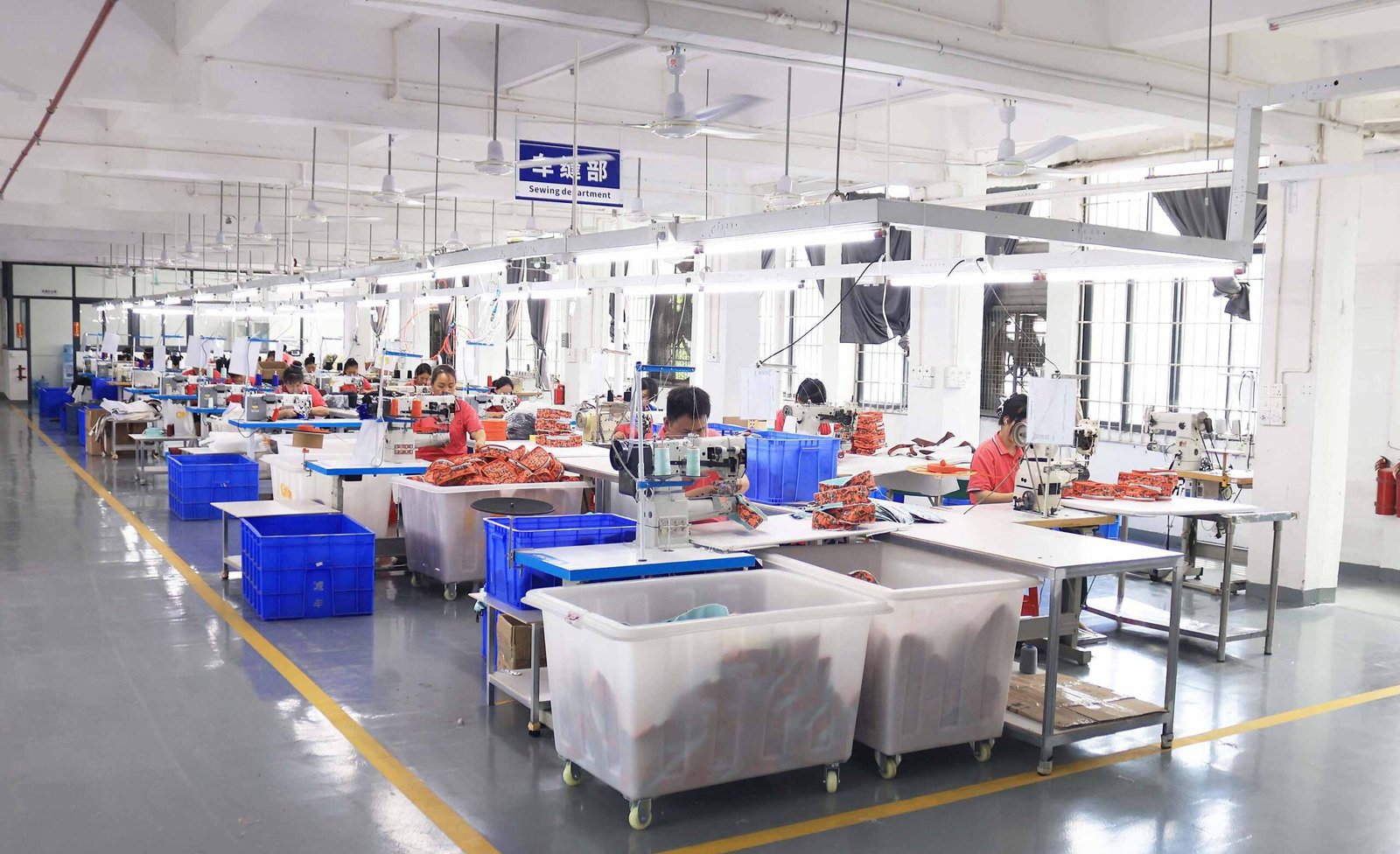
Also, AI lowers the difficulty of operation for my workers. We have 120 workers on 8 production lines6. In the past, they had to calculate things manually. Now, the system tells them what to do. This reduces mistakes. When mistakes go down, efficiency goes up.
Here is a breakdown of how data helps us:
| Feature | Old Method | AI Method | Benefit for Buyer |
|---|---|---|---|
| Planning | Manual calculation | Data modeling | Faster lead times |
| Material Use | High waste | Optimized cutting | Lower unit price |
| Quality Control | Human inspection | AI prediction | Fewer defects |
| Efficiency | Depends on skill | Standardized flow | Consistent quality |
This data accumulation4 is the foundation of modern manufacturing. It helps us understand your needs better. If you want a new style, we look at the data from past styles. We can predict problems before we start sewing. This is critical for B2B buyers7 who need large quantities without errors.
Can AI Technology Help Lower Production Costs?
Rising labor costs are eating into your profit margins. Is it getting harder to find good prices? Automation helps us keep your costs down without losing quality.
AI helps reduce the impact of rising worker wages. By automating difficult tasks, factories can maintain reasonable costs. This technology fills the gap in the labor market, allowing us to offer you better profit margins on large orders.
Let us talk about money. I know that price is very important to you. You need a low price to make a profit when you sell the bags in Canada. But, the cost of labor in China is going up. Workers want higher wages. This is a big problem for traditional factories.
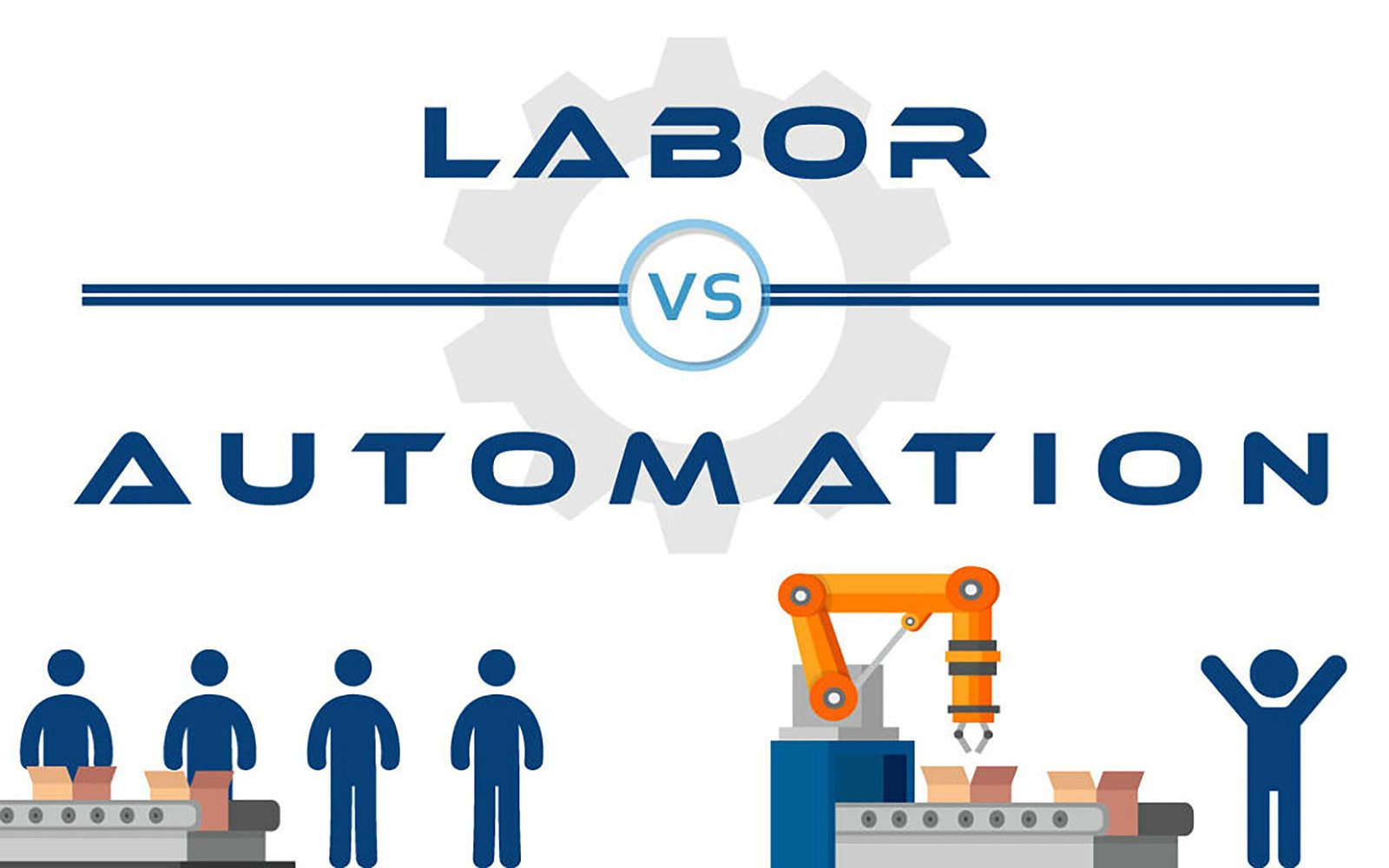
However, AI is the solution to this problem. AI helps to reduce labor costs significantly. We use AI to drive automation8 in our factory. This does not mean we fire all the workers. It means the machines do the hard, repetitive work. This compensates for the rising cost of human labor.
For example, we have machines that cut patterns automatically. An AI system controls them. One machine can do the work of three people. It works faster and it does not get tired. This allows my production lines6 to keep costs reasonable. Even though wages are rising, my factory can still offer you a competitive price.
This also creates a better profit space for us and for you. If my costs are high, I have to charge you more. If I charge you more, you sell less. AI breaks this cycle. It allows us to maintain the quality you expect from Coraggio without raising the price tag.
Here is how AI changes the cost structure9:
| Cost Factor | Traditional Factory | AI-Enhanced Factory |
|---|---|---|
| Labor Speed | Limited by human hands | High-speed automation8 |
| Error Rate | Higher (Human error) | Near zero |
| Overtime Pay | Expensive | Machines run 24/7 for free |
| Training Cost | High for new staff | Low (Machines are programmed) |
I believe this is essential for the future. You want eco-friendly materials10 and good quality. Usually, that is expensive. But with AI reducing the labor cost, we can afford better materials for the same total price. This gives you a strong advantage in your market.
Will AI Algorithms Solve Your Shipping Delays?
Late shipments and high freight costs11 ruin your schedule. Are you tired of waiting for goods? AI solves this by planning the best routes for your products.
AI algorithms12 analyze shipping routes to stop resource waste. This technology finds unnecessary logistics expenses13 and cuts them out. This is a major advantage because it ensures your bags arrive on time and shipping fees stay as low as possible.
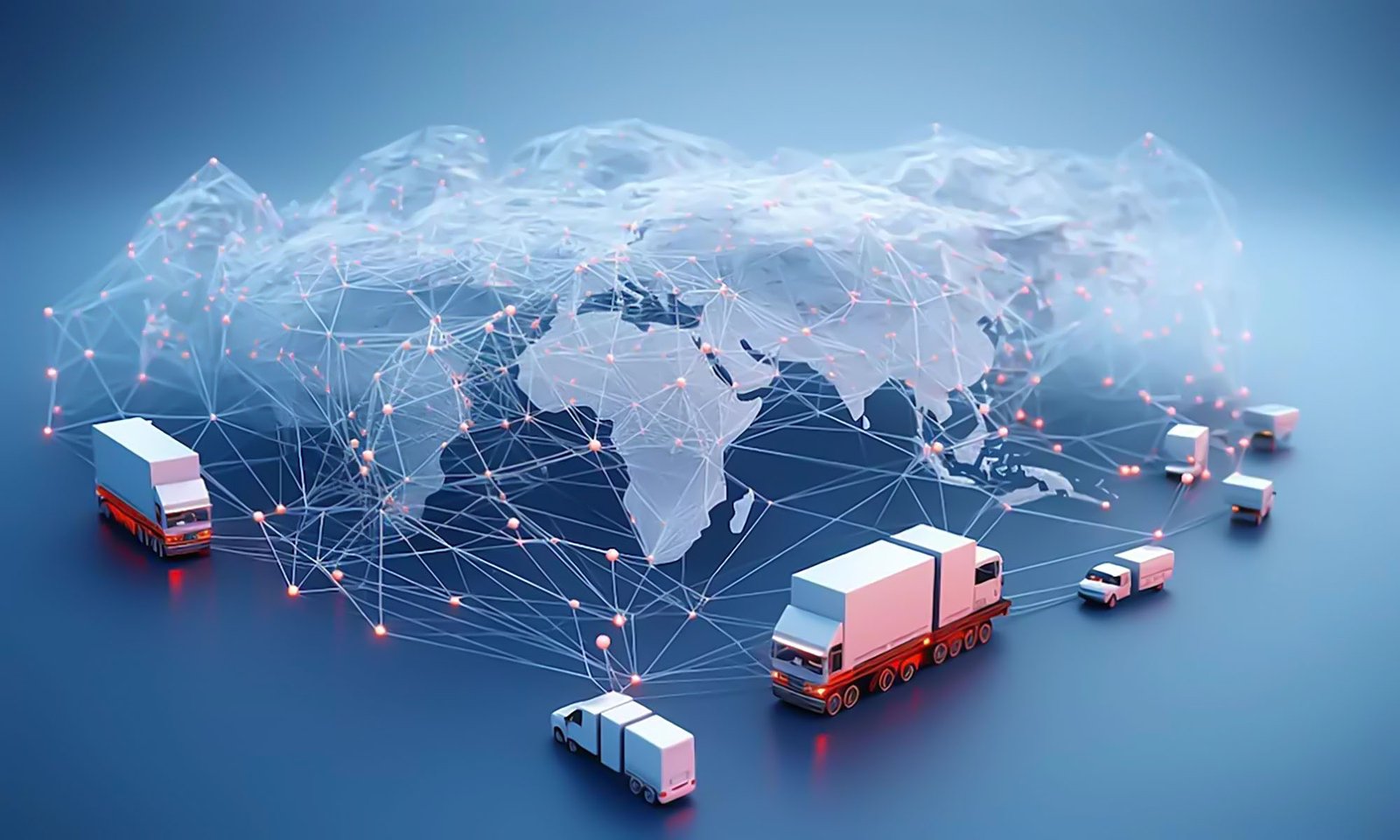
Shipping is a headache for everyone. You are in Canada, and I am in China. The distance is long. Sometimes, containers get stuck. Sometimes, shipping prices jump up for no reason. This is where AI becomes very useful.
In terms of logistics and supply chain, AI is a powerful tool. It uses algorithms to optimize resources. It looks for waste. In the past, we might book a truck that is only half full. That is a waste of money. Or we might choose a shipping route that looks short but has a lot of traffic at the port. That causes delays.
AI analyzes all this information instantly. It looks at the weather, port congestion, and fuel prices. It tells us the best way to send your goods. This reduces unnecessary logistics expenses13. When we save money on shipping, your total landed cost goes down.
Also, AI helps with inventory. I know you like accurate delivery. You do not want to hear excuses. AI tracks the raw materials coming into my factory. It tells me if a zipper supplier is going to be late. If I know this early, I can fix it. I can buy from another supplier. This keeps your order on schedule.
Consider the impact on the supply chain:
1. Route Optimization
- Old way: Guessing based on experience.
- AI way: Real-time data analysis of global traffic.
- Result: Faster delivery to your warehouse.
2. Space Utilization
- Old way: "Eye-balling" the container load.
- AI way: 3D loading simulations.
- Result: We fit more bags in one container, saving you freight costs11.
3. Risk Management
- Old way: Reacting to problems after they happen.
- AI way: Predicting delays before they happen.
- Result: You get your goods when you expect them.
This is a major advantage for us. We export to Europe, North America, and Japan. The logistics are complex. AI simplifies this. It ensures that my 120 workers are not waiting for materials, and you are not waiting for your bags.
Could AI Move Bag Production Back to North America?
You rely on overseas suppliers for low prices. What if your competitors start making bags locally? AI might change where the world makes its products very soon.
The biggest challenge is that AI makes it easier to build production lines6 in consumer markets like the US. Workers who used to do warehouse jobs can learn AI skills quickly, potentially allowing the whole supply chain to move back domestically.
Now, we must look at the risks. Every coin has two sides. AI is great for my factory in China, but it might also change the global map of manufacturing. This is a challenge we need to think about seriously.
I believe that AI technology3 will make it easier for terminal consumer markets, like the United States or Canada, to establish local production14n lines](https://coraggiobag.com/backpack-guide-to-design-and-manufacturing/)%%%FOOTNOTE_REF_6%%%. In the past, making bags required skilled hands. You needed people who knew how to sew perfectly. This skill takes years to learn. That is why production moved to Asia, where we have many skilled workers.
However, AI changes the skill requirement. With AI and advanced robotics, the machine does the skilled work. The human only needs to operate the machine. This is much easier to learn.
In the future, a company in the US could take employees who currently work in warehouses or do blue-collar jobs. They can train these employees to use AI skills. They do not need to be master tailors. They just need to manage the AI system. This lowers the barrier to entry for manufacturing in developed countries.
This could allow the entire supply chain to land within the United States. If your competitors can make bags in North America for a similar price because of AI automation8, they will have a faster delivery time than importing from China.
Here is a comparison of the potential shift:
| Factor | Current Model (Importing) | Future AI Model (Local Production) |
|---|---|---|
| Worker Skill | High manual skill required | Low manual skill, High tech skill |
| Lead Time | 30-40 days shipping | 2-3 days shipping |
| Flexibility | Hard to change fast | Easy to change styles instantly |
| Investment | Low for buyer | High initial investment for machines |
This is a risk for traditional exporters like me, but it is something you should watch. If local production14 becomes cheap enough, the market will change. However, for now, the infrastructure and material supply chain in China are still much stronger. But with AI, the gap is closing. We must stay alert and keep improving to remain your best option.
Conclusion
AI uses data to cut costs and fix logistics, helping us give you better prices. However, it might eventually move production back to local markets, changing how you buy.
Explore how data-driven manufacturing can enhance efficiency and reduce costs in your business. ↩
Learn about smart logistics and how they can streamline your supply chain for better efficiency. ↩
Find out how AI technology can revolutionize manufacturing processes and improve productivity. ↩
Discover the importance of data accumulation in optimizing manufacturing and reducing errors. ↩
Explore ways to optimize production flows for better efficiency and lower costs. ↩
Discover the essential elements that contribute to efficient production lines. ↩
Understand the key considerations for B2B buyers when choosing manufacturing partners. ↩
Discover the impact of automation on manufacturing efficiency and cost reduction. ↩
Learn about the key factors that affect cost structures in manufacturing. ↩
Find out how AI can assist in sourcing sustainable materials for your products. ↩
Explore the factors that influence freight costs and how to manage them. ↩
Discover how AI algorithms can enhance logistics efficiency and reduce costs. ↩
Learn strategies to cut logistics expenses and improve your bottom line. ↩
Understand the benefits of local production and its impact on supply chains. ↩