Counterfeit bags can ruin trust fast. If buyers doubt your products, they doubt your business too. That doubt can spread across the market before you have time to fix it.
Yes. Counterfeit bags can seriously damage brand reputation by lowering customer trust, hurting repeat sales, creating legal risk, and making buyers question product quality. The best defense is strict source control, authorized supply1, and clear quality verification before goods enter the market.
I have seen one hard truth in the bag business. Once fake products appear in the market, trust starts to break. Customers do not always stop to study details. They often make a simple choice. They think that if real and fake look similar, the cheaper one is good enough. That thinking hurts every real brand. It also hurts every buyer, importer, and distributor connected to that product line. I believe the problem is not only about poor quality. The deeper problem is lost confidence2. When a supplier, buyer, or brand gets linked with fake goods, even by mistake, the market remembers it for a long time. Repairing that damage often costs more than the first loss. That is why I always come back to one basic rule: control authenticity at the source3, and work only with suppliers who can prove what they make and where it comes from.
How Do Counterfeit Bags Damage a Brand's Long-Term Value?
Fake bags may bring short-term sales in some corners of the market. Still, they slowly poison customer trust and weaken the brand's price power4, loyalty, and future growth.
Counterfeit bags damage long-term brand value by confusing customers, lowering trust, reducing repeat purchases5, forcing price pressure, and making the brand seem less exclusive or less reliable over time.

I think long-term brand value is built on trust, memory, and consistency. A buyer pays more for a branded bag because the buyer expects real quality, stable design, and a certain feeling of safety. Fake products break that promise. Once buyers see many copies online or in stores, they start asking a simple question: “Why should I pay more?” That single question can pull down years of brand work.
I remember a case where a client told me that customer complaints rose, even though their own shipment quality had not changed. The real issue was that low-grade copies had entered the market. End users blamed the brand first. They did not stop to ask who made which bag. They only saw a logo and a bad experience.
Here is how the damage often spreads:
| Area | What Happens | Long-Term Effect |
|---|---|---|
| Customer trust | Buyers cannot tell real from fake | Confidence drops |
| Pricing | Customers compare with cheap copies | Margins get squeezed |
| Loyalty | Users feel disappointed or confused | Repeat orders fall |
| Brand image | Brand looks common, not special | Value becomes weaker |
| Channel relations | Retailers fear complaints and returns | Sales partners become cautious |
I believe this is why large buyers must care about fake goods even if they never planned to sell them. If counterfeit bags enter the same product space, they lower the whole category's trust level6. That makes every honest seller work harder just to prove they are real.
How Can Wholesale Buyers Spot Fake Bags Before They Order?
Many buyers focus on price first. Then they discover too late that poor documents, weak samples, or unclear sourcing hide a counterfeit risk that could hurt their whole business.
Wholesale buyers can spot fake bags by checking supplier authorization, comparing samples carefully, reviewing materials and workmanship, verifying labels and packaging, and asking for clear factory and compliance records7 before placing bulk orders.
I know many buyers are strong in negotiation and sales, but not always deep in product details. That is normal. So I think the best way to reduce counterfeit risk is to use a simple checking system before any order moves forward. A fake bag often leaves clues. The problem is that buyers are busy, and they sometimes miss those clues during rush seasons.
When I review a new supplier, I do not look at one thing only. I look at the whole chain. I want to know who designed the bag, who made the sample, where the fabric came from, what logo method was used, and whether the supplier can explain every detail clearly.
A practical review process can look like this:
| Check Point | What I Look For | Warning Sign |
|---|---|---|
| Supplier identity | Business license, factory records, export history | Vague company background |
| Brand authorization8 | Written proof for logo or design use | No clear authorization |
| Sample quality9 | Stitching, lining, hardware, smell, shape | Inconsistent finish |
| Product details | Logo placement, zipper brand, labels | Details do not match claim |
| Packaging | Carton marks, polybags, SKU system | Random or sloppy packing |
| Documentation | Test reports, compliance files, QC records | Missing or copied files |
I also ask direct questions. I ask if the design is original, licensed, or market-inspired. I ask if the factory has made this item before. I ask what changes can be customized. Honest suppliers usually answer in a clear way. Risky suppliers often give broad answers and push for quick payment. I trust details more than promises.
What Are the Legal Risks of Selling Counterfeit Handbags?
Some sellers treat fake handbags as a simple sourcing mistake. In fact, the legal risk can include customs seizure10, fines, lawsuits, frozen accounts, and serious business loss.
Selling counterfeit handbags can lead to trademark infringement claims, customs detention, financial penalties, platform bans, destroyed inventory, and damage to buyer contracts or retail relationships.
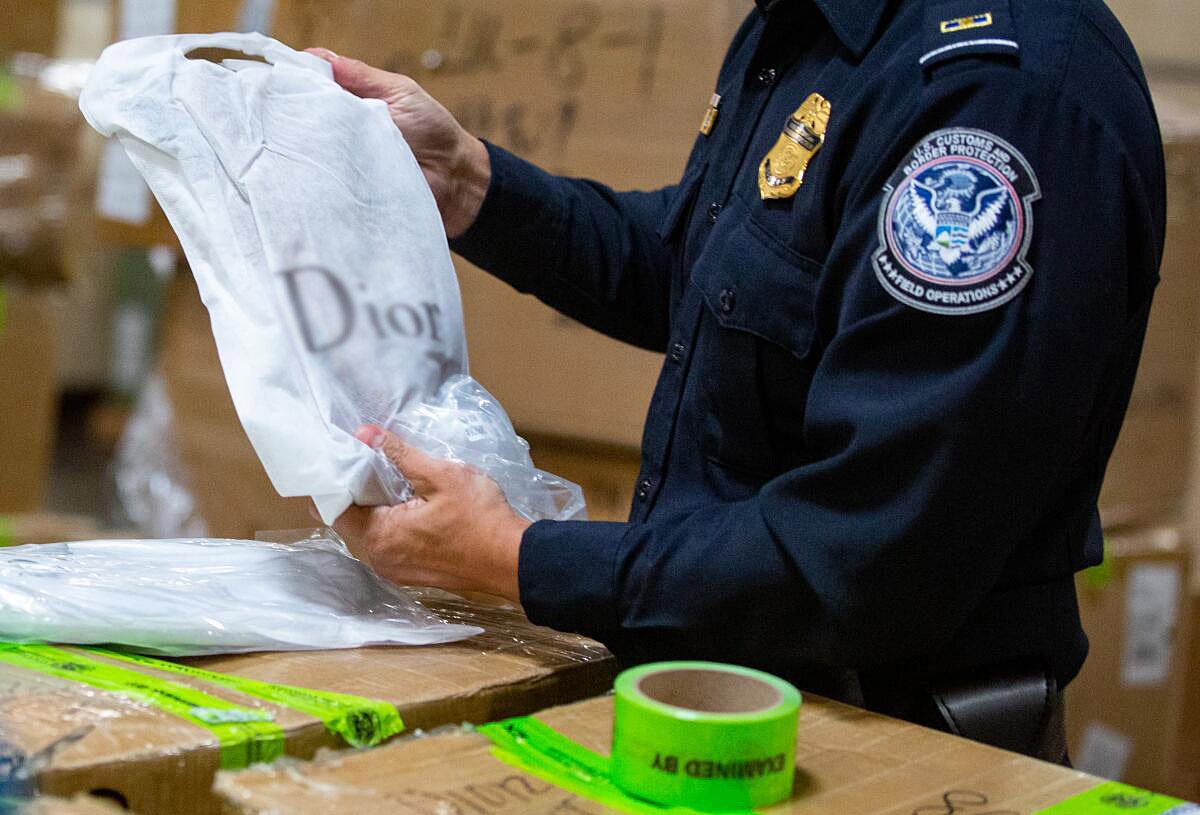
I think this part is often underestimated. Many people first think about quality complaints. They do not think about legal pressure until goods are already moving. But legal risk can hit at several points. It can happen at the factory stage, during export, at customs, on e-commerce platforms, or after retail sale. A single shipment can create problems in more than one country.
I have heard buyers say, “We did not know it was fake.” That may be true in some cases. Still, that does not always protect the seller. If a logo, pattern, or protected design is involved, ignorance is a weak shield. Brand owners can act fast. Customs can stop containers. Online platforms can remove listings. Payment channels can freeze funds. A retailer can cancel a contract at once.
Here is a simple view of the main risks:
| Legal Risk | What It Means | Business Impact |
|---|---|---|
| Trademark infringement | Unauthorized use of protected marks | Lawsuits and compensation |
| Customs seizure | Goods stopped at border | Delays and lost inventory |
| Platform penalties11 | Listings removed or store banned | Sales channel loss |
| Contract breach | Retail client receives disputed goods | Order cancellation |
| Regulatory action | Local authority investigates | Fines and public damage |
For B2B buyers, the risk is even wider. One bad shipment can affect insurance claims, warehouse operations, retailer trust, and future supplier approval. I think this is why source control matters so much. It is cheaper to verify before production than to defend yourself after a claim starts.
Why Do Big Brands Lose Customers Because of Fake Products?
Big brands look strong from the outside. Still, fake products create confusion, disappointment, and price doubt, and that slowly pushes customers toward other brands they trust more.
Big brands lose customers because fake products confuse buyers, create bad user experiences, weaken premium positioning12, and make customers feel the brand no longer offers clear value or protection.
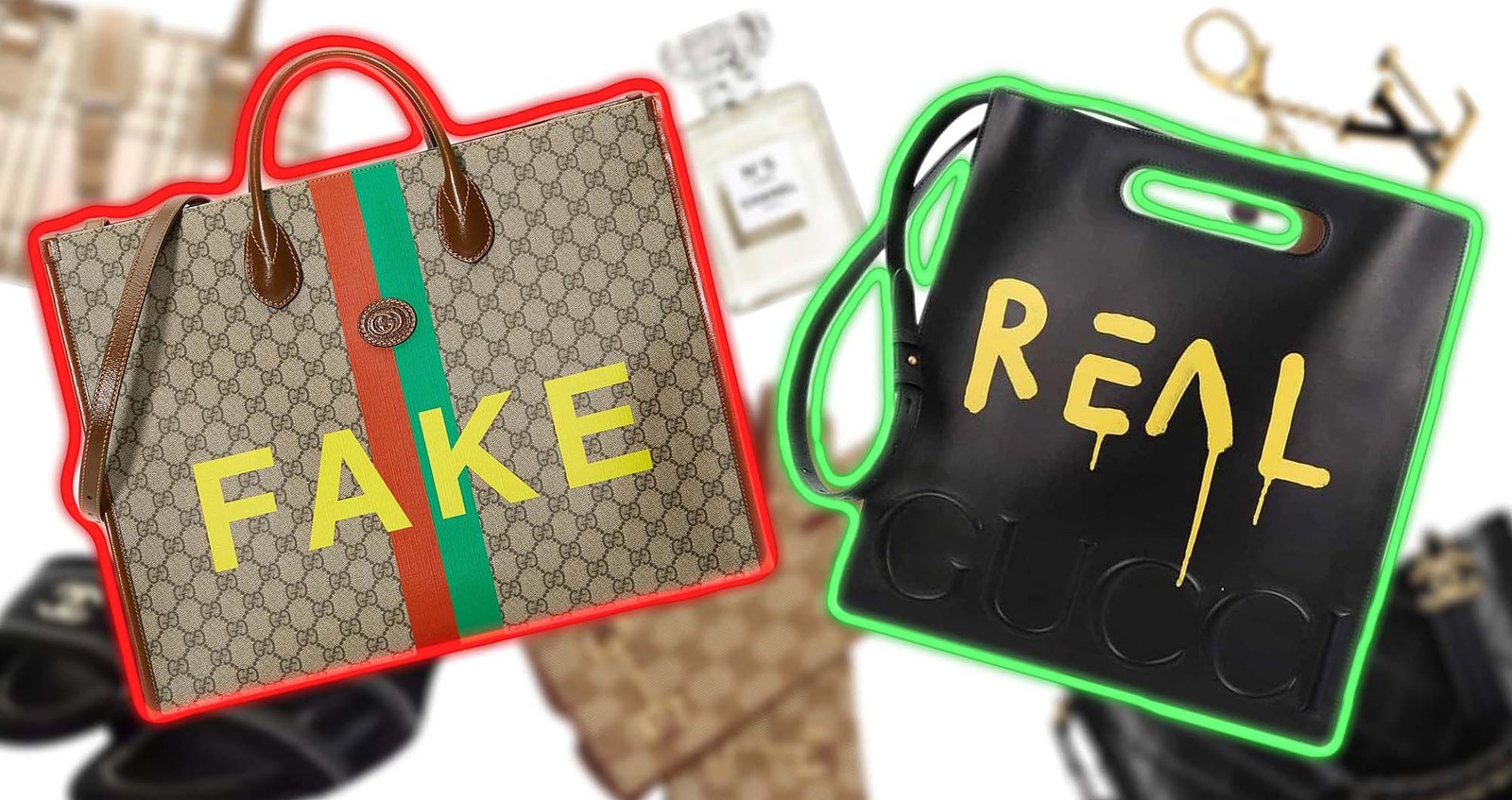
I think big brands lose customers in a quiet way first. They do not always lose them in one sudden wave. A customer buys a fake item by accident. The quality is bad. The stitching fails. The zipper breaks. The smell is strong. That customer may not investigate whether the product was real. The customer may simply decide that the brand is overrated.
This matters even more when the market is full of copy products. The more fake bags people see, the more normal they become. Then a dangerous idea starts to spread: “There is no big difference anyway.” That idea hurts premium brands badly because premium value depends on clear difference. If that difference becomes blurry, customers become more price-sensitive.
I break the customer loss pattern13 into a few steps:
| Step | Customer Reaction | Result |
|---|---|---|
| Sees many copies | Brand feels less unique | Interest weakens |
| Buys wrong item | Has poor product experience | Trust drops |
| Compares prices | Premium seems too high | Switch risk grows |
| Reads bad reviews | Feels uncertain | Purchase gets delayed |
| Looks for alternatives | Tests another brand | Loyalty breaks |
I have seen that once a brand gets linked with fake goods, even as a victim, it still pays a price. The market does not always separate the facts carefully. People remember headlines, rumors, and bad stories. That is why response speed matters. Brands and suppliers need to monitor the market, remove fake listings, and make authenticity easier to verify.
How Can Bag Suppliers Protect Their Brand Reputation Online?
Online damage spreads fast. If fake bags, copied photos, or false claims appear on search results or marketplaces, buyers may doubt your business before they even contact you.
Bag suppliers can protect brand reputation online by using original content, monitoring marketplaces, reporting infringement, showing factory proof, publishing clear quality standards, and keeping product claims honest and traceable.
I believe online reputation protection14 is now part of factory management. It is not just a marketing task. Buyers often meet your brand online before they meet your sales team. If they see copied product images, unclear claims, or suspicious logo use, trust drops at once. So I think suppliers need to treat online proof as a serious business tool.
When I look at a supplier website, I want to see real factory photos, clear product scope, and realistic customization claims. I do not want to see famous branded bags presented as if the supplier owns them. That is a warning sign. Honest presentation helps serious buyers feel safe.
A strong online protection plan can include these steps:
| Action | Why It Matters | Good Practice |
|---|---|---|
| Use original photos | Shows real production ability | Photograph your own samples |
| Monitor marketplaces15 | Finds copied listings early | Check platforms weekly |
| Report infringements16 | Limits fake exposure | File complaints fast |
| Show compliance proof17 | Builds buyer confidence | Share audit and test records |
| Explain OEM/ODM clearly18 | Avoids brand confusion | State custom and private label process |
| Keep claims accurate | Prevents trust loss | Do not overpromise lead times or capacity |
I also think communication style matters. Buyers like Mark Porter want simple, direct answers. They want to know if you can make the bag, how you control quality, what your lead time is, and what risk controls you use. If your website and sales message answer those questions clearly, you protect your image before problems begin. In my view, online trust is built by proof, not by big words.
Conclusion
Counterfeit bags do more than copy a product. They break trust, cut value, and raise legal risk. I believe strict source control is the most direct way to protect brand reputation.
You’ll find frameworks for building traceable, authorized sourcing that customs, platforms, and clients all recognize as credible. ↩
Understanding how confidence erodes helps you design policies that keep trust stable even when markets get flooded with copies. ↩
This shows you practical systems and tools to lock quality at origin so fakes never enter your supply chain in the first place. ↩
Learning how fakes drag down pricing helps you defend margins and explain premium value to distributors and retailers. ↩
By seeing the link between fakes and lower repeat orders, you can justify stronger anti-counterfeit investment internally. ↩
This helps you explain to partners why everyone in the category should cooperate on anti-counterfeit actions, not just big brands. ↩
Knowing exactly which documents to request makes your vetting process stricter without slowing your buying cycle too much. ↩
You’ll see how to validate logo and design rights so you don’t get pulled into trademark disputes unintentionally. ↩
Guides here teach you which specific sample defects signal hidden counterfeit or unauthorized production risk. ↩
Understanding the seizure process prepares you to prevent it, respond correctly, and avoid losing entire shipments. ↩
This helps you protect critical e-commerce accounts from bans, takedowns, and frozen funds due to IP violations. ↩
Resources explain how fake goods blur perceived quality gaps so you can defend and rebuild your premium image. ↩
Studying this pattern lets you intervene earlier with education, guarantees, and clearer authenticity signals. ↩
Guidance here helps you align factory, sales, and marketing so your online footprint consistently signals authenticity and reliability. ↩
You’ll learn practical monitoring tools and workflows to detect and act on fake listings before they spread widely. ↩
This shows you how to submit strong, fast takedown requests that platforms and regulators actually respond to. ↩
You’ll see how sharing the right audits and test reports can win serious buyers and justify better pricing. ↩
Clear OEM/ODM positioning helps you attract private-label clients without implying unauthorized brand production. ↩