Finding unique wine bags for your brand is hard. Generic bags hurt your image and fail to impress clients. Customization solves this by creating a memorable brand experience.
Customizing wine bags involves selecting materials like canvas or neoprene, choosing printing methods like screen printing or embroidery, and defining structural details like insulated linings1. Successful customization balances brand aesthetics with practical protection, ensuring the product serves as a functional marketing tool2 for your business.
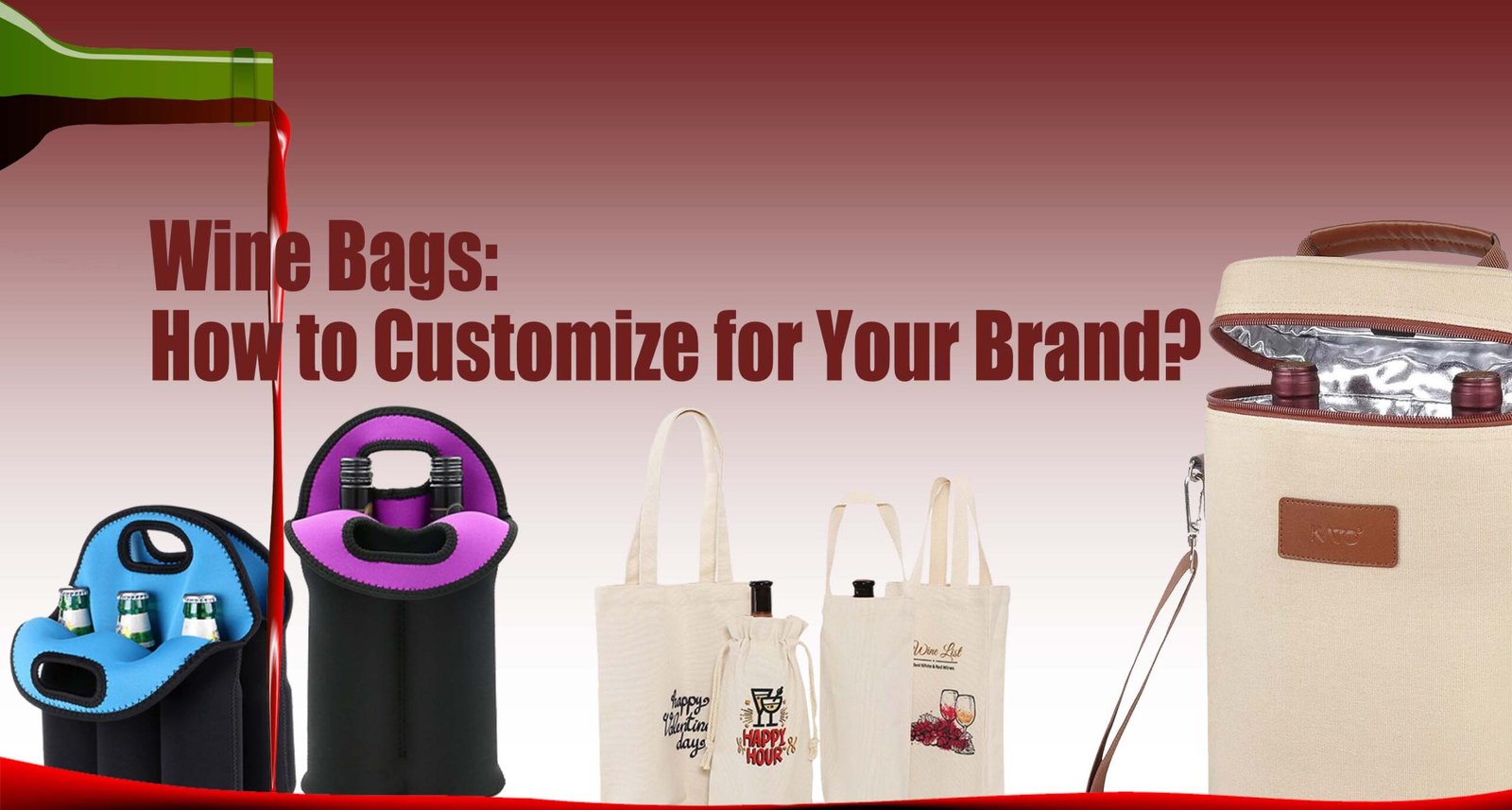
Many buyers struggle with where to start. I see this often in my factory. You have a logo, but you need a bag. We will walk through every step. This guide covers materials, printing, and production. It will help you make the right choice and avoid common mistakes.
What Customization Options Can You Add to Wine Bags?
A plain bag does nothing for your brand visibility. Your competitors are already using custom packaging to stand out. You need specific features to beat them.
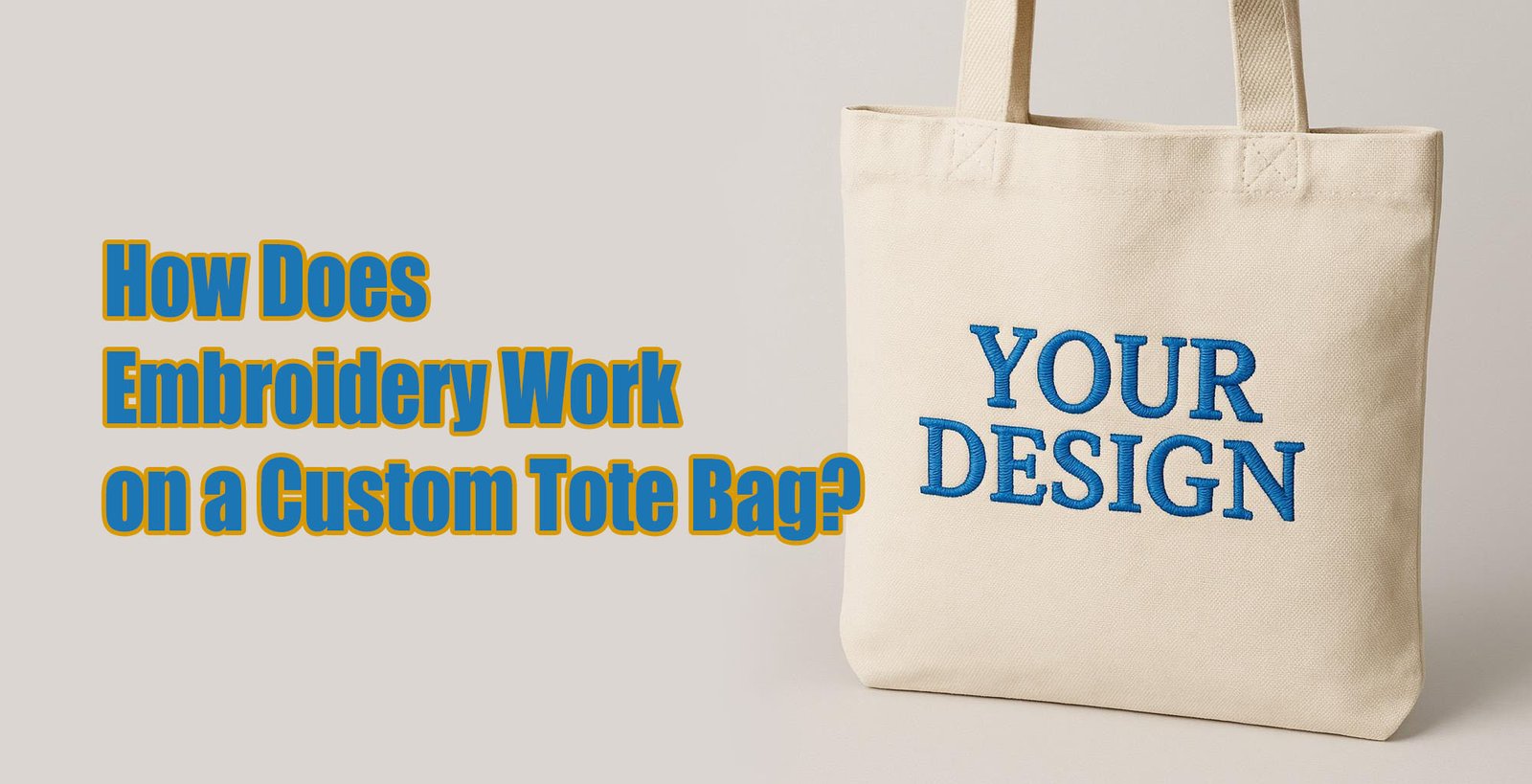
You can add logos using screen printing, embroidery, or heat transfer. You can also customize the handle material, add leather patches for a premium look3, or include insulated linings1. Custom tags and specific color matching are also essential options for brand consistency.
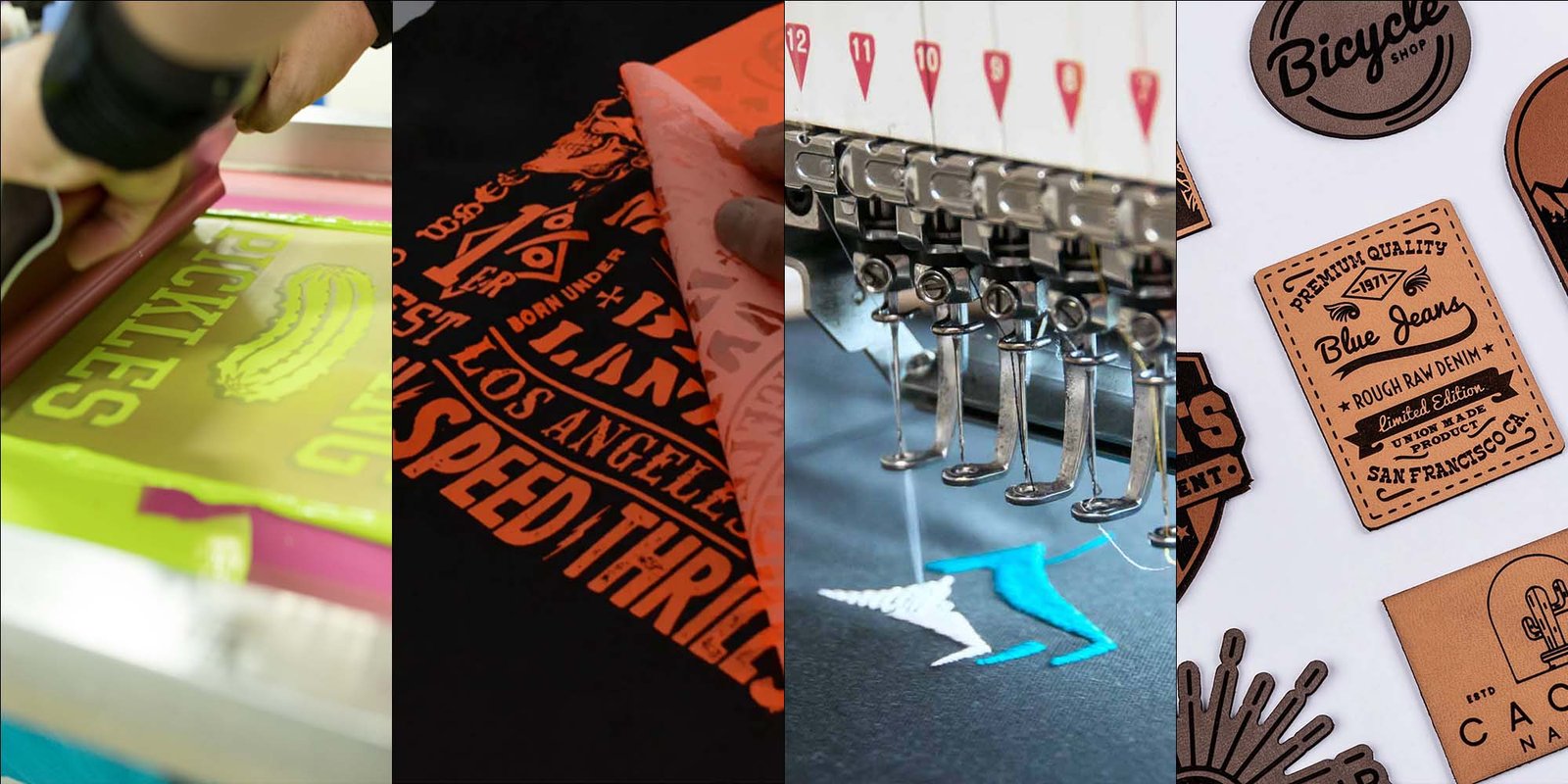
When I talk to buyers like Mark, the first thing we discuss is the logo. It is the face of your brand. For simple designs, screen printing is the most common choice. It is cheap and clear. If your logo has many colors or gradients, I recommend heat transfer printing4. It looks very sharp. For a high-end gift bag, embroidery or a PU leather patch adds value.
Beyond the logo, think about the structure. Do you need a divider to stop bottles from hitting each other? We can add padded dividers5. Handles are also important. You can choose self-material handles or cotton webbing6.
Here is a breakdown of common customization methods:
| Method | Best For | Cost | Durability |
|---|---|---|---|
| Screen Printing | Simple logos, 1-3 colors | Low | High |
| Heat Transfer | Complex, colorful images | Medium | Medium |
| Embroidery | Premium look, simple text | High | Very High |
| Leather Patch | Luxury branding | High | Very High |
Choosing the right one depends on your budget and target audience. A supermarket promo bag needs screen printing. A corporate gift needs embroidery. You must match the technique to the use case.
Which Materials Are Best for Custom Wine Bags?
Cheap materials rip easily and ruin the wine inside. A broken bag means a broken bottle and an angry customer. You must choose the right fabric.
The best materials depend on usage. Canvas and cotton are eco-friendly and durable. Jute gives a rustic look7. Neoprene offers excellent protection and insulation. PU leather is perfect for luxury gifts. RPET is gaining popularity8 for brands focusing on sustainability and recycled materials.
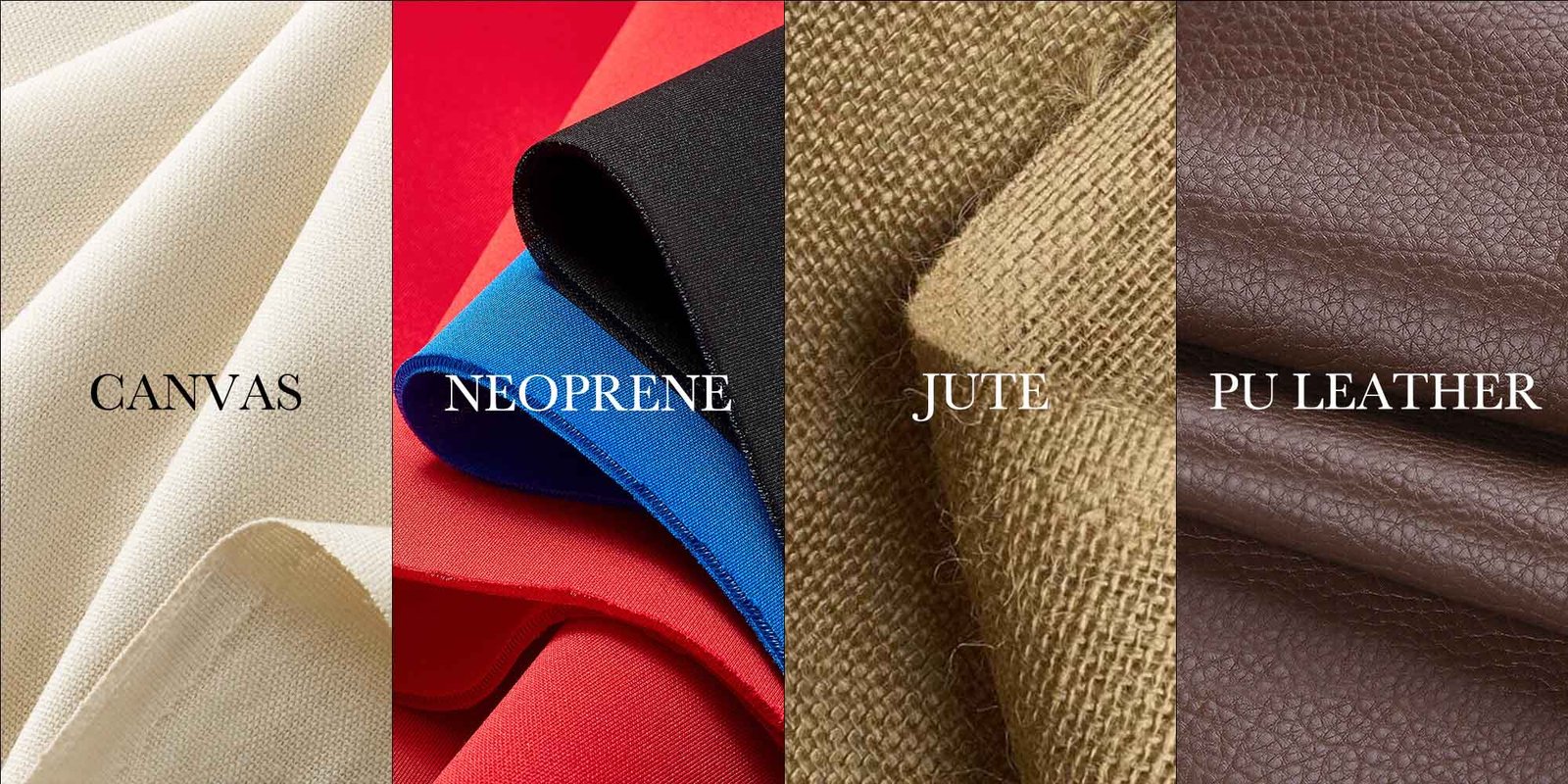
Material selection dictates the price and the feel of the bag. At Coraggio, we see a big demand for eco-friendly options9. Canvas is the most popular. It is strong, washable, and holds ink well. It is great for retail.
If you need to keep the wine cool, Neoprene is the best choice. It is the material used for wetsuits. It cushions the bottle and provides insulation. This is perfect for cooler bags. For a natural, rustic vibe, Jute is excellent. It is very cheap but feels rough. If you sell luxury wine, PU leather is the way to go. It looks expensive but costs less than real leather.
Here is a comparison of materials based on my experience:
| Material | Texture | Insulation | Price Level |
|---|---|---|---|
| Canvas | Smooth/Soft | Low | Medium |
| Neoprene | Spongy/Soft | High | High |
| Jute | Rough/Natural | Low | Low |
| PU Leather | Smooth/Premium | Low | High |
I always ask my clients: Is this for a grocery store or a wedding gift? The answer tells me which material to use.
What Are the Key Specs Buyers Should Confirm?
Vague specifications lead to production errors and wasted money. If you do not define the details, the factory will guess. You cannot afford guessing games.
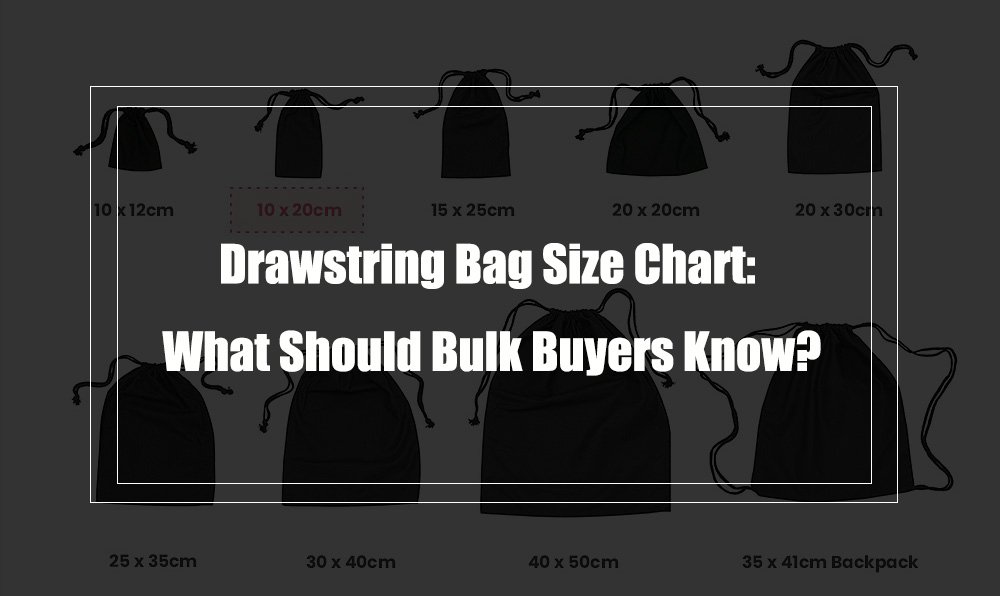
Buyers must confirm the bag dimensions (height, width, gusset), material thickness (measured in oz or mm)10, handle length, and stitching reinforcement. You also need to specify the interior layout, such as bottle dividers11, and the type of closure, like zippers or buttons12.
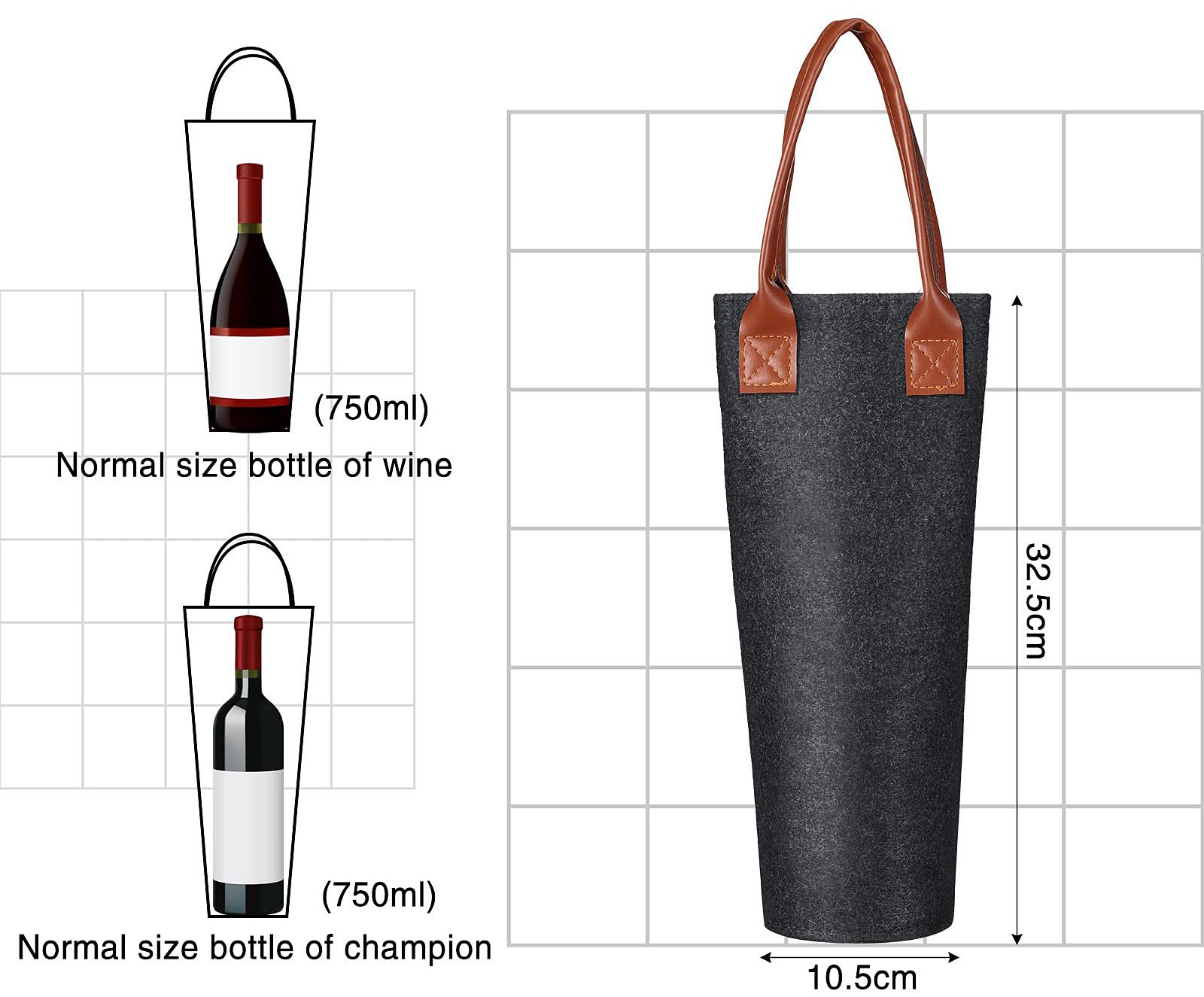
In my 15 years of experience, I see many tech packs that are missing details. You must be specific. First, check the size. A standard 750ml wine bottle needs a specific width and height. If the bag is too loose, the bottle falls over. If it is too tight, it won't fit.
Second, look at thickness. For canvas, we talk about ounces. 10oz is standard. 16oz is heavy duty. For neoprene, we talk about millimeters. 3mm is standard. Third, check the handle drop. This is the space between the top of the bag and the handle. Do you want it hand-held or over the shoulder?
Here is a checklist I give to my team:
| Specification | Standard Option | Why it matters |
|---|---|---|
| Size | 15x35x10cm (approx) | Fits standard 750ml bottle |
| Handle Drop | 15cm | Comfortable for carrying by hand |
| Divider | Padded/Fabric | Prevents clinking and breakage |
| Bottom Board | PE or Cardboard | Keeps bag shape when full |
Defining these specs early prevents arguments later. It ensures the sample is right the first time.
What Are Typical MOQ, Sampling Steps, and Production Lead Times for Custom Wine Bags?
Planning inventory is stressful when you do not know the timeline. Missing a holiday season due to delays is a disaster. You need a clear schedule.
Typical MOQ for custom wine bags is 500 to 1,000 pieces. Sampling takes 5-7 days after design approval. Mass production usually takes 30-45 days, depending on quantity. Always factor in shipping time to ensure your products arrive before your deadline.
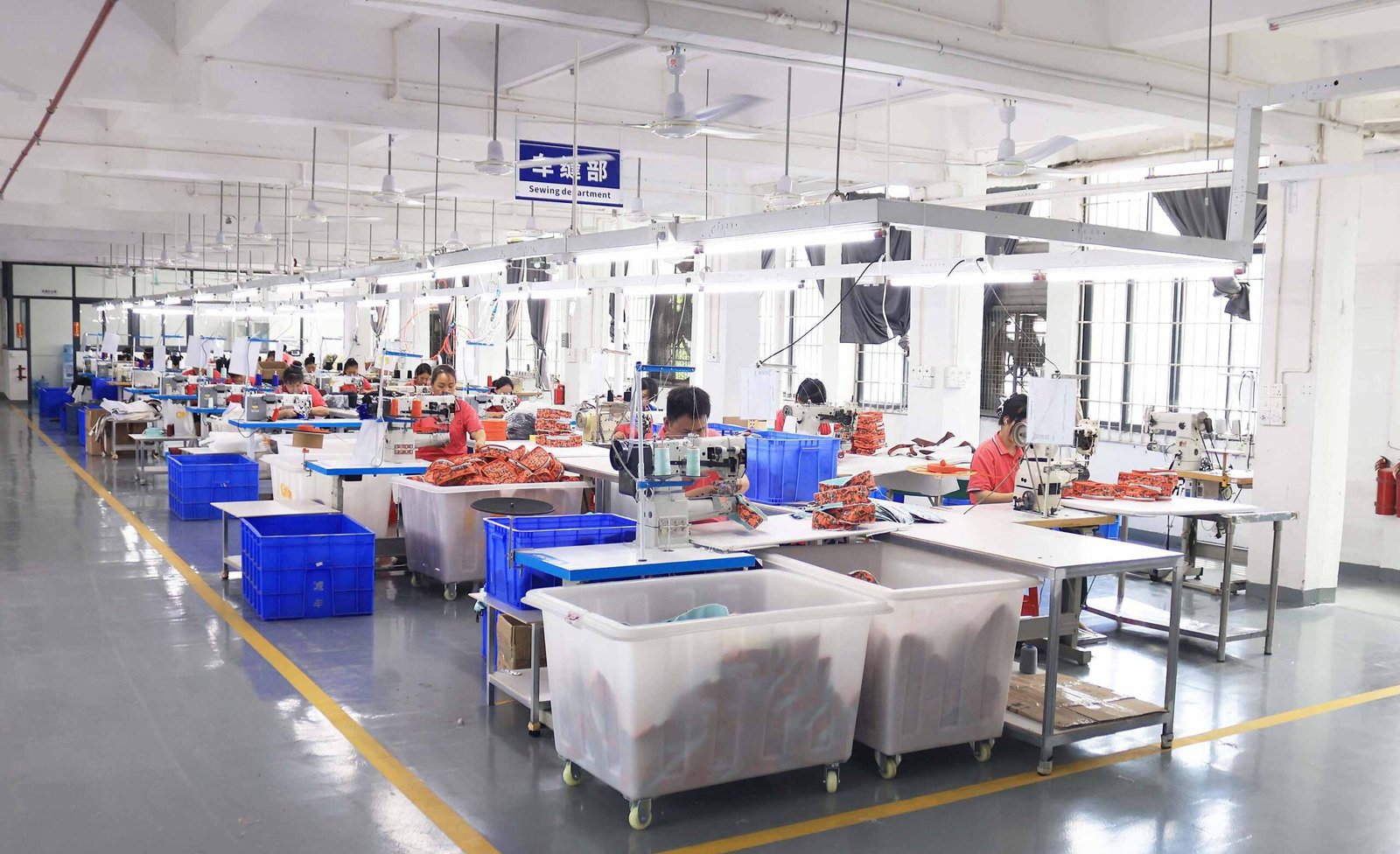
Time is money. I know buyers hate delays. Understanding the factory timeline helps you plan.
MOQ (Minimum Order Quantity13): Usually, we ask for 1,000 pieces. Why? Because buying fabric and setting up print screens costs money. If you order less, the unit price goes up very high. However, for some special orders, we can discuss smaller batches.
Sampling: Never skip this. It takes about one week. You pay a sample fee14, but I usually refund this when you place the bulk order. This is the time to check the color and print quality.
Production: Once you say "yes" to the sample, we buy the bulk fabric. Then we cut, print, sew, and pack. This takes about one month.
Here is a typical schedule:
| Stage | Duration | Action |
|---|---|---|
| Design Confirm | 2-3 Days | You send artwork, we make digital proof |
| Sampling | 5-7 Days | We make a physical bag for you |
| Bulk Production | 30-40 Days | We manufacture the full order |
| Quality Check | 2-3 Days | We inspect the goods |
If you need bags for Christmas, start in August. Do not wait until October.
How Do You Control Quality for Bulk Custom Wine Bags?
Receiving a container of defective bags is a buyer's nightmare. Poor stitching or wrong colors can ruin your reputation. Strict quality control is the only defense.
Quality control starts with raw material inspection15. We check fabric color and thickness. During production, we inspect stitching strength and logo placement. A final inspection before packing ensures no loose threads or dirt. Third-party inspections are also a good option for large orders.
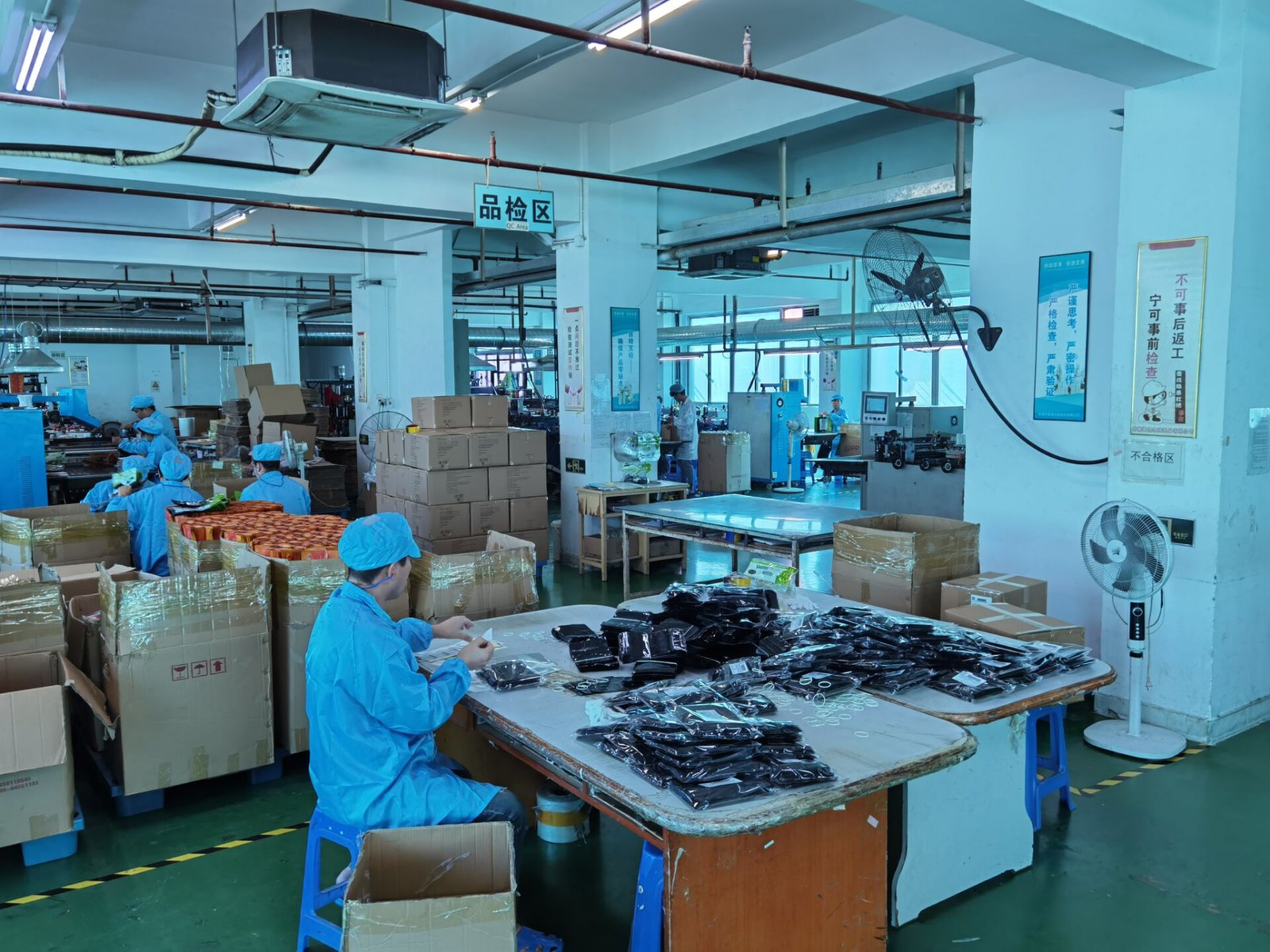
At Coraggio, we take quality very seriously. I have a team of 120 workers, but human error can happen. That is why we have a process.
First, we check the fabric when it arrives. Is the color correct? Is there any damage? If the fabric is bad, the bag is bad. Second, we do "inline inspection16." This happens while the workers are sewing. We pull bags off the line and check the stitching. Is the handle strong? We put weights in the bag to test it. A wine bottle is heavy. The handle must not break.
Third, we check the logo. Is the print clear? Is it in the right spot? Finally, we do a pre-shipment check. We look for loose threads and dirt.
Here are the key points we check:
| Checkpoint | What we look for | Standard |
|---|---|---|
| Weight Test | Handle strength | Must hold 5kg+ without tearing |
| Print Test | Ink adhesion | No peeling when scratched |
| Visual Check | Cleanliness | No oil stains or dirt |
| Measurement | Size accuracy | +/- 0.5cm tolerance |
I suggest you ask for detailed photos before we ship. It gives you peace of mind.
Conclusion
Custom wine bags boost your brand when you choose the right materials and specs. Plan your timeline carefully, insist on strict quality checks, and work with a reliable partner.
Helps you understand how insulation protects wine temperature and quality, adding real value to your bag design and user experience. ↩
Shows how to turn a simple packaging item into a long-term branding asset that keeps promoting your business beyond the initial purchase. ↩
Reveals how small leather details dramatically upgrade perceived value, ideal for corporate gifts and high-end wine branding. ↩
Explains why this method is ideal for complex, colorful logos so your branding appears sharp, vivid, and professional on every bag. ↩
Shows how dividers prevent bottle damage and clinking, reducing breakage claims while improving customer satisfaction and safety. ↩
Helps you pick stronger, more comfortable handles that feel high quality in the hand and stand up to heavy, repeated use. ↩
Explains how jute’s natural texture supports rustic, organic, or farmhouse brand stories at a relatively low material cost. ↩
Helps you leverage recycled materials to attract sustainability-focused customers and improve your brand’s green credentials. ↩
Guides you to sustainable materials that appeal to conscious consumers and support your brand’s environmental positioning. ↩
Clarifies how thickness affects durability, feel, and cost so you avoid flimsy bags or overpaying for unnecessary heavy fabric. ↩
Shows different divider designs so you can protect multiple bottles efficiently while keeping manufacturing practical and affordable. ↩
Helps you pick closures that balance security, cost, and user convenience based on your target market and usage scenario. ↩
Explains why factories require certain volumes and how MOQ affects pricing, helping you plan budgets and negotiations. ↩
Helps you see the value of paying for samples to avoid costly bulk mistakes and ensure colors, size, and print are correct. ↩
Shows how early inspections prevent large-scale defects, saving you from entire batches of unusable or off-color goods. ↩
Teaches how catching issues during production, not after, reduces defects, rework, and delays in your custom orders. ↩