Many buyers fear print failure in bulk bag orders1. I have seen this worry delay sourcing decisions, raise costs, and create stress when deadlines and quality targets sit on the same table.
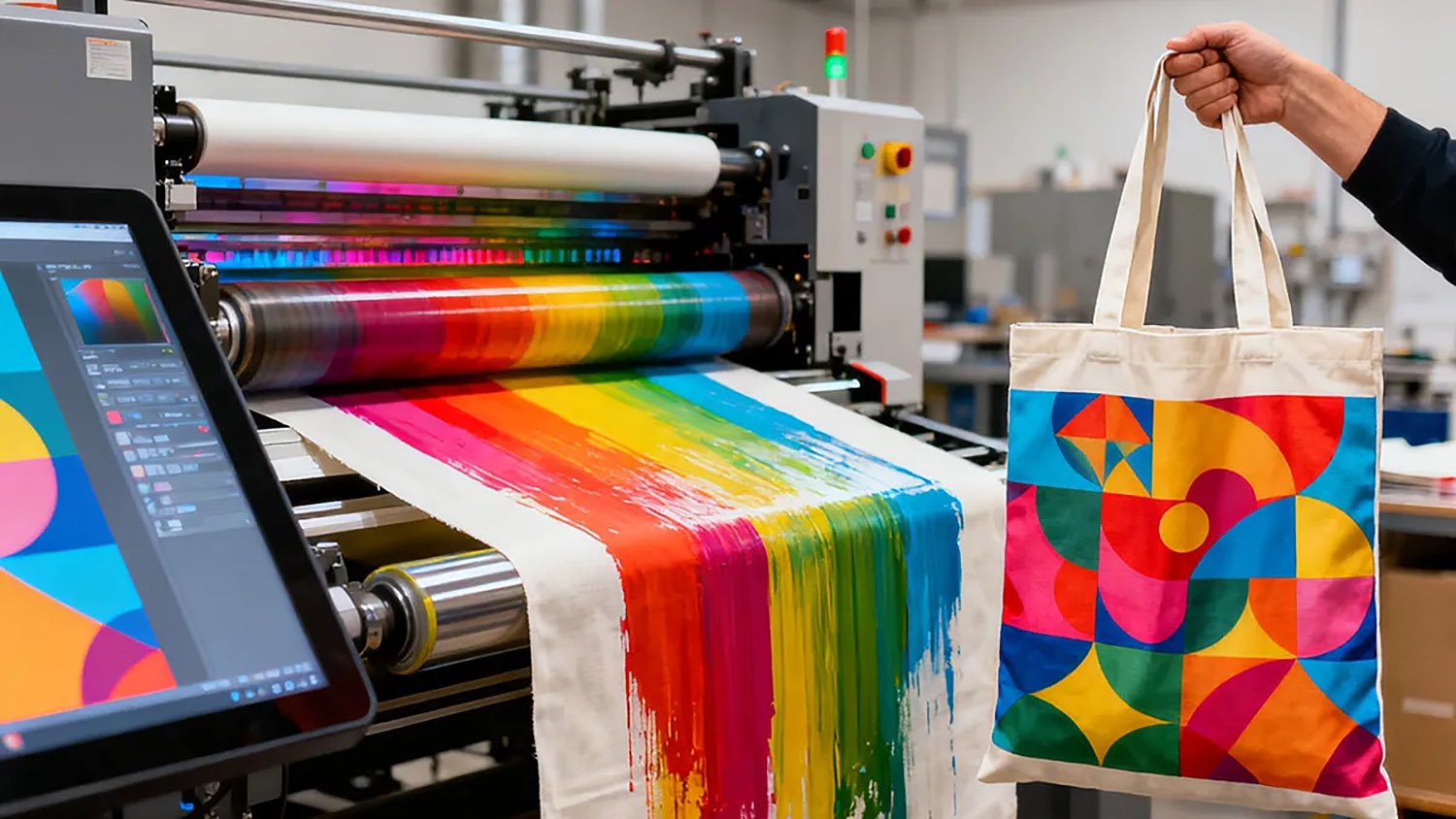
Yes, screen printing holds up very well on high-volume bag orders when the fabric, ink, and curing process are right. In my experience, a well-made print can stay clear after 50+ washes, with strong color consistency2, low unit cost, and stable bulk production results3.
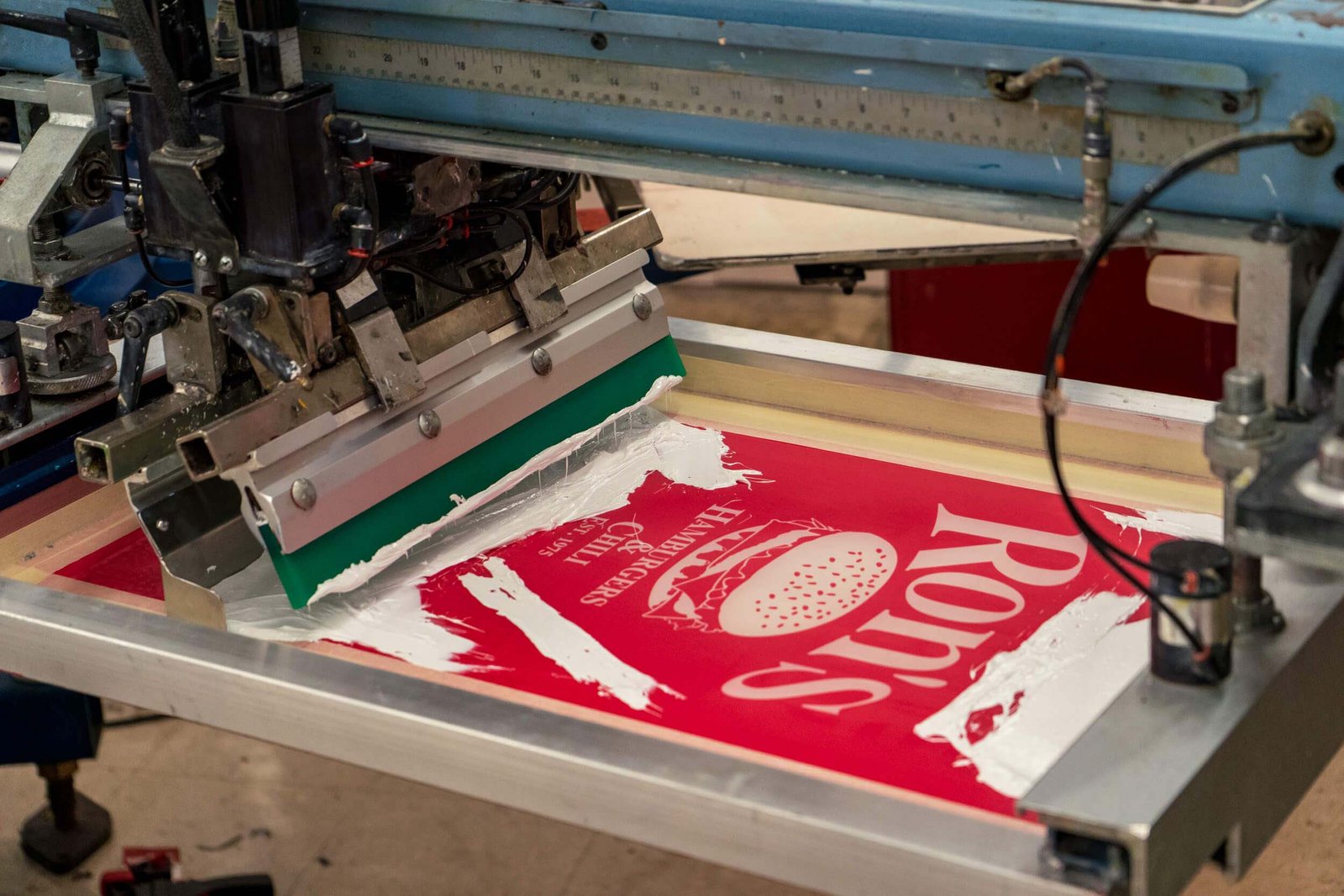
I often talk with buyers who want low cost, fast delivery, and fewer complaints after goods arrive. I understand that pressure. A bag may look fine in the sample stage, but the real test starts when thousands of pieces run through production, packing, shipping, retail handling, and actual customer use. That is where weak printing gets exposed fast. I have learned that screen printing is still one of the safest choices for large bag programs because it is simple, proven, and easy to control at scale4. The key is not just the printing method itself. The key is how the factory handles fabric choice, mesh setup, ink control, curing temperature, and final inspection5. If those steps are done well, bulk screen-printed bags can be both durable and cost-effective, which is exactly what most B2B buyers need.
How Many Washes Can Screen-Printed Bags Withstand?
Buyers often worry that a logo will crack after a few washes. I have seen this fear stop good projects, even when the right process could have solved it from the start.
A properly made screen print on a quality bag can often withstand more than 50 washes. The real factor is curing. When ink is cured at the right temperature, it bonds well with the fabric and resists cracking, fading, and peeling.
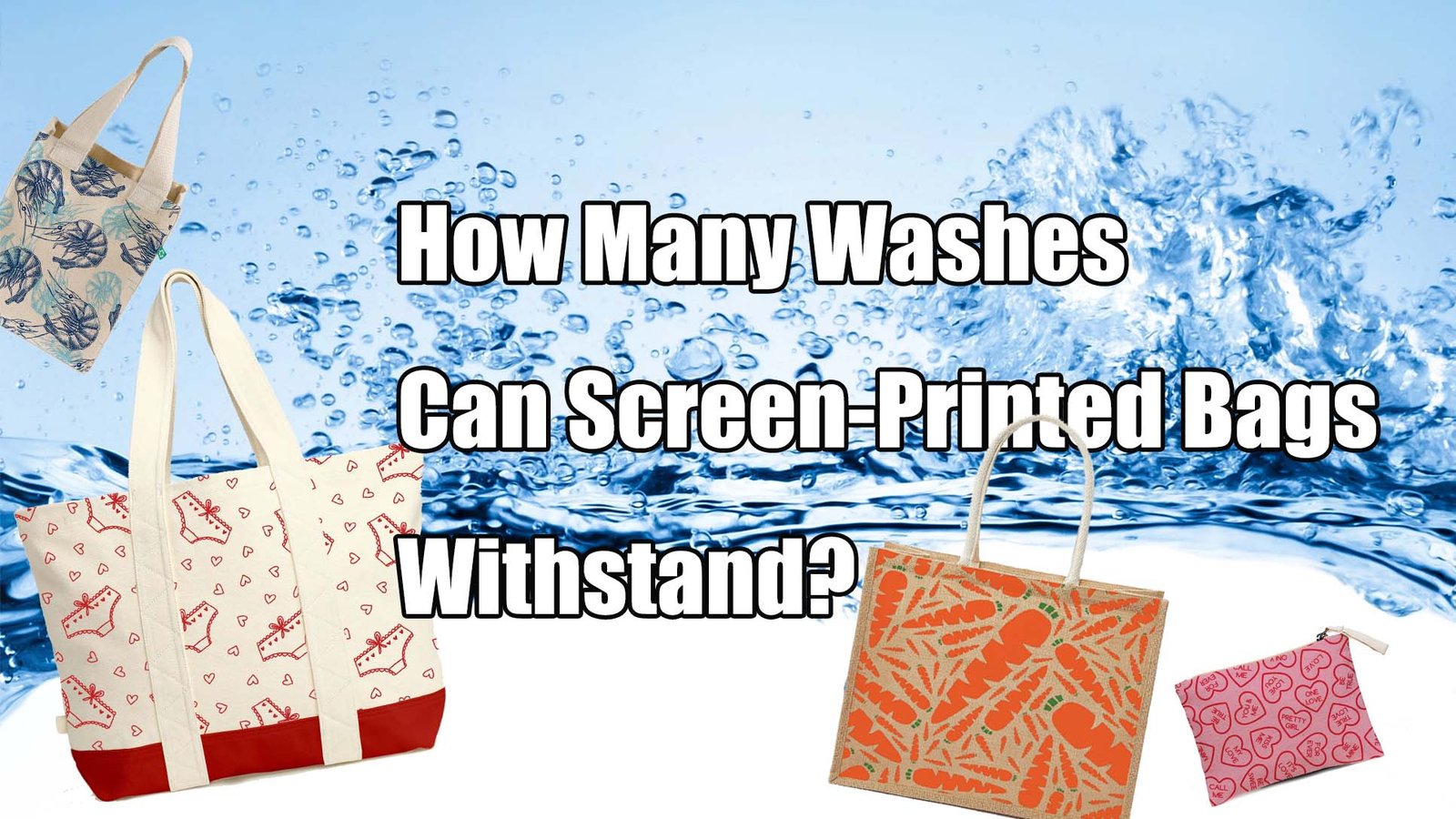
When I judge wash durability, I never look at the print alone. I look at the full system. The ink, the fabric, the coating, the drying time, and the curing temperature all work together. If one step is weak, the whole result gets weaker. In many bag projects, I have seen buyers focus on logo color and unit price first. That makes sense. Still, wash resistance often depends more on production discipline than on artwork.
For screen-printed bags, proper heat curing matters most. Once the ink reaches the right temperature and stays there long enough, it forms a stronger bond with the fibers. It does not just sit on top in a loose layer. That is why a good print can survive repeated washing and daily rubbing.
Here is the simple way I think about wash durability in bulk orders:
| Factor | What I Check | Effect on Wash Resistance |
|---|---|---|
| Ink type | Water-based or plastisol matched to fabric6 | Wrong ink can crack or wash out |
| Curing temperature | Stable and tested during production | Good curing improves durability a lot |
| Fabric weight | Medium to heavy cotton or canvas7 | Stronger base supports stronger print |
| Print coverage | Large solid areas or fine details | Heavy coverage needs tighter control |
| Pre-production test | Wash test before mass production | Reduces risk before full run |
I usually suggest wash testing before the full order starts, especially for retail or promotion programs. A simple test can reveal a lot. If the print softens, flakes, or fades too early, the factory still has time to correct the process. In large orders, this step saves money and protects delivery time.
What Fabric Works Best for Bulk Screen-Printed Bags?
Many print problems come from the wrong fabric choice. I have seen buyers blame the ink first, but the fabric often caused the weak result from day one.
Cotton and canvas usually work best for bulk screen-printed bags8. They offer better ink hold, cleaner logo edges, and stronger durability. Thin or loose fabric can reduce print sharpness, lower wash performance, and make the final bag look less premium.
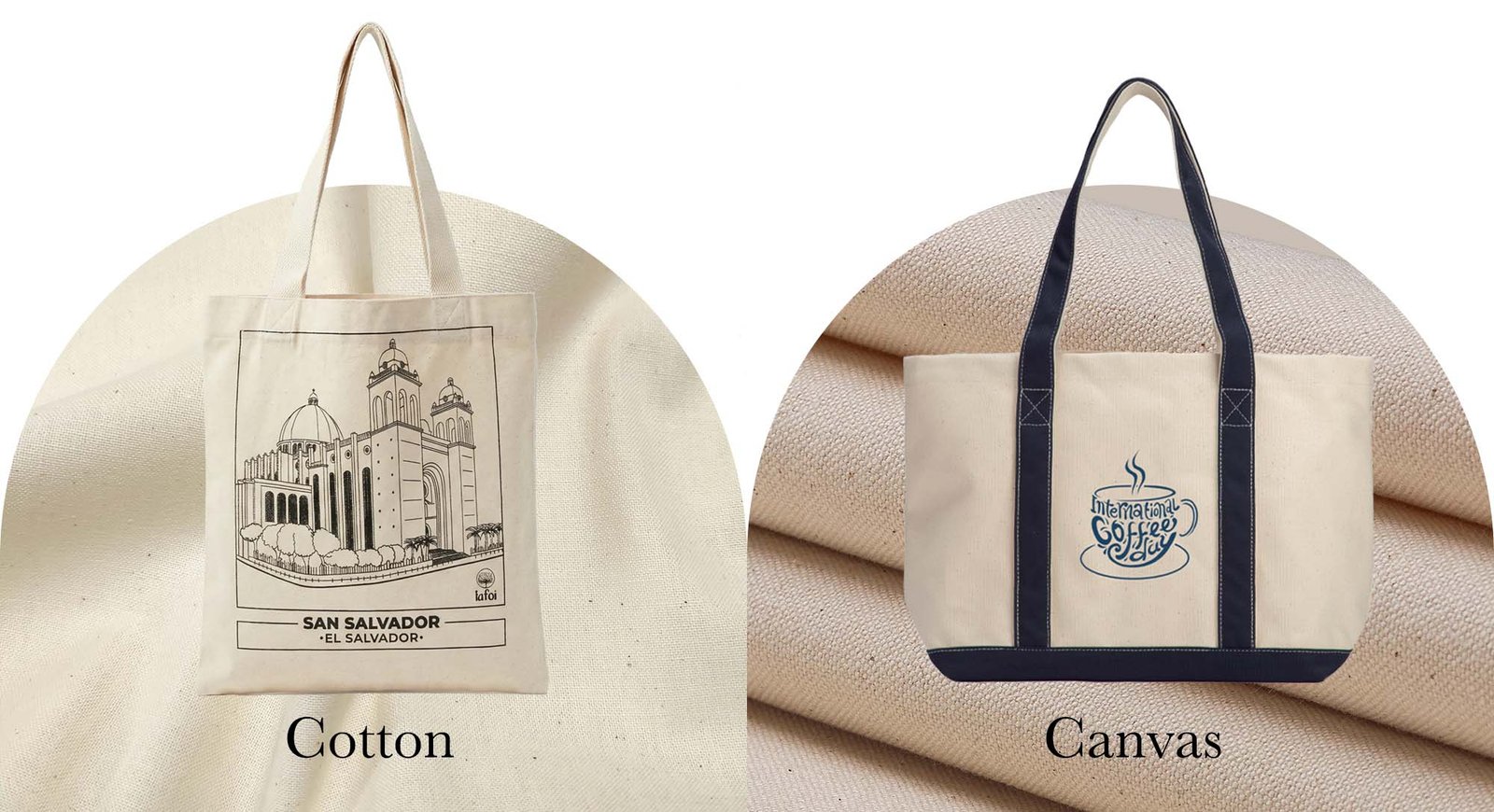
I always tell buyers that screen printing starts with fabric, not with artwork. A great logo cannot fix a weak base material. In bag manufacturing, cotton and canvas are usually the safest options for bulk screen printing because they are stable, absorb well, and hold shape during production. That gives the printer a flatter, more even surface.
Fabric weight also matters. If the cloth is too thin, the print can look uneven. If the weave is too loose, the ink may not sit cleanly9. The result may still pass basic inspection, but it may not look good enough for a brand buyer or retail program. I have seen this happen in rush orders where the buyer wanted the lowest material cost. The savings were small, but the visual loss was obvious.
This is how I compare common fabrics for screen-printed bag orders:
| Fabric | Print Clarity | Durability | Cost Level | My View for Bulk Orders |
|---|---|---|---|---|
| Cotton | Good | Good | Medium | Very suitable |
| Canvas | Very good | Very good | Medium to high | Best overall choice |
| Polyester | Medium | Medium | Low to medium | Needs ink matching |
| Non-woven | Medium | Low to medium | Low | Good for short-term use |
| Very thin fabric | Low | Low | Low | Not ideal for durable printing |
I prefer cotton and canvas for buyers who care about logo quality, repeat orders, and fewer complaints. These fabrics also help color consistency in mass production10. That is important because high-volume orders need not only low cost, but also fewer surprises across cartons, batches, and reorder cycles.
Does Screen Printing Fade Over Time on Tote Bags?
Fading is one of the first things buyers ask about. I understand why. A faded logo can make the whole bag feel cheap, even if the sewing quality is good.
Screen printing can fade over time on tote bags, but good production can slow this a lot. Proper curing, suitable ink, and quality cotton or canvas help the print stay strong through washing, sunlight, friction, and daily use.
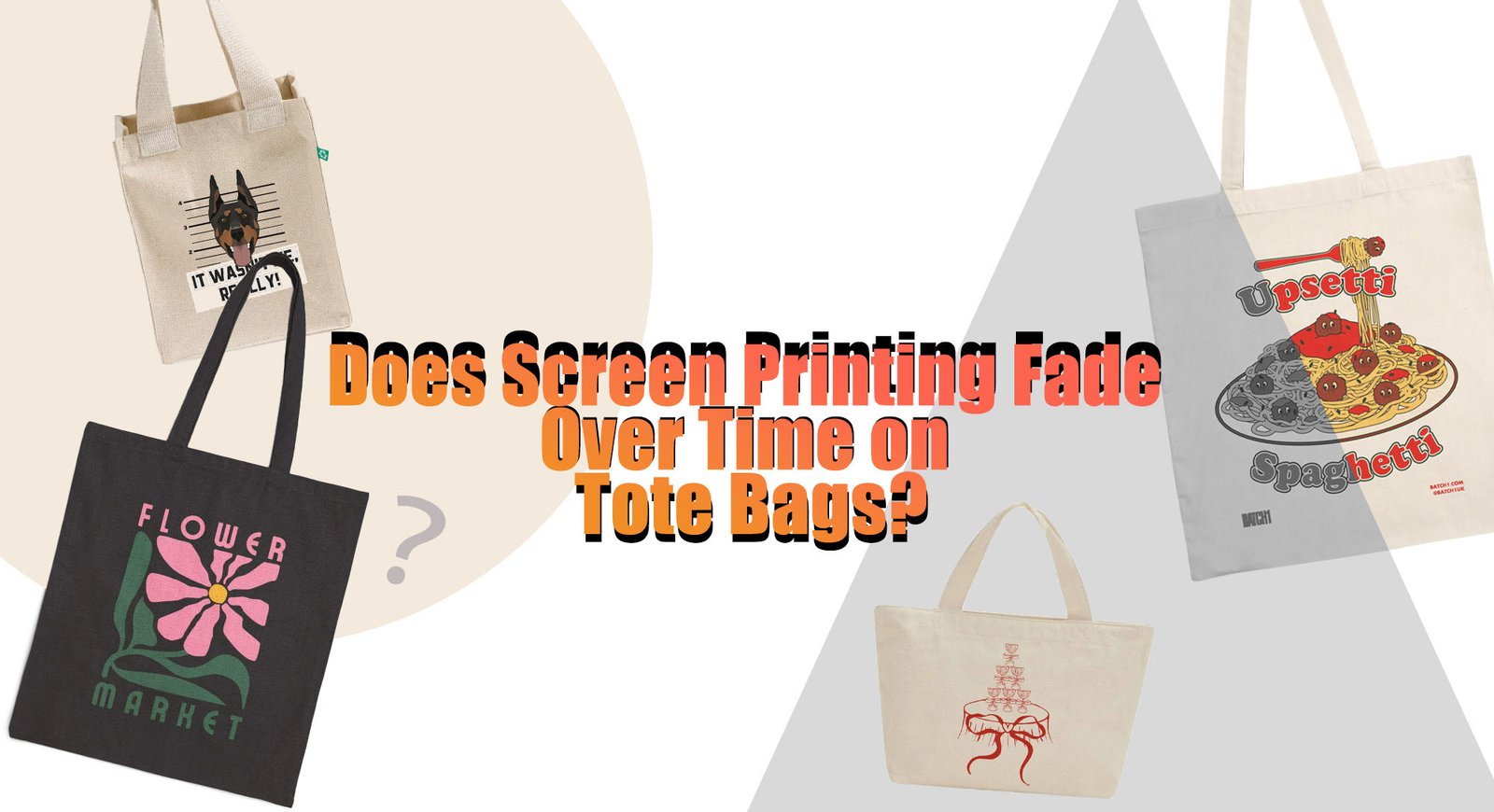
I think it is important to answer this honestly. Yes, any print may change over time. Bags get folded, washed, rubbed, exposed to light, and stored in poor conditions. So the better question is not whether fading is possible. The better question is how fast it happens and how much control the factory has.
In my experience, fading on tote bags11 is usually linked to four causes: poor curing12, low-grade ink13, rough use conditions, and weak fabric support. When the curing step is incomplete, the print may look fine when it leaves the factory, but it can fade or crack much earlier in real use. That is why I care so much about production control, not just final appearance.
I usually break fading risk down like this:
| Cause of Fading | What Happens | How I Reduce the Risk |
|---|---|---|
| Poor curing | Ink stays weak on fabric | Check temperature and time |
| Low-quality ink | Color loses strength faster | Use tested ink suppliers |
| Harsh washing | Print surface wears out sooner | Give care advice when needed |
| UV exposure | Color weakens in sunlight | Choose better pigments |
| Thin fabric | Print support is unstable | Use heavier cotton or canvas |
For most tote bag orders, screen printing performs very well when the bag is meant for normal retail, gifting, shopping, or promotion use14. If the bag will face heavy outdoor exposure or rough industrial use, I recommend extra testing before mass production. I would rather test early than explain problems later.
How Does Screen Printing Compare to DTF for Bag Orders?
Many buyers compare print methods when they want better value. I have done this many times, and the right answer usually depends on order size, fabric, design, and speed.
Screen printing is usually better for large bag orders because it offers lower unit cost, faster bulk production, and more stable color consistency15. DTF works well for small runs or complex multicolor artwork16, but it often costs more in volume and may feel heavier on fabric.
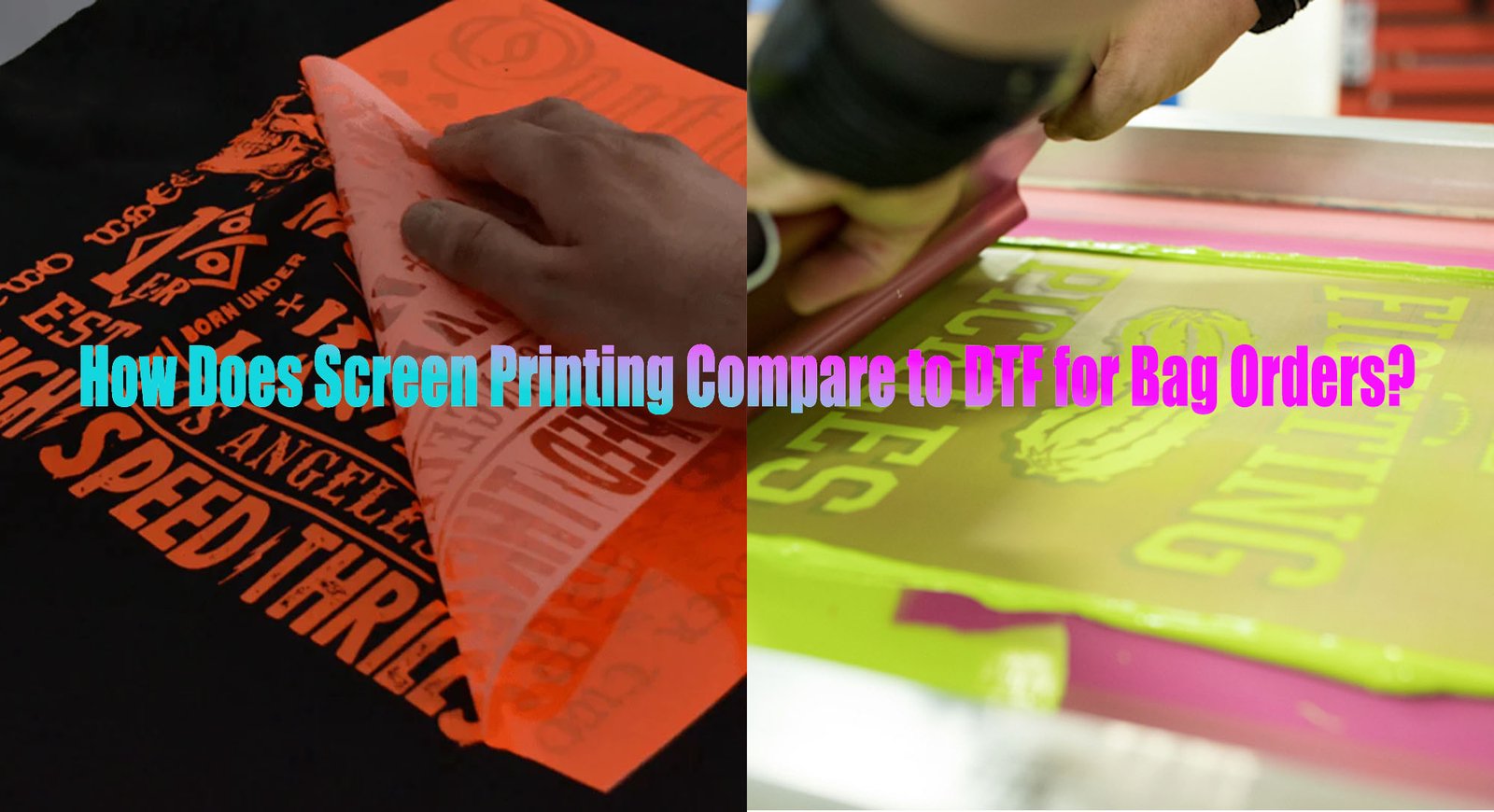
I like both methods for different jobs, but I am clear about where screen printing wins. In high-volume bag orders, setup cost gets spread across many pieces. That makes the unit price very competitive. Once production starts, the process is fast and repeatable. This matters a lot for buyers handling supermarket programs, promotions, chain retail, or distributor orders.
DTF has its own strengths. It is flexible. It handles detailed images and many colors without separate screens. That is useful for short runs, urgent sampling, and art-heavy designs. Still, when I compare the two for large B2B bag production, screen printing usually gives me more control over cost and consistency.
Here is how I explain the difference to buyers:
| Point | Screen Printing | DTF |
|---|---|---|
| Best order size | Medium to large | Small to medium |
| Unit cost in volume | Lower | Higher |
| Speed for bulk | Fast | Slower in large runs |
| Color consistency | Very stable | Good, but depends on transfer control |
| Hand feel | Usually lighter and more natural | Can feel heavier |
| Fine image detail | Limited compared with DTF | Strong |
| Wash durability | Very good with proper curing | Good, but film quality matters |
If a buyer asks me what to choose for 5,000 or 20,000 printed tote bags with a simple logo, I usually choose screen printing. If the order is small and the artwork is complex, I may consider DTF. I always match the process to the real business need, not just to what looks modern.
What's the Minimum Order Quantity for Screen-Printed Bags?
Small MOQ questions come up in almost every first discussion. I understand that many buyers want to test a design first before they commit to a larger launch.
The minimum order quantity for screen-printed bags17 depends on the factory, bag style, and number of print colors. Many factories prefer higher volumes because screen setup takes time, but some OEM suppliers can support smaller trial orders with flexible terms.
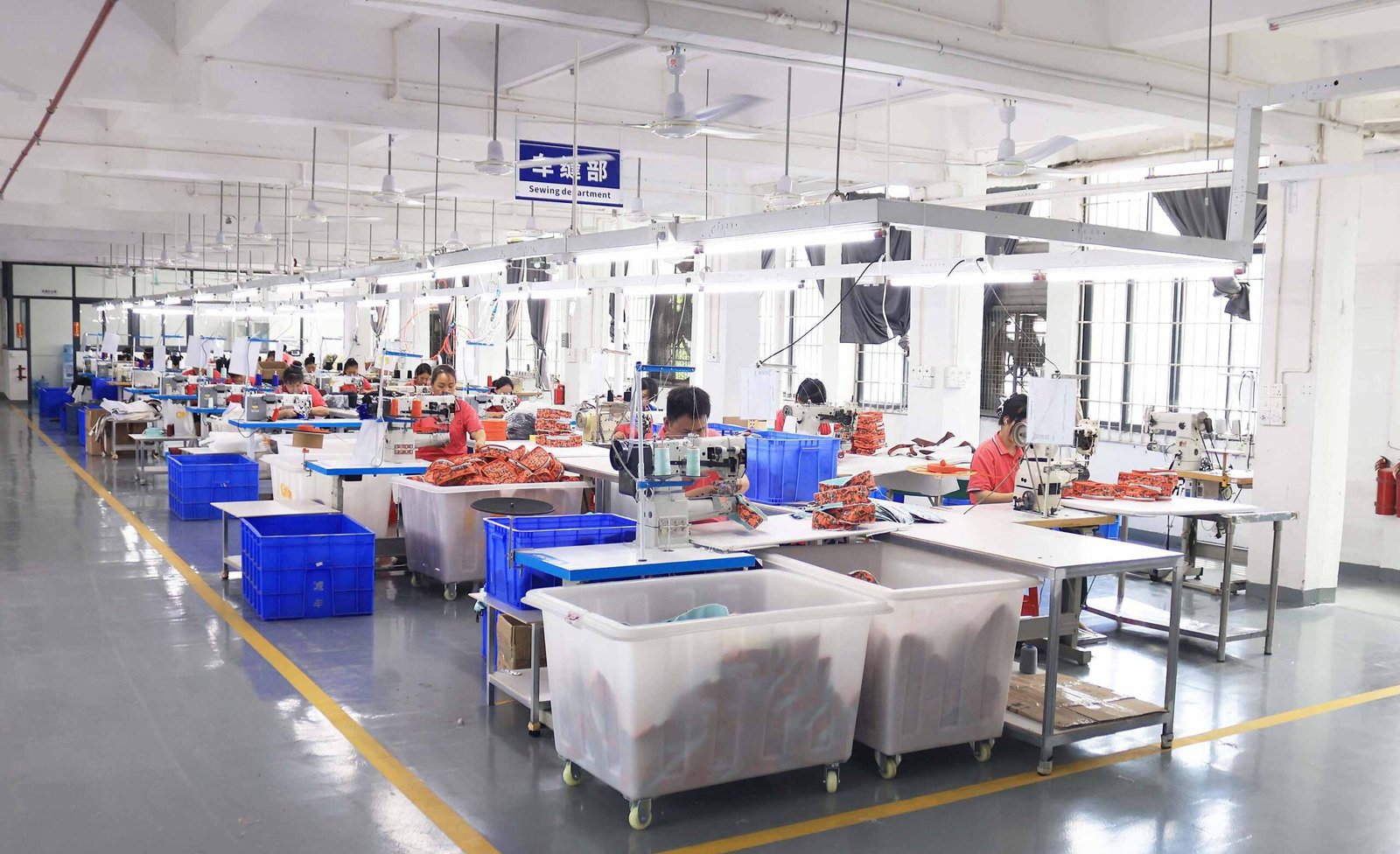
I have found that MOQ is not only a number. It is really a cost balance. Screen printing needs screens, setup, color adjustment, testing, and labor planning. If the order is too small, the setup cost takes up too much of the total. That is why many factories push for higher quantities. They are trying to keep the process efficient.
Still, not every buyer is ready for a huge first order. Some need a market test. Some need a client sample program. Some need mixed styles. In those cases, I think a flexible OEM factory18 can help by adjusting print layout, combining production slots, or using simple designs that reduce setup complexity.
This is the way I usually frame MOQ in practical terms:
| Order Type | Typical MOQ Tendency | Notes |
|---|---|---|
| Simple 1-color tote bag | Lower MOQ possible | Easiest screen setup |
| Multi-color logo bag | Higher MOQ | More screens and more alignment work |
| Custom fabric + print + packaging | Medium to high MOQ | Full OEM adds complexity |
| Stock fabric + simple print | Lower MOQ | Good for trial orders |
| Reorders | Often more flexible | Setup is easier after first run |
When I talk with serious buyers, I try to move the discussion away from MOQ alone. I ask about target price, launch timeline, print size, packaging, and reorder potential. Sometimes a slightly higher first order gives much better unit cost and more stable quality. Sometimes a smaller test order is the smarter step. I think the best supplier is not the one with the lowest MOQ on paper. It is the one that helps the buyer choose the right starting point.
Conclusion
I trust screen printing for bulk bag orders19 because it gives strong durability, stable quality, low cost, and reliable scale when fabric choice and curing are handled the right way.
Understanding why large orders fail helps you avoid costly reprints, delays, and quality complaints from clients and end users. ↩
Consistent color across thousands of bags protects your brand image and reduces rejection rates in quality inspections. ↩
Learning how factories stabilize bulk output helps you choose suppliers who can deliver reliably at scale. ↩
Knowing why this process is so controllable lets you justify print-method choices to internal teams and clients. ↩
Seeing how these technical steps work together helps you audit factories and ask the right pre-production questions. ↩
Choosing the right ink type improves durability, feel, and eco-profile, which buyers and retailers increasingly demand. ↩
Selecting optimal fabric weight boosts print sharpness and longevity, making your bags feel more premium to end users. ↩
Understanding this helps you specify materials that reduce complaints and improve repeat-order performance. ↩
Knowing common print defects lets you troubleshoot issues and push suppliers to improve their process control. ↩
Maintaining consistent color across batches protects brand standards and reduces returns from distributors and retailers. ↩
Learning the root causes of fading helps you design more durable products and set realistic care expectations. ↩
Recognizing curing problems helps you specify curing standards in contracts and QC checklists with suppliers. ↩
Understanding ink quality risks helps you justify slightly higher material costs to avoid early failures. ↩
Knowing where screen printing excels helps you confidently match print methods to project types and budgets. ↩
Comparing cost and performance with DTF helps you choose the best method for different order sizes and designs. ↩
Seeing where DTF shines lets you use it strategically for complex or low-quantity projects without overpaying in volume. ↩
Understanding MOQ drivers helps you negotiate smarter and plan realistic test runs versus full launches. ↩
Finding OEM partners who adapt MOQs lets you test markets with less risk and faster learning cycles. ↩
Seeing the overall benefits for bulk orders helps you standardize processes and reduce decision friction in sourcing teams. ↩