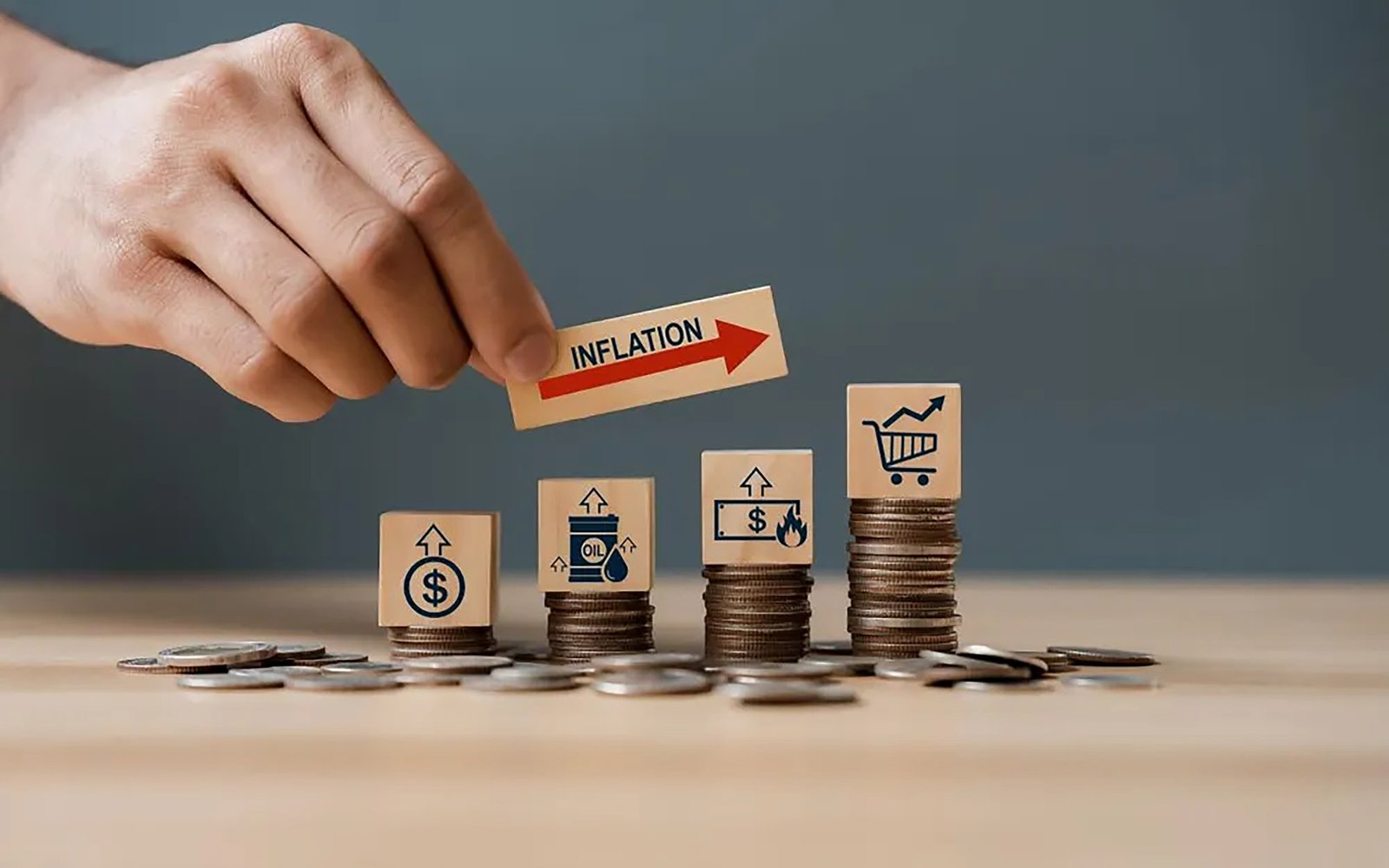
Inflation is hurting wallets everywhere. You see sales dropping, but you might not know why. Your customers are changing how they shop, and you need to adapt your strategy now.
Inflation shifts bag buying from impulsive fun to calculated investments.1 Consumers now demand durability, multi-functionality, and timeless designs.2 They buy fewer bags but choose higher quality items3 that offer long-term value, forcing retailers to focus on practical features and justified pricing.
I have seen this shift in my factory orders recently. Buyers are nervous. But looking closely at the data helps us understand the new market reality. Let us look at the details.
How Has Inflation Changed the Way People Shop for Bags?
Prices go up, and budgets go down. Your customers are scared to spend money. If you keep selling the same way, your inventory will just sit there.
Inflation forces shoppers to pause before buying. They research more and buy less frequently. The focus moves from "I want this now" to "Do I really need this?" This creates a demand for versatile bags that serve multiple purposes to justify the cost.
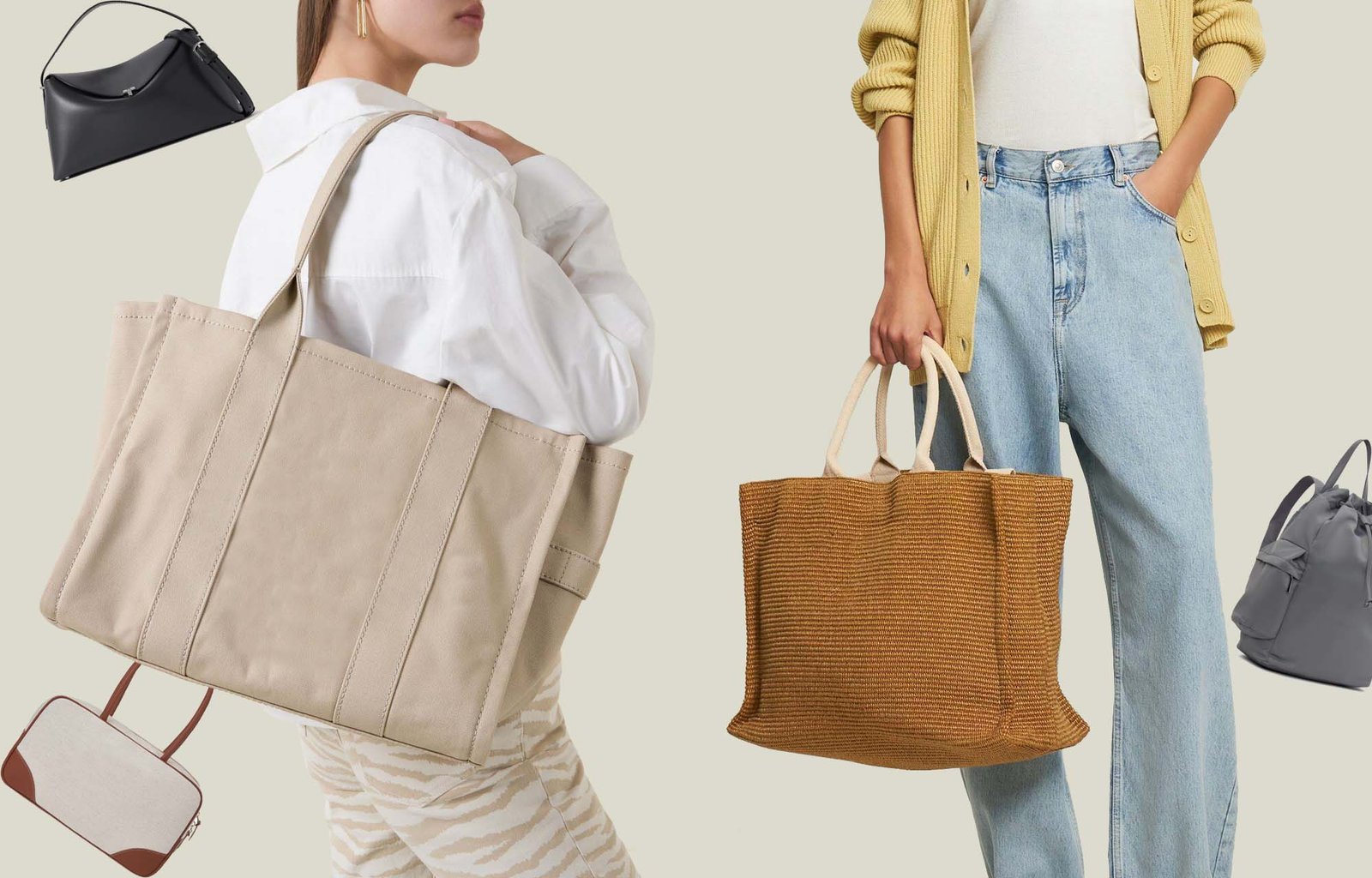
In my 15 years running Coraggio, I have noticed big changes in the orders coming from North America and Europe. Before, a cool color or a trendy shape was enough to sell a tote bag. Now, buyers ask different questions. They ask about fabric life and seam strength. The "lipstick effect" is real, but for bags, it works differently. People treat bags as tools now. They calculate the "cost per wear4."
If a backpack costs $50 but lasts 3 years, they will buy it. If it costs $20 but looks like it will break in a month, they leave it. This is the "buy less, buy better" mentality. Inflation has not stopped spending. It has just made spending harder to do. Consumers have two modes now. One mode is extreme caution. They simply stop buying things they do not need. The other mode is "investment buying." They will spend more money, but only if the quality is perfect.
As a manufacturer, I see this in the spec sheets. We used to get orders for very cheap promotional bags. Now, my clients want stronger 600D polyester or eco-friendly canvas5. They know their customers check the stitching. If you are a buyer, you must realize that your customer is now an expert inspector6. They look for reasons not to buy. You must give them reasons to trust the product.
The Shift in Consumer Logic
| Buying Factor | Pre-Inflation Behavior | Post-Inflation Behavior |
|---|---|---|
| Frequency | High volume, frequent purchases | Low volume, strategic purchases |
| Price Focus | Lowest absolute price | Best value for money |
| Style | Trendy, seasonal, fast fashion | Classic, versatile, timeless |
| Decision Speed | Fast, emotional | Slow, analytical |
What Triggers an Impulse Bag Purchase in a High-Inflation Market?
Impulse buying seems dead7. You worry that no one buys for fun anymore. But ignoring emotional triggers means you miss out on quick, profitable sales opportunities.
Impulse buys still happen, but the price point is lower. Small items like cosmetic bags or belt bags trigger purchases if they solve an immediate problem or offer extreme value. Limited-time offers combined with practical utility are the key triggers today.
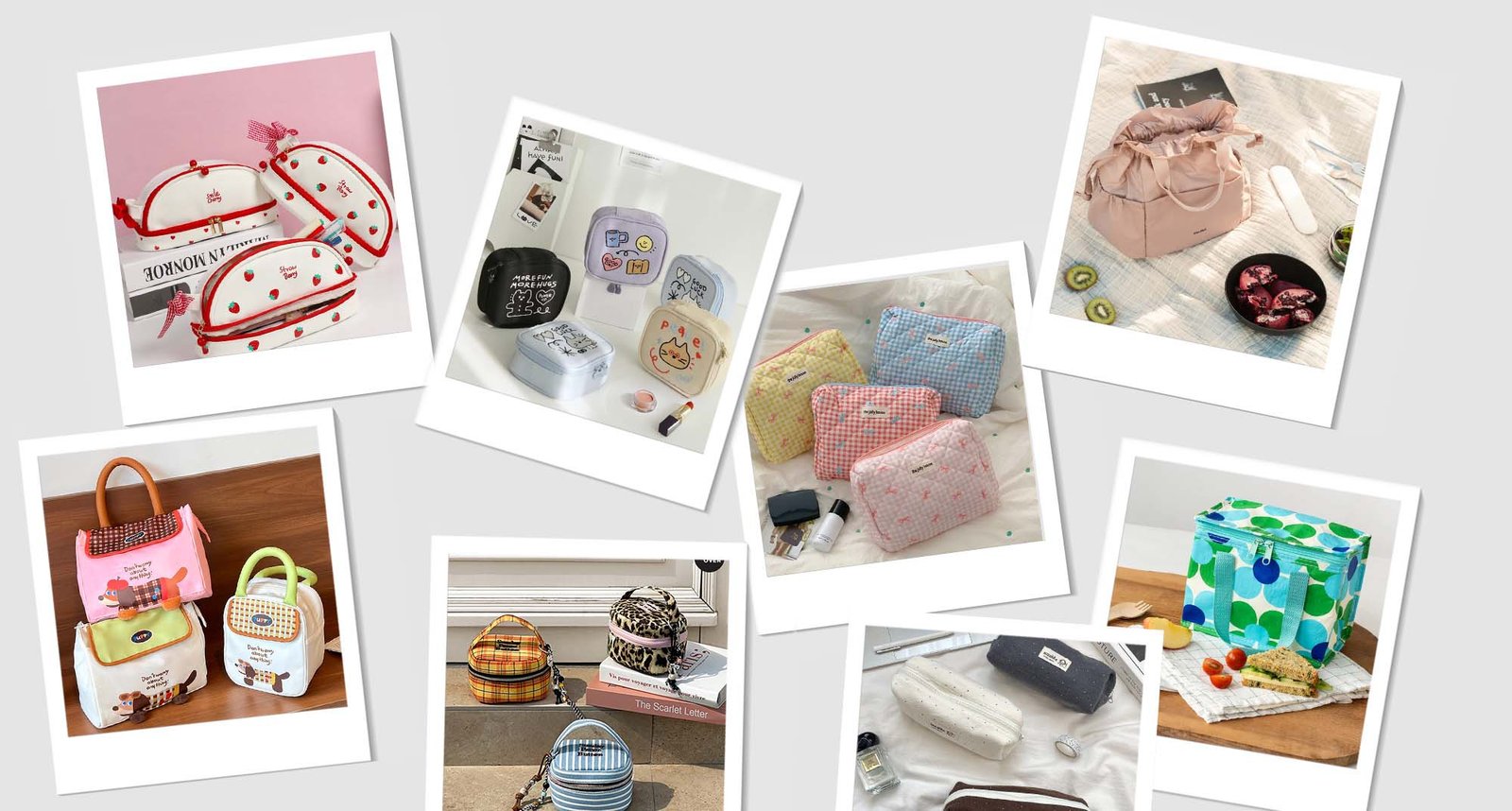
Even with tight money, people need a dopamine hit. Shopping makes people feel good. But they will not spend $100 on a whim anymore. They might spend $15. At our factory, orders for small accessories are up. We are making more cosmetic bags, pencil cases, and small cooler bags. Why? Because it feels like a treat without the guilt.
The trigger is no longer just "it looks cute." The trigger is "it looks cute AND it organizes my messy cables." Utility is the new emotion. When a customer sees a small bag that solves a specific annoyance, like a disorganized purse, they buy it. This is "Micro-Investment." It is a small amount of money to fix a daily problem.
Also, bundle deals work well here. If a customer is buying a large duffle bag, they might impulse buy a matching toiletry bag if the price is right. The psychology is simple. They are already spending money. Adding a small, useful item feels like maximizing the shipping cost.
The New Impulse Triggers
- Problem Solving: Does this small bag fix a mess?
- Low Entry Cost: Is it under the "guilt threshold" (usually around $20)?
- Gift Potential: Can I use this for myself or give it away?
We must rethink "impulse." It is not about wastefulness anymore. It is about affordable solutions. If you stock small, high-utility items near the checkout, they will still move fast.
Are Discounts and Free Shipping Driving More Bag Sales Now?
You cut prices, but sales remain flat. You offer free shipping, yet carts are abandoned. Relying only on old discount strategies burns your margin without results.
Discounts alone are not enough anymore. Consumers expect free shipping as a standard, not a bonus. Sales are driven by "bundled value" rather than just a percentage off. Transparency in total cost is more effective than hidden fees or complicated coupons.
I speak to buyers from Canada and Europe often. They tell me their customers hate surprise fees. Inflation makes people feel like they are losing control of their money. If they see a bag for $30, put it in the cart, and then see $15 shipping, they get angry. They leave the site. We advise our B2B clients to include shipping in the unit price. A $45 bag with free shipping sells better than a $30 bag with $15 shipping.
Also, a 10% discount looks weak when inflation is 8%. It does not feel like a deal. It feels like an adjustment. The "Anchor Price" strategy is changing. Instead of slashing prices, successful brands are adding value. They say, "Buy this backpack and get a rain cover for free." This works better. It adds tangible value.
Consumers are smart. They check price history. If you mark up a bag just to mark it down, they know. Trust is fragile during inflation. If a customer feels tricked, you lose them forever. We focus on "Everyday Fair Pricing8" in our ODM quotes. We suggest our clients do the same. Stability is attractive. If a customer knows your price is always fair, they do not wait for Black Friday. They buy when they need it.
Value Perception Table
| Strategy | Customer Reaction | Effectiveness |
|---|---|---|
| Small % Discount | "This barely covers inflation." | Low |
| High Shipping Cost | "I am being cheated." | Negative |
| Free Shipping | "This is the fair price." | High |
| Value Bundling | "I am getting more for my money." | Very High |
What Makes a Bag Feel Like a Smart Investment Today?
Customers ignore flimsy products. They want things that last. If your bags look cheap or weak, you lose trust and future orders immediately.
A smart investment bag features high-grade materials, reinforced stitching, and classic aesthetics9. It must function for work, travel, and leisure simultaneously. Buyers look for warranties and transparent manufacturing origins to ensure the product will survive daily wear for years.
This is where Coraggio shines. We use strong fabrics. Buyers want "heirloom" quality but at a mid-range price. They look for eco-friendly materials because they believe these materials are stronger. A "smart investment" means the bag does not go out of style next season.
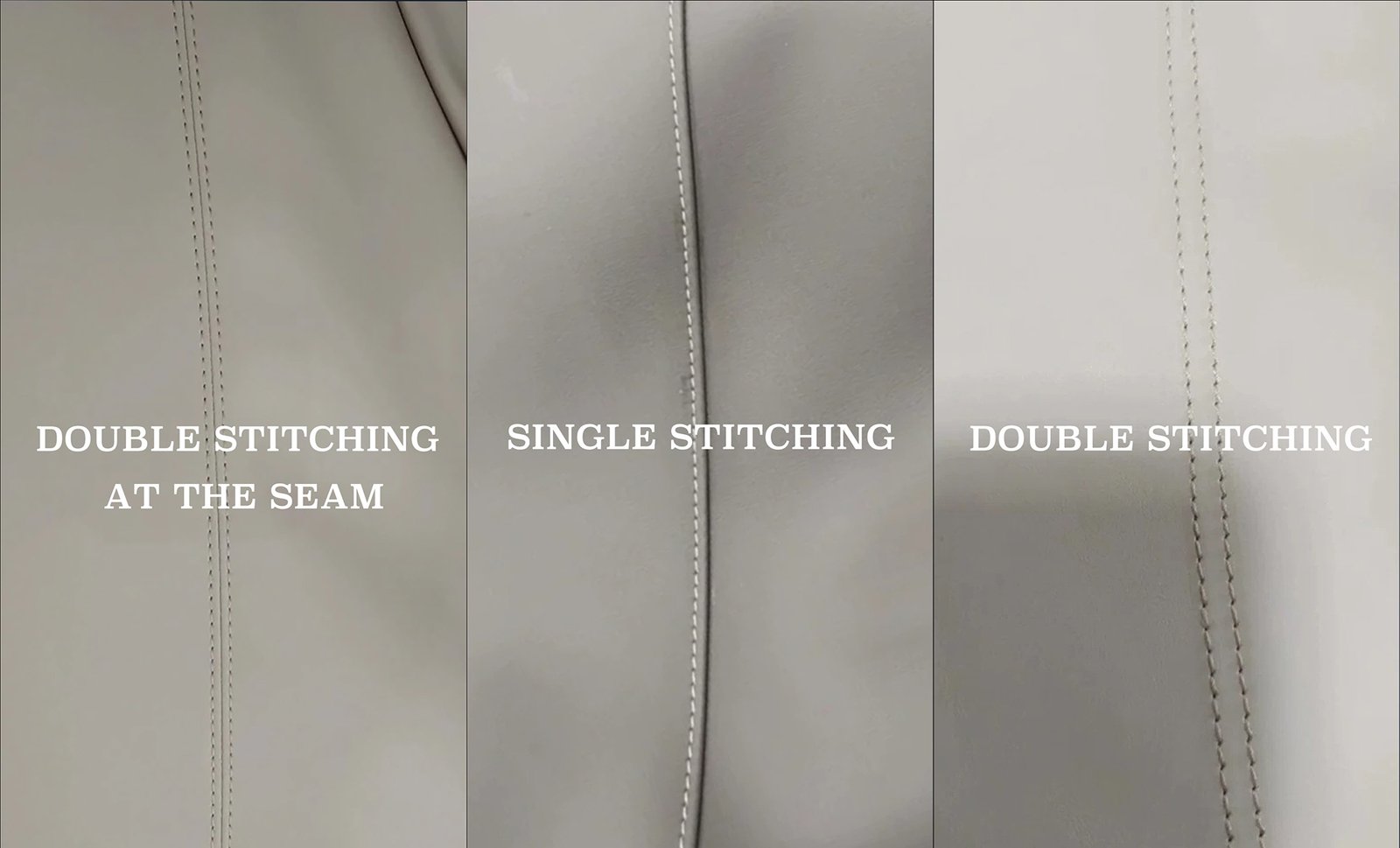
I often show clients the difference between single-stitching and double-stitching. In an inflationary market, double-stitching is a selling point. It screams durability. Visual cues of strength matter. Metal hardware instead of plastic makes a bag feel like an investment. Thick zippers instead of thin ones make the user feel secure.
The "One Bag" theory is popular now. A customer wants one bag that works for the office, the gym, and a weekend trip. If your bag only works for the beach, it is a luxury. If it works everywhere, it is an investment. We are designing more hybrid bags10. These are backpacks that turn into totes, or duffles with laptop sleeves.
Key Investment Indicators
- Material Integrity: Is the fabric rip-stop or water-resistant? High denier counts (like 1680D) sell well.
- Classic Design: Will this look good in 5 years? Avoid neon colors or weird shapes.
- Repairability: Can a broken buckle be fixed? Customers love brands that offer repair kits.
When you market a bag, do not just talk about style. Talk about the years of use. Break down the price per year. If a bag is $100 and lasts 5 years, it is $20 a year. That is a smart investment.
What Bag Features Matter Most During Inflation?
Adding random pockets wastes money. You add features nobody wants. This increases your manufacturing costs while the customer ignores the product completely.
Practicality dominates the feature list. Water-resistant fabrics, dedicated laptop compartments, and anti-theft designs are top priorities. Consumers want features that protect their belongings and make commuting easier, prioritizing function over purely decorative elements like heavy hardware or tassels.
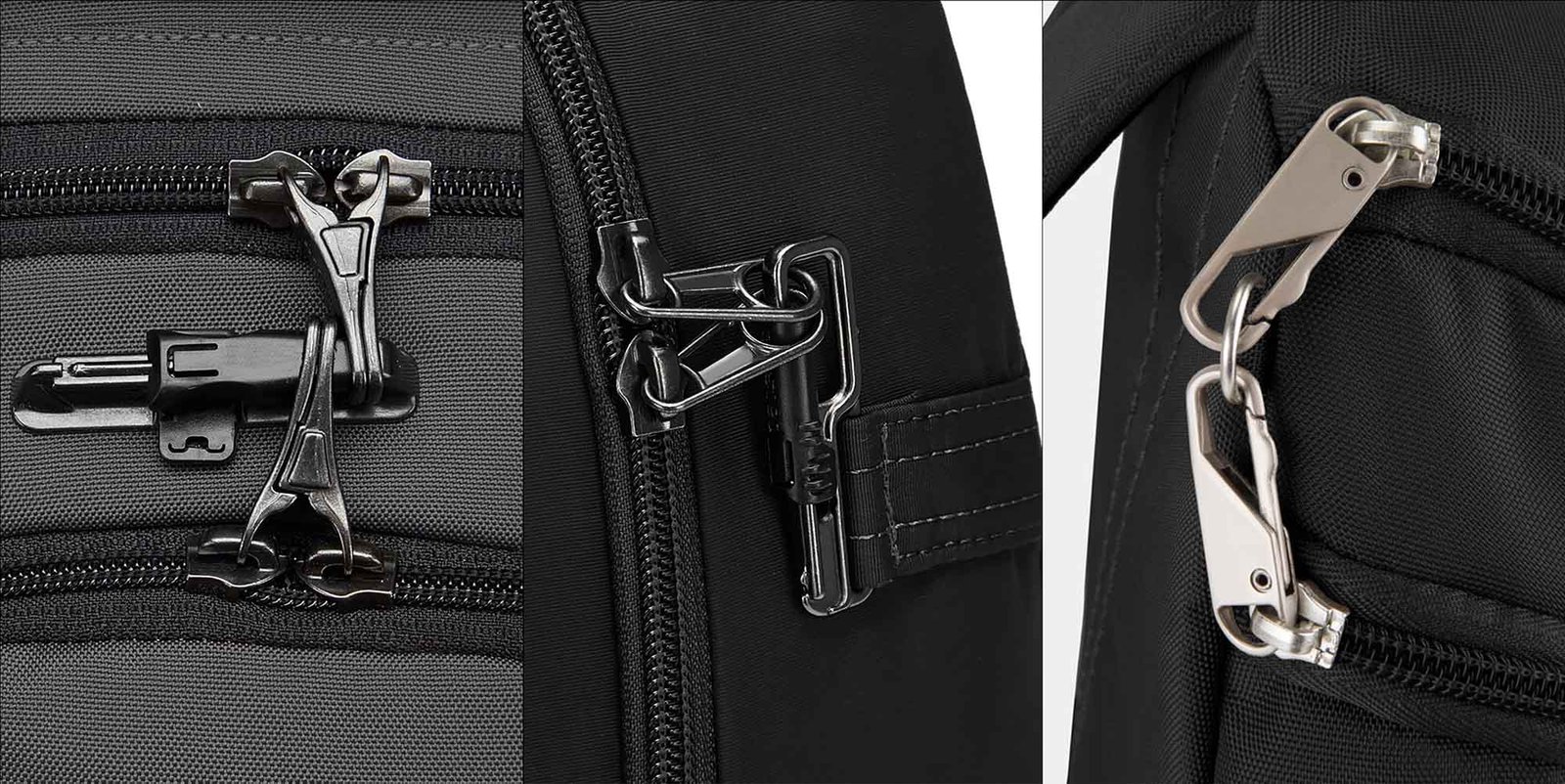
Let's talk about production lines. We are sewing more zippers and hidden pockets than ever before. Why? Because people carry expensive tech. If a bag cannot hold a laptop safely, it is useless to a modern buyer. A padded laptop sleeve is mandatory. It is not an "extra" anymore.
Security is also huge. People are commuting more to save gas money. They take buses and trains. They worry about pickpockets. Anti-theft pockets on the back of a rucksack are a top request. It costs very little to add this feature during manufacturing, but it adds huge value to the final product.
Another key feature is "internal organization11." People are bringing their lunch to work to save money. They carry water bottles. A bag needs a specific place for a bottle and a lunch box. If everything falls to the bottom of the bag, it is annoying. We are adding structured dividers inside our tote bags.
Feature Priority Checklist
| Feature | Priority Level | Why? |
|---|---|---|
| Padded Tech Sleeve | Critical | Protects expensive electronics. |
| Water Resistance | High | Protects contents during commute. |
| Bottle Holder | High | Supports money-saving habits (bringing drinks). |
| Decorative Tassels | Low | Adds cost without function. |
| Anti-Theft Pocket | High | Provides peace of mind. |
You must strip away the useless decoration. Put that budget into functional hardware. A magnetic clasp is better than a fake buckle12. A waterproof lining is better than a printed lining. Focus on what the user does with the bag, not just how they look holding it.
Conclusion
Inflation changes the rules, not the game. Buyers want value, durability, and function. Focus on quality investments and practical features to succeed in this new market.
Understanding this shift can help retailers adapt their strategies to meet new consumer demands. ↩
Explore insights on essential bag features that appeal to cost-conscious consumers. ↩
Discover the reasons behind this trend and how it impacts retail strategies. ↩
Learn how this concept influences buying decisions and product value perception. ↩
Find out why these materials are gaining popularity among consumers. ↩
Explore how informed consumers are changing the retail landscape. ↩
Investigate the state of impulse buying and its implications for retailers. ↩
Discover how this pricing strategy can build consumer trust and loyalty. ↩
Explore the characteristics that consumers value in investment-worthy bags. ↩
Discover the versatility of hybrid bags and their appeal to modern consumers. ↩
Explore how effective organization can enhance user experience and satisfaction. ↩
Learn about the importance of quality hardware in consumer purchasing decisions. ↩