You worry about unsold inventory1 piling up in your warehouse. The market changes fast, and betting on the wrong horse now means huge financial losses by the time 2026 arrives. Are you safe?
Retailers stuck in the "generic middle2," brands relying on heavy logos, and those ignoring new sustainability laws3 face the highest risk. To survive 2026, you must pivot toward quiet quality4, transparent sourcing5, and multi-functional designs6 for digital nomads immediately.
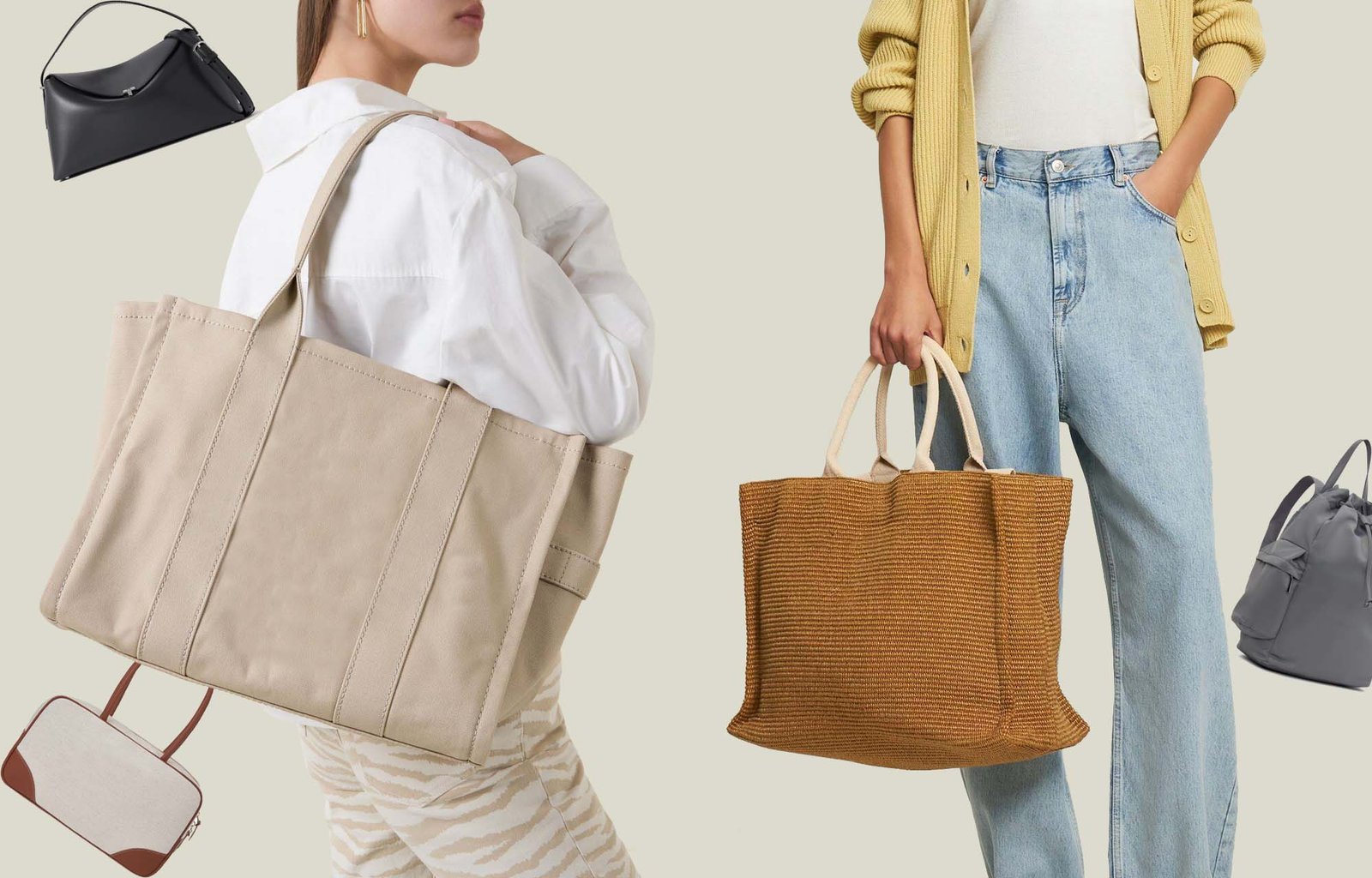
The industry is shifting rapidly. The old rules of selling bags are breaking down. Let us look at exactly who is in danger.
Stuck in the Middle: The Collapse of Generic Retailers?
Your customers compare prices constantly on their phones. If you offer neither the cheapest price nor the best brand name, you are invisible to them.
Mid-tier department stores and generic multi-brand shops are the most vulnerable. They lack the exclusivity of luxury7 and the aggressive pricing of factory-direct brands. Without a unique selling proposition, they will lose market share.
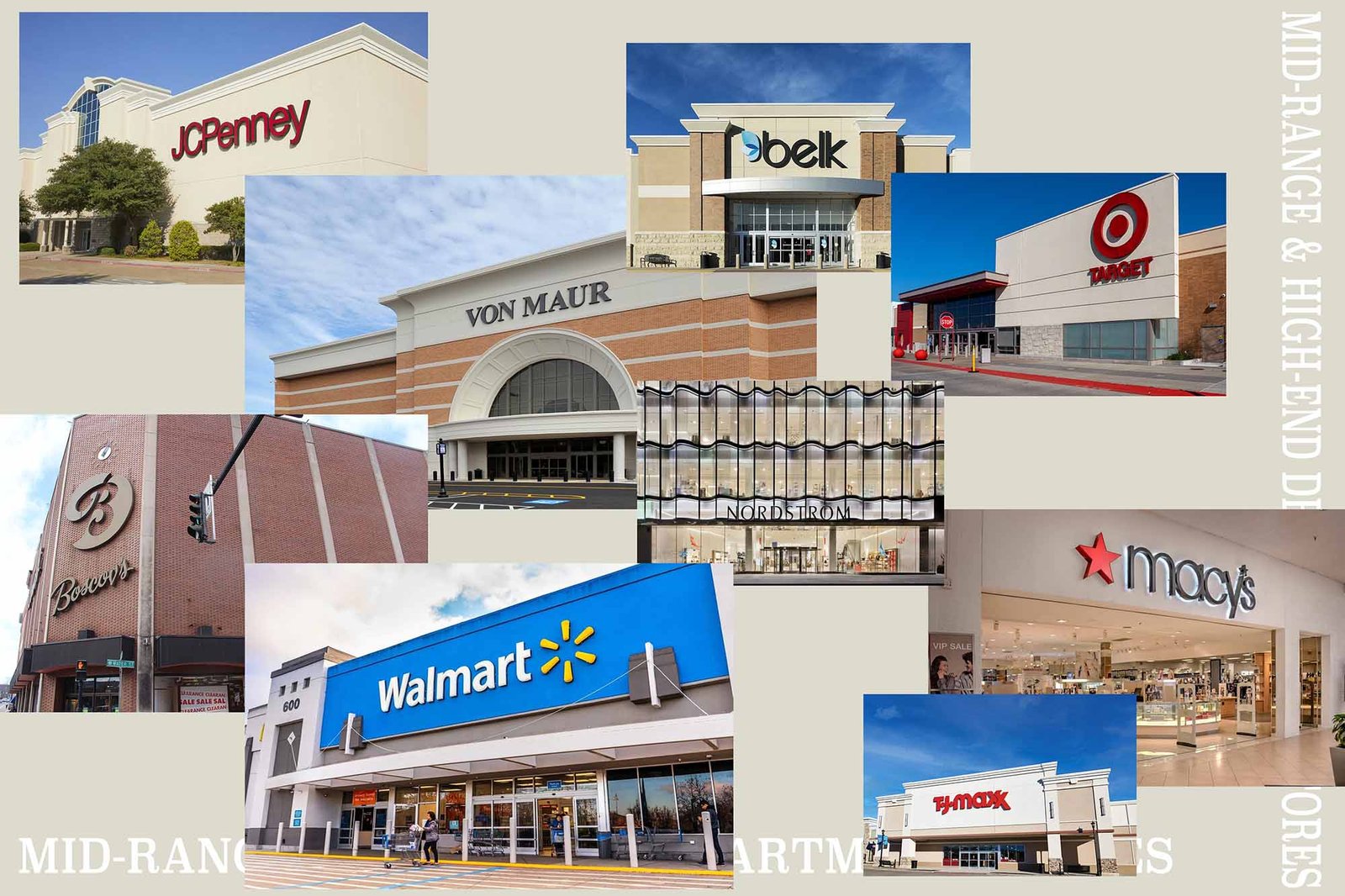
I have watched the "middle market" shrink for years from my factory floor. Fifteen years ago, I used to get huge orders from mid-level department stores. They wanted simple bags that looked okay and cost a medium amount. Now, those orders are gone. Why? Because the consumer has changed. We call this the "Hourglass Economy8."
The top end (luxury) is fine. The bottom end (budget and value) is thriving. But the middle is getting squeezed to death. If you are a retailer who sells "average" bags, you are in trouble. You do not have the brand power of Gucci to charge high prices. You also do not have the manufacturing power of a factory-direct brand to offer the lowest price. You are stuck.
The Problem with Lack of Exclusivity
The biggest issue for these retailers is that they have no "moat." A moat is a defense against competitors. In my experience, buyers like Mark from Canada succeed because they create a specific identity. Generic retailers just resell products that look like everything else.
Here is a breakdown of why the middle market is failing:
| Retail Type | Price Strategy | Consumer Perception | Risk Level |
|---|---|---|---|
| Top Luxury | High | Investment, Status | Low |
| Value / OEM Direct | Low | Smart Buy, Utility | Low |
| Mid-Tier Generic | Medium | Overpriced, Boring | Critical |
How to Escape the Trap
If you are in this category, you must change. You cannot compete on price against guys who buy directly from my factory in China. You must compete on curation. You need to find a niche. Maybe you focus only on tech bags. Maybe you focus only on eco-friendly hiking gear. You must stop trying to be everything to everyone. The middle ground is where businesses go to die in 2026.
Do you still stock bags covered in big, shiny logos? This trend is dying, and holding this stock is a financial ticking time bomb.
"Aspirational luxury" brands that rely on flashy branding are suffering. Consumers now prefer "Quiet Luxury" due to economic caution. Brands failing to switch to subtle, high-quality materials9 face a severe inventory crisis10.
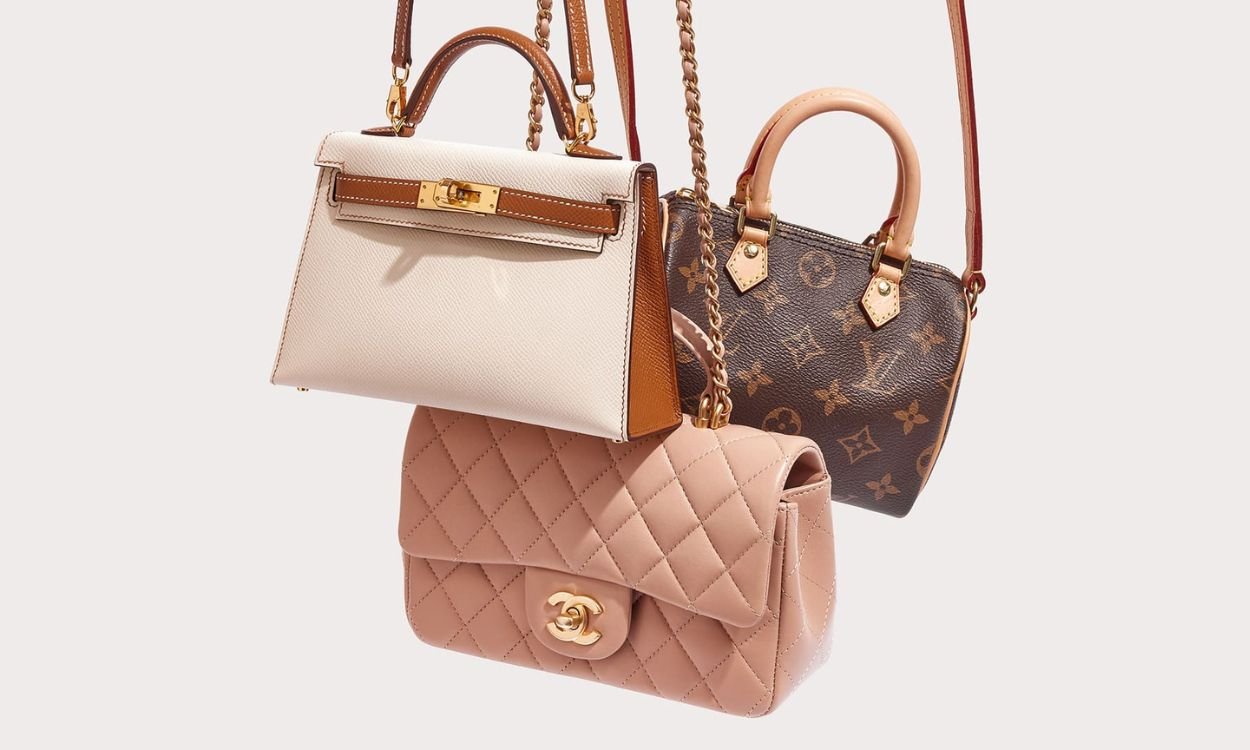
I remember when a bag was only good if the logo was huge. That era is ending. My North American clients tell me their customers want "stealth wealth." They want to look rich without shouting about it. This is bad news for "Aspirational Luxury" brands. These are the brands that cost $300 to $600 and are covered in monograms.
The Economic Pressure on the Middle Class
The core customer for loud luxury is the middle class. But the middle class is hurting. Inflation is high. Housing is expensive. They do not have extra money to spend on a logo. When they do buy a bag, they want it to last forever. They want quality materials9, not marketing hype.
In my factory, I see the shift in the raw materials we order. Three years ago, we ordered tons of PVC with printed logos. Now, buyers ask for high-quality leather and heavy canvas. They want the texture to speak for the quality.
Comparing Loud vs. Quiet Trends
If your inventory relies on status signaling, you need to pivot. Here is the difference in what sells now versus what is sitting on shelves:
| Feature | Loud Luxury (At Risk) | Quiet Luxury (Safe) |
|---|---|---|
| Branding | Large metal plates, prints | Small emboss, no logo |
| Material | Coated canvas, shiny | Full-grain leather, matte |
| Design | Trendy, seasonal colors | Classic, neutral tones |
| Customer Goal | Show off wealth | Own quality items |
The Inventory Nightmare
Brands that ignore this are sitting on piles of unsold bags. I have seen buyers try to push these old styles. They discount them heavily. But even at a discount, people do not want to look like walking billboards anymore. The trend for 2026 is discretion. If your bags scream the brand name, silence them, or you will lose money.
The Sustainability Gap: Retailers Unprepared for 2026 Standards?
Regulations are tightening everywhere. If your supply chain is not transparent and eco-friendly today, you might be illegal tomorrow.
Fast fashion and traditional retailers ignoring circular economy11 laws are in danger. By 2026, transparency and eco-friendly materials will be mandatory, not optional. Non-compliant brands will be abandoned by regulators and young consumers.
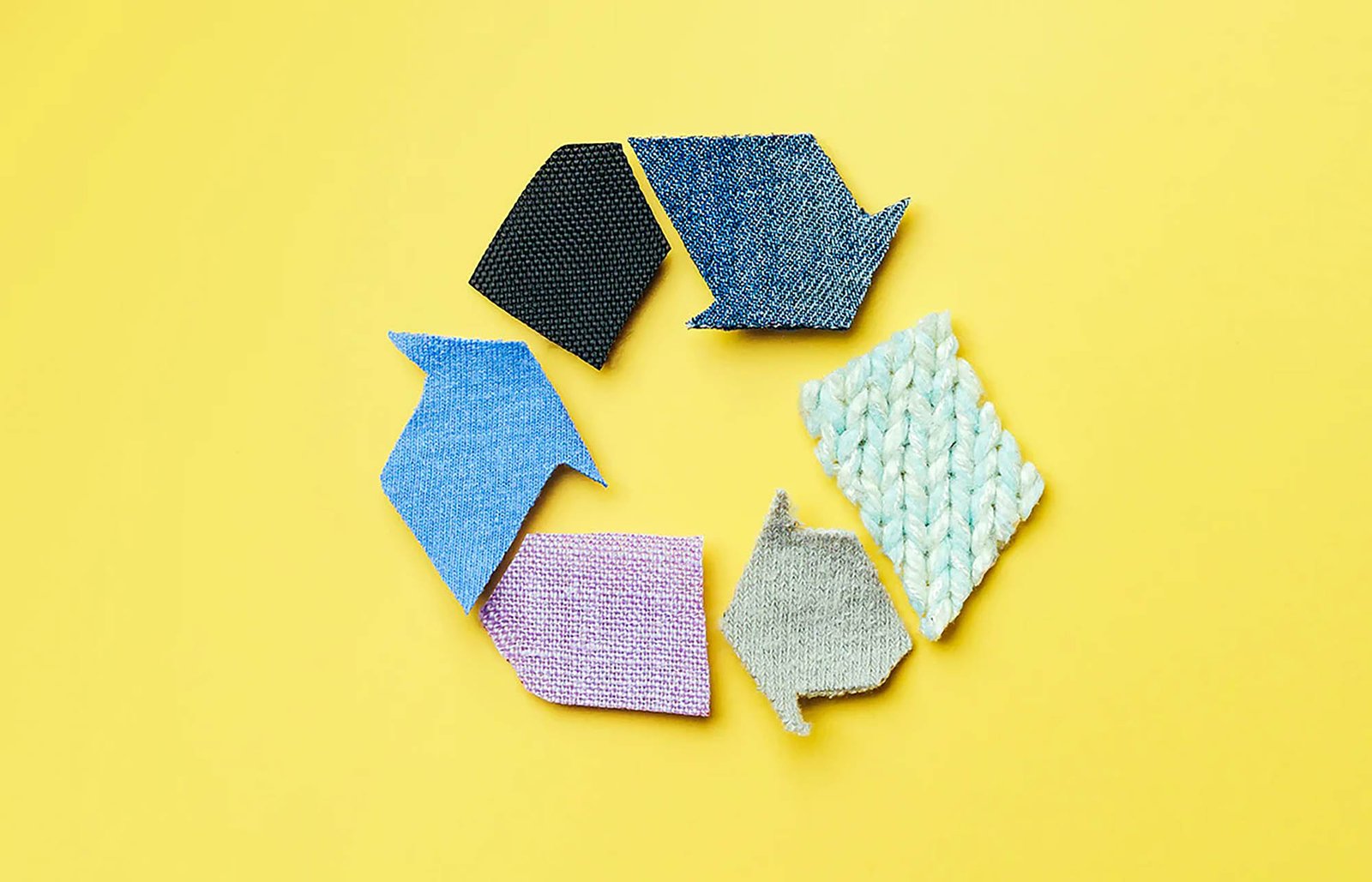
Sustainability is not just marketing anymore. It is the law. In Europe and soon in North America, governments are demanding "Digital Product Passports12." This means you must prove where every zipper and piece of fabric comes from. If you are a retailer who buys from opaque sources, you are at huge risk.
The Trap of Greenwashing
Many retailers think they can just put a green tag on a bag and call it eco-friendly. This is dangerous. Consumers are smart. They check the labels. If you claim a bag is recycled but cannot prove it, you will get sued or canceled on social media.
As a manufacturer, I have had to upgrade my entire facility. We have 3,000 square meters of production space. We had to get certifications for recycled materials like RPET (recycled plastic bottles). My workers separate waste. We track our carbon footprint. Why? Because my big clients demand it.
Critical Compliance Checklist for 2026
If you are a retailer, ask your supplier these questions. If they cannot answer, find a new supplier like Coraggio.
- Material Origin: Can you trace the cotton or leather back to the source?
- Recyclability: Can the bag be easily taken apart and recycled?
- Chemical Safety: Are there harmful dyes used in production?
The Cost of Ignoring Reality
| Strategy | Outcome in 2026 |
|---|---|
| Ignore Sustainability | Fines, import bans, customer boycott |
| Greenwashing | PR scandals, loss of trust |
| True Transparency | Customer loyalty, premium pricing |
Young consumers (Gen Z) simply will not buy from dirty brands. They would rather buy a second-hand bag than a new one that hurts the planet. Traditional fast fashion brands that rely on cheap, disposable bags are going to hit a wall. You must focus on the "Circular Economy." Make bags that last, or make bags that can be reborn.
Adapt or Die: The Shift from Commuter to "Nomad" Bags?
The 9-to-5 office life is fading. If you sell traditional briefcases, you are selling a tool for a job that no longer exists.
Traditional business brands are losing to "Nomad" styles. Consumers need hybrid bags13 for travel, gym, and remote work. Retailers failing to offer versatile, tech-friendly designs14 will lose the modern workforce demographic15.
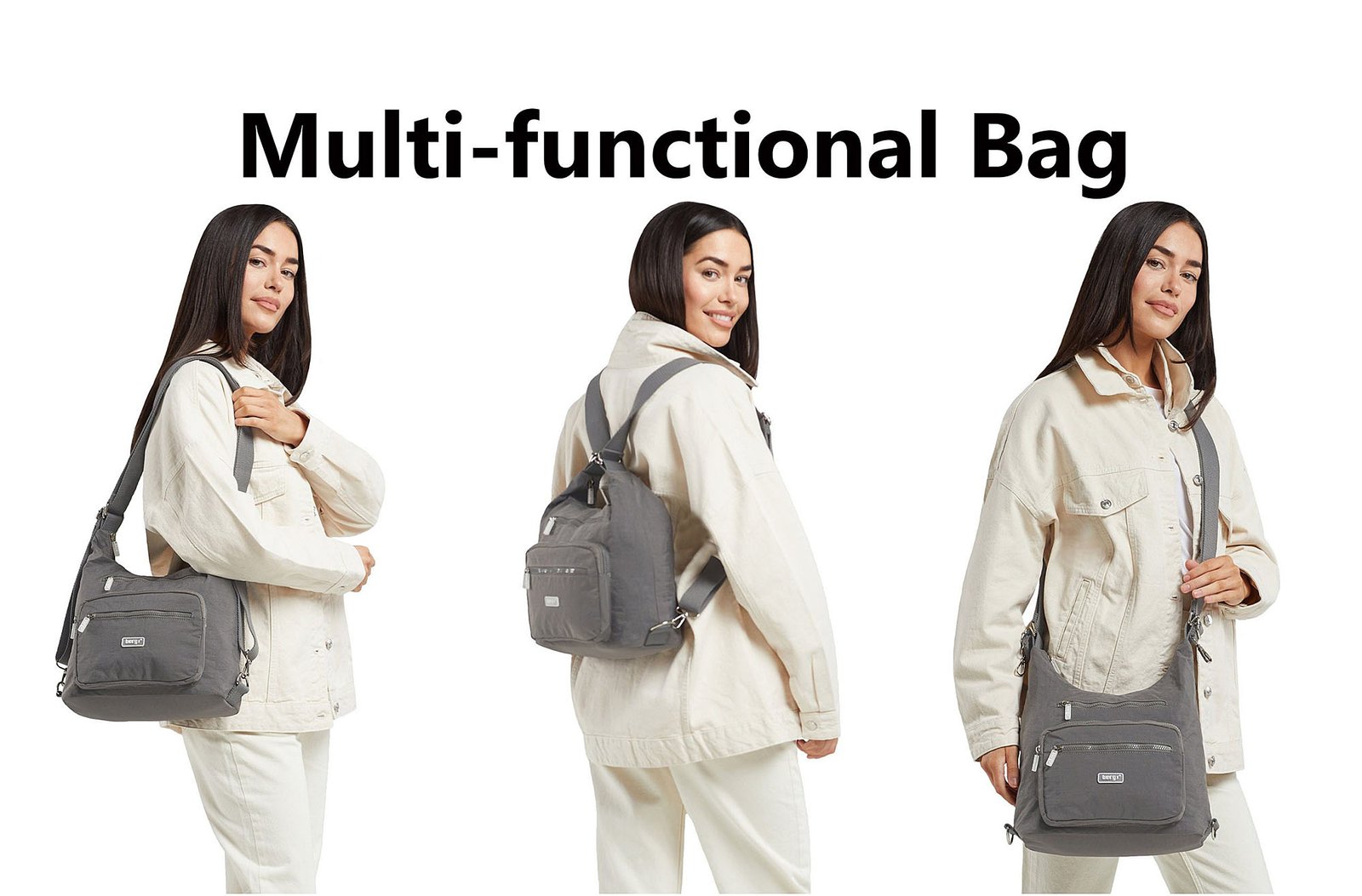
I look at the design files that land in my inbox every morning. The classic, hard-shell briefcase is dead. Even the simple laptop shoulder bag is dying. The new winner is the "Hybrid Backpack" or the "Nomad Bag."
The New Work Lifestyle
People do not just go to the office anymore. They go to the gym, then a coffee shop, then a co-working space, and maybe catch a flight. They need one bag that does it all. Retailers who sell "business only" bags are missing the point. Your customer is a nomad.
I have a client who used to sell formal leather briefcases. His sales dropped 40% in two years. We sat down and redesigned his line. We added padded laptop sleeves, water bottle holders, and shoe compartments. We used waterproof materials. His sales bounced back immediately.
What the Nomad Needs
You need to understand the "One Bag" philosophy. Consumers want to buy less, but better. They want a bag that works for a hike and a meeting.
Comparison of Old vs. New Business Bags
| Feature | Old School Briefcase | Modern Nomad Backpack |
|---|---|---|
| Structure | Rigid, heavy | Soft, lightweight, expandable |
| Use Case | Office only | Office, Gym, Travel, Weekend |
| Tech Storage | Maybe a laptop slot | Dedicated tech organizers |
| Comfort | Hand carry / Single strap | Ergonomic back panel / Straps |
The Technical Challenge
Making these bags is harder. It requires more complex sewing. My factory has 8 production lines, and the lines making these complex backpacks are always the busiest. We need skilled workers to sew the hidden pockets and waterproof zippers.
If you are a retailer, look at your shelves. If your bags look like they belong in a 1990s bank, get rid of them. Stock bags that solve problems for people who work from anywhere. This is where the growth is.
Conclusion
The middle market, loud logos, non-green supply chains, and rigid designs are dying. To survive 2026, you must pivot to value, quiet quality4, verifiable sustainability, and flexible designs16.
Explore effective inventory management strategies to avoid financial losses from unsold stock. ↩
Understand the risks of being in the generic middle and how to differentiate your brand. ↩
Stay informed about upcoming sustainability regulations that could impact your business. ↩
Learn about the shift towards quiet quality and how it affects consumer preferences. ↩
Discover best practices for transparent sourcing to meet consumer and regulatory demands. ↩
Explore how multi-functional designs can attract modern consumers and boost sales. ↩
Understand the role of exclusivity in luxury branding and consumer perception. ↩
Gain insights into the Hourglass Economy and its implications for mid-tier retailers. ↩
Understand the significance of using quality materials in enhancing product value. ↩
Understand the factors leading to inventory crises and how to mitigate them. ↩
Learn about the circular economy and its importance for sustainable retail practices. ↩
Explore the concept of Digital Product Passports and their impact on supply chain transparency. ↩
Learn about essential features of hybrid bags that appeal to today's on-the-go consumers. ↩
Explore design strategies for creating tech-friendly bags that meet consumer needs. ↩
Gain insights into the preferences of the modern workforce and how to cater to them. ↩
Explore how flexible designs can meet diverse consumer needs and drive sales. ↩