Sourcing heavy-duty bags that tear easily is a nightmare for retailers. Losing customers over cheap quality hurts your brand. Here is how to find the right manufacturer.
To choose a durable PP woven bag factory, verify they use virgin polypropylene with high GSM for strength. Check for reinforced X-stitching1 on handles and demand certified load-bearing test reports. A reliable supplier offers customizable sizing and proven experience with major international retailers.
I have seen many buyers struggle with inconsistent quality from new suppliers. It does not have to be that way. Let me explain the specific details you need to look for to ensure you get the best product.
What Defines a High-Quality Heavy-Duty PP Woven Bag?
Weak bags ruin the customer experience during shopping trips. You cannot afford product failures in the parking lot. Quality materials prevent these embarrassing accidents.
A high-quality bag uses 100% virgin polypropylene2, not recycled scrap. It features a density between 140gsm to 180gsm. The lamination must be smooth to prevent peeling3, and the stitching requires durable nylon thread4 to hold heavy weights securely.
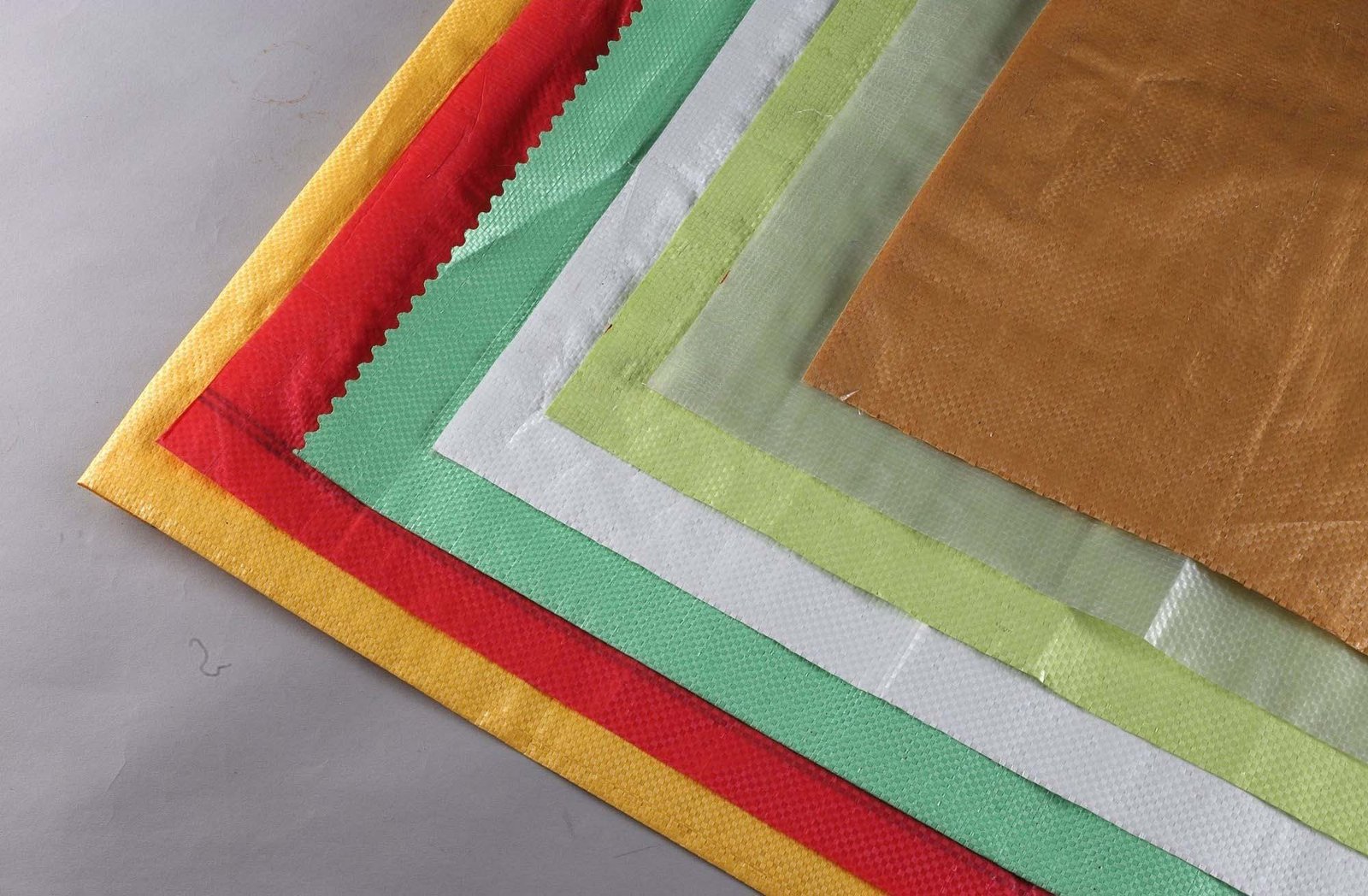
You need to look at the raw material first. In my 15 years of experience manufacturing bags, I have learned that the secret is in the pellets. Many factories try to cut costs. They mix recycled plastic with new plastic. This makes the bag brittle. If you leave a bag made of recycled material in the sun, it will crack. A high-quality bag must use 100% virgin polypropylene2. This material is flexible and strong.
The second factor is the thickness. We measure this in GSM, which stands for Grams per Square Meter5. A standard shopping bag might be 110gsm. But for a heavy-duty bag like the IKEA style6, you need at least 140gsm. I recommend going up to 160gsm or 180gsm for the best results.
Here is a simple breakdown of material quality:
| Feature | Standard Quality | High Quality (Heavy Duty) |
|---|---|---|
| Material Source | Recycled Mix | 100% Virgin Polypropylene |
| GSM (Thickness) | 100-120gsm | 140-180gsm |
| Lamination | Thin, peels easily | Matte or Glossy, strong bond |
| Feel | Stiff, crunchy | Smooth, flexible |
I always tell my clients to ask for a sample. Rub the fabric together. If the coating peels off, it is bad quality. The lamination protects the print and adds strength. You want a partner who understands these material sciences.
Why Is the IKEA Design the Gold Standard for Retail Carryalls?
Most shopping bags are too small or awkward to carry. Shoppers get frustrated when items fall out. The IKEA style6 solves this perfectly.
The IKEA design combines massive volume with dual handle lengths7 for versatility. Its wide boxy bottom stays stable in trunks. The blue Frakta bag proved that simple, rugged utility is what customers value most for grocery runs and laundry.
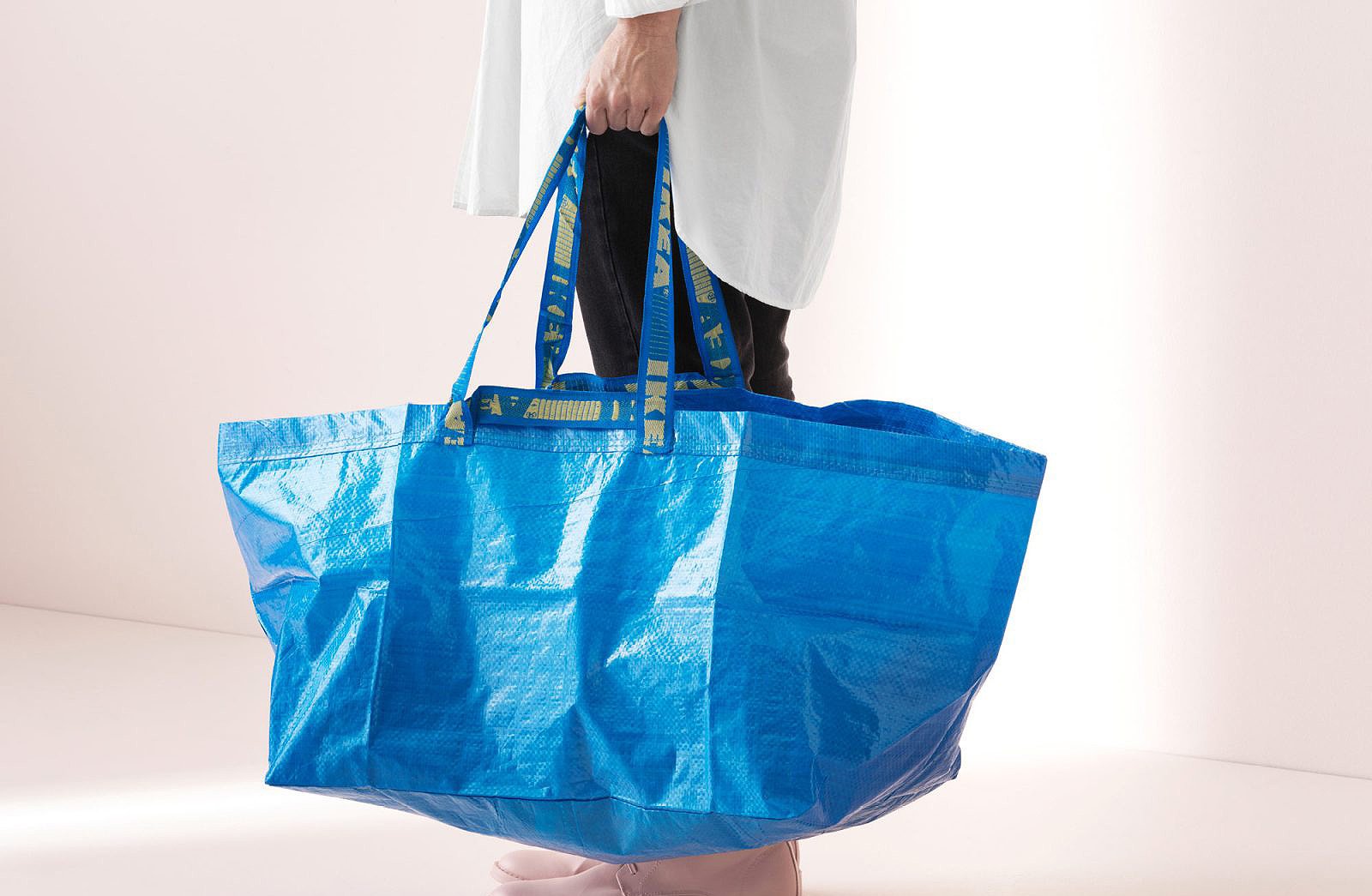
The design of the classic blue bag is not an accident. It is a masterpiece of utility. I often explain to buyers why this specific shape works so well for B2B wholesale. The bag is essentially a large, open box. This allows it to hold odd-shaped items. It can hold laundry, groceries, or camping gear.
The most important feature is the handle system. It has two sets of handles. One set is short for carrying by hand. The other set is long for carrying over the shoulder. This gives the user options. When the bag is very heavy, putting it on your shoulder is easier.
The construction is also unique. It usually has a flat bottom8. This means the bag stands up on its own. This is very helpful at the checkout counter. The cashier can load it easily.
We can look at the typical dimensions for these bags:
- Width: Usually around 55cm to 60cm.
- Height: typically 35cm to 40cm.
- Depth: A deep gusset of 30cm or more9.
This size creates a huge volume. It encourages people to buy more because they can carry more. For a retailer, this is a smart tool. It is not just a bag; it is a tool that helps your customer shop. We have replicated this design for many clients in North America, and it always performs well.
How Can You Verify a PP Woven Bag Factory’s Production Capability?
Late shipments destroy your promotional calendar. You cannot sell what you do not have. Verifying capacity upfront saves you from empty shelves.
Ask for a factory audit10 and photos of their production lines. Check if they have at least 8 production lines11 and over 100 workers. Ensure they handle the entire process, from printing to sewing, in-house to control the timeline.
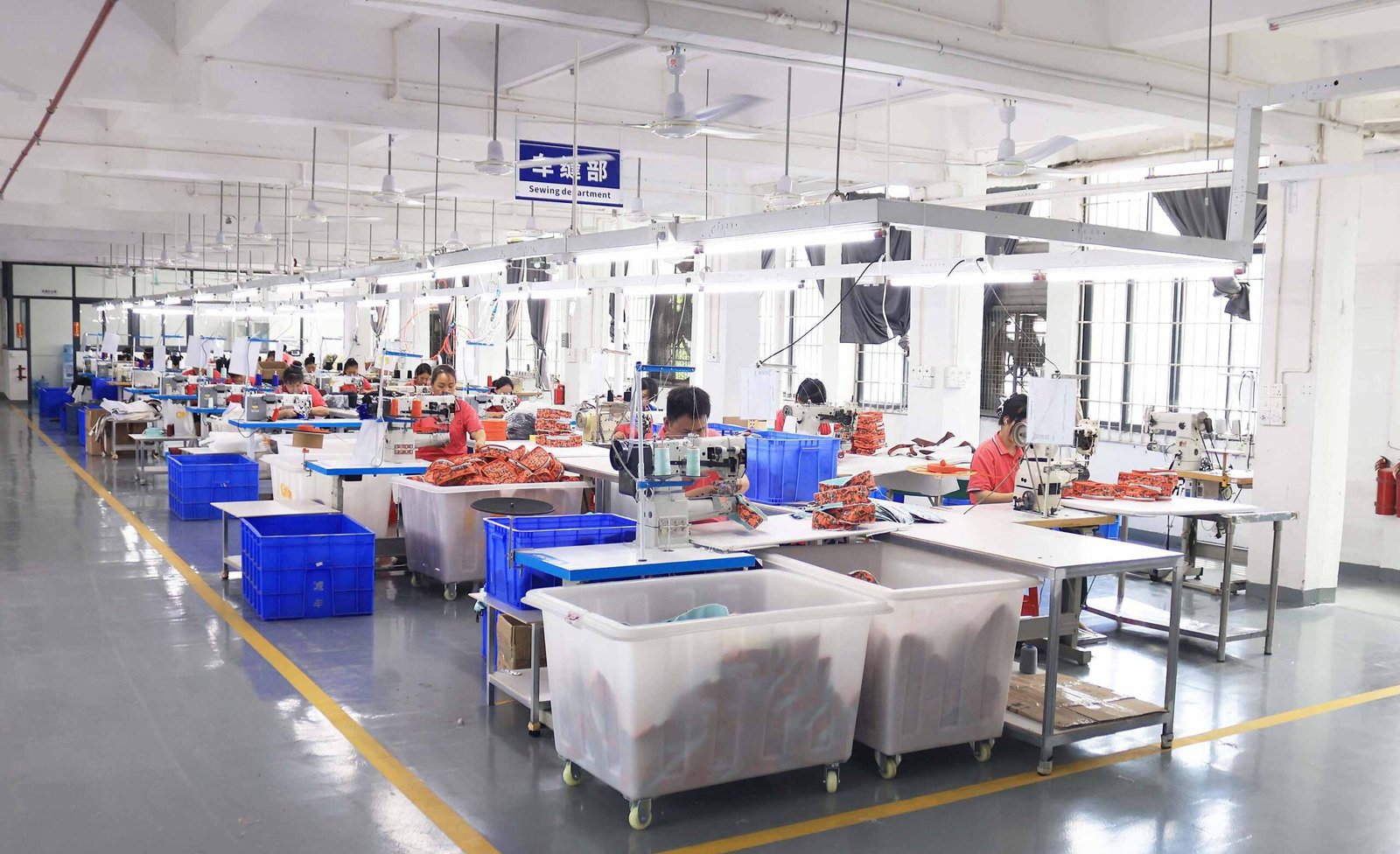
You need to know if your supplier is a real factory or just a trading company. A real factory gives you better control over price and time. At Coraggio, we operate a 3,000 square meter facility12. This space matters. It allows us to store raw materials and finished goods properly.
You should ask about their machinery. We have 8 production lines11. This allows us to run different orders at the same time. If one machine breaks, the others keep working. This protects your delivery date. We also employ 120 skilled workers. Making bags requires human skill, especially for sewing.
Here is a checklist to verify a factory:
- Ask for a video call: See the machines running in real-time.
- Check the worker count: You need at least 100 people for large orders.
- Inspect the QC area: There should be a dedicated space for checking quality13.
- Look at the warehouse: Is it clean and organized?
Efficiency is key. We produce millions of bags annually. We ship to Europe and North America regularly. We understand the pressure of deadlines. A small workshop cannot handle a sudden rush order. A factory with scale can adjust schedules to help you. You want a partner who controls the process from the fabric cutting to the final packing.
What Customization Features Should Large-Scale Buyers Prioritize?
Generic bags fail to build brand loyalty. Your competitors all look the same. Custom features make your brand stand out instantly.
Prioritize high-quality gravure printing14 for sharp logos. Look for custom handle colors and reinforced cross-stitching15. Add functional elements like zippers, velcro closures, or inner pockets to increase the bag's value to the end consumer.
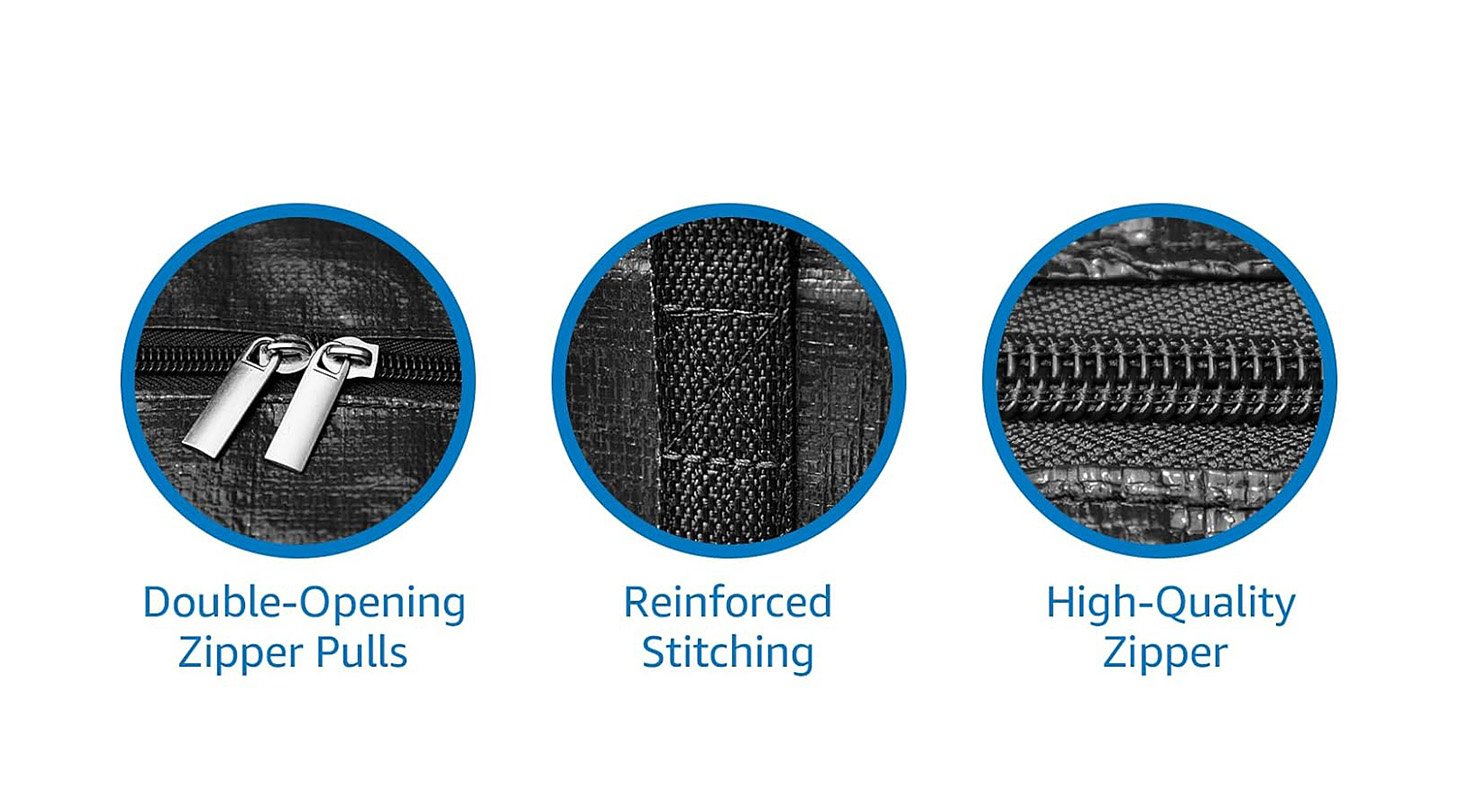
Customization is where you add value. The most critical feature for a heavy-duty bag is the handle reinforcement. You must look for "X-stitching1." This is a sewing pattern in the shape of a square with an X inside. It connects the handle to the bag body. This prevents the handle from ripping off when the bag carries 50lbs.
I also suggest looking at the printing. For PP woven bags, we use gravure printing. This is different from simple silk screening. We print onto a film, and then laminate that film onto the woven fabric. This allows for full-color, photo-quality images. Your logo will look sharp and professional.
You can also add functional details. Here are some popular options we offer:
- Zippers: Keeps contents safe from rain or falling out.
- Velcro: A cheaper alternative to zippers for closing the top.
- Inner Pockets: Great for holding keys or a phone.
- Bottom Board: A stiff insert that keeps the bag flat.
My design team of 10 people helps clients choose the right features. We can match the handle color to your brand logo. We can change the piping color. These small details make the bag look expensive, even if the cost is low. You want a bag that people keep. The more they use it, the more they advertise your brand.
Are PP Woven Bags the Most Cost-Effective Choice for Sustainable Retail?
Eco-friendly options often cost too much for mass retail. You need a green solution that protects margins. PP woven bags offer the best balance.
Yes, because they are reusable hundreds of times, lowering the cost per use16. They are cheaper to produce than cotton or jute. The material is recyclable, making it a budget-friendly option that still meets environmental standards.
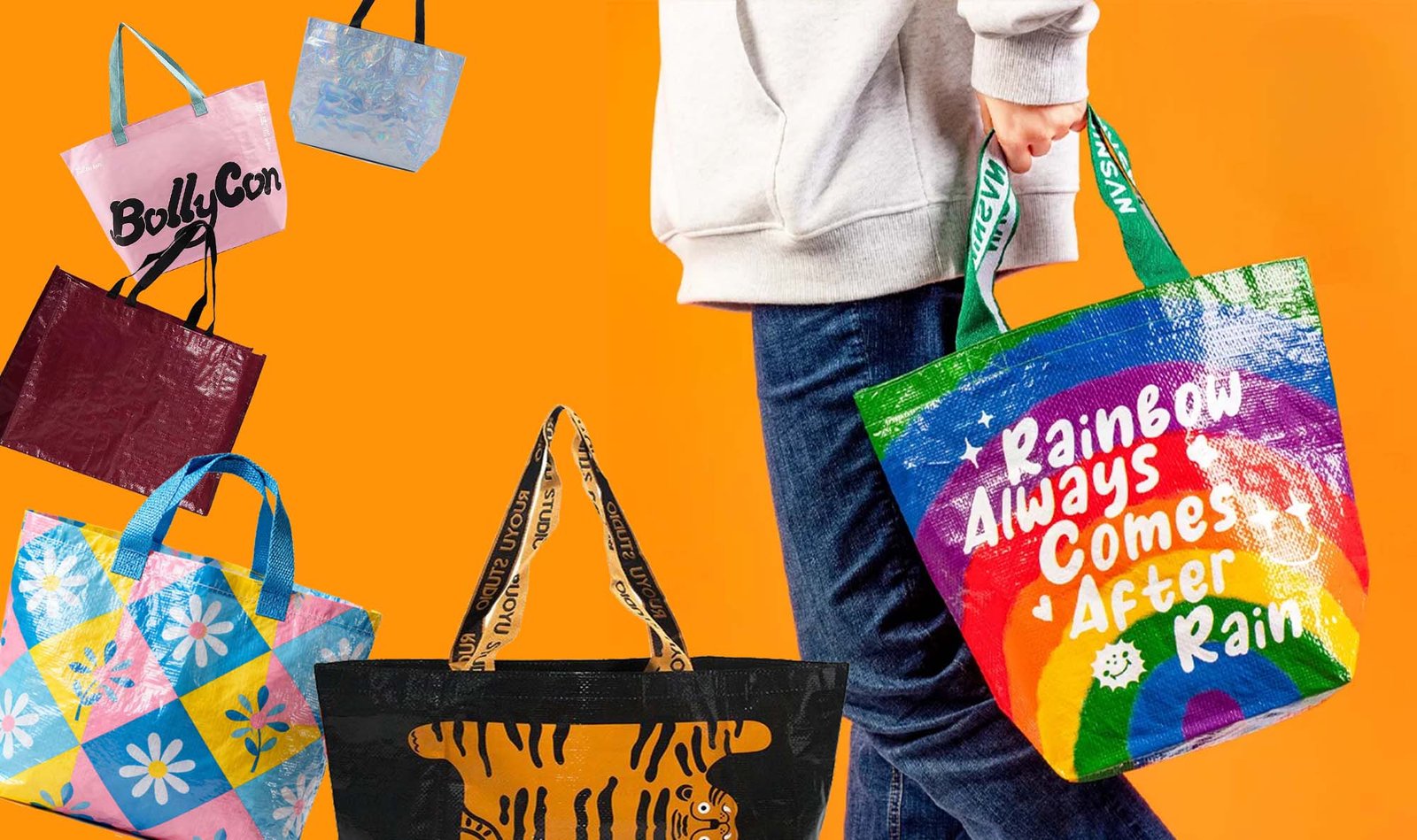
Sustainability is a big topic for buyers today. Mark, and buyers like him, need to show they care about the planet. But they also have a budget. Cotton bags are very expensive. Jute bags are heavy and cost more to ship. PP woven bags are the perfect middle ground.
They are very light. This saves money on shipping freight from China. But they are incredibly strong. One bag can replace hundreds of single-use plastic bags. This is real sustainability. It is the concept of "Reuse."
Let us look at the cost benefits:
- Unit Price: PP woven is cheaper than natural fibers.
- Longevity: It lasts for years.
- Marketing ROI: It is a walking billboard17.
If you buy a paper bag, the customer throws it away after one use. Your brand impression is gone. If you buy a PP woven bag, the customer uses it for the beach, the gym, and the grocery store. They carry your logo all over the city.
We use eco-friendly materials in our process. We minimize waste. For a B2B buyer, this is the smart choice. You get a low price, good quality, and a green story to tell your customers. It satisfies the procurement focus on price and the corporate focus on image.
Conclusion
Finding a great factory requires checking material quality, stitching strength, and production capacity. We ensure your bags are durable and delivered on time. Contact us to start.
View diagrams and tests showing why X-stitching prevents handle tear-out under heavy loads, reducing product failures. ↩
Understand how virgin PP improves strength, durability, and UV resistance so you don’t risk brittle bags that fail in real-world use. ↩
Discover lamination best practices that keep your print looking premium and avoid customer complaints about flaking surfaces. ↩
Verify why nylon thread improves seam strength and longevity, helping you specify better sewing standards to your supplier. ↩
Get a quick technical overview of GSM so you can read spec sheets correctly and compare competing quotations with confidence. ↩
Break down the ergonomics and capacity that made this format a retail icon, and see how to adapt it for your own brand. ↩
Learn how handle configurations affect comfort and user experience so you can design bags that customers actually prefer to carry. ↩
Explore how a flat base enhances packing efficiency, stability in carts and trunks, and perceived quality at checkout. ↩
See practical examples of volume gains and loading ease so you can pick dimensions that truly fit your product mix. ↩
Access structured audit checklists to verify real production capability, compliance, and quality control before you commit. ↩
Understand how line count affects lead times, backup capacity, and risk mitigation for time-sensitive retail promotions. ↩
Learn how factory size translates into storage, workflow efficiency, and the ability to handle peak-season volumes. ↩
See best-practice examples of QC stations so you know what to request in photos, videos, or third‑party inspection reports. ↩
Discover how gravure delivers sharper logos and photo images, helping your bags function as premium mobile advertising. ↩
Understand the mechanics of this stitch pattern so you can include it as a non-negotiable requirement in your specs. ↩
Use real formulas and case studies to prove ROI internally and justify a switch to reusable woven bags to stakeholders. ↩
Explore marketing studies that quantify impressions and brand recall from logo bags, strengthening your business case. ↩