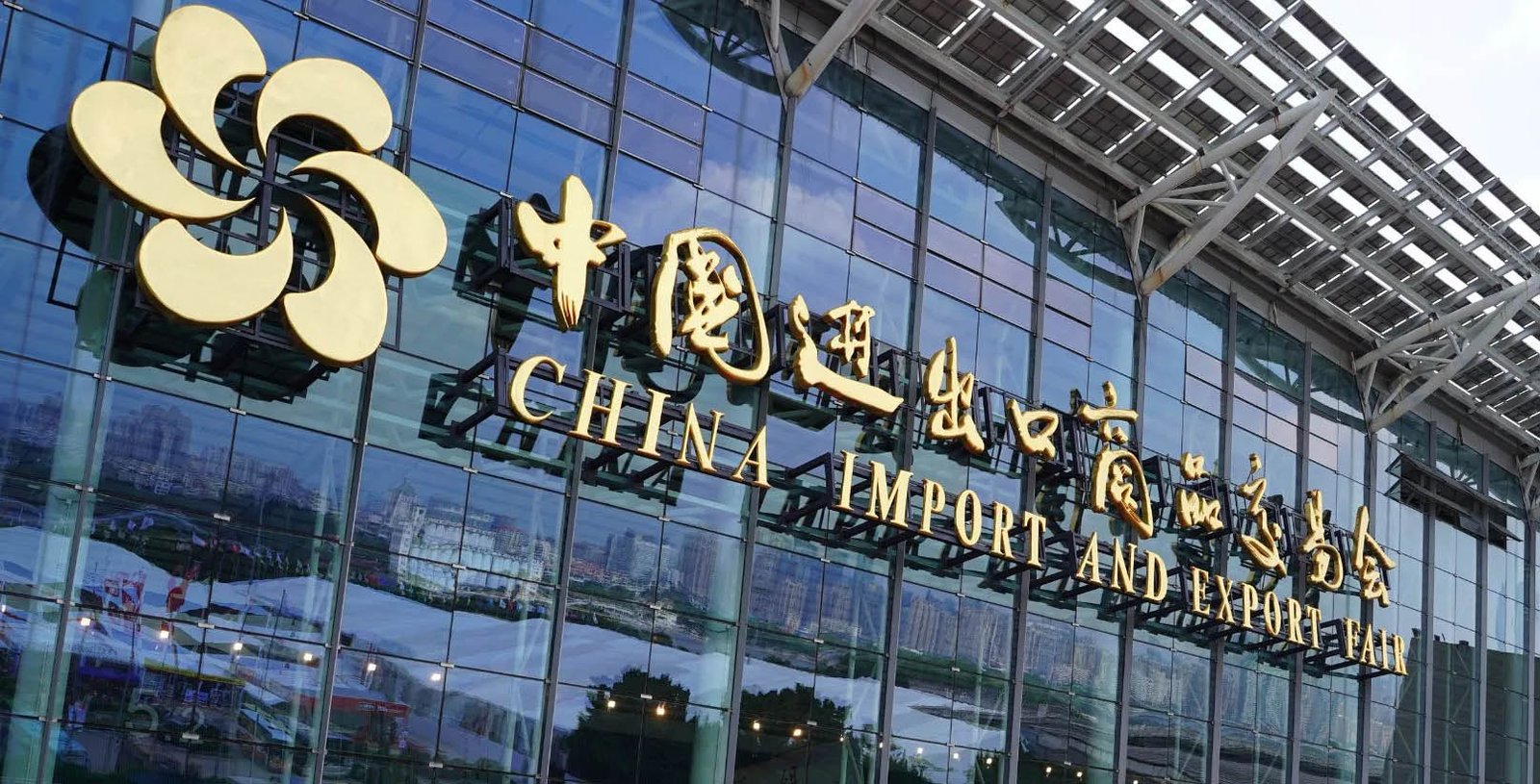
The Canton Fair is massive and overwhelming. You often waste time with middlemen pretending to be factories1. This leads to high costs and communication delays for your business.
To find reliable bag factories, visit Phase 3 in the luggage section2. Verify their manufacturing identity by asking for factory videos, machinery lists, and BSCI certifications3. Test their technical knowledge on material costs and bag construction. Always validate their claims with a small trial order4 before committing.
I have spent 15 years running my own factory, Coraggio. I have seen many buyers struggle to separate real manufacturers from traders. I want to share my experience to help you save money and time.
Which Canton Fair Phase and Area Should Bag Buyers Visit?
You arrive at the fair but cannot find the bag section. The venue is too big. You lose a whole day just walking around the wrong halls.
The Canton Fair is split into three phases. Bags and luggage are usually in Phase 3. You should head directly to the "Cases and Bags" section. Check the official floor plan online5 before you book your flight to save time.
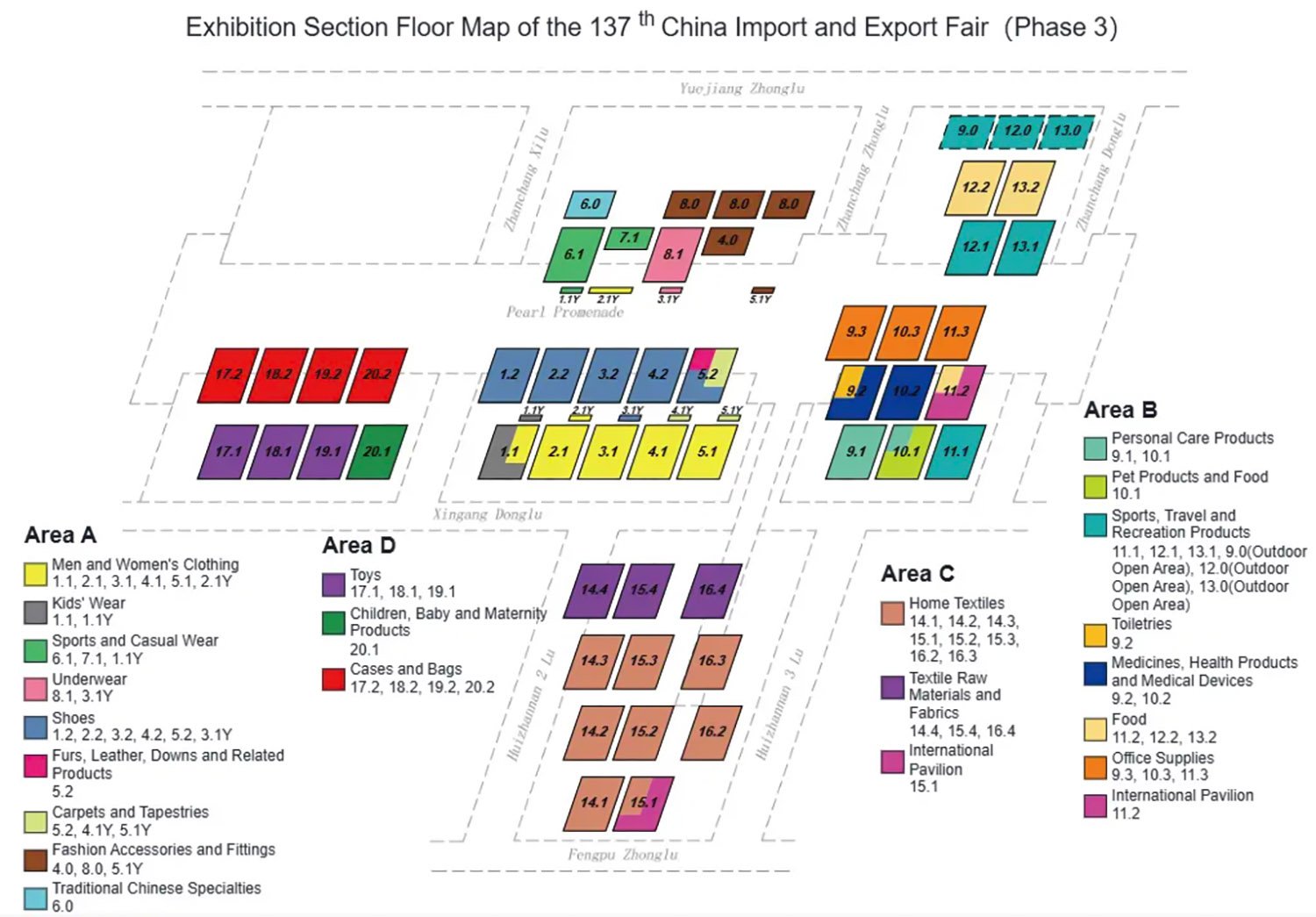
The Canton Fair has strict schedules. If you come during Phase 1, you will see electronics and machinery, not backpacks or tote bags. For bag buyers like you, Phase 3 is the only time that matters. This usually happens in early May (Spring) or early November (Autumn). The venue is the huge Canton Fair Complex in Pazhou. You need to look for the "Cases and Bags" zone. It is often in Area B or C, but this changes sometimes. You must check the map before you enter.
| Phase | Products Displayed | Suitability for Bag Buyers |
|---|---|---|
| Phase 1 | Electronics, Machinery, Hardware | Low |
| Phase 2 | Home decor, Gifts, Toys | Medium (Good for gift bags) |
| Phase 3 | Textiles, Shoes, Cases & Bags | High (This is your target) |
Don't just look at the big booths in the main walkways. The big booths are very expensive to rent6. These suppliers often have higher prices to cover their marketing costs. You should walk into the smaller aisles. Sometimes, good factories like mine choose smaller standard booths7 to keep our overhead costs low. We pass these savings to you. Make a plan before you enter the hall. Mark the booth numbers of suppliers you found online first. Then, explore the nearby aisles to find hidden gems.
How Can You Tell a Real Bag Factory from a Trading Company?
Middlemen often pose as factories. They increase your price and delay your answers. You need to know who is actually making your products to control quality.
Ask for the exact factory address and request a video call from the production line. Trading companies usually have offices in city centers, not industrial zones. Real factories have specific machinery and can explain production steps in detail immediately.
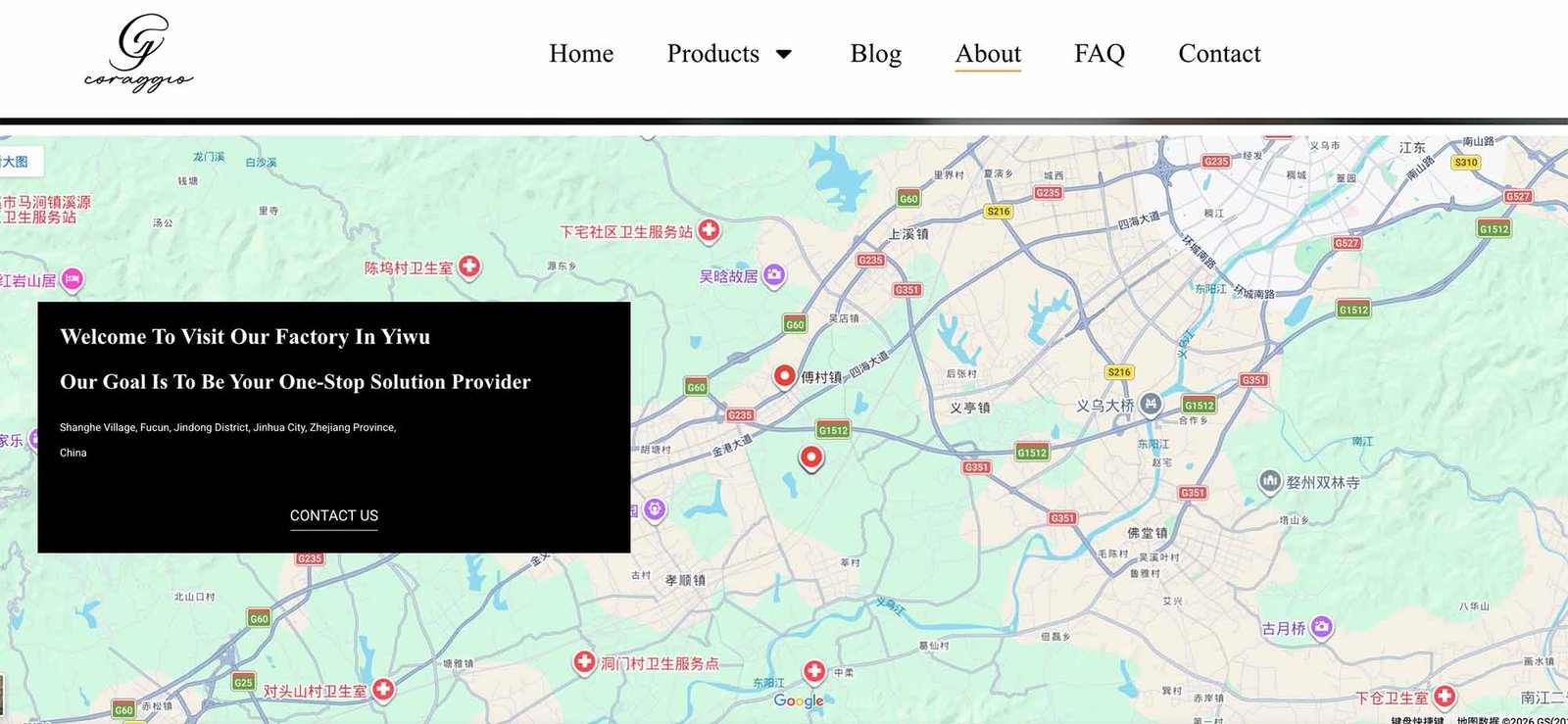
This is the hardest part for many buyers. Everyone at the fair says "we are the factory." But many are just traders. First, look at their business card. Is the address in a downtown office building or a high-end commercial tower? That is likely a trader. A real factory is in an industrial zone or a suburb8. I invite clients to visit my 3,000 sqm facility because I have nothing to hide. If they make excuses about why you cannot visit, be careful.
| Feature | Real Factory (Like Coraggio) | Trading Company |
|---|---|---|
| Address | Industrial Zone / Suburbs | Commercial Skyscraper / City Center |
| Technical Answers | Instant and detailed | "I will check with my engineer" |
| Customization | Flexible (we own the lines) | Difficult (they must ask others) |
| Price Structure | Factory Direct Cost | Factory Price + Commission |
Ask them about their machines. Ask "How many stitching lines do you have?9" I would tell you immediately that I have 8 lines and 120 workers. A trader might hesitate or guess. Ask them to show photos of the workshop10 on their phone right now. Real owners have hundreds of photos of their floor, their workers, and their messy raw material storage. Traders usually only have polished product photos. You want to see the real production environment, not just a showroom.
What Questions Should You Ask to Verify MOQ, Capacity, and Lead Time?
You place an order, but they say the quantity is too small. Then they deliver two weeks late. This hurts your reputation with your own customers.
Discuss "Hard Indicators" upfront. Ask: "What is your daily output for this specific bag?" and "What is the MOQ for custom fabric versus stock fabric11?" Reliable suppliers give specific numbers, not vague promises like "we can do anything."
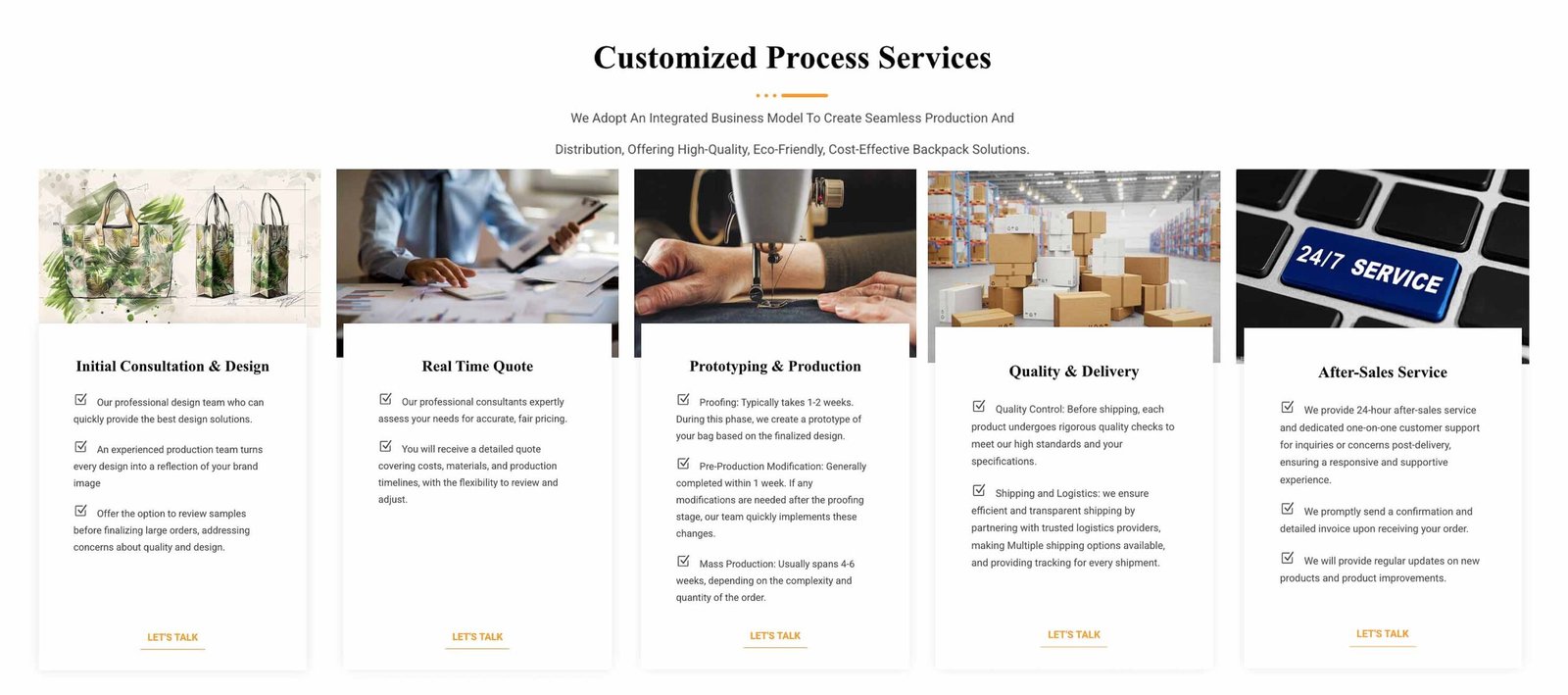
Do not just ask "What is your MOQ?" The answer is usually complex. If you want custom fabric with a specific Pantone color12, the material factory sets the MOQ, not the bag factory. If you use stock fabric11, I can make smaller numbers for you. You need to ask specific questions to get the truth. A good supplier will explain the difference between buying stock material and ordering fresh material. This shows they understand the supply chain.
Here is a breakdown of questions you must ask to test their honesty:
- Sampling Time13: "How long does it take for a counter sample?" (Standard is 5-7 days). If they say 2 days, they might send you a stock sample, not a new one.
- Peak Season14: "How does your lead time change before Chinese New Year?" Honest factories will tell you it takes longer. Dishonest ones will say "same time."
- Capacity: "How many pieces of this specific tote bag can you make in one week?"
At Coraggio, we are honest about capacity. If my 8 lines are full, I tell you. A bad supplier says "yes" to everything and then outsources your order to a cheap workshop. This causes quality issues. Ask for their production schedule. Ask if they do OEM for other big brands. If they handle big volume for others, they likely have good management systems.
Which Certifications and Compliance Proof Should Bag Suppliers Provide?
Your local customs might block your goods if paperwork is missing. Your customers might reject products made in unethical factories. You face legal and ethical risks.
Request to see physical copies of ISO 9001 for quality management and BSCI for social compliance. Check the expiration dates and ensure the company name matches the business card. These documents prove they meet international standards.
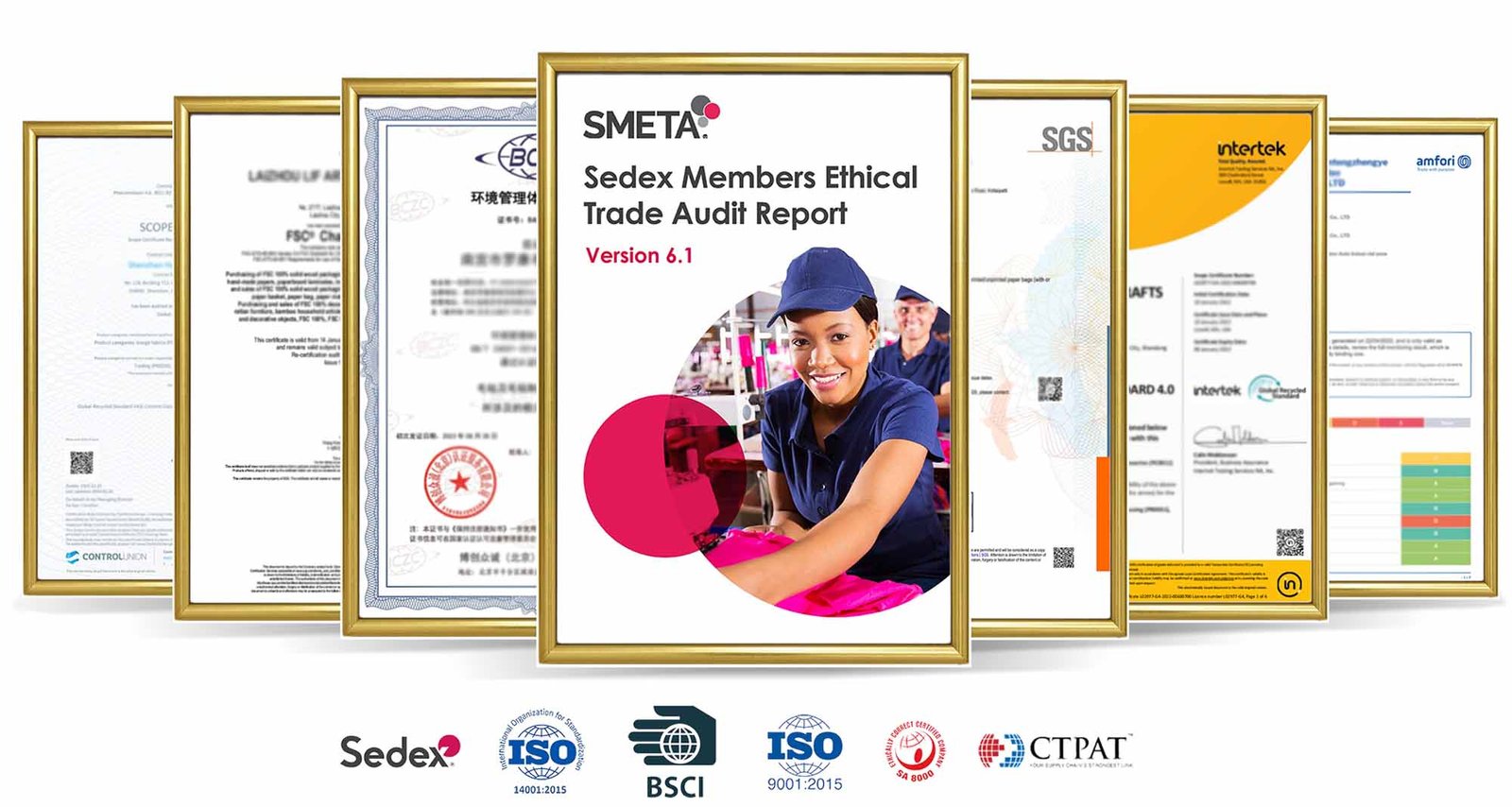
Certificates are the passport for your products. In North America and Europe, you need assurance. I always show my clients our ISO 9001 certificate15. This proves we have a system to keep quality consistent. Social compliance is also huge now. Large supermarkets and brands will not buy from you if the factory uses child labor or is unsafe. You need to protect your brand reputation.
| Certificate | Purpose | Why You Need It |
|---|---|---|
| ISO 9001 | Quality Management | Ensures consistent product quality |
| BSCI / SEDEX16 | Social Responsibility | Ensures ethical labor practices |
| REACH / Prop 65 | Material Safety | Ensures no harmful chemicals |
Watch out for fake certificates. I have seen traders use a Photoshop file. Ask them to email the PDF so you can verify the number online. Also, ask for "Recent Shipping Records17." Ask them to cover the buyer's name for privacy, but show the Bill of Lading. This proves they actually export to Canada, USA, or Europe. If they have no records, they are either new or risky. A factory with 15 years of experience like ours will have a thick file of past shipments. This is the best proof of reliability.
How Do You Audit Quality on the Spot and Confirm Production Capability?
A sample looks good at the booth, but the mass production fails. You receive thousands of bags with broken zippers. This destroys your profit margin.
Pick a complicated bag at their booth and ask them to break down the cost18. Ask about the stitching method, material backing, and reinforcement points. If they explain technical details clearly and consistently, they know their production.
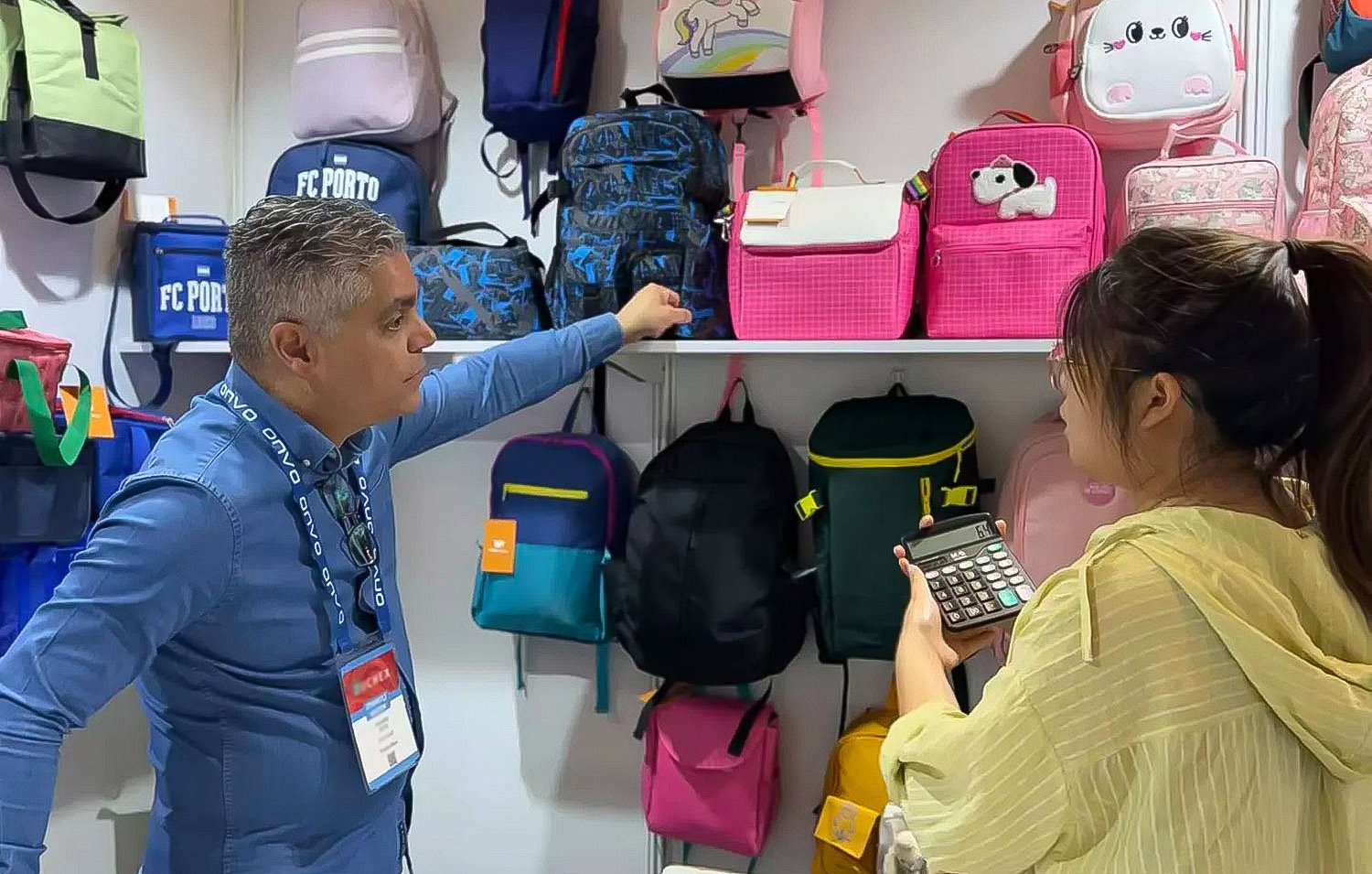
You don't need to be a sewing expert. But you need to test their expertise. Pick a bag from the shelf. Ask: "How much is this material per yard?" Ask: "Is this handle cross-stitched for strength?" A salesperson from a trading company will not know these details. A factory owner or an experienced sales manager will know exactly how the bag is built. They can tell you why one zipper is better than another.
Here is a simple process to verify quality capability at the booth:
- Material Check: Feel the thickness. Ask about the backing (PVC or PU). Good backing prevents tearing.
- Structure Check: Look inside the bag. Are the seams bound with tape? Are the raw edges hidden?
- Cost Breakdown: Ask them to estimate the material cost versus the labor cost. If they can break it down, they understand their pricing.
Finally, do not order 50,000 pieces immediately. I always suggest a trial order to new clients. Start with a small batch. Then, hire a third-party inspection team (like SGS or V-Trust)19 to visit the factory before shipment. We welcome this at Coraggio. It protects you. If a supplier refuses inspection, run away. This is the only way to keep your risk low.
Conclusion
Finding a reliable partner like Coraggio requires verifying factory details, checking certifications, and testing technical knowledge. Always start with a trial order and inspection to minimize your risks.
Learn tactics to bypass costly intermediaries so you can deal directly with real manufacturers and improve your margins. ↩
Understand exactly what is displayed in Phase 3 so you don’t waste days walking the wrong halls and missing key suppliers. ↩
See real examples of documentation you should request to confirm a supplier’s production capability and social compliance. ↩
Discover how trial orders reveal quality, lead time reliability, and communication issues before you risk big capital. ↩
Learn how to pre-mark booths and zones so you save time on-site and avoid wandering the massive complex blindly. ↩
Understand the cost structure behind large booths so you don’t overpay for suppliers who pass on heavy marketing expenses. ↩
See why lean factories avoid flashy setups and how that can translate into more competitive pricing for you. ↩
Learn how location clues help you distinguish real manufacturers from trading companies posing as factories. ↩
Find out how stitching lines translate into real weekly output so you can match factory capacity with your order size. ↩
Get a checklist of visual signals in workshop photos that indicate genuine production versus staged showrooms. ↩
See how stock materials let you start with lower quantities and faster deliveries, reducing your upfront risk. ↩
Understand why custom-dyed fabrics require higher quantities and how that impacts your costing and inventory planning. ↩
Learn normal sampling timelines so you can spot red flags when lead times seem unrealistically fast or vague. ↩
Prepare your buying calendar around seasonal production bottlenecks to avoid late deliveries and stockouts. ↩
Protect yourself from fake documents by learning how to cross-check certification numbers and company names properly. ↩
Ensure your suppliers meet ethical labor standards accepted by major retailers and international brands. ↩
Use real export records to confirm a supplier’s experience with your target markets and shipment volumes. ↩
Learn what a transparent cost breakdown looks like so you can negotiate smarter and spot inflated quotations. ↩
See how independent inspections catch quality issues before shipment, protecting your brand and profit margins. ↩