Bag buyers face a hard choice in 2026. Costs move fast, tariffs change, and delays can ruin a season. A wrong sourcing base can cut margin and slow growth.
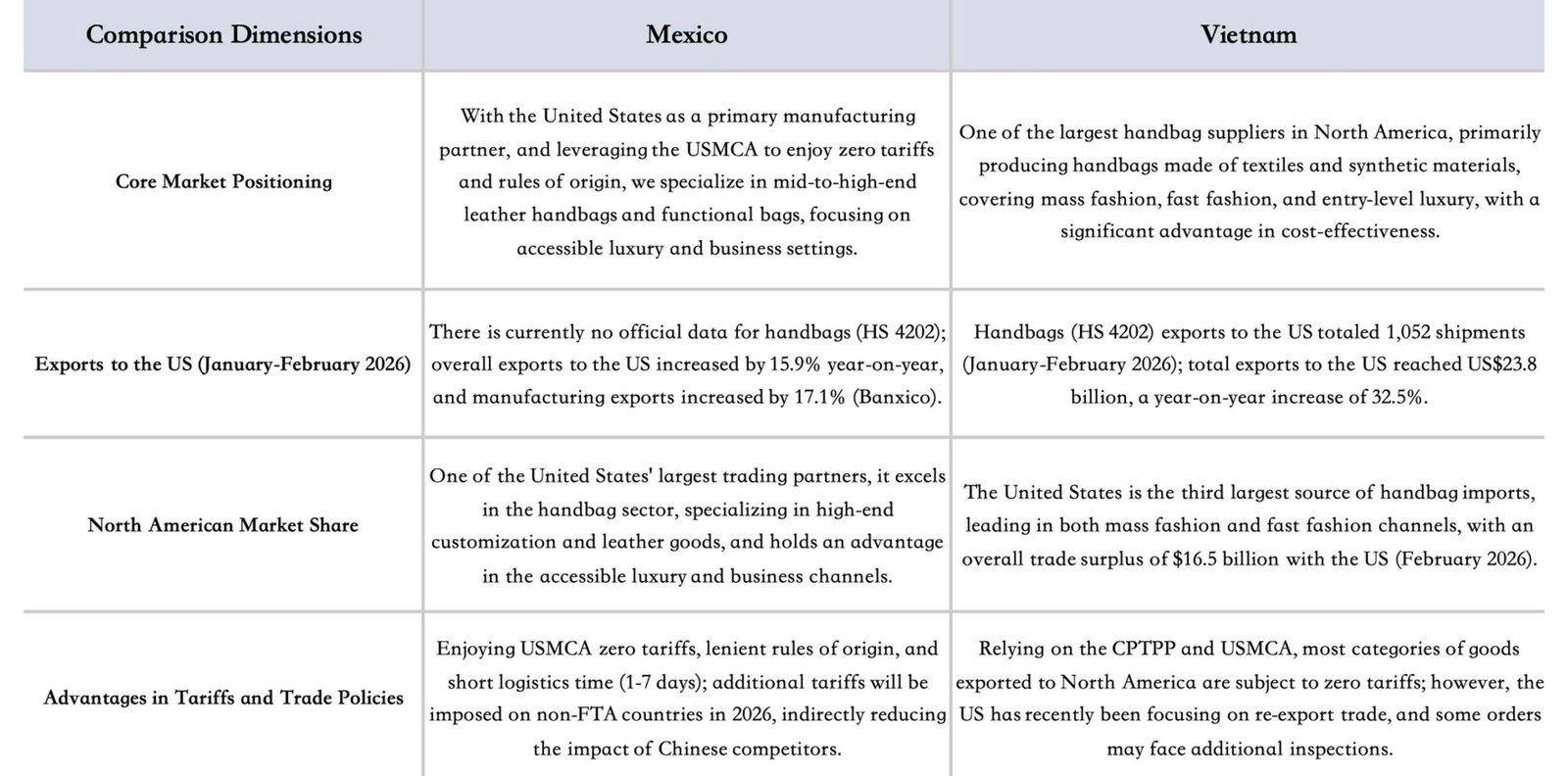
If your main market is North America, Mexico is often better for speed, tariff benefits, and easier replenishment. If you need lower manufacturing cost and larger volume1 for Europe or big retail programs, Vietnam is often the better value. In 2026, many buyers will use both.
I have seen many buyers ask this question as if there must be one perfect answer. I do not think that is how sourcing works now. In my experience, the right answer depends on where you sell, how fast you reorder, what margins you need, and how much risk you can carry. That is why this topic matters more in 2026 than it did a few years ago.
Is Mexico or Vietnam Cheaper for Handbag Manufacturing in 2026?
Many buyers chase the lowest quote and then get surprised by hidden cost. I have seen cheap factory prices turn into expensive landed cost after freight, defects, and rework.
Vietnam is usually cheaper for direct manufacturing cost in 2026, especially for labor-heavy handbags2 and large orders3. Mexico can still be cheaper in total landed cost4 for North America when tariffs, freight, and faster restocking reduce overall risk and inventory expense.
When I compare cost, I never look at labor only. I look at the full picture. Vietnam has a strong cost edge in many bag categories because labor is still competitive and the bag industry keeps expanding. That growth matters. It means more supplier options, more trained workers, and better support for volume programs. For simple tote bags, backpacks, cosmetic bags, and many fashion handbags, Vietnam often gives a lower unit price than Mexico. This is especially true for big runs5.
But factory price is not the whole story. If I sell mainly in the US or Canada, Mexico can change the math. Freight is shorter and often cheaper. Reorder speed is better. Inventory pressure is lower. I do not need to lock so much money into stock sitting on the water. If a style sells faster than planned, I can react sooner.
Here is how I usually frame it:
| Cost Factor | Mexico | Vietnam |
|---|---|---|
| Labor cost | Higher | Lower |
| Factory unit price | Often higher | Often lower |
| Freight to North America | Lower | Higher |
| Reorder flexibility | Strong | Moderate |
| Inventory carrying cost | Lower | Higher |
| Best fit | Fast retail turns6 | Big volume cost control |
I have also learned that complexity changes cost7. If the bag needs many hand steps, Vietnam often wins. If the project needs speed, stable repeat orders, and less shipping risk, Mexico can be more cost-effective in the end.
Which Country Has Faster Lead Times for Bag Sourcing: Mexico or Vietnam?
Slow lead time can kill a good program. I have watched buyers miss shelf dates not because the bag was wrong, but because the bag arrived too late.
Mexico usually offers faster lead times for North American buyers because production is closer and shipping is shorter. Vietnam often needs longer total lead time, but it can still work well for planned bulk orders with stable forecasts8.
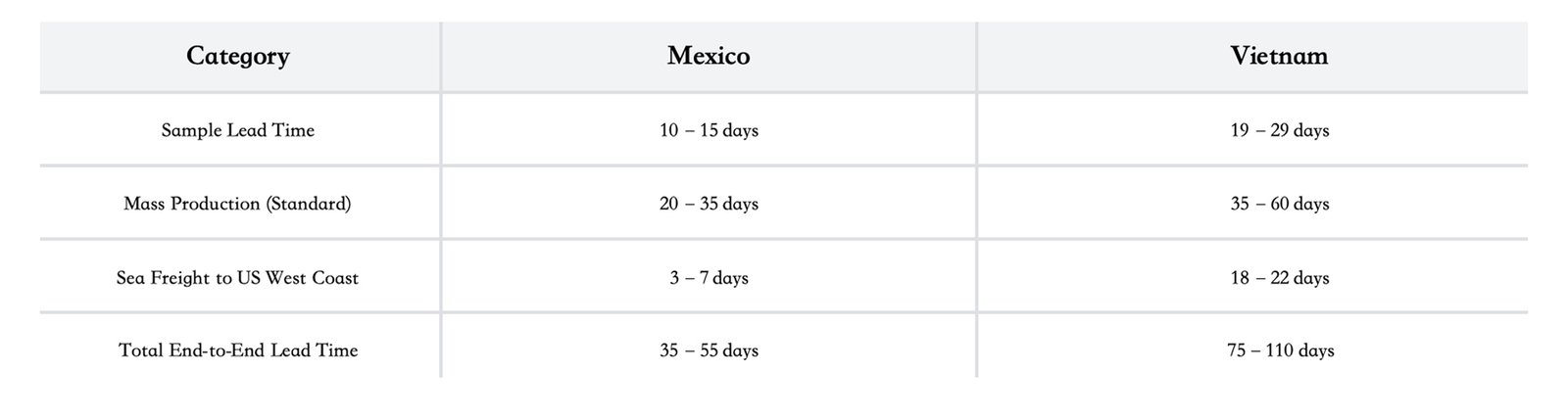
Lead time is not just one number. I break it into development time, sample time, production time, and transit time. Mexico has a clear edge in total delivery cycle9 for buyers serving the US, Canada, and in some cases Latin America. The distance is short. Communication is often easier in the same time zone or close to it. That helps with approvals and daily problem solving.
I remember one project where the buyer needed a repeat order on a promotional duffle bag after the first batch sold out early. In a nearshore setup10, that kind of reorder can save the season. In a farshore setup, the same reorder can arrive after the peak is over.
Vietnam is not weak on production planning. Good factories there can run large orders3 very well. The issue is total cycle length. Ocean freight takes longer. Raw material planning can also add time if trims are imported or if the style has special fabric needs. That means Vietnam works best when I have solid forecasts and enough buffer.
This is how I think about lead time:
| Lead Time Item | Mexico | Vietnam |
|---|---|---|
| Sampling speed for North America | Faster | Moderate |
| Production cycle | Competitive | Competitive for big volume |
| Shipping to US/Canada | Much faster | Slower |
| Emergency replenishment | Strong | Limited |
| Best use case | Fast-turn business | Planned seasonal orders |
If speed is a core part of the business model, Mexico is hard to ignore. If the calendar is stable and the order size is large, Vietnam remains very practical.
How Do Tariffs Affect Bag Buyers Sourcing from Mexico vs. Vietnam?
A buyer can negotiate a great price and still lose margin because of tariffs. I have seen this happen more than once, and it always hurts after the goods are already moving.
Tariffs can make Mexico much more attractive for North American bag buyers, especially under USMCA rules when products qualify. Vietnam may still win on factory cost, but tariff exposure can narrow or erase that advantage depending on bag category and import market.
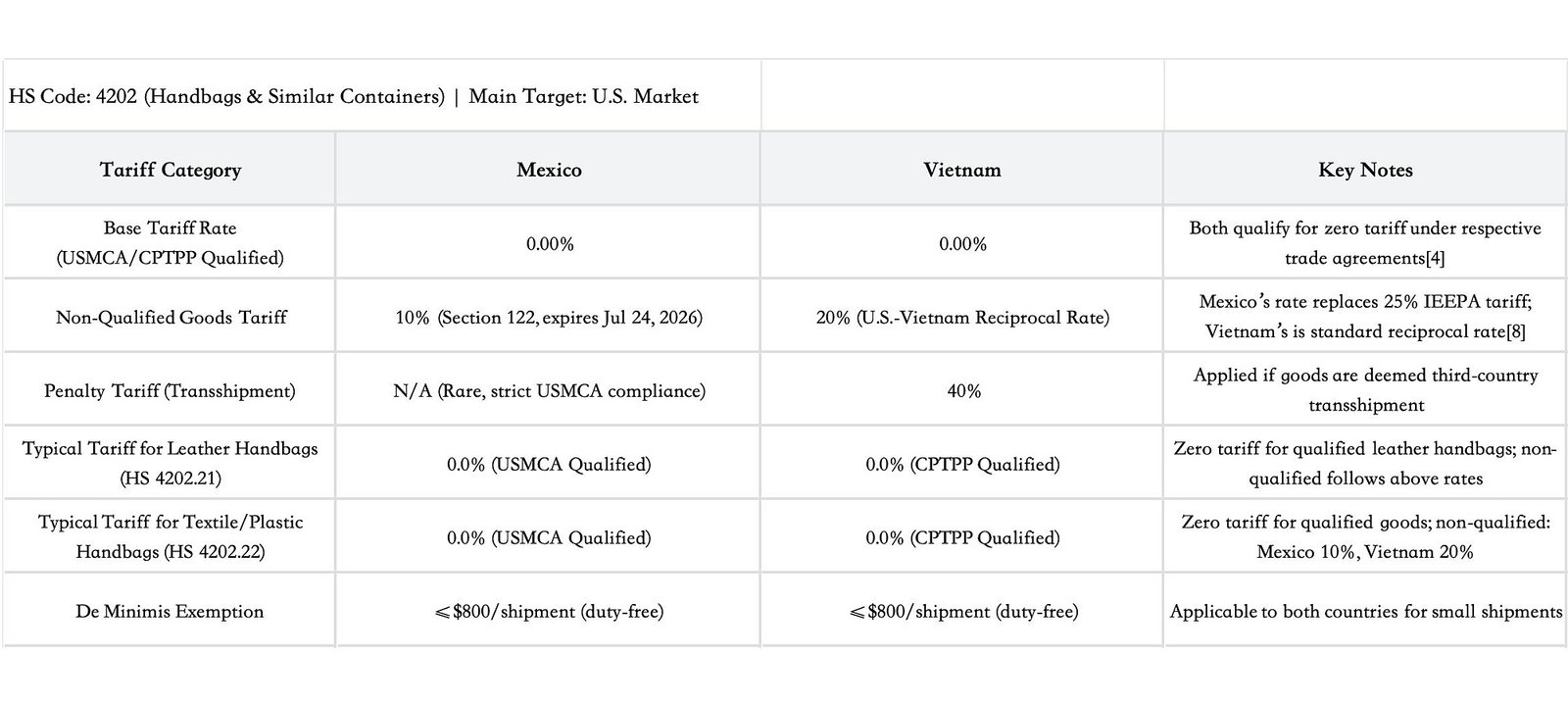
Tariffs are one of the biggest reasons this question matters in 2026. For buyers selling into the US, Mexico has a strong advantage because of regional trade rules. But I always remind people that “Made in Mexico” is not enough by itself. The product must meet the rules of origin11 and the documentation must be right. If not, the expected duty benefit may not apply.
Vietnam does not have the same North American tariff advantage as Mexico in many cases. Still, Vietnam can remain competitive because manufacturing cost is lower. This is why smart buyers do not compare tariffs in isolation. I compare tariffs with unit cost, freight, delay risk, and sales strategy.
Here is a simple view:
| Tariff Issue | Mexico | Vietnam |
|---|---|---|
| North America trade advantage | Strong potential | Weaker |
| Documentation importance | Very high | High |
| Risk of margin loss from duty | Lower if compliant | Higher in many cases |
| Best for US-focused business | Yes | Case by case |
I also think tariffs affect buyer behavior beyond cost. They affect confidence. Large retailers like predictable landed cost12. Importers like fewer surprises. If I know my compliance path is stable, I can quote more accurately to my customers. That has real value.
For Europe, the picture can change. Then Vietnam may look more attractive depending on trade terms, supplier base, and total cost. So the market you serve should drive the tariff discussion, not just the factory quote.
Can Small Bag Brands Afford to Source from Mexico or Vietnam?
Small brands often think sourcing abroad is only for big players. I do not agree. The real problem is not size alone. The real problem is choosing the wrong model.
Small bag brands can source from both Mexico and Vietnam, but affordability depends on MOQ, design complexity, cash flow, and shipping strategy. Mexico often fits smaller, faster orders for North America. Vietnam often fits cost-driven growth once volume becomes more stable.
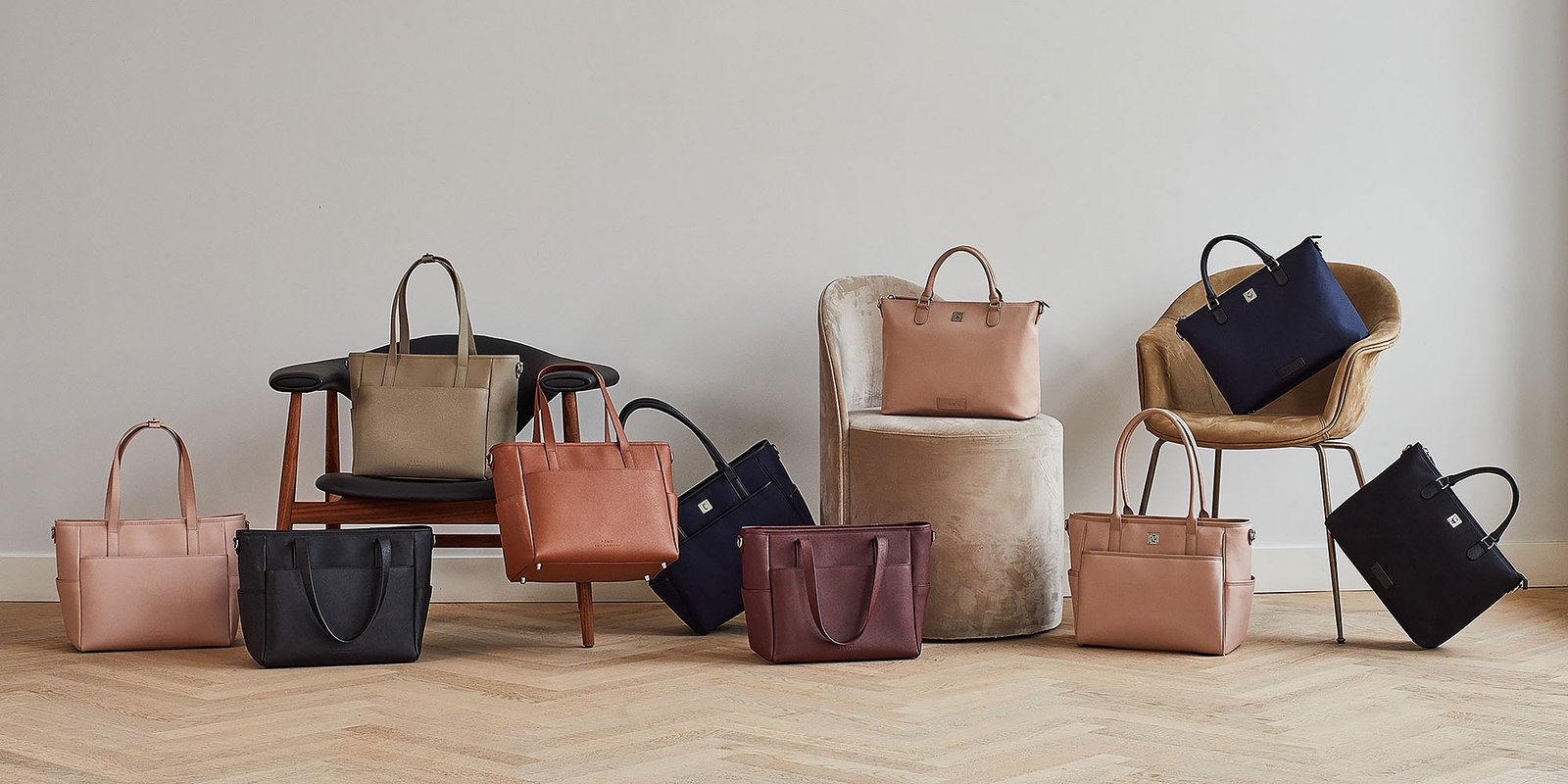
I have worked with buyers who had strong ideas but limited technical knowledge. That is common. A small brand can succeed if the supplier gives clear guidance, controls quality, and keeps communication simple. But the brand must match its stage to the right sourcing country.
Mexico can work well for smaller brands that need lower inventory risk. If I do not want to bet too much money on one season, shorter lead time helps. I can test styles in smaller runs, then reorder faster. This model is useful for brands that sell online, run frequent launches, or need to react to market feedback.
Vietnam can also work for small brands, but only if the product plan is disciplined. Many Vietnamese suppliers prefer larger volume, though this varies a lot. If the brand has clear specs, fewer changes, and enough time, Vietnam can offer very good value. But if the brand keeps changing details and asking for tiny runs, the process can become expensive in indirect ways.
I usually ask small buyers to review these points:
| Small Brand Factor | Mexico | Vietnam |
|---|---|---|
| MOQ flexibility13 | Often better for nearshore testing | Often stronger at scale |
| Cash tied up in stock14 | Lower | Higher |
| Sampling and revision speed | Faster for North America | Slower |
| Unit price | Higher | Lower |
| Good for early-stage testing15 | Yes | Sometimes |
| Good for scaling stable SKUs16 | Yes | Yes, especially cost-wise |
If I were advising a small brand in North America, I would often say this: use Mexico for early testing and speed, then move selected proven styles to Vietnam when volume grows. That path can lower risk and protect cash.
Should You Split Bag Orders Between Mexico and Vietnam in 2026?
Putting all orders in one country feels simple, but it can be dangerous. One delay, one policy shift, or one factory problem can hurt the whole season.
Yes, many bag buyers should split orders between Mexico and Vietnam in 2026. Mexico can handle speed, replenishment, and North American compliance needs. Vietnam can support lower-cost bulk production. A dual-source model17 often gives better balance, resilience, and margin protection.
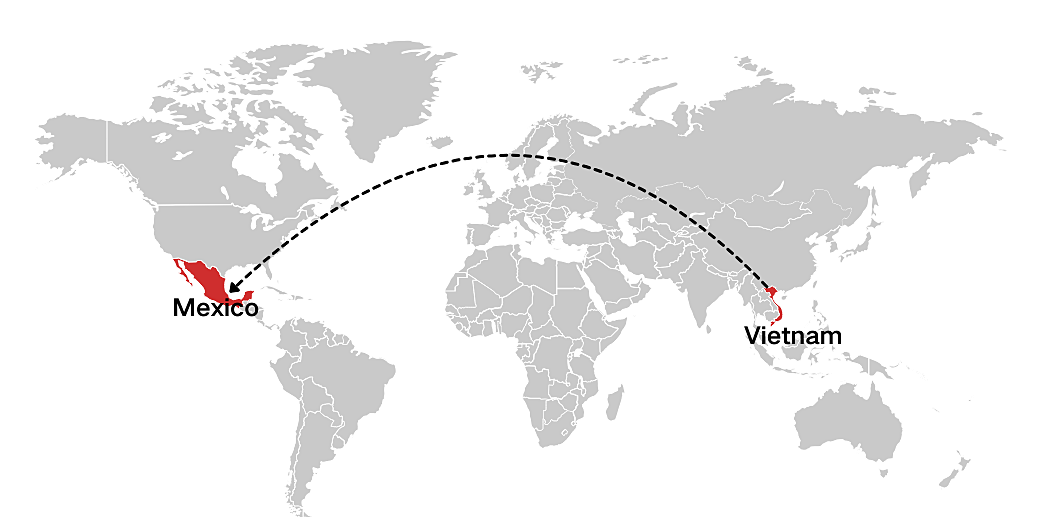
This is the strategy I see more often now, and I think it is a smart one. I would not put all products into the same bucket if the business has different needs across channels or seasons. A dual-source setup lets me match the country to the job.
For example, I may place core high-volume promotional totes or fashion basics in Vietnam because the cost is strong and the production base is deep. At the same time, I may place short-cycle retail programs, urgent repeats, or North America-focused private label launches in Mexico. This lowers risk in two ways. First, it protects against disruption in one region. Second, it improves the fit between sourcing model and sales model.
This is one simple way to split:
| Order Type | Best Fit |
|---|---|
| Large annual volume with stable forecast | Vietnam |
| Fast repeat orders for US or Canada | Mexico |
| Seasonal programs with long planning window | Vietnam |
| Trial launches and market tests | Mexico |
| Backup production for risk control | Both |
I do think split sourcing needs management discipline. Specs must be clear. Quality standards must be aligned. Materials may need adjustment by region. Packaging must stay consistent. But if the system is managed well, the benefits are real.
In my own view, 2026 is not the year to think in black and white. It is the year to build options18. Buyers who keep all risk in one country may save effort today, but they may pay more later. Buyers who build two good lanes often gain better control, better response speed, and better negotiating power too.
Conclusion
Mexico wins on speed and North American advantage. Vietnam wins on cost and scale. In 2026, I believe many smart bag buyers should use both, not just one.
Learning how to use low-cost, high-volume production smartly can boost margin while keeping supply and quality under control. ↩
Knowing why certain labor-intensive styles fit Vietnam better helps you align product design with the most cost-effective sourcing base. ↩
Large orders magnify both savings and risk; understanding planning, QC, and logistics protects your margin at scale. ↩
Understanding total landed cost helps you avoid “cheap” quotes that become expensive after freight, duties, defects, and inventory are added. ↩
Big runs can deliver great cost savings but create risk; expert guidance helps you plan volume without overstock or quality issues. ↩
If your model relies on fast turns, you need sourcing structures built for speed; this resource shows how to match supply to sell-through. ↩
Design complexity can quietly erode margin; learning this helps you engineer styles that look premium but are efficient to produce. ↩
Stable forecasts are key to making long-lead, farshore sourcing work without chronic overstock or stockouts. ↩
Seeing the full delivery cycle, not just factory lead time, helps you avoid late shipments and missed selling windows. ↩
Nearshoring can cut transit time, ease communication, and reduce risk; this helps you decide when it beats farshore sourcing. ↩
If you rely on tariff benefits, misunderstanding rules of origin can erase your margin; this explains how to qualify correctly. ↩
Predictable landed cost lets you price confidently and protect margin, especially when tariffs and freight are volatile. ↩
MOQ flexibility often decides whether a small brand can test new styles safely without tying up too much cash in stock. ↩
Reducing cash in inventory frees budget for marketing, new designs, and survival during slow seasons. ↩
A good testing setup lets you trial designs in the market quickly and cheaply before committing to big production runs. ↩
Once a SKU proves itself, scaling it efficiently is where real profit comes from; methods here help you capture that upside. ↩
Dual-sourcing can improve resilience and negotiation leverage, but only if you manage specs, quality, and logistics correctly. ↩
A supply chain with real options lets you pivot on cost, speed, and risk as markets and policies change, instead of being stuck. ↩