The problem is no longer far away. If I buy handbags globally, delays, rising freight, and canceled orders can quickly cut my margin and upset my delivery plan.
Yes. The Middle East crisis is already hurting global handbag supply1 by delaying vessels, raising freight costs, and making buyers pause orders. Key sea routes near the Red Sea and Strait of Hormuz2 face disruption, so many shipments now reroute around Africa, adding 8 to 15 days on average.
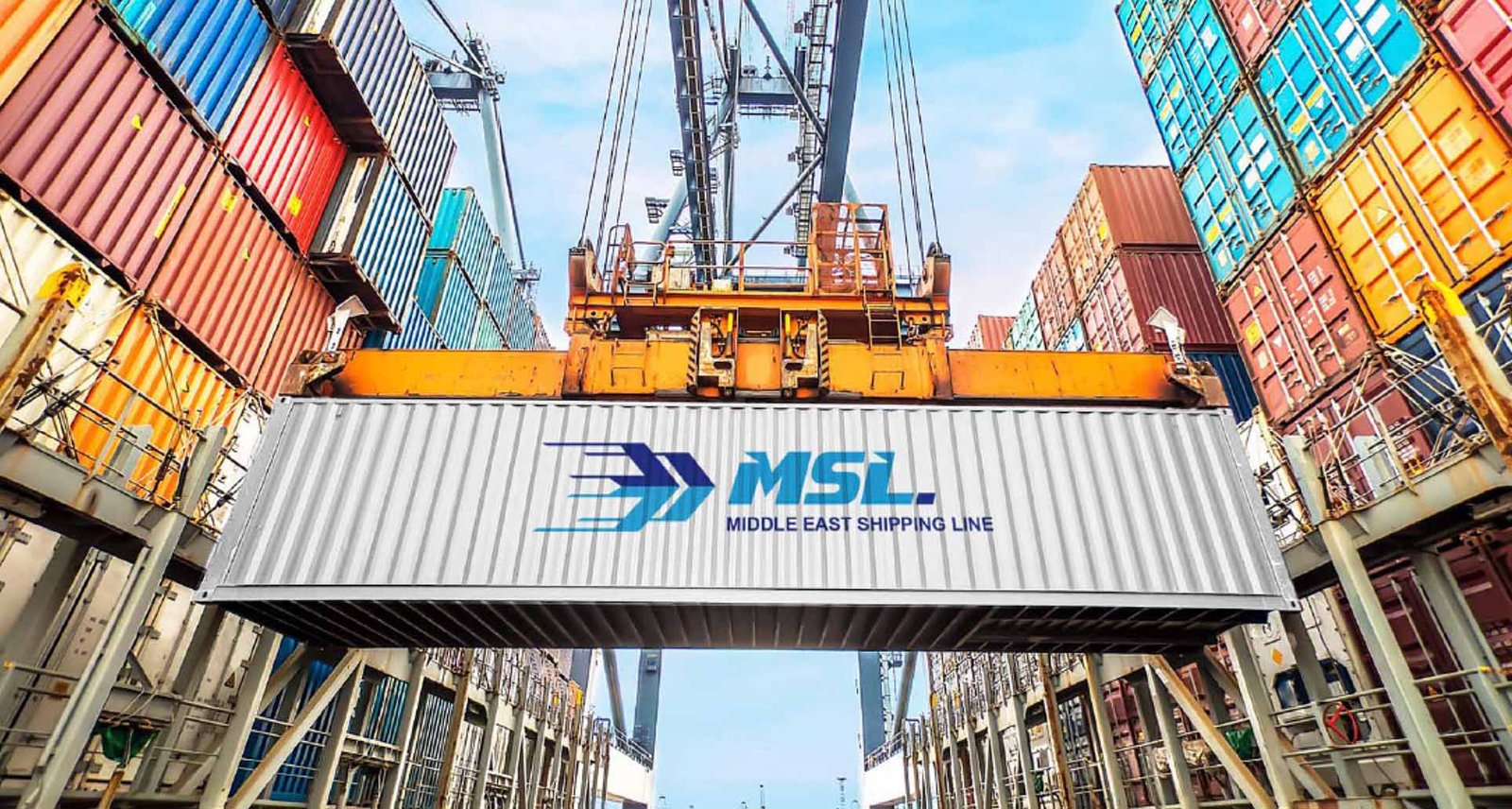
I have seen many supply risks before, but this one feels more direct and more costly. A bag may be simple on the shelf, but the supply chain behind it is long. It depends on shipping lanes, booking space, stable schedules, and buyer confidence. When one region shakes global trade routes, the handbag business feels it fast. If I am a buyer, importer, or private label brand, I cannot treat this as only political news. I need to see how it changes cost, lead time, and sourcing choices right now.
How Are Middle East Conflicts Disrupting Global Bag Supply Chains?
A handbag order can look safe on paper, but one blocked sea lane can break the whole timing plan. I may produce on time and still miss the season.
Middle East conflicts disrupt global bag supply chain3s by blocking or threatening major sea routes, forcing vessels to reroute, delaying raw materials and finished bags, and creating uncertainty that causes buyers to pause or split orders.

When I look at the bag supply chain3, I do not only look at the factory. I look at the full path. A finished tote bag or backpack may start with fabric, lining, zipper, webbing, foam, logo patch, and packaging from different places. Then the goods move to the factory, get produced, pass QC, get packed, and go to port. After that, the shipment still needs a stable route to reach Europe or North America. The Middle East crisis affects this chain at several points.
The Red Sea and the Strait of Hormuz2 are key links in global trade. When risk rises there, some carriers avoid the area. Many ships then go around the Cape of Good Hope in Africa. That change sounds simple, but it adds real time and real cost. In my experience, once the vessel schedule moves, many other things move too. Port bookings get tighter. Container availability changes. Delivery promises become harder to keep.
Here is a simple view:
| Supply chain step | What changes during conflict | Result for handbag buyers |
|---|---|---|
| Raw material movement4 | Slower transit, less schedule stability | Delays in production start |
| Ocean freight booking5 | Route changes and fewer safe options | Harder to secure space |
| Transit time6 | 8 to 15 extra days on many routes | Late arrival risk |
| Buyer decision-making7 | More caution and temporary order holds | Unstable order planning |
| Final delivery | Missed seasonal windows | Margin pressure8 and stock gaps |
I have also seen buyers stop orders while they wait for clearer news. That is a real disruption too. If a buyer pauses a bag, belt, or wallet program worth hundreds of thousands of dollars, the factory schedule changes at once. Materials may sit. Labor planning gets harder. Cash flow gets tighter. So the crisis does not only delay vessels. It also weakens confidence, and confidence is a big part of global sourcing.
Are Shipping Costs for Handbags Rising Due to Middle East Unrest?
A bag can sell well and still lose money if freight moves too fast. I may control factory cost, but sudden shipping surcharges can erase the profit.
Yes. Shipping costs for handbags are rising because carriers are adding conflict-related surcharges, insurance costs are higher, and longer rerouted voyages use more time and fuel. Some lines have added around $2,000 per container for affected cargo.
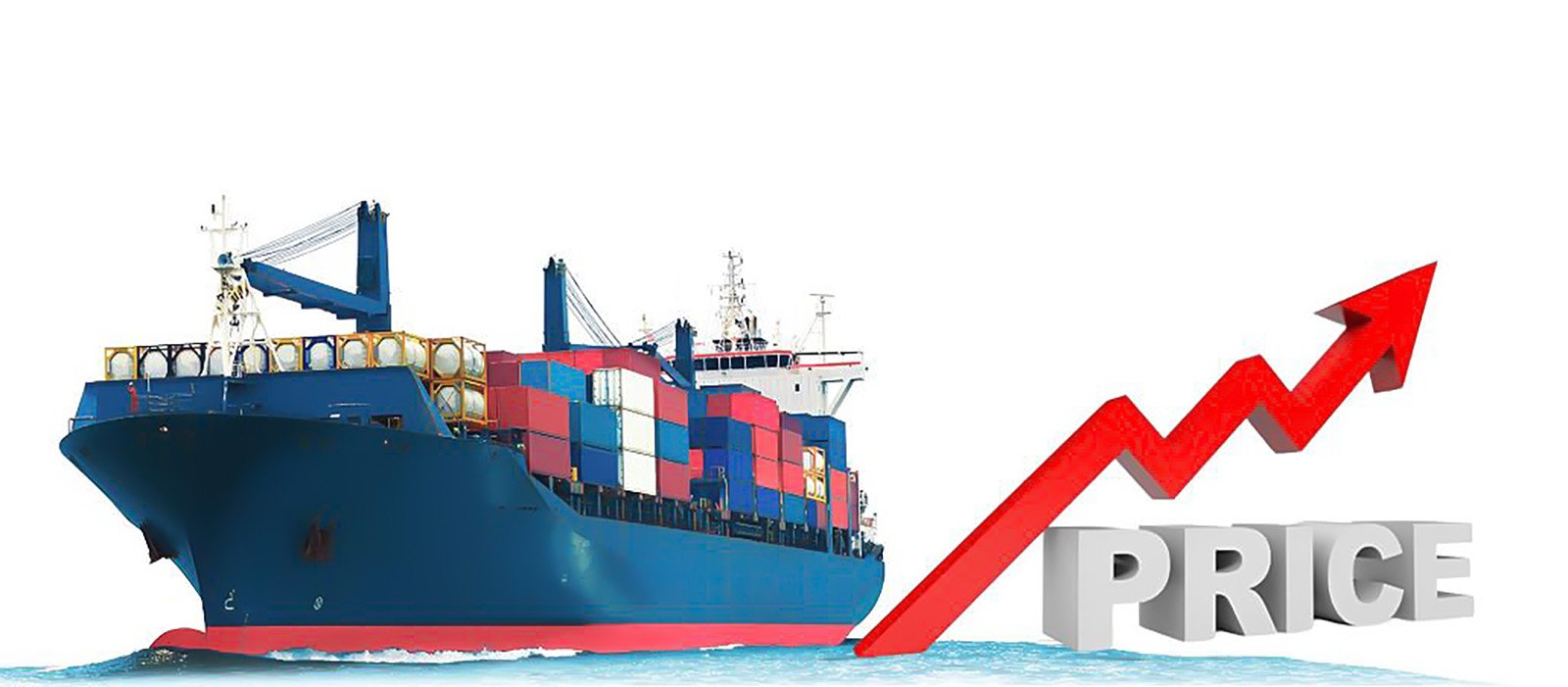
I always tell buyers that landed cost9 matters more than unit price alone. A low factory price is useful, but it does not help much if the freight bill jumps after booking. That is what many importers are facing now. When ships avoid risky areas and sail around Africa, the route gets longer. A longer route means more fuel, more vessel time, and more pressure on capacity. Then freight rates go up.
This is not only a theory. Some shipping lines, such as CMA CGM, have already added conflict surcharges10 of about $2,000 per container on cargo linked to the region. For handbag buyers, this can change the real cost of every unit. If I import large volumes for retail, even a small increase per bag can affect the full season margin. If I import smaller quantities, the cost pressure can feel even worse because I have less room to spread the added freight.
Here is how the cost pressure builds:
| Cost factor | Why it rises | Impact on handbag sourcing |
|---|---|---|
| Conflict surcharge | Carrier adds extra fee for risk | Higher total container cost |
| Insurance premium11 | Routes face greater security concerns | More cost per shipment |
| Fuel usage | Rerouted vessels travel farther | Freight rates stay high |
| Capacity pressure12 | Longer trips tie up vessels longer | Booking rates may rise |
| Delay cost | Late goods may need urgent handling | Extra warehouse or air freight spend |
I have seen this happen before in smaller waves. The difference now is that the cost rise comes with longer transit and more uncertainty at the same time. That combination is hard. A buyer may ask me for a lower ex-factory price, but the larger problem may sit outside the factory gate. If I am planning a private label handbag launch, I need to estimate several freight scenarios, not just one. That is the only way to protect margin in a volatile market.
Which Bag Sourcing Routes Are Most Affected by Middle East Tensions?
If I do not know which routes are exposed, I may keep using the same plan and only discover the delay when my goods are already on the water.
Routes linked to the Red Sea, Suez Canal13, and Strait of Hormuz2 are among the most affected. Shipments from Asia to Europe face the biggest disruption, while rerouting around the Cape of Good Hope adds time and cost.
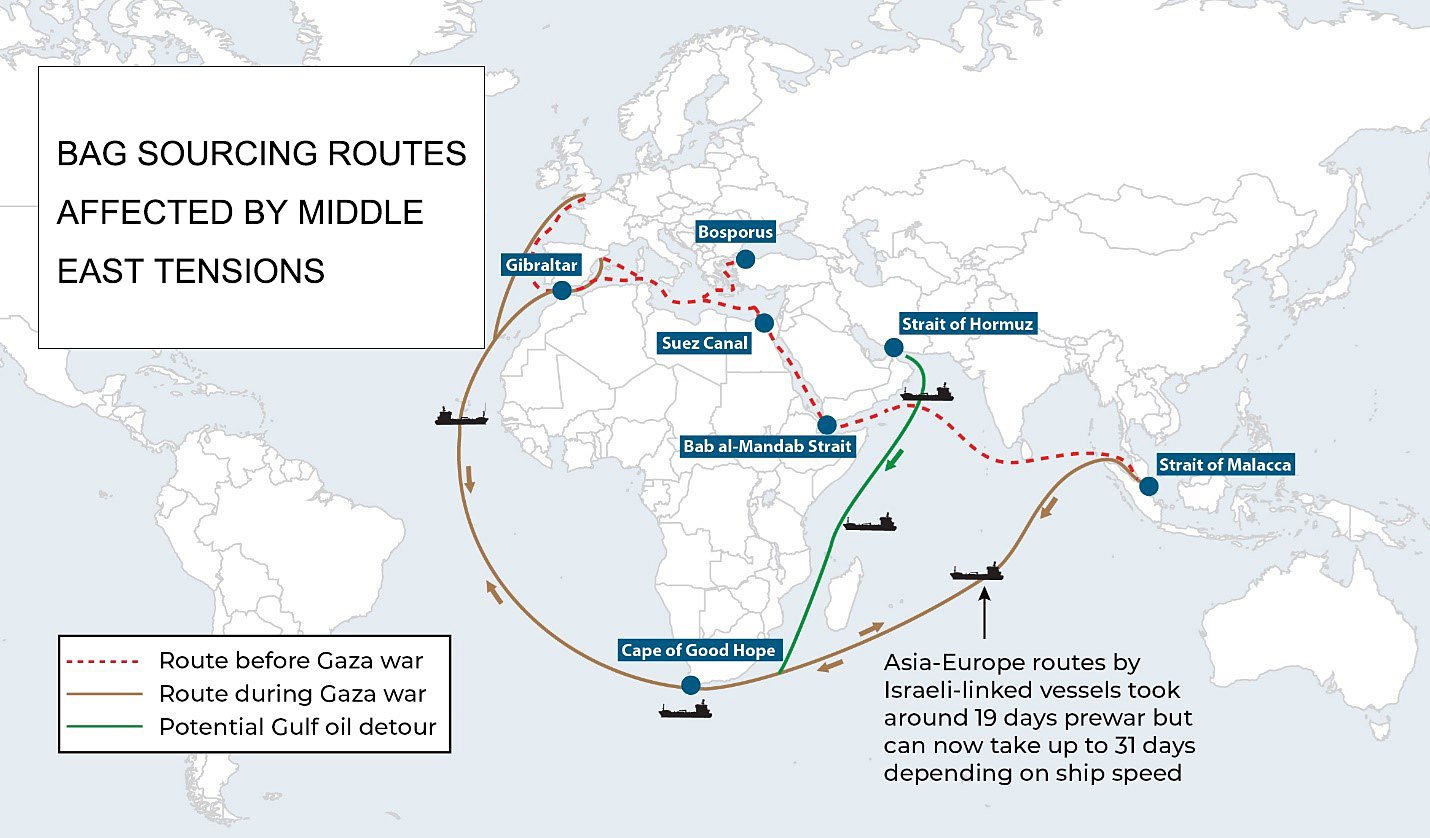
I think route knowledge14 is now a sourcing skill, not just a freight topic. Many handbag buyers still focus on supplier country, target price, and sample quality. Those things matter. But if I do not study the route, I miss a major part of supply risk. The routes most exposed right now are the ones that depend on the Red Sea and Suez Canal13 system, as well as the Strait of Hormuz2. These are critical paths for cargo moving between Asia, the Middle East, and Europe.
For bag importers buying from China, Vietnam, India, or nearby production hubs, Europe-bound cargo often feels the strongest effect. If vessels avoid the Red Sea, they often sail around the Cape of Good Hope. That adds about 8 to 15 days in many cases. It can also change arrival planning at European ports and inland distribution centers. If I supply a supermarket program or a promotional gift project, that extra time can break a campaign date.
This route view helps:
| Sourcing route | Risk level now | Main issue |
|---|---|---|
| China to Europe via Suez | High | Red Sea disruption and rerouting |
| Southeast Asia to Europe | High | Longer voyage and schedule instability |
| China to Middle East | Medium to High | Regional risk and extra charges |
| China to North America West Coast | Lower | Less direct exposure to Red Sea |
| China to North America East Coast via Suez | Medium | Possible route and cost impact |
I would not say every route is equally damaged. North America-bound cargo can still be less exposed, especially through Pacific routes. But the global shipping network is linked. If enough vessels and containers shift away from one area, other routes can also feel strain. So even buyers outside Europe should watch this closely. A route that looks safe today can still become more crowded and more expensive tomorrow.
Should Handbag Buyers Diversify Suppliers Because of Middle East Risks?
If I rely too much on one supplier or one country, one crisis can trap my whole business. I may save money today and lose flexibility tomorrow.
Yes. Handbag buyers should diversify suppliers to reduce route risk, improve production backup, and keep more options open when freight costs, delays, or regional instability affect one source market.

I believe supplier diversification15 is no longer just a nice strategy. It is basic risk control. I do not mean that I should leave a good factory after years of cooperation. I mean I should avoid depending on one production source, one shipping path, or one delivery plan. The Middle East crisis is a clear reminder that even if my factory performs well, outside events can still block the goods.
For many buyers, the best move is not to replace a main supplier at once. The best move is to build layers. I can keep my core supplier for stable bulk orders and develop one or two backup factories16 for part of the range. I can also split products by type. For example, I may place tote bags and cosmetic bags with one experienced factory, and place cooler bags or duffle bags with another supplier that has different material strengths or route options.
A practical diversification plan may look like this:
| Diversification method | What I gain | What I need to manage |
|---|---|---|
| Add a backup supplier | Production continuity | More sampling and audits |
| Split orders by bag category | Better specialization | More coordination work |
| Use different shipping routes | More logistics flexibility | More planning complexity |
| Build safety stock17 on core SKUs | Better stock protection | Higher inventory cost |
| Source from more than one country | Lower geopolitical exposure | Different compliance standards |
I have learned that diversification works best when done before a crisis becomes worse. If I wait until a route fully breaks, every buyer starts looking for backup at the same time. Then prices rise and options shrink. A smart buyer acts early. I would rather test a second supplier with a smaller OEM order now than rush into a large order later under pressure.
What Should Global Bag Importers Do to Manage Geopolitical Supply Risks?
If I only watch the news and hope for the best, I leave too much to chance. Hope is not a supply chain system.
Global bag importers should manage geopolitical risk by planning longer lead times, diversifying suppliers and routes, reviewing freight terms, building backup inventory, and working with factories that provide clear communication and stable quality control.
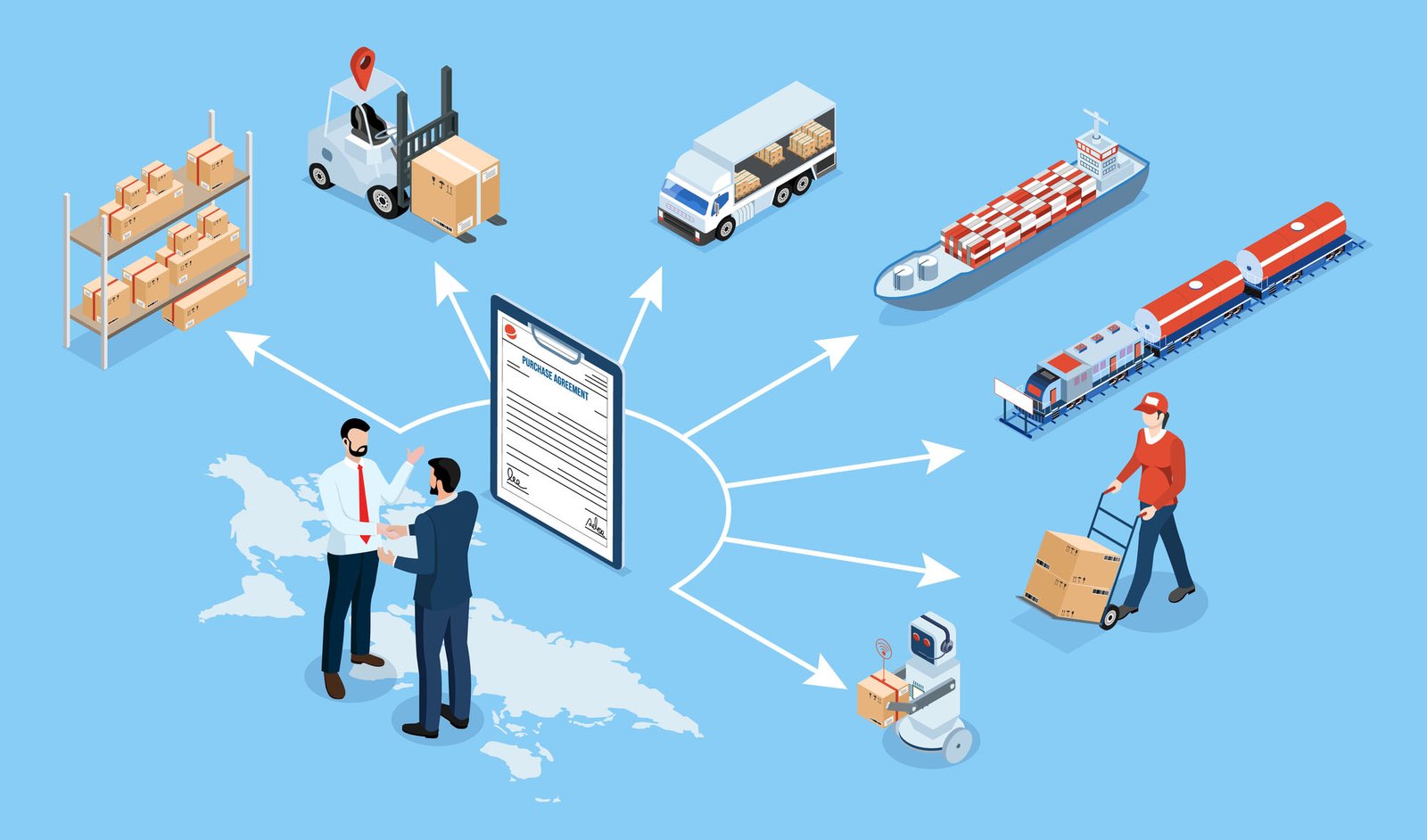
When risk rises, I need a plan that is simple and useful. I do not need panic. I need control points. In the bag business, the most effective response is usually a mix of sourcing, logistics, inventory, and communication changes. I start by checking my top-selling SKUs and my most time-sensitive orders. Then I ask which ones can handle delay and which ones cannot. Seasonal handbags, promotional gift bags, and supermarket programs often have little room for lateness.
Next, I review lead times. If average transit may increase by 8 to 15 days, I should not keep using old delivery calendars. I also need to speak closely with factories and freight forwarders. Good partners should not only quote me a price. They should tell me what is changing in booking, route options, and delivery confidence. I also need to review Incoterms18, payment timing, and buffer stock.
This action table is useful:
| Action | Why it matters | Immediate benefit |
|---|---|---|
| Add 2 to 3 weeks to planning | Transit is less stable | Fewer late deliveries |
| Confirm route options before production ends | Booking conditions can change | Better shipment control |
| Develop at least one backup supplier | One source is risky | More resilience |
| Prioritize high-margin or urgent SKUs | Not all orders have equal value | Better use of cash and space |
| Build safety stock17 on proven items | Delays may continue | Better service level |
| Ask for weekly production and shipping updates19 | Slow communication creates blind spots | Faster response to change |
From my side, I know buyers want more than promises. They want facts, timing, and solutions. That is why a factory with strong QC, organized production, and direct communication matters more in uncertain times. A stable OEM or ODM partner can help reduce part of the risk even when the market outside stays difficult. I cannot control geopolitics. But I can control how early I react, how widely I prepare, and how clearly I work with my supply chain.
Conclusion
Yes, the Middle East crisis is hurting handbag supply. I need to expect longer transit, higher freight, and more uncertainty, and I should respond with smarter sourcing, route planning, and backup options.
Understand how macro disruptions translate into practical challenges for your bag business so you can adjust sourcing and delivery plans in time. ↩
Events there ripple into fuel costs and route risk, which eventually show up in your freight invoices. ↩
A deeper view of bag-specific flows lets you benchmark your own operations against best practices and common risk controls. ↩
Delays often start with components, so learning how others secure material flow can keep your production on schedule. ↩
Better booking tactics can mean the difference between securing vessel space and missing entire selling seasons. ↩
Practical methods to absorb extra days in transit help protect launch dates and retailer commitments. ↩
Knowing how peers adjust ordering behavior can inform your own timing, volumes, and cancellation policies. ↩
Rising logistics costs don’t have to erase profit if you redesign pricing, assortments, and contract terms wisely. ↩
A precise landed cost model lets you price correctly, avoid surprises, and evaluate suppliers on a true cost basis. ↩
Understanding these extra fees helps you negotiate better and budget realistically for volatile trade lanes. ↩
Learning how insurers price risk can guide your route choices and coverage levels for valuable shipments. ↩
Seeing how vessel cycles tighten explains sudden rate spikes and helps you choose shipment windows more wisely. ↩
The Suez is a chokepoint for many bag shipments; learning scenarios prepares you for detours and surcharges. ↩
Treating routes as a strategic variable, not a detail, can materially reduce your exposure to disruption. ↩
A structured diversification plan can keep your shelves stocked even when one region or factory is disrupted. ↩
Reliable backup capacity prevents lost sales when primary suppliers face delays or local crises. ↩
Calculating the right buffer helps you avoid stockouts without tying up unnecessary working capital. ↩
Choosing the right trade terms can shift risk, control, and cost in your favor during unstable periods. ↩
Regular, structured updates give you early warning on delays so you can re-route, re-book, or re-prioritize orders quickly. ↩