Bag buyers often feel stuck between speed and savings. I have seen teams lose margin with slow supply, or lose sales because cheaper sourcing could not keep up with market change.
Nearshoring is not always better than low-cost sourcing for bags. I find nearshoring works best for fast-moving, time-sensitive styles1, while low-cost country sourcing works better for large-volume, stable bag programs2 where unit price matters most.
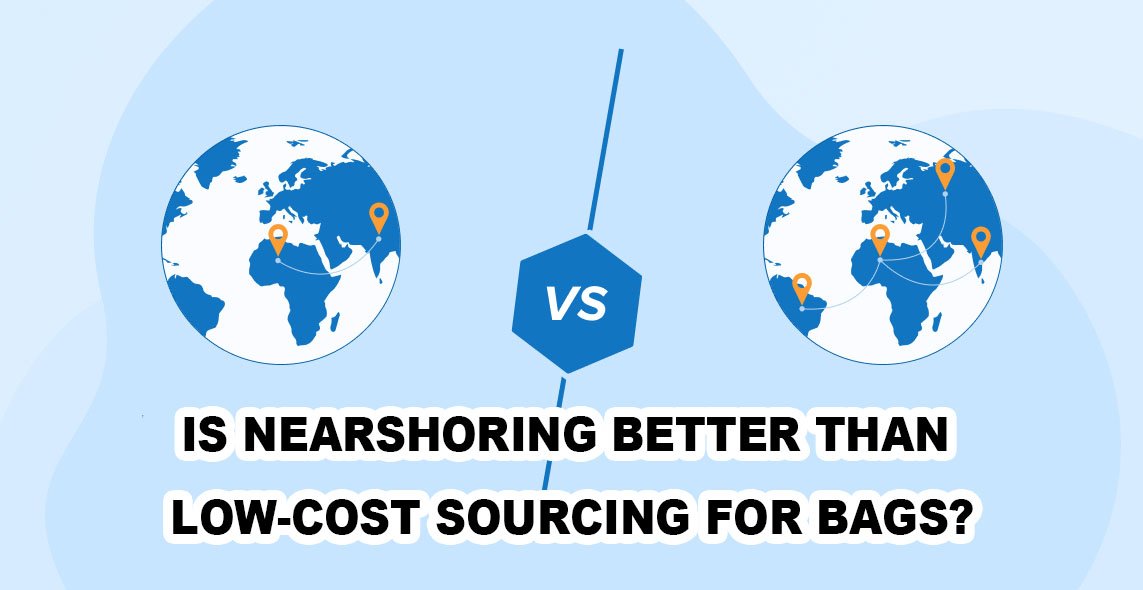
I have worked with buyers who wanted one clear answer. I understand that need. Still, the better answer is usually a mixed strategy3. I look at SKU type, order size, product complexity, and target market first. Then I decide where each bag program should go. That is how I reduce risk and protect margin4 at the same time.
What Are the Key Differences Between Nearshoring and Low-Cost Country Sourcing for Bags?
Choosing the wrong model can create hidden problems5. I have seen buyers chase lower quotes first, then pay more later through delays, rework, and poor stock planning.
The key difference is simple: nearshoring gives faster response6 and easier coordination, while low-cost country sourcing gives lower unit cost for many bag categories, especially stable, high-volume products.
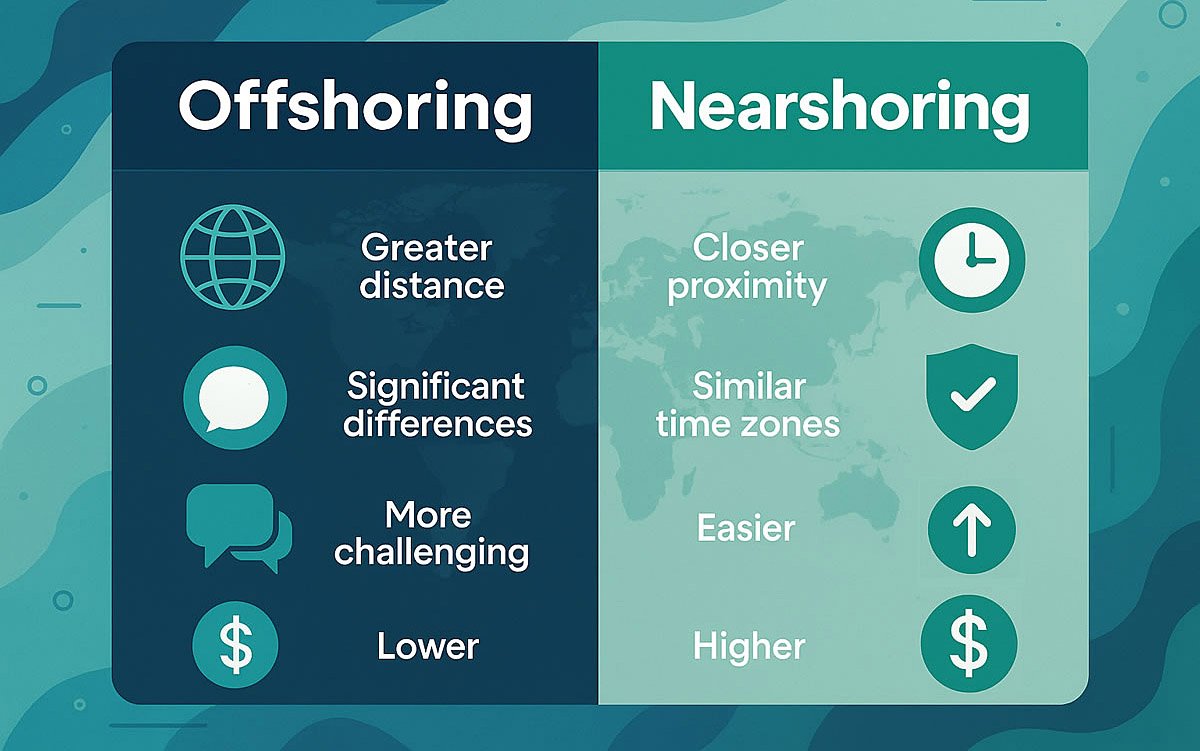
When I compare these two models, I start with business goals, not geography. Nearshoring means placing production closer to the target market. For a North American buyer, that may mean Mexico or Central America. For a European buyer, that may mean Turkey, Eastern Europe, or North Africa. Low-cost country sourcing often points to Asian manufacturing hubs such as China, Vietnam, Bangladesh, or India. Each path solves a different problem.
I often explain it in a simple way. Nearshoring usually buys time. Offshore low-cost sourcing usually buys margin. Time matters when a brand launches many new styles, tests small runs, or reacts to trends every month. Margin matters when the product is proven, demand is easier to forecast, and retail price pressure is strong.
Here is how I break it down:
| Factor | Nearshoring | Low-Cost Country Sourcing |
|---|---|---|
| Lead time | Faster | Slower |
| Freight time | Shorter | Longer |
| Unit cost | Often higher | Often lower |
| Communication | Easier in many cases | Can be harder |
| MOQ flexibility | Sometimes better | Depends on factory |
| Best for | Fast fashion, urgent orders | Basic styles, bulk orders |
I also look at bag type. Fashion handbags, promo bags, seasonal collections, and quick replenishment items7 often fit nearshoring well. Tote bags, backpacks, duffle bags, cosmetic bags, and cooler bags with stable specs often fit offshore low-cost sourcing very well. I do not treat this as ideology. I treat it as supply chain math.
Which Sourcing Strategy Offers Better Lead Times for Bag Buyers?
Late delivery can damage sales, promotions, and trust. I have seen one missed shipping window affect a whole quarter for a buyer.
Nearshoring usually offers better lead times for bag buyers because transit is shorter, communication is quicker, and production changes can be handled faster than with offshore low-cost sourcing.
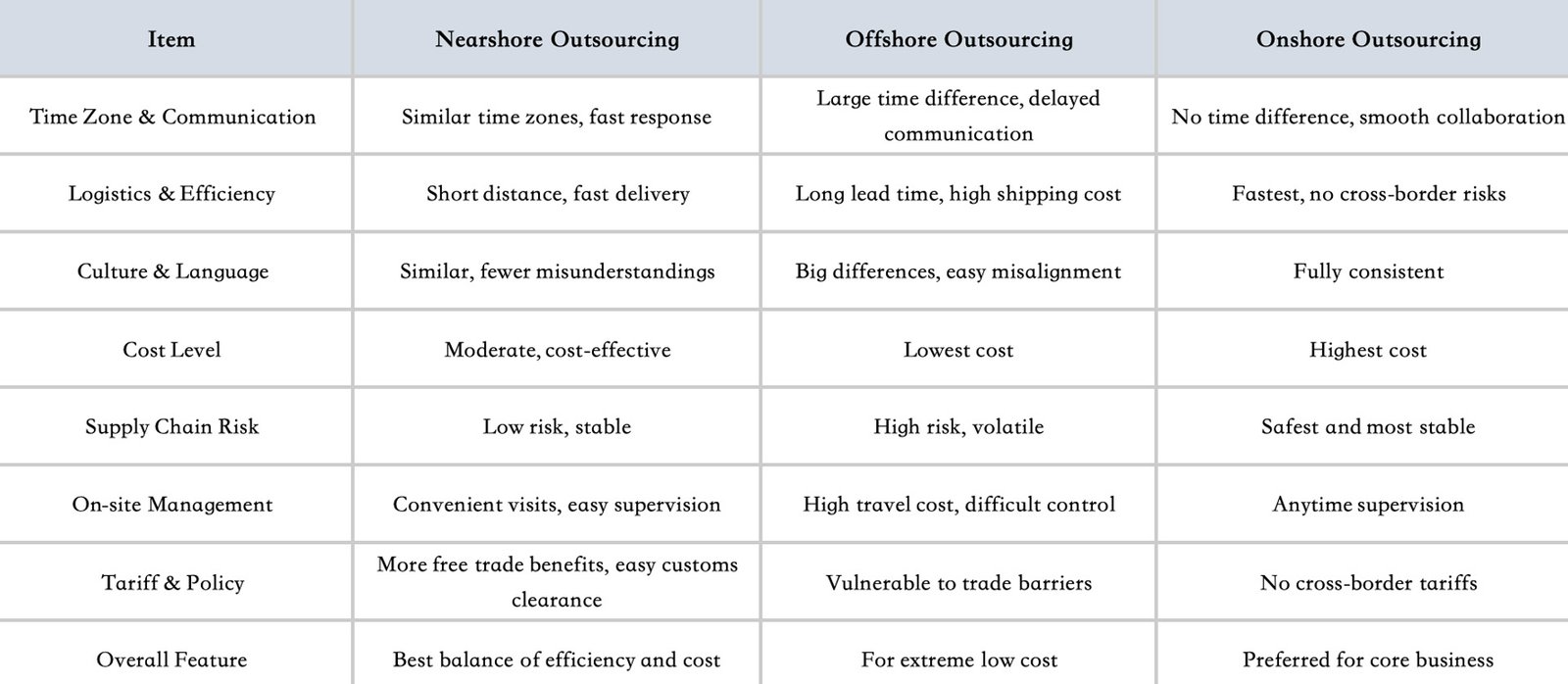
Lead time is not just factory time. I always remind buyers that total lead time8 includes sample approval, material booking, production, packing, customs, and shipping. Many people compare only FOB price and factory days. That is not enough. A cheap bag is not truly cheap if it arrives too late to sell.
Nearshoring often wins on total speed. The transit leg is much shorter. Time zone gaps are smaller. Meetings are easier. Problems are found sooner. If I need to adjust logo placement, trim color, or carton marks, I can often solve it faster with a nearby supplier. This matters a lot for fashion brands and supermarket programs with fixed launch dates.
Still, offshore sourcing can improve lead times when the factory has strong systems. I have seen excellent Asian factories hold greige fabric, prepare common trims in advance, and run lines with very good planning. In those cases, long ocean transit is still the main weakness, not factory execution.
I usually compare sourcing speed like this:
| Lead Time Element | Nearshoring | Offshore Low-Cost Sourcing |
|---|---|---|
| Sample revision | Faster | Slower |
| Material confirmation | Faster | Slower |
| Production response | Faster | Can be slower |
| Ocean or land transit | Much faster | Much slower |
| Urgent replenishment | Better | Harder |
For me, the real question is this: how expensive is delay for this SKU9? If delay means markdowns, missed shelf space, or lost trend demand, I prefer nearshoring. If delay can be planned and stock is predictable, I can accept offshore lead time in exchange for lower cost.
Does Nearshoring Really Save Costs for Handbag and Luggage Brands?
Many buyers assume nearshoring is always more expensive. I have found that this is only partly true.
Nearshoring can save total cost for handbag and luggage brands when faster delivery reduces inventory risk, air freight, markdowns, and communication waste, even if the unit price is higher.

I like to separate price from cost. Unit price is what the factory quotes. Total cost is what the business actually pays after freight, delays, quality claims, inventory carrying cost10, and missed sales. Buyers who focus only on unit price often miss the full picture.
Nearshoring may come with higher labor cost. That part is real. Yet I have seen brands save money in other places. They hold less stock. They react faster to sell-through data. They reorder smaller quantities. They avoid expensive air shipments when something sells better than expected. They reduce the cost of fixing mistakes because issues are seen earlier.
For handbags and luggage, this matters a lot when a brand has many colors, many styles, and fast trend cycles. A lower-cost offshore order can become expensive if half the stock needs discounting after a late arrival. In that case, a higher-cost nearshore order may create better profit.
I often use this table in sourcing reviews:
| Cost Area | Nearshoring Impact | Offshore Low-Cost Impact |
|---|---|---|
| Unit manufacturing cost | Higher | Lower |
| Freight cost | Lower in many cases | Higher in many cases |
| Inventory carrying cost | Lower | Higher |
| Markdown risk | Lower | Higher |
| Air freight risk | Lower | Higher |
| Change order cost | Lower | Higher |
So, does nearshoring really save costs? My answer is yes, but only in the right business model. If the bag is a basic carryover style with steady demand, offshore low-cost sourcing often wins. If the bag is seasonal, trend-driven, or hard to forecast, nearshoring can protect profit in a very practical way.
What Are the Risks of Low-Cost Country Sourcing for Bag Manufacturing?
A low quote can look great at first. I have learned that the real risk appears after the PO is placed.
The main risks of low-cost country sourcing for bag manufacturing are longer lead times, quality inconsistency11, weaker communication, shipment delays, and less flexibility when market demand changes.

I do not think low-cost sourcing is bad. I work with it often. Still, I never ignore the risks. The first risk is delay. Long transit times create less room for error. If raw material booking slips by one week, the whole shipment can miss a sales window. The second risk is communication. When tech packs are not clear12, or when the buyer is not very technical, small misunderstandings can turn into large quality claims.
Quality control is another major point. In bag manufacturing, many defects are not obvious at first glance. Stitch density, zipper smoothness, handle reinforcement, fabric coating, print shade, and carton drop performance all matter. A factory that looks low-cost on paper may become expensive if rework and claims happen too often.
I also watch flexibility. Some low-cost factories push for large MOQs and fixed material choices. That can limit testing and private label development. For buyers who need custom logos, packaging changes, or many style updates, this can be painful.
I usually map the risks this way:
| Risk | What It Looks Like in Bag Orders |
|---|---|
| Lead time risk | Missed vessel, late booking, slow replenishment |
| Quality risk | Broken zippers, uneven sewing, weak straps |
| Communication risk | Wrong logo size, wrong trim, packing errors |
| Compliance risk | Missing test reports, unclear material standards |
| Flexibility risk | High MOQ, slow sample changes, limited small runs |
My way to manage this is simple. I choose factories with stable systems, not just low quotes. I ask for clear QC points, pre-production confirmation, and realistic lead times. Low cost only works when execution is solid.
How Do Top Bag Brands Choose Between Nearshore and Offshore Suppliers?
Many buyers want a rule they can copy. I have found that strong brands rarely rely on only one sourcing model.
Top bag brands usually choose both nearshore and offshore suppliers13. They split sourcing by SKU type, order volume, speed needs, and market risk instead of picking only one option.
This is the part I find most useful. Top brands do not ask, “Which country is best?” They ask, “Which supply chain setup is best for this product?” That is a better question. I have seen successful brands build a portfolio approach14. They place core, repeat styles with cost-focused offshore suppliers. They place fashion-led, urgent, or market-test styles with nearshore suppliers. This balance gives both savings and speed.
For example, a brand may source basic backpacks, cooler bags, and promotional totes in Asia for scale and price. The same brand may source short-run fashion handbags or urgent replenishment styles closer to the selling market. This protects margin on basics and protects agility on trends.
I often suggest a simple sourcing split:
| Product Type | Better Fit |
|---|---|
| Basic tote bags | Offshore low-cost |
| Large-volume backpacks | Offshore low-cost |
| Seasonal fashion handbags | Nearshore |
| Test orders for new styles | Nearshore |
| Urgent retailer programs | Nearshore |
| Stable private label luggage | Offshore low-cost |
I also see top brands use supplier scorecards15. They do not judge a factory on price alone. They score lead time, response speed, sample accuracy, defect rate, compliance, and delivery performance. This gives a clearer picture over time.
If I were setting a sourcing plan today, I would not choose nearshore or offshore as a fixed identity. I would build both lanes. I would let each lane do what it does best. That is the more mature way to buy bags in a market that changes fast.
Conclusion
I believe the best bag sourcing strategy is not nearshore or offshore alone. It is the right mix for each SKU, timeline, cost target, and market need.
If you sell trend-driven bags, you need a model that keeps up with demand spikes and launches without constant stockouts or fire-fighting. ↩
Optimizing sourcing for predictable, high-volume SKUs can dramatically improve margin while keeping service levels under control. ↩
Understanding how to blend sourcing models helps you avoid extremes, balance speed and savings, and build a more resilient bag supply chain. ↩
If your profits are being eroded by delays and rework, learning structured risk-control tactics can stabilize your P&L. ↩
Seeing common hidden pitfalls upfront lets you redesign your sourcing before they quietly drain profit and time. ↩
Knowing the exact speed advantages of nearshoring helps you justify higher unit costs with hard operational benefits. ↩
If replenishment speed is critical, exploring models tailored to quick top-ups can prevent empty shelves and rush freight. ↩
Focusing on total lead time—not just factory days—helps you avoid surprises that derail launches and promotions. ↩
Putting a real cost on delay lets you decide rationally when to pay more for speed and when to prioritize price. ↩
Understanding carrying costs helps you see why ‘buying cheap and early’ can quietly erode profit over a season. ↩
Knowing common quality pitfalls helps you design QC systems that protect your brand reputation and reduce returns. ↩
Improving your tech packs can drastically cut miscommunication, rework, and disputes with distant suppliers. ↩
Learning how leaders blend both models helps you design a sourcing setup that can withstand market shocks and change. ↩
Adopting a portfolio approach lets you assign each SKU to the sourcing lane that best fits its risk and profit profile. ↩
Using structured scorecards moves you beyond price-only decisions and builds a stronger long-term supplier base. ↩