Finding durable lunch bags for your brand is often frustrating. Cheap materials tear easily and look bad after a week, ruining your reputation. Neoprene lunch bags1 offer the perfect mix of durability and style.
Neoprene lunch bags1 are insulated food carriers2 made from the same synthetic rubber used in wetsuits. They are flexible, water-resistant, and excellent at maintaining temperature. For B2B buyers3, they provide a high-value, reusable product option that withstands daily wear and tear better than standard polyester bags.
I have been in the bag manufacturing industry for 15 years. I have seen many trends come and go. Neoprene remains a top choice for my clients in North America and Europe. It is distinct because of its feel and function. Many buyers do not understand the material well. They buy the wrong thickness or pick the wrong printing method. This leads to wasted money. In this guide, I will share exactly what you need to know to buy them safely.
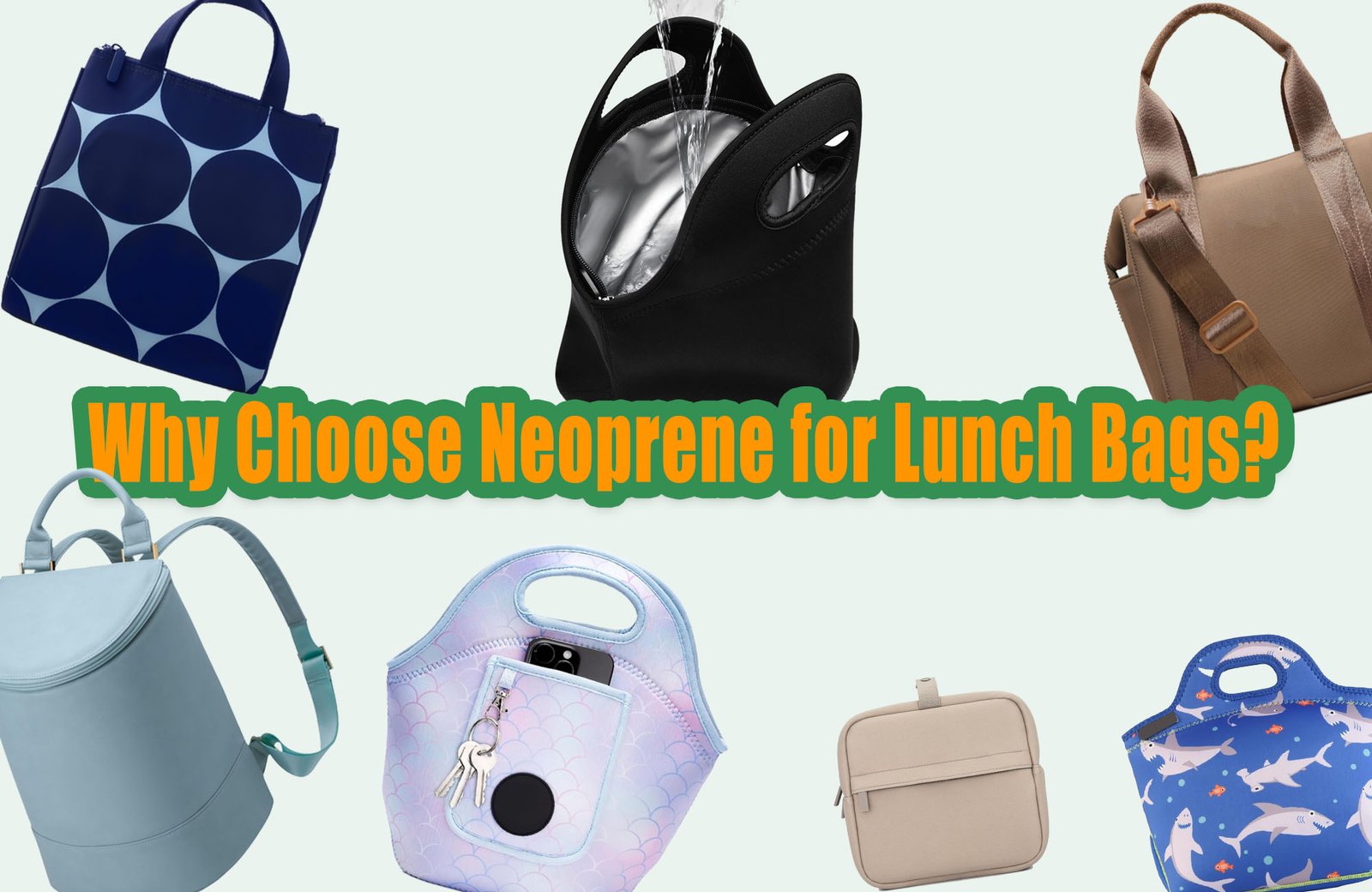
Why Choose Neoprene for Lunch Bags?
Plastic containers are bulky and breakable inside a backpack. Your customers hate carrying heavy, rigid boxes that rattle around. Neoprene bags solve this by being soft, silent, and lightweight.
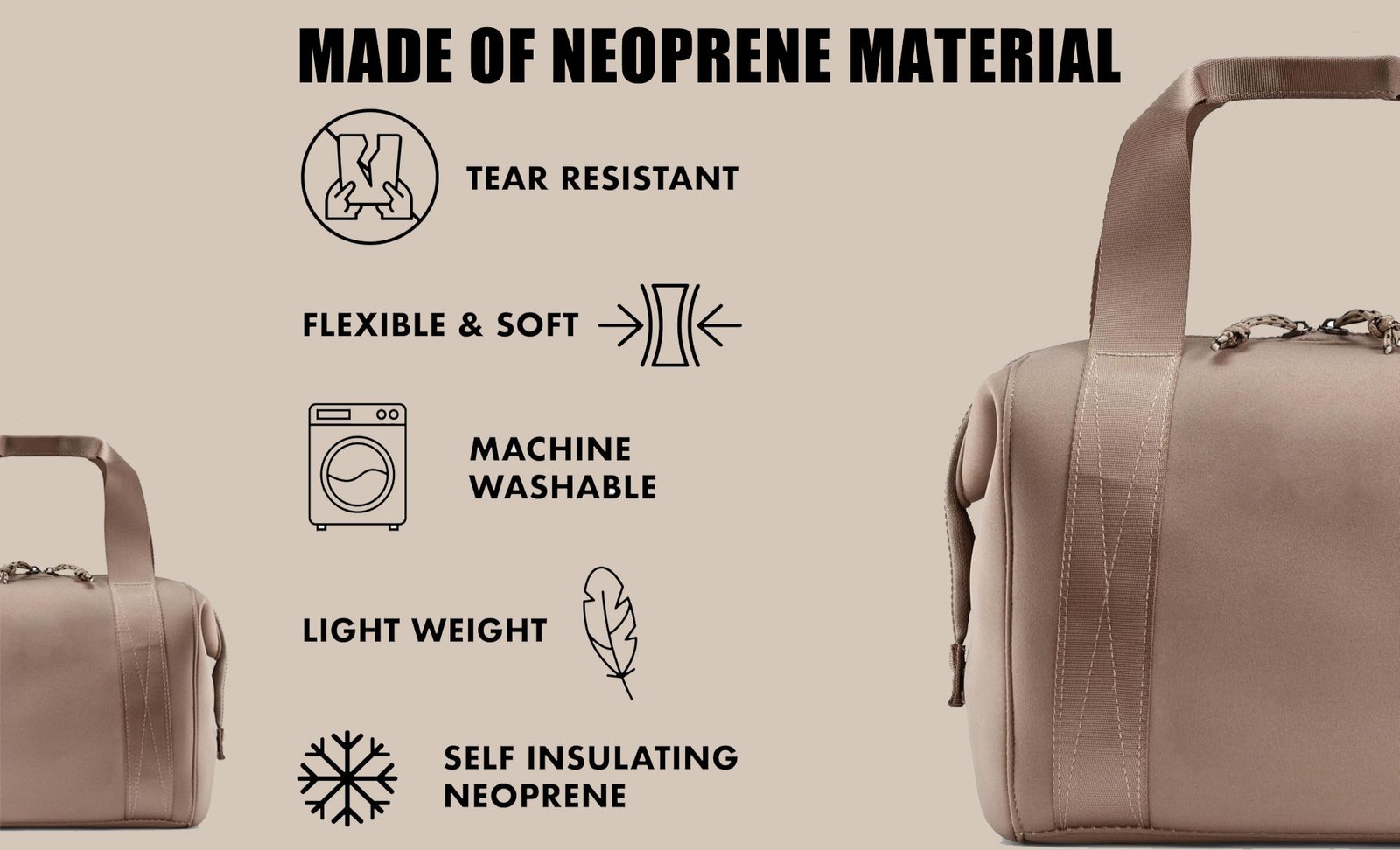
Neoprene is chosen because it stretches to fit different container shapes and resists water. It is machine washable and protects glass containers from breaking. This material offers a premium feel compared to thin nylon, making it ideal for corporate gifts and retail collections4.
In my factory, we process thousands of meters of neoprene every year. I see why buyers like Mark from Canada love it. It is not just rubber. It is a solution for modern workers and students. The material is technically called polychloroprene5. However, in the lunch bag industry, we mostly use SBR (Styrene Butadiene Rubber)6 because it is cheaper than professional diving grade material but works just as well for bags.
Here is why my clients prefer Neoprene over standard Polyester:
| Feature | Neoprene Bag | Standard Polyester Bag |
|---|---|---|
| Texture | Soft, spongy, premium feel | Thin, rough, plastic feel |
| Elasticity | High stretch (fits odd shapes) | No stretch (rigid) |
| Protection | Shock-proof (protects glass) | No shock protection |
| Cleaning | Machine washable | Wipe clean only |
| Waterproof | Yes (material itself) | Needs coating |
I always tell my customers that neoprene is an emotional choice. When a user touches the bag, it feels thick and expensive. This allows you to sell at a higher margin. Also, the material is naturally eco-friendly because it lasts for years. You do not need to replace it often. This matches the current trend for sustainable products7. If you want to offer a product that feels like a gift rather than a cheap tool, neoprene is the right choice.
What Thickness (mm) Works Best for Neoprene Lunch Bags?
Thin bags feel cheap and flimsy in your hand. If you pick the wrong thickness, the bag flops over and cannot stand up. You need the right density for structure.
The standard thickness for high-quality neoprene lunch bags is between 3mm and 4mm. A 3mm bag is lightweight and flexible, while 4mm provides better insulation and shock protection. Avoid anything under 3mm, as it lacks the durability required for daily use.
Thickness is the biggest cost factor in neoprene bags. Many factories will quote you a low price. Then, they use 2mm or 2.5mm material. You might not notice this in a photo. But when you get the sample, it will feel like a rag. It will not support the weight of a heavy glass container.
In my experience at Coraggio, here is how you should choose:
- 2.0mm - 2.5mm: This is for very cheap giveaway items. I do not recommend this for retail brands. It tears easily at the stitching points.
- 3.0mm - 3.5mm: This is the industry standard. It has a good balance. It is strong enough to stand up on a table. It is soft enough to fold away. Most of my orders for supermarkets use this thickness.
- 4.0mm - 5.0mm: This is for luxury brands or cooler bags that need extra ice retention. It is stiffer. It costs about 20% more than the standard thickness.
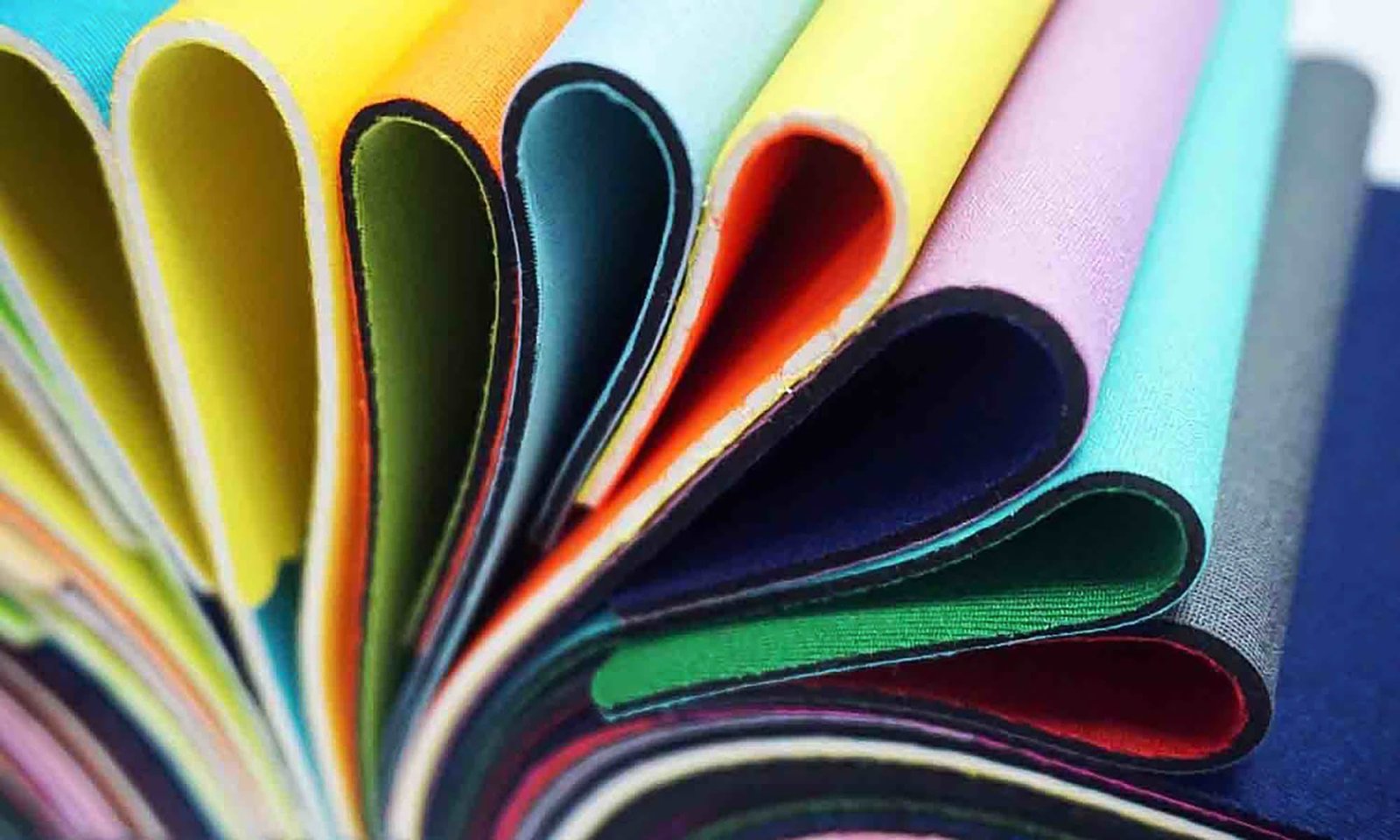
You must also understand the "facing" fabric. Neoprene is the rubber inside. We laminate fabric on both sides. Usually, we use polyester jersey. This adds a little bit to the total thickness. When you ask a supplier for 3mm, make sure they mean the total thickness including the fabric. I always measure this with a caliper during our internal QC checks. If you do not specify, some suppliers will give you thinner rubber to save money. Always write "Total finished thickness 3mm-3.5mm" in your purchase order.
How Insulated Are Neoprene Lunch Bags for Everyday Use?
Cold food gets warm too fast in summer. Customers complain when their yogurt spoils or their drink gets hot by noon. You need a material that actually holds temperature.
Neoprene offers moderate insulation, keeping food cold or hot for about 4 hours. Its closed-cell structure8 traps air, acting as a thermal barrier. For longer insulation, we can add an extra layer of aluminum foil or PEVA lining9 inside the neoprene shell.
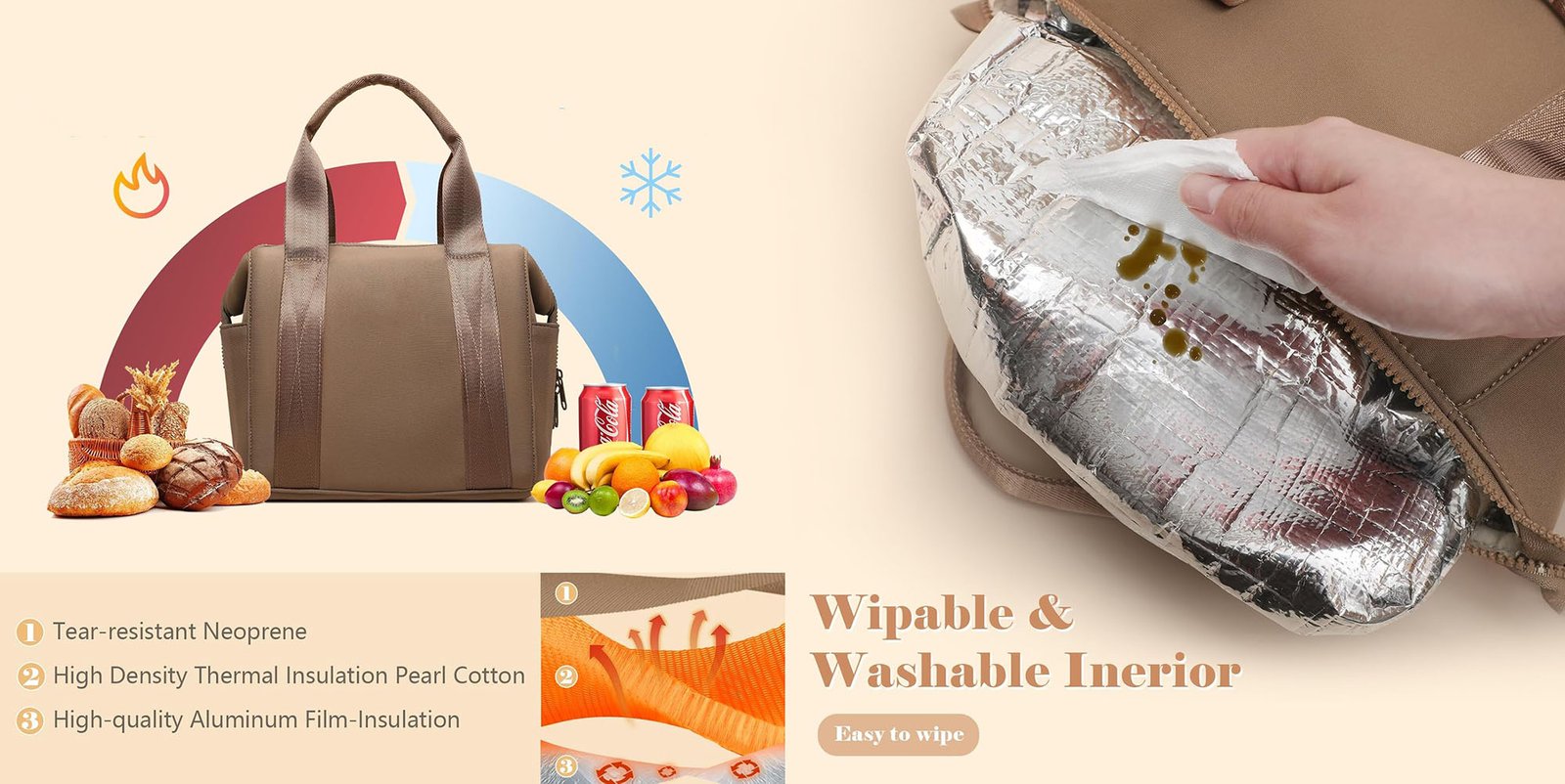
Neoprene is a wetsuit material. It keeps divers warm by trapping body heat. It does the same thing for food. It traps the cold air inside. However, it is not a refrigerator. It works best for a standard lunch break. If you put an ice pack inside, it can last up to 6 hours.
There are ways to improve this. I often suggest these upgrades to buyers who have strict requirements:
- Zipper Selection: The zipper is the weak point. Air escapes through the teeth. We can use a waterproof zipper10 or a very tight nylon zipper to stop airflow.
- Inner Lining: Standard neoprene bags are just rubber and fabric. We can sew a silver aluminum foil layer inside. This reflects heat. It makes the bag perform like a hard cooler.
- Top Closure: Some bags have a flap. Some have a zipper. A full zipper closure is much better for insulation than a flap with Velcro.
You should also consider the "sweat" factor. If you put a very cold drink in a single-layer neoprene bag, condensation might form on the outside. This is normal. The fabric absorbs some of it. But if you want a completely dry bag, you need that extra inner lining I mentioned. This separates the wet zone from the outer fabric. For most office workers, the standard material is enough. But for outdoor use or camping, you need the upgrade.
What Logo Printing Methods Work Best on Neoprene Lunch Bags?
Logos peeling off looks terrible and cheap. A bad print job ruins your brand image instantly and causes returns. You must choose a method that sticks to rubber.
Sublimation printing is the best method for neoprene, allowing for full-color, durable designs that won't crack. For simple logos, screen printing is cost-effective. Heat transfer is also an option but requires careful application to ensure it stretches with the fabric.
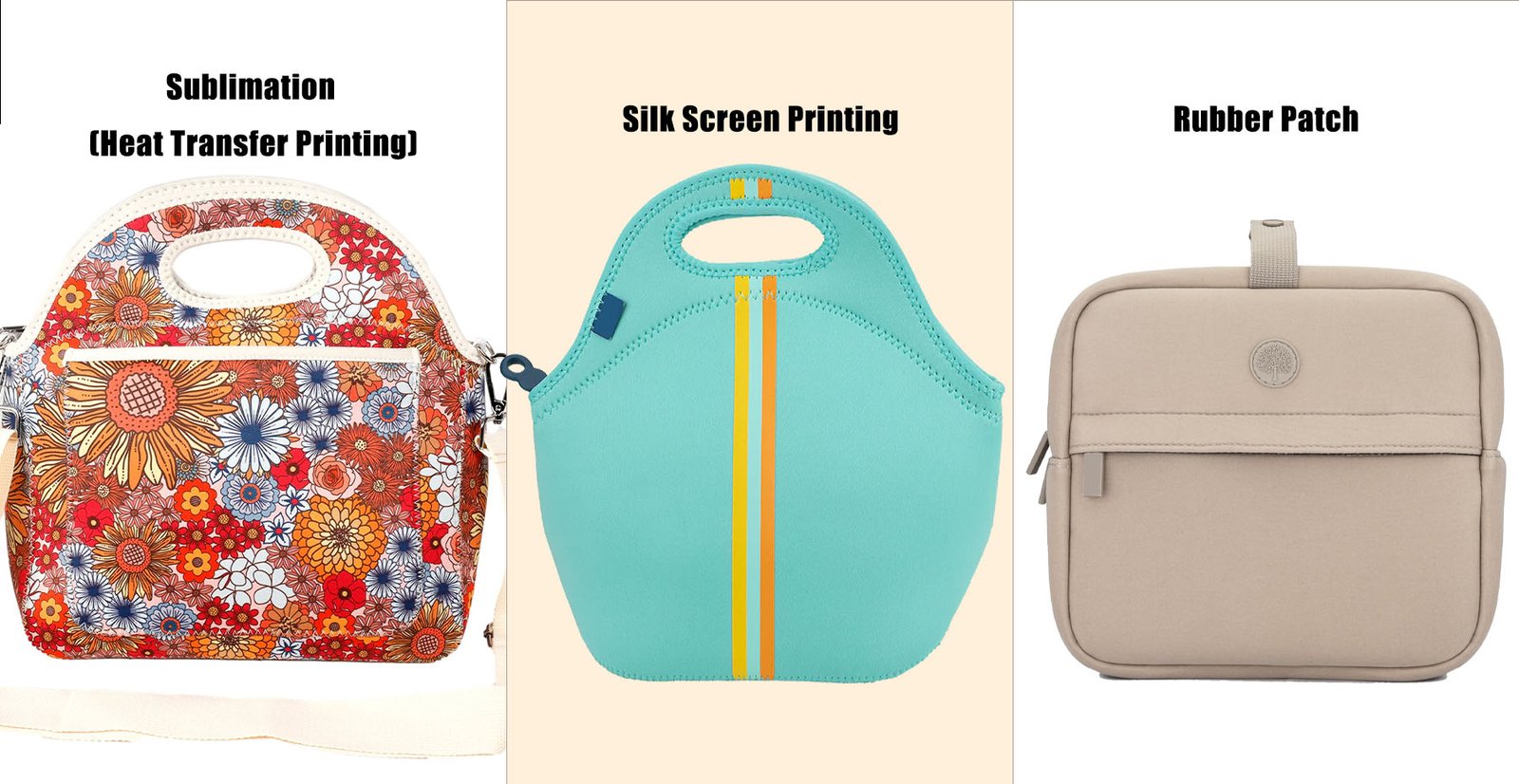
Neoprene is unique because we print on the fabric layer, not the rubber itself. The fabric is usually polyester. Polyester loves sublimation printing11. This is my favorite method. We print the design on paper first. Then we use high heat to turn the ink into gas. The gas bonds with the fabric fibers.
Here is a breakdown of the methods we use at Coraggio:
Sublimation (Heat Transfer Printing)12:
- Best for: Full patterns, photos, colorful designs.
- Pros: The ink never peels. It feels soft. You cannot feel the ink with your hand. It does not crack when you stretch the bag.
- Cons: It only works well on white or light-colored base fabrics.
- Best for: Simple 1 or 2 color logos.
- Pros: Very cheap for large quantities. The colors are bright and solid.
- Cons: If the logo is too big, it feels stiff. It might crack if you stretch the bag too much over time.
- Best for: High-end branding.
- Pros: It looks very professional. It adds value.
- Cons: It costs more to make the mold. You have to sew it on.
I advise my clients to use sublimation if they want a fashionable bag. It allows you to change designs every season without extra setup costs. If you are doing a corporate gift with a company logo, a rubber patch or silk screen is better. It looks cleaner. Always check the stretch test. When we finish a sample, I pull the fabric hard. If the logo breaks, we reject it.
What Quality Checks Should Buyers Do Before Mass Production?
Receiving a bad shipment is a nightmare for any buyer. Defects like bad smells or loose stitching kill your profits. You must catch these issues before shipping.
Buyers should check for strong chemical smells, which indicate poor quality rubber. Inspect the stitching, specifically the zig-zag stitch, to ensure it is tight. Verify the zipper moves smoothly around curves. Always request a pre-production sample to confirm the handle strength.
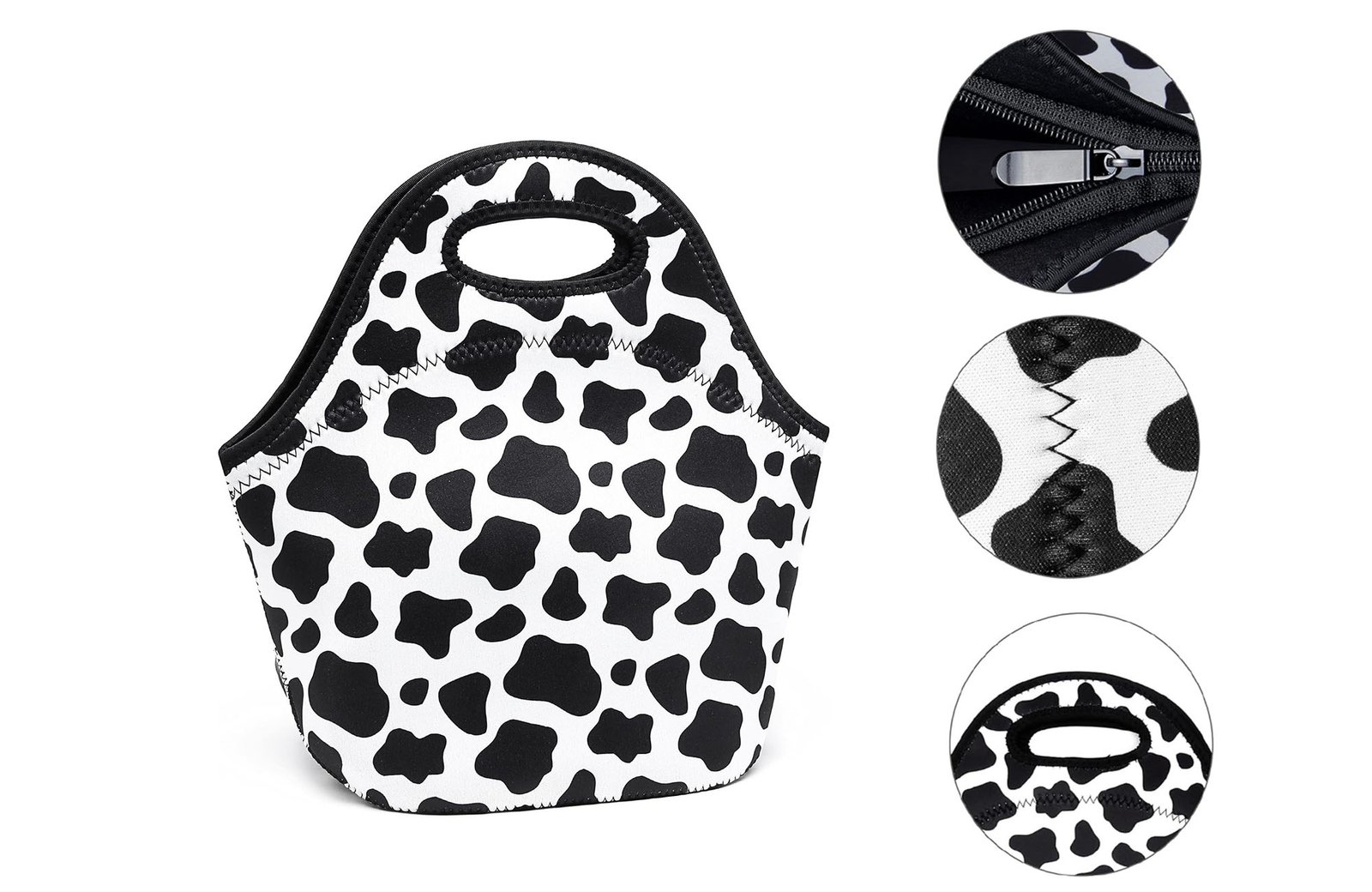
Quality control for neoprene is different from other bags. The material is thick and spongy. This makes sewing difficult. The needle can get hot and break the thread. My workers need special training to handle this.
Here is a checklist I use, and you should use it too:
- Smell Test: Fresh neoprene has a slight rubber smell. This is normal. But it should not be overpowering or smell like toxic chemicals. If it smells like rotten eggs or strong gasoline, the factory used bad recycled rubber. This smell will not go away. Reject it.
- Stitch Inspection: We usually use a "Zig-Zag" stitch or "Flatlock" stitch. This allows the seam to stretch. If the factory uses a straight stitch, the thread will snap when you fill the bag. Pull the seams apart with your hands. You should not see the white rubber inside.
- Handle Reinforcement: The handle carries all the weight. We usually add an "X" stitch or a bar-tack stitch at the stress points. I hang a 5kg weight on the bag for 24 hours to test this. You should ask your supplier to do this test.
- Edge Binding: The raw edge of neoprene looks ugly. We wrap it with a soft piping tape. Check the end of the tape. It should be burned or tucked in. If it is loose, it will unravel.
- Needle Detection: Neoprene is thick. Sometimes needles break inside the rubber during sewing. This is dangerous. At Coraggio, every bag goes through a metal detector machine15. You must insist on this safety check.
Neoprene bags are great products. But they require attention to detail. Do not just look at the price. Look at the stitching style and the smell. These are the signs of a good factory.
Conclusion
Neoprene lunch bags1 are a profitable, durable choice for B2B buyers3. Focus on thickness, sublimation printing11, and strict smell tests to ensure quality. Contact Coraggio for your custom order.
Learn in-depth benefits, use cases, and performance benchmarks to decide if neoprene bags fit your product line and target customers. ↩
Compare insulation performance, materials, and best practices so your products meet customers’ expectations for temperature control. ↩
Understand MOQ, pricing, quality control, and communication tips to avoid costly sourcing mistakes and delays. ↩
Discover styles and features that appeal to corporate buyers and retail shoppers to increase order volume and sell-through. ↩
Get a technical yet accessible overview of this material to better communicate quality and safety to clients. ↩
Understand performance, cost, and safety differences so you can explain why your material choice makes sense. ↩
Find data and certifications you can use in marketing to tap into eco-conscious corporate and retail buyers. ↩
Understand the science behind insulation so you can realistically communicate holding times to customers. ↩
Evaluate upgrade options that extend cold/hot retention and justify higher pricing in your offers. ↩
See how zipper choice impacts insulation, leak resistance, and perceived quality for end users. ↩
Explore color vibrancy, durability, and design flexibility so you can plan high-impact graphics confidently. ↩
Understand how sublimation (heat transfer) printing bonds ink into fabric fibers so your neoprene lunch bags get vivid, non-peeling, long-lasting branding. ↩
Compare costs, MOQ, and visual impact to select the best printing method for each project type. ↩
See real-world examples of premium branding applications that justify higher retail prices. ↩
Discover global safety standards and retailer requirements so you can avoid product recalls and claims. ↩