You want to sell eco-friendly bags1, but the certifications are confusing. Picking the wrong one wastes money and hurts your brand credibility2. I will compare OCS and GOTS for you.
GOTS is generally better for premium marketing because it covers chemical use and social responsibility, not just materials. OCS is ideal if you only need to prove organic material content on a tighter budget. Your choice depends on your specific branding goals and target market requirements.
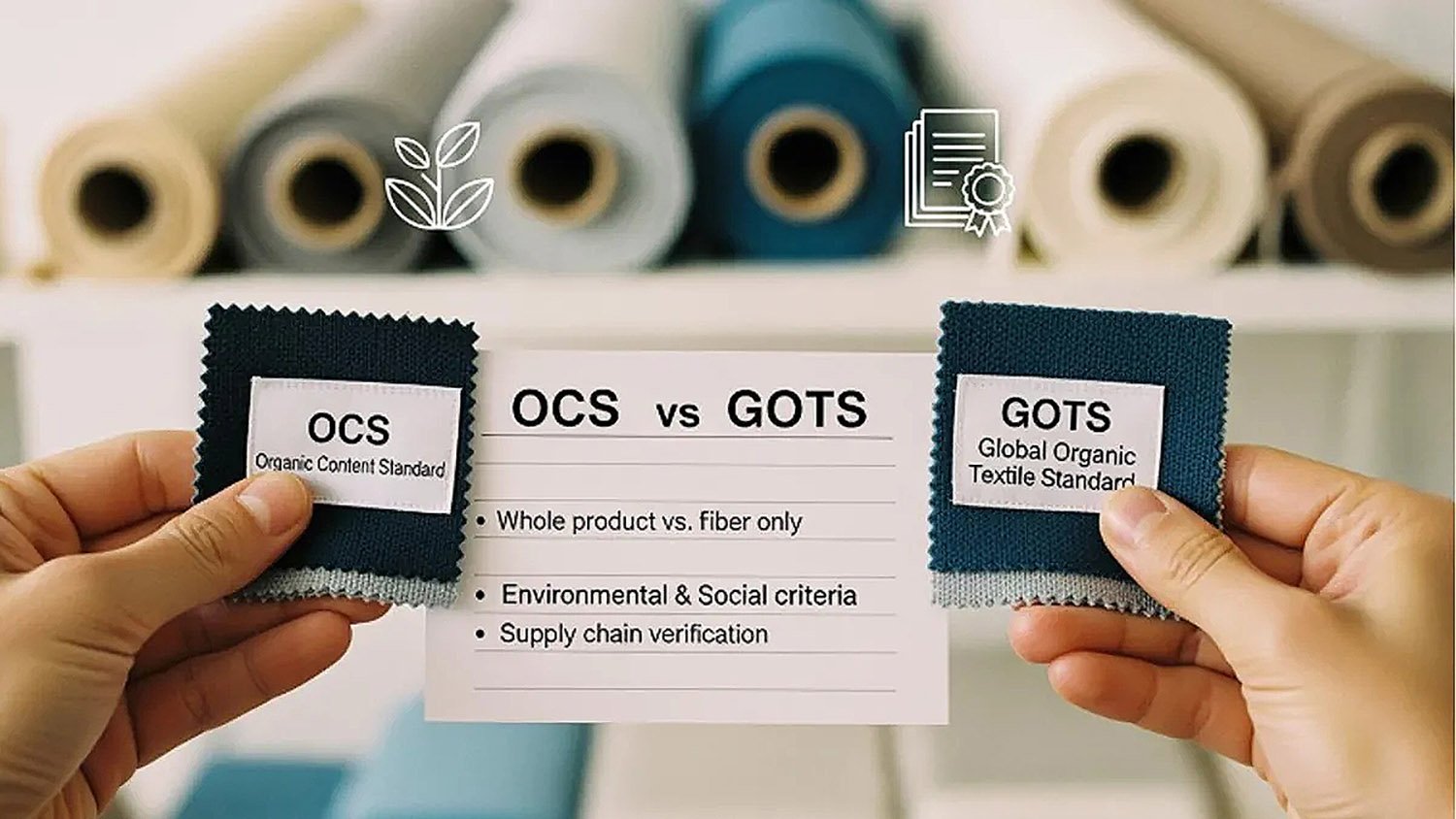
I have seen many buyers struggle with this decision in my 15 years of manufacturing. Let’s break down the details so you can make the right choice for your business.
What Is OCS Certification for Bags, and What Does It Prove?
Clients ask me if OCS is enough. It is cheaper, but does it prove enough? You need to know its limits before you buy.
OCS (Organic Content Standard) strictly tracks organic material from the farm to the final bag. It proves exactly how much organic cotton3 is in your product but does not certify the chemicals used during processing or factory labor conditions.
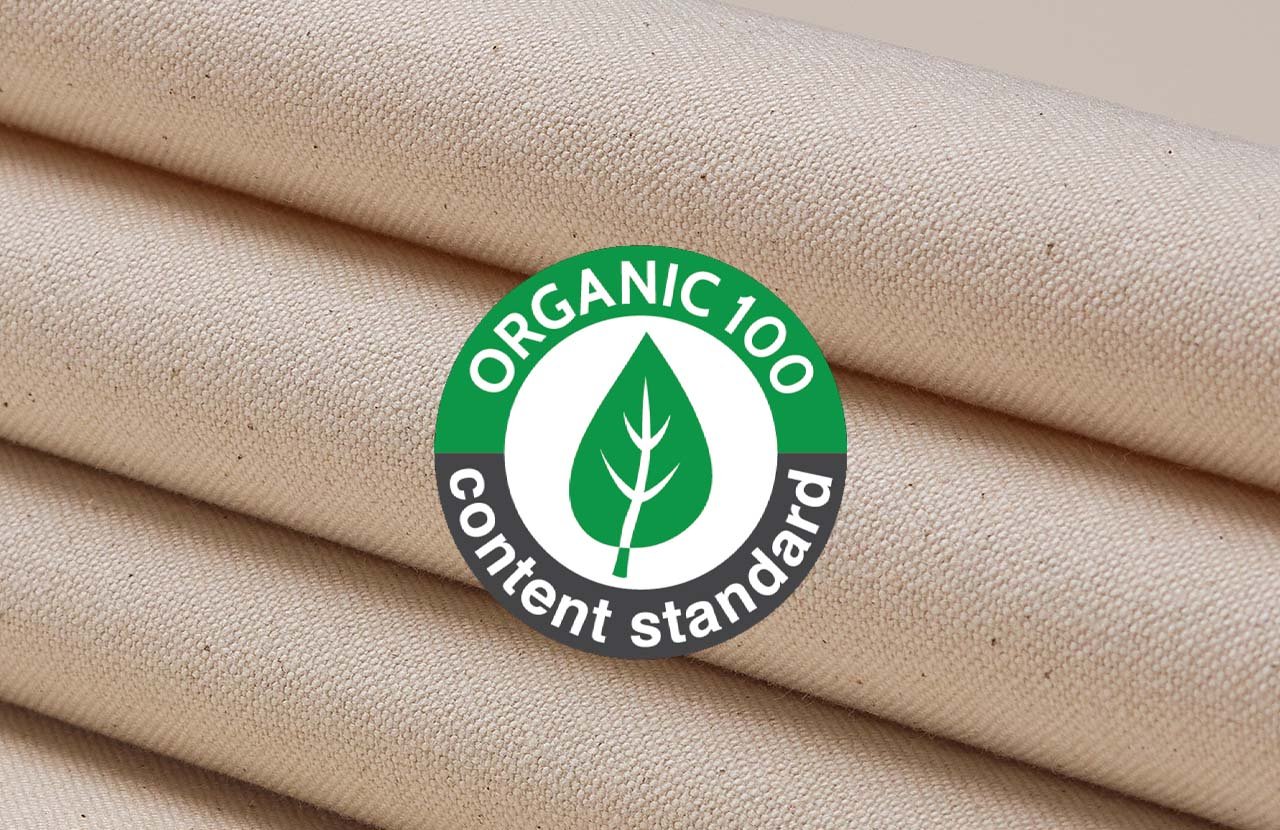
When we talk about OCS at Coraggio, we are talking about a "Chain of Custody" standard. This means the standard tracks the raw material as it moves through the supply chain. It ensures that the organic cotton3 grown on the farm is the actual cotton used in your tote bag. However, it stops there. It does not look at the chemicals we use to dye the fabric, and it does not check how we treat our workers.
There are two main levels of OCS that you need to understand:
| OCS Level | Requirement | Logo Usage |
|---|---|---|
| OCS 100 | Contains 95-100% organic material. | Can use the "OCS 100" logo. |
| OCS Blended | Contains 5-95% organic material. | Can use the "OCS Blended" logo. |
I often recommend OCS to my clients who use mixed materials4. For example, if you want a canvas bag that is 50% organic cotton and 50% recycled polyester5s.com/pages/learning-center?srsltid=AfmBOoraiUNxgMv-WodNyMT0AYOMQSsAVajQFd2DAIDf2Q2CeooPO5PV)3 and 50% recycled polyester, OCS Blended is the perfect tool. It validates the organic part without complicating the rest. It is a material claim, pure and simple6. It proves you bought what you said you bought.
What Is GOTS Certification for Bags, and Why Is It Stronger?
High-end brands demand more than just organic fiber. They want a clean supply chain7. If you miss this, you lose big contracts.
GOTS (Global Organic Textile Standard) is the gold standard because it covers the entire textile supply chain. It certifies the organic fiber, bans toxic chemicals during dyeing8, and ensures fair labor practices in the factory9. It proves your bag is truly ethical.
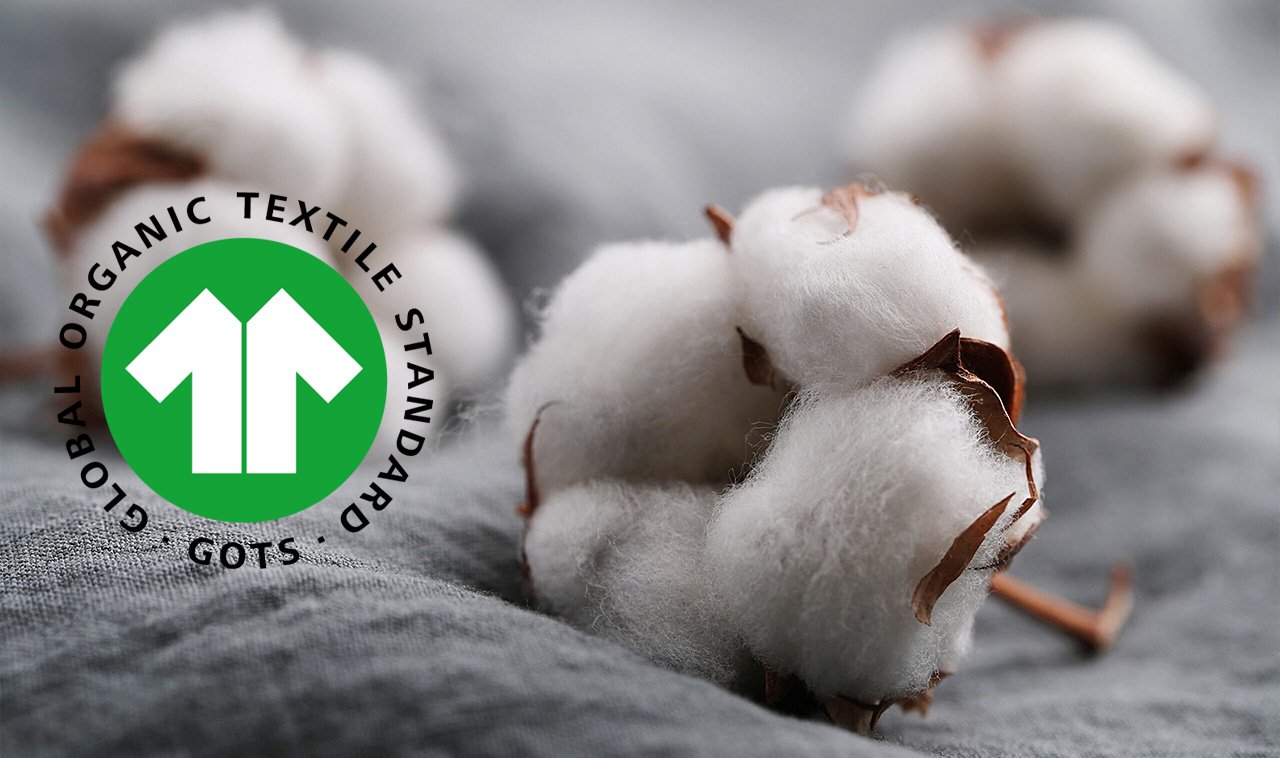
In my factory, obtaining GOTS certification was a rigorous process. This is because GOTS is not just about the cotton; it is about the whole picture. When I produce a GOTS-certified bag for a client in Europe, I have to follow strict rules at every single step. This makes the certification much "stronger" in the eyes of the consumer.
Here is why GOTS is considered the heavyweight champion of eco-certifications:
- Chemical Restrictions: I cannot use heavy metals, formaldehyde, or GMOs during processing. The inks I use for your logo must be GOTS-approved. This guarantees the bag is safe for the end-user.
- Social Responsibility: GOTS auditors check my factory. They ensure safe working conditions, fair wages, and no child labor. This protects your brand reputation.
- Environmental Management: We must have procedures to minimize waste and treat wastewater.
If you are building a brand story based on "ethics" and "safety," GOTS provides the evidence. It tells your customer that the bag is not just made of good material, but it was made in a good way. This comprehensive approach is why it commands a higher price and higher respect.
OCS vs GOTS: Which Claims Can You Legally Use in Marketing?
Using the wrong label on your packaging gets you sued or banned. You must follow the strict rules for each logo to stay safe.
With GOTS, you can label the final product as "organic" if it meets strict processing rules. With OCS, you usually claim "Contains X% Organically Grown Material." GOTS allows for stronger, comprehensive eco-friendly claims on your packaging and marketing materials.
Marketing is where the technical differences become real money. When you design your hangtags and packaging, you have to be very careful. I always tell my buyers to check the "Labeling Guide10" for each standard. The claims you can make are very different.
With OCS, your marketing story is about the input. You can say, "Made with 100% Organically Grown Cotton11." However, you cannot imply that the processing was organic. You cannot say the bag is "Organic" in a general sense if you used standard toxic dyes. It is a specific claim about the fiber content only.
With GOTS, your marketing story is about the product. You can legally label the bag as an "Organic Textile Product12." This is a very powerful claim. It implies safety and ethics.
Here is a breakdown of what you can usually say:
| Certification | Typical Claim | Focus Area |
|---|---|---|
| OCS | "Contains Organic Content" | Raw Material Source |
| GOTS | "Organic Certified Product" | Full Product Lifecycle |
Also, remember the Transaction Certificate (TC)13. Whether you choose OCS or GOTS, I must provide you with a TC for every shipment. Without this document, you cannot legally use the logos on your products in many countries. Do not overlook this paper trail.
Which Certification Do Retailers and Buyers Trust More for Eco Bags?
Retailers reject products that lack credible proof. You do not want your stock stuck in a warehouse. You need immediate trust.
Major retailers and supermarkets trust GOTS more because it reduces their risk regarding chemical safety and social compliance. OCS is accepted for material composition, but GOTS is the preferred key to entering high-end markets and large retail chains in Europe and North America.
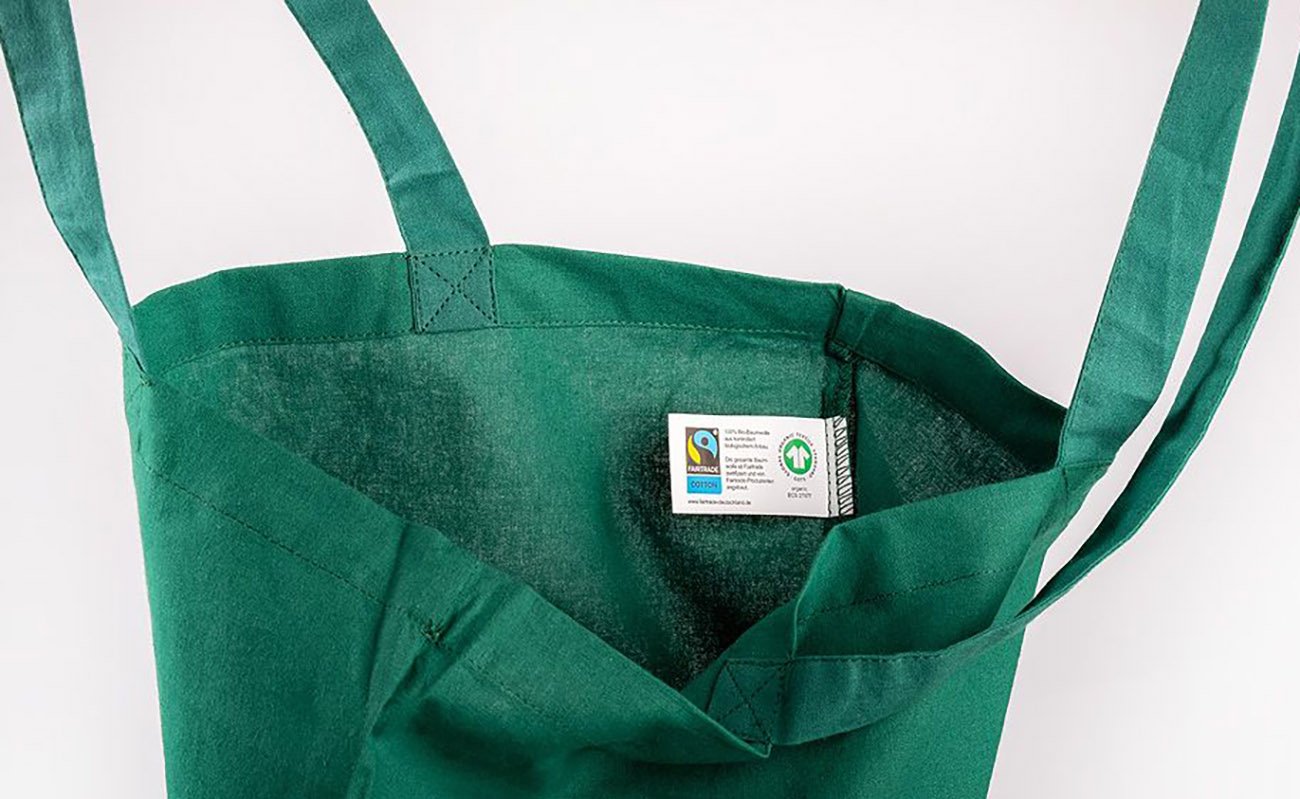
I export a lot of bags to Europe and North America. I talk to buyers from big supermarkets and famous brands every week. Their attitude is clear. If you want to get into a large retail chain, GOTS is the VIP ticket14.
Why do they prefer GOTS? It is about risk management15. Large companies are terrified of scandals. They do not want a newspaper headline saying their "eco-bag" was made in a sweatshop or contains toxic dye. GOTS covers these risks. It acts as an insurance policy for the buyer. When they see the GOTS logo, they know the social and chemical boxes are checked.
OCS is still trusted, but for a different purpose. Retailers trust OCS when the selling point is simple. If you are selling a basic promotional tote and just want to say "better cotton," OCS is fine. But for high-end retail shelves, OCS feels "light." It does not carry the same weight of authority.
If you are a B2B buyer looking to resell to strict Western retailers, GOTS makes your sales pitch much easier. You spend less time explaining the product safety because the label speaks for itself. It eliminates doubt instantly.
How Should B2B Bag Buyers Choose OCS or GOTS for Branding and Pricing?
Budgets are tight, and certification costs money. Overspending on labels eats your profit. You need the best ROI.
Choose GOTS if you are targeting premium markets, require a full sustainability story16, or sell to strict retailers. Choose OCS if you have a limited budget, use blended materials, or only need to verify organic fiber content without certifying the dyeing process.
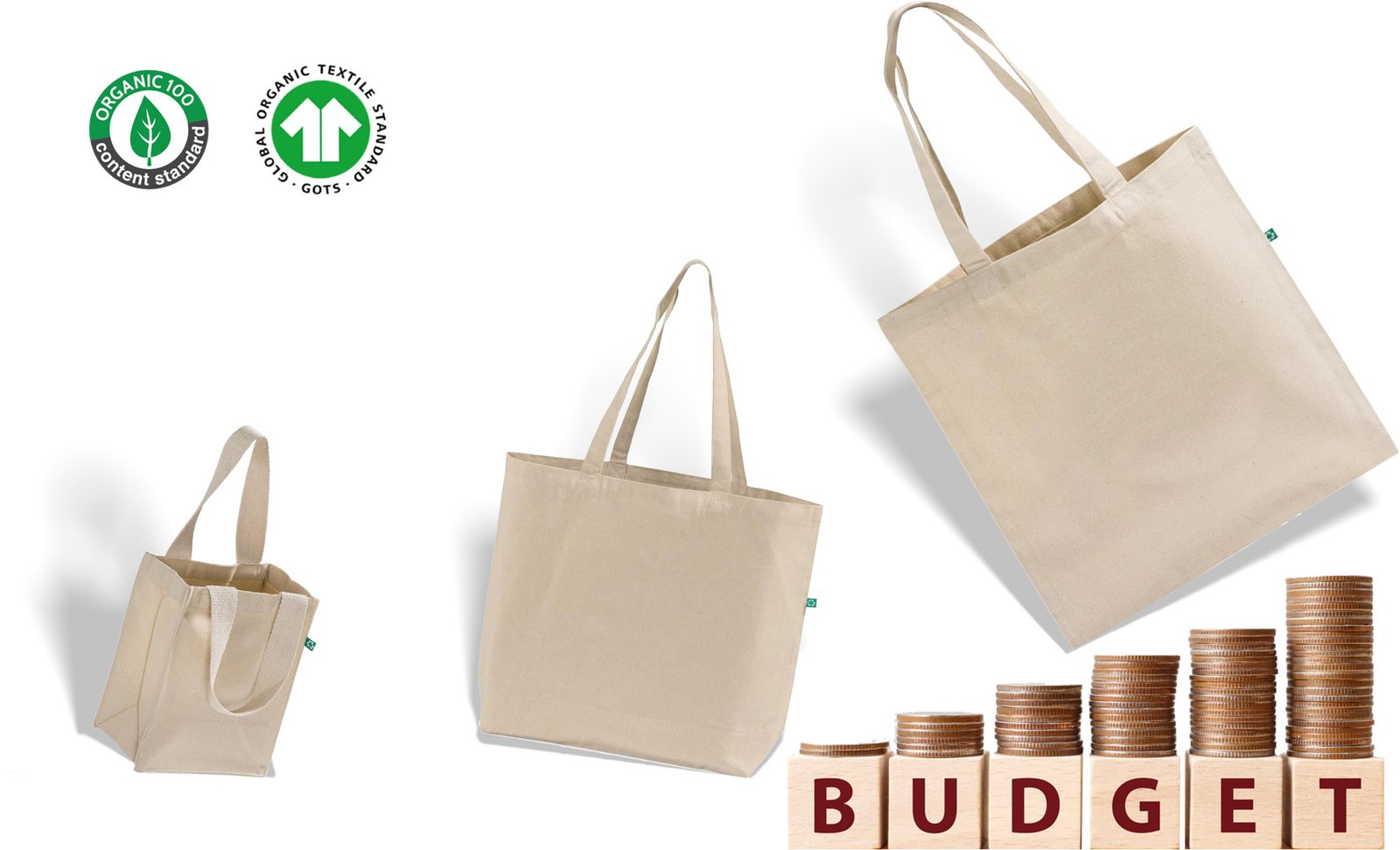
Making the final decision comes down to your budget and your brand positioning. I help my clients calculate this every day. GOTS products are more expensive. The certified inks cost more, the factory compliance costs more, and the certification fees are higher. If your target market is price-sensitive, GOTS might make your product too expensive.
Here is a strategic way to decide:
Choose OCS if:
- Budget is low: You need a low price point for a promotional event.
- Material is blended: You are making a bag with 10% organic cotton3 and 90% polyester.
- Goal is simple: You just want to validate the fiber source17.
Choose GOTS if:
- Budget is higher: Your customers are willing to pay for "premium" and "safe."
- Goal is comprehensive: You want to market "Chemical-Free," "Fair Labor," and "Organic."
- Target is retail: You want to sell to Whole Foods, Sephora, or European boutiques.
At Coraggio, we can do both. But I advise you to look at your competitor. If they are selling GOTS, you cannot compete with OCS. If they have no certification, OCS gives you a winning edge without the high cost of GOTS. Think about the end-user. Do they care about the dye? Go GOTS. Do they just care it’s not plastic? Go OCS.
Conclusion
GOTS is best for total compliance and premium branding, while OCS is great for validating materials on a budget. Choose the one that fits your market goals.
Learn how different certifications impact the credibility and marketability of your eco-friendly bags so you invest in the right proof. ↩
See how strong certifications directly boost trust, pricing power, and long-term reputation for your bag brand. ↩
Understand the environmental and health benefits of using certified organic cotton so you can justify higher prices to buyers. ↩
Find out how to certify products with blended fibers so you can still make valid eco claims without going 100% organic. ↩
See what certification options fit blended bags so you can market both organic and recycled content credibly. ↩
Clarify how material-only claims work so your marketing stays accurate and avoids greenwashing accusations. ↩
Discover how to build and document a clean supply chain that appeals to strict retailers and conscious consumers. ↩
Learn which chemicals are banned so you can select safer inks and dyes that meet top certifications. ↩
See how labor audits work so you can choose suppliers that protect workers and your brand image. ↩
Ensure your hangtags and packaging text comply with official labeling rules and avoid legal trouble. ↩
Verify how you’re allowed to phrase fiber-content claims so regulators and retailers accept your packaging. ↩
Learn the exact product and process requirements so you can legally use stronger “organic product” wording. ↩
Understand this critical document so every shipment you receive is legally certifiable and audit-ready. ↩
See how recognized logos open doors with big retailers and reduce buyer hesitation during sourcing. ↩
Learn how certifications lower legal, PR, and safety risks so you can pitch your products as low-risk options. ↩
Get ideas to turn technical certification data into a compelling marketing narrative your customers remember. ↩
Discover traceability tools and documents that prove your fiber origin and protect you from fraud claims. ↩