Choosing the wrong color mode can ruin a bulk bag order. I have seen good designs turn into costly complaints when colors shift from sample to production.
For bulk bag orders1, Pantone is best for fixed brand colors2 and strict color matching, while CMYK is better for complex artwork, gradients, and lower-cost full-color printing. In many cases, I use both together to balance color accuracy, design needs, and budget.
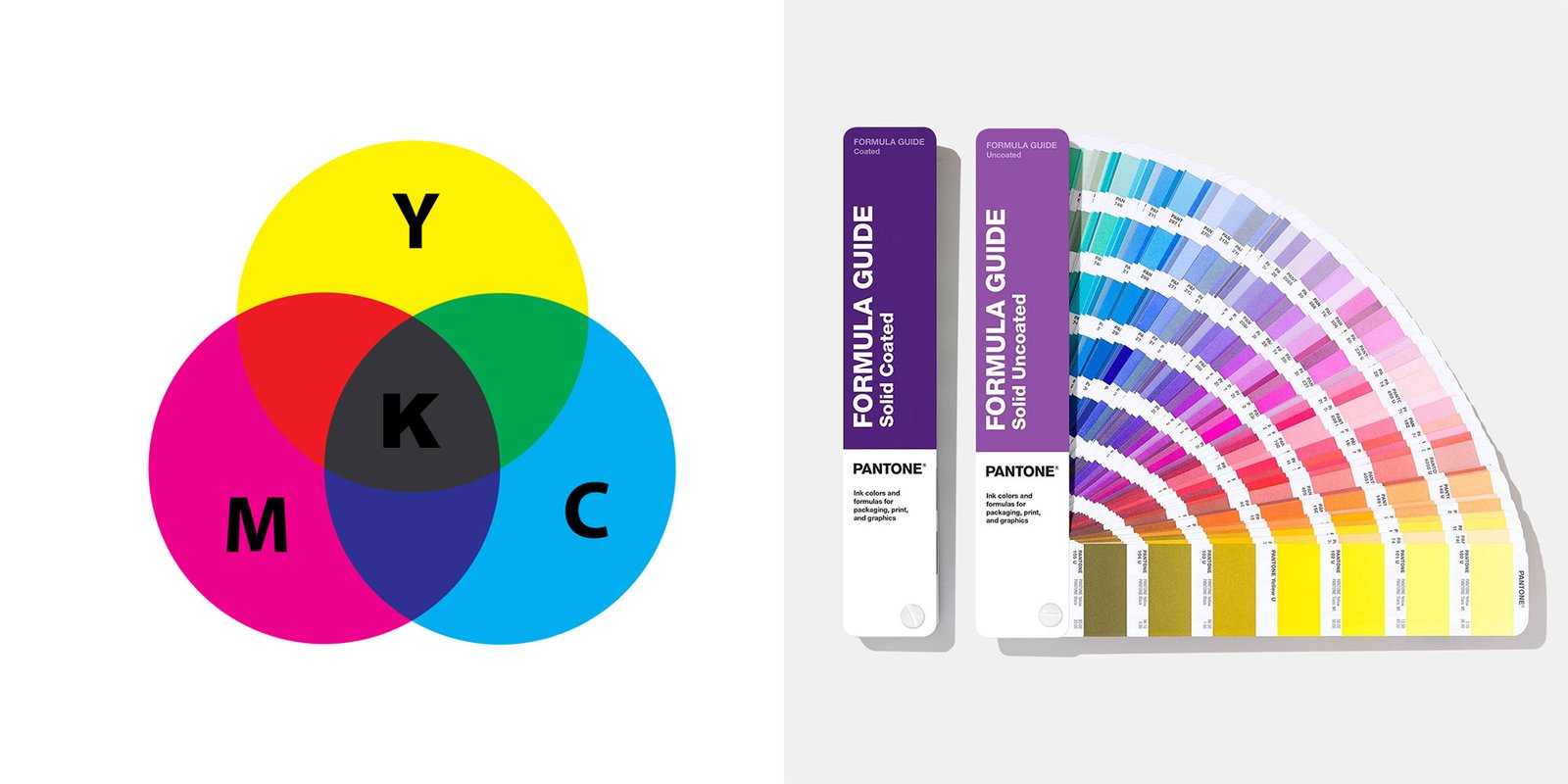
When I talk with buyers, I often find that the real problem is not design. The real problem is choosing the wrong printing method before mass production starts. That small choice can affect color accuracy, cost, lead time, and even customer trust. So I want to break this down in a simple way, based on how bulk bag production really works in the factory.
What Is the Difference Between Pantone and CMYK in Bag Printing?
Many buyers feel confused when factories ask for Pantone codes or CMYK files. I understand that confusion, because both seem to be about color, but they work in very different ways.
Pantone uses pre-mixed spot colors3 to match a specific shade very closely. CMYK uses four inks—cyan, magenta, yellow, and black—to build many colors through dot mixing. Pantone is better for exact brand colors. CMYK is better for full-color images and complex designs.
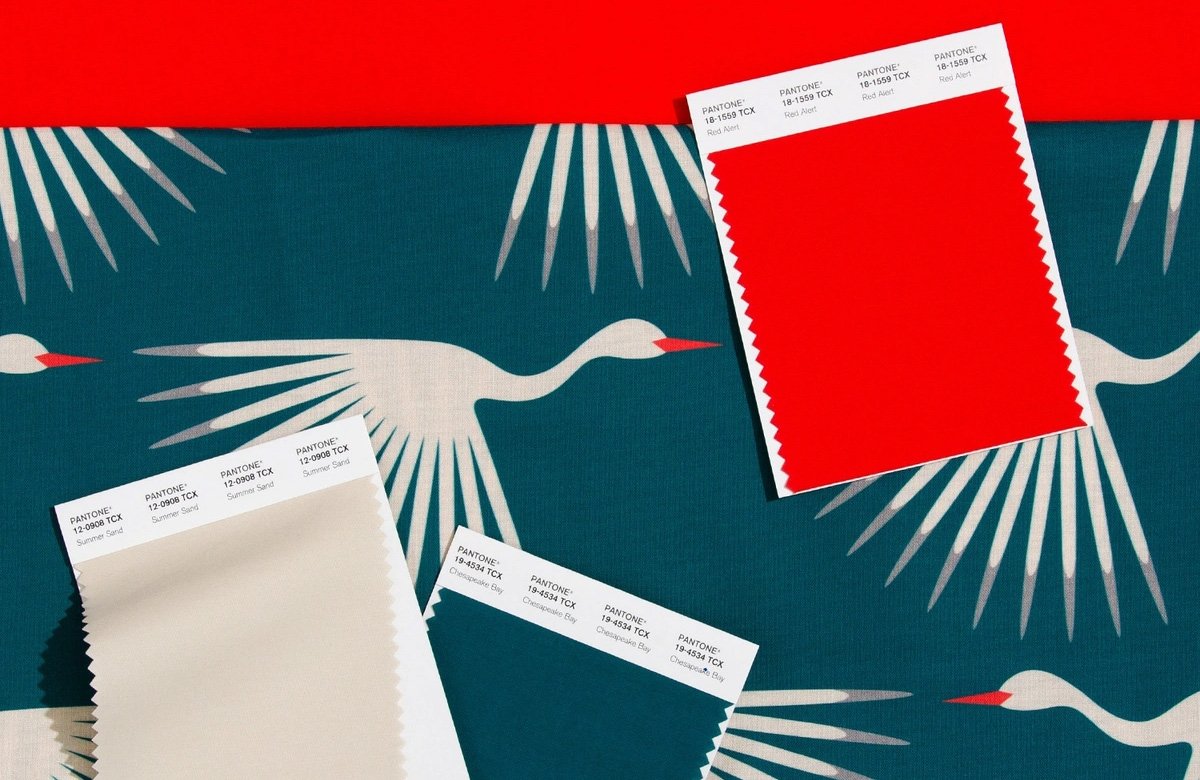
When I explain this to customers, I usually start with a simple point. Pantone is a color standard system. It gives each color a specific code. If I print a logo with a Pantone code, the goal is to reproduce that exact color every time. This matters a lot when a brand has strict visual rules4. A supermarket brand, a sports brand, or a gift company may all need the same logo blue on every bag. If the blue changes from one shipment to the next, the buyer may reject the goods.
CMYK works in another way. It does not use one fixed ink per color. It combines four basic inks to create the final image. This works well for artwork with many colors, photos, shadows, and gradients. It is common for fashion prints, seasonal designs, and promotional bags with complex graphics.
I usually compare them like this:
| Item | Pantone | CMYK |
|---|---|---|
| Color method | Pre-mixed spot color | Four-color process |
| Best use | Logos, brand colors, simple graphics | Photos, gradients, full-color prints |
| Color consistency | Strong | Good, but less exact |
| Setup cost | Higher per color | Lower for multi-color artwork |
| Bulk order value | Strong for brand control | Strong for cost saving |
In bag printing, the right choice depends on the artwork and the business goal. If I am making a simple tote bag with a one-color logo, Pantone is often the safer choice. If I am making a cosmetic bag with floral artwork and many tones, CMYK is often the smarter one. The key is not asking which system is better in general. The key is asking which one fits the order.
Does Pantone Guarantee Better Color Consistency for Bulk Orders?
Many buyers worry about one thing most: the sample looked right, but the bulk order came out darker, lighter, or less clean. I have seen this happen, and it creates tension fast.
Pantone usually gives better color consistency5 for bulk bag orders1 because it uses standardized spot colors. It helps factories match the same brand color from sample to repeat production. Still, consistency also depends on material, printing method, ink control, and factory quality management6.
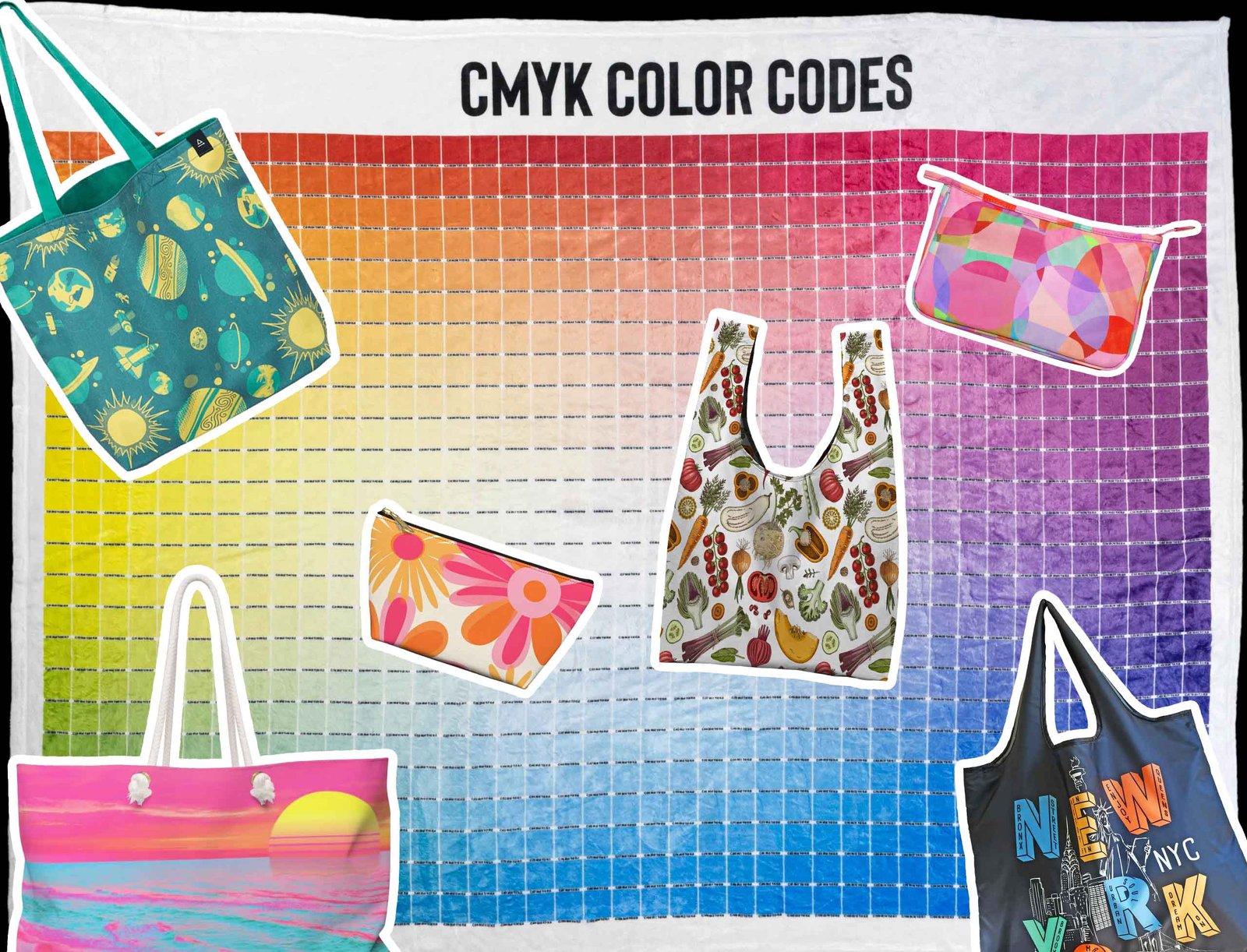
In my experience, Pantone is the safer choice when color difference is not acceptable. I say “safer” because no system works alone. Pantone can lock the color target, but the factory still has to manage execution well. Fabric texture, fabric color, coating, ink absorption, and printing process all affect the final result. A Pantone red printed on natural cotton can look different from the same Pantone red printed on coated polyester. So the code matters, but production control matters too.
That said, Pantone gives me and the buyer a common language. If a customer says, “I need Pantone 186 C,” I know the target. I can test that color on the real bag material. I can compare lab dips7 or print strikes8 against the standard. I can train the production team to check against that target during bulk printing. This makes repeat orders easier too.
Here is how I look at consistency factors:
| Factor | Pantone Impact | Notes |
|---|---|---|
| Brand logo matching | Very strong | Best for fixed visual identity |
| Repeat orders | Strong | Easier to control from batch to batch |
| Material influence | Still important | Fabric type can shift appearance |
| Printer skill | Important | Wrong ink mix can still cause issues |
| QC process | Essential | Final consistency depends on inspection |
I once worked on a large promotional tote project where the buyer cared deeply about logo color. The artwork was simple, but the logo had to match other store packaging. We used Pantone for that order. The result was much more stable across the whole production run. If we had used general color process printing, I believe the buyer would have seen visible changes between lots. So yes, Pantone gives better consistency in many cases, but only when the factory also controls the full process well.
When Should Bag Buyers Use CMYK Instead of Pantone?
Some buyers hear that Pantone is more accurate, so they think it should always be the first choice. I do not agree. In many orders, CMYK is the smarter option.
Bag buyers should use CMYK when the design includes photos, gradients, shadows, multi-color artwork9, or large full-color coverage. CMYK is usually more practical and more affordable for complex prints, especially when exact brand color matching is less critical than visual richness.
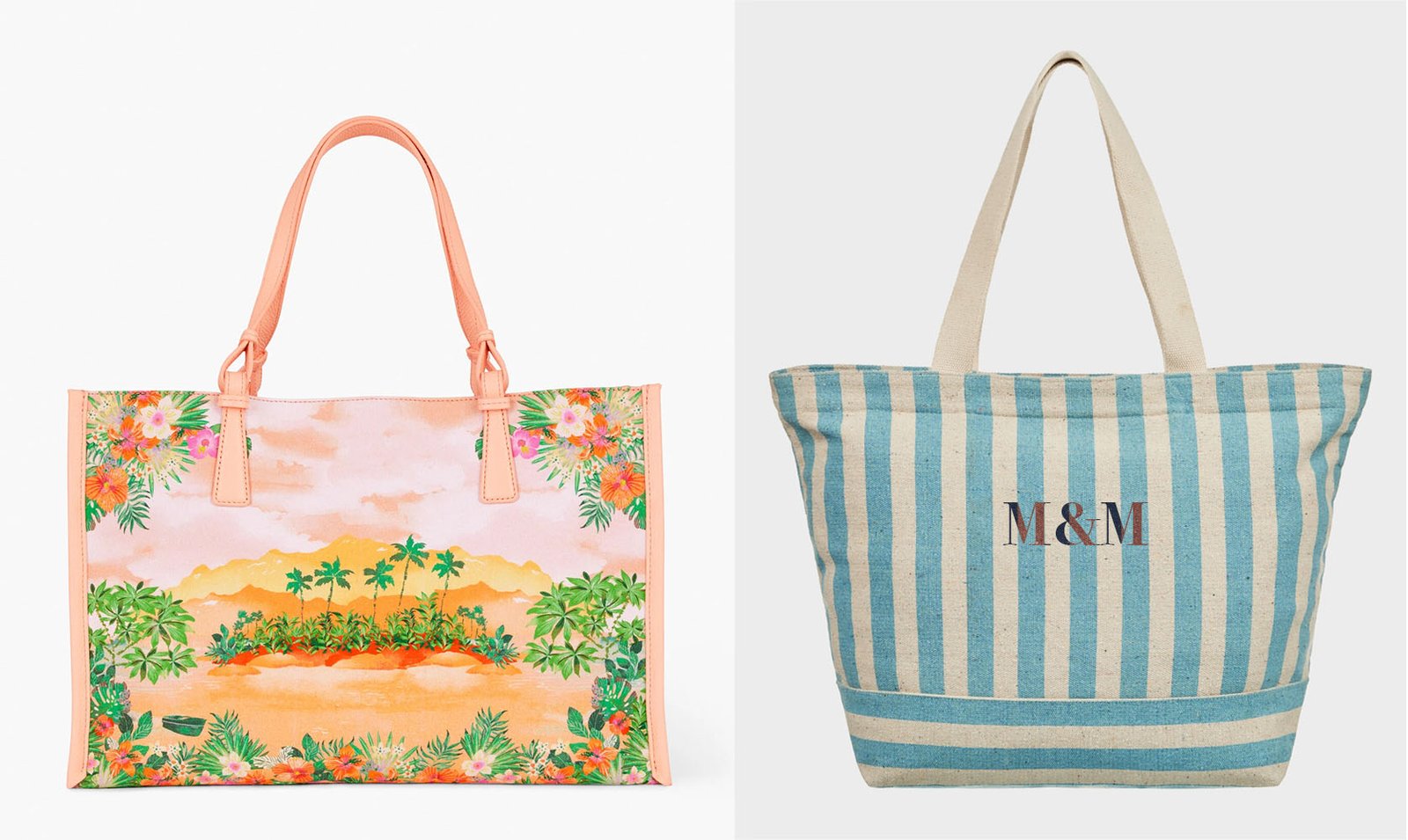
I often recommend CMYK for fashion bags, cosmetic bags, gift bags, and promotional items with rich graphics. If the design has a sunset effect, watercolor tones, fruit prints, or image-based artwork, Pantone can become expensive and hard to manage. Each spot color may need its own setup. That can slow the job and raise cost. CMYK can reproduce the full image more efficiently.
CMYK is also useful when the order needs visual flexibility10. Many buyers want attractive prints but do not need exact logo color control down to a tight tolerance. In these cases, it makes little sense to pay extra for spot color matching if the design itself is full of mixed tones.
I usually suggest CMYK in these situations:
| Order type | Better choice | Why |
|---|---|---|
| Photo print backpack | CMYK | Handles image detail well |
| Gradient cosmetic bag | CMYK | Smooth color transitions |
| Promotional bag with colorful art | CMYK | Lower cost for many colors |
| Strict logo tote bag | Pantone | Better logo control |
| Mixed design with logo and image | Pantone + CMYK | Best balance |
There is also a budget reason. In bulk production, even a small cost difference per unit matters. When I make thousands or tens of thousands of bags, printing cost becomes a key part of the quote. If the artwork is complex, CMYK usually gives a better cost-performance balance11.
Of course, CMYK has limits. Some colors may look slightly different across materials or print runs. Very bright brand colors can also be hard to match exactly. So I do not see CMYK as a cheap substitute for Pantone. I see it as the right tool for the right job. If the artwork is complex and the buyer wants a practical, scalable solution, CMYK often makes the most sense.
Which Color Mode Is More Cost-Effective for Large Bag Manufacturers?
Most buyers ask about color from a design angle first. Then they ask the more serious question: how does this affect cost? That is the point where the decision becomes real.
For large bag manufacturers, CMYK is usually more cost-effective for complex multi-color designs, while Pantone is often more cost-effective for simple logos or limited-color artwork that requires strict color accuracy. The lowest total cost depends on design complexity, color count, and reprint consistency needs.
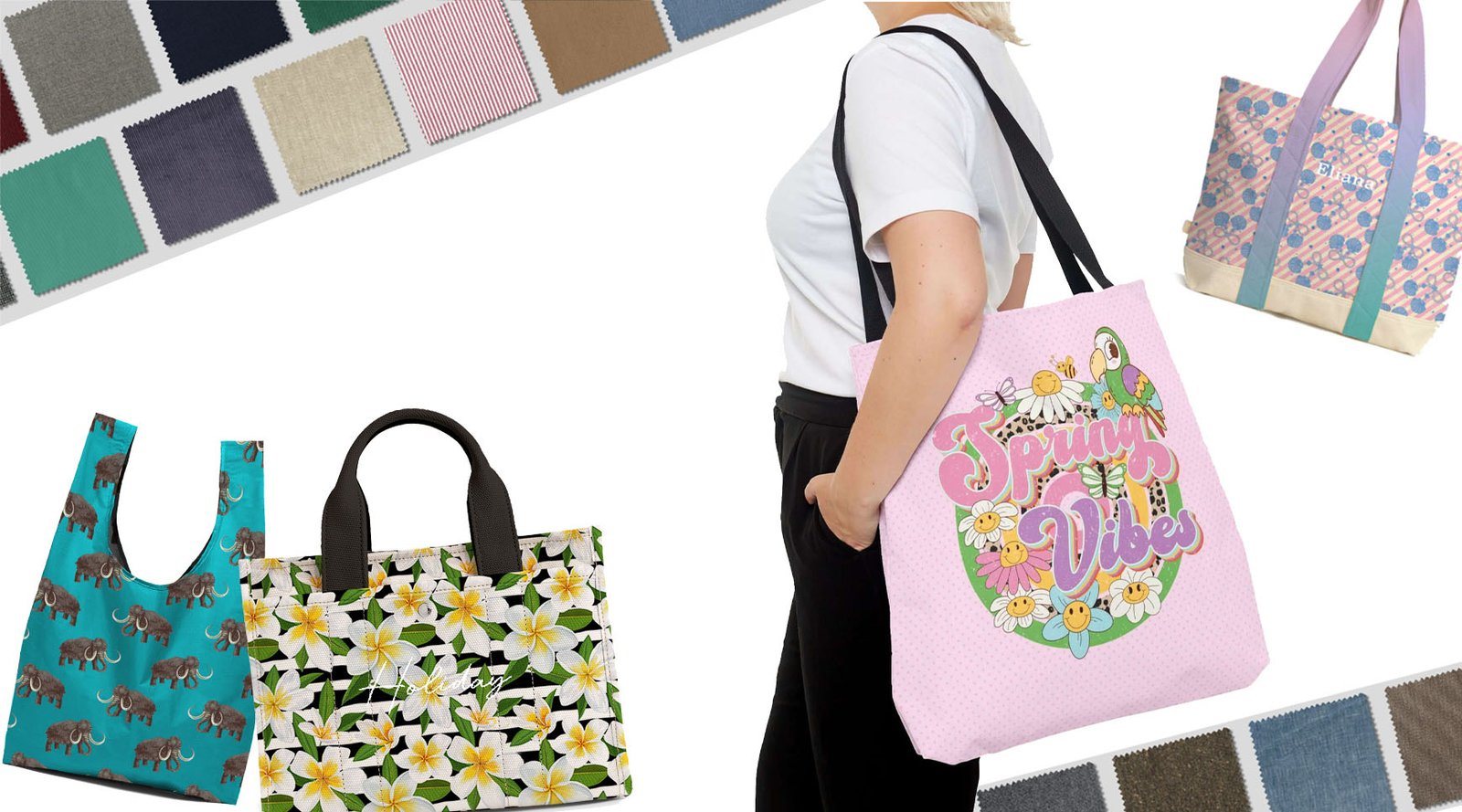
I always tell buyers not to judge cost by ink price alone. Total printing cost includes plate making12, setup time13, machine adjustment, approval time, waste rate14, and the chance of rejection due to color mismatch15. A lower unit print cost means little if the final goods fail brand review.
For simple designs, Pantone can actually be very efficient. If I print one or two brand colors on a tote bag, spot color printing is clear and direct. The setup is manageable. The result is stable. The approval process is also easier because everyone checks against a fixed target.
For complex artwork, CMYK usually wins. If a bag has ten visible tones, gradients, and mixed image elements, trying to build that with many Pantone colors can become expensive and inefficient. In that case, CMYK reduces setup complexity and often lowers total production cost.
Here is a simple comparison:
| Cost factor | Pantone | CMYK |
|---|---|---|
| Simple logo printing | Often efficient | Not always necessary |
| Multi-color artwork | Can become costly | Usually more efficient |
| Color approval time | Faster for fixed colors | May need more visual review |
| Repeat order control | Better for fixed brand shades | Acceptable for general designs |
| Waste risk from color dispute | Lower for strict logo jobs | Higher if buyer expects exact match |
From a factory view, I also think about production risk16. If the buyer has strict expectations and the logo is central to the brand, paying more for Pantone can save money later by reducing claims and rework. If the design is seasonal and image-driven, CMYK can keep the order competitive.
So when someone asks me which one is cheaper, I usually answer like this: CMYK is often cheaper for colorful designs, but Pantone can be cheaper in the long run when exact brand color is the real priority.
Can You Combine Pantone and CMYK for Custom Bag Production?
Some buyers think they must choose one system only. In actual bag production, that is not always true. I often use a mixed approach when the design and budget both matter.
Yes, you can combine Pantone and CMYK in custom bag production. This method is common when a bag needs exact brand logo colors and also includes complex full-color artwork. Pantone controls the key brand shades, while CMYK prints the detailed image areas at a lower cost.

This is often the most practical solution in real OEM and ODM bag orders17. A buyer may have a strict logo blue or red that must match brand standards. At the same time, the bag may include flowers, landscapes, product images, or soft background graphics. If I use only CMYK, the logo color may drift too much. If I use only Pantone, the full artwork may become too expensive or too complicated. So I combine them.
I have seen this work especially well on promotional totes, branded cooler bags, and cosmetic bags. The logo gets a spot color for accuracy. The decorative image uses CMYK for flexibility. This helps protect the brand while keeping the print cost under control.
The mixed method works best when the pre-production planning is clear:
| Production need | Best approach |
|---|---|
| Exact logo color | Pantone |
| Gradient background | CMYK |
| Full-color product image | CMYK |
| Main brand block color | Pantone |
| Balanced quality and budget | Pantone + CMYK |
Still, this method needs factory experience. The design file must be prepared correctly. The printing sequence must be planned. The buyer and supplier must confirm which parts are spot color and which parts are process color. If this is not clear, the result can be messy.
In my view, this combined method reflects how smart bag sourcing should work. I do not need to be rigid. I need to solve the real business problem. If I can protect brand color, support creative design, and control the budget at the same time, that is usually the best answer for a bulk order.
Conclusion
For bulk bag orders1, I choose Pantone for strict brand colors, CMYK for complex artwork, and both together when I need the best mix of color accuracy, design freedom, and cost control.
Understanding how scale affects printing helps you avoid color surprises, manage risk, and budget correctly before you commit to a big order. ↩
Learning how consistent brand colors affect recognition and trust helps you justify stricter color control and higher-quality printing choices. ↩
Knowing how spot colors work helps you see when Pantone gives you cleaner, more reliable results than process printing on important projects. ↩
Seeing how brand guidelines translate into printing standards helps you avoid approvals issues and rejected shipments later. ↩
A deeper look at color stability helps you work with factories to minimize visible shifts between samples and mass production. ↩
Seeing best practices in print QC helps you choose reliable factories and set clear inspection standards for your orders. ↩
Learning how lab dips work shows you how to lock color before bulk printing and reduce disputes with suppliers. ↩
Strike-offs are your last chance to catch color issues; understanding them can save you from expensive reprints and claims. ↩
Knowing the strengths of CMYK helps you design artwork that prints cleanly without unexpected banding or muddy colors. ↩
This helps you decide where you can be flexible on color and where you must be strict to keep your brand consistent and attractive. ↩
Understanding this trade-off lets you optimize between price, print quality, and risk for different types of bag projects. ↩
Knowing how plates are made and priced helps you estimate setup costs and decide when extra colors are truly worth it. ↩
Setup time adds hidden cost to each order; learning about it helps you plan MOQs and artwork to stay profitable. ↩
High waste rate eats margins and delays deliveries; understanding it helps you demand better process control from suppliers. ↩
Knowing common causes lets you build safeguards—like standards and approvals—into your purchase orders and contracts. ↩
A clear view of production risk helps you choose the right printing method, terms, and supplier to avoid costly disputes. ↩
Understanding OEM vs ODM models helps you manage design ownership, customization options, and responsibilities with factories. ↩