I see many buyers lose margin because shipping looks simple at first, then carton volume, packing space, and freight rules change the real cost1.
Soft cooler bags are often easier to ship in bulk because they can use less carton space, fold better, and load more flexibly2. Still, the better choice depends on size, insulation thickness, packing method, order quantity, and retail sales channel.
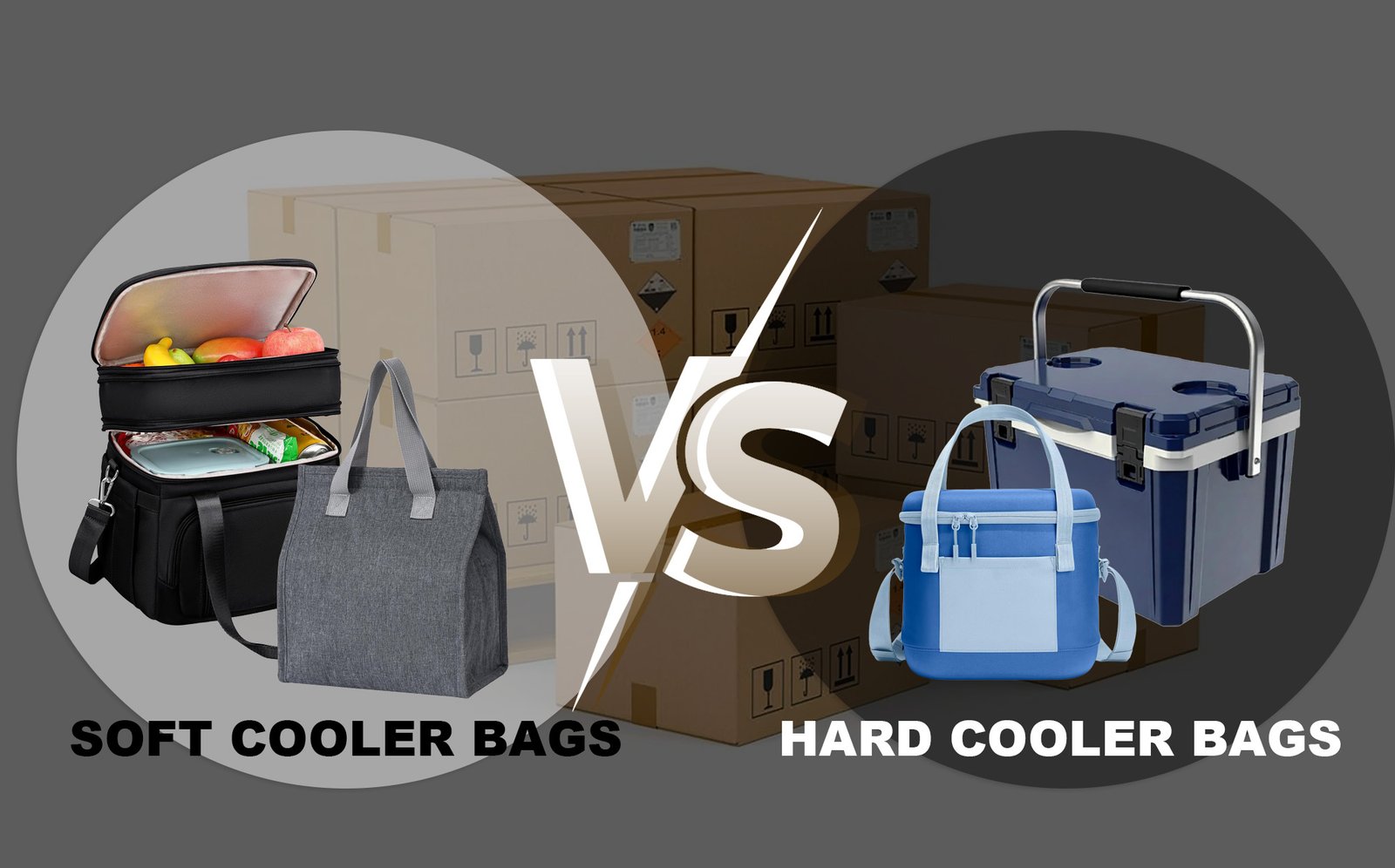
I do not judge shipping by product weight alone. I usually ask for the cooler size, target quantity, carton packing, logo method, and sales channel before I suggest a solution. I learned this from real OEM and ODM cooler bag projects, where a small change in bag structure can change carton efficiency3. If I only compare soft and hard coolers by unit price, I may miss the cost that appears later in freight, storage, and retail handling.
What Makes Soft Cooler Bags Easier to Ship in Bulk?
I see buyers feel pressure when bulky products fill cartons too fast, because freight cost rises before the selling plan is ready.
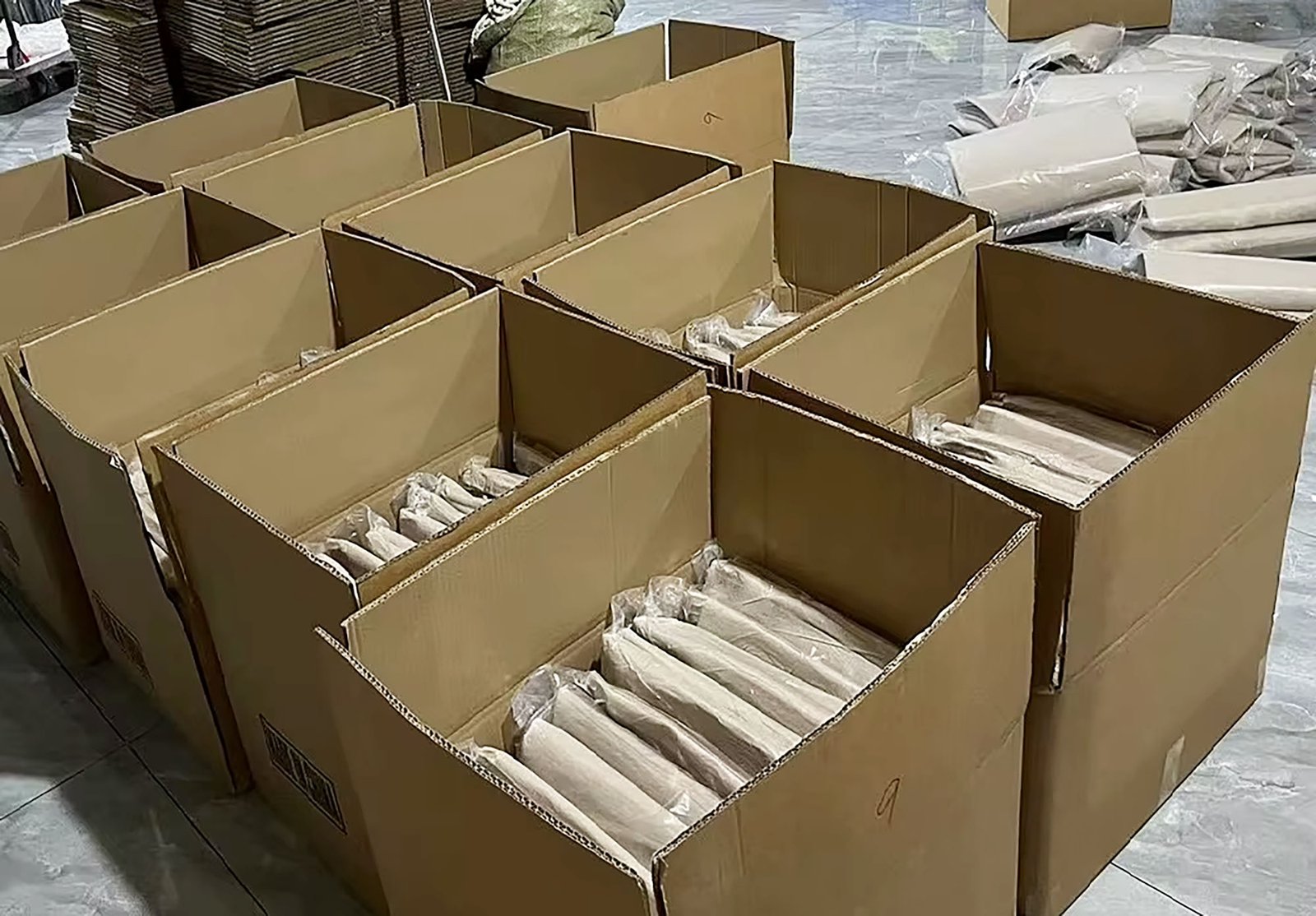
Soft cooler bags are easier to ship in many bulk projects because they can compress, fold, or nest more than hard coolers4. This helps improve carton use and reduce wasted space5, but the result depends on the cooler’s shape, insulation, and packaging method.
I look at structure before I look at freight
I usually start with the structure of the soft cooler bag. A tote-style cooler, lunch cooler, backpack cooler, and collapsible cooler do not ship in the same way. I have seen a simple rectangular cooler pack very well because the body can be pressed slightly. I have also seen a thick insulated cooler take more space than expected because the foam and lining keep the shape firm. So I never say soft cooler bags are always easy to ship. I say they often give more room for packing design.
| Factor I check | Why it matters for shipping | What I ask before quoting |
|---|---|---|
| Bag shape | It affects carton fit | Is it tote, backpack, lunch, or duffle style? |
| Insulation thickness | It affects compression | Is the insulation thin, medium, or thick? |
| Foldability | It affects units per carton | Can the bag fold without damage? |
| Handle and zipper design | It affects packing flatness | Do handles or lids create extra height? |
| Logo and packaging | It affects final carton size | Is there hangtag, polybag, insert card, or gift box? |
I focus on carton efficiency
I work with B2B buyers who care about landed cost. I know product cost is only one part. Carton size can change the final result. If one carton holds more units without hurting product shape, the buyer may get better loading efficiency. If the bag needs a display box, inner cardboard, or rigid insert, the advantage may become smaller. This is why I prefer to confirm the real packing method early. A soft cooler bag can be shipping-friendly, but only when the product design and packing plan work together.
How Do Soft Cooler Bags Reduce Storage and Freight Costs?
I see storage cost become a hidden problem when buyers order large quantity, because warehouse space can be more expensive than expected6.
Soft cooler bags can reduce storage and freight costs when they improve carton loading, lower volume weight7, and fit more units into limited space. The benefit is stronger when the cooler can fold, compress, or pack with less air inside the carton.

I compare landed cost, not only product price
I often explain this point during sourcing discussions. A buyer may see two products with similar unit prices. One soft cooler bag may look slightly more expensive at factory cost. A hard cooler may look cheaper at first. But the final decision should include carton volume, units per carton, loading plan, and packaging. I call this the real cost view. It is more useful for retail buyers because they sell by margin, not by factory price alone.
| Cost item I compare | Soft cooler bag impact | Why I care |
|---|---|---|
| Unit factory price | It can be low or medium | It is only the first number |
| Carton volume | It may be lower if folded | It affects freight cost |
| Units per carton | It may be higher | It affects handling and loading |
| Volume weight | It may be better | It affects air or courier freight |
| Warehouse space | It may need less room | It affects storage cost |
| Retail packaging | It may add volume | It must be checked early |
I watch the packaging plan closely
I have seen buyers choose a cooler bag design, then later add custom packaging for retail shelves. That change can affect carton size. A simple polybag packing may allow more units in one carton. A printed color box may protect the product and support retail display, but it may also increase volume. A custom hangtag may be small. A paper sleeve may be useful for branding. Each detail matters.
I also look at how the cooler bag will be sold. If the buyer sells through supermarkets, the product may need stronger retail presentation. If the buyer sells through online channels, the packaging may need better protection for single-piece delivery. If the buyer sells in bulk as a promotion item, the packing may stay simple. This is why I ask about sales channel before I suggest a shipping-friendly cooler option.
Are Hard Coolers More Expensive for Retail Logistics?
I see buyers reject hard coolers too fast, then later find that rigid products can help when stacking and protection matter.
Hard coolers are often more expensive to ship because they keep a fixed shape and take up fixed carton space. But they are not always the wrong choice. Their rigid body can help with stacking, product protection, and some retail display needs8.
I do not treat hard coolers as automatically worse
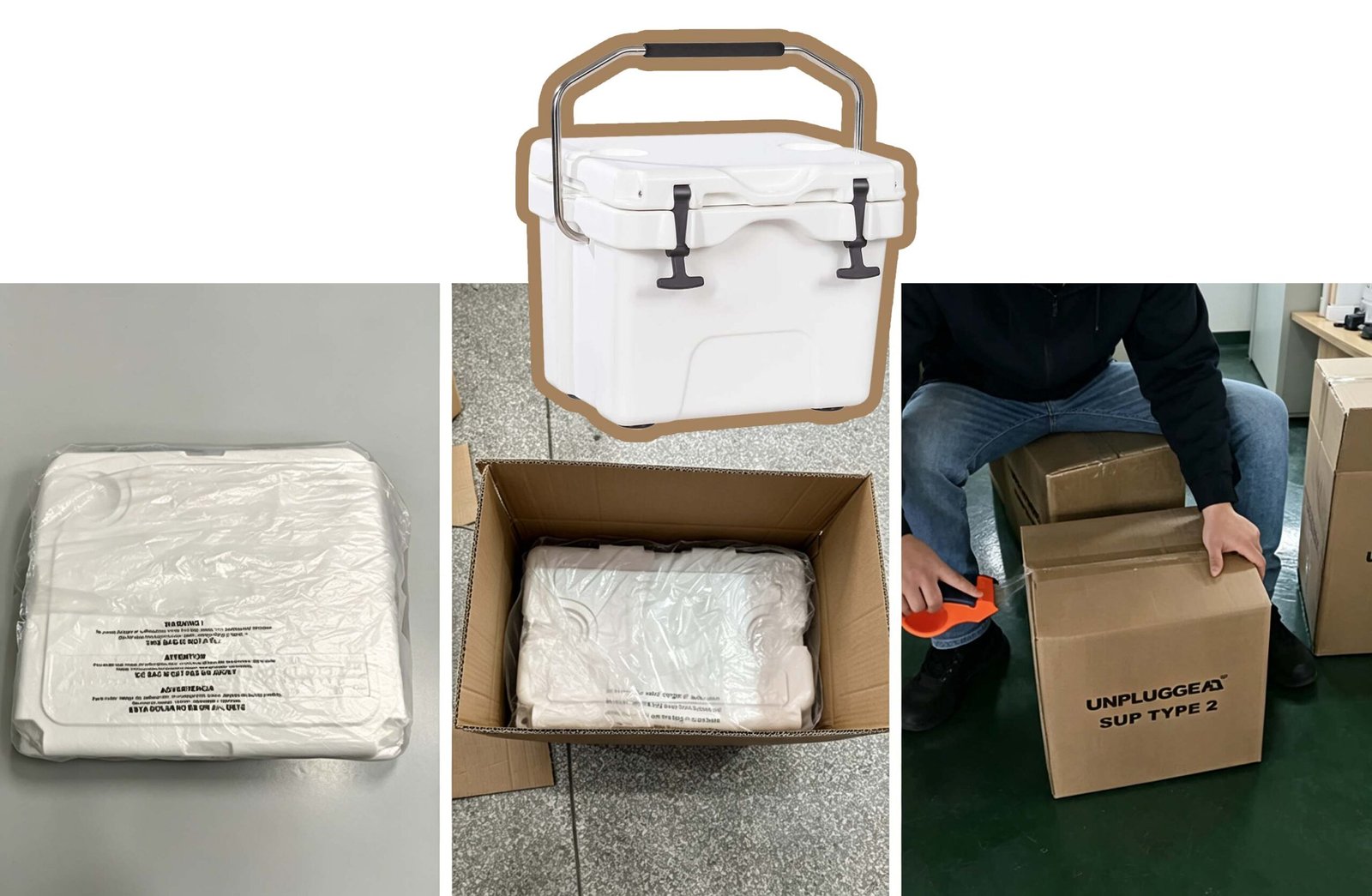
I am a bag manufacturer, so my daily work is closer to soft cooler bags. Still, I have enough export communication experience to know that hard coolers can make sense in some retail plans. A hard cooler has a fixed body. It does not fold like most soft cooler bags. This often means the carton volume is less flexible. Yet the same rigid shape may help protect the product during handling. It may also stack well in a warehouse if the shape is stable9.
| Hard cooler feature | Possible advantage | Possible shipping issue |
|---|---|---|
| Rigid shell | Better shape protection | Fixed carton volume |
| Stackable body | Easier warehouse stacking | Less flexible carton planning |
| Strong structure | Better for heavy use | Usually takes more space |
| Retail display value | Clear product shape | Packaging may be larger |
| Long product life image | Strong market position | Freight cost may rise |
I ask what the buyer wants the product to do
I do not give a simple answer like “soft is better” or “hard is better.” I ask what job the product must do. If the product must look strong, sit well on a retail floor, and protect contents in rough use, a hard cooler may fit the market. If the buyer needs seasonal promotion, light outdoor use, custom printing, lower carton volume, and flexible packing, a soft cooler bag may fit better.
Retail logistics is not only shipping from China to the destination port. It also includes warehouse handling, store delivery, shelf space, e-commerce fulfillment, and returns.10 A product that saves ocean freight but causes damage may not be a good choice11. A product that protects well but takes too much storage may also hurt margin. I prefer to compare the full route before I suggest the product type.
Which Cooler Type Is Better for Large Retail Orders?
I see large retail orders create bigger risk because one small packing mistake can repeat across thousands of units.
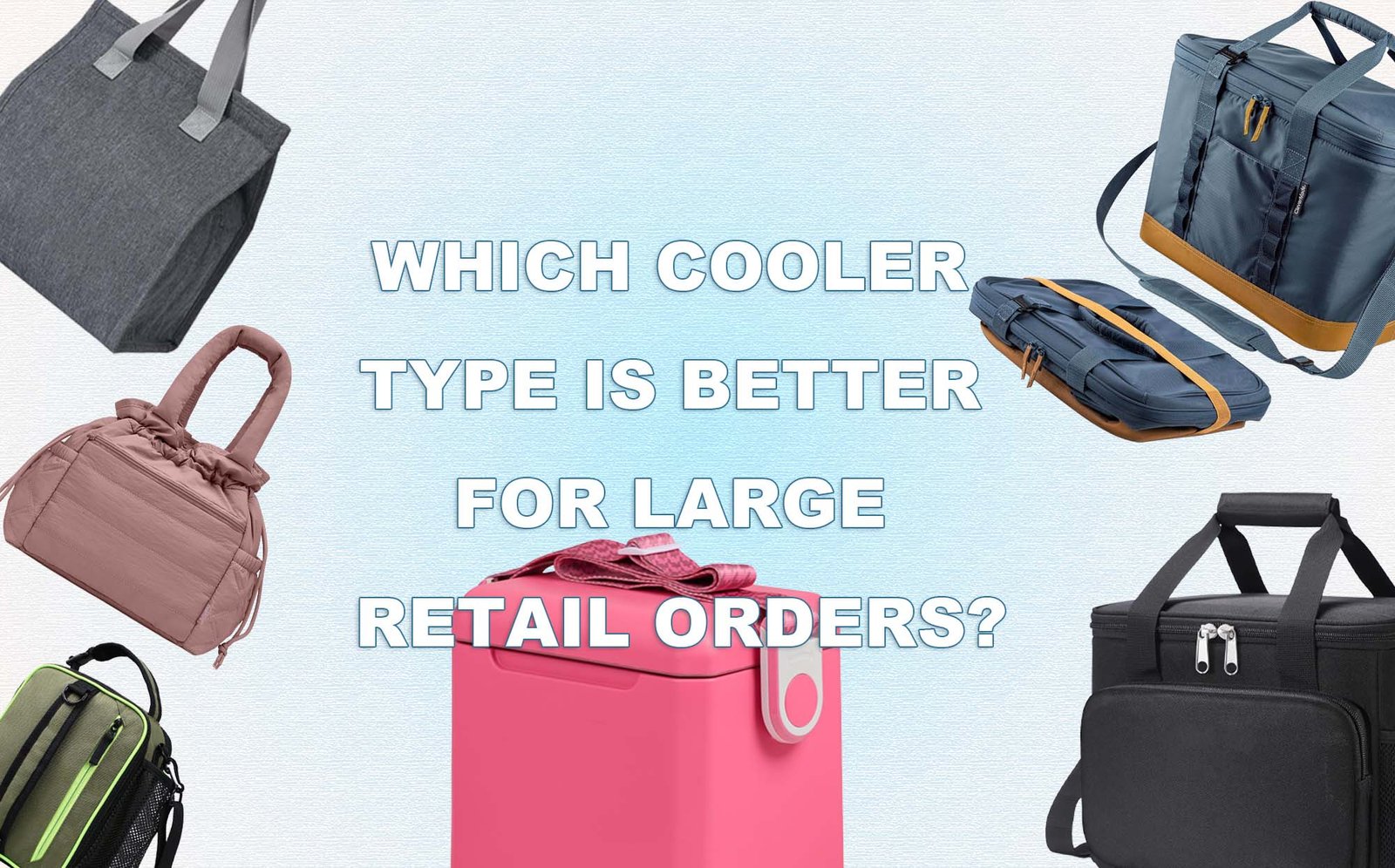
Soft cooler bags are often better for large retail orders when the buyer needs flexible customization, better carton efficiency, and lower storage pressure. Hard coolers can be better when rigid shape, stacking, and heavy-duty use are more important than packing flexibility.
I match the cooler type with the buying goal
For large retail orders, I usually separate the decision into product use, packing method, and sales channel. A supermarket buyer may care about shelf display, barcode placement, and carton labeling. A brand buyer may care about custom fabric, logo, color, zipper puller, and retail packaging. A distributor may care most about unit cost, carton quantity, and delivery date. Each buyer has a different risk.
| Buyer goal | Soft cooler bag may fit when | Hard cooler may fit when |
|---|---|---|
| Lower shipping volume | The bag can fold or compress | The fixed shape is acceptable |
| Strong product image | Custom fabric and print matter | Rigid body supports premium look |
| Fast seasonal promotion | Simple packing is possible | Existing mold and stock are ready |
| Retail shelf display | Hangtag or sleeve is enough | Rigid shape displays better |
| Heavy-duty outdoor use | Thick insulation and strong fabric fit | Hard shell protection is needed |
| Private label program | OEM/ODM details are important | Mold or shell design is available |
I check risk before I check scale
Large orders need stable production and clear communication. At Coraggio, I usually check fabric, insulation, lining, zipper, handle strength, logo method, packaging, and carton marks before production. I also confirm the order quantity and delivery plan. This helps reduce the risk that the buyer receives a product that looks good but ships poorly.
I have seen projects where a buyer wanted a thick cooler bag with strong insulation. The product was good, but the packing volume changed after the sample stage. We needed to review the carton again. This kind of check is normal. It is better to find the problem before mass production. A large retail order should not rely on guesswork. It should rely on samples, carton tests, and clear packing data.
I also consider customization. A soft cooler bag usually gives more freedom for fabric color, logo printing, embroidery, woven labels, zipper pullers, pockets, straps, and packaging. These choices help brands build market difference. But every choice can affect packing. A front pocket may add thickness. A shoulder strap may need separate packing. A strong bottom panel may reduce foldability. So I treat design and shipping as one plan.
How Should Retail Buyers Choose Between Soft and Hard Coolers?
I see buyers make better decisions when they ask practical questions early, instead of asking only for the lowest unit price.
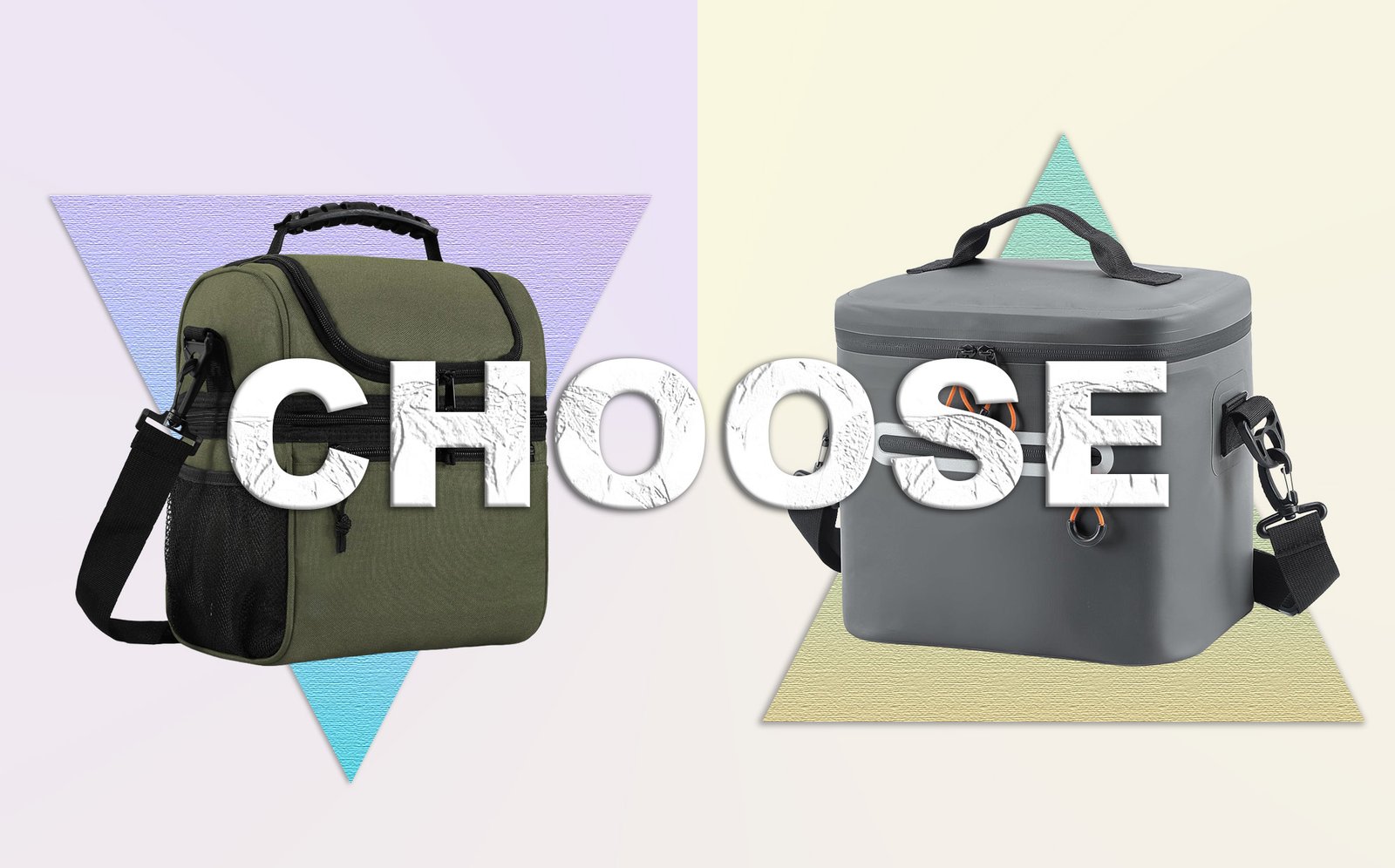
Retail buyers should choose by landed cost, product use, carton packing, order quantity, storage needs, and sales channel. They should ask suppliers for carton size, units per carton, packing method, and customization impact before they compare soft and hard coolers.
I use a simple decision checklist
When I speak with buyers, I do not start with a hard selling point. I start with questions. These questions help me understand the real shipment result. They also help the buyer avoid surprises after quotation. A low unit price is attractive, but it can be misleading when carton volume is high. A nice custom design is useful, but it can create extra packing space if nobody checks it.
| Question I ask | Why I ask it | Better buyer answer |
|---|---|---|
| What is the target size? | Size controls carton volume | Clear length, width, and height |
| What is the order quantity? | Quantity affects loading plan | Estimated first order and repeat order |
| What insulation thickness is needed? | Thickness affects foldability | Target use time and market level |
| What packing is required? | Packing changes carton size | Polybag, hangtag, sleeve, or box |
| What sales channel is used? | Channel changes packaging needs | Supermarket, online, promotion, or distributor |
| What logo method is planned? | Logo can affect lead time and cost | Print, embroidery, patch, or label |
I compare options with real packing data
I suggest buyers request a quotation with packing details. The quotation should not only show the unit price. It should also show carton size, gross weight, net weight, units per carton, and packing method when available. If the project is serious, I prefer to make a sample and test carton packing. This helps the buyer compare soft and hard cooler options in a fair way.
I also suggest buyers tell the supplier about their market. A buyer in Canada may have different storage and shipping needs from a buyer in Japan or Europe12. A supermarket program may need strict carton marks and pallet planning. A gift promotion order may need low cost and fast delivery. An outdoor brand may need stronger material and better insulation. These details change the best cooler choice.
As a China-based OEM and ODM bag factory, I can support soft cooler bag planning with custom fabric, logo, structure, and packing. I can also help buyers think through carton loading and bulk shipment planning. I do not pretend to replace a logistics company. I do not claim fixed savings without project data. I help buyers collect the right product and packing information, so the freight discussion becomes more accurate.
The best choice is the one that protects margin after all costs are included. Sometimes that choice is a foldable soft cooler bag. Sometimes it is a more structured soft cooler bag. Sometimes a hard cooler is reasonable because the sales channel needs rigidity. I believe buyers make stronger sourcing decisions when they compare function, packaging, and landed cost together.
Conclusion
I choose cooler types by landed cost, carton efficiency, product use, and sales channel, not by soft or hard labels alone.
"Air Freight Billing Guide - IATA Volumetric Weight Calculation", https://www.volumetricweightcalculator.com/blog/IATA-Volumetric-Weight-Calculation-Air-Freight-Billing-Guide.html. Air and parcel freight guidance from carriers and international transport bodies explains that charges are often based on dimensional or volumetric weight, showing why carton size and packing efficiency can change total shipping cost even when unit weight is similar. Evidence role: mechanism; source type: institution. Supports: Freight charges are commonly influenced by shipment dimensions and volumetric weight, not only physical weight.. ↩
"Intermediate bulk container - Wikipedia", https://en.wikipedia.org/wiki/Intermediate_bulk_container. Packaging and logistics research indicates that compressible or flexible products can improve cube utilization in transport packaging compared with rigid items, although the extent of the advantage depends on product geometry, protective requirements, and packing method. Evidence role: general_support; source type: paper. Supports: Flexible or compressible products can improve carton utilization and reduce unused shipping volume compared with rigid products, depending on package design.. ↩
"Packaging University Courses - rampac - Department of Energy", https://rampac.energy.gov/home/education/packaging-university-courses. Packaging engineering studies show that small changes in product geometry and structural features can alter packing density and carton fill, which in turn affects transport and storage efficiency. Evidence role: mechanism; source type: research. Supports: Product geometry and structural details influence packing density, carton fill, and transport efficiency.. ↩
"Cooler", https://en.wikipedia.org/wiki/Cooler. Materials and packaging references describe textile-based soft-sided containers as deformable and compressible in ordinary handling, in contrast to rigid molded containers that retain fixed shape and volume. Evidence role: definition; source type: education. Supports: Soft-sided textile-based containers are generally more deformable and compressible than rigid molded containers.. ↩
"Optimization of the solid cardboard in carton design - BioResources", https://bioresources.cnr.ncsu.edu/resources/optimization-of-the-solid-cardboard-in-carton-design/. Packaging optimization literature treats unused carton volume as void space and shows that reducing it improves cube utilization, a key factor in transport and storage efficiency. Evidence role: mechanism; source type: paper. Supports: Reducing void space in cartons improves cube utilization and can lower logistics inefficiency.. ↩
"[PDF] Using a Total Landed Cost Model to Foster Global Logistics Strategy ...", https://dspace.mit.edu/bitstream/handle/1721.1/60836/697536597-MIT.pdf?sequence=2&isAllowed=y. Supply-chain research commonly treats warehousing and storage as major components of total logistics cost, indicating that storage expense can materially affect profitability in larger-volume orders. Evidence role: general_support; source type: paper. Supports: Warehousing and storage are recognized components of total logistics cost and can materially affect margins.. ↩
"Air Freight Billing Guide - IATA Volumetric Weight Calculation", https://www.volumetricweightcalculator.com/blog/IATA-Volumetric-Weight-Calculation-Air-Freight-Billing-Guide.html. Carrier and air-cargo guidance defines volumetric or dimensional weight as a pricing measure based on parcel dimensions, showing that lower package volume can reduce billed weight when dimensional weight exceeds actual weight. Evidence role: definition; source type: institution. Supports: Freight systems use volumetric or dimensional weight based on parcel dimensions, so reducing package volume can reduce billed weight.. ↩
"Ox Industries Custom Protective Packaging", https://oxindustries.com/products/protective-packaging-products-protective-packaging/. Packaging research on rigid structures notes that they typically provide greater stacking stability and shape retention than flexible formats, which can aid product protection and visual presentation in storage and retail contexts. Evidence role: mechanism; source type: research. Supports: Rigid structures generally provide better stacking stability and shape retention, which can support protection and display.. Scope note: The support is contextual for rigid packaging in general and does not directly test hard coolers as a product category. ↩
"Pallet", https://en.wikipedia.org/wiki/Pallet. Logistics and packaging studies report that stable package geometry is an important determinant of stackability and unit-load stability in warehouses and during transport. Evidence role: mechanism; source type: paper. Supports: Stable package geometry contributes to stackability and load stability in warehousing.. ↩
"Logistics - Wikipedia", https://en.wikipedia.org/wiki/Logistics. Standard logistics definitions describe retail logistics as encompassing downstream warehousing, distribution to stores or customers, order fulfillment, and reverse logistics, not merely long-distance transport. Evidence role: definition; source type: encyclopedia. Supports: Retail logistics covers multiple downstream activities beyond international transport, including warehousing, distribution, fulfillment, and returns.. ↩
"[PDF] Damage prevention in the transportation environment", https://nvlpubs.nist.gov/nistpubs/Legacy/SP/nbsspecialpublication652.pdf. Transport-packaging research and testing standards emphasize that lower logistics cost must be balanced against package protection because in-transit damage can generate replacement, return, and handling costs that offset freight savings. Evidence role: general_support; source type: research. Supports: Packaging decisions involve tradeoffs between transport efficiency and damage prevention, and damage can outweigh freight savings.. ↩
"OECD Supply Chain Resilience Review", https://www.oecd.org/en/publications/oecd-supply-chain-resilience-review_94e3a8ea-en.html. International logistics indicators and regional distribution studies show that transport infrastructure, market structure, and delivery systems vary across countries, so storage and shipping requirements often differ between markets. Evidence role: historical_context; source type: institution. Supports: Logistics environments differ across countries and regions, affecting distribution practices and operational requirements.. Scope note: Such sources support general cross-market variation rather than proving specific differences for cooler products in Canada, Japan, or Europe. ↩