School backpacks look simple to source, but many buyer problems start before sampling even begins. I often see a workable bag brief turn risky because the artwork source is unclear, the reference image is too close to a protected design, or the buyer assumes removing a logo solves everything1. The safer path is to verify design rights first.
Buyers can source school backpacks with lower IP risk by checking the design source before development, using original or authorized artwork, avoiding character-like or highly similar references, and confirming commercialization rights before sampling. A factory may be able to make a backpack, but that does not mean the buyer has the right to sell it.
In my daily OEM and ODM work, I have learned that the most expensive mistake is often not production. It is starting development from the wrong reference file. So below, I will break down how I screen school backpack projects, what warning signs I watch for, and what buyers should prepare before they ask for samples.
Why Are Back-to-School Backpacks Still a Core Retail Category?
School backpacks remain a core category because demand returns every year, but repeat demand also creates repeat sourcing mistakes. Buyers want fresh designs fast. That pressure can lead to rushed borrowing from trending graphics, licensed looks, or marketplace screenshots that create avoidable risk.
Back-to-school backpacks stay important because they combine annual demand, broad age coverage, and strong private-label potential.2 For buyers, they offer volume, repeat orders, and room for customization. But because the category moves quickly, buyers need disciplined design screening so a strong retail opportunity does not become an IP problem.
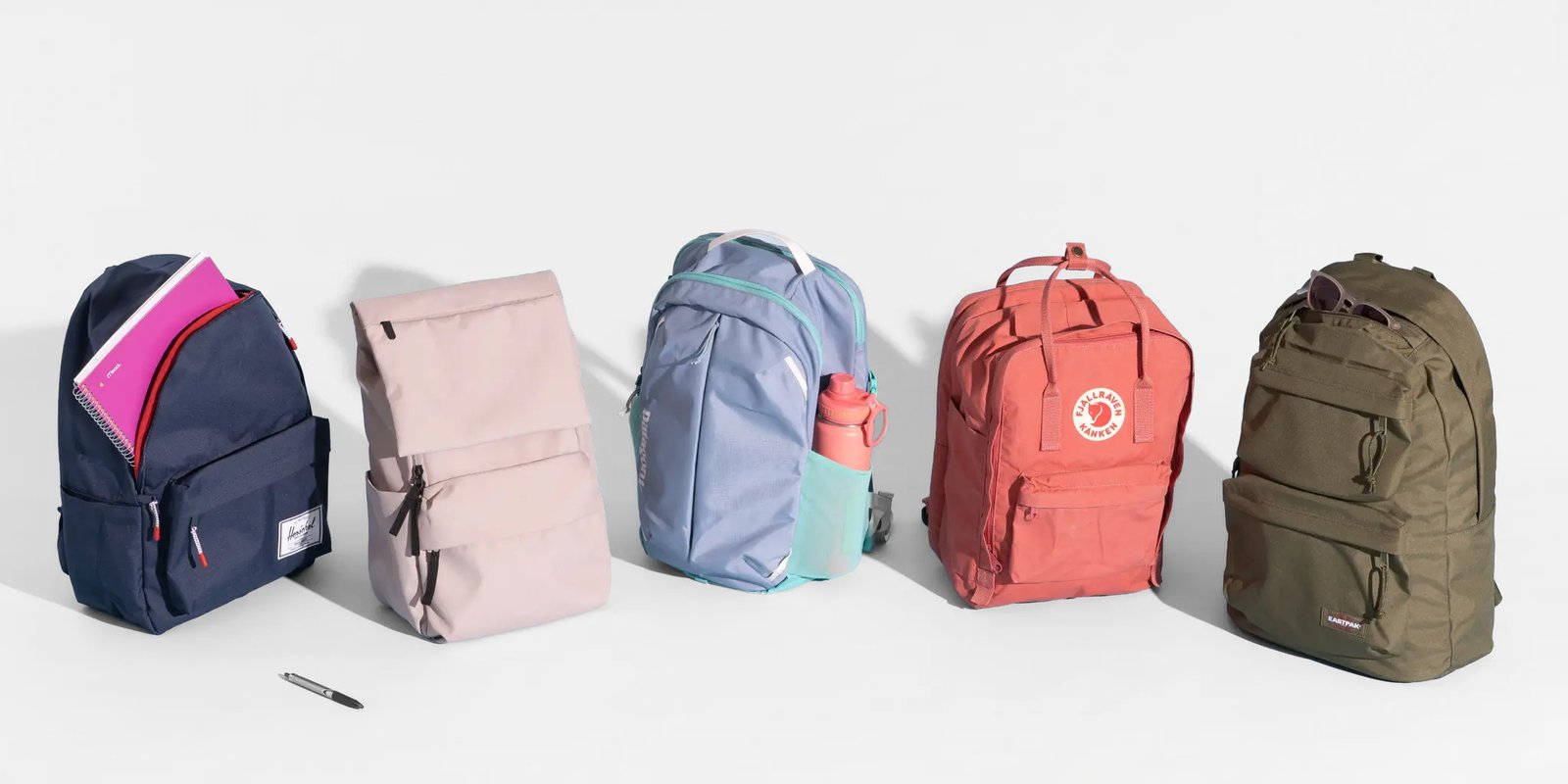
From a factory-side view, school backpacks are one of the most stable bag categories. I see buyers return to them because the market is wide, the use case is clear, and the price range can fit discount retail, supermarket programs, department stores, and private-label e-commerce.
Why demand stays strong
Several factors keep this category active:
- Seasonal certainty: the back-to-school cycle is predictable
- Wide user base: elementary, teen, and college users all need bags
- Replacement demand: many families buy again each year
- Retail flexibility: stores can sell basic, fashion, licensed, or premium versions
- Customization space: colors, prints, trims, pockets, and packaging can all vary
For B2B buyers, this makes school backpacks attractive because a retailer can build a full assortment around one category. A basic 16-inch backpack, a lunch combo, and a pencil case set can become a complete shelf program.
Why popularity increases sourcing risk
High demand creates urgency. Urgency often leads to shortcuts. I have seen buyers send me screenshots from marketplaces and say, “Can you make this same shape, same print, but no logo?” That request sounds practical, but it misses the real issue.
A backpack that is easy to produce is not automatically safe to commercialize.
The hidden risk usually sits in the reference itself. If the artwork came from a brand, a licensed property, an illustrator, or a protected pattern source, then deleting one visible mark does not necessarily remove the exposure.
What smart buyers do instead
The strongest buyers usually do three things early:
| Step | What they provide | Why it helps |
|---|---|---|
| 1 | Original artwork or confirmed authorization | Reduces design-source uncertainty |
| 2 | Target market and channel | Helps check risk level by sales use |
| 3 | Clear modification direction | Avoids “make it very similar” language |
This is why I always reframe the first question. I do not start with “Can we make it?” I start with “Do you own or control the right to use this design?” That shift saves time, sampling cost, and future trouble.
How Can Buyers Use Trend Colors Without Copying Characters?
Many buyers want trend-right school backpacks, but they worry that plain bags will not sell. Then they overcorrect and use character-like eyes, silhouettes, mascots, or licensed-feeling graphics. The result can look fresh at first and risky on closer review.
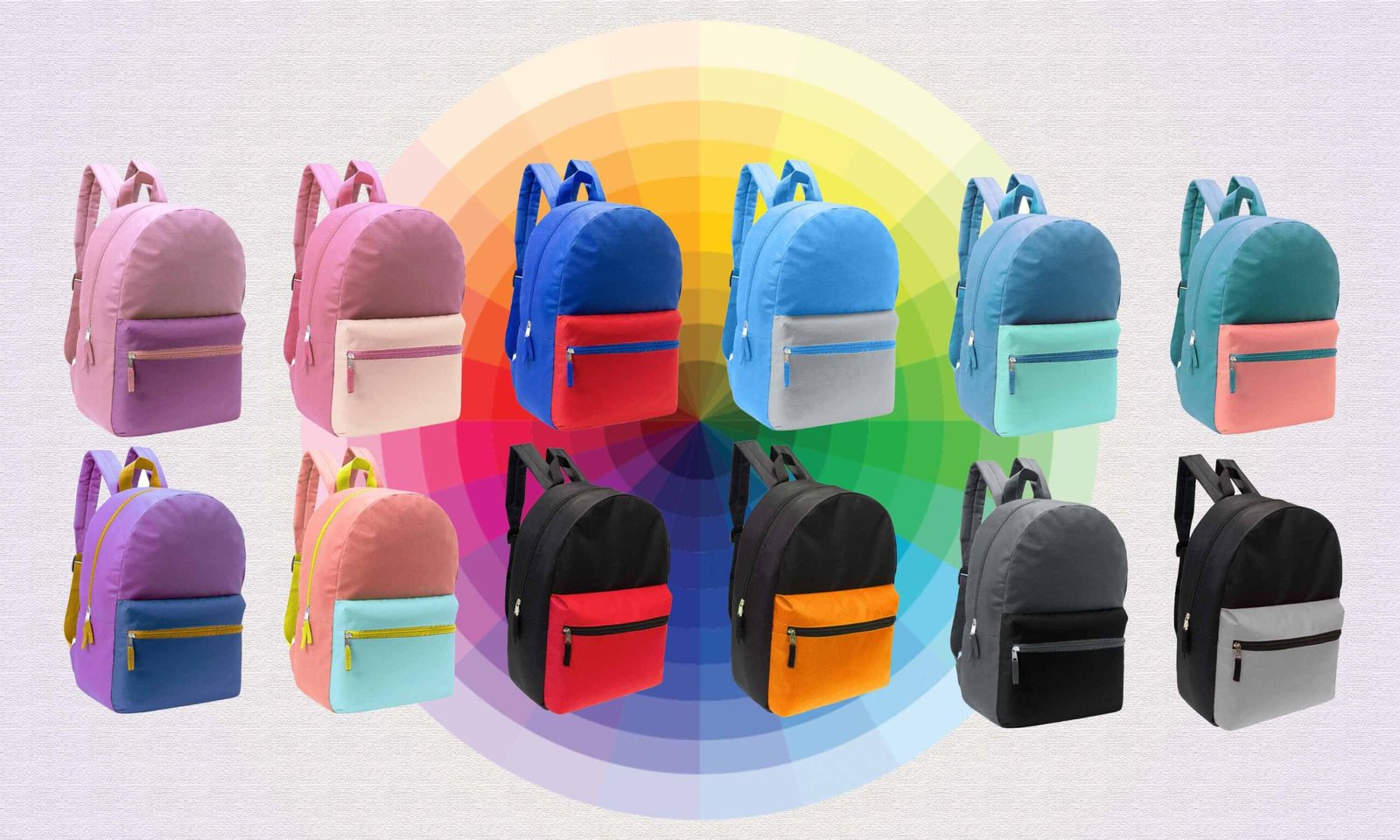
Buyers can use trend colors safely by building original color stories, custom prints, and distinct trim details instead of borrowing recognizable characters or high-similarity visual cues. Color trends are usually broad market signals3, but character-style graphics and copied design language can create far more risk than buyers expect.
This is one of the most common conversations I have with buyers. A client will say, “We do not want the cartoon itself, just that feeling.” I understand the commercial logic. Kids’ products often need fun energy. But the line between inspired and too close can become blurry very fast.
Trend colors are not the problem
Color direction alone is usually a much safer starting point. For example:
- pastel lilac
- sage green
- dusty blue
- sand beige
- bright sport color blocking
- tonal monochrome neutrals
These are market trends, not exclusive assets in themselves in most normal sourcing contexts. A buyer can build a strong range from color alone.
What creates more exposure
I become cautious when I see requests like these:
- “Can you make it like this famous character, but slightly different?”
- “Use the same face layout, just change the eyes.”
- “Keep the silhouette and overall feeling.”
- “Use a campus print similar to this brand’s best seller.”
- “Copy this pattern but replace the logo patch.”
These details matter because risk does not stop at trademarks4. In real sourcing work, I also watch for:
- character-like visual systems
- distinctive illustration styles
- recognizable pattern arrangements
- signature color-plus-graphic combinations
- artwork files with unclear origin
Safer creative alternatives
I usually guide buyers toward an original design route:
1. Build a custom mood board
Use broad references, not one target product. Mix:
- color chips
- fabric swatches
- hardware ideas
- pocket layouts
- trend themes
2. Use buyer-owned artwork
If the buyer has an internal designer or freelancer, I ask for editable files and confirmation of ownership or usage rights.
3. Create new visual themes
For school backpacks, strong non-copy directions include:
- abstract doodles
- geometric sports themes
- nature-inspired prints
- uplifting word graphics
- retro varsity color blocking
I have stopped projects before when the reference looked too close to a known retail item. That is not me acting like a lawyer. That is basic factory-side judgment. If a file gives me doubt at the start, I would rather pause than help a buyer spend money on the wrong sample.
What Backpack Sizes Work for Elementary, Middle School, and College?
Buyers often focus so much on design that they forget age-fit basics. Then the bag looks good in a photo but fails in use. Wrong sizing leads to weak reviews, more returns, and poor reorder potential, even if the school backpacks are otherwise well made.
The right school backpack size depends on the user stage: elementary usually fits around 12–16 inches, middle school around 16–18 inches, and college often 18 inches or more5 with laptop-compatible organization. The best size balances daily load, body scale, and retail price point.6
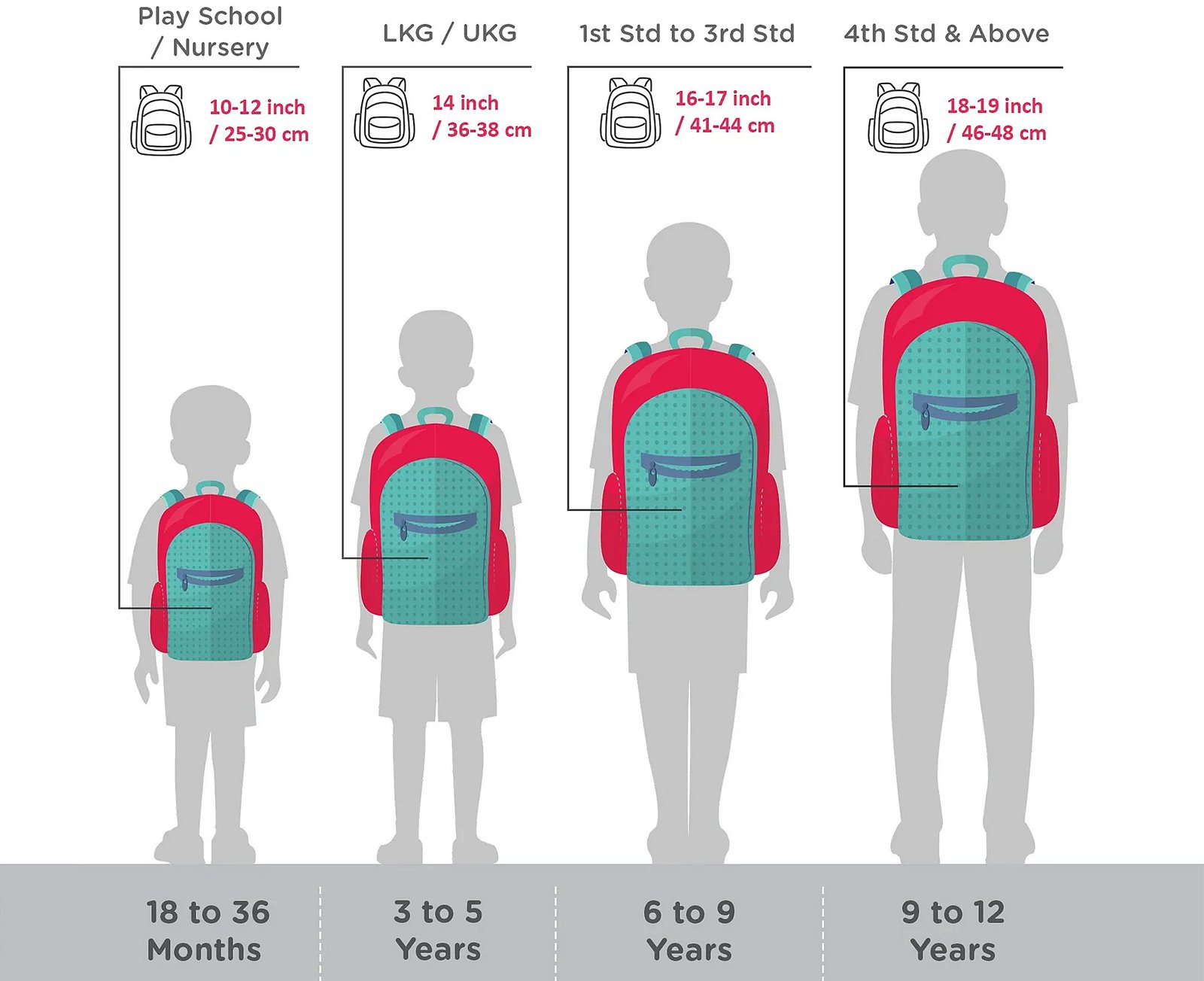
Size planning matters because age groups do not carry the same items, and retail channels do not sell the same feature mix. I always ask buyers who the bag is really for before discussing price.
Typical size ranges
| User group | Suggested height range of bag | Common use |
|---|---|---|
| Elementary | 12"–16" | Books, lunch, light school items |
| Middle school | 16"–18" | Heavier books, folders, sports extras |
| College | 18"–20"+ | Laptop, charger, notebooks, daily commute gear |
These are general sourcing ranges, not universal rules. Market preference can vary by country and school system.
What else matters besides height
Capacity and compartment logic
A 17-inch backpack with one cheap compartment may perform worse than a well-planned 16.5-inch bag.
I usually review:
- main compartment opening
- front pocket usefulness
- side bottle pocket depth
- padded laptop sleeve size
- base panel reinforcement
Weight control
For younger users, excess structure can make the bag too heavy. For older students, underbuilt construction creates durability issues.
Age-appropriate features
Elementary bags often need:
- lighter body weight
- easier zipper pullers
- bright visibility details
Middle school and college bags often need:
- stronger shoulder padding
- device compartment options
- cleaner fashion direction
- more neutral branding space
A practical sourcing tip
If a buyer wants one shell for multiple markets, I often suggest using one base design with small size adjustments. That can reduce development complexity while keeping the assortment logical.
For example:
- 15" youth version
- 17" teen version
- 18.5" commuter version
That approach works better than forcing one backpack size across all users. It also supports clearer merchandising and more accurate carton planning.
Which Quality Checks Matter for Daily School Use?
A school backpack may pass a visual check and still fail in real life. Daily use is rough. Bags get dragged, overloaded, dropped, and washed badly.7 If buyers skip practical quality checks, they may save cents upfront and lose much more in claims and retailer complaints.
The most important quality checks for school backpacks cover fabric strength, seam durability, zipper performance, strap reinforcement, colorfastness, print adhesion, and functional wear under repeated daily use.8 Buyers should test the product as a school bag, not just inspect it as a sample.
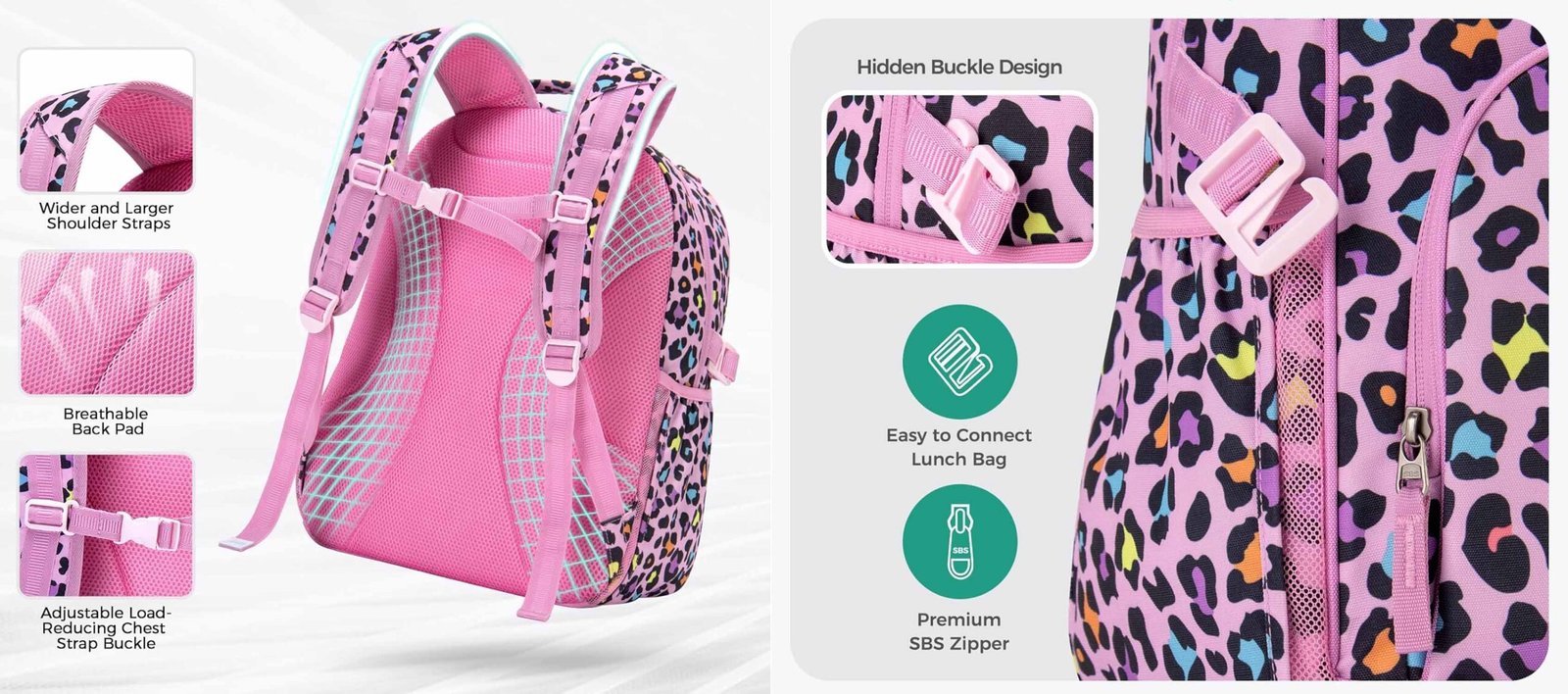
When I discuss quality with procurement teams, I try to keep it practical. A good backpack does not need luxury standards, but it does need to survive student behavior.
Core quality checkpoints I prioritize
1. Fabric and coating consistency
I check:
- material thickness
- backing stability
- coating feel
- color variation between panels
For common polyester school backpacks, consistency matters more than fancy claims.
2. Seam and stress-point strength
Daily stress often hits:
- top handle
- shoulder strap joints
- bottom corners
- zipper ends
Bar-tack reinforcement can make a big difference in these spots.9
3. Zipper performance
Cheap zippers are one of the fastest ways to create returns. I look at:
- slider smoothness
- tape alignment
- tooth consistency
- end-stop security
4. Print and decoration durability
This is especially important for custom school backpacks. If the bag uses heat transfer, screen print, embroidery, or patches, I want to know how it behaves after rubbing, moisture, and normal wear.
A simple quality review table
| Check item | Why it matters | Common failure |
|---|---|---|
| Strap joint strength | Carries load daily | Tearing at seam |
| Zipper running test | Repeated opening | Stuck or split zipper |
| Fabric abrasion | Desk/floor contact | Surface wear |
| Colorfastness10 | Sweat/light contact | Fading or transfer |
| Print adhesion | Graphic durability | Cracking or peeling |
My real-world screening habit
I often tell buyers to load the sample with actual weight and use it for a few days. That quick test reveals more than a perfect-looking factory photo.
Also, I connect quality with IP risk in one practical way: if the artwork source is unclear, I do not want to move into decoration testing at all. There is no point refining print durability on a design the buyer may not have the right to sell. Development should start with a usable, authorized direction.
What Should Retailers Send Before Sampling Custom Backpacks?
Sampling delays often come from incomplete briefs, but the bigger issue is that incomplete briefs hide sourcing risk. If the retailer only sends a screenshot and asks for “same same,” then the factory does not have enough information to assess design safety, build accuracy, or price correctly.
Before sampling custom school backpacks, retailers should send size targets, construction requirements, quantity estimates, artwork source details, branding files, color references, test needs, and proof that the design is original or authorized for commercial use when relevant11. Clear inputs reduce both product mistakes and IP exposure.

This section is where many projects either become smooth or messy. I have handled enough buyer inquiries to spot the warning signs early.
The minimum file set I like to receive
Product information
- target size
- target material
- compartment layout
- padding requirements
- printing method preference
- expected quantity
Market information
- country or region of sale
- retailer type or sales channel
- target price range
- intended user age
Design information
- logo files in editable format
- artwork in editable format
- Pantone or color references
- packaging direction
This is the part many buyers skip. I ask:
- Is this artwork original?
- Was it created for your company?
- Do you have written authorization to use it?
- Is this based on any third-party design reference?
Warning signs I take seriously
I slow down the project when I hear:
- “We found it online.”
- “Another factory already quoted it.”
- “It is only for one season.”
- “Please copy the style, but no logo.”
- “Just make something very similar.”
Those answers do not automatically mean the design is forbidden. But they do mean the sourcing path is not clean enough yet.
A better briefing method
I recommend buyers send a brief in this order:
- Commercial goal: who will buy it and where it will sell
- Functional brief: size, pockets, materials, price target
- Design direction: mood board, not copy target
- Artwork proof: buyer-owned or authorized
- Compliance needs: market-specific review if needed
This method saves time for both sides. It also helps the factory act like a responsible development partner instead of a silent order taker.
My simple rule is this: if I cannot understand where the design came from, I do not feel comfortable moving straight to sample.
That habit has helped me prevent avoidable problems more than once.
Frequently Asked Questions
Is removing a logo enough to make school backpacks safe to sell?
No. A logo is only one visible element. School backpacks can still create risk if the print, character-like graphics, pattern, or overall design direction is too close to protected source material. I always suggest checking the artwork origin before development.
Can a factory decide whether a backpack design is legally safe?
Not fully. A factory can do practical risk screening and flag obvious concerns, but legal review remains the buyer’s responsibility when needed. I treat this as sourcing judgment, not legal advice.
What is the safest artwork source for custom school backpacks?
The safest route is original artwork owned by the buyer or artwork used under clear authorization. Editable files, designer confirmation, and documented usage rights make the sourcing process much cleaner.
Should buyers avoid trend-based school backpacks completely?
No. Buyers can still follow trends through colors, materials, silhouette updates, and original graphics. The key is to avoid high-similarity copying and not rely on licensed-looking references without authorization.
What should I do if my team only has a market reference image?
Use it as a broad inspiration point, not a direct copy target. Build a new brief around function, color story, age group, and original artwork. That gives the factory a workable and lower-risk development path.
Conclusion
Sourcing school backpacks without IP risk starts much earlier than most buyers expect. In my experience, the key question is not whether a factory can make the bag. The real question is whether the buyer has the right to commercialize the design behind it. If you want a safer OEM or ODM process, start with original or authorized artwork, a clear sample brief, and practical quality targets. If you are developing a school backpack program, contact Coraggio at info@coraggiobag.com or visit https://coraggiobag.com/ to discuss a cleaner, more reliable sourcing path.
"Trade dress", https://en.wikipedia.org/wiki/Trade_dress. Intellectual-property guidance from institutions such as WIPO and the USPTO explains that rights in commercial products may extend beyond logos to copyrighted artwork, trade dress, and other source-identifying design elements; accordingly, removal of a visible logo alone does not necessarily eliminate legal risk. Evidence role: general_support; source type: institution. Supports: That product designs may implicate forms of IP protection other than logos, so deleting a trademarked logo does not necessarily remove infringement risk.. Scope note: Support is general and does not determine whether any specific backpack design is infringing. ↩
"Fast Facts: Back-to-school statistics (372)", https://nces.ed.gov/fastfacts/display.asp?id=372. Back-to-school retail research and survey data regularly identify backpacks among the recurring categories purchased during the annual school-shopping season, supporting the characterization of school backpacks as a repeat-demand retail segment spanning multiple student age groups. Evidence role: general_support; source type: research. Supports: That back-to-school shopping is a recurring seasonal retail event and that backpacks are a common purchase category across student age groups.. Scope note: Such evidence supports the category's seasonal relevance but may not directly measure 'private-label potential' without additional market-specific sources. ↩
"Trademark", https://en.wikipedia.org/wiki/Trademark. Trademark guidance explains that colors are not inherently exclusive in commerce and typically receive legal protection only in specific circumstances, such as when a color has acquired source-identifying distinctiveness, which supports treating ordinary trend colors as broad market signals in most contexts. Evidence role: definition; source type: government. Supports: That color by itself is not automatically an exclusive asset and usually requires specific legal conditions, such as acquired distinctiveness, to receive trademark protection.. Scope note: This is contextual legal background and does not mean any given color use is always risk-free. ↩
"What is Intellectual Property?", https://www.wipo.int/en/web/about-ip. Standard intellectual-property references distinguish among trademarks, copyright, and design-related protections, indicating that commercial product appearance and artwork may raise multiple forms of IP risk beyond trademark issues alone. Evidence role: expert_consensus; source type: institution. Supports: That product-related IP issues may involve trademarks, copyright, industrial designs, and related doctrines rather than trademarks alone.. Scope note: The source would establish the range of relevant IP categories, not the legal outcome for a specific design. ↩
"How to Choose the Perfect School Backpack", https://www.llbean.com/llb/shop/518807?page=how-to-choose-the-perfect-school-backpack. Educational and pediatric backpack-fit guidance generally recommends choosing backpack dimensions according to the user's body size and school stage, supporting the article's age-graded sizing ranges as practical sourcing benchmarks rather than universal measurements. Evidence role: general_support; source type: education. Supports: That backpack sizing recommendations generally scale upward with student age and body size, with fit being more appropriate than one universal size.. Scope note: Most guidance focuses on fit and safe load rather than prescribing exact commercial size ranges for every market. ↩
"The Impact of Backpack Loads on School Children: A Critical ... - PMC", https://pmc.ncbi.nlm.nih.gov/articles/PMC6267109/. Ergonomic and pediatric sources note that backpack comfort and safety depend on fit relative to body size and on the weight carried, which supports the article's recommendation to balance bag dimensions with expected daily load. Evidence role: mechanism; source type: research. Supports: That backpack fit and carried load relative to the user's body size affect comfort and suitability.. Scope note: Retail price-point considerations are a commercial judgment and are not typically addressed in ergonomic studies. ↩
"Backpacks", https://extension.purdue.edu/4-H/_docs/get-involved/state-programs/CDE/2023-consumer-decison-making-study-guide.pdf. Bag and textile performance standards commonly evaluate abrasion resistance, seam strength, and repeated opening-and-closing cycles, reflecting the routine mechanical stresses encountered in everyday backpack use. Evidence role: general_support; source type: other. Supports: That backpacks are exposed to repeated mechanical stresses in normal use, motivating durability tests such as abrasion, seam strength, and zipper cycling.. Scope note: Testing standards indicate expected stress modes but do not directly quantify how all students actually handle backpacks in real-life settings. ↩
"Summary of Domestic and International Standards for Fabric ...", https://www.testextextile.com/summary-of-domestic-and-international-standards-for-fabric-strength-testing-including-speed-clamping-distance-and-sample-size/. Textile and sewn-product standards from bodies such as ISO, ASTM, and AATCC commonly include tests for material strength, seam performance, colorfastness, abrasion resistance, and related durability factors, supporting these checkpoints as standard quality criteria for school backpacks. Evidence role: expert_consensus; source type: institution. Supports: That recognized textile and sewn-product testing frameworks commonly assess strength, seam integrity, fastener performance, colorfastness, and surface durability.. Scope note: Standards establish relevant test categories but may not specify a single universally 'most important' set for every backpack program. ↩
"Bar tack", https://en.wikipedia.org/wiki/Bar_tack. Sewn-product construction references describe bar tacks as short, dense stitches applied at concentrated stress points to reinforce seams and attachments, which supports their use at backpack handles, strap joins, and zipper ends. Evidence role: mechanism; source type: education. Supports: That bar tacks are used in sewn products to reinforce localized stress points and help resist tearing or seam failure.. Scope note: The degree of improvement depends on materials, stitch quality, and overall construction, not on bar tacks alone. ↩
"Colorfastness Test Methods for Textiles: Complete Guide", https://blog.qima.com/textile/colorfastness-test-methods-for-textiles-guide. Textile testing references define colorfastness as resistance to color change or staining under exposures such as rubbing, perspiration, washing, and light, which supports its inclusion as a relevant quality criterion for school backpack fabrics and prints. Evidence role: definition; source type: institution. Supports: That colorfastness refers to a textile's resistance to color change or transfer under conditions such as rubbing, perspiration, washing, and light exposure.. Scope note: The source defines the test concept but does not by itself show that every backpack product will fail without market-specific thresholds. ↩
"Exchanging Value - Negotiating Technology Licensing Agreements", https://www.wipo.int/edocs/pubdocs/en/licensing/906/wipo_pub_906.pdf. Intellectual-property and licensing guidance commonly emphasizes that commercial use of artwork depends on ownership or documented authorization, so retaining records of origin and usage rights is a standard form of due diligence before product development and sale. Evidence role: general_support; source type: institution. Supports: That commercialization of artwork or design assets commonly depends on ownership or documented authorization, making rights documentation relevant in procurement and licensing workflows.. Scope note: This supports the need for documentation as a risk-control practice but does not specify the exact documents required in every jurisdiction or transaction. ↩