You have a great design, but factories often reject small orders or deliver poor quality. Scaling from one sample to 500 units without defects or delays is difficult.
To manufacture 500 tote bags, finalize a Pre-Production Sample (PPS)1 to lock in specs. Then, source bulk materials, set up assembly lines, and enforce strict in-line Quality Control. This ensures consistency from the first bag to the last, keeping costs low and delivery on time.
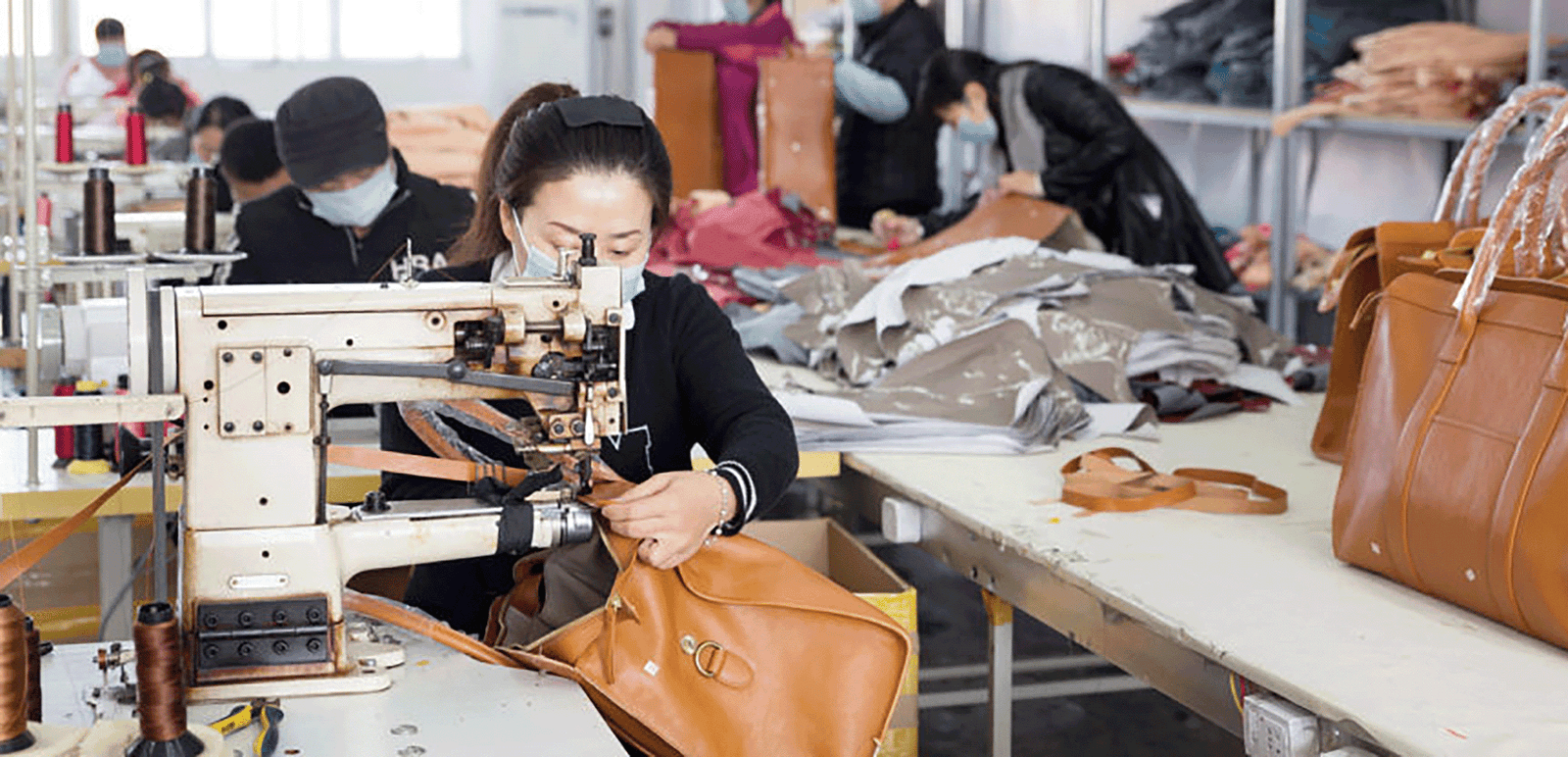
Here are the specific steps I use to guide clients through this process.
How to Turn a Tote Bag Prototype into a Production-Ready Sample?
Your handmade sample looks good, but machines cannot replicate it easily. You need a version that works for mass production to avoid costly mistakes.
The production-ready sample, or Pre-Production Sample (PPS)1, standardizes every stitch and material choice. It proves the factory can replicate your design using their specific machinery and available fabrics before you pay for the full order.
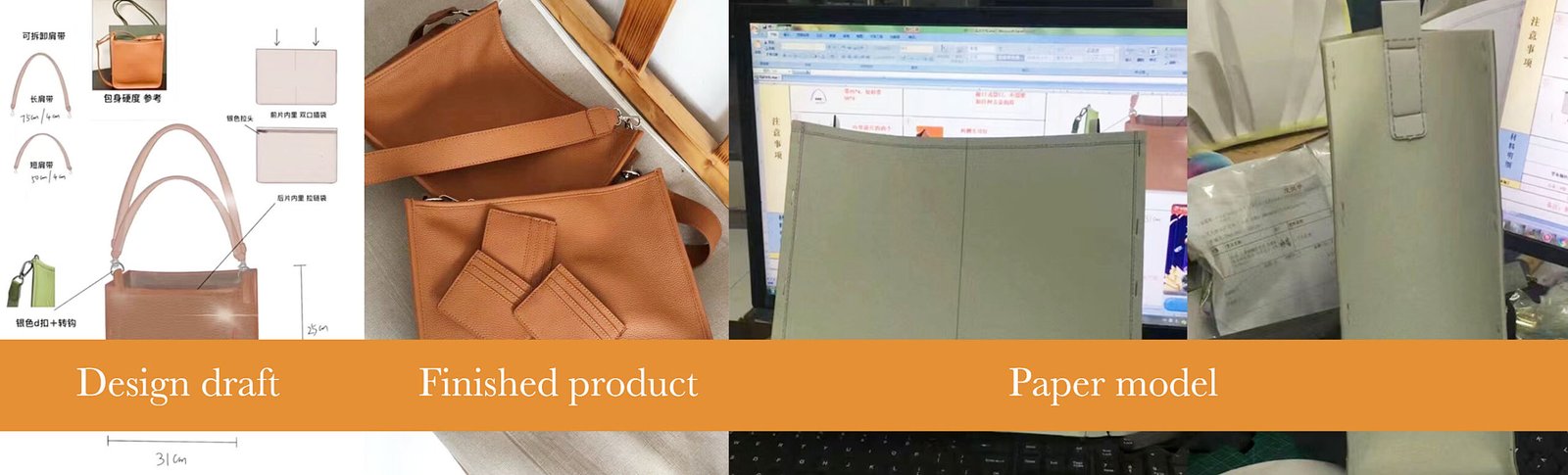
Many buyers send me a design they made at home or bought from a local tailor. These look great, but they are often impossible to make in a factory setting. A factory has to make hundreds of bags quickly. We cannot stop to hand-stitch a corner or cut fabric in a wasteful way. This is why we need to turn your prototype into a PPS.
The PPS is the "Gold Standard" for your order. If the factory makes a mistake later, you compare the bad bag to the PPS. If they do not match, the factory must fix it. To get this right, we look at three main things:
- Construction: Can the industrial sewing machine2 reach all the corners? Sometimes we need to change the order of sewing steps.
- Material Availability3: Is the fabric in your prototype available in bulk? Sometimes a sample uses fabric that is out of stock.
- Reinforcement: Does the handle need extra stitching (bartack) to hold heavy weight?
I have seen many projects fail because the buyer skipped this step. They went straight to production, and the bags fell apart. We use a clear process to ensure the PPS is perfect.
| Feature | Design Prototype | Pre-Production Sample (PPS)1 |
|---|---|---|
| Purpose | To show the look and idea. | To guide mass manufacturing. |
| Materials | Whatever is available at retail. | Actual bulk materials to be used. |
| Method | Often handmade or single machine. | Industrial assembly line steps. |
| Accuracy | Rough dimensions. | Exact measurements (tolerance +/- 0.5cm4). |
Once you sign the PPS, we lock the design. No more changes are allowed. This protects you and the factory.
How to Optimize Manufacturing Costs for a 500 Unit Tote Bag MOQ?
Small orders often mean high prices, eating into your profit margins. You need smart ways to lower costs without sacrificing the bag's quality.
Optimize costs by choosing stock fabrics to avoid dyeing fees and simplifying the design to reduce labor time. Consolidating shipments or planning orders during off-peak seasons also helps negotiate better rates for a 500-unit Minimum Order Quantity (MOQ)5.

In my 15 years of experience, I know that 500 units is a tricky number. It is big for a new brand, but small for a factory. Factories usually like orders of 5,000 or more. Because 500 is small, the factory has to charge more to cover the setup costs. But, there are ways I help my clients lower this price.
The biggest cost is usually the material. If you want a specific Pantone color for your canvas, the fabric mill demands a high minimum order. If we do not buy that much, they charge a "dyeing surcharge6." To avoid this, I suggest using "market stock" colors. These are standard colors like black, natural, navy, or red that the market always has. Using stock fabric can save you 10% to 20% immediately7.
The second cost is labor8. Complex designs take longer to sew. If your tote bag has five pockets and three zippers, it takes a worker 30 minutes to make one. If we remove two pockets, it might take only 15 minutes. This cuts the labor cost in half.
Here is a breakdown of where your money goes in a typical tote bag order:
- Materials (40-50%)9: Canvas, lining, zippers, webbing handles.
- Labor (30-40%): Cutting, sewing, trimming threads, packing.
- Overhead & Profit (10-20%): Electricity, machine wear, factory profit.
To get the best price for 500 units, try these strategies:
- Simplify the logo: A one-color screen print is cheaper than digital printing or embroidery.
- Use standard sizes: This reduces fabric waste during cutting.
- Plan ahead: Rush orders always cost more. Give the factory enough time.
How to Source High-Quality Materials for Durable Tote Bag Production?
Cheap fabric tears easily, destroying your brand reputation instantly. Finding durable, eco-friendly materials in China can be overwhelming without the right connections.
Source high-quality materials by requesting swatch cards and testing fabric weight (GSM)10 and tear strength. Work with factories like Coraggio that have established relationships with certified material suppliers to ensure consistency and eco-friendly options.
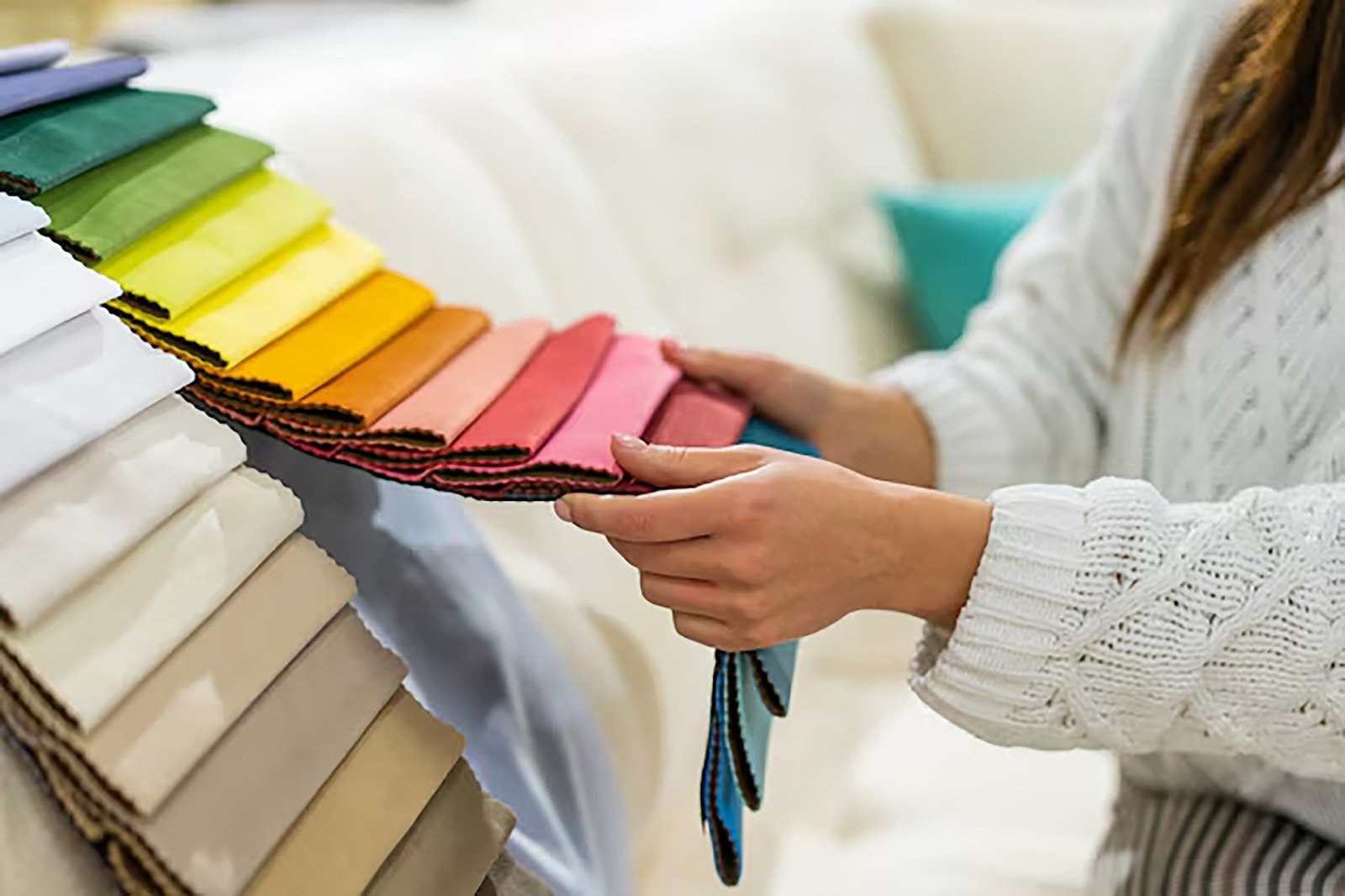
The quality of a tote bag starts with the fabric. If the canvas is too thin, the bag looks cheap and floppy. If the handles are weak, they snap when a customer carries groceries. I always tell buyers that you cannot judge fabric just by a photo. You must feel it.
In China, we measure fabric weight in "ounces" (oz) or "grams per square meter" (GSM). For a good tote bag, I recommend at least 12oz (approx. 340gsm) canvas11. This is thick enough to stand up on its own but soft enough to fold. If you go lower, like 6oz or 8oz, it feels like a promotional giveaway bag, not a retail product.
We also look at the material composition.
- Cotton Canvas: Natural, biodegradable, and strong. It is the most popular choice.
- Polyester/Nylon: Waterproof and very strong, but feels synthetic.
- RPET (Recycled Polyester)12: Made from plastic bottles. This is great for eco-friendly brands.
Finding these materials requires a good network. At Coraggio, we are in the center of the supply chain. We do not just buy from anyone. We buy from suppliers who have certifications like OEKO-TEX or GRS (Global Recycled Standard)13. This proves the material is safe and actually recycled.
When sourcing for a 500-unit order, consistency is key. Sometimes a supplier sends a good sample, but the bulk fabric is thinner. To stop this, we use a "Master Swatch14." We keep a piece of the approved fabric. When the bulk fabric arrives at our factory, we compare it. We check the weight, color, and hand-feel. If it does not match, we send it back. This ensures your 500 bags are all made from the high-quality material you paid for.
How to Ensure Quality Consistency Across a 500 Unit Tote Bag Order?
Getting one perfect bag is easy, but getting 500 is hard. Inconsistent stitching or colors can lead to rejection and lost sales.
Ensure consistency by implementing a three-stage Quality Control (QC) process: raw material inspection, in-line inspection during sewing, and final pre-shipment inspection. This catches defects early and ensures every bag matches the approved PPS.
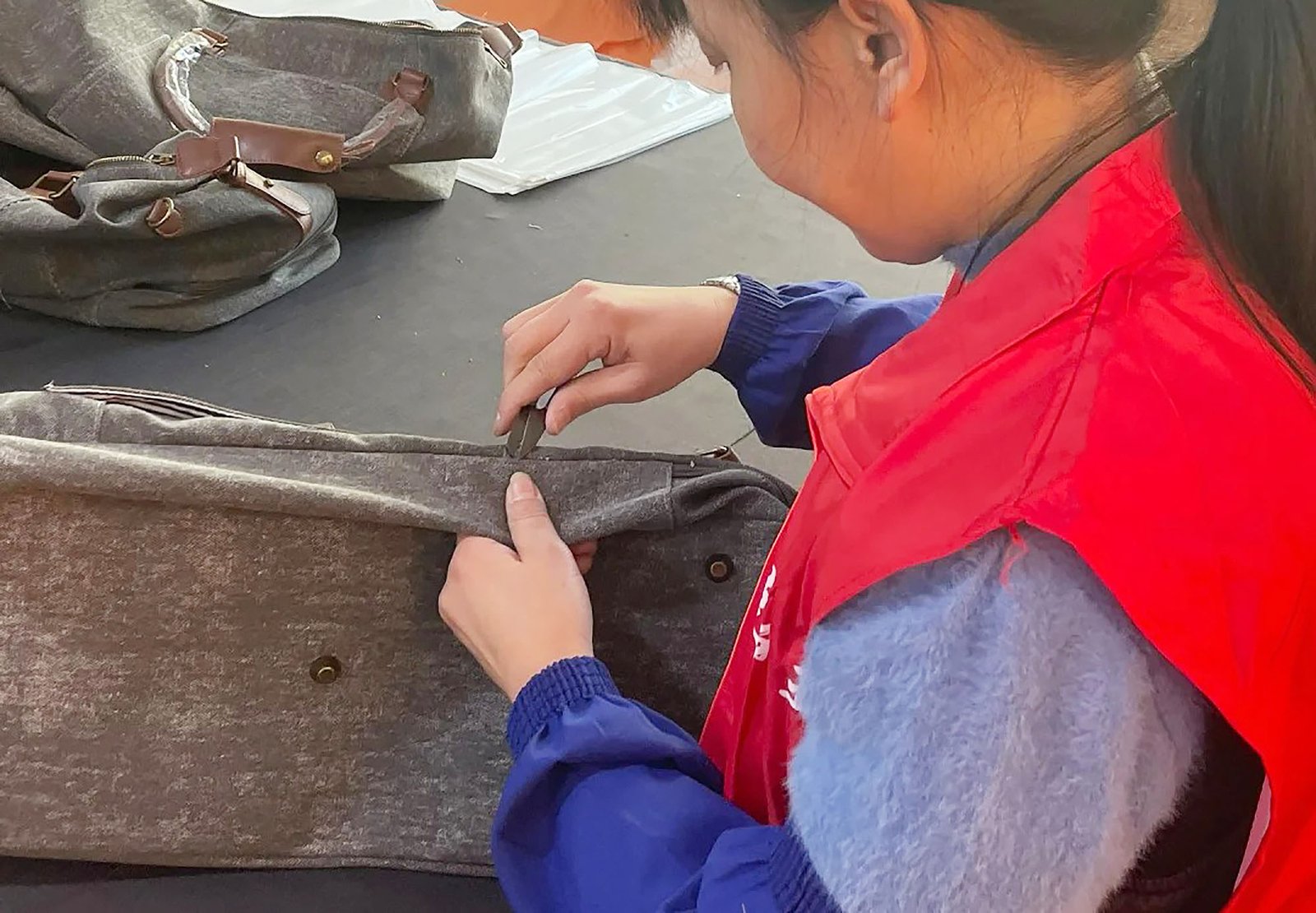
Quality control is not just checking the bags at the end. If we wait until the end, and find a mistake, it is too late. The bags are already made. We would have to destroy them or rework them, which causes delays. I use a system that checks quality at every step. This is vital for buyers like you who are overseas and cannot visit the factory daily.
We break the QC process into three parts:
1. Incoming Quality Control (IQC)15 Before we cut any fabric, we inspect the rolls. We look for holes, color differences, or dirt marks. If the fabric is bad, we do not use it. We also check the zippers and buckles. If a zipper is stuck, we throw it away.
2. In-Process Quality Control (IPQC)16 This happens on the sewing line. I have QC staff walking around the machines. They pick up bags while they are being sewn. They check:
- Is the logo straight?
- Are the stitches even?
- Are there loose threads?
- Is the size correct? If they see a worker making a mistake, they stop them immediately. This prevents one mistake from ruining 500 bags.
3. Final Quality Control (FQC) This is the last check before packing. We trim all the loose threads. We clean the bags. We check the inside and outside. We usually follow a standard called AQL 2.5 (Acceptable Quality Limit)17. This is a statistical method used by major brands. It tells us how many bags we need to check to be sure the whole order is good.
For a 500-unit order, we usually check every single bag (100% inspection) because the quantity is small enough to do so. This gives you peace of mind. You know that when you open the box in Canada, the bags are ready to sell.
What is the Standard Lead Time for Manufacturing 500 Custom Tote Bags?
Missing a delivery date means missing a trade show or holiday season. You need a realistic timeline to plan your marketing and sales.
The standard lead time for 500 tote bags is typically 25 to 35 days after sample approval. This includes 10-15 days for material procurement and 15-20 days for cutting, sewing, and packing.
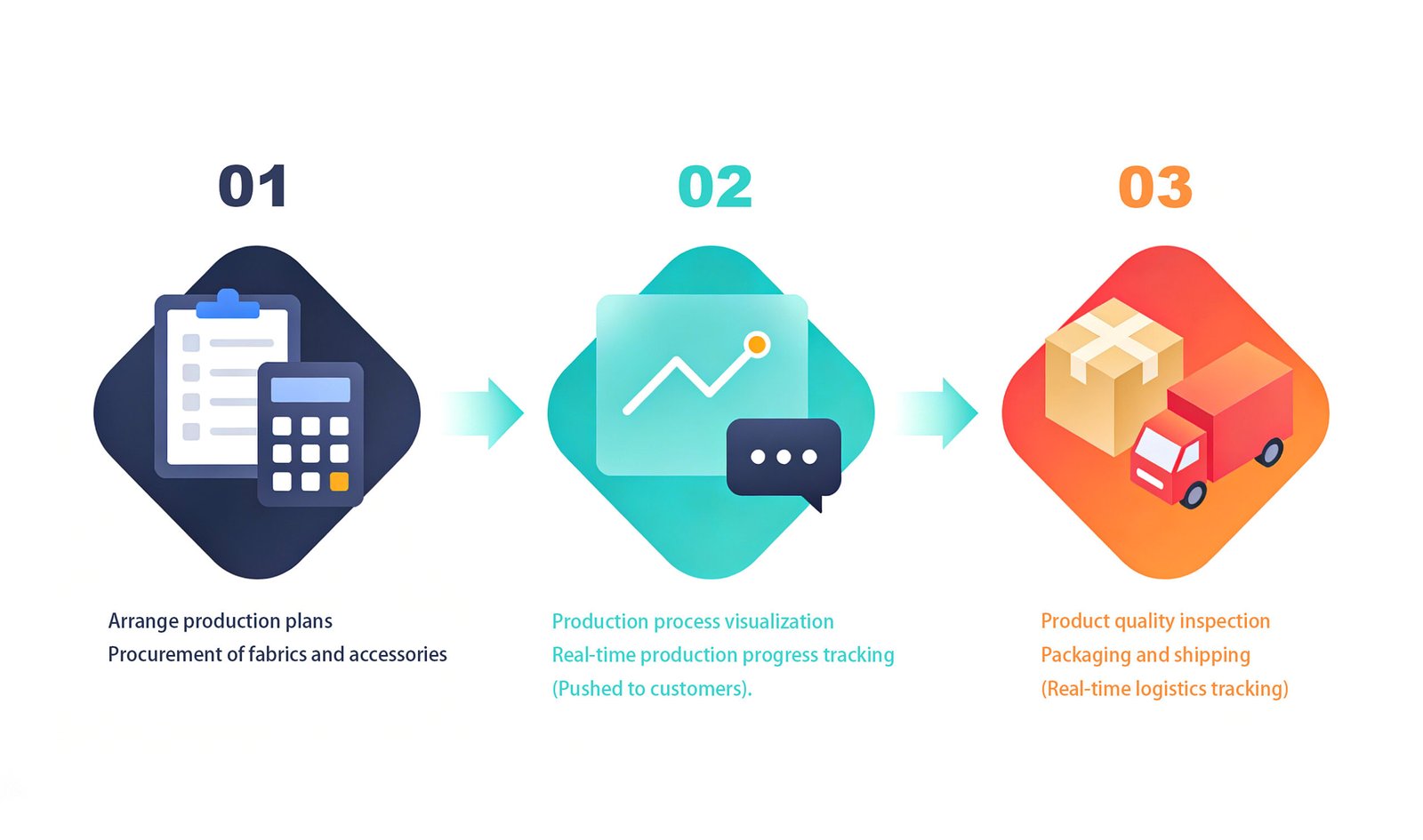
Time is money. I know you need the goods in your warehouse as soon as possible. But manufacturing takes time. It is important to be realistic so you do not promise your customers a date you cannot meet.
The clock starts ticking only after you approve the PPS and pay the deposit. Here is a typical schedule for a 500-piece order:
- Week 1-2: Material Purchasing. We order the fabric, webbing, and hardware. We also order the screens for printing your logo. This is the longest part because we have to wait for suppliers to deliver to our factory.
- Week 3: Cutting and Printing. Once fabric arrives, we cut it into panels. Then, we send the panels to the printing department to add your logo.
- Week 4: Sewing. This is the fastest part. With 120 workers, we can sew 500 bags very quickly. But we have to fit your order into the schedule with other customers.
- Week 5: Inspection and Packing. We clean, check, and pack the bags into cartons.
Factors that cause delays:
- Holidays: Chinese New Year shuts down factories for 3-4 weeks. Never plan an order during January or February without asking first.
- Custom Fabrics: If you need a custom-dyed color, add 15 days to the timeline.
- Changes: If you change the design halfway through, we have to start over.
To ensure on-time delivery, I always advise clients to add a "buffer week18." If the factory says 30 days, plan for 37 days. This accounts for shipping delays or bad weather. At Coraggio, we pride ourselves on on-time delivery, but global logistics can be unpredictable. Planning ahead solves this pain point.
Conclusion
Manufacturing 500 tote bags requires a confirmed sample, smart material sourcing, strict quality control, and a realistic timeline to ensure success.
Understanding PPS helps you avoid costly production errors by locking in specs the factory must follow for every bag produced. ↩
Learning machine limits lets you adapt your design so it runs smoothly on factory lines without quality or cost issues. ↩
Knowing how material supply works prevents last-minute substitutions that can ruin quality or delay deliveries. ↩
Grasping tolerances helps you set realistic, measurable quality standards that factories can consistently meet. ↩
Mastering MOQ strategies lets you negotiate better prices while keeping your order size manageable as you grow. ↩
Avoiding unnecessary dye surcharges immediately improves margins on small and medium production runs. ↩
Seeing real savings percentages helps you decide when to compromise on color to protect your profit. ↩
Understanding labor cost drivers lets you simplify designs strategically without ruining functionality. ↩
Knowing cost breakdowns helps you focus negotiations on the expense categories with the biggest impact. ↩
Choosing the right GSM ensures your bags feel premium and last longer, supporting higher retail pricing. ↩
Comparing canvas weights helps you balance durability, structure, and cost for your target customers. ↩
Learning about RPET lets you market genuine sustainability and appeal to eco-conscious customers. ↩
Working with certified materials protects your brand against greenwashing claims and safety issues. ↩
Using a master swatch helps you hold suppliers accountable so bulk fabric matches approved samples. ↩
Strong IQC stops defective materials at the gate, preventing large-scale problems later in production. ↩
IPQC catches errors early on the line so you don’t lose an entire batch to preventable mistakes. ↩
Understanding AQL standards lets you set inspection levels that global factories already recognize. ↩
Planning a buffer week protects you from common delays so you still hit launch dates and events. ↩