Many buyers pick the wrong bag finish and then face dull looks, weak wear resistance1, or extra cost. I have seen this mistake lead to claims, delays, and lost repeat orders.
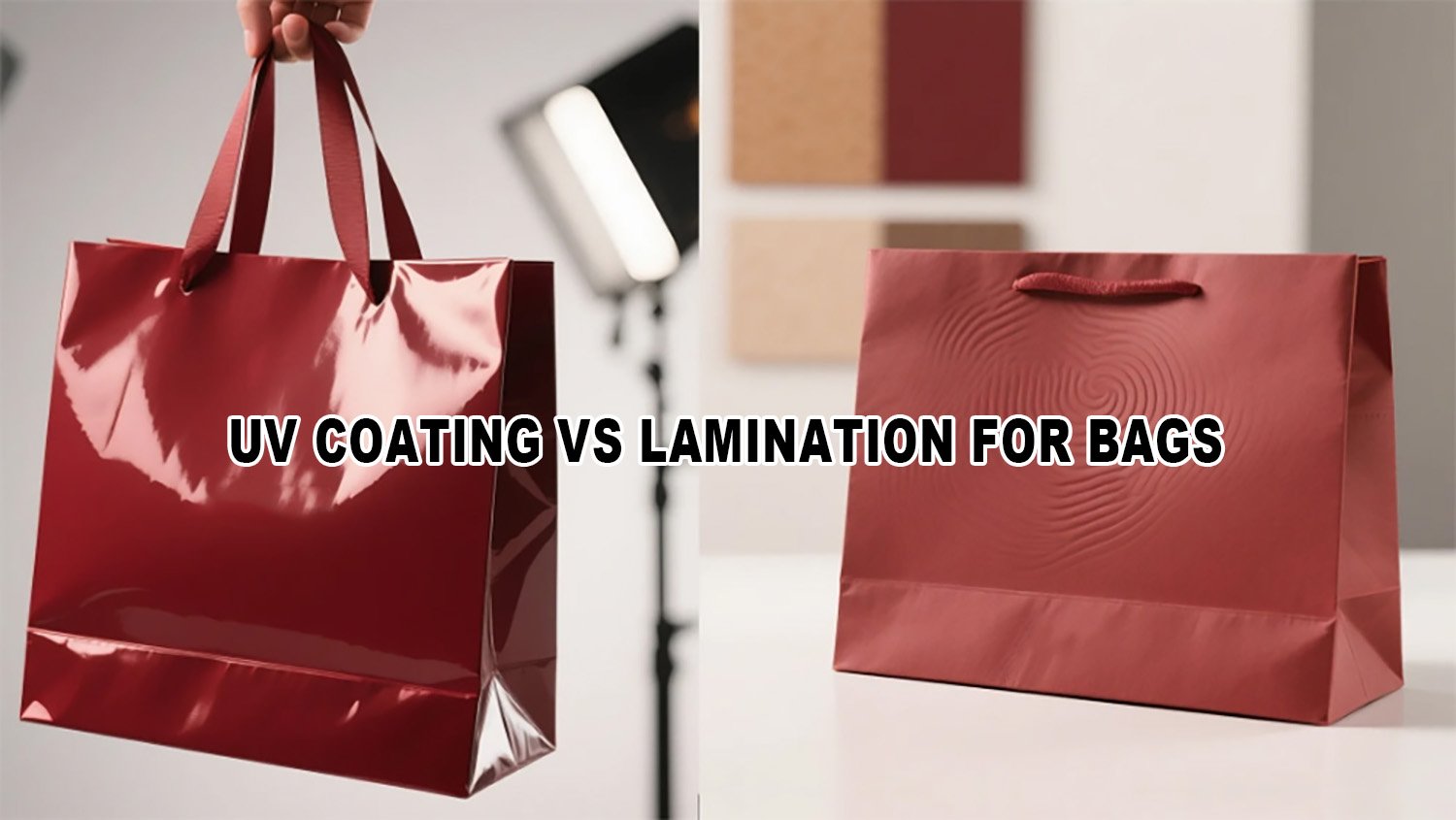
UV coating is better for low-cost, fast-turn bags with bright printing2, while lamination is better for bags that need water resistance3, scratch protection, and a more premium feel4 over long-term use.
When I talk with buyers, I find that this choice is often not about which process is better in general. It is about which process fits the product use, target price, and brand position5. That is where many sourcing decisions become much easier.
What Is the Difference Between UV Coating and Lamination on Bags?
Many people hear these two terms in quotations and think they do the same job. I used to see buyers nod at both options, but later they found the bag looked or performed very differently.
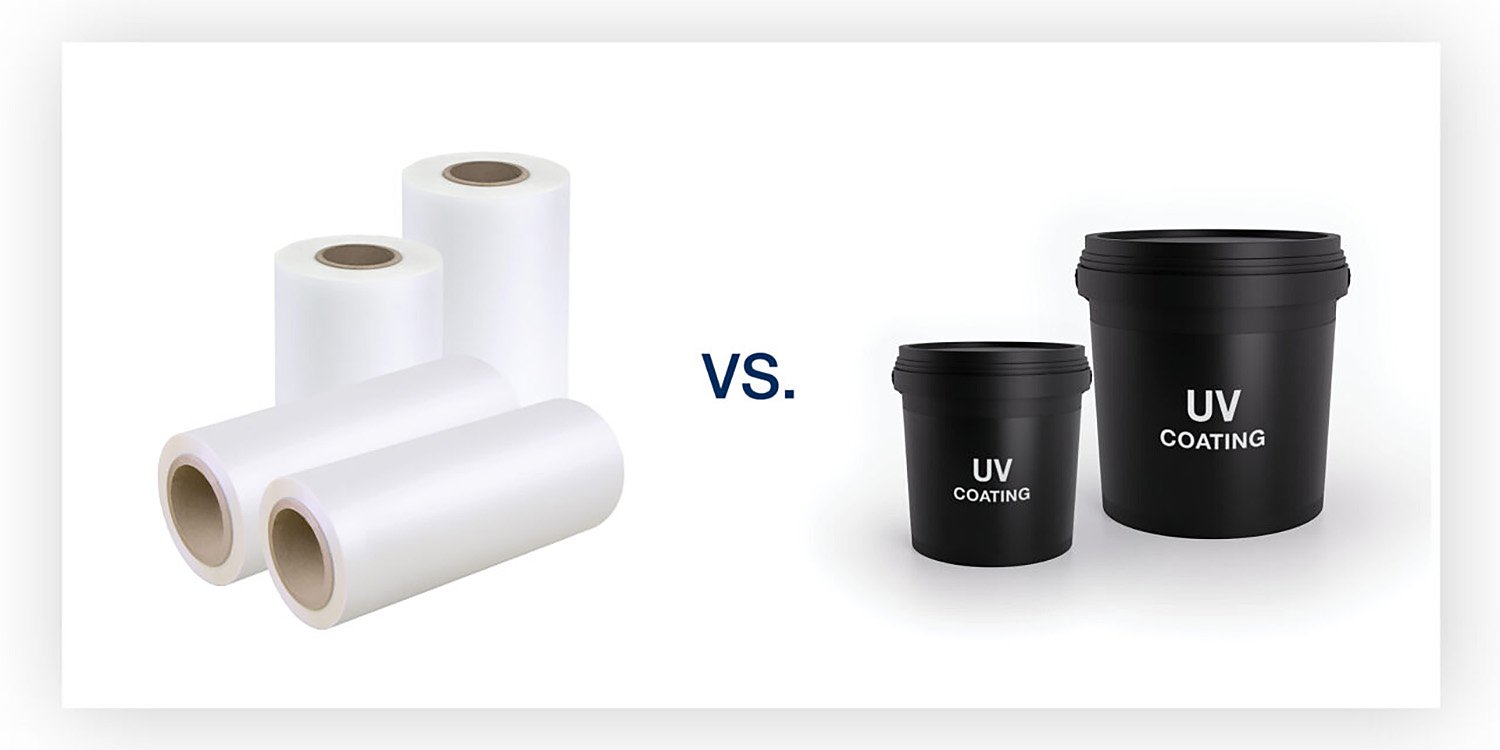
UV coating is a liquid surface treatment6 cured by ultraviolet light to add gloss and color vibrancy7, while lamination is a film layer bonded onto the bag surface8 to improve protection, water resistance3, and strength.
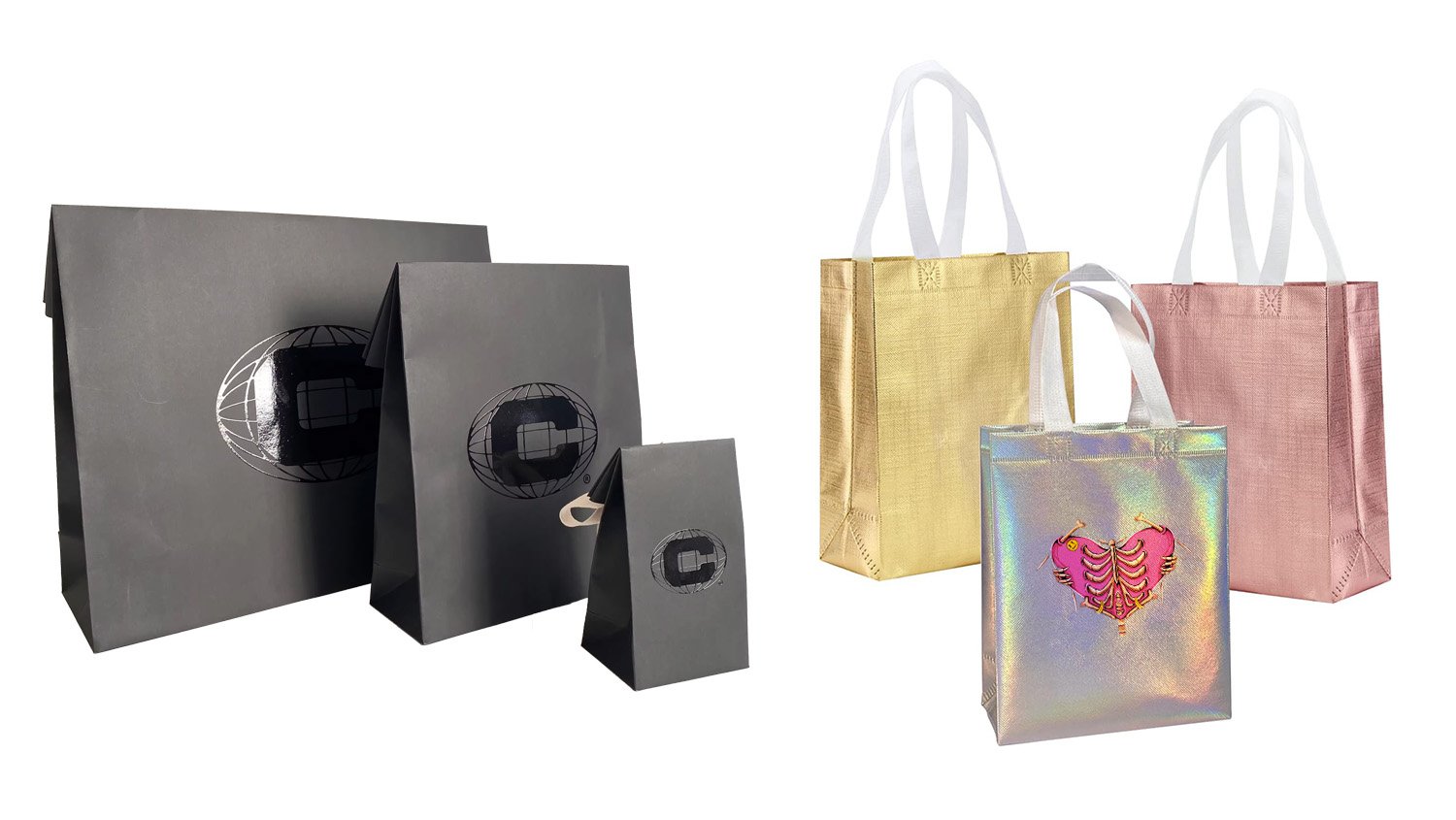
When I explain this to customers, I keep it simple. UV coating is like giving the printed surface a bright top layer. It makes colors pop. It can also make graphics look sharper. It is often chosen for promo bags9, gift bags, and event bags. These bags need to look good fast and stay within a tight budget.
Lamination is different. It adds a physical film, often glossy or matte, onto the surface. That film gives the bag more body and more protection10. It helps block moisture. It helps reduce scratches. It also makes the surface feel more complete and stable. For many retail and daily-use bags, this matters a lot.
I often compare them like this:
| Item | UV Coating | Lamination |
|---|---|---|
| Main form | Liquid coating | Plastic film layer |
| Visual effect | Brighter colors, glossy look | Glossy or matte, more finished look |
| Protection level | Basic surface protection | Stronger water and wear protection |
| Cost | Lower | Higher |
| Production speed | Faster | Slower than UV in most cases |
| Best use | Promotional bags, short-term use11 | Daily-use bags, premium packaging |
From my experience, the key difference is not only appearance. The real difference is how long the bag needs to perform after it reaches the customer.
Which Finish Is More Durable for Handbags: UV Coating or Lamination?
Some bags look great on day one but start showing wear too soon. I have seen buyers save a little on finishing, then lose much more when the bags rub, peel, or soften in use.
Lamination is usually more durable than UV coating for handbags because it provides a bonded protective film12 that resists moisture, abrasion, and repeated handling better than a surface gloss treatment.
Durability matters more for handbags than many buyers first expect. A handbag is often touched, set down, rubbed against clothing, and carried in all kinds of weather. In that setting, a finish cannot only look good. It must hold up.
UV coating can help with surface appearance. It can also offer light protection. But it is still mainly a coating on the top. If the bag is used often, the finish may show wear faster than a laminated surface. This is even more obvious when the bag is used for shopping, commuting, or everyday carry.
Lamination creates a stronger barrier. That is why I often suggest it for tote bags, fashion handbags, and reusable shopping bags13. It is especially useful when the bag has a printed outer layer that needs to stay clean and stable. In many real use cases, it gives buyers fewer complaints.
Here is how I usually break down durability:
| Use Condition | UV Coating Performance | Lamination Performance |
|---|---|---|
| Light handling | Good | Very good |
| Repeated daily use | Fair | Good |
| Water exposure | Limited | Better |
| Scratch resistance | Basic | Stronger |
| Surface peeling risk | Higher over time | Lower when well made |
| Long shelf and use life | Moderate | Better |
I remember one project where a buyer first chose a low-cost UV finish for a retail handbag program. The samples looked nice. The first photos looked great too. But after use testing, the corners and printed faces showed wear sooner than expected. We changed to lamination in the second round. The cost went up, but the customer accepted it because the product matched the market better. That is the kind of trade-off I always ask buyers to think about early.
Is UV Coating or Lamination Better for High-End Bag Packaging?
Premium buyers want packaging that speaks before anyone opens the bag. I have learned that if the finish feels cheap, the whole product can feel less valuable, even if the design is good.
Lamination is usually better for high-end bag packaging because it gives a cleaner feel, stronger protection, and a more refined matte or gloss finish, while UV coating is better for bright visual impact at lower cost.
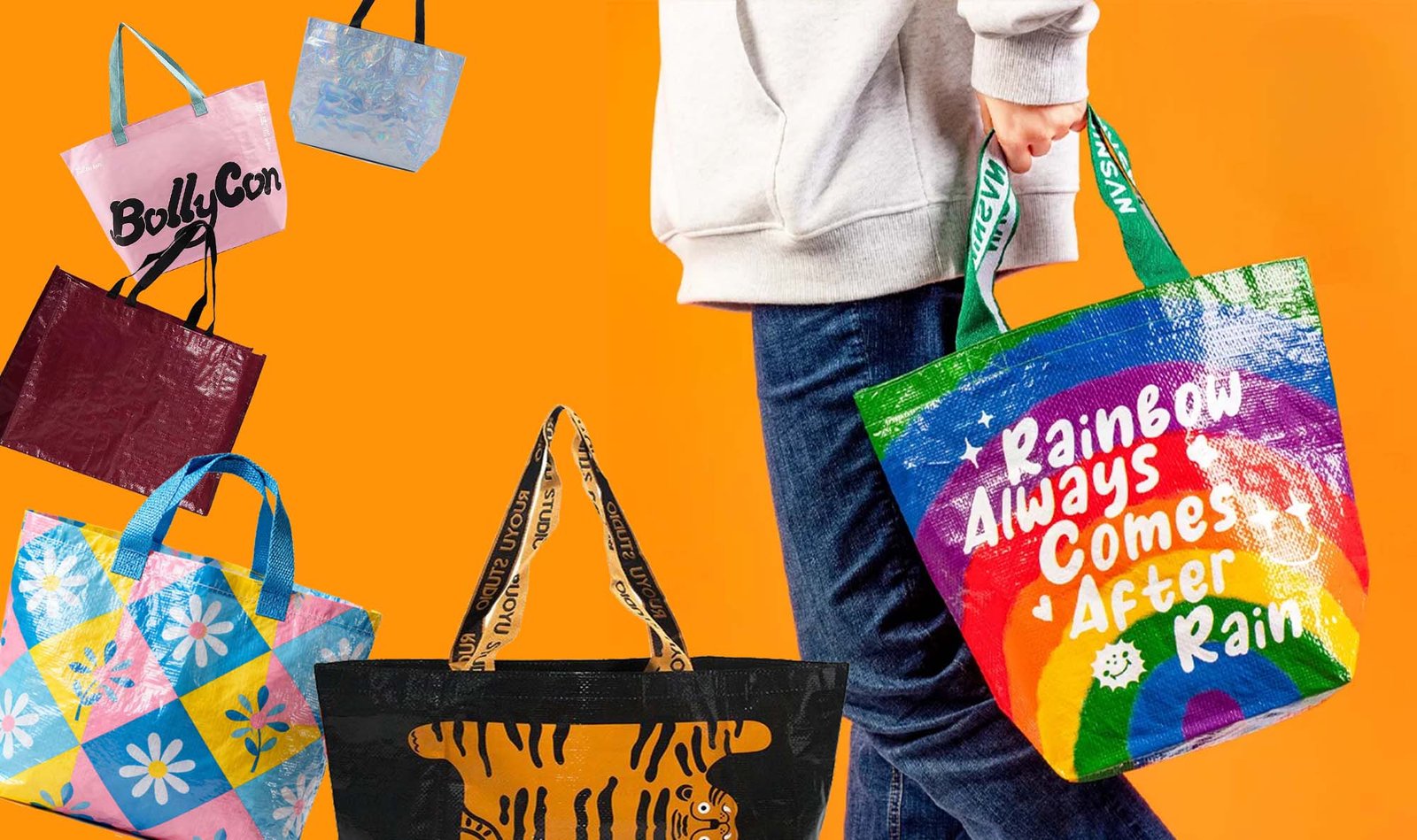
High-end packaging is not only about shine. In fact, too much shine can sometimes make a product feel less premium. That is why this decision depends on the brand image. If a brand wants luxury, softness, structure, and a polished hand feel, lamination often wins. Matte lamination in particular is popular in premium packaging because it feels controlled and elegant.
UV coating has a different strength. It can make printed graphics look lively and eye-catching. This is useful for campaign bags, seasonal promotions, and trade show launches. If the goal is to stand out from a distance, UV coating can be very effective.
When I review packaging plans with customers, I ask three things: What should the first touch feel14 like? How long should the packaging stay attractive? What message should the finish send? The answers often point clearly to one process.
Here is a simple guide:
| Brand Need | Better Choice | Why |
|---|---|---|
| Luxury image | Lamination | Better feel and stronger finish |
| Strong color impact | UV Coating | Bright and vivid printing effect |
| Premium matte look | Lamination | Matte film feels more upscale |
| Low-budget launch | UV Coating | Lower unit cost |
| Retail shelf protection | Lamination | Better against handling and moisture |
| Event-only packaging | UV Coating | Fast and practical |
In my own work, I have seen high-end buyers care about touch almost as much as color. A laminated surface often feels more intentional. That is why it is common in packaging that supports cosmetics, fashion gifts, and premium accessories. If the bag itself is part of the brand story, lamination usually gives more room to build that story.
How Does UV Coating Affect the Cost of Bag Production?
Cost pressure is real in every bag project. I often see buyers focus on fabric and printing, but the finish can also change margin, lead time, and final market fit.
UV coating lowers bag production cost because it uses a simpler, faster finishing process than lamination, making it a cost-effective option for large-volume promotional or short-use bags.

When buyers ask me how to reduce bag cost without hurting visual appeal too much, UV coating is often one of the first options I discuss. It gives a clean printed look at a lower added cost than lamination. In many bulk orders15, this matters a lot because even a small unit cost difference becomes significant at scale.
The cost impact comes from several points. UV coating usually uses less material than lamination. The process is also often faster. That can help shorten production flow. It can also reduce handling steps. For buyers working with trade show deadlines or seasonal promotions, speed has value beyond direct cost.
Still, lower cost does not always mean better value. If the bag is meant for frequent use, damage risk can create hidden cost. A cheaper finish may lead to more quality concerns16 later. So I always look at total use value17, not just ex-factory price.
Here is the cost logic I normally share:
| Cost Factor | UV Coating | Lamination |
|---|---|---|
| Material cost | Lower | Higher |
| Processing cost | Lower | Higher |
| Production speed | Faster | Slower |
| Suitable for high volume18 | Yes | Yes, but costlier |
| Rework risk in rough use | Higher | Lower |
| Best cost scenario | Promo and event bags | Long-use and premium bags |
I once worked on a large gift bag order where the buyer needed a strong visual result and a very strict target price. We used UV coating and adjusted the artwork to make the print stand out. The result looked good, shipped on time, and stayed within budget. That project reminded me that cost control is not only cutting corners. It is matching the finish to the real purpose of the bag.
Which Bag Finish Should You Choose for Bulk Orders?
Bulk orders can magnify every small mistake. I have learned that the wrong finish choice in a large run can turn a minor issue into a costly problem very fast.
For bulk orders15, choose UV coating when price, speed, and visual impact matter most, and choose lamination when durability, water resistance3, and a higher-end finish are more important.
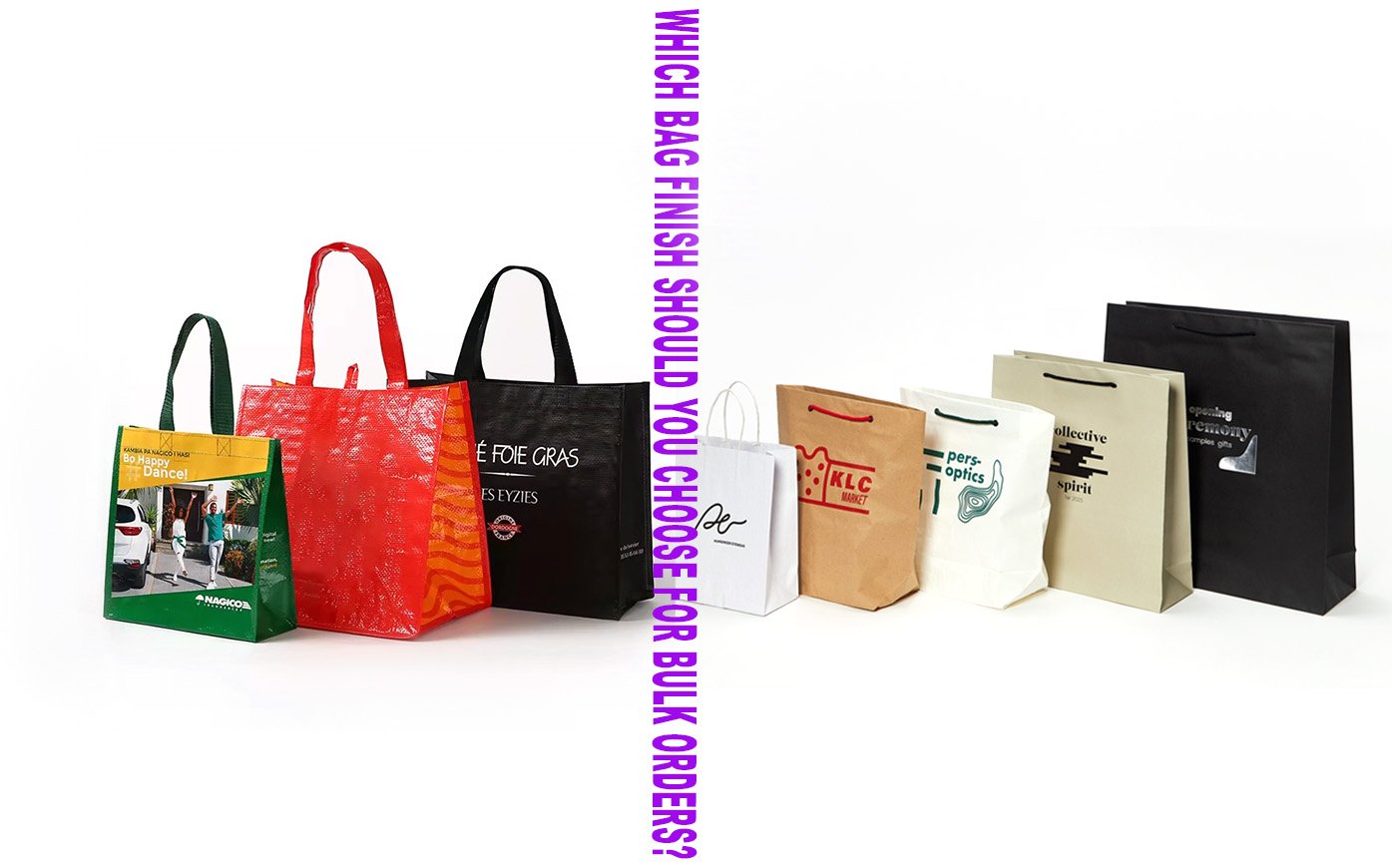
This is the question I hear most from procurement teams. My answer is usually not emotional. It is practical. I ask what kind of bag they are buying, who will use it, how often it will be used, and what price point they must hit.
If the order is for exhibition bags, promotional giveaways, or campaign gift bags, UV coating is often the smart option. It keeps cost low. It helps the printing look bright. It also supports faster production in many cases. For buyers who need large quantity and accurate delivery, this can be a very efficient route.
If the order is for reusable shopping bags13, branded retail totes, or bags that must reflect quality over time, I usually suggest lamination. It helps reduce complaints from wear, moisture, and surface damage. That is very important in large programs because quality issues spread fast when quantity is high.
This is the simple decision table I use:
| Order Need | Recommended Finish | Reason |
|---|---|---|
| Lowest budget | UV Coating | Saves unit cost |
| Fast shipment | UV Coating | Shorter process in many cases |
| Repeated daily use | Lamination | Better durability |
| Premium brand image | Lamination | Better hand feel and finish |
| Event or promo use | UV Coating | Good visual effect at low cost |
| Retail and supermarket programs | Lamination | More reliable in handling |
From my side, I do not think buyers should ask, “Which one is better?” I think they should ask, “Which one fits this order better?” That small change in thinking usually leads to a better sourcing result. It also helps avoid the common mistake of using one finish for all bag projects, even when the end use is very different.
Conclusion
UV coating fits low-cost, fast-moving bags, while lamination fits durable, premium-use bags. I always choose based on budget, use time, and brand position5, not on one fixed rule.
Learn how different finishes hold up to friction so you avoid bags that quickly look old and disappoint customers. ↩
Understand how UV coating boosts color vibrancy so your designs stand out without overspending on materials. ↩
See how various finishes protect against moisture so your bags stay presentable and usable in real-world conditions. ↩
Discover which finishes improve touch and appearance so your bags match a higher-end brand image. ↩
Align finish choice with market positioning so the bag supports, not weakens, your brand message and pricing. ↩
Get a technical overview of how liquid coatings work so you can discuss specs confidently with suppliers. ↩
See side-by-side effects on print richness so you choose a finish that makes your artwork pop as intended. ↩
Learn the lamination process so you can evaluate quality risks, adhesion strength, and long-term performance. ↩
Find examples and case studies to optimize promo bag specs for both impact and budget control. ↩
Understand how laminated films change structure and durability so you can justify higher unit prices when needed. ↩
Match finish type to real lifespan needs so you don’t over-engineer or overpay for single-use campaigns. ↩
See lab tests and wear comparisons to choose a finish that reduces complaints and returns over time. ↩
Identify finishes that withstand folding, loading, and moisture so your reusable bags last longer in use. ↩
Learn why hand feel matters in branding so you can justify investing in better finishes to stakeholders. ↩
Get a checklist for large programs so you avoid costly mis-specs that scale into major issues. ↩
See real failure modes so you can specify finishes that minimize complaints and protect your reputation. ↩
Use practical costing methods to avoid false savings that lead to failures, claims, or lost repeat orders. ↩
Review scalable finishing options so your large orders stay consistent in quality and on schedule. ↩