Are you struggling to understand how retail giants manage their bag supply chains? You are not alone. Seeing how Walmart operates can solve your sourcing headaches and improve your business.
Walmart sources reusable bags through a strict global OEM/ODM supply chain1, primarily from China and Vietnam. They require rigorous supplier audits, specific material standards like RPET2 or PP Woven3, and multi-stage quality testing before mass production. This ensures durability, compliance, and cost-efficiency at a massive scale.
I have spent 15 years in the bag manufacturing industry here in China. I see many buyers like you looking for the same standards as Walmart. Let me break down exactly how they do it so you can apply these secrets to your own business.
What Materials Does Walmart Use for Reusable Grocery Bags?
Choosing the wrong material kills your profit margin and product durability. You need to know exactly what the big players use to stay competitive in your local market.
The retail giant typically focuses on three main materials: PP Non-Woven4 for budget options, PP Woven3 for heavy-duty strength, and RPET2 for eco-friendly lines. They select these based on cost, printability, and recycled content requirements to meet sustainability goals.
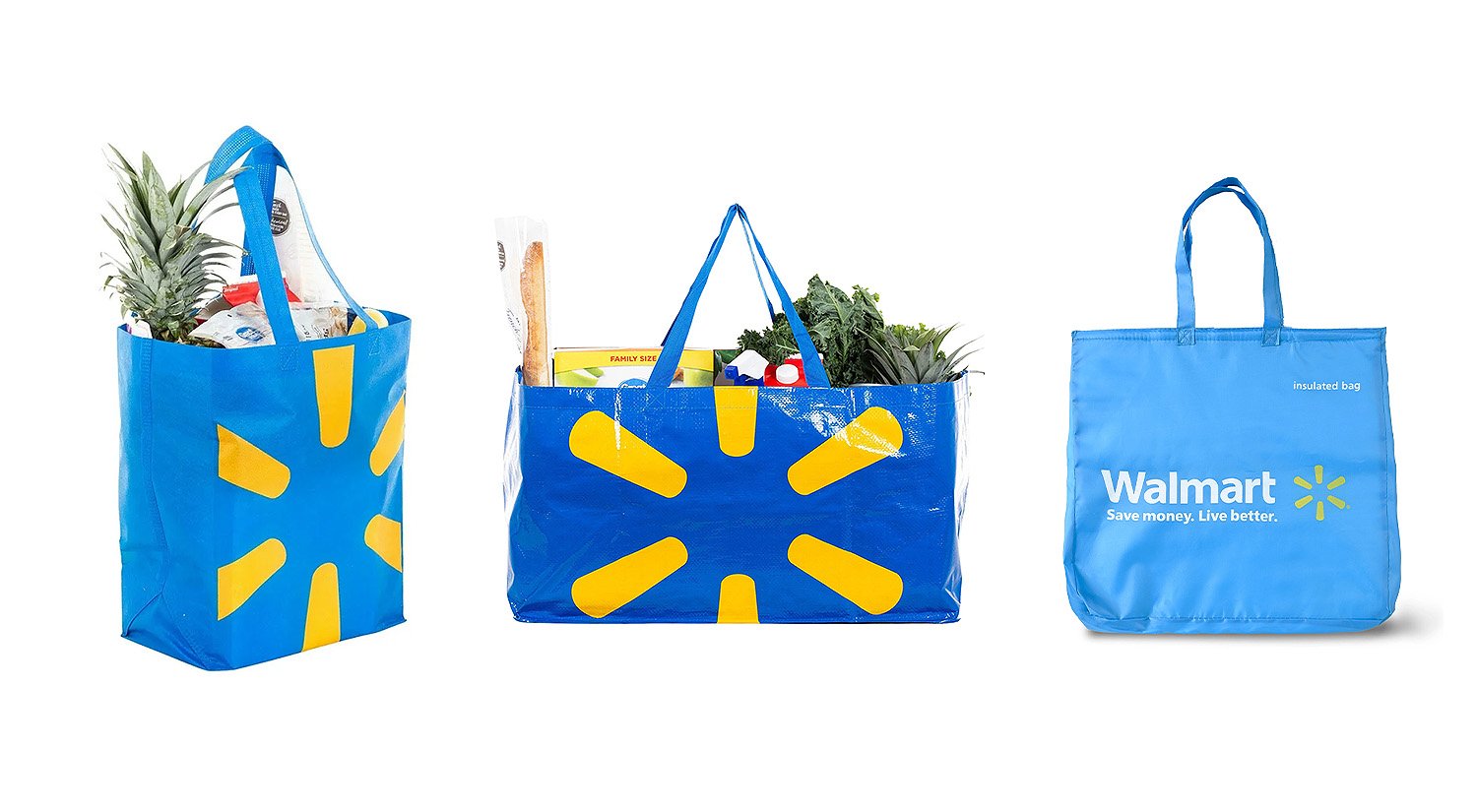
In my experience running Coraggio, I see big buyers shifting their focus. Years ago, everyone just wanted the cheapest option. Now, materials define the value of the bag. Walmart chooses materials based on the specific use case of the bag. They do not use one fabric for everything.
If you are buying for a supermarket, you need to know the difference. Here is a breakdown of the materials we use in our factory that match Walmart's standards:
Common Material Types
| Material Name | Best Use Case | Durability | Cost Level |
|---|---|---|---|
| PP Non-Woven4 | Entry-level giveaway bags or light shopping. | Low to Medium | Low |
| PP Woven3 | Heavy grocery loads. This is the shiny, crinkly material. | High | Medium |
| RPET2 (Recycled) | Eco-conscious branding. Made from plastic bottles. | High | High |
| Cotton/Canvas | Premium retail items or fashion totes. | Very High | Very High |
Why Material Choice Matters
I often tell my clients that PP Woven3 is the workhorse of the industry. It is strong and waterproof. Walmart uses this for their standard "bag for life." It takes ink well, so your logo looks sharp. However, RPET2 is becoming very popular. It tells a good story because it recycles waste. If you want to sell to high-end customers in Canada or Europe, I suggest looking at RPET2. It costs more, but the perceived value is higher. We always check the raw material rolls when they arrive at our factory. If the fabric is too thin or has uneven coating, we reject it immediately. You should demand the same level of care.
What Bag Specs Matter Most (Size, GSM, Load Capacity, Stitching)?
Many buyers ignore technical specs and end up with bags that rip. This leads to customer returns and a damaged brand reputation that is hard to fix.
The most critical specs are GSM (grams per square meter)5 for thickness, stitch count for seam strength, and handle reinforcement "X" stitching6. Walmart sets strict load capacity limits7, often requiring bags to hold at least 10kg to 15kg without failure.
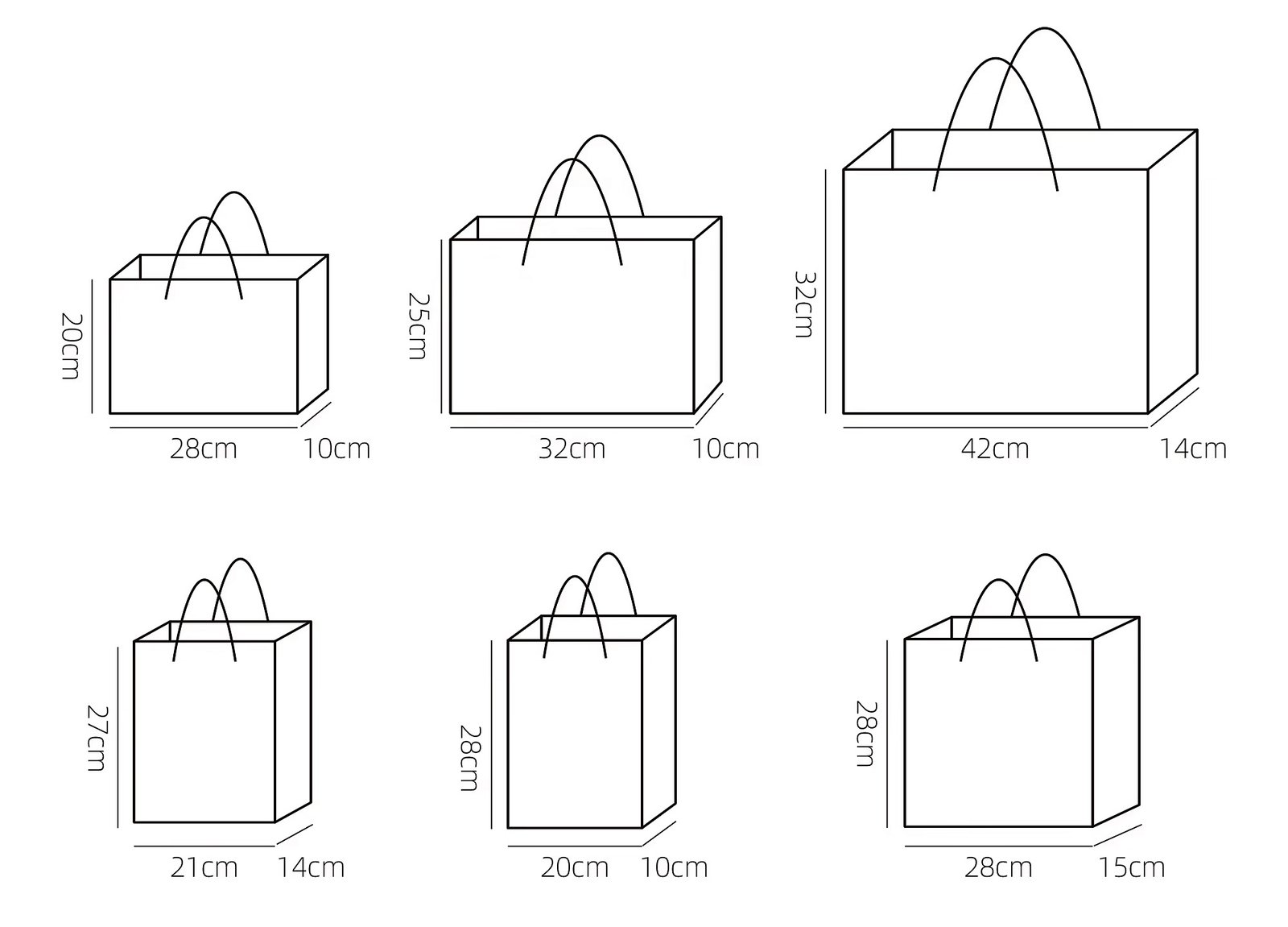
When I receive an inquiry, the first thing I ask is about the weight of the items going inside the bag. A bag for marshmallows needs different specs than a bag for canned soup. Walmart is very specific about this. They do not guess. They have a spec sheet that is pages long.
You do not need to be an engineer, but you need to know the basics. If you order a bag with low GSM (thickness), it will feel cheap. If the stitching is weak, the handle will snap in the parking lot. That is a disaster for your brand.
Key Technical Specifications
| Specification | Typical Walmart Standard | Why It Matters |
|---|---|---|
| GSM (Thickness) | 140gsm - 160gsm (for Woven) | Determines how stiff and strong the bag feels. |
| Handle Stitching | "X" Box Stitching | Prevents the handle from ripping off under heavy load. |
| Piping | Reinforced piping on edges | Keeps the bag shape and adds strength to seams. |
| Base Board | PE or Cardboard Insert | Helps the bag stand up for easy loading at checkout. |
The Importance of "X" Stitching
I cannot stress this enough. Look at the handle of your current bag. Does it have a box with an "X" sewn inside it connecting the handle to the bag body? If not, it is weak. In my factory, we ensure every heavy-duty bag has this feature. Walmart requires it. It distributes the weight across a larger area. Also, pay attention to the handle length. A standard handle is about 50cm. If you want people to carry it over their shoulder, you need 60cm or more. These small details change the user experience completely.
What Compliance and Testing Requirements Do Suppliers Need to Meet?
Importing non-compliant bags causes customs delays and massive fines. You must navigate the complex web of chemical and safety regulations to protect your business.
Suppliers must pass chemical tests like CA Prop 658 and REACH9 to ensure no harmful substances like lead or cadmium exist. Additionally, physical tests for lifting, dropping, and handle strength are mandatory to meet retail safety standards.
Safety is not just about the bag not breaking. It is about the chemicals in the plastic and the ink. I have seen shipments get stuck at customs in North America because the buyer did not do the proper testing. Walmart does not take this risk. They test everything.
For my clients in Canada and Europe, we always provide test reports. If a supplier tries to hide this from you, run away.
Mandatory Tests for Major Retailers
Chemical Safety:
- CA Prop 658 (USA/Canada impact): Limits lead and phthalates in plastics.
- REACH9 (Europe): A strict list of substances of very high concern.
- Heavy Metals10: Testing inks to ensure they are non-toxic.
Physical Durability:
My Experience with Testing
We once had a new client who wanted to save money by using cheaper ink. I told him no. If that ink contains lead, he could get sued. We use eco-friendly inks13 in our 8 production lines. It costs a fraction of a cent more per bag, but it sleeps you safe at night. When we do OEM for big brands, we send samples to third-party labs like SGS or Intertek. You should ask your supplier for their latest test reports. It proves they know what they are doing.
How Does Walmart Qualify and Audit Reusable Bag Manufacturers?
Working with an unverified factory is a gamble with your money. You risk poor working conditions, low quality, and sudden production shutdowns.
Walmart requires factories to pass social compliance audits like SMETA or BSCI14 and quality system audits like ISO 900115. These audits verify fair labor practices, factory capacity, and safety standards before any contract is signed.
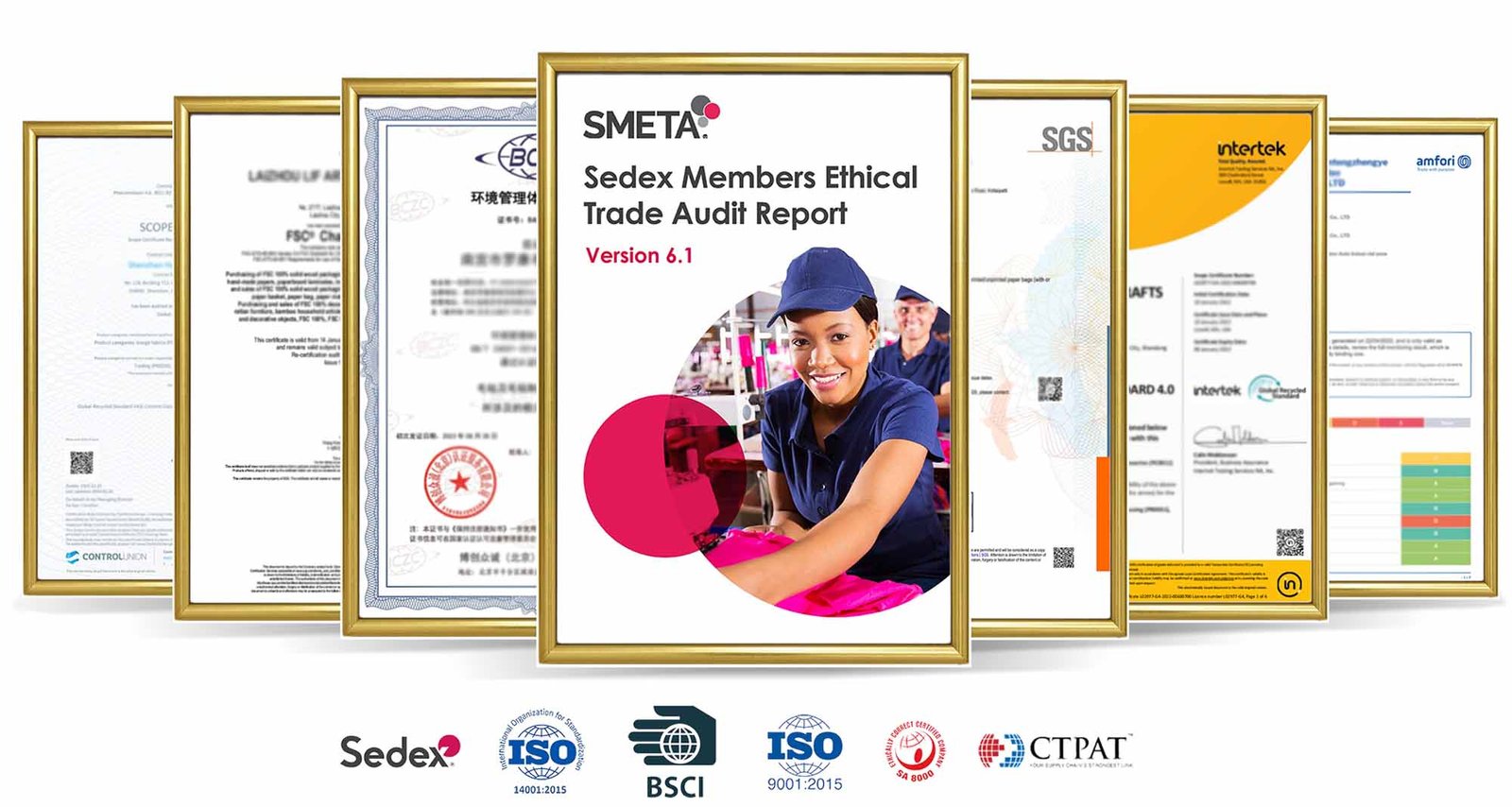
Big companies care about their image. They cannot afford a scandal about child labor or unsafe factories. That is why they audit us. At Coraggio, we welcome these audits. It shows we are a serious business.
When you look for a supplier, you might not have the budget to fly to China and inspect the factory yourself. But you can ask for their audit certificates.
Common Factory Audits
| Audit Name | Focus Area | What It Checks |
|---|---|---|
| BSCI14 | Social Compliance | Worker rights, fair pay, no child labor, safety. |
| SMETA (Sedex)16 | Ethical Trade | Labor standards, health and safety, environment. |
| ISO 900115 | Quality Management | How the factory manages quality and consistency. |
| FCCA | Factory Capacity17 | Can the factory actually make the quantity they promise? |
Why Capacity Matters
Walmart orders millions of bags. They need to know the factory can handle it. My factory has 120 workers and an area of 3,000 square meters. We produce huge volumes annually. But even if you order smaller quantities, you want a factory with good management. A factory that passes a Walmart audit is organized. They have fire extinguishers. They have clean floors. They have records of every production run. This organization means your order will not get lost or delayed. When you talk to a supplier, ask them: "What audits have you passed?" Their answer will tell you everything.
What Is the Typical Sourcing Process From Sampling to Mass Production?
A disorganized sourcing process leads to late deliveries and wrong products. You need a clear roadmap to get your bags on the shelf on time.
The process starts with a digital design, followed by a physical "Golden Sample"18 for approval. Once approved, the factory purchases raw materials, begins cutting and printing, performs inline inspections, and finishes with a final pre-shipment quality check19.
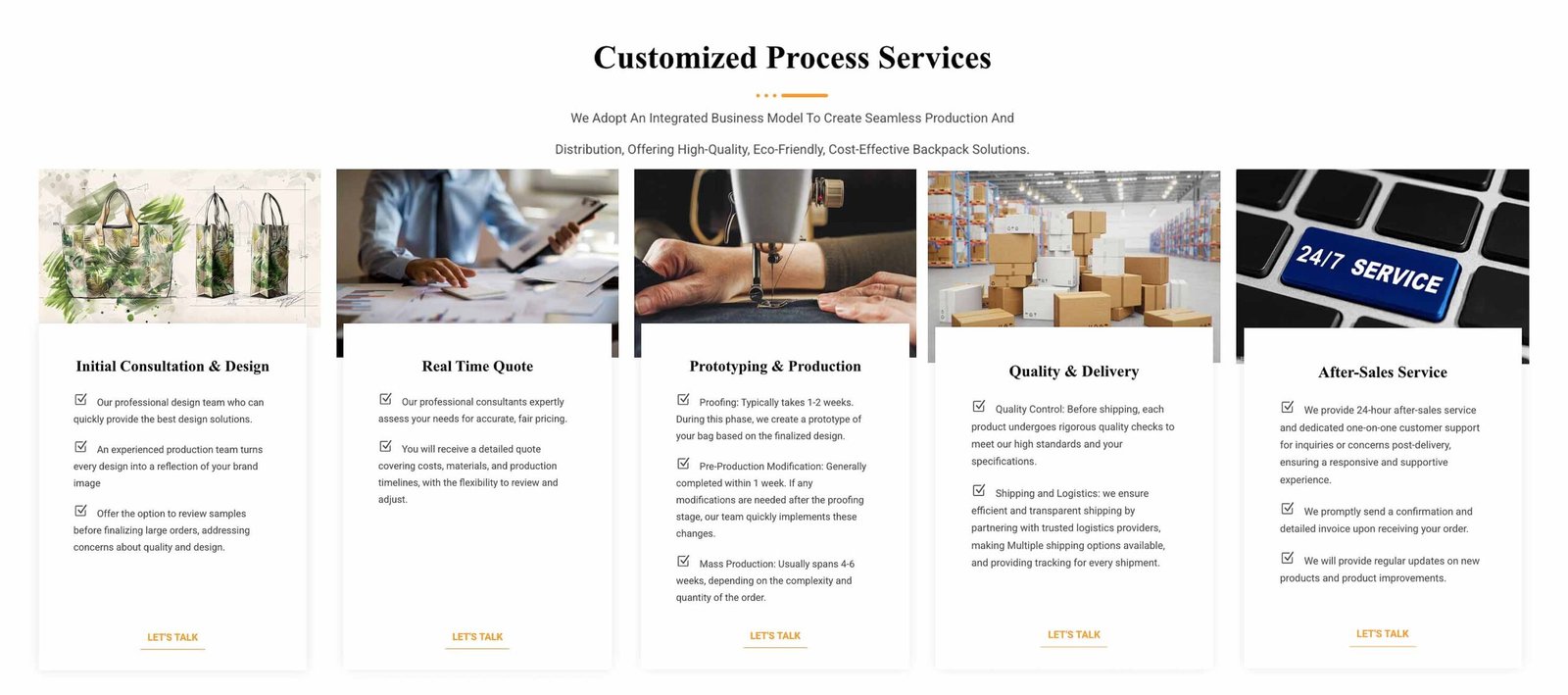
Time is money. Walmart has a very strict calendar. They plan months in advance. You should too. I often see buyers rush the process at the end, and that is where mistakes happen.
Here is the workflow we use at Coraggio, which mirrors the process of major retailers.
The Production Timeline
- Design & Quote (Week 1): You send the artwork. We check if it is printable and give a price.
- Sampling (Week 2-3): We make a physical sample. This is the most important step.
- The "Golden Sample"18: You sign off on one perfect sample. We keep one, you keep one. This is the standard for mass production.
- Material Purchasing (Week 4): We buy the fabric and handles.
- Mass Production (Week 5-7): Cutting, printing, sewing.
- Quality Control (Week 8): We check the bags against the Golden Sample.
- Shipping (Week 9+): Loading the container.
The "Golden Sample" Rule
Never start mass production without a Golden Sample. I had a client once who just looked at a photo and said "Go ahead." When the bags arrived, the shade of blue was slightly off. He was unhappy. But he approved the photo, not a real bag. Now, I insist on sending a real bag to your office in Canada. You need to touch it. You need to pull the handles. Once you say "Yes" to that specific bag, we lock it in. Our QC team uses that sample to check the production line every hour. This ensures the first bag and the last bag are exactly the same.
Conclusion
Walmart succeeds by using strict audits, clear material specs, and rigorous testing. You can achieve similar success by choosing a professional OEM factory like Coraggio for your bag needs.
Understanding this model helps you copy Walmart-style control over cost, quality, and flexibility across multiple overseas factories. ↩
RPET can boost your eco-credentials and pricing power; a deeper look shows how to leverage its recycled story in marketing. ↩
Knowing why it’s the industry workhorse helps you spec bags that survive real supermarket use and keep customers happy. ↩
Learning its pros and cons lets you choose when this low-cost option makes sense without damaging your brand image. ↩
Choosing the right GSM prevents flimsy bags and returns, balancing material cost with perceived quality and real-world strength. ↩
Understanding this stitching pattern helps you demand construction that minimizes handle failures under heavy loads. ↩
Knowing industry load standards helps you specify bags that pass retailer audits and avoid embarrassing in-store failures. ↩
Compliance knowledge protects you from rejected shipments, fines, and legal issues in the USA and Canada-linked markets. ↩
EU buyers expect REACH compliance; learning the rules keeps your products from being blocked or recalled in those markets. ↩
Ensuring low heavy-metal content in inks safeguards your customers’ health and your reputation with major retailers. ↩
Knowing how labs run drop tests lets you design specs that pass on the first try and avoid costly redesigns. ↩
This test simulates real-life shock on handles; understanding it helps you prevent hidden weaknesses in your designs. ↩
Switching to greener inks can improve compliance and brand image with only minimal cost increases per bag. ↩
BSCI-approved factories reduce your risk of labor scandals and help you win contracts with top-tier retailers. ↩
ISO 9001 systems create consistency and traceability, cutting defects and delays in your orders. ↩
Learning SMETA scope helps you choose suppliers that meet global expectations for ethical trade and labor conditions. ↩
Understanding capacity checks helps you match your order volume to the right factory and avoid production bottlenecks. ↩
Using a golden sample as a master reference keeps mass production aligned with the exact product you approved. ↩
Robust final inspections help you catch defects before loading, saving you from expensive returns and customer complaints. ↩