I see many backpack projects slow down because the first brief is too simple. The buyer asks for size, fabric, and price, then sampling becomes painful.
Buyers should specify the travel task, laptop size, capacity range, pocket layout, fabric performance, branding method, target price, and production requirements. A clear work travel backpack brief helps suppliers quote correctly, sample faster, and control mass production with fewer changes.
I often ask buyers to describe the real use before I discuss fabric or price. This small step changes the whole project. It makes the quotation more fair. It also makes the sample closer to the buyer’s market need.
What capacity is best for a work-and-travel backpack?
I see buyers lose time when they choose capacity by guesswork. The backpack looks fine on paper, but it fails the real travel task.
A work-and-travel backpack capacity should match trip length, laptop size, clothing needs, airline limits, and daily carry habits. Many B2B projects use a practical range, but the best capacity depends on the buyer’s target user and sales channel.
I start with the user’s travel task
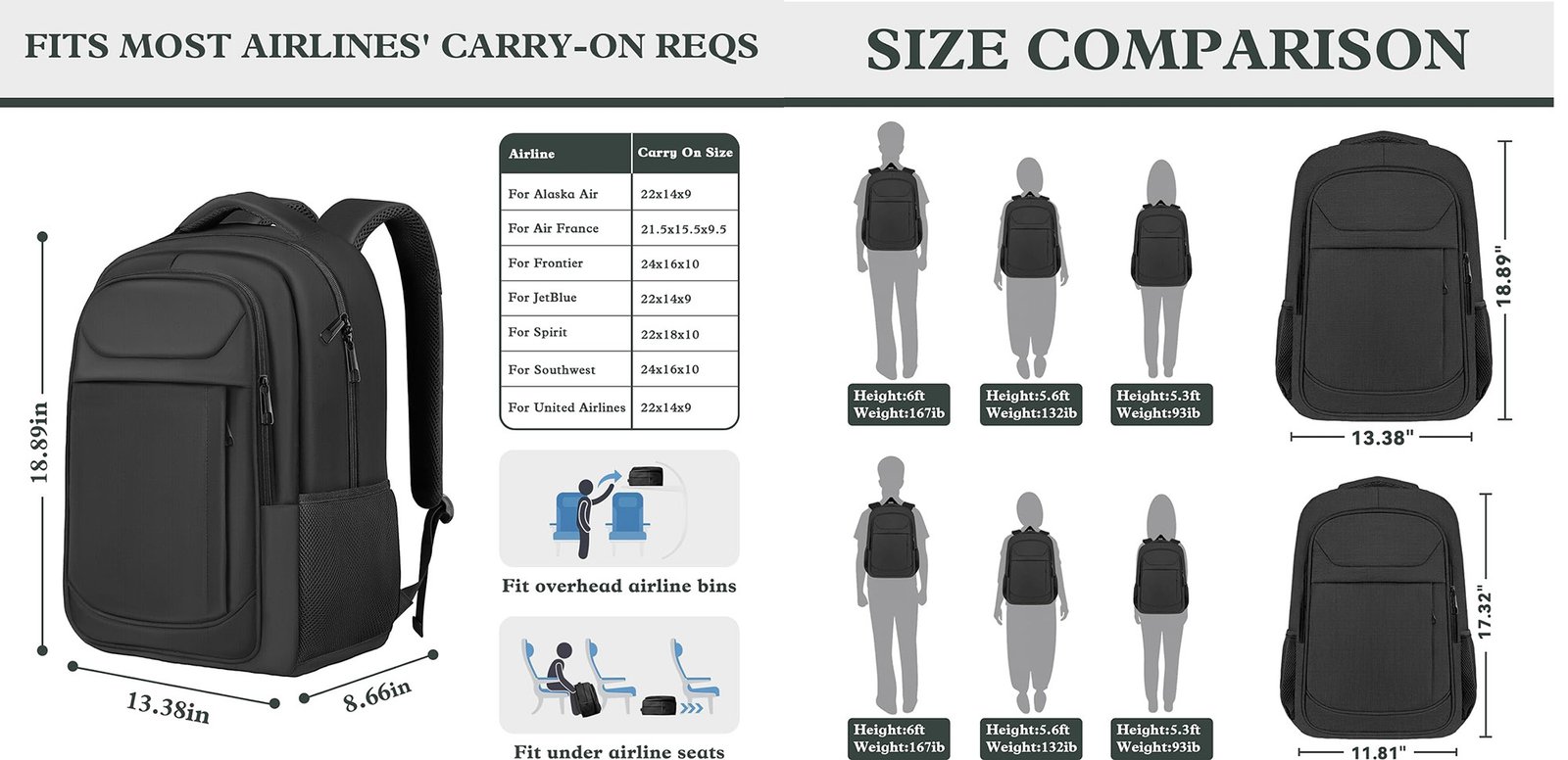
In OEM/ODM inquiries, I do not treat capacity as only a number. I ask how the user moves. I ask if the user takes a train, a car, or a flight. I ask if the bag must fit under an airplane seat1. I also ask if the user carries clothes, a laptop, files, chargers, a bottle, and daily items.
Capacity affects the pattern, the lining structure, the zipper length, the back panel, and the carton size. It also affects cost. A larger backpack may need stronger fabric, wider webbing, more foam, and more sewing time. A smaller backpack may look cleaner, but it may fail if the user needs overnight storage.
| Buyer question | Why I ask it | Production effect |
|---|---|---|
| I ask how many days the trip lasts. | The bag must match the real load. | The main compartment depth may change. |
| I ask the laptop size. | The laptop area must fit safely. | The panel and foam size may change. |
| I ask if the bag is for airline use. | The size may need travel limits. | The pattern and shape must be controlled. |
| I ask if clothing is carried. | The bag may need a wide opening. | The zipper and gusset design may change. |
I define capacity with dimensions too
I prefer to specify capacity with outside dimensions and inside layout. Liters alone can mislead both sides.2 Two backpacks can both be 25L, but one may be slim and tall, while the other may be wide and deep. The cost and user feeling can be very different.
How should a laptop compartment be padded and tested?
I see buyers treat laptop padding as a small detail. The problem appears later when the sample feels soft, loose, or unsafe.
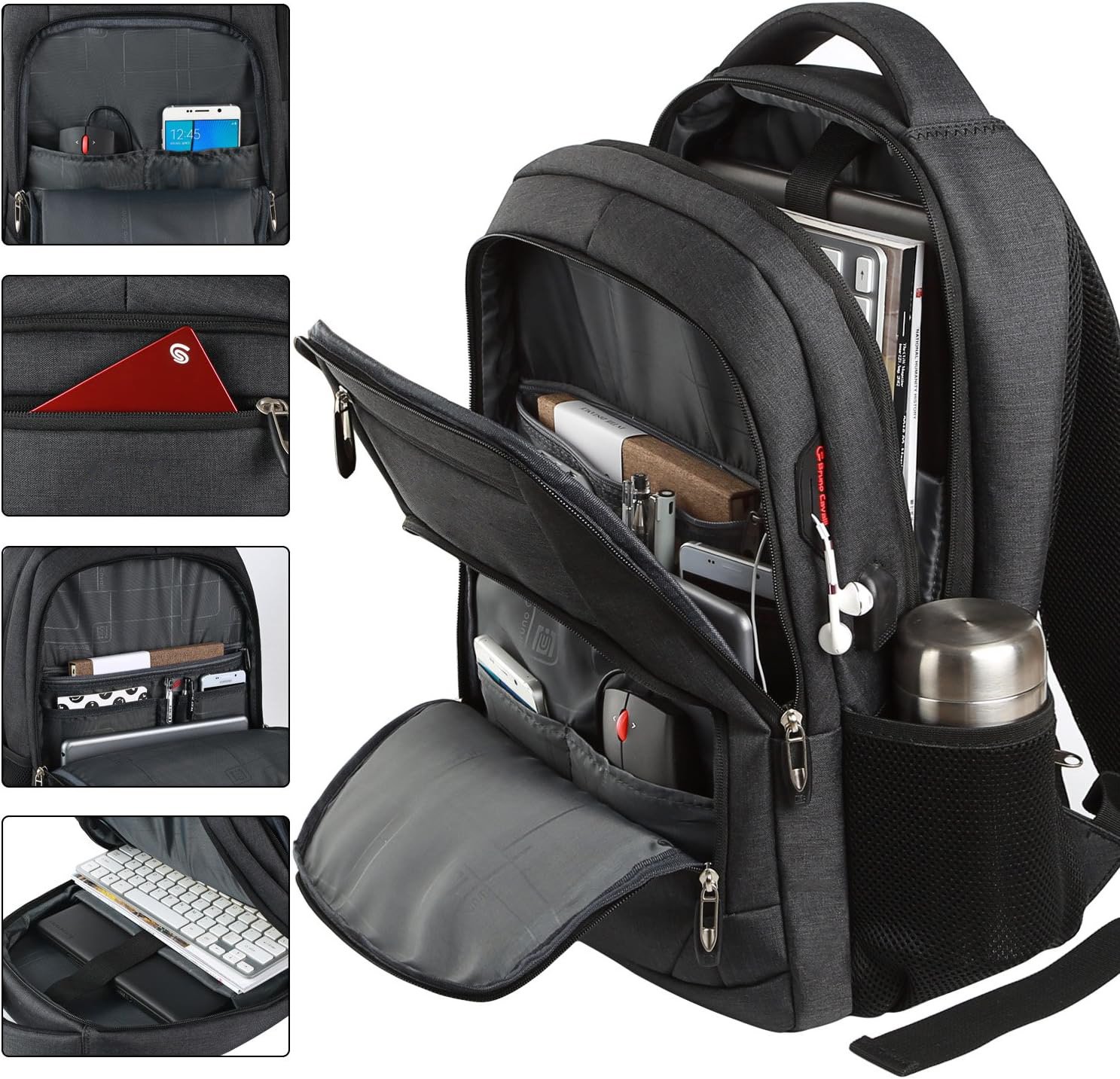
A laptop compartment should specify device size, foam type, foam thickness, suspension height, lining, opening direction, and fit tolerance. Buyers should also ask suppliers to check laptop placement, drop risk points3, zipper clearance, and sewing consistency during sampling.
I define protection before I choose foam
A laptop compartment is not only one padded pocket. It is a small protection system. I look at the back panel, the bottom area, the side panels, and the zipper position. If the laptop touches the floor when the bag is placed down, the bottom risk is higher. If the zipper teeth rub the laptop edge, the opening design needs change.
I often ask buyers for the exact laptop size. A “15-inch laptop” is not enough. Different brands and models can have different width and thickness. I also ask if the buyer wants the compartment to fit a laptop sleeve. That one detail can change the pocket size.
| Specification point | What I need from the buyer | Why it matters |
|---|---|---|
| I need the laptop model or size. | The buyer should give length, width, and thickness. | The pocket fit can be controlled. |
| I need the foam requirement. | The buyer should state thickness and hand feel. | The sample feel can match expectation. |
| I need bottom suspension. | The buyer should state if the laptop should float above the base. | The bag can reduce direct bottom impact4. |
| I need opening style. | The buyer should choose side, top, or separate access. | The sewing and zipper layout will change. |
I test the layout in a practical way
I do not claim lab results unless a buyer requests a formal test through a proper testing party. For normal development, I use practical sample checks. I place a laptop dummy or real size board inside the compartment. I check if it slides too much. I check if the zipper closes smoothly. I check if the laptop corner meets a hard seam. I check if the shoulder strap area pulls the pocket out of shape when the bag is loaded.
This practical check helps buyers avoid a common problem. The sample may look professional on a table, but it may not protect well when carried. Clear padding details make the supplier quote more accurately. They also reduce sample changes.
What design looks professional but not too corporate?
I see buyers struggle with design balance. The bag must look business-ready, but it must not look old, stiff, or too formal.
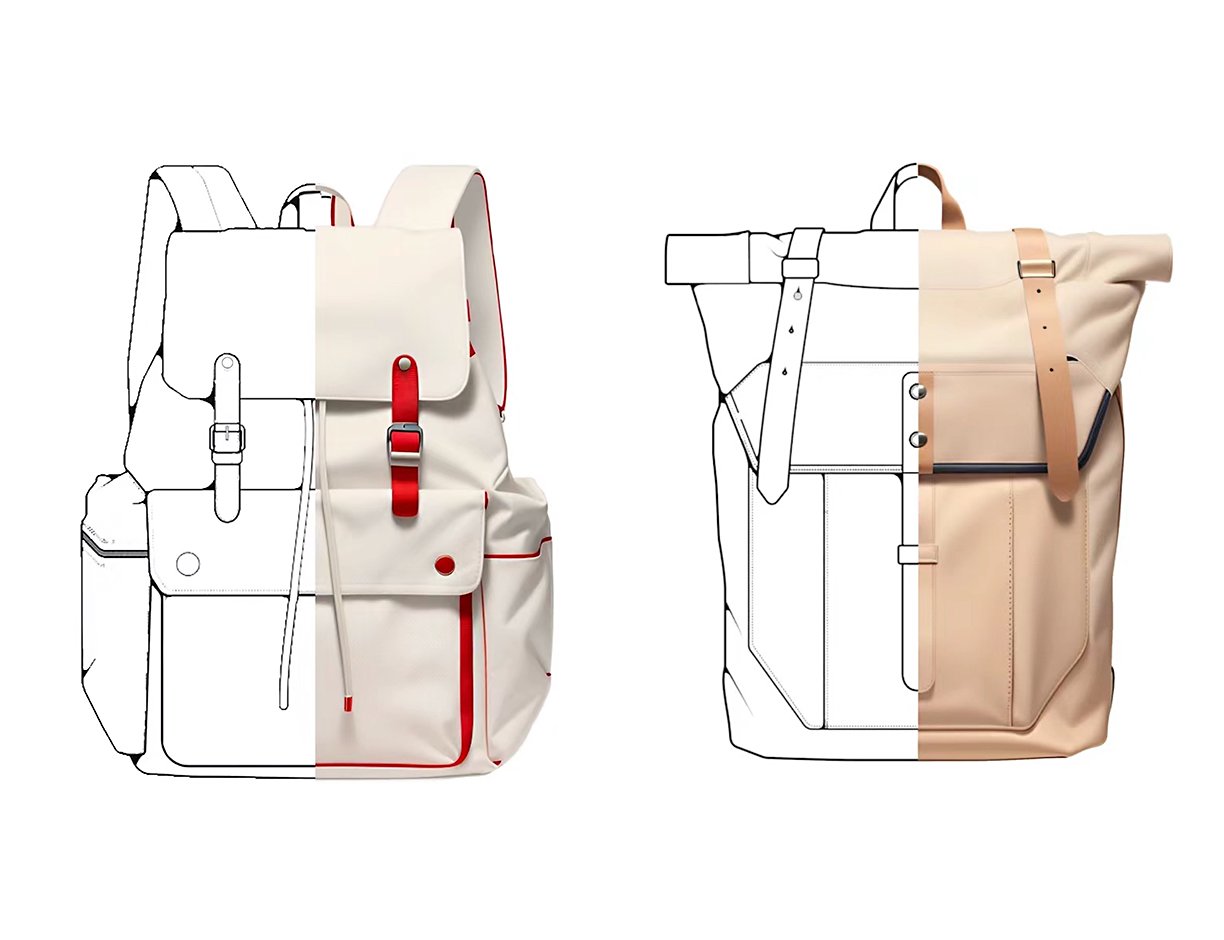
A professional but modern work travel backpack usually uses a clean shape, controlled branding, calm colors, neat stitching, and practical pocket lines5. The design should match the buyer’s channel, target user, price level, and brand style.
I connect style with market position
When I discuss a work travel backpack with a private-label buyer, I ask where the bag will be sold. A supermarket program, a corporate gift program, and a retail brand collection may need different looks. A bag for a gift channel may need broad appeal and a safe color. A retail brand may need a stronger visual feature. A corporate program may need a clean front panel and a larger logo area.
Design affects cost more than many buyers expect. A curved front panel may need more cutting control.6 A hidden pocket may need extra lining and sewing. A hard shape may need thicker foam or PE board.7 A small change in look can change the whole construction.
| Design choice | What the buyer may want | What I check in production |
|---|---|---|
| I check the front shape. | The buyer may want a clean business look. | The panel must keep its shape after sewing. |
| I check the logo area. | The buyer may want private label branding. | The material must support embroidery, patch, or print. |
| I check the color plan. | The buyer may want a modern tone. | The fabric color must be stable and repeatable. |
| I check the trim details. | The buyer may want a premium feeling. | The zipper, puller, webbing, and binding must match. |
I avoid design features that fight each other
I often see briefs that ask for a luxury look, low cost, light weight, many pockets, waterproof fabric, and a low MOQ at the same time. I understand the reason. Buyers face price pressure. Still, each design choice has a cost. A clean design can help control cost if the structure is simple. A premium design may need better zippers, better lining, and better foam.
I ask buyers to rank the visual goal. I ask if the backpack should look smart, sporty, minimal, outdoor, or tech. Then I translate that style into fabric, trims, and shape. This makes the supplier’s sample closer to the buyer’s idea.
Do buyers need luggage pass-through and anti-theft pockets?
I see these features added by default in many briefs. They are useful, but they can also add cost, weight, and sewing risk.
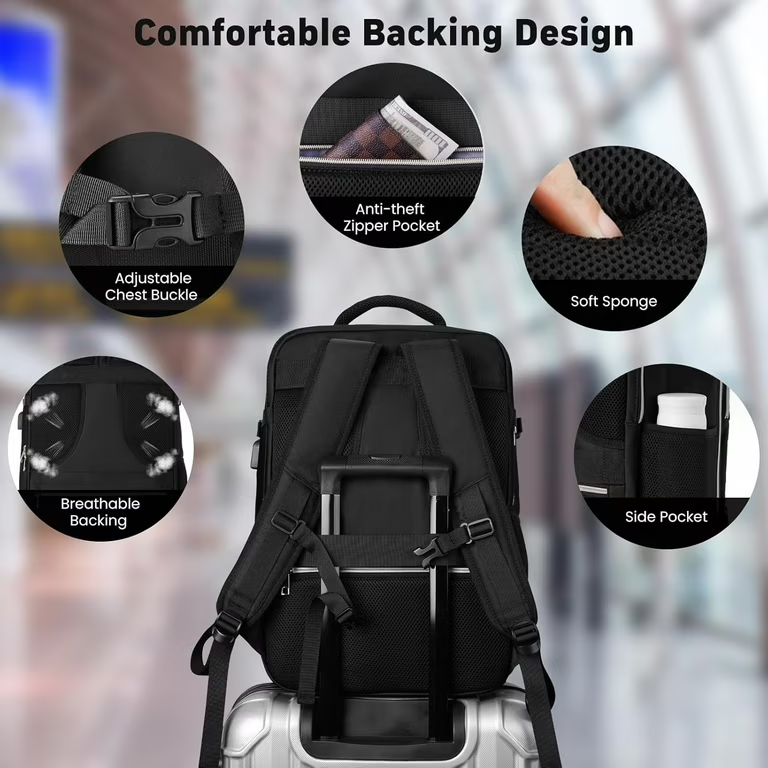
Buyers need luggage pass-through and anti-theft pockets when the backpack is used for airports, hotels, public transport, or business travel8. If the target user only commutes locally, these features should be ranked against cost, weight, and production complexity.
I rank functions before I add them
A luggage pass-through is useful for travel. It lets the user place the backpack on a suitcase handle.9 But it needs a back panel design that supports the sleeve. The sleeve position must match common trolley handle widths. The stitching must be strong. The back panel should still feel comfortable.
Anti-theft pockets also need careful placement. A back hidden pocket can be useful for passports, wallets, and phones. But it may add a seam near the back panel. It may affect comfort if the pocket is too thick. It may also slow sewing if the pocket has a hidden zipper or special lining.
| Function | I ask this question | I watch this production point |
|---|---|---|
| Luggage pass-through | Does the user travel with a suitcase often? | The sleeve width and stitch strength must be clear. |
| Back anti-theft pocket | Does the user carry passport or wallet? | The pocket should not hurt back comfort. |
| Side hidden pocket | Does the user need quick access? | The zipper must open easily without weakening the panel. |
| RFID pocket | Does the buyer need this feature for marketing? | The material and claim must be checked carefully. |
I separate must-have from nice-to-have
I like to make a function priority list with the buyer. I usually use three levels. The first level is must-have. The second level is useful if cost allows. The third level is optional for later versions. This keeps the project under control.
If every feature becomes a must-have, the backpack can become heavy and expensive. The sample may also take longer. The sewing team may need more steps. The QC team may need more checkpoints. This does not mean buyers should avoid features. It means each feature should support the real use case. A business traveler may value a trolley sleeve. A daily commuter may value a clean laptop pocket and a comfortable back panel more.
Which materials balance weight, durability and cost?
I see many buyers write only “polyester” or “nylon” in the brief. That is not enough for accurate quoting or sampling.
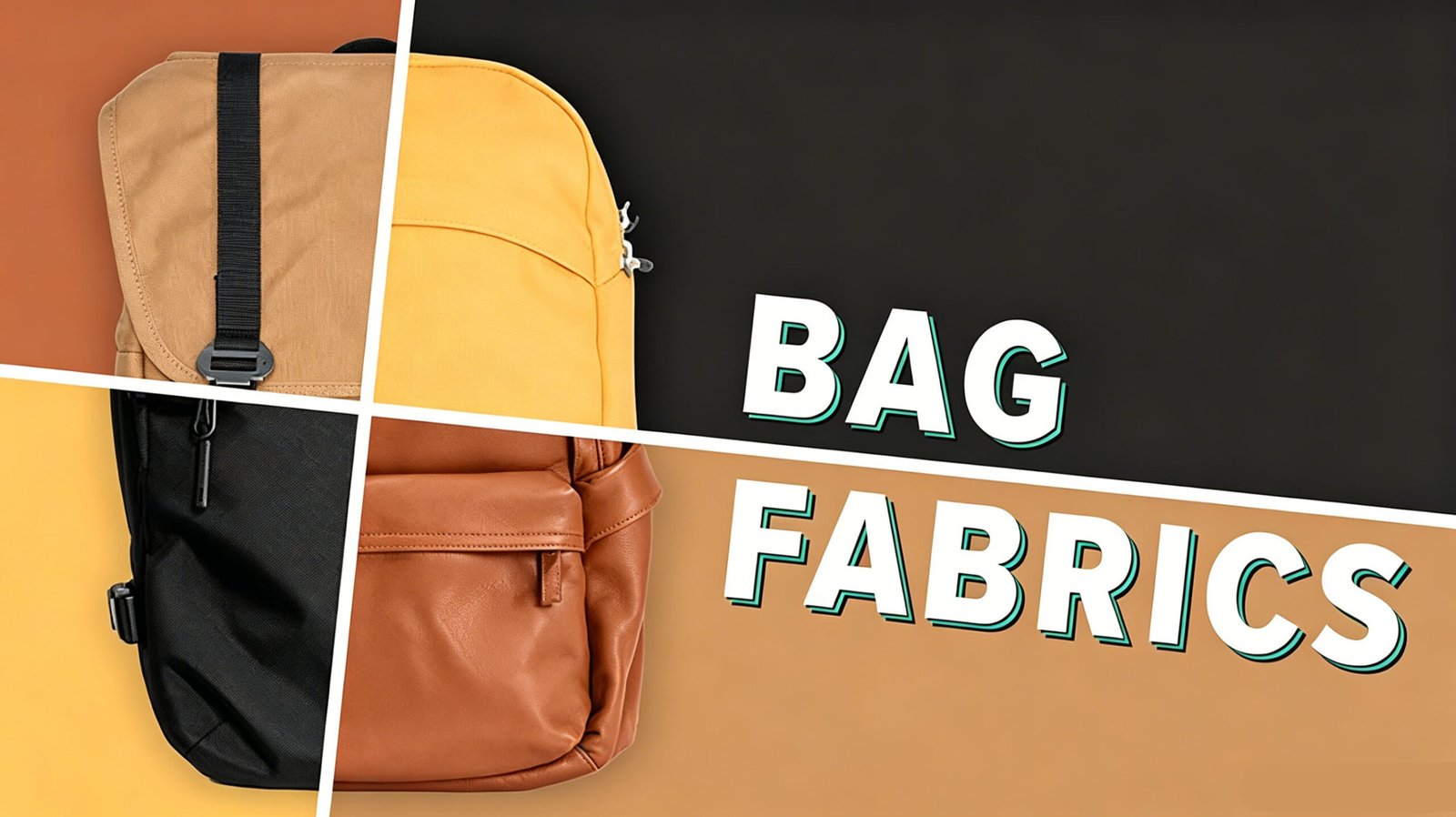
Buyers should specify material by weight, weave, coating, water resistance target, hand feel, color, abrasion expectation, and price position. The same fabric name can have different cost, surface feel, durability, and sample result.
I do not quote fabric by name only
Material names can create misunderstanding. “600D polyester” can mean many things.10 The yarn, coating, backing, color, finish, and supplier grade can change the hand feel and cost. “Nylon” can also vary a lot. Some nylon fabrics feel soft and premium. Some feel thin. Some are costly. Some are not suitable for the buyer’s target price.
I ask the buyer what the fabric must do. Does it need to resist light rain?11 Does it need a matte look? Does it need a soft hand feel? Does it need to hold a structured shape? Does the buyer need recycled material? Does the buyer need a certain color repeat for a long program?
| Material point | What I ask buyers to define | Why it affects the project |
|---|---|---|
| Fabric weight | The buyer should give a target or approve options. | The bag weight and cost will change. |
| Coating or backing | The buyer should state water resistance needs. | The fabric feel and price will change. |
| Hand feel | The buyer should share a reference sample if possible. | The supplier can match the buyer’s expectation. |
| Color stability | The buyer should confirm color and order plan. | Repeat orders need closer control. |
| Eco material | The buyer should state recycled or other needs. | Material sourcing and lead time may change. |
I balance the full material system
The outside fabric is only one part. The lining, foam, webbing, zipper, buckle, thread, binding, and puller also affect durability and cost. A strong fabric with weak zipper does not make a reliable backpack. A premium zipper with very cheap lining may create a bad user feeling. A light fabric with too much foam may still become heavy.
I usually suggest that buyers define a target price range early. This does not mean the supplier should only chase the lowest price. It means the supplier can choose materials that match the business goal. If the buyer wants a retail-level look, the material choice should support that. If the buyer wants a promotion program, the structure may need to be simpler. Clear material performance helps suppliers provide comparable quotes.
What should procurement teams include in a backpack tech pack?
I see the biggest delays happen when the tech pack is incomplete. The supplier fills the gaps, and the buyer may not like the result.
A backpack tech pack should include dimensions, capacity target, compartment layout, laptop size, materials, trims, logo method, colors, stitching details, function priority, packaging, quality requirements, sample comments, target price, MOQ, and delivery schedule.
I use the tech pack to reduce guessing
A tech pack is not only a drawing. It is a shared production language.12 It helps the buyer, supplier, sample room, purchasing team, sewing line, and QC team understand the same product. When the tech pack is clear, the quotation becomes easier to compare. When it is vague, each supplier may quote a different version.
I like to see front view, back view, side view, inside view, and detailed pocket callouts. I also like to see material swatches or reference photos. If the buyer has a target fabric, I need its weight, color, and finish. If the buyer has no fixed material, I can suggest options based on target price and style.
| Tech pack item | What I need to see | How it helps sourcing |
|---|---|---|
| Main dimensions | I need height, width, depth, and tolerance. | Suppliers quote the same size. |
| Pocket layout | I need inside and outside pocket drawings. | Sampling becomes more accurate. |
| Material list | I need shell, lining, foam, webbing, and trims. | Cost can be broken down better. |
| Logo details | I need size, position, and method. | Branding cost and sample work become clear. |
| Packaging | I need polybag, hangtag, carton, and label needs. | Export packing can be planned early. |
| Quality points | I need key inspection points. | Mass production can follow the buyer’s focus. |
I include commercial details too
Procurement teams should also include target price, target order quantity, market, delivery time, and payment discussion stage. These details help the supplier recommend workable solutions. If the target price is low, I may suggest simpler pockets, common fabric, or standard trims. If the buyer needs a premium line, I may suggest better zippers, stronger lining, and more structured foam.
I also ask buyers to mark what cannot change. Some points are fixed, like logo size, laptop size, or airline dimension. Some points are flexible, like lining color, zipper puller style, or pocket count. This helps the factory solve problems without changing the core product.
When a buyer sends a clear tech pack, I can quote with fewer assumptions. I can also prepare a sample plan with fewer rounds. This saves time for both sides. It also helps mass production stay closer to the approved sample.
Conclusion
I specify use, function, material, and production details first. Then I can help buyers quote, sample, and produce work travel backpacks with less risk.
"What Can I Bring? | Transportation Security Administration - TSA", https://www.tsa.gov/travel/security-screening/whatcanibring/all. Airline and aviation guidance commonly distinguishes a smaller personal item intended to fit under the seat in front of the passenger from larger overhead carry-on baggage, supporting the use of under-seat fit as a practical design requirement for travel backpacks. Evidence role: general_support; source type: government. Supports: Airlines commonly distinguish personal items intended to fit under the seat from larger carry-on baggage, making under-seat fit a relevant backpack design constraint.. ↩
"Backpack - Wikipedia", https://en.wikipedia.org/wiki/Backpack. Luggage and pack measurement standards describe volume as only one product attribute; external dimensions and internal geometry affect usable space and fit, so identical nominal liter ratings can correspond to materially different forms and use cases. Evidence role: definition; source type: institution. Supports: Bag volume figures do not fully describe shape, dimensions, or usable layout, so liters alone may not capture functional differences between products.. ↩
"Securing Data & Devices | NIST", https://www.nist.gov/itl/smallbusinesscyber/guidance-topic/securing-data-devices. Studies of portable electronic device reliability identify accidental drops and impact events as common sources of damage, supporting the practice of examining drop-related risk points when assessing laptop protection features in bags. Evidence role: general_support; source type: paper. Supports: Accidental drops are a common failure mode for portable electronic devices, making drop-related risk points relevant in protective product design.. ↩
"Enhancing Impact Testing of Protective Polymer-based Foams ...", https://www.academia.edu/6080201/Enhancing_Impact_Testing_of_Protective_Polymer_based_Foams_According_to_EN_913_for_Application_in_Sports_Area. Research on impact attenuation and protective packaging shows that spacing a protected item away from a rigid base, combined with cushioning material, can reduce direct transmission of bottom-impact forces; in a backpack, a suspended laptop sleeve applies this principle contextually rather than proving performance for every design. Evidence role: mechanism; source type: paper. Supports: Providing clearance between a device and the base of a bag can reduce direct force transfer during bottom impacts by allowing cushioning materials and distance to absorb some energy.. Scope note: Support is based on general impact-protection principles rather than tests of the specific backpack described. ↩
"The Psychology of Color and Graphic Design", https://platt.edu/blog/psychology-color-graphic-design/. Design education and professional style guidance commonly associate a business-oriented aesthetic with restrained branding, simpler forms, and subdued color palettes, which supports the characterization of these features as consistent with a professional-looking backpack. Evidence role: expert_consensus; source type: education. Supports: Professional design language is commonly associated with restraint, visual simplicity, and subdued palettes rather than highly expressive or ornamental treatment.. Scope note: The support is contextual because aesthetic judgments vary by market segment, culture, and brand positioning. ↩
"[PDF] Automating garment pattern making with AI", https://researchdiscovery.drexel.edu/esploro/fulltext/graduate/Automating-garment-pattern-making-with-AI/991022058737804721?repId=12593344530004721&mId=13593344520004721&institution=01DRXU_INST. Manufacturing and sewing instruction materials note that curved pattern pieces and seams are more sensitive to cutting accuracy and alignment than straight components, supporting the claim that curved bag panels may require tighter production control. Evidence role: mechanism; source type: education. Supports: Curved pattern pieces and seams typically increase alignment and handling difficulty compared with straight components, which can require tighter control in cutting and assembly.. Scope note: The evidence is based on general pattern-making and sewing principles rather than a backpack-specific production study. ↩
"Minimizing Plastic Bags | Charleston, SC - Official Website", https://www.charleston-sc.gov/1454/Minimizing-Plastic-Bags. Soft-goods and luggage construction references describe the use of reinforcement components, including denser foam and plastic sheet materials such as polyethylene board, to help panels retain shape and stiffness. Evidence role: mechanism; source type: education. Supports: Rigid or shape-retaining soft goods commonly use reinforcement materials such as thicker foam sheets or plastic boards to maintain form.. ↩
"Transportation | International Safety and Security - University of Illinois", https://safetyabroad.illinois.edu/safety-wellness/transportation/. Government travel advisories and transport-safety guidance commonly warn travelers to secure passports, wallets, and phones in crowded transit environments such as airports and public transport, which supports the relevance of protective storage features for business-travel bags. Evidence role: general_support; source type: government. Supports: Travel environments such as transit hubs and public transport are recognized contexts where travelers are advised to secure valuables, making protective bag features relevant.. Scope note: The source would support the travel-risk context rather than proving that any specific pocket design prevents theft. ↩
"Baggage - Wikipedia", https://en.wikipedia.org/wiki/Baggage. Travel goods references define a luggage pass-through, often called a trolley sleeve, as a rear strap or sleeve designed to slide over the telescoping handle of rolling luggage so the smaller bag can be carried atop the suitcase. Evidence role: definition; source type: encyclopedia. Supports: A luggage pass-through or trolley sleeve is intended to slide over the telescoping handle of rolling luggage so a smaller bag can ride on the suitcase.. ↩
"Quantitative Analysis of the Impact of Finishing and Washing ... - PMC", https://pmc.ncbi.nlm.nih.gov/articles/PMC11314936/. Textile references define denier as a measure of yarn linear mass rather than a complete description of a fabric, and they note that weave structure, coating, backing, and finishing also affect strength, handle, appearance, and performance; therefore, '600D polyester' alone does not fully specify the material. Evidence role: definition; source type: education. Supports: Denier indicates yarn linear mass, but fabric properties also depend on weave, fiber type, coatings, backing, and finishing processes.. ↩
"Quality and Quantity Assessment of the Water Repellent Properties ...", https://pmc.ncbi.nlm.nih.gov/articles/PMC9181528/. Textile testing standards such as spray and water-repellency methods distinguish limited resistance to rain and surface wetting from fully waterproof barrier performance, supporting the use of 'light rain' resistance as a meaningful material requirement in a backpack brief. Evidence role: definition; source type: institution. Supports: Water resistance for fabrics is commonly evaluated with standardized tests that distinguish limited rain or spray resistance from full waterproof performance.. ↩
"How To Make The Perfect Tech Pack For Your Clothing Brand (Step ...", https://www.youtube.com/watch?v=6KE1_7UJBjQ. Product-development and apparel-manufacturing instruction describes the technical package as the primary specification document used to communicate measurements, materials, construction details, and quality requirements across design, sourcing, sampling, and production functions. Evidence role: definition; source type: education. Supports: In product and apparel development, a technical package serves as a central specification document used to communicate requirements across design, sourcing, sampling, and production teams.. ↩