Foil printing can make a bag look sharp fast. But many buyers pick it too early, then find the material, use, or wear level does not match the effect they wanted.
Foil printing for custom bags is a logo decoration method that uses heat, pressure, and foil film to create a shiny or matte branded effect1. It works best when the bag material, use case, and durability needs match the process.
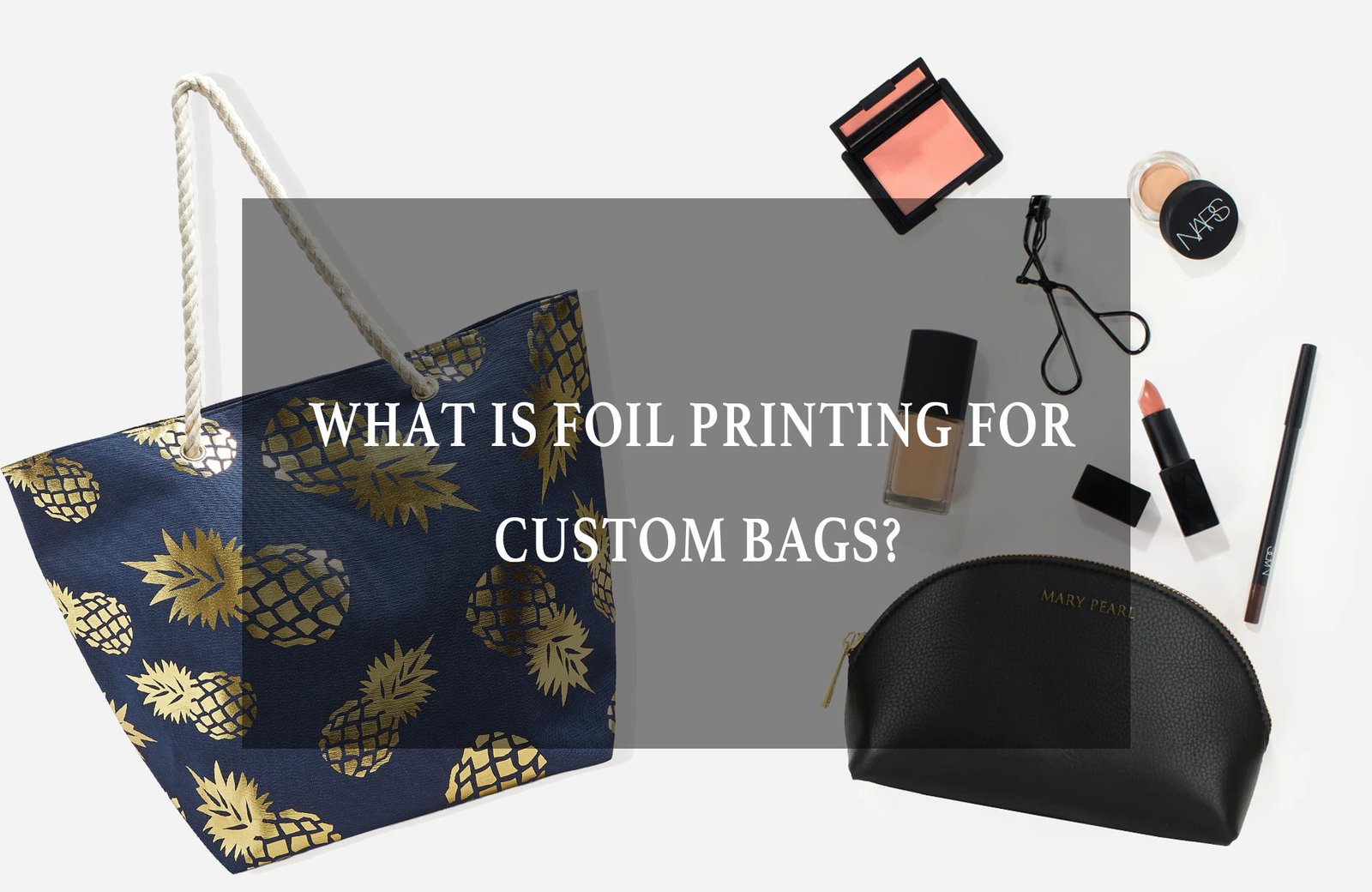
When I talk with buyers about logo options, I notice one pattern again and again. Many people ask for foil printing because they want a more branded look. That idea is fine. But the real question is not whether foil printing looks good. The real question is whether it fits the bag project. In many custom bag projects, this choice should come after I check the fabric, the bag use, the target market, and how the logo needs to hold up over time. I have seen samples look excellent on day one and then feel less right once the buyer thinks about shipping, handling, shelf life, and daily use. That is why I always bring the discussion back to fit, not just appearance.
How Does Foil Printing Work on Custom Bags?
Foil printing sounds simple, so buyers often think the result is simple too. But if the wrong base material or wrong expectation is in place, the logo can disappoint very quickly.
Foil printing on bags usually works by pressing a metallic or pigmented foil onto the surface with heat and pressure2. The die, adhesive response, material texture, and logo size all affect how clean and durable the final result will be.3
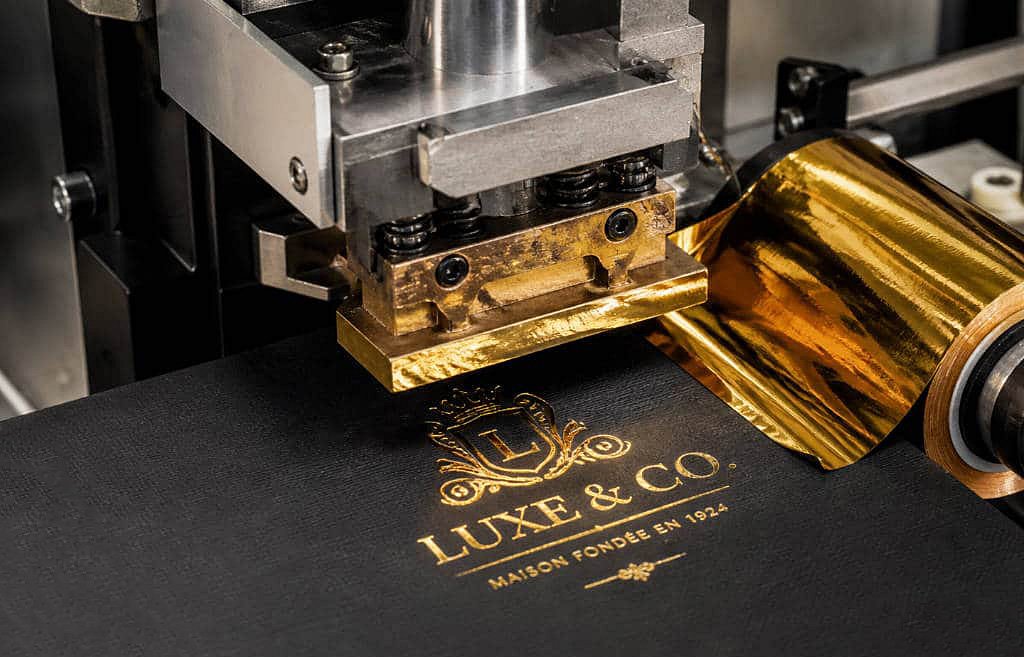
In buyer discussions, I usually explain foil printing in a very practical way. A foil film is transferred onto the bag surface through heat and pressure. A metal die or set plate gives the logo shape. That is the basic idea. But the result depends on more than the machine step. The fabric surface matters a lot. A smooth PU surface often responds very differently from rough canvas or uneven woven fabric. I have seen buyers expect the same crisp effect on every bag type, and that is where the first mistake starts.
The logo design also matters. Fine lines, tiny text, and large solid areas can all behave differently.4 In many custom bag projects, a small clean logo works better than a very complex one.
| Factor | What I Usually Check | Why It Matters |
|---|---|---|
| Material surface | Smooth, textured, coated, or woven | It affects foil adhesion and edge sharpness |
| Logo size | Small, medium, or large | Large solid logos may show flaws more easily |
| Logo detail | Fine lines or bold shapes | Fine details may not transfer cleanly |
| Usage level | Light use or daily heavy use | Frequent rubbing can affect appearance5 |
| Brand goal | Luxury look, gift look, retail look | Visual effect must match product purpose |
I always tell buyers that foil printing is not only a decoration method. It is also a risk-control decision. If I test early, I can tell whether the effect is likely to hold up well enough for the project.
What Types of Foil Printing Are Used for Bags?
Many buyers think foil printing means only gold or silver shine. That narrow view can lead to weak choices, especially when the brand image is more subtle or the bag category is different.
Common foil printing types for bags include metallic foil, matte foil, colored foil, and sometimes special effect foil. The best option depends on material compatibility, logo visibility, and the brand image the buyer wants to create.
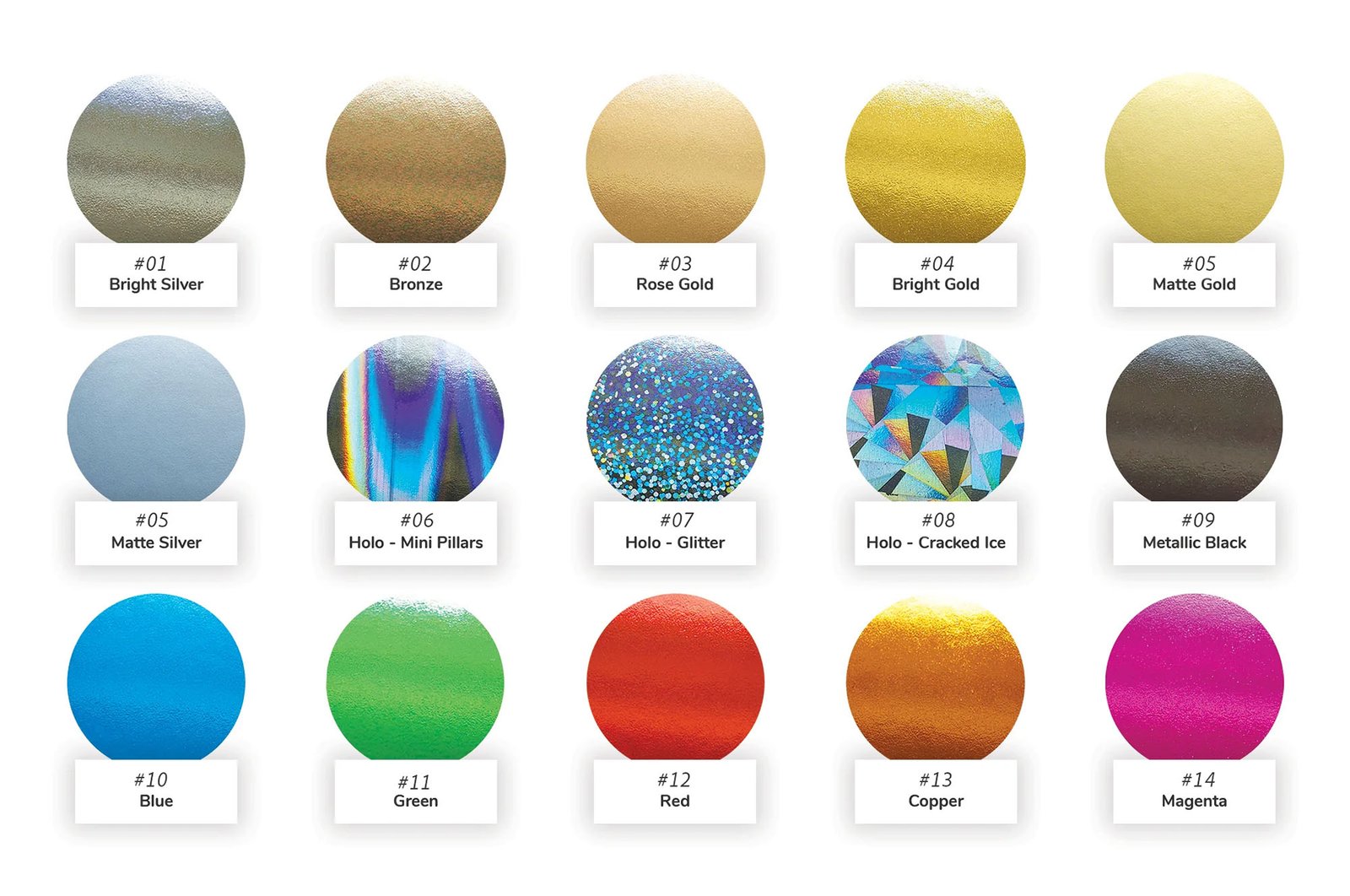
When I discuss foil options with clients, I usually start with appearance and then move quickly to fit. Metallic gold and metallic silver are the most common requests.6 They are easy for buyers to imagine. They often give a strong branded look on cosmetic bags, gift bags, fashion pouches, and some PU or leather-like products. But they are not the only choice. Matte foil can create a quieter effect. Colored foil can help when a brand wants more identity than standard gold or silver. Some projects also ask for holographic or special effect foil, though that is more niche.
The main issue is not how many foil types exist. The main issue is how each one behaves on the actual bag.
| Foil Type | Typical Visual Effect | Common Use Case | Watch Point |
|---|---|---|---|
| Metallic gold/silver | Bright, reflective, eye-catching | Gift bags, fashion bags, cosmetic bags | Can show scratches more clearly |
| Matte foil | Soft, less reflective, clean | Premium understated branding | May look weaker on dark rough surfaces |
| Colored foil | Brand-specific, more custom | Retail bags, seasonal products | Color effect may vary by base material |
| Special effect foil | Unique, trendy, bold | Promotional or trend-led bags | Not always right for long-term classic branding |
In many custom bag projects, I guide buyers away from choosing based on catalog photos alone. A shiny effect in theory may not match the real fabric, the target customer, or the selling price. That is why I prefer sample review before final approval.
Which Bag Materials Are Best for Foil Printing?
This is where many foil printing decisions go wrong. Buyers often choose the logo method first, then ask whether it can work on the bag material. I think the order should be the opposite.
The best bag materials for foil printing are usually smooth and stable surfaces such as PU, faux leather, and some coated fabrics.7 Rough, highly textured, or flexible woven materials often need extra testing and may not deliver the same clean result.8
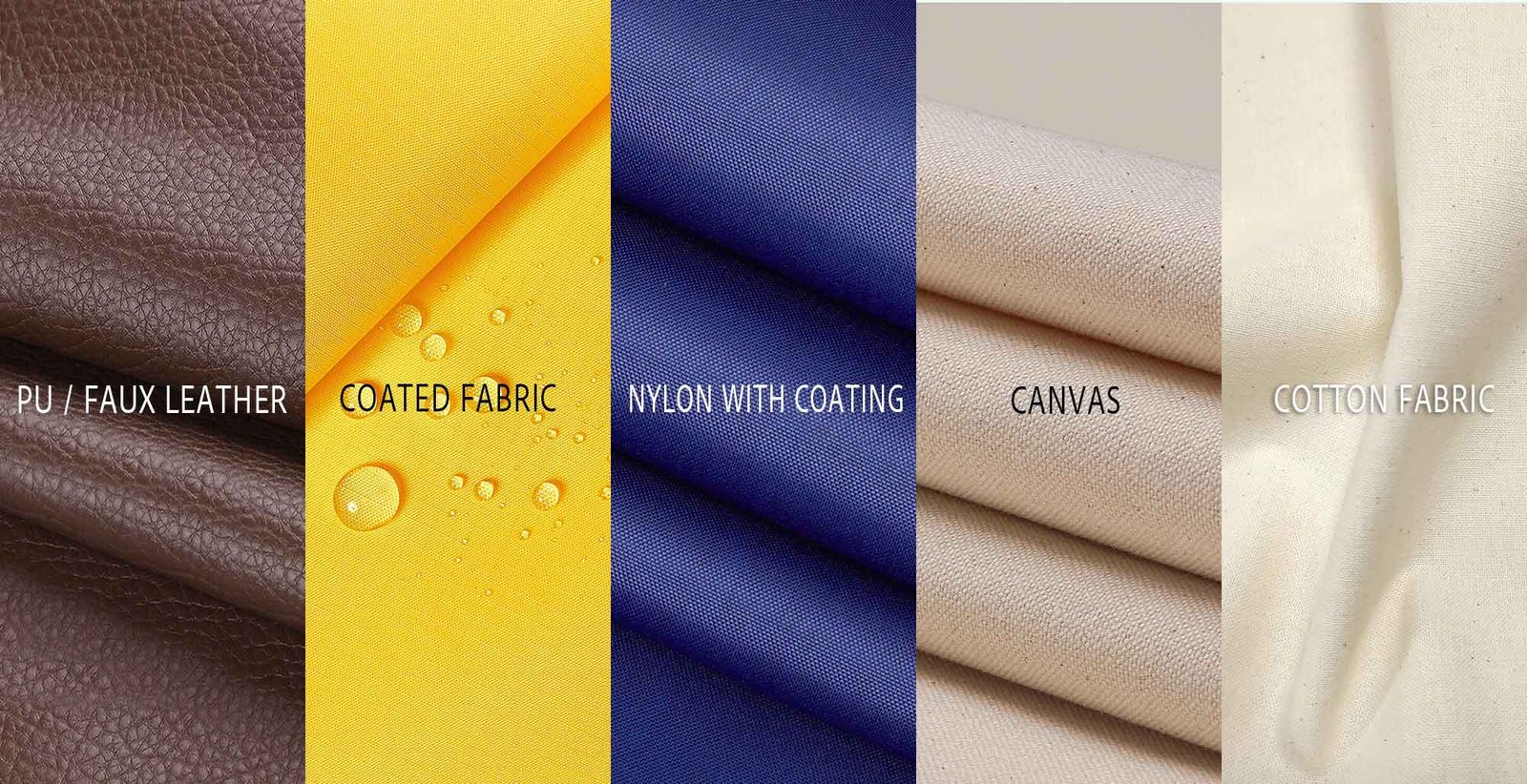
If I had to name the first filter for foil printing, I would say material compatibility without hesitation. In many buyer conversations, this is the part that changes the final decision. Smooth PU, faux leather, and some coated synthetic materials often give better foil transfer results. The logo edges can look cleaner. The shine can look more even. The surface usually supports the decorative effect better.
By contrast, materials like heavy canvas, rough cotton, loose weave fabric, and some soft water-resistant textiles can be much less predictable. That does not mean foil printing is impossible on them. It means the result often depends on testing, and the effect may not look as crisp or last as well under friction. I have seen clients send reference photos from other products, but once we compare the actual fabric in hand, the expectation changes.
| Bag Material | Foil Suitability | Why |
|---|---|---|
| PU / faux leather | Good in many cases | Smooth surface helps clear transfer |
| Coated fabric | Often good | Stable top layer can support foil better |
| Nylon with coating | Depends on finish | Surface treatment changes adhesion result |
| Canvas | Often limited | Texture can break up logo clarity |
| Cotton fabric | Depends on weave | Soft and uneven surface may reduce sharpness |
| Non-woven fabric | Usually needs caution | Surface quality can vary a lot |
I always remind buyers that the same logo can look premium on one material and disappointing on another. That is why I do not treat foil printing as a universal upgrade. I treat it as a material-based choice.
What Are the Benefits of Foil Printing for Bag Brands?
Buyers usually ask about benefits first. That makes sense. But if we talk only about looks, we miss the bigger business decision behind the logo method.
Foil printing can help bag brands create a stronger shelf look, clearer logo visibility, and a more styled brand presentation.9 Its value is highest when visual impact matters more than heavy-use durability.10
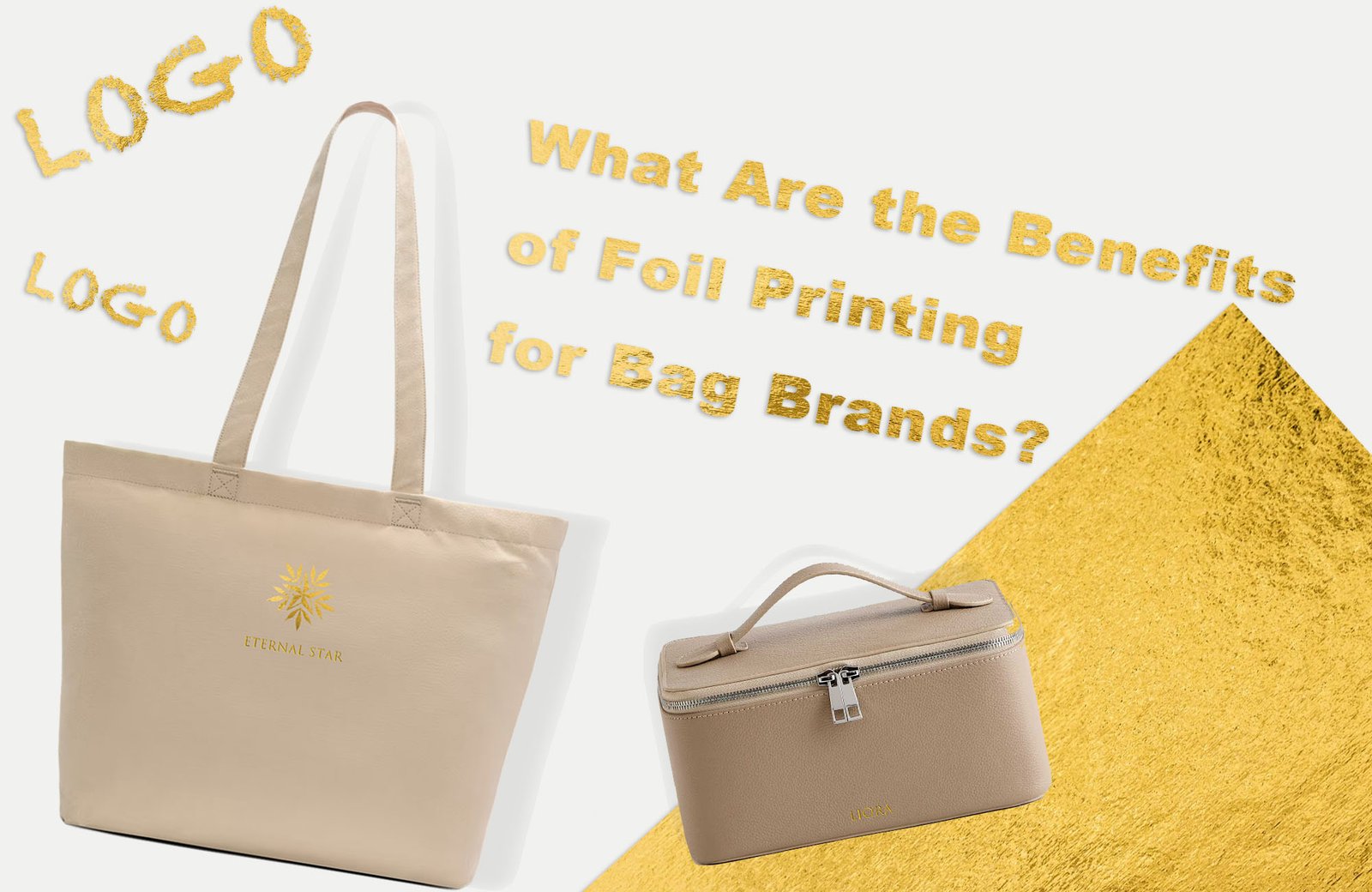
I have seen foil printing work very well when the brand goal is visual presence. It can make a logo stand out on a simple bag body. It can help a private label look more polished in a retail setting. It can also support gift, fashion, and promotion projects where first impression matters a lot. In those cases, foil printing can do its job very well.
Still, I do not like calling it “better” in a general way. I think that word creates problems. In many custom bag projects, the benefit is tied to a specific selling context. If a buyer needs a branded cosmetic pouch for display, foil can be a strong option. If the bag is a daily-use backpack with high rubbing points, the same foil effect may not be the best long-term choice.
| Benefit | What It Means in Practice | Best Fit |
|---|---|---|
| Strong visual effect | Logo catches attention fast | Retail display, gifting, promotions |
| Clear brand styling | Helps shape brand image | Fashion and beauty categories |
| Simple upgrade on surface | Adds decoration without changing bag structure | Private label product refresh |
| Flexible look options | Metallic, matte, or colored effects | Brands with specific visual identity |
I often tell buyers to connect the logo method with the sales scene. If the bag wins by first impression, foil may help a lot. If the bag wins by hard daily function, then logo durability may matter more than shine.
When Should Buyers Choose Foil Printing for Custom Bags?
Many buyers do not need a lesson on foil printing. They need a decision rule. They want to know when to say yes, when to be careful, and when to switch methods.
Buyers should choose foil printing when the bag material supports clean transfer, the product use is not too abrasive, and the brand wants a strong decorative logo effect. Early sampling is the safest way to confirm that fit.11
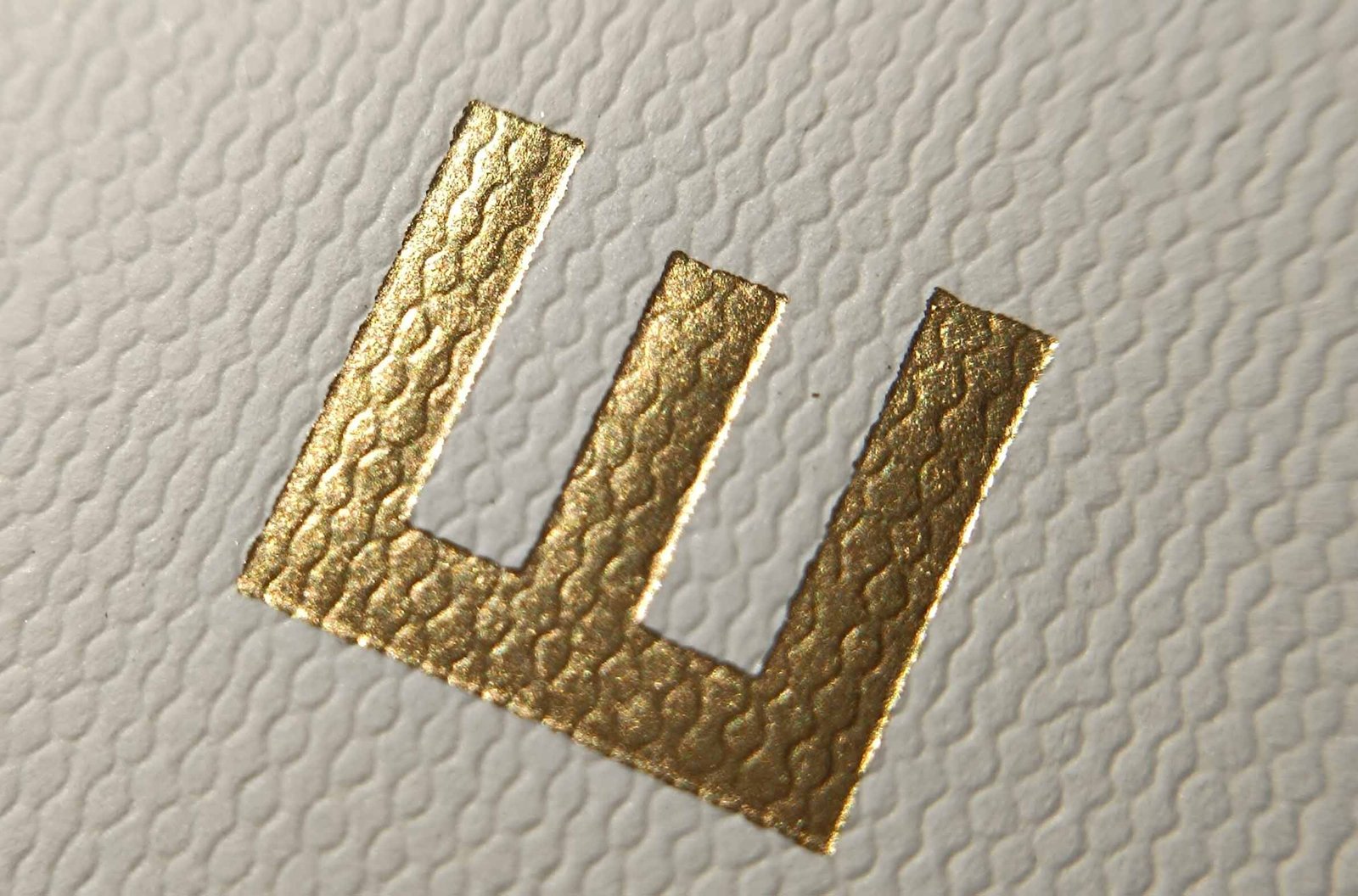
In my experience, foil printing is the right choice when three things line up. First, the bag material needs to accept the process well. Second, the bag use should not be too rough or too frequent if appearance retention is a major concern. Third, the brand goal should truly need that foil effect. If one of those points is weak, I usually ask the buyer to slow down and compare alternatives.
I remember one project where a client wanted foil for a daily-use bag because the sample photo looked upscale. Once we talked more, I learned the bag would be handled often, stacked in transit, and sold in a value-driven retail channel. In that case, I suggested we test the foil sample but also compare other logo methods. That kind of side-by-side review helps buyers avoid choosing based only on appearance.
| Buyer Situation | Is Foil Printing a Good Fit? | My Usual Advice |
|---|---|---|
| Gift bag or cosmetic pouch | Often yes | Test visual effect and adhesion early |
| Fashion bag with smooth PU | Often yes | Check logo size and rubbing points |
| School or work backpack | Often maybe | Review durability expectation first |
| Rough canvas tote | Needs caution | Test before approval, compare alternatives |
| High-volume retail item | Depends | Balance cost, look, and wear performance |
| Brand launch with premium image | Often yes | Match foil style with target customer |
This is why I keep coming back to the same idea. The practical question is not “Is foil printing good?” The practical question is “Is foil printing right for this bag, this use, and this brand promise?” In many custom bag projects, that simple shift saves time, cost, and rework12.
Conclusion
Foil printing can be a smart logo choice for custom bags, but only when the material, use, and brand goal match. I always trust sampling over assumption.
"Cold foil printing - Wikipedia", https://en.wikipedia.org/wiki/Cold_foil_printing. Hot stamping, also called foil stamping in printing contexts, is commonly described as a process that transfers a pigmented or metallic foil to a substrate using a heated die and pressure, producing decorative matte or glossy effects. Evidence role: definition; source type: encyclopedia. Supports: the basic definition of foil printing or hot stamping as a process that transfers foil using heat and pressure. ↩
"Cold foil printing - Wikipedia", https://en.wikipedia.org/wiki/Cold_foil_printing. Technical descriptions of hot foil stamping explain that a metallic or pigmented foil is transferred from a carrier film to the target surface by the combined action of a heated die and pressure. Evidence role: mechanism; source type: research. Supports: that foil stamping transfers metallic or pigmented foil to a substrate through heat and pressure. ↩
"Aluminum Alloy Hot Stamping and Forming Technology: A Review", https://pmc.ncbi.nlm.nih.gov/articles/PMC12028474/. Studies of hot stamping and related transfer-printing processes report that substrate surface characteristics, adhesive interaction, and process parameters influence transfer completeness, edge definition, and resistance to wear. Evidence role: mechanism; source type: paper. Supports: that substrate properties and process parameters affect transfer quality, edge definition, and durability in foil stamping. Scope note: Support may be contextual if the source discusses packaging, paper, polymers, or textiles rather than custom bags specifically. ↩
"Using Hot Stamping On Textured Vs. Smooth Paper Bags", https://midatlanticpackaging.com/blog/using-hot-stamping-on-textured-vs-smooth-paper-bags/?srsltid=AfmBOoqoVKElNXqjZQMxtGa5EPXBF18gNfzSZ2qJIHthdr8O90xKI_XU. Printing-process literature indicates that small features, thin lines, and large solid image areas can respond differently during transfer, with resolution limits and coverage affecting uniformity and defect visibility. Evidence role: general_support; source type: paper. Supports: that image geometry and feature size affect transfer quality in stamping or printing processes. Scope note: The evidence may come from broader printing or transfer processes rather than bag-logo foil printing alone. ↩
"Advances in the Robustness of Wearable Electronic Textiles - PMC", https://pmc.ncbi.nlm.nih.gov/articles/PMC9229712/. Abrasion testing literature on decorative coatings and transfer prints indicates that repeated rubbing can diminish gloss, cause partial loss of transferred layers, and reduce perceived print quality over time. Evidence role: mechanism; source type: paper. Supports: that abrasion can reduce the visual quality of foil or decorative transfers. Scope note: The evidence may be contextual if it concerns coated or printed surfaces generally rather than foil logos on bags specifically. ↩
"Foil Printing Colour Guide", https://www.fastprinting.com/hot-foil-stamping-guide. Reference materials on foil stamping commonly identify metallic gold and silver as standard, widely used foil finishes in decorative printing applications. Evidence role: general_support; source type: other. Supports: that gold and silver metallic foils are standard and widely used options in foil stamping. Scope note: Such sources may document common industry practice rather than provide quantified buyer-request statistics. ↩
"Assessment of Impact of the Surface Modification Techniques on ...", https://pmc.ncbi.nlm.nih.gov/articles/PMC10934369/. Materials and printing studies generally find that smoother, less porous, and more dimensionally stable surfaces support more uniform transfer and sharper decorative impressions than rough or irregular substrates. Evidence role: mechanism; source type: paper. Supports: that smoother and more stable substrates tend to allow more uniform transfer and clearer decorative results. Scope note: Support may be indirect if the source evaluates polymers, coated materials, or packaging substrates rather than bag-grade PU or faux leather specifically. ↩
"[PDF] Quality Evaluation of Hot Stamped Periodical Structures vs Adhesive ...", https://epubl.ktu.edu/object/elaba:47867153/47867153.pdf. Research on transfer decoration processes shows that high surface roughness, weave irregularity, and substrate flexibility can reduce contact uniformity, making transfer quality less consistent and increasing the need for substrate-specific testing. Evidence role: mechanism; source type: research. Supports: that roughness, texture, and substrate deformation can reduce transfer consistency and image sharpness. Scope note: The source may address transfer decoration broadly rather than foil branding on finished bags in particular. ↩
"A Deep Learning Approach for Logo Detection, Saliency-Map ... - arXiv", https://arxiv.org/abs/2403.02336. Consumer-perception and packaging-design studies commonly report that visually distinctive finishes, including reflective metallic elements, can increase visual salience and shape judgments of product presentation. Evidence role: general_support; source type: paper. Supports: that reflective or visually distinctive finishes can increase attention and affect product presentation. Scope note: Such studies usually examine packaging or retail presentation broadly and do not prove sales effects for foil-printed bags alone. ↩
"Color Stability, Gloss Retention, and Surface Roughness of 3D ...", https://pmc.ncbi.nlm.nih.gov/articles/PMC10607754/. Applied materials and product-finishing literature describes a common trade-off in decorative surface treatments: finishes optimized for visual effect may require careful substrate selection and may be less suitable where high abrasion resistance is the primary performance requirement. Evidence role: expert_consensus; source type: paper. Supports: that decorative finishing methods often involve trade-offs between visual effect and wear resistance under demanding use conditions. Scope note: The support is contextual because the literature may address decorative finishes in general rather than foil printing on bags exclusively. ↩
"A perspective on Quality-by-Control (QbC) in pharmaceutical ... - PMC", https://pmc.ncbi.nlm.nih.gov/articles/PMC9948678/. Quality-planning and product-development guidance commonly treats early prototype or sample validation as a standard method for identifying material-process compatibility issues before full-scale production. Evidence role: expert_consensus; source type: institution. Supports: that early prototyping or sample validation is a standard way to assess material-process fit before production. Scope note: The source may support sampling as established practice in manufacturing generally rather than proving it is uniquely the 'safest' method for foil printing. ↩
"How Engineers Can Reduce Fabrication Cost Before First Article", https://evsmetal.com/2026/01/how-engineers-can-reduce-fabrication-cost-before-first-article/. Manufacturing and quality-management literature generally finds that early validation of material choice and process fit reduces the likelihood of defects, change orders, and downstream rework costs. Evidence role: general_support; source type: institution. Supports: that better early alignment between design requirements, materials, and process selection can reduce downstream rework and cost. Scope note: The support is indirect because it addresses design-for-manufacture and quality planning broadly rather than foil-logo decisions on custom bags alone. ↩