Blu Bags are selling fast in many markets. Many buyers waste time on slow-moving styles. I have seen how one right trend can cut testing costs and bring repeat orders.
Blu Bags are popular because they combine strong visual appeal1, stable quality2, fair pricing, and easy resale3. Brands can profit by sourcing similar trend-led bags4 early, customizing them well, and controlling quality and delivery.
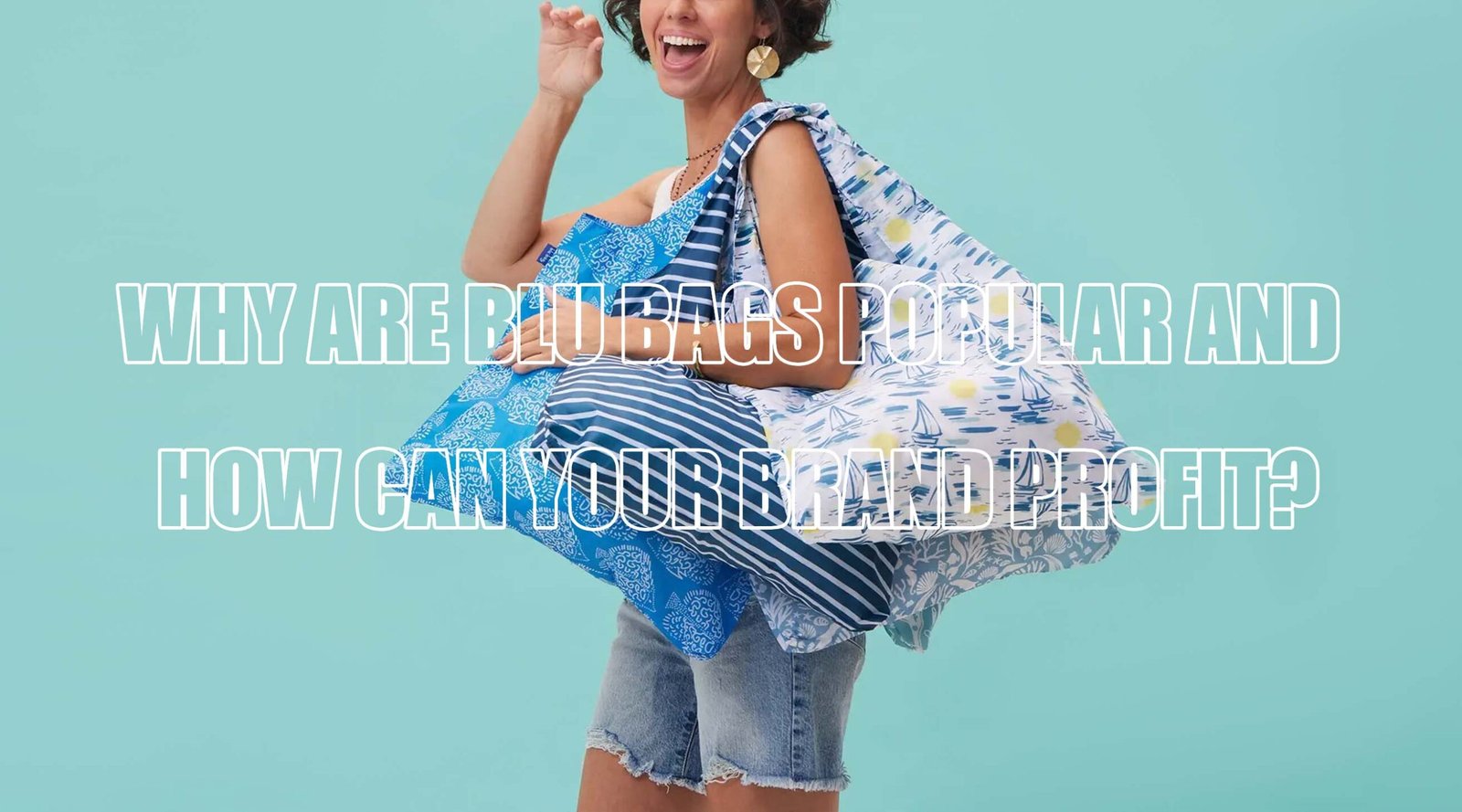
I have worked with many bag buyers who asked the same question. They wanted products that were easy to sell, not just cheap to buy. I noticed that Blu Bags often fit that need. They look good on the shelf. They photograph well online. They also give buyers more confidence because customers tend to accept them fast. That matters a lot when stock pressure5 is real and every slow item ties up cash. In this article, I will break down why these bags keep moving, what styles bring better resale value, and how a buyer or brand can use the same logic to grow faster.
What Makes Blu Bags Stand Out from Other Bag Brands?
Many bags look fine at first. Then the market ignores them. I have seen buyers lose money on styles that had no pull and no repeat demand.
Blu Bags stand out because they mix trend-right design, practical function, stable workmanship, and market-friendly pricing. This makes them easier to sell, easier to restock, and safer for buyers who want faster turnover6.
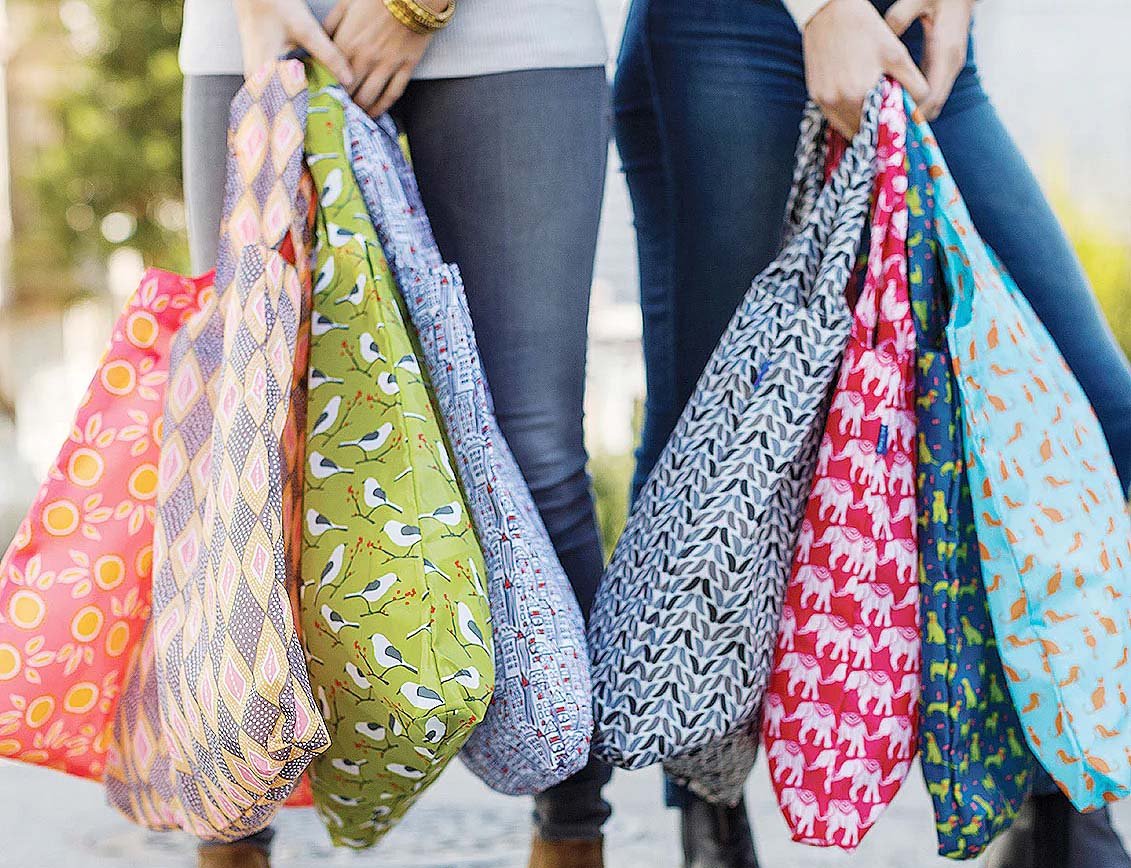
When I look at why one bag brand gets attention and another fades out, I usually start with four things: appearance, quality consistency, price fit, and ease of resale. Blu Bags do well because they cover all four in a balanced way. Some brands look great but quality is unstable. Some brands are durable but feel too plain. Some are cheap but hard to market. Blu Bags often sit in the middle in a useful way. That middle is where many buyers make money.
I have also noticed that products with broad customer acceptance7 are more valuable than products that only impress insiders. A buyer does not only need a “good bag.” A buyer needs a bag that can move through different sales channels with less resistance. That means online stores, gift channels, chain stores, and local retailers can all understand the value fast.
| Factor | Why It Matters | How It Helps Sales |
|---|---|---|
| Visual appeal | Customers notice design first | Higher click rate and shelf interest |
| Stable quality | Fewer complaints and returns | Better repeat orders |
| Fair price | Easier markup space | Better margin control |
| Useful function | Daily use supports repeat demand | Easier market acceptance |
| Trend fit | Buyers save testing time | Faster launch and turnover |
From my experience, this is the real advantage. A popular bag is not only a product. It is a lower-risk sales tool. If your brand can build around that logic, you can spend less energy forcing a product into the market.
Why Do Wholesalers and Retailers Keep Choosing Blu Bags?
Many wholesalers buy low but still struggle to sell through. I have seen cheap products become expensive mistakes when customers do not respond.
Wholesalers and retailers keep choosing Blu Bags because they are easy to stock, easy to present, and easy to sell. They reduce the risk of dead inventory and support steady repeat business.
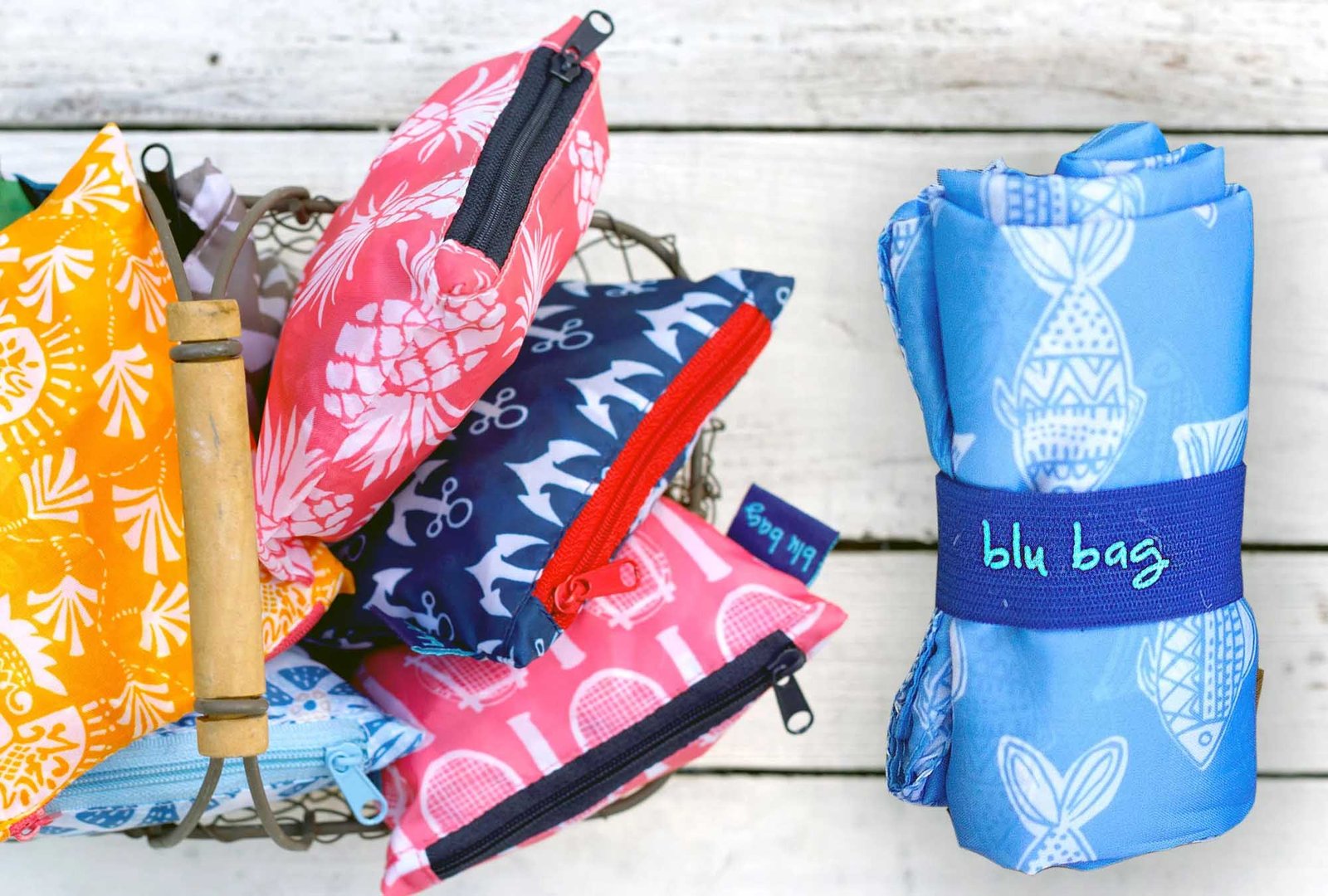
In B2B buying, the real question is not “Is this product good?” The real question is “Can I move this product without pain?” That is why many wholesalers and retailers return to proven bag lines8. They need products that reduce uncertainty. Blu Bags often do that because they are not too difficult to explain to end customers. The look is clear. The value is clear. The use case is clear.
I have spoken with buyers who care more about stock pressure5 than unit cost. That makes sense. A slightly cheaper item is not a win if it sits in the warehouse. A bag with stable sell-through9 is usually the safer play. This is one reason buyers like styles that already have market proof10. They want to cut trial-and-error time. They want to avoid over-testing. They want to launch with more confidence.
| Buyer Concern | What They Need | Why Popular Bags Help |
|---|---|---|
| Dead stock | Faster sell-through | Proven demand lowers risk |
| Poor communication | Clear product details | Standardized styles are easier to confirm |
| Quality issues | Stable production | Repeatable materials and workmanship |
| Delivery pressure | Reliable scheduling | Mature products are easier to produce |
| Low conversion | Easy customer acceptance | Trend-led bags need less education |
I think this point is often missed. Buyers do not only choose products. They choose workflow efficiency. A bag that is easy to push saves time across sales, marketing, stock planning, and after-sales service. That is why repeat orders matter so much. Repeat orders usually mean the product solved real business problems, not just design problems.
What Types of Blu Bags Have the Highest Resale Value?
Some bags get attention but do not keep value. I have seen trendy items spike for a moment and then disappear after one season.
Blu bags with the highest resale value are usually versatile, trend-safe, and practical styles11 like totes, backpacks, duffle bags, and daily-use fashion bags with broad customer appeal and repeat demand.
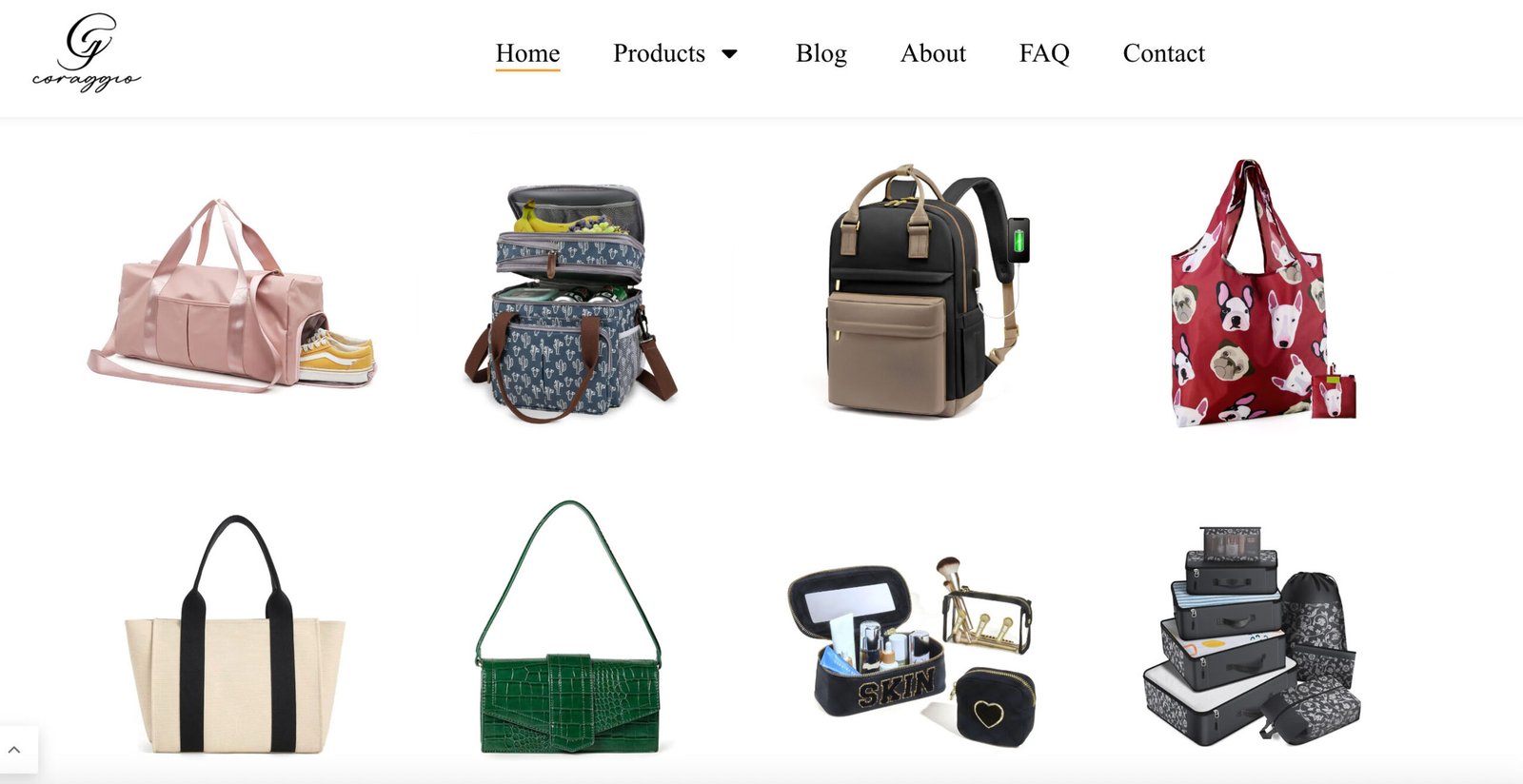
When I think about resale value, I do not only think about the selling price. I think about margin, turnover speed, reorder chance, and shelf life. A bag with high resale value12 usually works across more than one use case. It can be sold as daily carry, travel use, work use, gifting, or casual fashion. That wider use makes it safer for wholesalers and retailers.
In my experience, tote bags13 often rank high because they are simple, useful, and easy to customize. Backpacks also do well because they cover school, work, commuting, and light travel. Duffle bags can bring good value when the market wants fitness, short-trip, or promotional use. Cosmetic bags and cooler bags can also be strong, but they often depend more on season, packaging, or bundle strategy.
| Bag Type | Why It Resells Well | Best Buyer Channels |
|---|---|---|
| Tote bag | Easy use, broad audience, low style risk | Retail, promo, private label |
| Backpack | Functional, higher perceived value | Chain stores, online, distributors |
| Duffle bag | Travel and gym demand | Sports, travel, gifting |
| Cosmetic bag | Good bundle and gift potential | Beauty, online, seasonal retail |
| Cooler bag | Strong use case and family appeal | Supermarkets, outdoor, promo |
I usually advise buyers to focus on styles with stable demand first, then add trend items around them. This reduces risk. A balanced line can support both cash flow and market freshness. If your brand wants better resale value, choose bags that are easy for your customer to understand in three seconds: what it is, why it is useful, and why it looks current.
How Can Buyers Source Blu Bags at the Best Wholesale Price?
Many buyers chase the lowest quote. Then they face hidden costs, delays, and quality problems. I have seen a cheap order become costly very fast.
Buyers can source Blu-style bags at the best wholesale price by comparing total cost, not only unit price, and by working with factories that offer stable quality2, clear communication, flexible customization, and reliable delivery.
I always tell buyers that the lowest price and the best price are not the same thing. The best price includes quality stability, packaging fit, on-time delivery, customization accuracy, and after-sales support. If one supplier quotes less but causes delays or defects, your real cost goes up. This happens often in bag sourcing because materials, logo methods, and workmanship details affect both price and consistency.
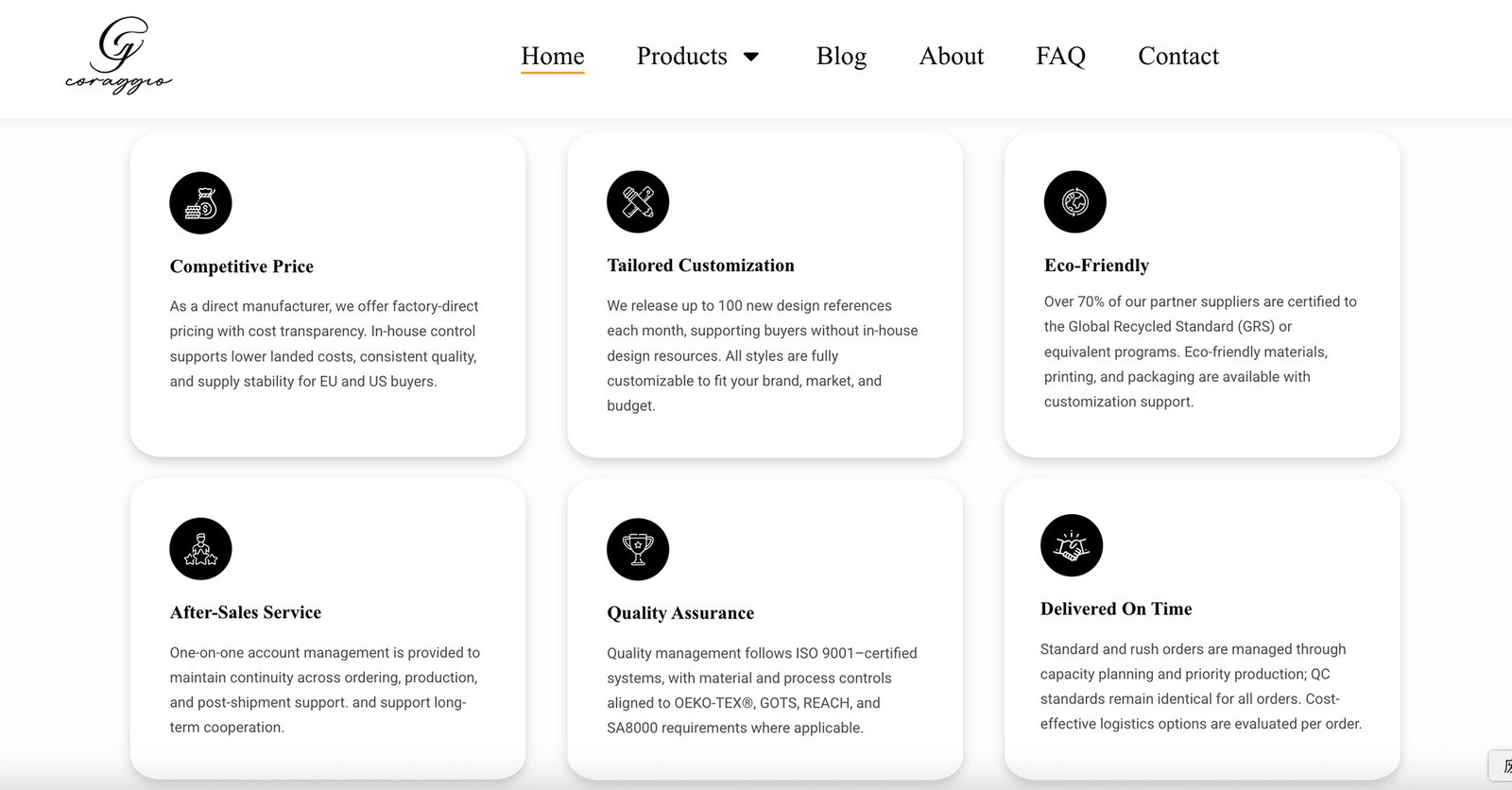
At Coraggio, this is exactly where factory-direct control14 helps. We work in B2B only. We support OEM and ODM. We understand that buyers need more than a sample. They need a production partner who can keep the same standard across bulk orders. That matters even more when a bag trend is already hot and the market window is short15.
| Sourcing Point | What to Check | Why It Affects Real Cost |
|---|---|---|
| Material quality | Fabric, zipper, lining, hardware | Impacts returns and customer trust |
| MOQ flexibility16 | Small trial or mixed order options | Helps test market with lower risk |
| Custom options | Logo, label, packaging, color | Supports brand margin and differentiation |
| Production capacity | Lines, workers, lead time | Reduces delivery delays |
| QC system | In-line and final inspection | Protects consistency in bulk |
| Communication speed | Clear updates and documents | Prevents mistakes and wasted time |
I have seen buyers get stronger results when they ask better questions early. Ask for fabric details. Ask for test standards. Ask how the supplier handles bulk color matching. Ask what happens if delivery slips. A serious factory should answer clearly. In my view, the best wholesale price is the one that protects your margin after the goods arrive, not just before payment.
How Do You Build a Profitable Brand Around Popular Bag Trends?
Many brands follow trends too late. Then they enter crowded markets with no edge. I have seen brands copy products but miss the profit logic behind them.
You build a profitable brand around popular bag trends by entering early, choosing proven styles17, adding your own brand identity18, and controlling product quality, price, and replenishment speed.
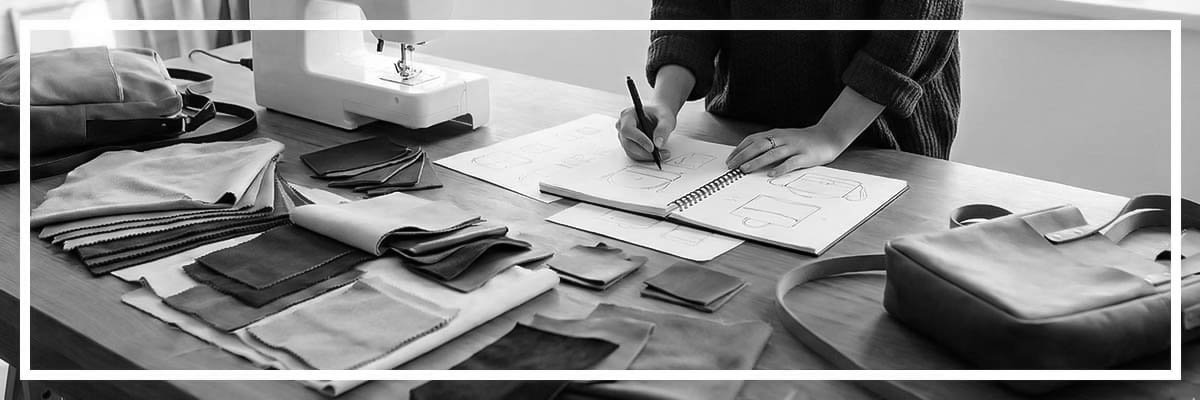
I think this is where many buyers can level up. They do not need to invent a completely new bag category. In many cases, they need to read the market well and move early on proven demand. That is why popular products matter so much. If a style already has acceptance, your brand can skip part of the testing stage. You save time. You reduce wrong bets. You move faster.
But I do not believe pure copying is enough. A profitable brand needs its own reason to be chosen. That can come from better color choices, clearer packaging, stronger logo placement, better fabric feel, or a smarter product mix. A brand can also win by serving a clear customer group better than others. For example, a retailer may target office women, gym users, gift buyers, or budget family shoppers. Each group responds to different details.
| Brand Step | What I Focus On | Business Benefit |
|---|---|---|
| Pick proven styles | Start with high-acceptance designs | Lower test cost |
| Add brand identity18 | Logo, hangtag, packaging, story | Better differentiation |
| Match target customer | Design around a clear buyer group | Higher conversion |
| Keep quality stable | Repeatable materials and QC | Stronger reorder rate |
| Plan replenishment | Fast restock of winning items | Less lost sales |
| Build product ladder19 | Entry, mid, and premium options | Better margin mix |
From my experience, this is the simple truth: following the right trend is not lazy. It is efficient. If your brand chooses products that customers already want, you spend less effort pushing and more effort scaling. That is often where real profit begins.
Conclusion
Blu Bags are popular because they are easy to sell, easy to reorder, and easy to build around. If I follow the right trend early, I save time and earn faster.
Learn how visual psychology and design details turn bags into high-click, high-conversion products across shelves and online listings. ↩
See how consistent quality reduces returns, keeps wholesalers loyal, and protects your margins over multiple seasons. ↩
Understand the traits that help products move quickly through online, retail, gift, and chain-store channels with less friction. ↩
Discover how to catch trends early while avoiding overstock and quality issues when following fast-moving bag trends. ↩
Learn inventory methods that keep shelves fresh without tying up too much cash in slow sellers. ↩
Explore tactics to speed up stock rotation so your capital is not locked in slow-moving SKUs. ↩
Find frameworks to choose products that many customer segments understand and accept quickly, boosting sell-through. ↩
See case studies on how proven lines lower risk, smooth cash flow, and simplify decision-making for B2B buyers. ↩
Understand how pricing, design, and channel fit combine to keep sales steady across seasons. ↩
Get practical ways to verify demand so you can place bigger orders with more confidence and less testing cost. ↩
See which evergreen shapes and functions keep selling well, even as micro-trends change. ↩
Learn how margin, turnover speed, and reorder potential combine to determine true resale value. ↩
Discover why totes are a staple for private label, gifting, and everyday retail with strong customization potential. ↩
Understand how working directly with factories improves quality consistency, lead times, and pricing power. ↩
Learn how to balance speed and risk so you don’t miss demand or get stuck with post-trend inventory. ↩
Find out how lower and mixed MOQs reduce risk and let you validate new designs before committing big budgets. ↩
Explore strategies to build a stable core assortment that funds experimentation with riskier trend pieces. ↩
See how to stand out while following trends through storytelling, visuals, and product detail choices. ↩
Learn to structure entry, mid, and premium bag offerings to maximize average order value and margin mix. ↩