Many bag buyers lose money on fabric choices. They face high costs, color fading, and unstable supply. I often see polyester taffeta solve these problems1 in a simple way.
Bag buyers choose polyester taffeta because it gives a strong cost-performance balance2. It is affordable, light, smooth, easy to coat, color-stable, and widely available for bulk production. For many OEM and ODM bag projects, it helps reduce sourcing risk while keeping quality consistent3.
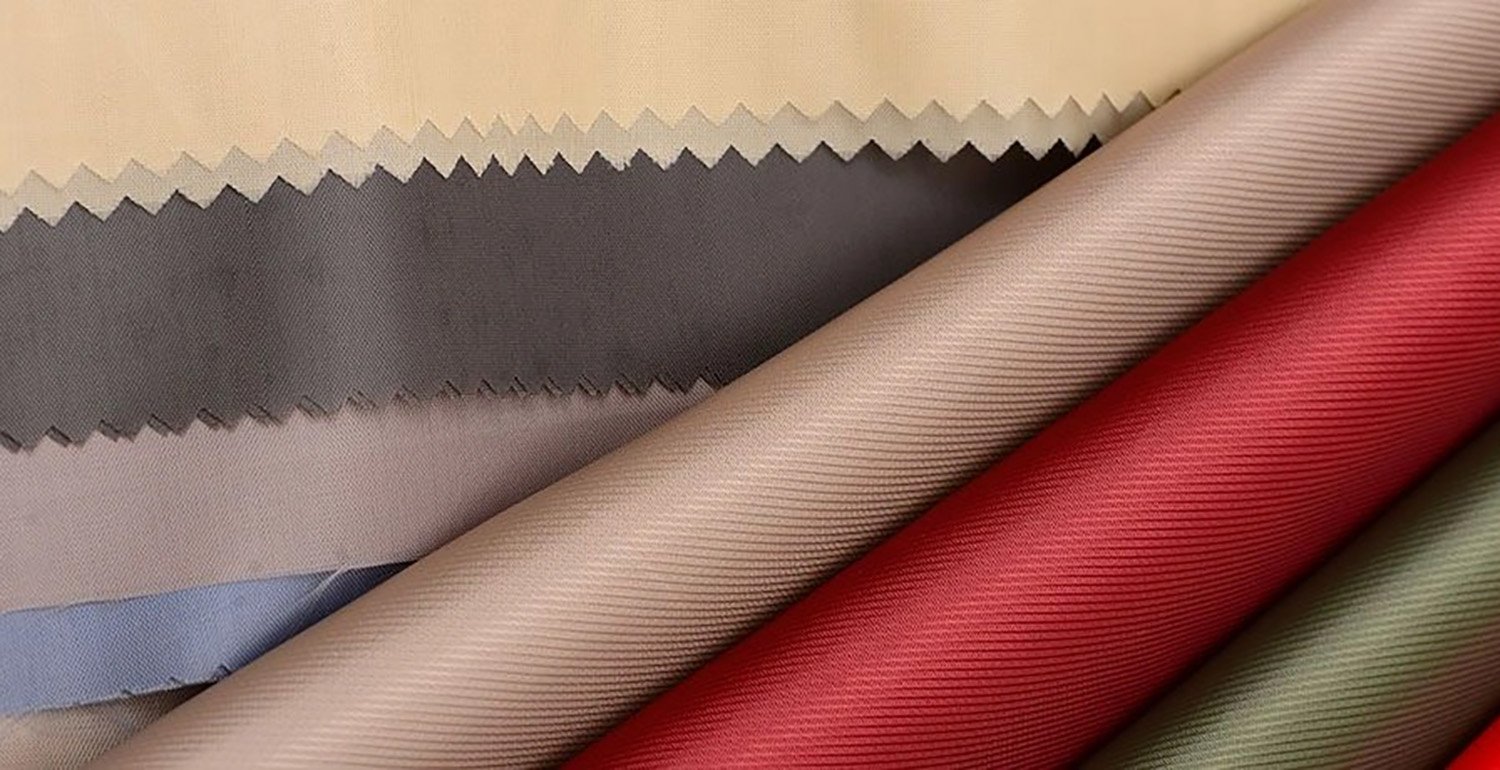
When I talk with buyers, I notice one thing again and again. They do not only want a nice-looking fabric. They want a fabric that helps them control cost, avoid claims, and keep delivery steady. That is why polyester taffeta comes up so often in bag development talks. I have seen buyers compare many materials, but when the order is large and the target price is strict, polyester taffeta keeps winning attention4. It is not just a cheap option. It is a practical option. It works for lining, it works for some outer shells, and it works well in mass production. That mix matters a lot in real business.
What Are the Key Properties of Polyester Taffeta for Bags?
Choosing the wrong bag fabric can create too many problems. I have seen buyers deal with high fabric loss, poor color fastness, and weak finishing. That hurts margin and trust.
The key properties of polyester taffeta for bags are light weight, smooth texture, good color fastness, stable supply, and low cost5. It can also gain better water resistance and durability through coating or finishing6, which makes it useful for both linings and some outer panels.
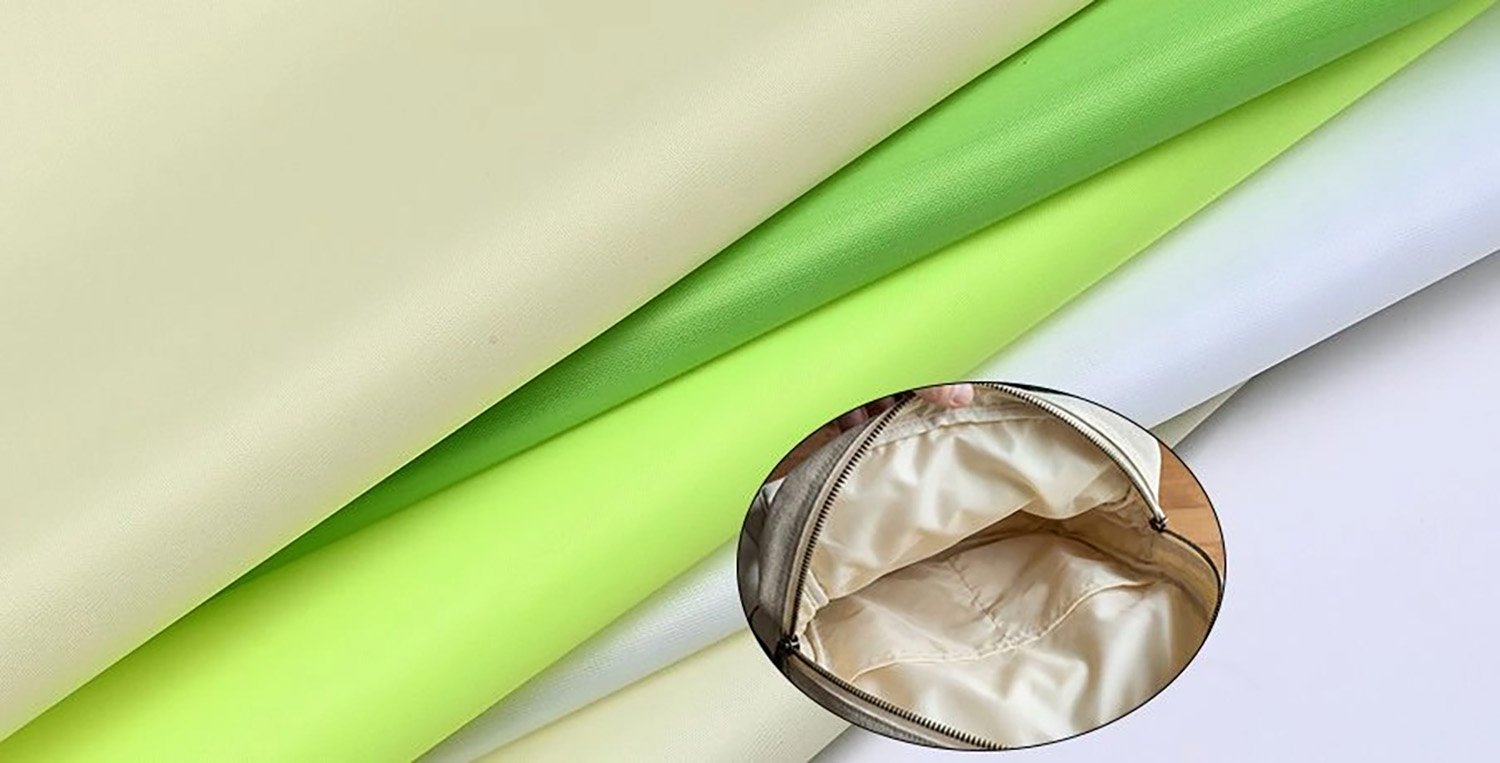
When I explain polyester taffeta to buyers, I usually start with the basics. This fabric is woven tightly, and the surface feels smooth and clean. That gives bags a neat look inside and outside. It is also light, which helps control total bag weight. This is useful for promotional bags, travel bags, cosmetic bags, and backpacks. Buyers often care about shipping cost, and lighter fabric can help there too.
Another important point is price. In many bag programs, buyers need to hit a target cost without making the product look cheap. Polyester taffeta often fits that need. It is usually more affordable than nylon at a similar appearance level. This matters a lot in bulk orders.
I also like its color performance. Good polyester taffeta usually holds color well7. It also has decent UV resistance8, so the fabric is less likely to fade fast in normal use. That helps reduce complaints after retail sale.
Here is a simple breakdown:
| Property | What it means for buyers | Business value |
|---|---|---|
| Light weight | Easier to handle and ship | Lower logistics pressure |
| Smooth surface | Clean look and easy sewing | Better product appearance |
| Affordable cost | Lower fabric budget | Better margin |
| Good color fastness | Less fading risk | Higher repeat orders |
| Coating-friendly9 | Can improve water resistance | More product options |
| Stable supply | Easy to source in volume | Lower supply risk |
In my experience, buyers who want stable, scalable production often prefer fabrics that are not hard to source or process. Polyester taffeta fits that thinking very well.
How Does Polyester Taffeta Compare to Nylon for Bag Making?
Many buyers hear that nylon is better10, so they assume polyester taffeta is only a budget compromise. I think that idea is too simple and can lead to wrong sourcing choices.
Polyester taffeta is usually cheaper than nylon and offers good color fastness, UV resistance, and supply stability11. Nylon often has better abrasion resistance and a softer hand feel, but polyester taffeta is often the smarter choice for cost-sensitive, high-volume bag production12.
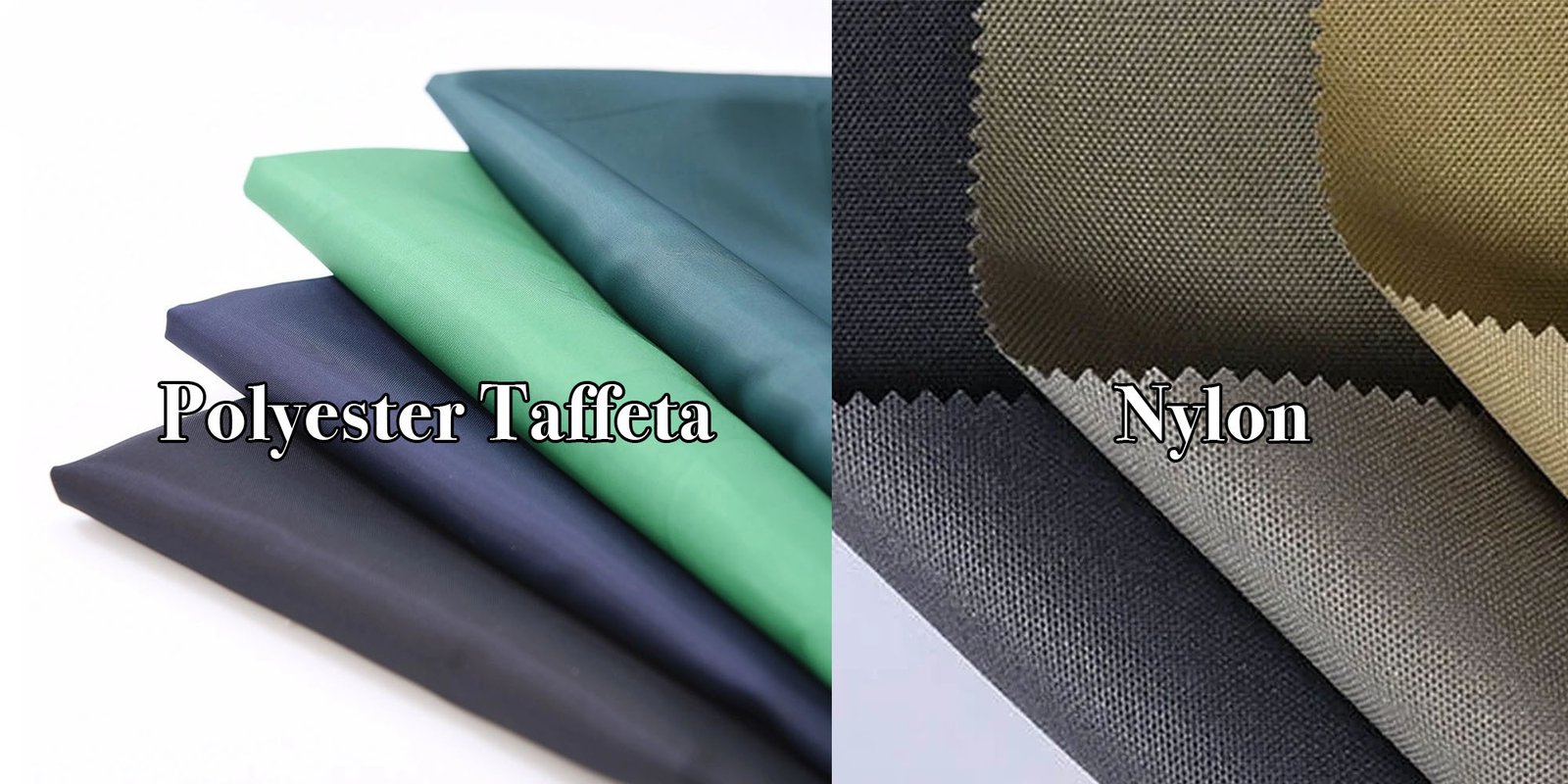
I often tell buyers not to ask, “Which fabric is better?” I ask them to ask, “Which fabric is better for this project?” That changes the whole discussion. Nylon has a strong name in the market. It often feels softer and can perform better in abrasion resistance. For premium outdoor bags or high-performance gear, nylon may be the right answer. But many commercial bag orders are not built around extreme use. They are built around cost, appearance, and delivery.
This is where polyester taffeta stands out. It gives a cleaner cost structure. In large orders, even a small price gap per yard or meter can turn into major savings. If a buyer is sourcing for supermarkets, promotional programs, or private label collections, that cost gap matters a lot.
Polyester taffeta also has good color stability. It resists fading well, and it handles sunlight better than many buyers expect. That helps when products sit in stores, warehouses, or shipping channels for a long time.
Here is a direct comparison:
| Factor | Polyester Taffeta | Nylon |
|---|---|---|
| Price | Lower | Higher |
| Weight | Light | Light |
| Surface | Smooth | Often softer |
| UV resistance | Good | Often less strong than polyester |
| Color fastness | Good | Good, but varies |
| Abrasion resistance | Good with coating/structure | Often better |
| Supply availability | Very stable | Stable, but often higher cost |
| Best use case | Bulk commercial bags | Premium or technical bags |
I have seen many buyers save cost and still keep acceptable quality by using polyester taffeta in the right way. Sometimes they use it as lining. Sometimes they use it as the main shell with coating, padding, or backing. The key is matching fabric to market need, not chasing a name.
Is Polyester Taffeta Durable Enough for High-Volume Bag Orders?
Some buyers worry that low price means low durability. I understand that concern. I have seen cheap fabrics cause broken seams, coating failure, and customer complaints in large shipments.
Yes, polyester taffeta can be durable enough for high-volume bag orders13 when the right denier, coating, and construction14 are selected. It performs well for many commercial bag types, especially as lining or as a shell in lightweight and mid-duty applications.
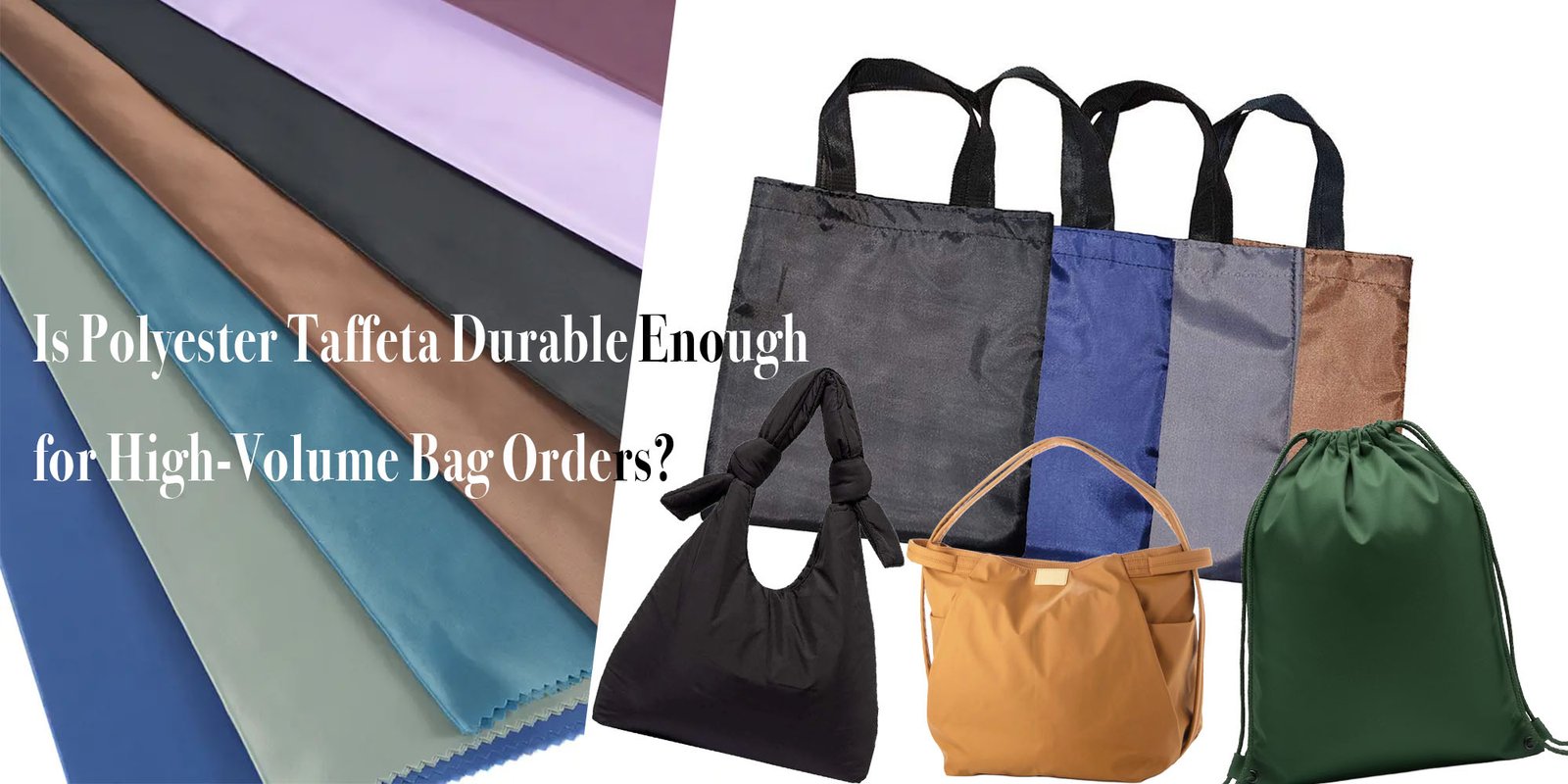
In my work, durability is never just about the raw fabric name. It depends on fabric weight, yarn count, weaving density, coating type, stitching method, and the final bag use. A polyester taffeta lining inside a backpack has a different job from a polyester taffeta shell on a cooler bag or travel pouch. So I always look at the full product structure.
For high-volume orders, polyester taffeta is often durable enough because the supply chain around it is mature15. Mills know how to make it consistently. Factories know how to cut and sew it. Coating options are common. That means fewer surprises during production.
If a buyer needs more strength, there are practical ways to improve performance. We can adjust denier. We can add PU or other coating. We can add foam, backing, quilting, or reinforcement at stress points. These choices make a big difference.
Here are the main durability factors I look at:
| Factor | Impact on durability | What I check |
|---|---|---|
| Denier | Higher denier often means stronger fabric | Match to bag use |
| Weave density | Tighter weave can improve stability | Check hand feel and test data |
| Coating | Improves water resistance and surface life | PU, PVC, or other finish |
| Stitching | Weak seams can fail before fabric does | Reinforce key load areas |
| End use | Light pouch and travel bag need different specs | Define use before sampling |
| QC consistency | Bulk stability matters more than sample beauty | Inspect lot-to-lot consistency |
I remember one project where the buyer first asked for nylon because they feared complaints. After testing, we found coated polyester taffeta met the use standard and cut material cost enough to improve the whole program margin. That is why I never judge durability by price alone. I judge it by the finished bag system.
What Types of Bags Use Polyester Taffeta as Lining or Shell?
Many buyers think polyester taffeta is only for lining. That limits product ideas. I have seen it used in more ways, and that gives buyers more room to build better-priced collections.
Polyester taffeta is widely used in bag linings and can also be used as an outer shell16 for cosmetic bags, backpacks, duffle bags, cooler bags, travel bags, and promotional totes. Its final use depends on coating, thickness, backing, and design needs.
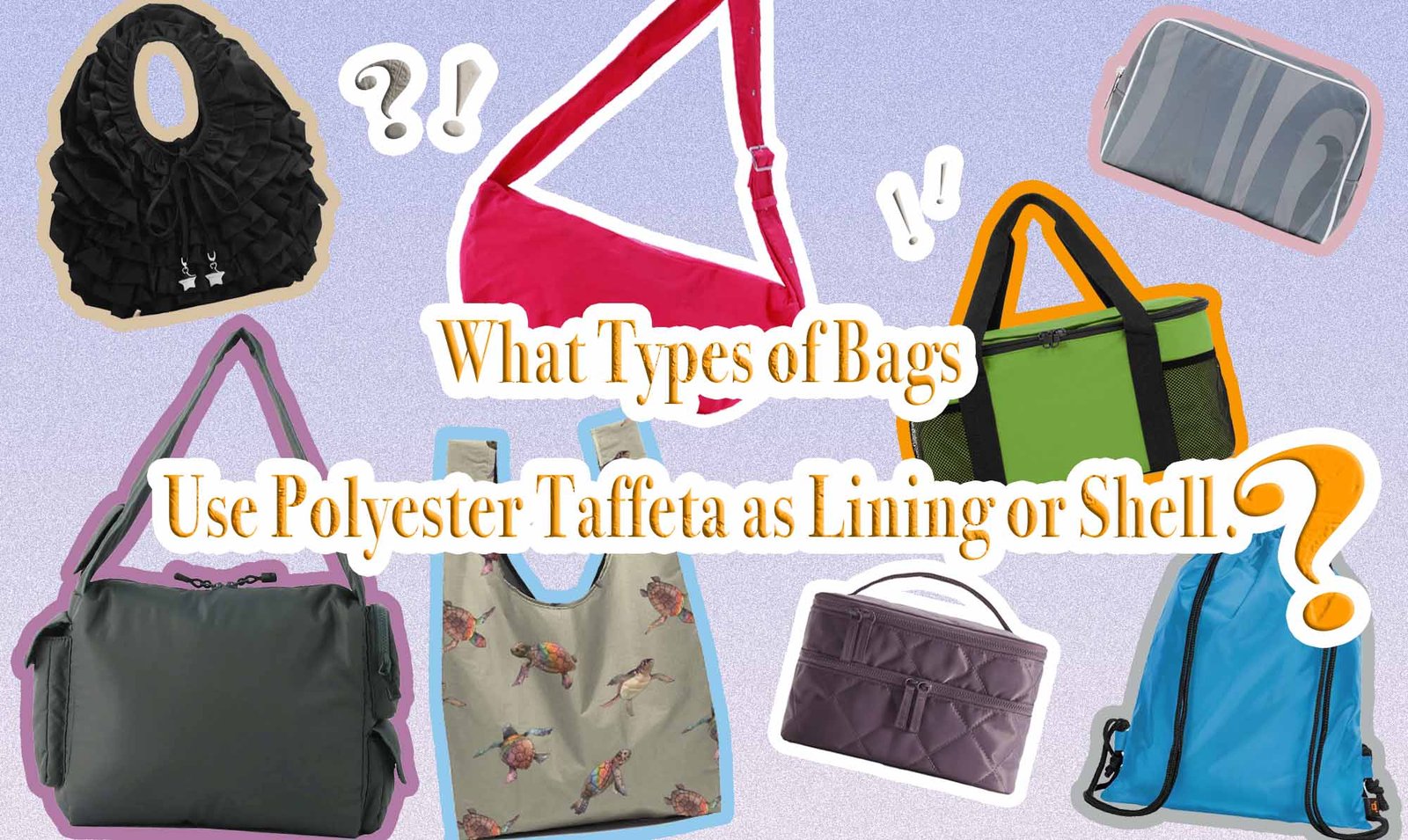
I use polyester taffeta in two main roles. The first role is lining. This is very common. The smooth surface helps the inside of the bag look neat and clean. It also helps items slide in and out more easily. For backpacks, tote bags, laptop sleeves, and cosmetic bags, lining matters a lot because it shapes the user experience.
The second role is as an outer shell. Some buyers are surprised by this, but it makes sense in the right design. When we add coating or combine it with padding or foam, polyester taffeta can work well for the outer layer of lightweight bags. It can also create a glossy or clean commercial look that many buyers want.
I often see these applications:
| Bag type | Lining use | Shell use | Notes |
|---|---|---|---|
| Backpack | Very common | Common in light styles | Good for school and promo lines |
| Duffle bag | Common | Common | Works well with coating |
| Cosmetic bag | Very common | Very common | Smooth look and easy printing |
| Cooler bag | Common | Sometimes | Often paired with foam and foil |
| Tote bag | Common | Sometimes | Best for lightweight versions |
| Travel pouch | Very common | Very common | Good for bulk gift markets |
| Garment or storage bag | Common | Common | Good for large-volume programs |
I once worked on a buyer project with several bag categories in one order. The client wanted visual consistency, but they also wanted cost control. We used polyester taffeta as lining across the full line and as the shell for some cosmetic and travel items. That choice helped keep the look aligned and made bulk buying easier. I think this is one reason buyers like this fabric. It is flexible. It can support a product line, not just a single SKU.
Where Is Polyester Taffeta Fabric Sourced and Manufactured?
Some buyers find a good sample, but they still worry about bulk supply. They fear unstable mills, quality drift, and late deliveries. I know this issue can ruin even a good bag program.
Polyester taffeta fabric is widely sourced and manufactured in China and other Asian textile hubs17. China remains a leading source because of its mature supply chain, strong dyeing and coating capacity18, and reliable support for high-volume OEM and ODM bag production19.
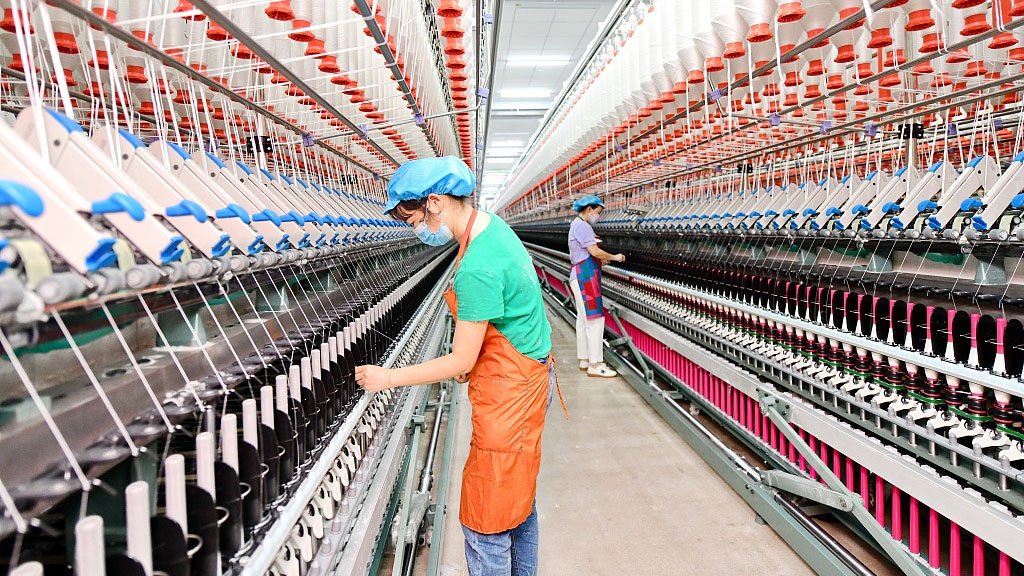
When buyers ask me about sourcing, I always say that fabric choice is not only about the material itself. It is also about where and how it is made. Polyester taffeta has a big advantage here. The supply chain is mature. In China, especially, there are many mills and finishing suppliers that produce this fabric at scale. That means better flexibility in color, coating, width, weight, and lead time.
For bag buyers, this matters in a practical way. Stable fabric supply helps factories plan production better. It also lowers the chance of sudden shortages. For large orders, repeat orders, and seasonal programs, that reliability is a major benefit.
China remains a strong sourcing base because many steps are connected. Yarn supply, weaving, dyeing, coating, inspection, and bag manufacturing can all be coordinated more efficiently. That supports OEM and ODM work well. If a buyer wants custom color, private label, or a matched fabric set across several bag styles, this system helps a lot.
Here is how I see the sourcing picture:
| Sourcing factor | Why it matters | China’s advantage |
|---|---|---|
| Mill capacity | Supports large orders | Strong bulk capability |
| Finishing options | Coating and dyeing affect function | Wide process choice |
| Color development | Needed for brand programs | Fast lab dip support |
| Price control | Key for B2B buyers | Competitive scale |
| Delivery planning | Helps reduce delay risk | Integrated supply chain |
| OEM/ODM support | Needed for custom bags | Strong factory cooperation |
From my own experience, buyers who want fewer surprises often choose materials with mature sourcing networks. Polyester taffeta is one of those materials. It may not sound exciting at first, but in large-volume bag business, “safe and stable” is often exactly what smart buyers want.
Conclusion
I choose polyester taffeta when I need low cost, steady quality, flexible use, and reliable bulk supply. For many bag buyers, it is one of the safest fabric choices.
Learn exactly how polyester taffeta tackles the real-world issues that cause lost margin and claims in bag manufacturing. ↩
Understand how to balance fabric price and performance so your bag projects stay competitive without sacrificing quality. ↩
Discover sourcing strategies that help you avoid supply disruptions and quality drift in high-volume bag programs. ↩
See how this fabric helps you hit aggressive price points while still meeting functional and visual requirements. ↩
Learn why these five fabric traits directly affect logistics, customer satisfaction, and repeat orders. ↩
Explore finishing methods that upgrade basic taffeta into a more protective and long-lasting bag material. ↩
Find out how its color performance can reduce fading complaints and protect your brand reputation. ↩
See how UV behavior impacts bags that sit in store windows, warehouses, or transit for long periods. ↩
Understand how easy coating compatibility expands your options for water-resistant and structured bag designs. ↩
Challenge common assumptions and see when nylon is worth the premium—and when it simply isn’t. ↩
Get a side-by-side comparison to decide which fabric suits your segment and budget best. ↩
See how big-volume buyers use it to protect margins across supermarket, promo, and private-label programs. ↩
Review test data and use cases that show where this fabric holds up and where it needs reinforcement. ↩
Learn how tuning these three parameters can upgrade performance without blowing your cost target. ↩
Understand why a developed supply ecosystem reduces production surprises and lead-time risks. ↩
See practical guidelines for choosing its role to balance aesthetics, function, and price. ↩
Identify key sourcing regions and decide where to place your fabric orders for reliability and cost. ↩
See how upstream strength in yarn, dyeing, and finishing translates into flexibility for your bag lines. ↩
Learn how experienced factories integrate this fabric into custom designs, colors, and private-label ranges. ↩