Cooler bag prices look simple. I see many buyers compare shelf tags first. That can create wrong costing, weak specs, and avoidable delivery risk.
I cannot say Aldi or Trader Joe’s cooler bags always cost more. I see retail prices change by region, season, promotion, and stock1. For buyers, the better question is how each bag’s size, material, structure, packaging, and order terms connect to the target retail price.
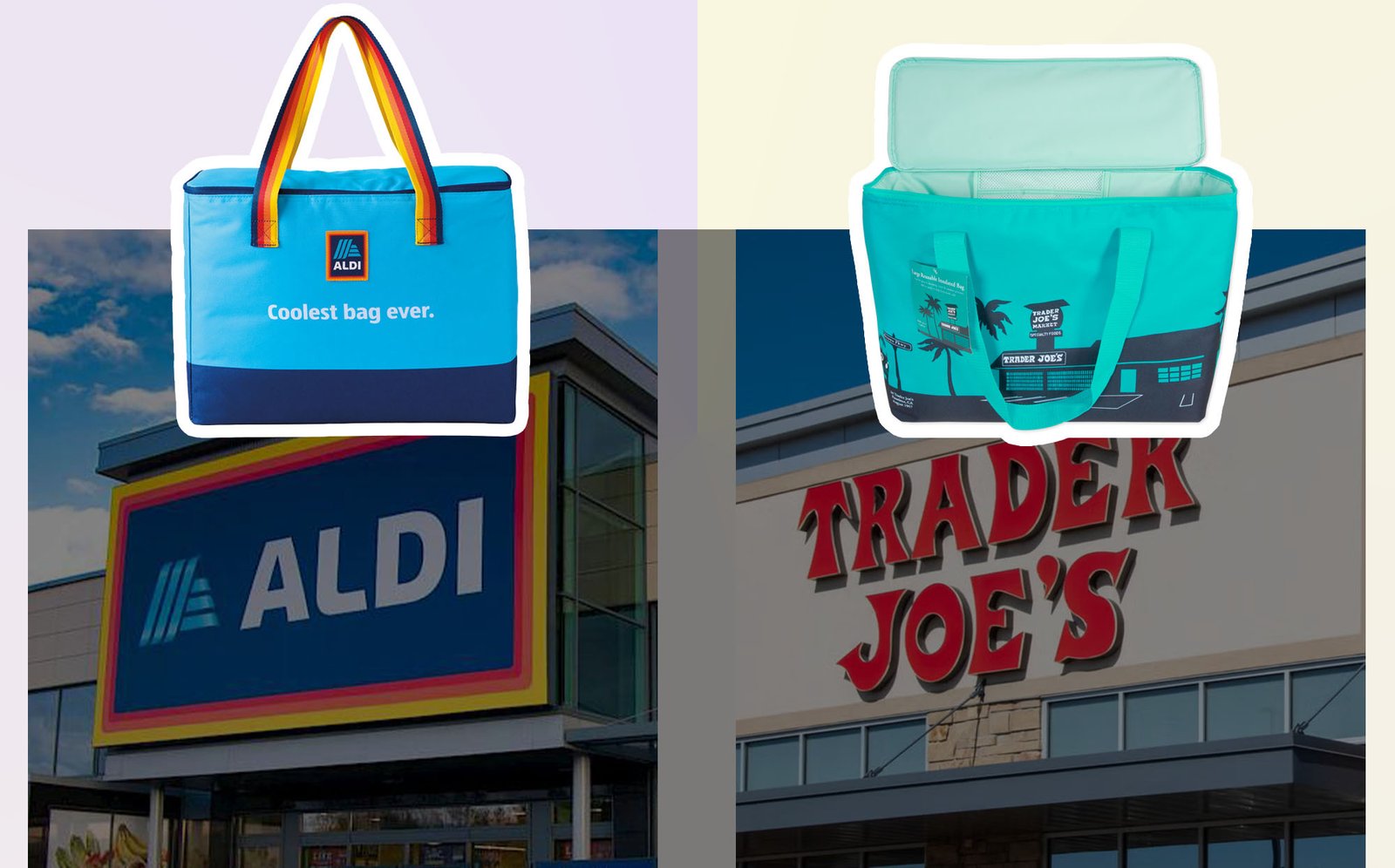
I often speak with supermarket buyers who use well-known retail bags as reference samples. They may bring an Aldi cooler bag, a Trader Joe’s cooler bag, or a similar store bag to our factory. They ask one direct question: “Can you make this cheaper?” I understand the question because price pressure is real in retail.
I also know the question can hide many risks. A lower unit price can come from thinner insulation, weaker handles, lighter fabric, smaller size, or simpler packing.2 A higher shelf price can also include brand positioning, store traffic strategy, promotion timing, and local pricing rules. I do not have Aldi’s or Trader Joe’s internal purchase prices, margins, or sourcing plans. I can only explain the cost logic from a factory-side view, based on similar retail cooler bag projects.
So I treat Aldi and Trader Joe’s cooler bags as market references, not as fixed cost answers. I look at what the buyer wants the bag to do, what retail price the buyer wants to hit, and what risks the buyer cannot accept. That is where the real comparison starts.
What Makes Aldi and Trader Joe’s Cooler Bags Different?
Buyers often see two bags and focus on the logo. I see structure first. A small design choice can change cost, strength, and shelf value.
I compare Aldi and Trader Joe’s cooler bags by specification, not only by shelf price. I check size, outer fabric, insulation, lining, zipper, handle strength, shape, print method, packing style, and order terms. These points explain why one bag may look cheaper but cost more to produce under certain conditions.
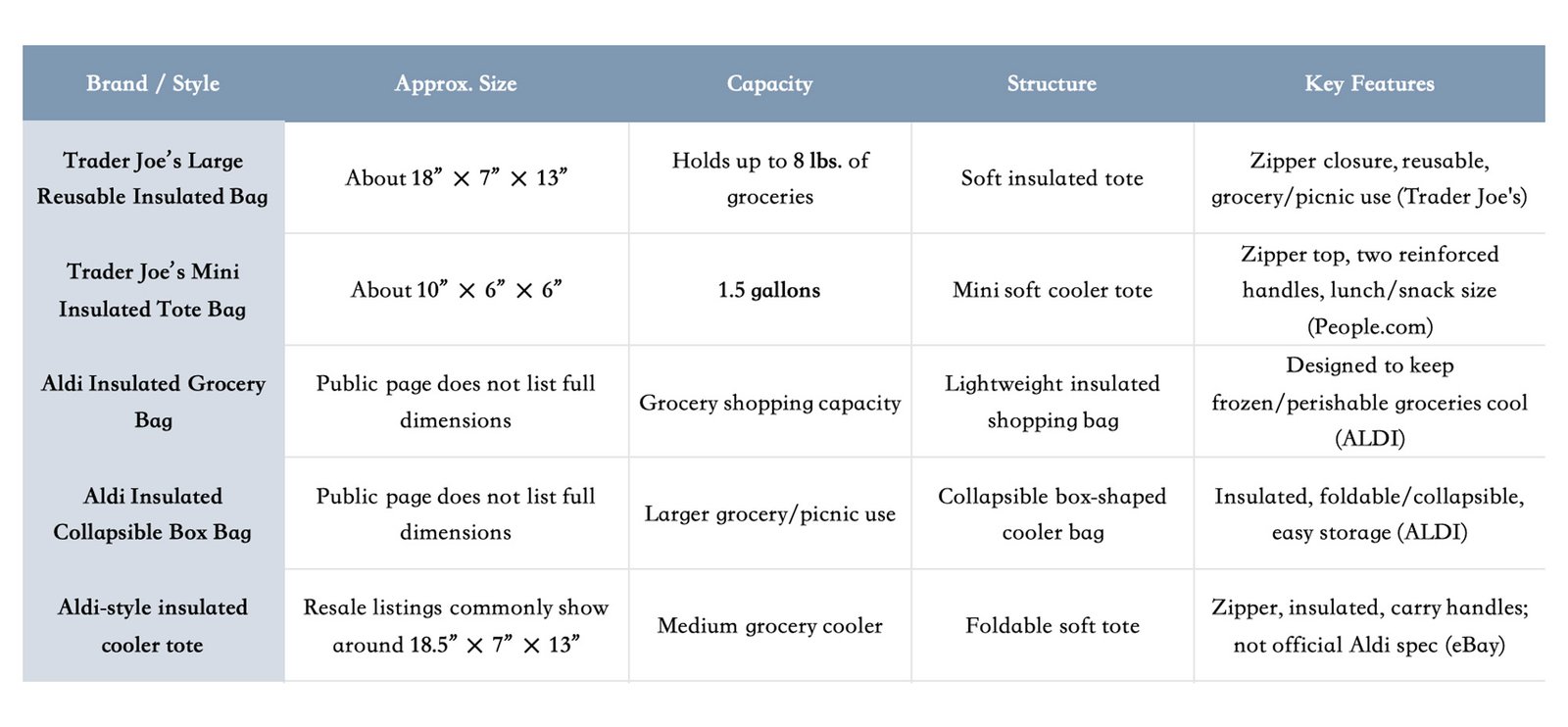
From a manufacturing cost perspective, two cooler bags can look similar in a store but be very different in production. I have seen buyers send me a photo and expect a quick quotation. I usually ask for measurements, fabric weight, lining type, insulation thickness, handle length, zipper quality, and carton packing details. I ask these questions because each detail affects the real cost.
Aldi and Trader Joe’s also have different store images in many markets. I will not guess their internal strategy. I can say that a supermarket cooler bag may be designed for weekly grocery use, seasonal promotion, reusable shopping, frozen food transport, or brand visibility3. Each use case changes the specification.
| Point I Check | Why I Check It | Cost Effect |
|---|---|---|
| Size and capacity | I need to know how much food the bag can hold | Larger bags use more material and bigger cartons4 |
| Outer fabric | I check strength, look, and print result | Heavier or nicer fabric raises cost |
| Insulation | I check cooling function and bag shape | Thicker insulation raises cost and volume |
| Lining | I check leak resistance and cleaning | PEVA, aluminum foil, or TPU have different costs5 |
| Handles | I check load-bearing risk | Reinforced handles add labor and material |
| Zipper | I check opening feel and durability | Better zippers reduce complaints but cost more |
I also look at retail packaging. A bag with a hangtag, barcode, individual polybag, care label, and display carton will cost more than a simple bulk-packed bag. A buyer may compare two store prices and miss these hidden points. I have seen this many times in similar supermarket projects. The shelf tag does not show the full specification. The full specification shows the real buying decision.
Which Materials Affect Cooler Bag Production Costs Most?
A buyer may think the logo is the main cost. I usually see the material stack as the main cost driver. It decides function and price.
The biggest cooler bag material cost drivers are the outer fabric, insulation layer, inner lining, zipper, webbing handles, and reinforcement parts. Fabric choice affects appearance. Insulation affects cooling. Lining affects cleaning and leakage. Handles and stitching affect load safety and customer complaints.
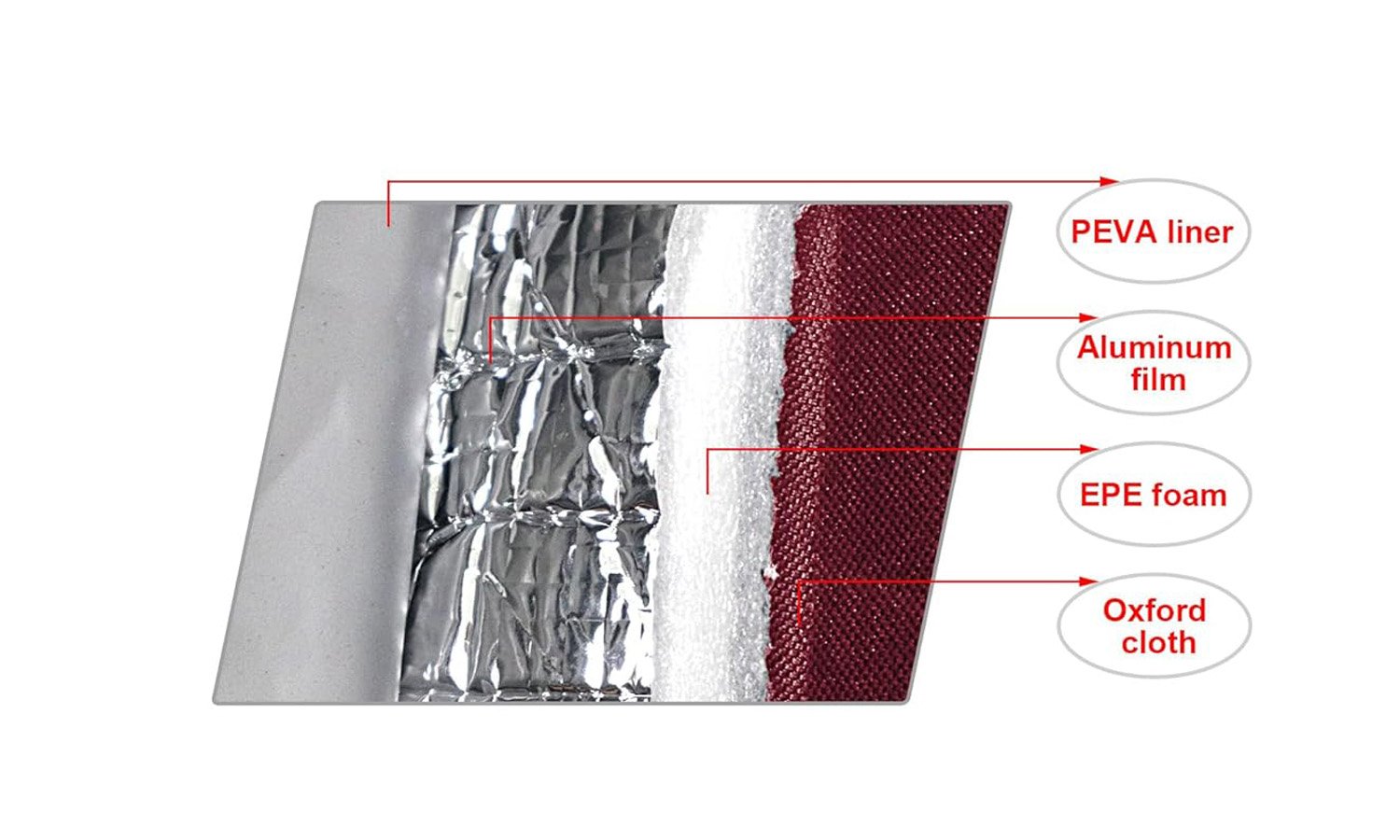
In our cooler bag projects, I usually break material cost into layers. The outer fabric gives the first impression. Common choices include non-woven fabric, woven PP, polyester, RPET, oxford fabric, cotton blend, or laminated fabric. A simple non-woven cooler bag can hit a low price point. A polyester or RPET cooler bag can look better and last longer. A laminated outer surface can improve water resistance and print effect.
The insulation layer is the part many buyers underestimate. EPE foam, pearl cotton, sponge, or other insulation materials affect cost and function. Thicker insulation can help cooling performance, but it also increases material volume. That can raise shipping cost because cartons become larger. A buyer may save a few cents on the bag and lose more in freight if the design is not planned well.
The lining is also important. I often see PEVA, aluminum foil, or other food-contact style lining choices. A stronger lining can reduce leakage and improve cleaning. It can also increase cost. The cheapest lining may crack, crease, or tear during use.
| Material Area | Lower-Cost Option | Higher-Cost Option | Buyer Risk If Chosen Wrong |
|---|---|---|---|
| Outer fabric | Non-woven or basic woven PP | Polyester, RPET, oxford, laminated fabric | Weak look or poor durability |
| Insulation | Thin EPE foam | Thicker foam or better insulation structure | Poor cooling or bulky shipping |
| Lining | Basic PEVA or foil | Stronger PEVA, TPU, upgraded lining | Leakage, smell, or cracking |
| Zipper | Basic zipper | Smoother and stronger zipper | Broken zipper and returns |
| Handles | Simple webbing | Reinforced webbing with cross stitching | Handle tearing under load |
I also include labor in material decisions. A bag with many panels, piping, binding tape, front pockets, side gussets, and reinforced seams takes more sewing time. I explain this to buyers because a “small design change” is not always small in a factory. The material bill and sewing process move together.
Why Do Supermarket Cooler Bag Prices Vary by Material?
Retail prices can confuse buyers. I see one bag on promotion and another at regular price. That does not prove one factory cost is lower.
Supermarket cooler bag prices vary because materials change product function, shelf image, freight volume, defect risk, and retail margin planning. A higher retail price may reflect stronger specs or brand strategy. A lower price may reflect promotion, simpler materials, larger order volume, or a different quality target.
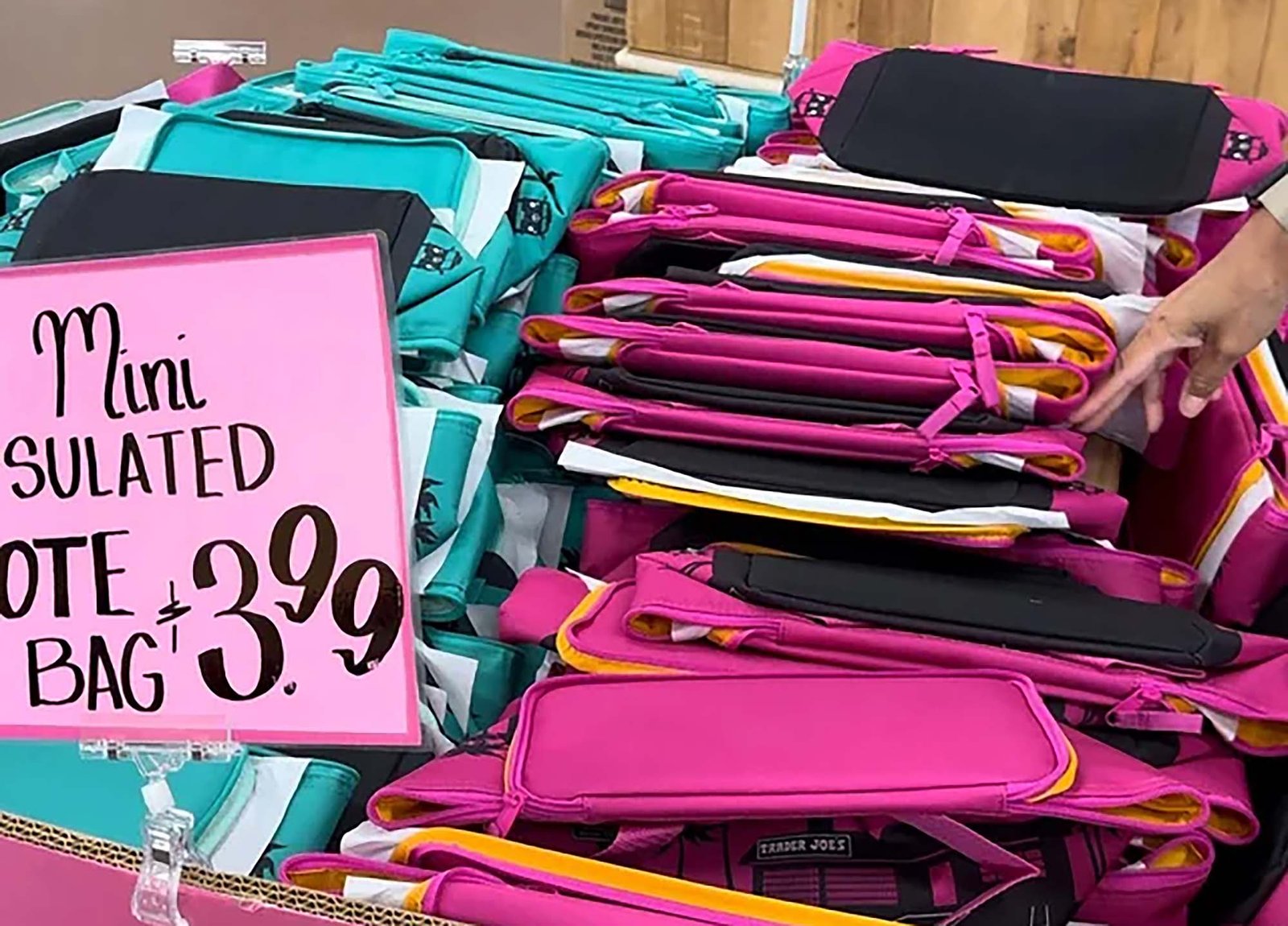
I prefer to separate retail price from production cost. Retail price includes many things that a factory quotation does not include. A store may price a cooler bag as a traffic item. A store may use it as a reusable shopping tool. A store may also sell it as a seasonal product before summer, holidays, or picnic season. These retail choices can change the shelf price without changing the factory cost in a simple way.
Material still matters because the material sets the cost base. If a buyer wants an eco-friendly message, RPET fabric may be a good choice. It can support a sustainability story. It may also cost more than basic non-woven fabric.6 If a buyer wants a premium feel, oxford fabric or a heavier polyester can help. If the buyer only wants a low-cost grocery cooler bag for short trips, a simpler structure may work.
I also watch freight. Cooler bags are soft, but insulation can take space. A thick bag may not be heavy, but it can be expensive to ship.7 This matters for Canada, Europe, Japan, Singapore, and North America orders.8
| Price Factor | What I See in Factory Work | What Buyer Should Ask |
|---|---|---|
| Material grade | Better fabric and lining raise base cost | Do I need premium feel or basic use? |
| Order quantity | Higher volume can reduce unit cost | Can I plan a larger and steadier order? |
| Packing method | Individual packing adds labor and material | Does my retail channel need shelf-ready packing? |
| Inspection level | Strict QC adds control cost | What defect rate can I accept? |
| Delivery schedule | Rush orders can raise risk and cost | Do I have enough lead time? |
I have also seen buyers compare two retail bags without checking size. A larger Aldi-style grocery cooler may look like a better deal at shelf level, but it may use far more material. A smaller Trader Joe’s-style tote cooler may cost less to produce or may use better fabric. I do not assume. I measure. I weigh. I check the construction. Then I build the quotation from the specification.
How Can Buyers Choose Cost-Effective Cooler Bag Materials?
Some buyers cut cost too fast. I have seen that choice create broken handles, leaking linings, late shipments, and unhappy retail customers.
I choose cost-effective cooler bag materials by matching the bag to the selling channel, load weight, cooling time, target retail price, and quality risk. The best material is not always the cheapest material. It is the material that protects function, margin, and delivery.

When I support a cooler bag quotation, I first ask the buyer to define the product role. Is this bag a low-price checkout item? Is it a branded retail product? Is it a gift with purchase? Is it a private label line? Is it for frozen food delivery? Each answer leads to a different material choice.
For a low-price supermarket item, I may suggest a simple outer fabric, standard insulation, and practical lining. I will still protect key stress points like handles and zippers. A very cheap bag that fails during grocery carrying can damage the retailer’s name.9 For a mid-range product, I may suggest stronger polyester, cleaner stitching, thicker insulation, and better printing. For an eco-focused line, I may suggest RPET fabric, recycled label claims, and clear documentation where possible.10
I also help buyers avoid overbuilding. Some buyers ask for a very thick insulation layer, premium lining, full-color printing, custom zipper pullers, and heavy-duty handles. These features may be useful, but they may not be needed for a simple shopping trip. Overbuilding can push the retail price too high.
| Buyer Goal | Material Direction I May Suggest | Reason |
|---|---|---|
| Lowest safe cost | Basic outer fabric, standard insulation, reinforced handle points | I protect function while controlling price |
| Better shelf look | Polyester or laminated fabric, clean print, stronger zipper | I improve perceived value |
| Eco-friendly story | RPET fabric, recycled content label, simple packaging | I support brand message |
| Heavy grocery use | Strong webbing, reinforced stitching, thicker panels | I reduce tearing risk |
| Better cooling | Better insulation and lining match | I improve function without guessing |
I always suggest that buyers set a target retail price before finalizing material. Then I work backward. I check the factory cost target, packing cost, freight space, import cost, inspection needs, and margin. This way, the buyer does not choose materials in isolation. The cooler bag becomes a planned retail product, not just a cheap sourced item.
What Should Bulk Buyers Know Before Ordering Cooler Bags?
Bulk buyers can lose money before production starts. I have seen unclear specs cause wrong samples, slow approval, quality disputes, and missed ship dates.
Bulk buyers should confirm the full cooler bag specification before ordering. I recommend clear details for size, fabric, insulation, lining, zipper, handles, print, packaging, testing, inspection, MOQ, lead time, payment terms, and delivery plan. Clear specs reduce risk more than price bargaining alone.
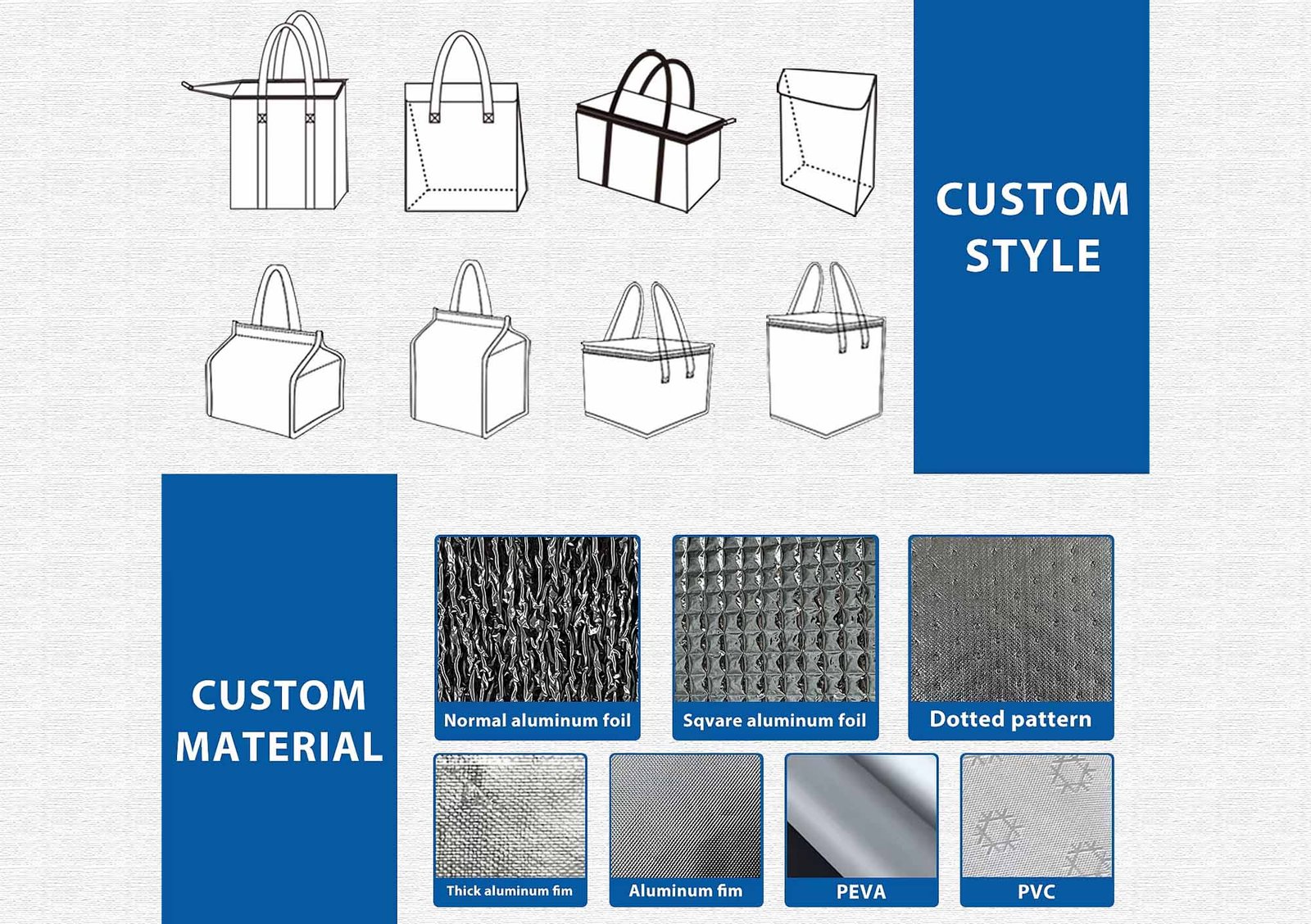
I believe a good cooler bag order starts with a clear sample or a clear technical sheet. A photo is useful, but it is not enough. I need the dimensions, fabric type, GSM or thickness, insulation thickness, lining type, zipper size, handle material, printing method, and packing details. If the buyer wants to use Aldi or Trader Joe’s cooler bags as a reference, I ask them to mark what they like and what they want to change. I do not copy brand artwork. I use the reference to understand the structure and market level.
MOQ also matters. Some factories cannot customize small orders because fabric, printing, and labor setup need a minimum volume. I often explain that a lower MOQ can have a higher unit price. A larger order can reduce cost, but it also increases stock risk.11 The buyer needs to balance both.
Quality control should be planned before mass production. I suggest checking sample approval, pre-production material confirmation, inline inspection, final inspection, and carton drop or load checks when needed.12 A cooler bag may look fine when empty. It may fail when loaded with groceries.
| Order Point | What I Ask Buyers To Confirm | Why It Matters |
|---|---|---|
| Target retail price | I ask for the planned selling range | I can match cost and specification |
| Use case | I ask about groceries, frozen food, picnic, or promotion | I can choose the right structure |
| Size | I ask for length, width, height, and capacity | I can avoid wrong material estimates |
| Logo and print | I ask for artwork and print position | I can check print cost and lead time |
| Packaging | I ask for polybag, hangtag, barcode, and carton rules | I can avoid retail packing mistakes |
| Inspection | I ask for AQL or buyer QC standard | I can prepare production control |
| Delivery date | I ask for ship date and arrival date | I can plan material and sewing schedule |
I also advise buyers to prepare a specification request before asking for prices. This request does not need to be complicated. It should tell the supplier the target style, material level, quantity, packing, delivery market, and special requirements. A clear request helps a factory give a useful quotation. It also helps the buyer compare suppliers fairly. If one supplier quotes a low price with weak material and another quotes a higher price with better structure, the buyer can see the reason.
Conclusion
I do not treat Aldi or Trader Joe’s cooler bags as a simple price fight. I compare specifications, cost drivers, order terms, and retail goals first.
"Price discrimination", https://en.wikipedia.org/wiki/Price_discrimination. Retail pricing research shows that consumer prices often vary across locations and time because of promotional activity, seasonal demand shifts, and local market conditions, providing context for why shelf prices are not fixed across regions or periods. Evidence role: general_support; source type: education. Supports: That retail prices commonly differ across regions and over time because of promotional cycles, seasonal demand, and local market conditions.. Scope note: This support is contextual rather than specific to Aldi or Trader Joe’s cooler bags. ↩
"Bill of materials - Wikipedia", https://en.wikipedia.org/wiki/Bill_of_materials. Manufacturing cost literature identifies raw-material usage, component specifications, product dimensions, and packaging requirements as primary contributors to unit cost, which is consistent with lower prices resulting from thinner materials, smaller size, or simpler packing. Evidence role: mechanism; source type: paper. Supports: That changes in material inputs, dimensions, and packaging specifications can materially affect unit manufacturing cost.. Scope note: The source would support the cost mechanism generally, not verify any specific bag’s exact construction choices. ↩
"Reusable Shopping Bags May Encourage an Unhealthier Diet", https://www.fuqua.duke.edu/duke-fuqua-insights/bollinger-reusable-bags. Research on reusable shopping bags and promotional merchandise indicates that such products can serve practical carrying functions while also acting as brand-visible retail items and campaign tools. Evidence role: general_support; source type: research. Supports: That reusable bags in retail can function as utility items, promotional products, and brand carriers.. Scope note: This evidence would support the general use cases of supermarket bags rather than the design intent of any particular retailer. ↩
"Dimensional weight - Wikipedia", https://en.wikipedia.org/wiki/Dimensional_weight. Packaging and industrial engineering references note that increases in product dimensions typically raise material consumption and may require larger unit packs or shipping cartons. Evidence role: mechanism; source type: education. Supports: That larger product dimensions generally require more material and can increase package and carton dimensions.. ↩
"Present Status in Polymeric Mouthguards. A Future Area for Additive ...", https://pmc.ncbi.nlm.nih.gov/articles/PMC7407806/. Materials-selection references describe PEVA, TPU, and foil-based laminates as distinct material classes with different processing characteristics and cost implications, supporting the claim that lining choice affects product cost. Evidence role: general_support; source type: education. Supports: That PEVA, TPU, and foil-based lining materials differ in composition, processing, and typical cost implications.. Scope note: The source would likely provide comparative material context rather than current supplier-specific prices. ↩
"Upcycling method turns textile trash to functional coatings", https://news.cornell.edu/stories/2023/05/upcycling-method-turns-textile-trash-functional-coatings. Institutional and academic sources on recycled textiles describe recycled PET fabrics as materials often used to support recycled-content or sustainability claims; comparative cost, however, depends on construction, supply conditions, and the baseline material used. Evidence role: general_support; source type: institution. Supports: That recycled PET textiles are commonly used in sustainability-oriented product positioning and may involve different cost structures than simpler non-woven materials.. Scope note: The sustainability aspect is direct, but the cost comparison is contextual and may vary by market and fabric specification. ↩
"Freight rate - Wikipedia", https://en.wikipedia.org/wiki/Freight_rate. Freight and air-cargo guidance explains that carriers often price shipments using dimensional or volumetric weight, so low-mass but bulky products can incur higher shipping costs than their physical weight alone would suggest. Evidence role: mechanism; source type: institution. Supports: That freight charges can be based on volume or dimensional weight, making bulky but lightweight goods relatively expensive to ship.. ↩
"[PDF] The impact of container shipping costs on import and consumer prices", https://www.oecd.org/content/dam/oecd/en/publications/reports/2025/08/the-impact-of-container-shipping-costs-on-import-and-consumer-prices_dfc467b3/957f0c0c-en.pdf. International logistics references note that cross-border parcel and freight costs are commonly shaped by volumetric pricing and destination-market transport conditions, making shipping volume a relevant cost factor for orders sent to major overseas markets. Evidence role: general_support; source type: institution. Supports: That international orders are commonly affected by logistics cost structures, including volume-based freight pricing across major destination markets.. Scope note: This support is general to international shipping and does not isolate the specific markets named in the article. ↩
"Consumers blame both manufacturer and retailer when products fail ...", https://mendoza.nd.edu/news/consumers-blame-when-products-fail/. Consumer-behavior research finds that product or service failures can generate negative word of mouth and reduce trust in the selling brand, supporting the concern that visibly failing bags may harm retailer reputation. Evidence role: mechanism; source type: paper. Supports: That product failure can reduce consumer trust and negatively affect brand or retailer perceptions.. Scope note: The evidence would address reputational effects generally rather than failures of cooler bags specifically. ↩
"[PDF] Part 260 – Guides for the Use of Environmental Marketing Claims", https://www.ftc.gov/sites/default/files/attachments/press-releases/ftc-issues-revised-green-guides/greenguides.pdf. Consumer-protection guidance on environmental marketing states that recycled-content claims should be truthful, properly qualified where necessary, and supported by competent evidence or documentation. Evidence role: expert_consensus; source type: government. Supports: That recycled-content marketing claims should be supported by appropriate qualification and documentation.. Scope note: Such guidance governs claims substantiation broadly and does not specifically endorse RPET for any single product category. ↩
"Carrying cost - Wikipedia", https://en.wikipedia.org/wiki/Carrying_cost. Operations-management literature, including economic order quantity models, shows that larger order quantities can lower ordering or unit costs but increase inventory holding costs and exposure to stock risk. Evidence role: mechanism; source type: education. Supports: That larger production or purchase lots can reduce unit cost while increasing inventory holding and stock risk.. ↩
"The Ultimate Guide to Quality Inspection in Manufacturing - Six Sigma", https://www.6sigma.us/manufacturing/quality-inspection/. Manufacturing quality-assurance references describe first-sample approval, incoming-material verification, in-process inspection, final inspection, and package performance testing as standard control points used to reduce defects and shipping damage. Evidence role: expert_consensus; source type: education. Supports: That sample approval, material verification, in-process inspection, final inspection, and package performance testing are established quality-control practices.. Scope note: The exact inspection sequence and test methods may vary by product category and buyer requirements. ↩