A rushed bag order can turn a simple event giveaway into waste, delay, and brand embarrassment. I have seen buyers focus on unit price first, then find out the bag is wrong.
To source custom drawstring bags well, I first define the event use, quantity, logo method, size, and deadline. After that, I compare suppliers and prices. This cuts quote errors, late delivery risk, and branding mistakes.
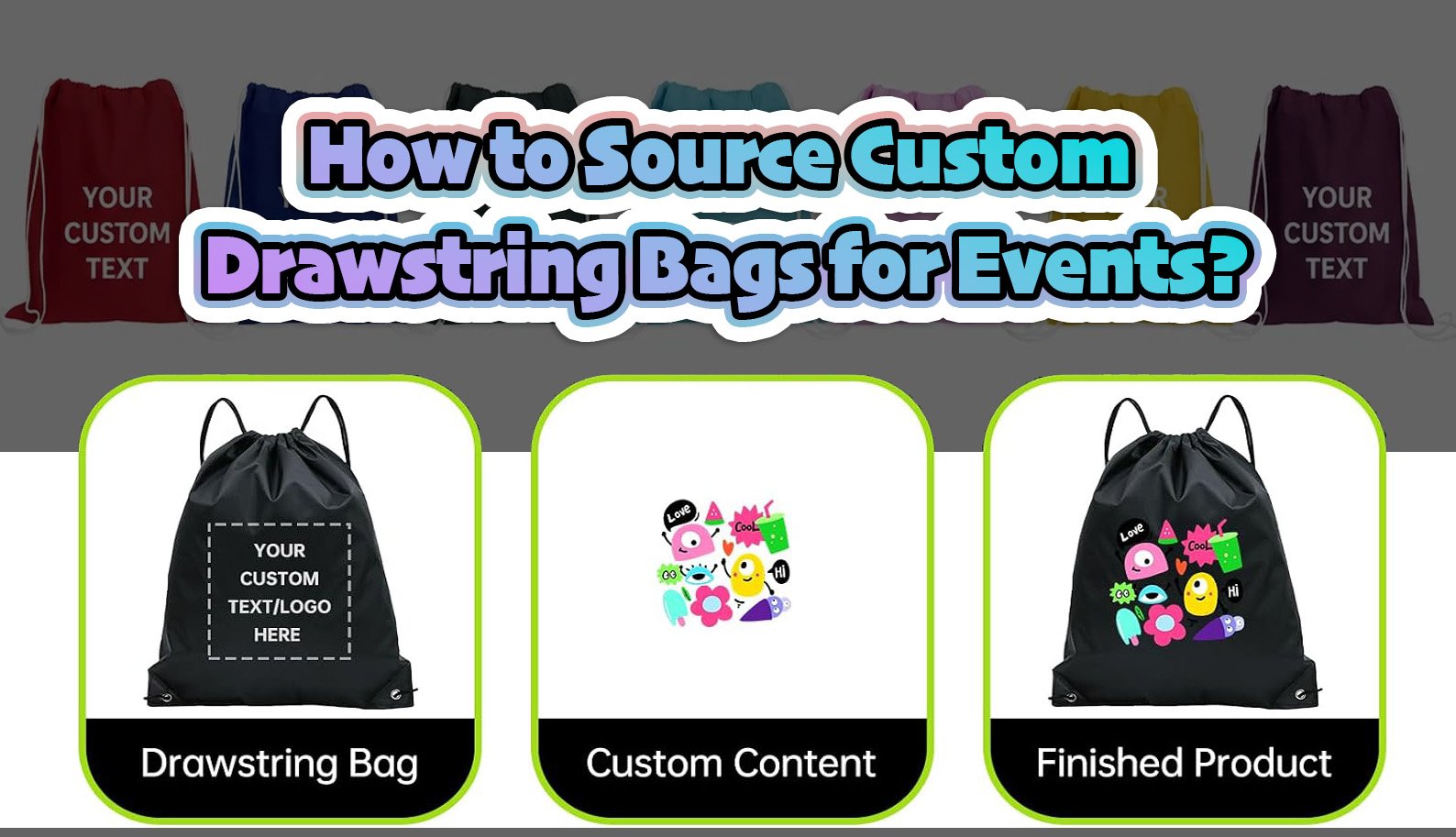
When I speak with event buyers, I often notice the same pattern. They ask for price first. They send a logo later. They mention the event date at the end. That order of thinking causes problems. A drawstring bag is not just a cheap promo item. It is part of the event experience.1 It affects what people carry, how your brand looks, and whether the giveaway feels useful or forgettable.2 I have learned from many real RFQs that better sourcing starts with a better question. I do not ask, “How much is the bag?” first. I ask, “What does this bag need to do at the event?” That one change usually leads to a better quote and a safer order.
What Fabric Is Best for Bulk Drawstring Bags?
Many buyers think all drawstring bags are more or less the same. I understand why. They look simple. Still, the wrong fabric can make the whole event gift feel cheap.
The best fabric depends on event use. I usually suggest non-woven for low-cost giveaways3, polyester for better strength and print look4, and cotton canvas when buyers want a more natural and premium brand feel5.
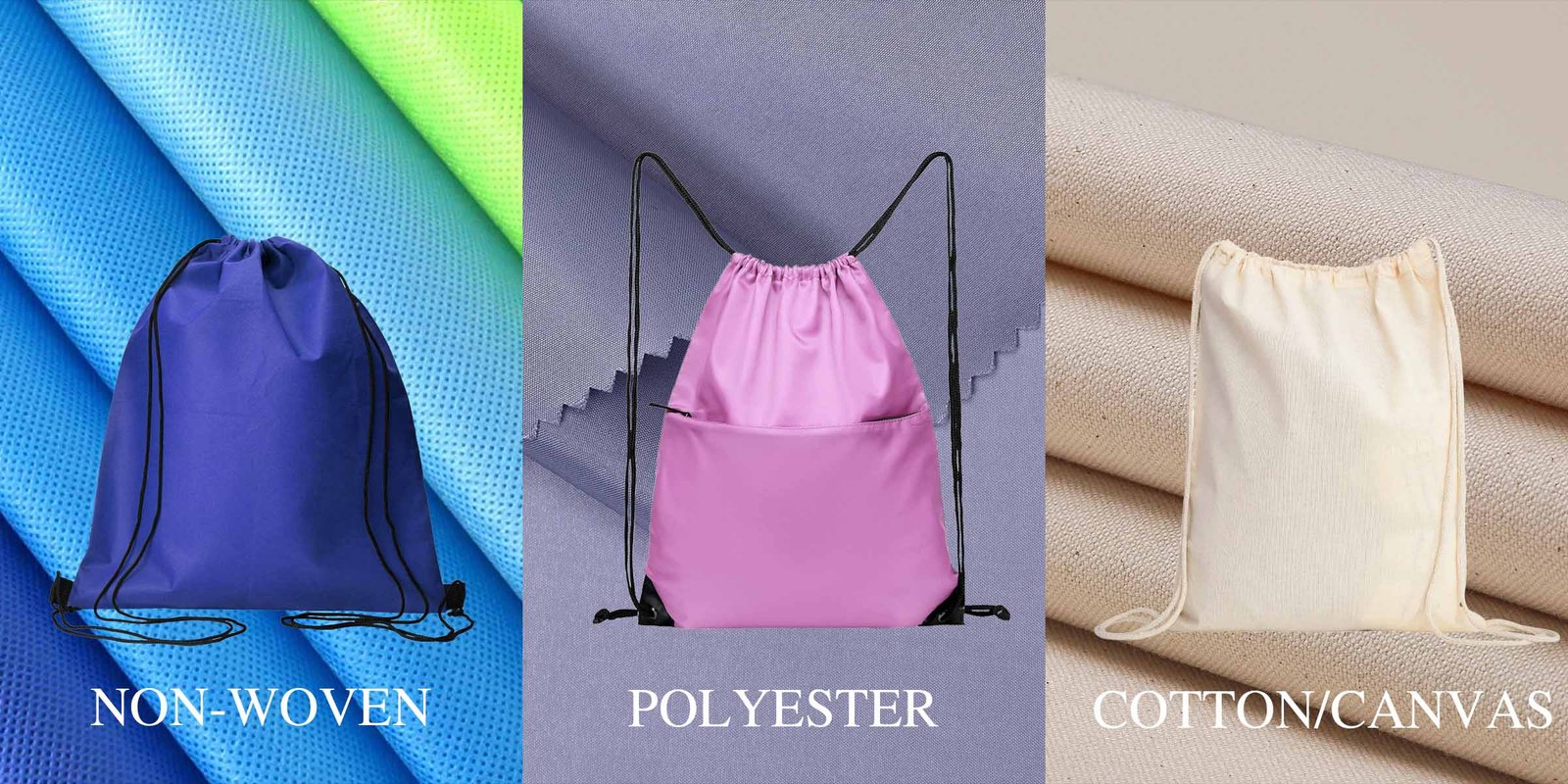
When I quote event drawstring bags, fabric is often the first hidden issue. A buyer may ask me for “custom drawstring bags” with no fabric named. I cannot give a useful price range until I know how the bag will be used. If the bag is for a one-day trade show giveaway, a light non-woven fabric may work well. It keeps cost lower. It is easy for bulk quantity. It is often enough for flyers, samples, and small gifts. If the event bag needs to carry shoes, water bottles, or sportswear, I usually move the discussion to polyester. Polyester often gives a better mix of strength, print quality, and daily usefulness. If the brand image is more natural, eco-minded, or gift-focused, cotton can be the better fit.
I usually explain fabric choice in a simple way:
| Fabric | Best for | Main advantage | Main caution |
|---|---|---|---|
| Non-woven | Mass giveaway events | Lower cost, fast for volume | Less premium feel |
| Polyester | Sports, schools, repeat use | Better strength and color look | Cost may be higher |
| Cotton/Canvas | Premium branding, eco style | Better hand feel, natural look | Heavier and often pricier |
I have seen buyers save a few cents by choosing the lightest option, then feel unhappy when the bag shape collapses or the print does not match their brand image. I have also seen the opposite. A buyer chooses canvas for a large event where a simple promo bag would have been enough. That pushes the budget too high without adding much value. So I do not treat fabric as a technical detail only. I treat it as a brand and use decision. That is the real starting point.
How Much Weight Can a Drawstring Bag Hold?
A weak bag can fail in the middle of an event. That creates a bad impression fast. Buyers often ask me for “strong quality,” but they do not say what people will put inside.
A drawstring bag’s practical load depends on fabric, seam strength, cord type, and size.6 For sourcing, I ask what items users will carry, not just how many kilograms the buyer wants.
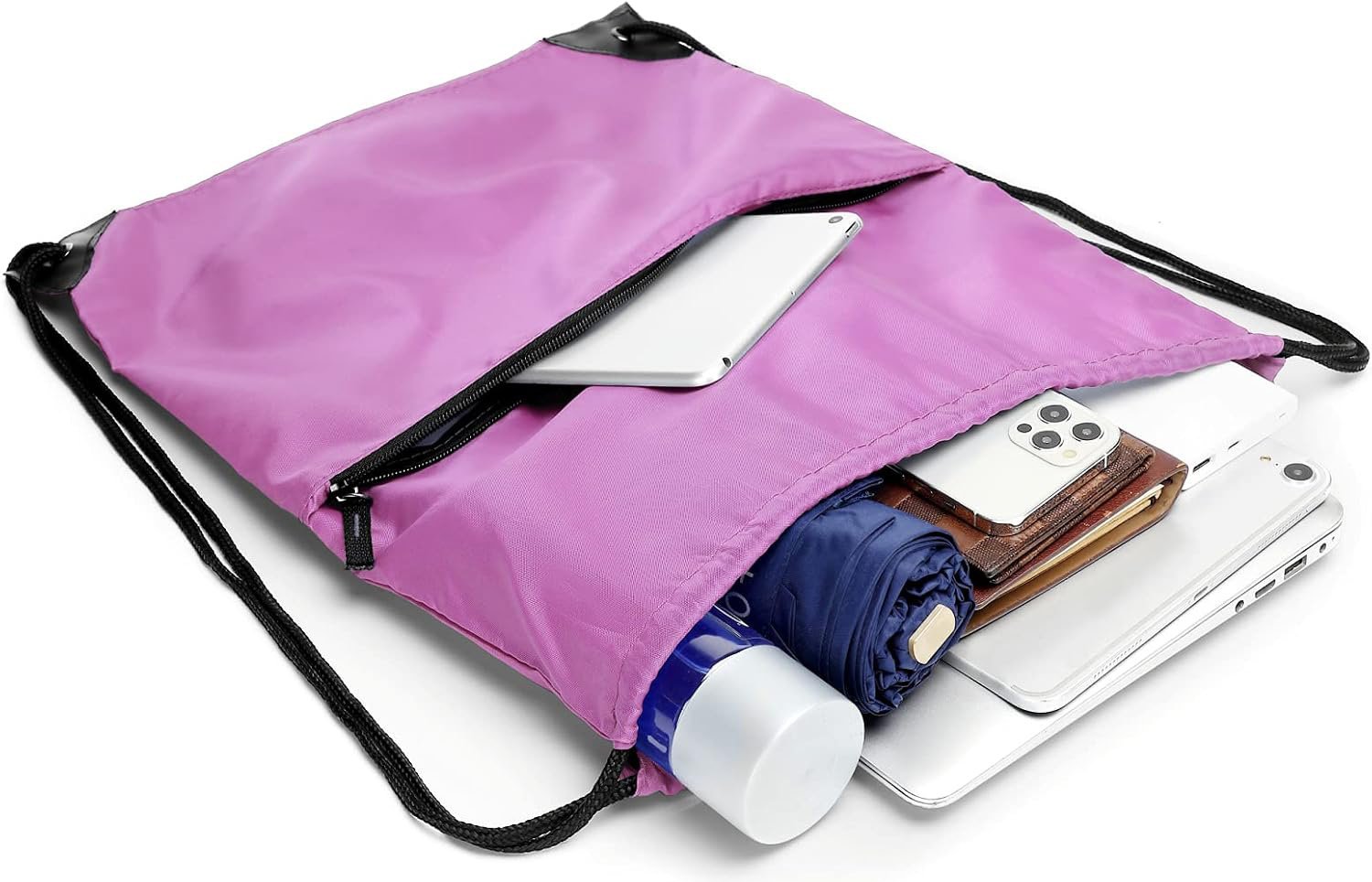
I try to keep this topic practical because event buyers are not usually asking for lab data. They want to know if the bag will do the job. In my experience, the bag’s real carrying ability depends on four basic things: fabric type, fabric thickness, stitching, and cord construction. A large bag made from light material may look spacious but still perform poorly if users put in shoes, bottles, brochures, or electronics.7 A smaller polyester bag with better seams may perform better in real use.
This is why I ask questions like these before I quote:
- What will attendees put inside?
- Is the bag for children, students, or adults?
- Will users carry it for one hour or for daily use after the event?
- Does the bag need reinforced corners?
- Do you want thicker cords for comfort?
These questions matter more than a broad claim like “good quality.” I have seen school program buyers use bags for uniforms and lunch items. I have seen sports camp buyers need space for towels and water bottles. I have seen trade show buyers only need room for catalogs and small gifts. These are very different use cases.
Here is the way I frame it:
| Use case | Typical carrying need | Suggested approach |
|---|---|---|
| Trade show giveaway | Light brochures, samples | Light to medium fabric |
| Sports camp | Shoes, towel, bottle | Stronger polyester, reinforced points |
| School program | Books, lunch, extra clothes | Medium to strong fabric, stable seams |
| Brand gift pack | Curated items, nicer look | Match strength with presentation |
I do not promise exact weight limits unless the full spec is confirmed. That would not be responsible. Still, I can say this with confidence from experience: if a buyer tells me the actual contents, I can usually guide them to a much safer bag choice than if they only ask for the cheapest option.
Which Printing Method Works Best for Event Logos?
A blurry or cracking logo can ruin the value of a bag, even if the bag itself is fine. Many buyers ask for “custom logo” without telling me how important logo appearance is.
The best printing method depends on logo complexity, color count, fabric, and budget. I often suggest silk screen for simple bulk logos8, heat transfer for detailed artwork9, and embroidery only when the bag style supports it.
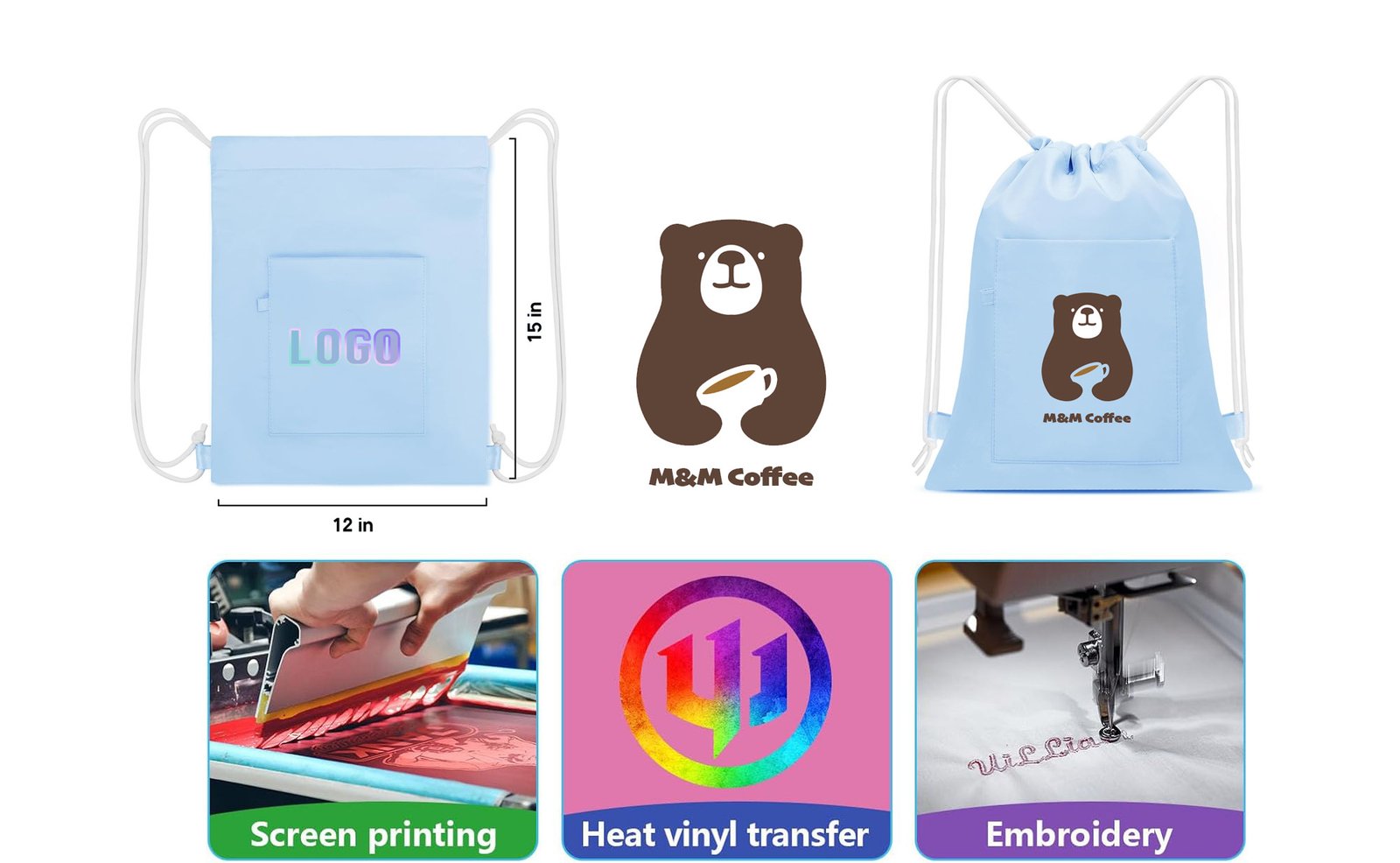
Logo printing is where many event orders become confusing. A buyer may send me a low-resolution image from a website and ask for an exact quote in one line. I cannot judge the best print method from that alone. I need to know the bag material, logo size, logo colors, and the event goal. Is this a low-cost handout for thousands of visitors? Is it a sponsor bag where brand image matters more? Is the logo simple text, or is it a detailed graphic?
In many event orders, I see three common routes:
| Printing method | Best for | Strength | Caution |
|---|---|---|---|
| Silk screen | Simple logos, large bulk orders | Cost-effective and common | Not ideal for highly detailed art |
| Heat transfer | Multi-color or detailed logos | Better image detail | Cost can rise with artwork needs |
| Embroidery | Premium look on suitable fabric | Strong visual texture | Not ideal for every bag type or budget |
I often tell buyers that print choice should follow event purpose. If the bag is for a trade show where cost control matters and the logo is one or two colors, silk screen is often the easiest fit. If the artwork includes gradients or small details, heat transfer may produce a better result. If the buyer wants a more upscale effect and the bag material is right, embroidery can work, but it changes cost and style.
I have also seen delays caused by weak artwork files. A good sourcing process includes logo review early, not at the end. If I get the logo, print size, and bag material first, I can usually guide the buyer faster. If those details arrive in pieces over several days, the quote stays vague and the timeline gets tighter. For event orders, printing is not a decoration issue only. It is a timing and brand-risk issue too.
What Size Is Practical for Sports Camps and School Programs?
A bag that is too small feels useless. A bag that is too large can look awkward and cost more than needed. Buyers often ask for a “standard size,” but there is no single right answer.
For sports camps and school programs, practical size depends on what users carry.10 I usually match bag dimensions to real contents like shoes, lunch boxes, towels, or folders before recommending a size.
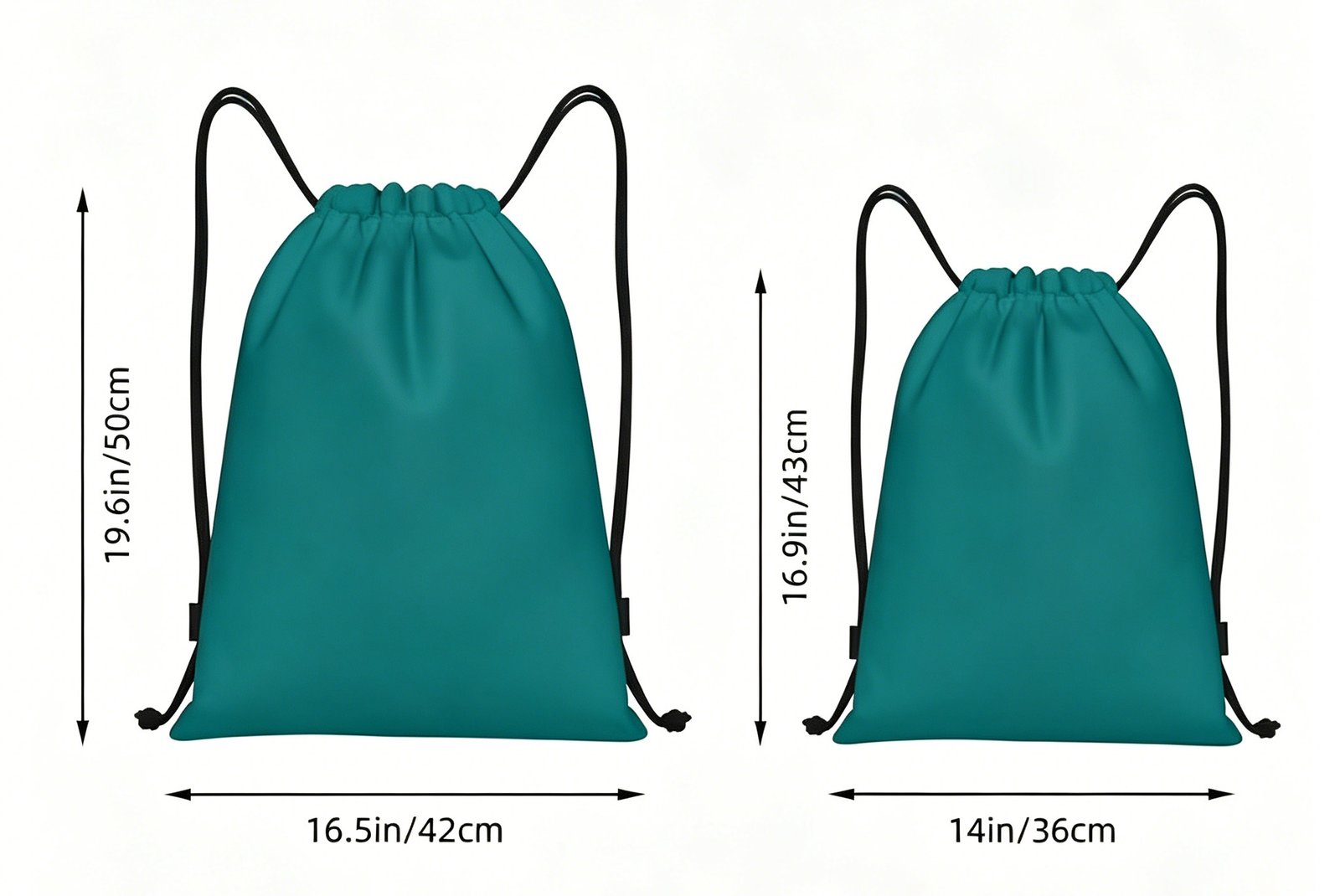
Size is one of the most underestimated parts of the RFQ. I often receive inquiries that ask for “standard drawstring bag size,” but standard for whom? A school child carrying lunch and notebooks does not need the same bag as a teen sports camper carrying a towel, shoes, and a water bottle. If the size is wrong, the buyer may still receive the order on time, but the event result is poor because the bag is not actually useful.
I usually ask buyers to think in terms of contents, not dimensions first. What should fit inside on event day? What do you want people to keep using after the event? A bag that only fits pamphlets may be fine for an exhibition. That same bag may be a bad fit for a youth sports program. In those cases, users need more space and a shape that sits well on the back.
This is how I break down the conversation:
| Program type | Likely contents | Size thinking |
|---|---|---|
| School orientation | Folders, lunch, pencil case | Medium size is often enough |
| Sports camp | Shoes, towel, bottle, snacks | Larger size is often better |
| Community event | Flyers, gifts, simple handouts | Small to medium can work |
| Premium sponsor pack | Curated branded items | Size should match presentation |
I also remind buyers that larger size affects more than carrying space. It can change material use, print area, packing volume, and shipping cost.11 So bigger is not always smarter. I once worked with a buyer who first wanted the largest possible size “just in case.” After we reviewed the item list, we reduced the size and got a cleaner look, better cost control, and an easier packing plan. That is why I treat size as a practical sourcing choice, not a default spec.
How Should Buyers Estimate Lead Time for Event Bag Orders?
The biggest sourcing mistake I see is simple. Buyers wait too long to define the details. Then they ask for a fast quote and urgent delivery at the same time.
To estimate lead time well, I count backward from the event date and include sampling, artwork approval, production, and shipping. I never treat factory time alone as the full event timeline.
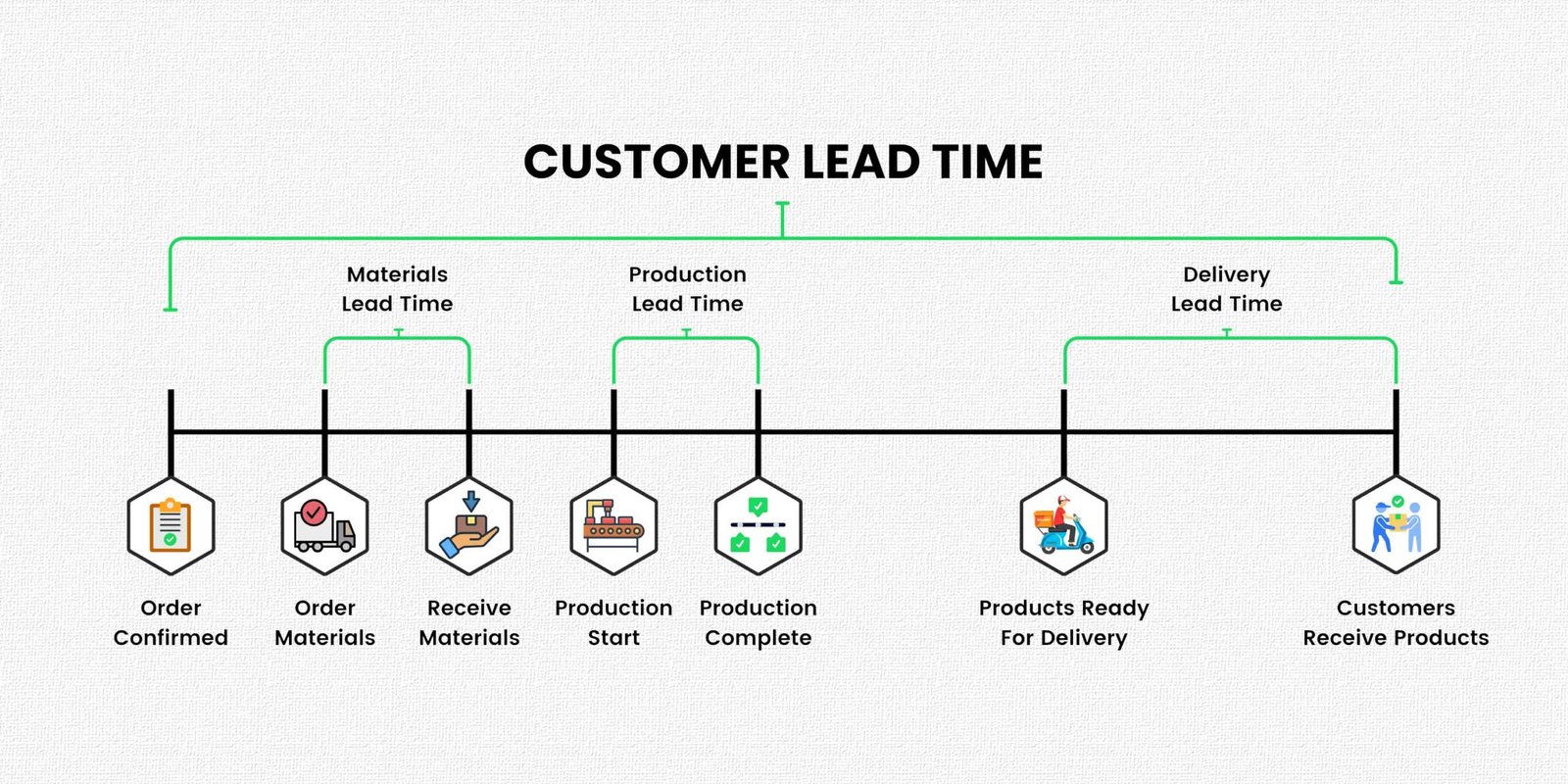
If there is one lesson I repeat to buyers, it is this: event timing risk is bigger than small price differences. A bag that arrives late has almost no value for the event it was made for.12 I have seen buyers spend a lot of time comparing a few cents on unit cost, then lose much more because the order details were unclear and the timeline became too tight.
When I help estimate lead time, I do not look at production days only. I look at the whole chain:
- Inquiry clarity
- Quotation and revision
- Artwork check
- Sampling, if needed
- Sample approval
- Bulk production
- Packing
- Shipping
- Customs and local delivery buffer
This is why a vague inquiry slows everything down. If I receive an RFQ with no quantity, no event date, no delivery country, and no logo file, I can only give a rough answer. Then more messages go back and forth. That eats up days. A better inquiry gives me the main facts from the start.
Here is what I like to receive from a serious event buyer:
| Detail | Why it matters |
|---|---|
| Event date | Sets the true deadline |
| Quantity | Affects price and production plan |
| Delivery destination | Changes shipping method and timing |
| Bag use | Helps choose material and construction |
| Size expectation | Reduces quote revision |
| Logo file and print method | Speeds artwork review |
| Packaging needs | Affects final schedule |
I often tell buyers to work backward from the event date and leave a buffer. Not every delay comes from production. Sometimes approval takes longer. Sometimes shipping changes. Sometimes a logo file needs adjustment. I do not claim to control every outside factor. Still, I can say from experience that buyers who define the bag use and deadline early usually get smoother orders and better results.
Conclusion
I source event drawstring bags better when I define use, branding, size, and timing first. That approach gives me clearer quotes, fewer surprises, and a safer path to event success.
""Promotional Product Brand Message Effectiveness: A Study of ...", https://scholarsarchive.jwu.edu/jwu_etd/10/. Studies in event marketing and promotional-product effectiveness report that tangible branded items can shape participant perceptions, recall, and perceived value of an event experience; this supports the article’s characterization of giveaway bags as part of the attendee experience. Evidence role: general_support; source type: paper. Supports: Research on promotional products or event marketing should support the proposition that tangible branded items can influence attendee perceptions and event experience.. Scope note: Such studies usually address promotional items in general rather than drawstring bags specifically. ↩
"[PDF] THE EFFECT OF CHOICE ON MEMORY AND VALUE FOR ...", https://hammer.purdue.edu/ndownloader/files/27771558. Research on promotional merchandise indicates that functional items are more likely to be retained and reused, increasing brand exposure and aiding recall; this provides contextual support for the claim that a bag’s utility and appearance affect how memorable the giveaway is. Evidence role: mechanism; source type: paper. Supports: Consumer research should support the link between functional promotional items, brand visibility, and memorability.. Scope note: The literature generally measures retention and recall, not the subjective distinction between a giveaway feeling 'useful or forgettable' in every event context. ↩
"Nonwoven fabric - Wikipedia", https://en.wikipedia.org/wiki/Nonwoven_fabric. Technical descriptions of spunbond nonwoven polypropylene identify it as a lightweight, relatively low-cost material widely used in shopping and promotional bags, supporting its suitability for economical giveaway applications. Evidence role: general_support; source type: education. Supports: Educational or technical sources should support that nonwoven polypropylene is inexpensive, lightweight, and commonly used in reusable or promotional bags.. ↩
"Weave structures of polyester fabric affect the tensile strength ... - PMC", https://pmc.ncbi.nlm.nih.gov/articles/PMC11756394/. Textile education sources describe polyester as a durable synthetic fiber with good dimensional stability and suitability for clear, color-rich printing processes, supporting the article’s claim that it often provides a stronger and better-looking option for printed bags. Evidence role: mechanism; source type: education. Supports: Textile references should support that polyester is durable and compatible with vivid, stable printing.. Scope note: Actual bag performance also depends on fabric weight, weave, coatings, and print method, not polyester content alone. ↩
"[PDF] Organic Cotton Clothing Purchase Behavior", https://repository.lsu.edu/cgi/viewcontent.cgi?article=1067&context=textile_pubs. Material and consumer-perception research commonly characterizes cotton canvas as a natural fiber textile with a heavier hand and a more substantial appearance than many lightweight synthetics, which helps explain its association with premium or natural brand positioning. Evidence role: general_support; source type: paper. Supports: Sources should support that cotton canvas is a natural fiber material with tactile and visual qualities often associated with higher perceived quality or eco-oriented branding.. Scope note: Perceived 'premium' value is context-dependent and varies by audience, design, and product category. ↩
"The Effect of Selected Factors on the Strength of Stitches of ... - PMC", https://pmc.ncbi.nlm.nih.gov/articles/PMC9572404/. Textile and product-engineering literature indicates that carrying capacity is governed by fabric tensile properties together with seam strength and load-transfer elements such as straps or cords, supporting the article’s statement that bag performance depends on more than fabric alone. Evidence role: mechanism; source type: paper. Supports: Engineering or textile sources should support that carrying performance depends on fabric properties and seam or strap construction.. Scope note: Many studies analyze bags or sewn products generally rather than drawstring bags as a distinct category. ↩
"Plastic, Paper or Cotton: Which Shopping Bag is Best?", https://news.climate.columbia.edu/2020/04/30/plastic-paper-cotton-bags/. Research on sewn textile products shows that apparent capacity by size does not by itself determine safe load performance; material weight and construction quality remain critical determinants of whether a bag can withstand heavier contents. Evidence role: mechanism; source type: research. Supports: Sources should support that capacity by volume is distinct from safe load-bearing performance, which depends on material and construction.. Scope note: This evidence is typically inferential from textile product mechanics rather than direct testing of every listed item such as shoes or electronics. ↩
"Screen printing - Wikipedia", https://en.wikipedia.org/wiki/Screen_printing. Standard descriptions of screen printing note that it is well suited to bold, simple graphics and can be cost-effective for larger production runs once screens are prepared, supporting the article’s characterization of silk screen as a common choice for bulk logo orders. Evidence role: definition; source type: education. Supports: Print-process references should support that screen printing is widely used for simple designs and becomes economical in larger runs.. ↩
"Screen Printing Or Heat Transfer: What You Need To Know - All-Stars", https://allstarsgear.com/screen-printing-or-heat-transfer-what-you-need-to-know/. Printing references describe heat-transfer methods as capable of reproducing complex multicolor images and finer detail than conventional spot-color screen printing in many applications, supporting the article’s use of heat transfer for detailed artwork. Evidence role: mechanism; source type: education. Supports: Technical printing sources should support that heat-transfer processes can reproduce finer detail and multicolor images.. Scope note: Results vary by transfer technology, substrate, and wash or abrasion requirements. ↩
"Development and Experimental Verification of an Ergonomic ...", https://pmc.ncbi.nlm.nih.gov/articles/PMC7245669/. Ergonomic guidance on school and carry bags emphasizes that dimensions and design should be matched to the user population and intended contents, which supports the article’s claim that practical size decisions should begin with what users need to carry. Evidence role: general_support; source type: paper. Supports: Ergonomics or product-design literature should support matching bag dimensions and features to expected contents and user group.. Scope note: Most guidance focuses on backpacks and load carriage rather than drawstring bags specifically. ↩
"Dimensional weight - Wikipedia", https://en.wikipedia.org/wiki/Dimensional_weight. Official logistics guidance on dimensional or volumetric weight explains that larger package dimensions can increase shipping charges even when actual weight changes little, supporting the article’s statement that larger bag size can affect packing volume and shipping cost as well as material use. Evidence role: mechanism; source type: government. Supports: Official shipping or logistics sources should support that larger dimensions can raise volumetric or dimensional shipping charges and packing volume.. Scope note: The exact cost impact depends on packing configuration, carrier rules, and shipment mode. ↩
"The event study in international business research - PMC - NIH", https://pmc.ncbi.nlm.nih.gov/articles/PMC8968242/. Operations research on time-sensitive and occasion-specific goods shows that their utility declines sharply once the relevant event window passes, providing contextual support for the article’s claim that late delivery greatly reduces the value of event bags. Evidence role: general_support; source type: paper. Supports: Operations or event-management sources should support that event-linked goods are highly time-sensitive and lose most of their functional value after the scheduled occasion.. Scope note: This is contextual support from time-sensitive goods and event operations literature rather than direct measurement of drawstring bag value in every event setting. ↩