School buyers are not looking for backpacks with every possible feature. They want backpacks that sell, last long, and fit their budget. I have seen too many suppliers add features that students never use.
School buyers in 2026 will focus on durability, cost balance, and features that match real student needs.1 Trending features alone will not drive sales. Buyers need backpacks that solve actual problems—not add complexity.
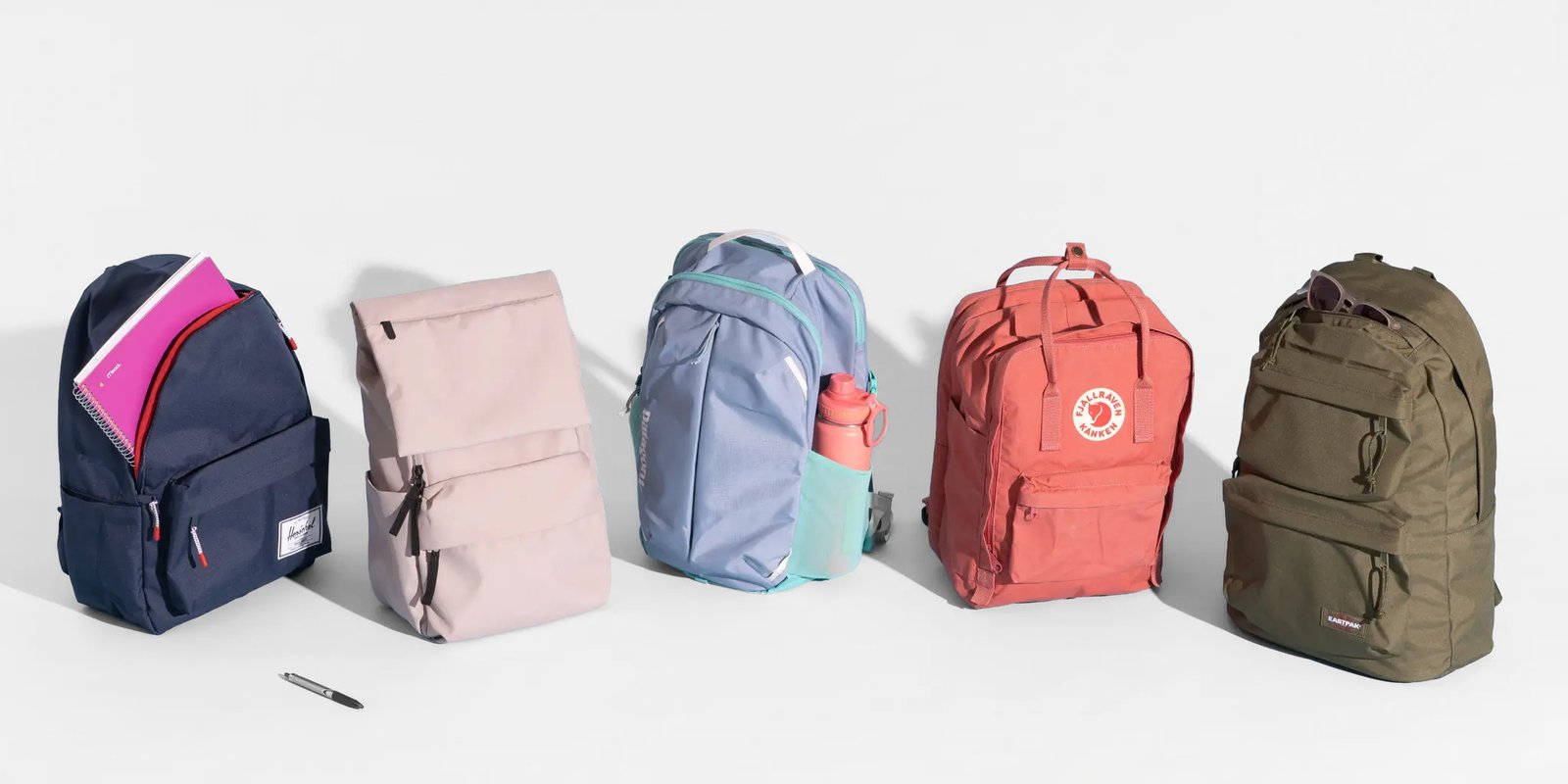
The backpack market is shifting. Retailers and distributors are not chasing trendy designs anymore. They are asking harder questions about material quality, return rates, and cost structure. As someone who works directly with buyers from Canada, Europe, and North America, I see this change happen every quarter. Buyers want to know if a backpack will survive a full school year. They want to know if the stitching will hold. They want to know if the price leaves room for their margin. These concerns shape what features actually matter in 2026.
When Should Retailers Start Sourcing Back-to-School Backpacks?
The timing of backpack sourcing is not flexible. Starting too late means missing production slots and facing shipping delays. Starting too early wastes cash on inventory sitting in warehouses.
Most retailers should begin sourcing in January or February for August delivery.2 This gives factories time to produce, test quality, and ship without rushing. Rushed orders lead to quality issues and missed deadlines.
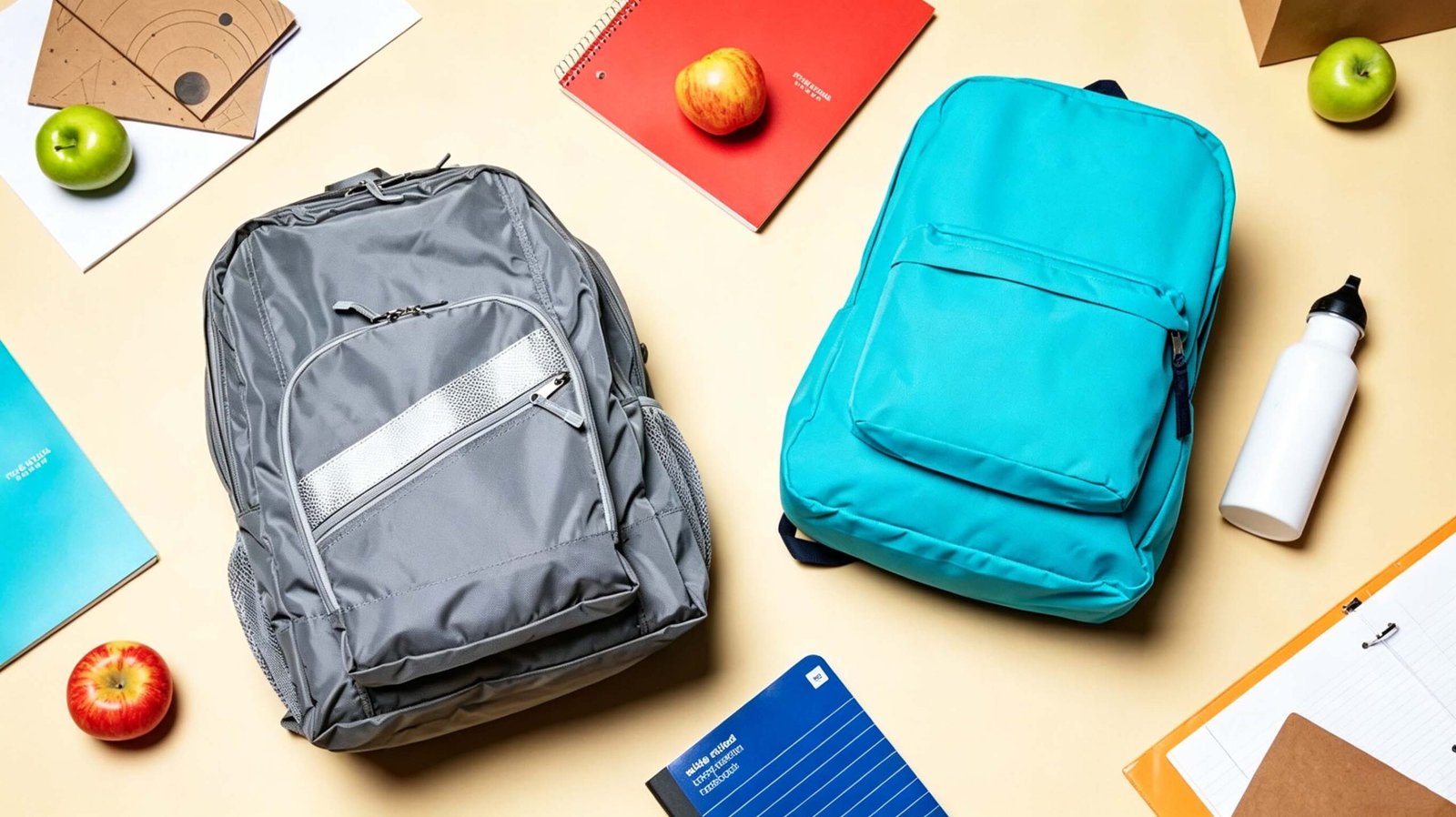
I have watched buyers make the mistake of starting orders in April or May. They think they have time. They do not. By May, factories are already booked with orders from larger buyers. Production slots fill up. Lead times stretch from 45 days to 75 days.3 Shipping becomes unpredictable. Containers get delayed at ports. These delays turn into stress and missed sales seasons.
The smart timeline works like this. January and February are for design approval and sample review. This is when you test materials, check stitching, and confirm printing quality. March and April are for order placement and production starts. May and June are for quality inspections and shipping preparation. July is your buffer month. If something goes wrong, you still have time to fix it. August is when your backpacks arrive in stores.
Sourcing early also gives you better pricing. Factories offer volume discounts when orders come in during their slow season. If you order in January, you get a better rate than if you order in May. The price difference can be 5 to 10 percent.4 That margin matters when you are buying 5,000 or 10,000 units.
I have also seen buyers use early sourcing to test new suppliers. If you order samples in February and find problems, you have time to switch suppliers or adjust designs. If you order in May and find problems, you are stuck. You either accept the flawed product or cancel the order and lose money.
What Backpack Capacity Works for Middle School and College?
Backpack capacity is not one-size-fits-all. Middle school students need different volumes than college students. Get this wrong and you are left with backpacks that do not fit anyone's actual needs.
Middle school backpacks work best at 25 to 35 liters. College backpacks need 30 to 40 liters.5 Capacity must match the weight students carry and how often they change classes.
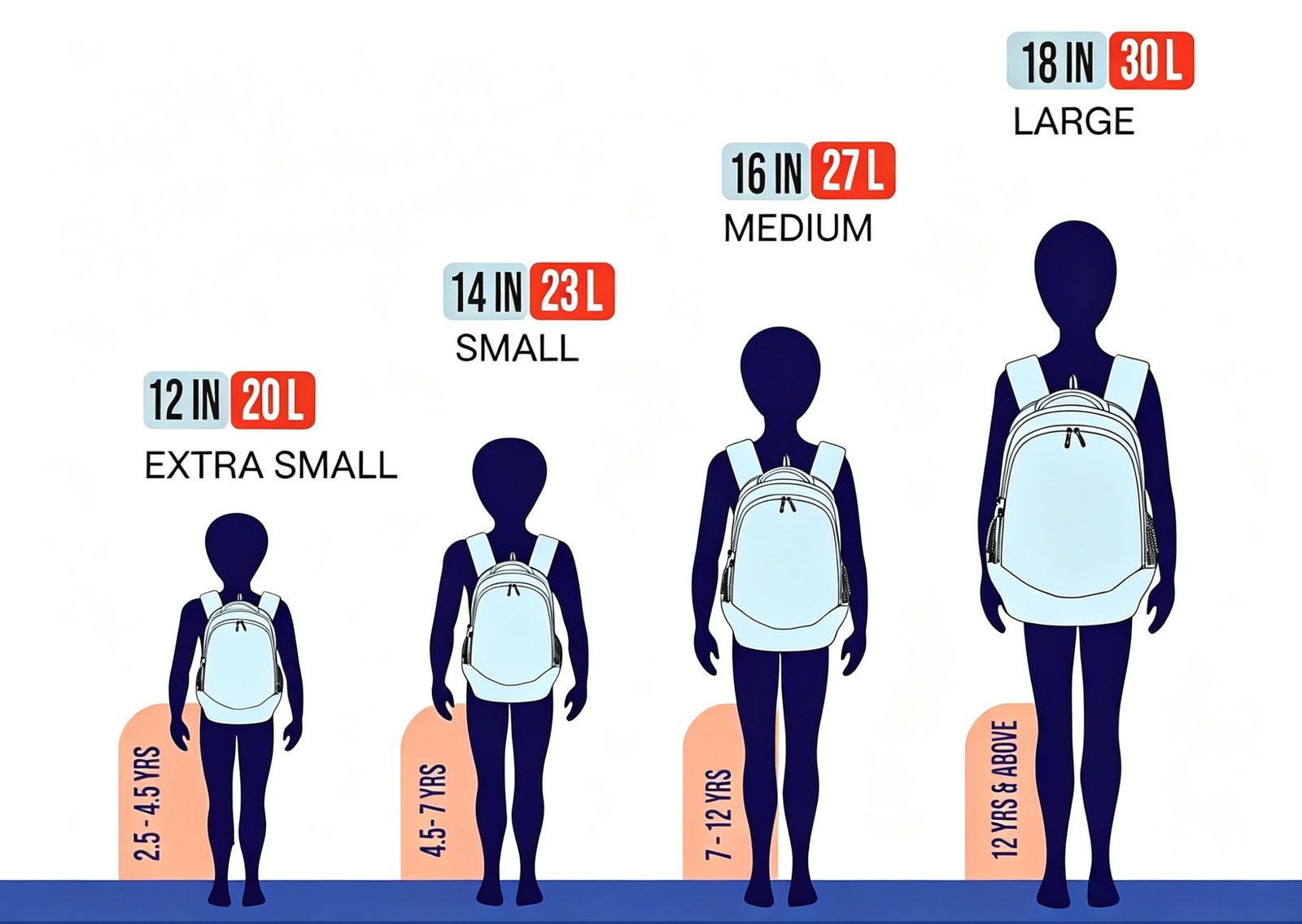
Let me break down why this matters. A middle school student carries books for maybe four or five classes per day. They go to each class, then go home. Their books are lighter. Their backpack sits in a locker between classes. They need space, but not huge space. A 25-liter backpack is enough. It is not too heavy when full. It does not look oversized on a smaller frame. When it is full, students can still carry it comfortably.
A college student is different. They carry laptops, textbooks, notebooks, and supplies all day. They move between buildings. They sit in libraries for hours. They need a backpack that holds everything for a full day without needing to stop at a locker. A 30-liter backpack starts to feel small. A 35 to 40-liter backpack gives them breathing room. It holds a laptop, books, and supplies without feeling packed tight.
But here is the trap I see buyers fall into. They think bigger is always better. They order 40-liter backpacks for middle school. The backpack looks huge on the student. Parents do not like it. Teachers think students are carrying too much. Retailers get returns. The buyers then blame the supplier. The real problem was that the capacity did not match the use case.
The same thing happens in reverse. Buyers order 25-liter backpacks for college students thinking they will save on material costs. College students complain that their laptops do not fit. Their textbooks do not fit. They buy different backpacks. Retailers lose sales.
Capacity also affects durability. An oversized backpack that is filled to half capacity puts less stress on seams and straps. An undersized backpack that is overstuffed breaks faster.6 Buyers who understand this ask suppliers to design backpacks with the right capacity for the right use. This reduces returns and keeps customers happy.
Which Materials Reduce Returns and Complaints?
Material choice is where buyers win or lose. Poor materials lead to rips, fading, and broken zippers. These failures create returns and hurt brand reputation.
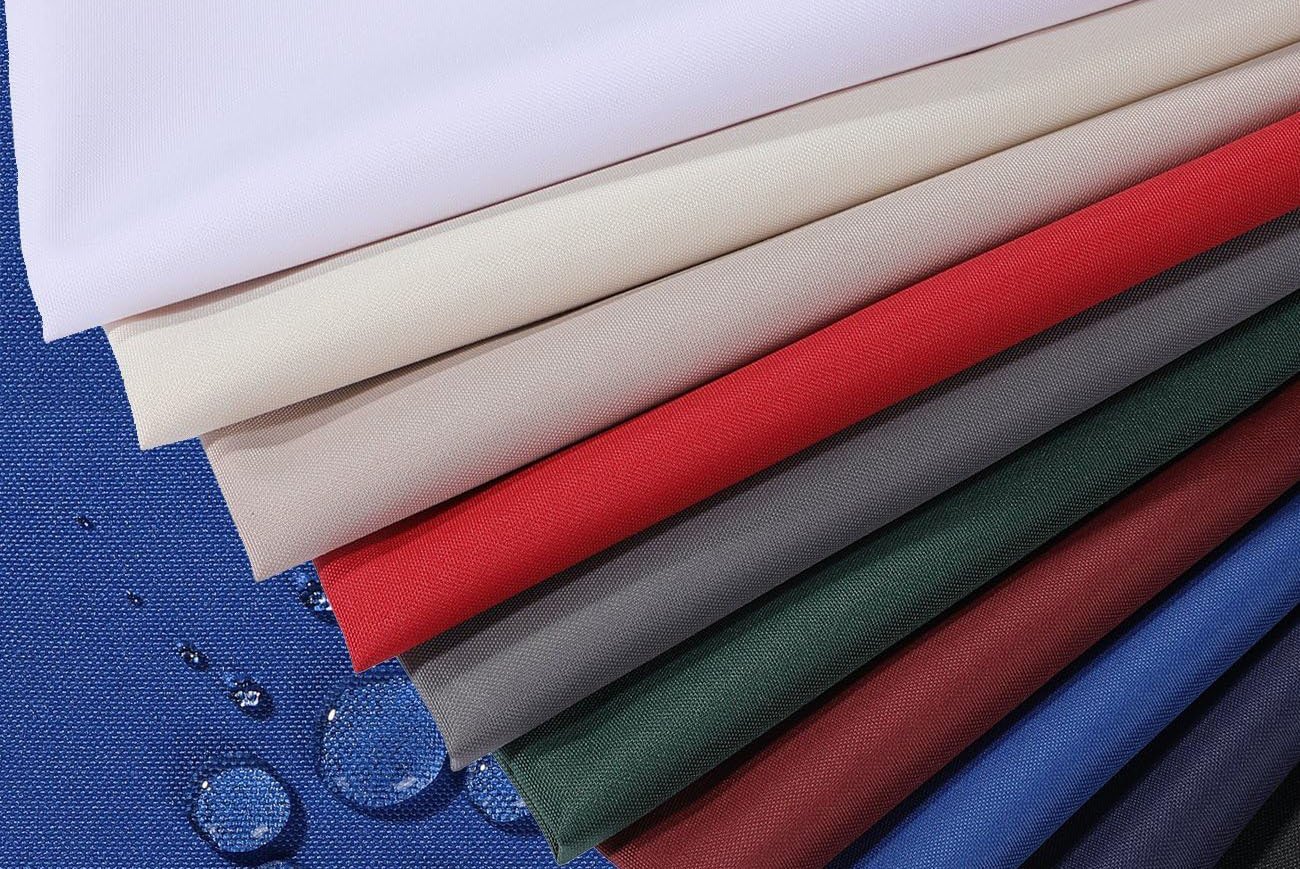
Recycled polyester and ballistic nylon are the safest choices for school backpacks.7 They hold up to daily wear, survive washing, and age well. They also support eco-claims without sacrificing durability.8
Eco-claims are popular, but many sustainable materials do not survive real school use. I have seen buyers source backpacks made from organic cotton or hemp because they wanted to appeal to eco-conscious parents. The backpacks looked good. They felt nice. But after one school year, the fabric pilled and faded. The material showed wear in ways that synthetics do not. Buyers got complaints and returns. They learned that sustainability and durability are not the same thing.
Recycled polyester is different. It is strong like virgin polyester. It takes dye well, so colors stay bright. It resists pilling and fading. It is water-resistant without a coating. And it tells a story. You can market it as eco-friendly because it comes from recycled bottles or fabric scraps. Parents like it. Students like it. It lasts long enough that retailers feel confident selling it.
Ballistic nylon is even tougher. It is the material used in military gear. It is heavy, which means it feels durable. It resists tears and punctures. It holds up to rough handling. The downside is weight and cost. Ballistic nylon adds to the price. For high-end backpacks or backpacks for college students who will abuse them, it works. For budget backpacks aimed at middle school, it might be too much.
The linings also matter. Cheap linings pill and tear. This destroys the inside of the backpack. Students cannot use interior pockets because the material is falling apart. Better linings use denser polyester or cotton blends. They stay smooth. They keep their shape. The extra cost is small, but the return reduction is large.
Zippers are another critical material choice. Cheap zippers break after a few months of use. Good zippers are made by YKK or Duraflex. They glide smoothly. They do not jam. They last for years. Buyers know this. When they source backpacks, they check zipper quality first. A backpack with weak zippers will fail fast. A backpack with strong zippers can survive anything students throw at it.
How Do Laptop Compartments Affect Retail Value?
Laptop compartments are now expected in many backpacks, but they also change the design and the price. Buyers need to understand the trade-off.
Laptop compartments add 10 to 15 percent to the cost but can increase retail price by 20 to 30 percent.9 They also solve a real problem—protecting electronics that are now essential for school.
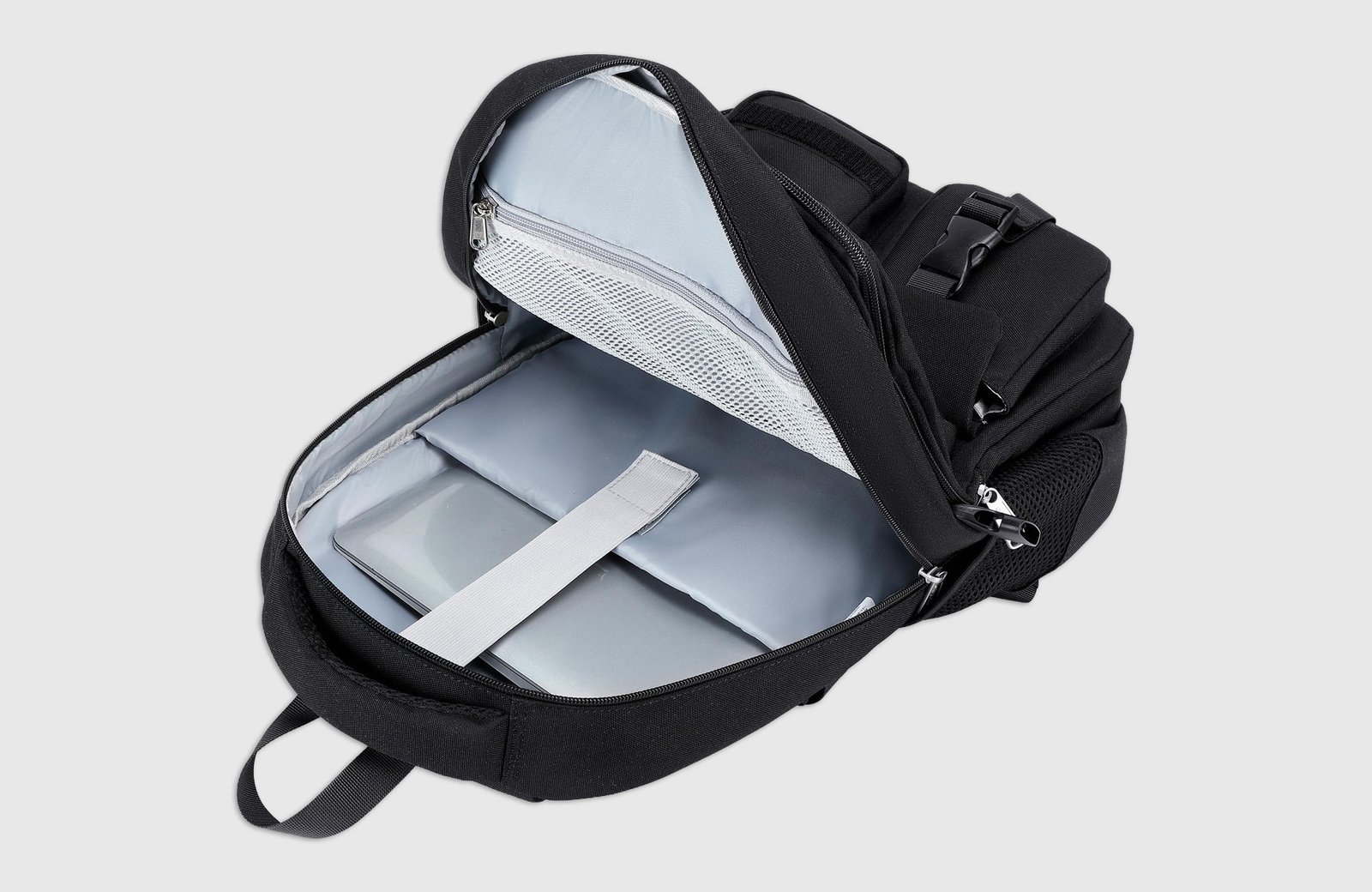
College and high school buyers always ask about laptop compartments. It is the first question. Students have laptops now. Sometimes they have tablets too. They need a safe place to carry these devices. A laptop compartment is not a luxury. It is almost a requirement for backpacks aimed at older students.
But here is what buyers do not always understand. Adding a laptop compartment changes the backpack structure. You need padding inside the compartment. This padding adds weight. You need thicker materials around the compartment. This adds cost. You need a separate zipper for the compartment. This adds another part that can fail. The cumulative cost increase is real.
That said, the retail value increase is larger than the cost increase. A backpack with a padded laptop compartment can sell for 30 percent more than one without.10 The margin gap is attractive. Buyers can source a $15 backpack with a laptop compartment and sell it for $50. The margin covers the material cost and the added complexity.
The key is sizing the laptop compartment correctly. A compartment that is too small will not fit a 15-inch laptop. Students will not buy it. A compartment that is too big wastes space and material. It also allows laptops to slide around inside. The padding then works against the laptop instead of protecting it. The best laptop compartments fit 14 to 15-inch devices with just enough padding to keep them snug.
I have also seen buyers use laptop compartments to justify price increases on backpacks that do not need them. They add a small padded pocket and claim it is a laptop compartment. Students know better. They feel the padding is too thin. They feel the compartment is too small. They do not buy the backpack. The added feature becomes a liability instead of a selling point.
What Colors and Styles Are Safer for Bulk Orders?
Color and style choices make or break bulk orders. Pick the wrong color and you are stuck with inventory that does not sell.
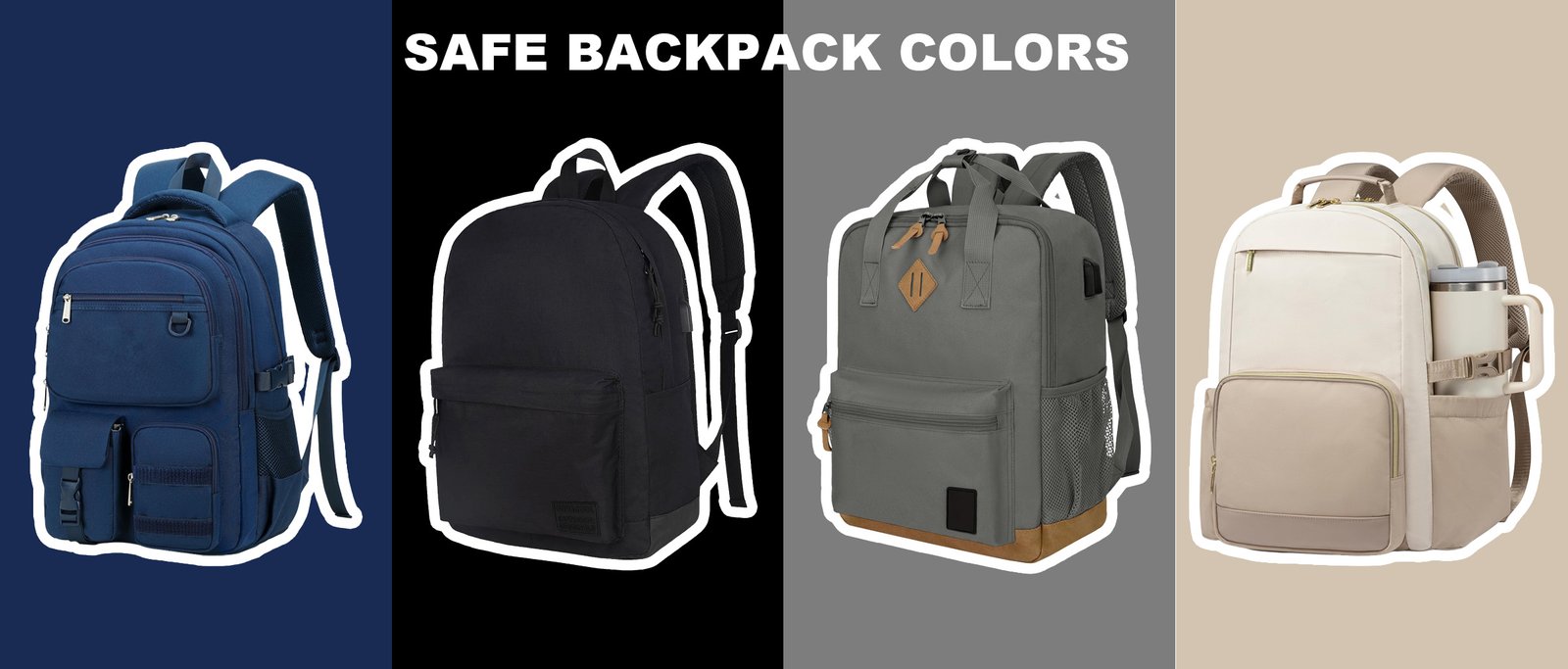
Navy, black, gray, and earth tones are safe bulk order choices. They appeal to parents, match school dress codes, and age well.11 Trendy colors sell in small quantities but create dead inventory in bulk.
This is where I see buyers and suppliers clash. Buyers want colors that feel fresh and new. They want to stand out on retail shelves. Suppliers push trendy colors like hot pink, lime green, or electric blue. These colors look great in photos. Buyers order 2,000 units excited about the trend. Then they sit on shelves. Parents do not buy them. Teachers do not like them. Six months later, the buyer is trying to clear them out at 50 percent off. The supplier is blamed, but the real problem was the color choice.
The backpack market is conservative when it comes to color. Parents shop for their kids. They want colors that work with school uniforms and dress codes. Navy and black fit any uniform. Gray pairs with anything. Earth tones like tan, olive, and burgundy feel neutral. These colors feel like safe choices. Parents buy them without hesitation.
Bright colors have a place, but only in smaller orders. If a buyer wants to test a new market or reach younger students, a bright color backpack can work. But order it in quantities of 500 or 1,000, not 5,000. Use it to gauge interest. If it sells, order more next season. If it does not, you are not stuck with thousands of unsold units.
Patterns are even riskier than colors. Plaid, stripes, and prints look trendy for a moment. They feel dated quickly. Buyers often overestimate how long a pattern will stay relevant. They order thousands of plaid backpacks. The pattern feels dated within six months. Retailers cannot sell them. Returns climb. Buyers learn the hard way that solids are safer.
Style choices follow the same logic. Minimalist designs with clean lines have longer shelf lives than heavily branded or themed designs. A backpack with a simple logo that can be embroidered or printed is more flexible than one with a fixed branded patch. If your customer changes, you can adapt a simple design. A heavily designed backpack is locked into one market position.
What Should Buyers Confirm Before Backpack Sampling?
Before you commit to a large order, samples tell you what you need to know. But you have to ask the right questions and test the right things.
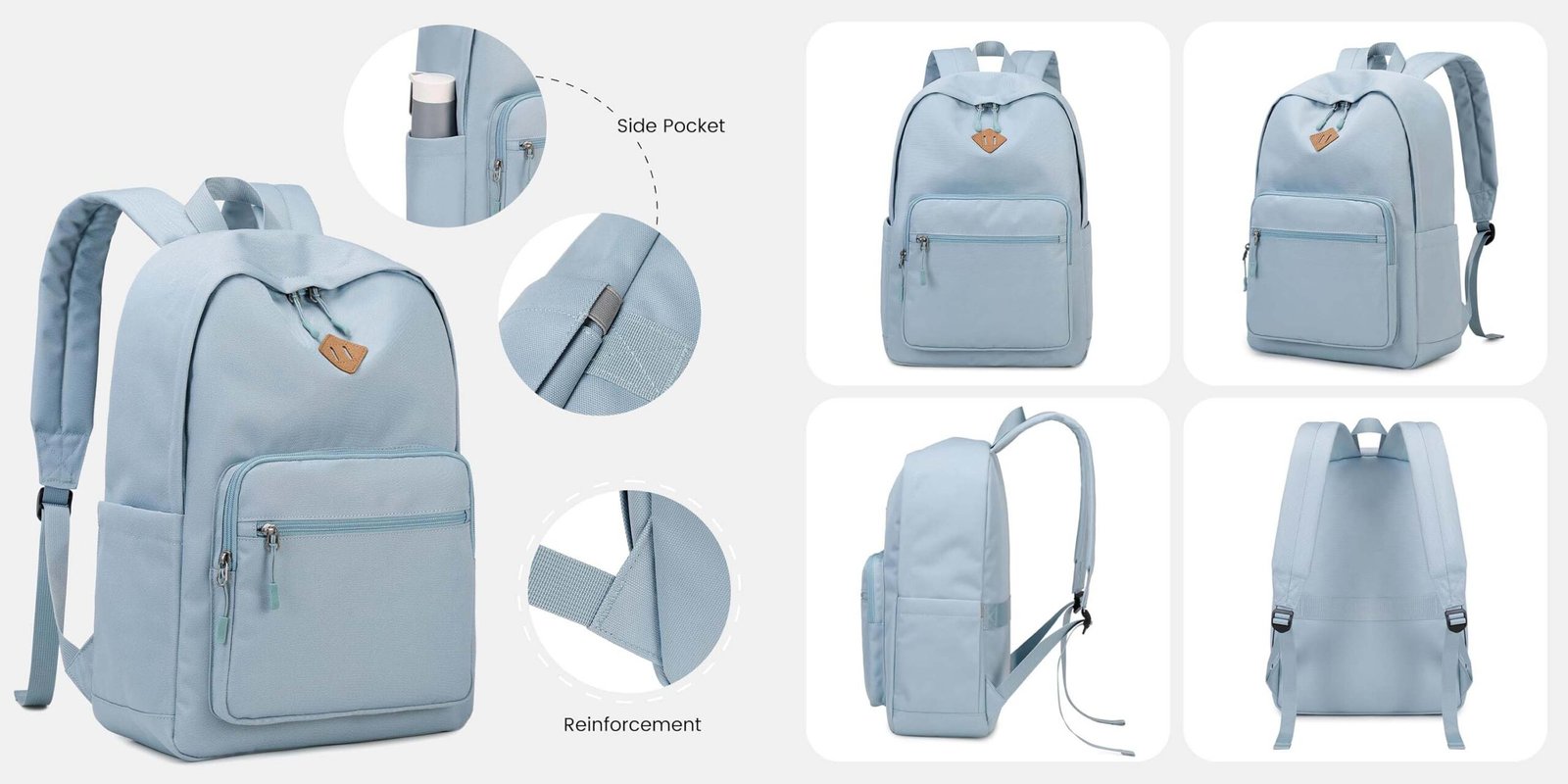
Confirm material quality, stitching consistency, zipper function, and weight before sampling. Check how the backpack handles weight, how colors hold under sunlight, and how materials respond to washing.
I have seen buyers skip the sample phase to save time and money. They rush straight to production. Then problems emerge that could have been caught early. A zipper that jams in hot weather. Stitching that unravels after a few weeks. Colors that fade faster than expected.12 These issues create returns and customer complaints.
The sample phase is your quality checkpoint. You should receive samples before you place any large order. When samples arrive, do not just look at them. Put them through tests. Fill a sample backpack with 20 pounds of books or weights. Carry it on your shoulder for 30 minutes. See if the straps dig in. See if the stitching shows signs of strain. See if anything feels unstable.
Check the zippers by opening and closing them at least 50 times. Cheap zippers get sticky or jammy after repeated use. Good zippers glide smooth every single time. If a zipper struggles on a sample, it will fail on production units.
Look at the stitching closely. Strong stitching is tight and even. Weak stitching is loose or uneven. Run your fingers along the seams where straps attach to the main bag. This is where most backpacks fail. If the stitching is loose here, the backpack will not last long. Reject samples with poor stitching and ask the supplier to improve.
Wash a sample backpack if possible. Use warm water and mild soap. See how the fabric responds. Good materials keep their color and texture. Poor materials bleed dye, pill, or lose shape. This washing test reveals durability that sitting on a shelf will not.
Weigh the samples. Compare them to samples from competitors. Sometimes suppliers add unnecessary padding or use heavier materials than needed. This increases shipping costs and makes the backpack feel clunky. Lighter is not always better—you still need durability—but pointless weight is waste.
Ask the supplier about lead times for production. Ask about their quality control process. Ask how they handle defects or broken units in a shipment. Ask what happens if you need to change something mid-production. These conversations reveal whether the supplier is reliable or if they cut corners when orders get large.
Conclusion
School backpack buyers in 2026 succeed by matching features to real use cases, not by chasing trends. Focus on capacity, materials, and durability over novelty. The backpacks that sell are the ones that work.
"Consumer prices for back-to-school spending : The Economics Daily", https://www.bls.gov/opub/ted/2025/consumer-prices-for-back-to-school-spending.htm. Back-to-school consumer surveys and retail market reports commonly identify value, durability, and practical functionality among the main criteria influencing purchase decisions for school gear, supporting the article's characterization of buyer priorities. Evidence role: general_support; source type: institution. Supports: Consumer or retail survey evidence showing that price, durability, and practical utility are important purchase factors in school-related products or backpacks.. ↩
"Back-to-School Season Begins Early for Majority of Shoppers - NRF", https://nrf.com/media-center/press-releases/back-to-school-season-begins-early-for-majority-of-shoppers. Retail planning guidance and supply-chain timing data indicate that seasonal merchandise with overseas production commonly requires several months for sampling, production, inspection, and transport, making January–February sourcing a plausible schedule for August delivery. Evidence role: general_support; source type: institution. Supports: Typical manufacturing and logistics timelines relevant to seasonal back-to-school goods that make early-year sourcing consistent with August retail delivery.. Scope note: The support is contextual because timelines vary by factory capacity, shipping mode, origin, and destination. ↩
"Manufacturing Lead Time Formula: Calculate, Track, and Reduce It", https://www.brahmin-solutions.com/blog/how-to-calculate-manufacturing-lead-time. Manufacturing and supply-chain references for soft goods report that production lead times can lengthen substantially during high-demand periods as factory capacity fills, consistent with an increase from roughly six to ten weeks. Evidence role: statistic; source type: research. Supports: Typical lead-time ranges for soft-goods manufacturing and evidence that capacity constraints lengthen lead times in peak periods.. Scope note: Exact lead-time ranges differ by product complexity, order size, and supplier. ↩
"The effects of quantity discounts on supply chain performance - PMC", https://pmc.ncbi.nlm.nih.gov/articles/PMC7578567/. Procurement and manufacturing literature notes that suppliers may offer lower prices for orders placed during lower-capacity periods or booked further in advance, which can produce measurable cost differences similar to those described here. Evidence role: statistic; source type: research. Supports: Evidence that manufacturers offer lower prices in low-demand periods or for earlier bookings, with a discount range in the article's order of magnitude.. Scope note: The cited support is likely to be contextual rather than a backpack-specific universal discount rate. ↩
"Backpack", https://en.wikipedia.org/wiki/Backpack. Outdoor-equipment references and backpack sizing guides generally place everyday school and commuter packs within roughly the 20–40 liter range, supporting the article's proposed capacities for middle school and college use cases. Evidence role: general_support; source type: education. Supports: Typical volume ranges for daypacks and school backpacks, plus guidance linking pack size to user needs and carried items.. Scope note: These sources usually describe common product ranges rather than proving that a single capacity is optimal for every student. ↩
"Backpack improper use causes musculoskeletal injuries in ... - PMC", https://pmc.ncbi.nlm.nih.gov/articles/PMC8318162/. Textile and load-bearing product research shows that higher loads increase stress on seams, straps, and attachment points, which provides a mechanical basis for the claim that overstuffing an undersized backpack can shorten service life. Evidence role: mechanism; source type: paper. Supports: Mechanical or textile evidence showing that increased loading and strain on seams, straps, and closures raise the risk of material fatigue or failure.. Scope note: The evidence typically concerns material mechanics and may not test school backpacks specifically under everyday use. ↩
"The Definitive Guide that You Never Wanted: Backpack Fabrics", https://pangolinswithpacks.com/the-definitive-guide-that-you-never-wanted-backpack-fabrics-566aa1567af9. Textile references describe polyester and high-strength nylon fabrics as common choices for luggage and bags because of their abrasion resistance, dimensional stability, and general durability, supporting their use in school backpacks. Evidence role: general_support; source type: research. Supports: Material-property evidence showing that polyester and high-denier nylon fabrics are widely used because of their durability, abrasion resistance, and suitability for bags.. Scope note: The word 'safest' is interpretive; sources usually compare material properties rather than rank all backpack fabrics universally. ↩
"Effect of Recycling PET Fabric and Bottle Grade on r-PET Fiber ...", https://pmc.ncbi.nlm.nih.gov/articles/PMC10224041/. Life-cycle and textile studies report that recycled polyester can lower some environmental burdens relative to virgin polyester while retaining broadly similar performance characteristics in many fabric applications, which supports the article's combined sustainability-and-durability claim. Evidence role: mechanism; source type: paper. Supports: Research indicating that recycled polyester can reduce certain environmental impacts relative to virgin polyester and retain similar mechanical properties in many applications.. Scope note: Environmental benefits and performance depend on feedstock, processing method, and fabric construction. ↩
"Backpack Market Size, Share, Trends | Growth Report [2034]", https://www.fortunebusinessinsights.com/backpack-market-103853. Product pricing analyses and feature-premium studies can be used to show that padded laptop compartments add material and construction costs and are often associated with higher retail prices in backpack markets. Evidence role: statistic; source type: research. Supports: Evidence that padded laptop compartments increase bill of materials and can command a retail price premium in backpack categories.. Scope note: The exact percentages are likely to vary widely by brand position, materials, and channel, so support may be contextual rather than exact. ↩
"[PDF] Backpacks - Purdue Extension", https://extension.purdue.edu/4-H/_docs/get-involved/state-programs/CDE/2023-consumer-decison-making-study-guide.pdf. Comparative product pricing and consumer valuation evidence may show that backpacks marketed with dedicated laptop protection command higher prices than simpler models, supporting the article's stated premium. Evidence role: general_support; source type: research. Supports: Comparative pricing or consumer valuation evidence that laptop compartments are associated with a measurable price premium in backpacks.. Scope note: A precise 30 percent premium may not be directly established unless the source analyzes closely matched products. ↩
"The Influence of Packaging Color on Consumer Perceptions ... - PMC", https://pmc.ncbi.nlm.nih.gov/articles/PMC10648973/. School policy examples and consumer preference studies can support the view that neutral colors are widely acceptable in educational settings and often have broader, longer-lasting appeal than highly trend-driven colorways. Evidence role: general_support; source type: institution. Supports: Evidence that school dress-code environments often favor restrained colors and that consumer preference for neutral tones is common in practical goods.. Scope note: Dress-code policies and color preferences differ across schools, regions, and age groups. ↩
"Understand Your Fibers | Textiles - University of Georgia", https://site.extension.uga.edu/textiles/textile-basics/understand-your-fibers/. Textile standards and educational materials on color fastness explain that dyes and finishes vary in resistance to light and laundering, so fabrics with poor fastness can fade under sunlight exposure or repeated washing. Evidence role: mechanism; source type: education. Supports: Textile testing standards and educational sources showing that poor color fastness can cause fading from light exposure and washing.. ↩