You struggle to find bag designs that sell season after season without going out of style. Trends fade fast, often leaving you with dead stock that destroys your profit margins1.
Celine’s minimalist tote bags dominate because they master "Quiet Luxury." By prioritizing clean lines and superior materials over loud logos, they offer timeless versatility2. For buyers, this means a product with a longer sales cycle3, reduced inventory risk, and higher profit margins in the global market.
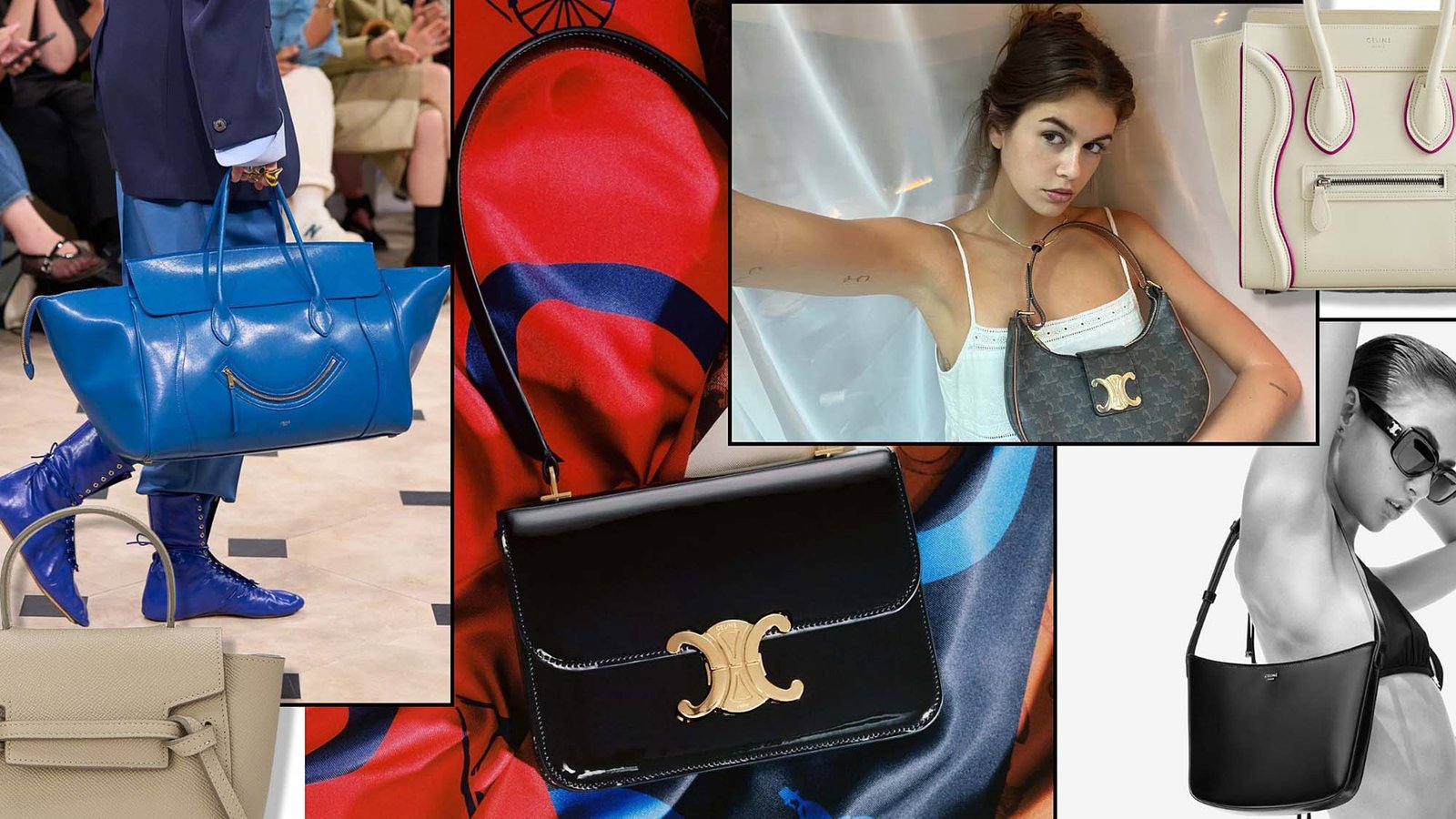
Many buyers think minimalist bags are too simple to justify high prices. However, the market data tells a different story about customer preference. Let me explain why this style is your safest investment.
How does Celine’s minimalist DNA create high resale value for Tote Bags?
Worried about discounting products just to clear inventory? High-fashion items often lose value quickly once the trend passes, hurting your bottom line.
Minimalist DNA ensures high resale value4 by avoiding specific trend markers. A clean design remains relevant for years, creating a "classic" status. This stability allows retailers to maintain price integrity and assures customers that their purchase is a long-term investment.
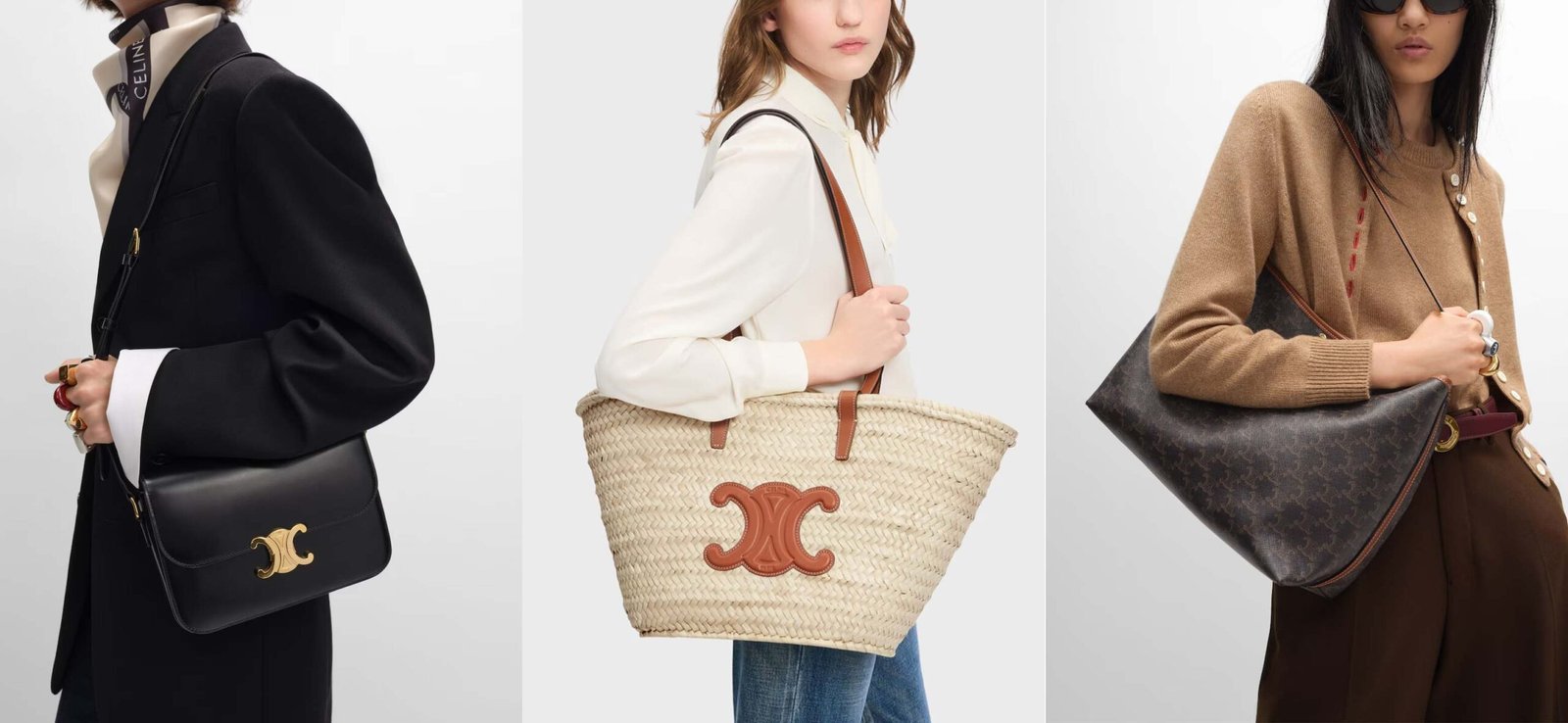
When I talk to buyers like you, I often hear concerns about the lifespan of a product. You want to know if the bag you buy today will still be desirable next year. The "Celine style" minimalism answers this perfectly. It is not about a lack of design. It is about removing the noise. When a bag does not have a giant logo or a crazy pattern, it does not age.
In my 15 years of manufacturing at Coraggio, I have seen flashy bags come and go. But the simple, structured totes are the "evergreen" products. They are the backbone of a profitable inventory5. For a buyer, this means safety. You can order a large quantity without fear. If you do not sell them all in Q1, they are still stylish in Q4.
Also, this design builds trust. When you sell a bag that looks good for five years, your customer trusts your brand. They come back. This is how you build a long-term business. We see this with our clients in Europe and North America. They move away from fast fashion and move toward these classic styles.
Here is a breakdown of why this style protects your profit:
| Feature | Trendy Bag | Minimalist (Celine Style) Bag |
|---|---|---|
| Visual Focus | Logos, Bright Colors | Shape, Material, Line |
| Sales Cycle | 3-6 Months | 3-5 Years |
| Inventory Risk | High (Must clear fast) | Low (Can sell anytime) |
| Customer Perception | "Fun for now" | "Investment Piece" |
Why do global buyers prefer "Quiet Luxury" in bulk Tote Bag procurement?
Are your customers tired of flashy branding? They want quality, but they don't want to be walking billboards for a brand they don't own.
Global buyers prefer "Quiet Luxury" because it targets sophisticated consumers who value intrinsic quality. In bulk procurement, this style reduces the risk of polarizing designs. It appeals to a wider demographic, from office workers to travelers, ensuring faster sell-through rates6 for large orders.
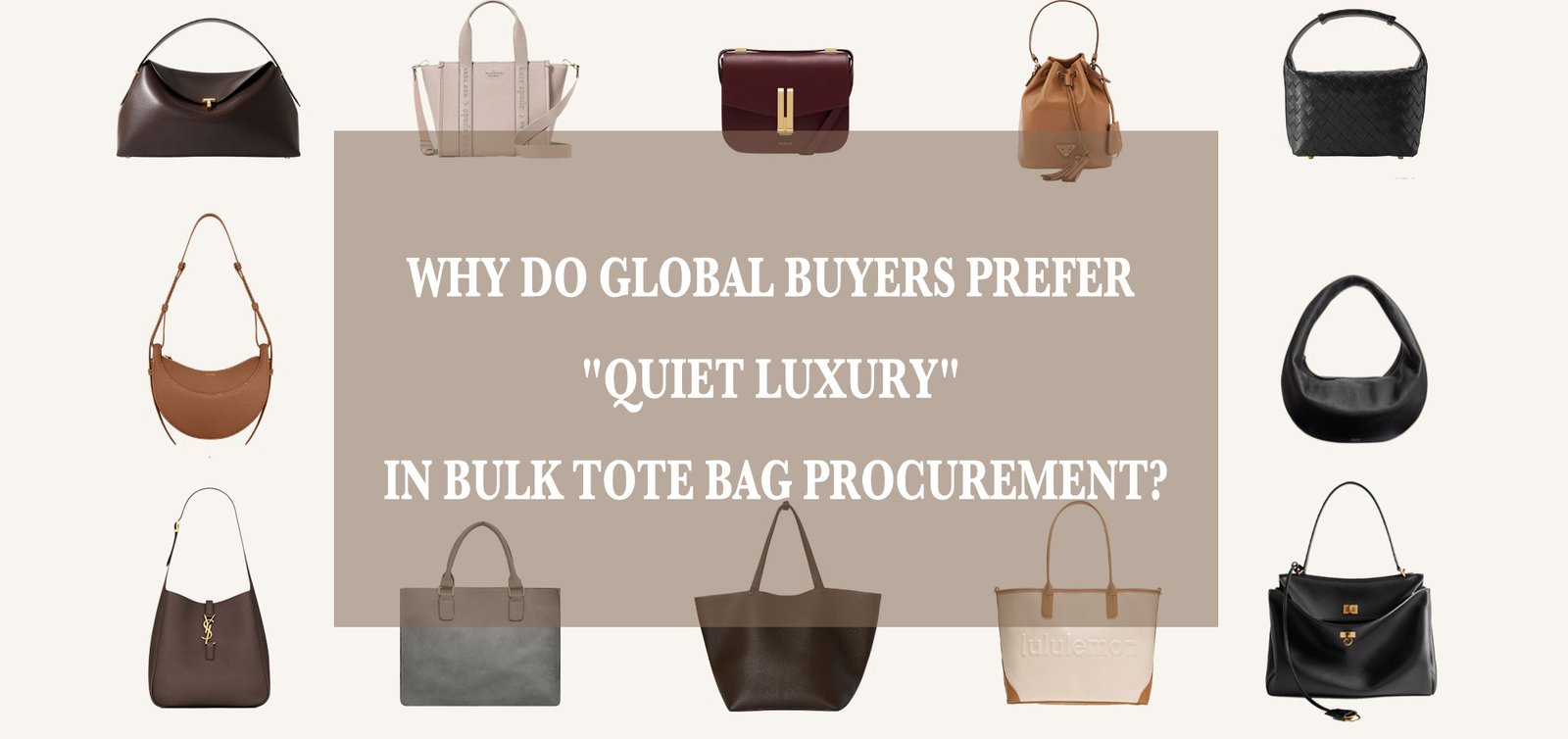
"Quiet Luxury" is a popular term now, but in the factory, we just call it "quality first7." This trend is huge for my clients in Canada and the US. Your customers are smart. They know that a big logo often hides cheap material. When you remove the logo, the bag has nothing to hide behind. It must be good.
For a procurement manager, this style is a powerful tool. It fits many scenarios. A minimalist tote works for a lawyer in a meeting. It works for a mother on a weekend trip. It works for a student. This versatility means your target audience is massive. You are not limiting yourself to just one type of customer.
I have a client who used to buy very complex bags with many pockets and zippers. He faced many quality issues and returns. He switched to a clean, minimalist tote design with us. His returns dropped, and his sales volume went up. Why? Because the bag fit into more people's lives.
When you buy in bulk from China8, you need to minimize risk. Complex designs have more points of failure. Simple designs rely on good proportions. At Coraggio, we help you nail these proportions. We make sure the handle drop is perfect for a winter coat. We ensure the base is wide enough for a laptop. These small details make the "Quiet Luxury" work.
Nothing destroys your reputation faster than a bag that falls apart. Poor materials lead to returns and angry emails, which cost you time and money.
Durability in minimalist totes is defined by full-grain leather9s and high-grade canvas that age well. Without distraction from logos, the material becomes the hero. Buyers must look for vegetable-tanned hides and reinforced stitching, as these elements prove the product’s worth to the end consumer.
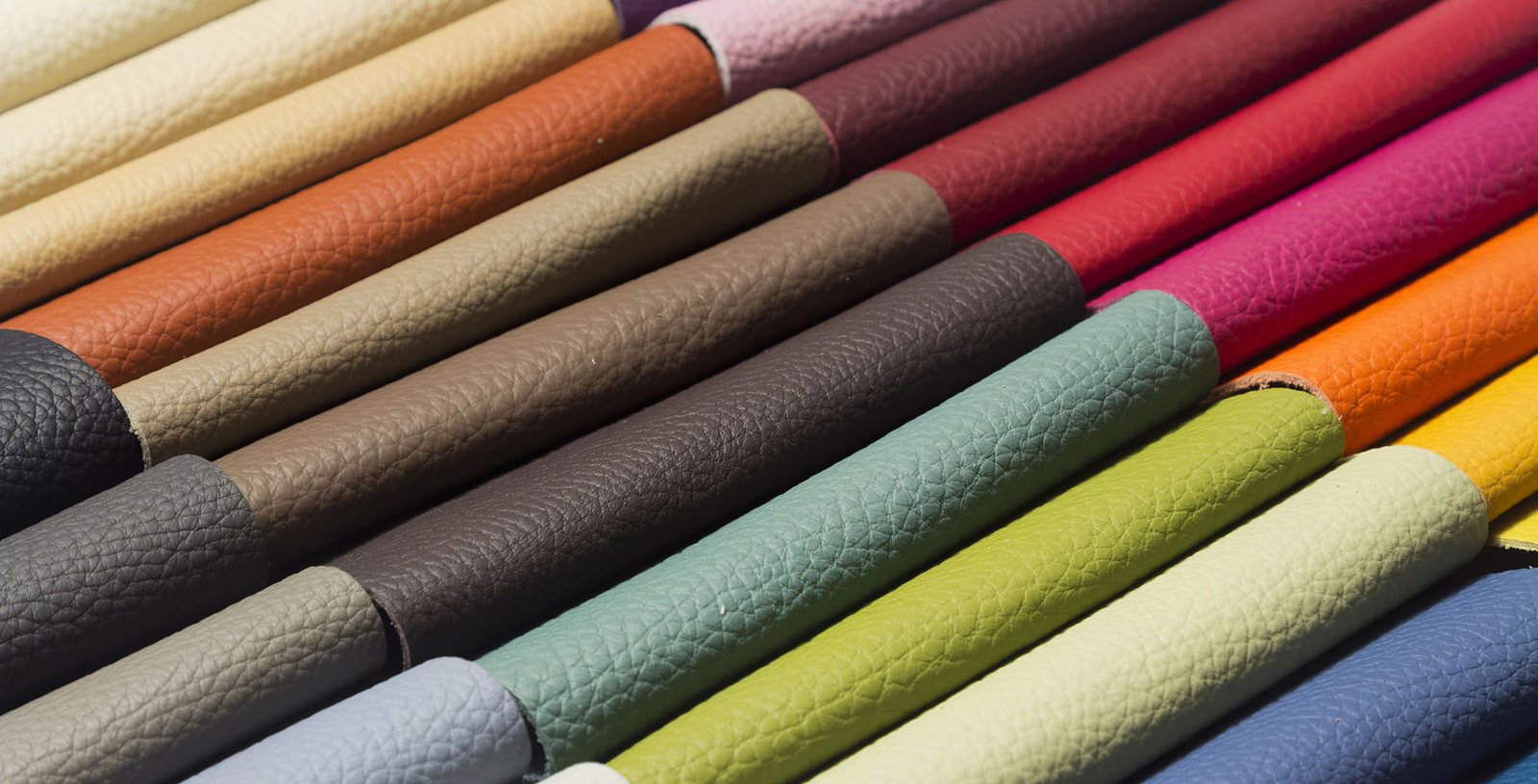
This is where the "hard power" of manufacturing comes in. In a minimalist bag, you cannot hide bad stitching. You cannot hide cheap leather with a print. The material is the design. This is why Celine's bags are so successful. They force the buyer to look at the grain of the leather.
At Coraggio, we spend a lot of time sourcing the right materials for our OEM clients. If you want that luxury feel, we look for full-grain leather9. It is strong. It develops a patina over time. It gets better with age. For lower price points, we use high-quality vegan leather10 or heavy-weight cotton canvas.
But material is only half the story. The construction is the other half. We use specific techniques to ensure durability:
- Reinforced Handles11: We put extra stitching where the handle meets the bag. This is the stress point.
- Edge Painting: On a simple bag, the edges are visible. We apply edge paint by hand12, multiple times, to make it smooth and sealed.
- Hardware: We use zinc alloy or brass that does not rust. Even if the hardware is small, it must feel heavy and solid.
When you inspect a sample from us, I want you to touch the material. Squeeze it. Smell it. That is what your customer will do. If the material feels cheap, the "Quiet Luxury" effect fails. We help you choose materials that look expensive but fit your target price.
Can minimalist paper bag packaging elevate the unboxing experience of a Tote Bag?
Does your product look cheap when it arrives? First impressions matter, and bad packaging kills the luxury feel immediately, making it hard to justify your price.
Minimalist packaging significantly elevates the unboxing experience by signaling sophistication and eco-consciousness. A structured, clean paper bag with subtle branding mirrors the tote’s design philosophy. It tells the customer that every detail matters, increasing perceived value and justifying a higher retail price.
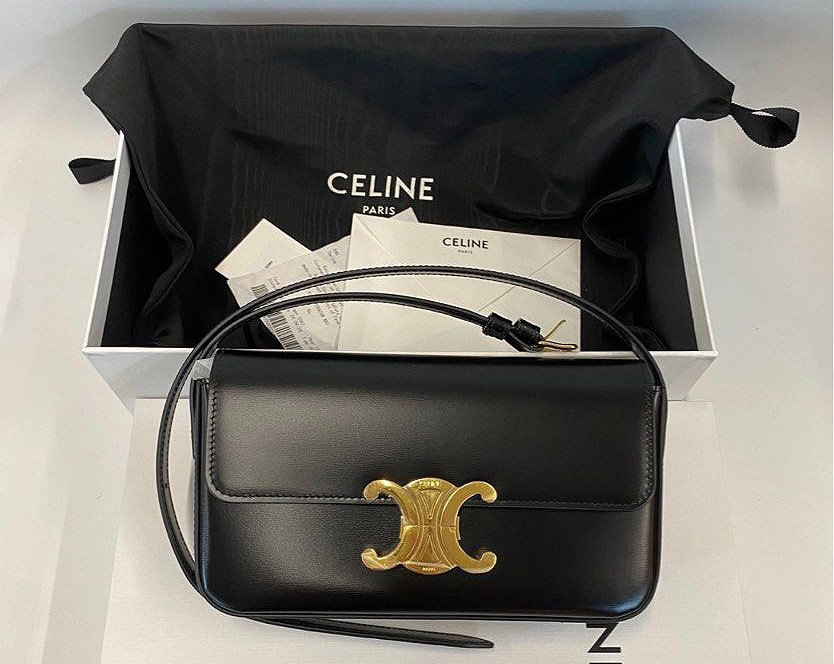
You might think packaging is just trash. But for the modern consumer, the packaging is part of the product. Think about when you buy a new phone. The box feels nice, right? You need that same feeling for your bags.
Minimalist packaging does not mean "plain." It means intentional. At Coraggio, we design packaging that matches the bag. If the tote is simple and elegant, the box or paper bag should be too. We use thick, textured paper. We use embossed logos instead of bright ink. This looks premium.
There is also a big shift toward eco-friendly packaging13. My clients in Europe demand this. They do not want plastic bags. They want recycled paper and organic cotton dust bags. This aligns with the "Quiet Luxury" value system. It shows you care about the planet.
We can customize this for you. Even if you are a smaller brand, we can create a "private label" unboxing experience.
- The Dust Bag: A simple cotton bag protects the tote and adds value.
- The Hang Tag: A thick card with simple text about the material.
- The Outer Box: Sturdy, so the bag does not get crushed during shipping.
When your customer opens the package, they should feel like they bought a gift for themselves. This feeling allows you to charge a higher margin. It turns a commodity into a luxury experience.
How will minimalist Tote Bag designs evolve for the 2026 luxury market?
Are you afraid your current inventory will look outdated in two years? You need to predict the future to stay profitable and keep your customers excited.
By 2026, minimalist tote designs will evolve to focus heavily on sustainability and tech integration. We will see bio-based leathers14 and modular compartments for devices. The aesthetic will remain clean, but the functionality will adapt to the modern nomad15, combining eco-ethics with practical luxury.
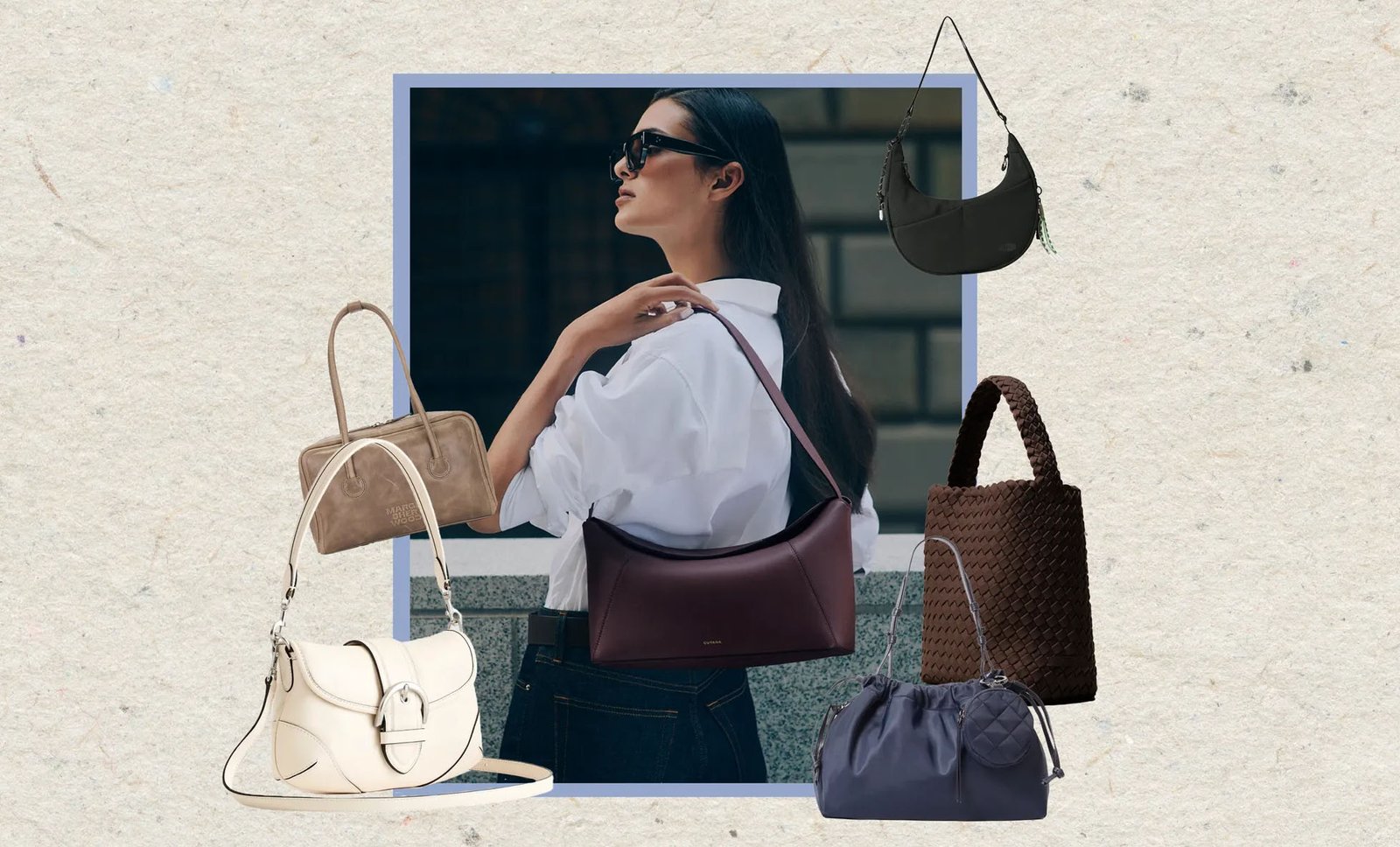
The look of the bag will stay simple, but the inside will change. The "Celine style" is here to stay, but it must adapt. We are already researching 2026 trends at our factory. The biggest change is materials.
We are seeing a huge demand for "bio-materials." This includes leather made from mushrooms, cactus, or pineapple leaves. These materials look like leather but are 100% sustainable. In 2026, a minimalist bag will be judged by its carbon footprint, not just its look.
The second change is functionality. People carry more tech now. A simple tote needs to be smart inside.
- Modular Pockets: Spaces for chargers, tablets, and water bottles that don't ruin the bag's shape.
- Security: Hidden pockets for travel documents.
- Lightweight: New materials that are strong but weigh less.
For you as a buyer, this is an opportunity. You can start introducing these features now. You can ask us to add a laptop sleeve to a classic tote design. You can ask for recycled lining fabrics.
We are ready to help you innovate. We have a design team of 10 people. We watch the market closely. We can help you take the classic minimalist look and upgrade it for the future customer. This keeps your brand fresh without losing that timeless appeal.
Conclusion
Celine’s minimalism is a proven business strategy that offers longevity, focuses on quality, and secures higher profits. At Coraggio, we have the experience and production lines to help you master this style for your brand.
Learn strategies to reduce unsold inventory so more of your capital turns into profit instead of sitting in your warehouse. ↩
Understand how to design and source bags that stay relevant for years, so your collection keeps selling without constant redesigns. ↩
See how extending a product’s sales window can stabilize cash flow and reduce pressure to discount or liquidate stock. ↩
Discover which design and material choices make your bags hold value, boosting brand prestige and customer confidence. ↩
Explore frameworks for structuring your assortment so consistent sellers support experimentation with trends. ↩
Learn methods to move inventory quickly, freeing up cash and reducing reliance on end-of-season discounts. ↩
Discover how prioritizing construction and materials over branding can lower returns and increase repeat purchase. ↩
Get guidance on minimizing quality and compliance risks when sourcing large orders from Chinese factories. ↩
See how this premium leather type ages, performs, and supports higher price points compared to lower grades. ↩
Evaluate sustainable, animal-free alternatives so you can offer ethical options without sacrificing longevity. ↩
Learn specific construction techniques that prevent handle failure, one of the most common causes of returns. ↩
Understand how meticulous edge finishing enhances both durability and perceived craftsmanship of your bags. ↩
See how sustainable packaging choices influence customer perception and align with modern luxury values. ↩
Explore next-generation sustainable materials that can future-proof your bag line for upcoming regulations and tastes. ↩
Understand the lifestyle and needs of mobile, tech-heavy consumers so your designs stay functional and desirable. ↩