Choosing a custom bag logo method from artwork alone can send a bulk order in the wrong direction. I often need more information before I can give a useful recommendation. Without the fabric, logo dimensions, and placement, an attractive proposal can become an unsuitable production choice. I start by confirming those details.
I choose a custom bag logo method by matching the artwork to the selected fabric, application size, placement, and order requirements. Printing, embroidery, embossing, debossing, and applied badges each need a material-specific review. I treat an early suggestion as preliminary until production staff assess feasibility and sampling confirms the proposed appearance.

In an order I handled at CoraggioBag, the initially considered logo method changed after the customer’s bag fabric was confirmed. That experience shapes the questions I ask today. I explain those questions below so buyers can prepare a more useful inquiry before committing to a direction.
Which Artwork, Fabric and Quantity Details Guide the Logo Choice?
I understand why buyers often begin by sending a logo and asking for a price. The artwork feels like the main decision. However, a missing fabric specification or unclear application size can change both the proposed process and the quotation assumptions.
I ask for artwork, fabric details or a reference sample, logo dimensions, placement, order quantity, and the required delivery date. These details let me discuss a preliminary custom bag logo method with production staff. I then separate what we can reasonably suggest from what still requires material review and sampling.
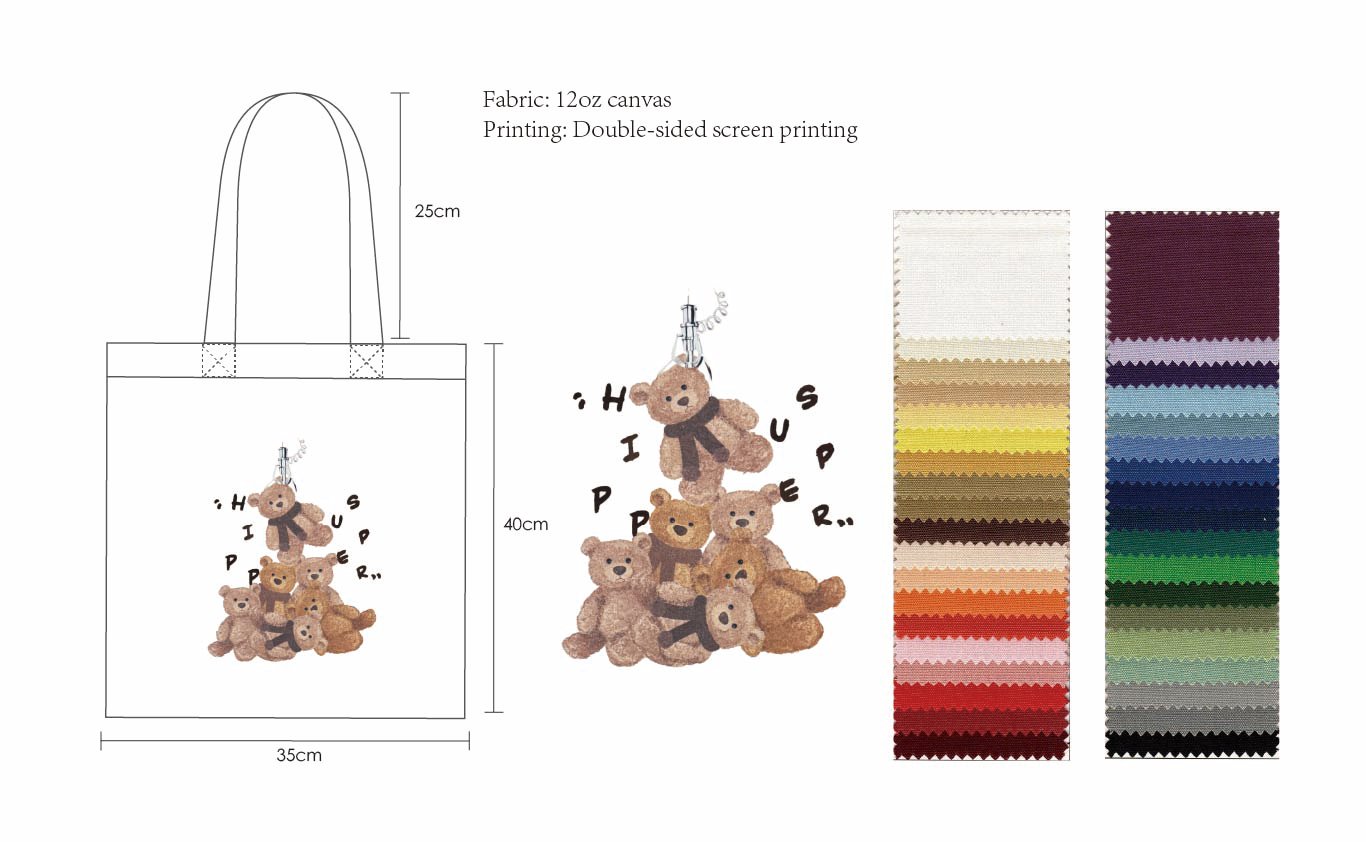
I start with the bag specification
A logo file tells me what the brand wants to communicate. It does not tell me how the bag surface behaves or whether the application area is accessible during assembly.
In the order I mentioned earlier, confirming the fabric led us to revise the initially considered method. I do not draw a universal technical rule from that experience. My practical lesson is simpler: I should not treat an unconfirmed material as a minor quotation detail.
I use the following checklist to make the inquiry more complete:
| Information I request | What I need to clarify |
|---|---|
| Artwork file | The shapes, colors, fine lines, and small lettering |
| Fabric specification or sample | The actual surface, coating, texture, and construction |
| Logo dimensions | The intended width and height in millimeters |
| Placement drawing | The distance from seams, pockets, edges, or other features |
| Order quantity | The total units and breakdown by design or color |
| Delivery requirement | Whether the date means factory completion, dispatch, or arrival |
I distinguish total quantity from application quantity
An inquiry for 2,000 bags does not necessarily mean one logo setup across all 2,000 pieces. The buyer may need four artwork versions or different placements on several bag styles.
I therefore ask buyers to break quantities down by bag style, artwork version, logo color, and application location. That breakdown helps me request a meaningful quotation rather than a price based on assumptions.
I also ask whether the fabric is fixed or still open for development. If the buyer can consider alternative materials, I can coordinate a broader feasibility discussion. If the material is already approved, I keep the custom bag logo method assessment within that constraint.
How Do Printing, Embroidery, Embossing and Debossing Compare?
I find method comparisons useful only when they explain trade-offs for a particular bag. A technique that looks appropriate on one sample may not suit another material, logo size, or placement. I avoid describing any process as automatically more professional or more durable.
I compare printing, embroidery, embossing, debossing, and applied badges against the intended appearance and actual bag construction. I consider detail, texture, placement, reverse-side effects, and setup requirements. I ask production staff to confirm technical suitability before presenting a custom bag logo method as a recommendation rather than an option.

I compare the visual goal before discussing preferences
When a buyer asks which process is “best,” I ask what the finished logo should look and feel like. The answer may involve a flat colored graphic, a stitched texture, a raised impression, a recessed mark, or a separate branded component.
I use this table to guide the discussion, not to guarantee compatibility:
| Method | Appearance I discuss | Questions I send for production review |
|---|---|---|
| Printing | A surface graphic with the proposed colors and finish | Which printing process suits this surface, artwork, and placement? |
| Embroidery | A stitched logo with visible thread texture | Can the fabric, backing, and artwork support the intended result? |
| Embossing | A raised impression where the selected construction permits it | Can this material and construction produce an acceptable raised effect? |
| Debossing | A recessed impression1 | How clearly can the selected surface hold the proposed detail? |
| Applied badge or patch | A separate branded element attached to the bag | Which badge material and attachment method suit the bag? |
I treat process names as the beginning of the specification
“Printing” is not a complete production instruction.2 I still need the supplier to identify the proposed printing process, color reference, application dimensions, and relevant finish.
Likewise, an embroidery proposal needs more than a logo image. I ask how small lettering will be interpreted, whether the reverse side needs covering3, and whether the application affects the lining or nearby pocket construction.
For embossing and debossing, I ask production staff to explain what the proposed material can realistically show. I do not promise a particular depth or sharpness from a digital mockup.
Applied badges deserve the same scrutiny. I assess the badge together with its attachment, edge treatment, placement, and effect on the bag. A separate component does not remove the need for sampling.
My goal is to turn a method name into an inspectable specification, so the buyer knows what they are approving.
How Do Bag Materials and PU Finishes Affect Logo Results?
I pay particular attention when a buyer describes the material only as “canvas,” “polyester,” or “PU.” Those labels help start the conversation, but they leave important differences unresolved. A recommendation based on a broad material name can hide uncertainty until sampling.
I assess a custom bag logo method against the selected fabric, including its surface texture, coating, backing, thickness, and finish where relevant. For PU materials, I request the actual specification or a representative sample. I ask production staff to verify compatibility instead of assuming all materials with the same label behave alike.

I ask what the material name leaves unanswered
Two materials described with the same broad name can look and feel different.4 I therefore ask for the supplier’s material reference and any available construction details.
For a PU material, my questions may include:
- What is the material code and supplier reference?
- What backing and overall thickness are specified?
- Is the surface smooth, textured, glossy, or matte?
- Will the sample and bulk order use the same approved material specification?
- Does the proposed logo placement cross a seam, fold, or reinforced area?
I do not use those answers to make unsupported technical claims. I use them to give production staff a clearer basis for assessment.
I separate a flat material trial from a finished-bag sample
A logo trial on a material swatch can answer useful appearance questions. However, it does not automatically resolve placement or assembly questions on the finished bag.5
For example, I may still need to check whether the approved logo fits between a pocket edge and a seam. I may also need to confirm whether the intended application sequence is practical before or after a particular assembly step.
I therefore ask which questions each sample is supposed to answer:
- A material reference identifies the proposed substrate.
- A logo trial helps evaluate the application on that substrate.
- A finished-bag sample helps evaluate size, placement, and the overall result.
I also keep material documentation separate from logo approval. If a buyer requests OEKO-TEX or GRS material documentation, I ask them to verify its scope and applicability to the selected material. I do not treat a certificate as proof that a particular custom bag logo method is compatible.6
For market-specific compliance decisions, I recommend review by a qualified testing provider or compliance professional.
Which Tooling, Setup and Production Costs Should Buyers Compare?
I see price confusion when buyers compare two “logo costs” that cover different work. One supplier may include setup, while another lists it separately. A low unit price can also exclude sampling or additional application locations, making the comparison less useful than it appears.
I compare one-time tooling and setup charges separately from recurring application costs.7 I also check sampling, artwork preparation, color or design changes, placement count, packaging, and quotation assumptions. A useful custom bag logo method quotation explains what the price covers and what changes could require a revised price.

I put competing quotations on the same basis
I do not rank quotations by the lowest logo application line alone. I first check whether each supplier has priced the same material, artwork dimensions, placement, quantity breakdown, and approval requirements.
My comparison sheet usually separates these categories:
| Cost category | What I ask the supplier to state |
|---|---|
| Artwork preparation | Whether file adjustment or embroidery digitizing is included |
| Tooling and setup | Whether screens, dies, molds, or other setup items are required |
| Sampling | What the sample charge includes and whether revisions cost extra |
| Unit application | The price for the specified logo on each bag |
| Additional versions | Charges for extra artwork, colors, sizes, or placements |
| Repeat orders | Conditions for reusing approved tooling or setup files |
| Delivery-related costs | Any separately quoted expedited work, freight, or handling |
I ask how order changes affect the price
I use a simple comparison framework:
Total logo application cost = preparation + tooling/setup + sampling + quantity-based application charges + agreed extras.
This is a budgeting framework, not a universal factory pricing formula. I ask the supplier to explain its actual quotation structure.
For example, I would not assume that a second logo position costs the same as the first. It may involve different access, handling, or setup. I also would not assume that a small artwork change can use the existing tooling.
I ask who owns any paid tooling, how long the supplier retains it, and whether reuse depends on its condition. Those questions help buyers understand repeat-order costs without assuming that every future order will be identical.
At CoraggioBag, our business information states that some products can start at 100 pieces, depending on materials, construction, and customization. I treat that as a starting point for inquiry, not a universal MOQ for every custom bag logo method.
What Reference Samples and Defects Should Control Approval?
I do not consider “the logo looks good” a complete approval instruction. Buyers and factories can interpret that phrase differently. Without an agreed reference and inspection criteria, a team may disagree later about acceptable placement, color, detail, or visible application defects.
I recommend approving a clearly identified reference sample alongside written logo specifications and agreed defect criteria. I record artwork version, dimensions, placement, material, and appearance references. I also ask buyers to define inspection methods and acceptance requirements before bulk production, rather than relying on photographs or general expectations alone.
I make the reference traceable
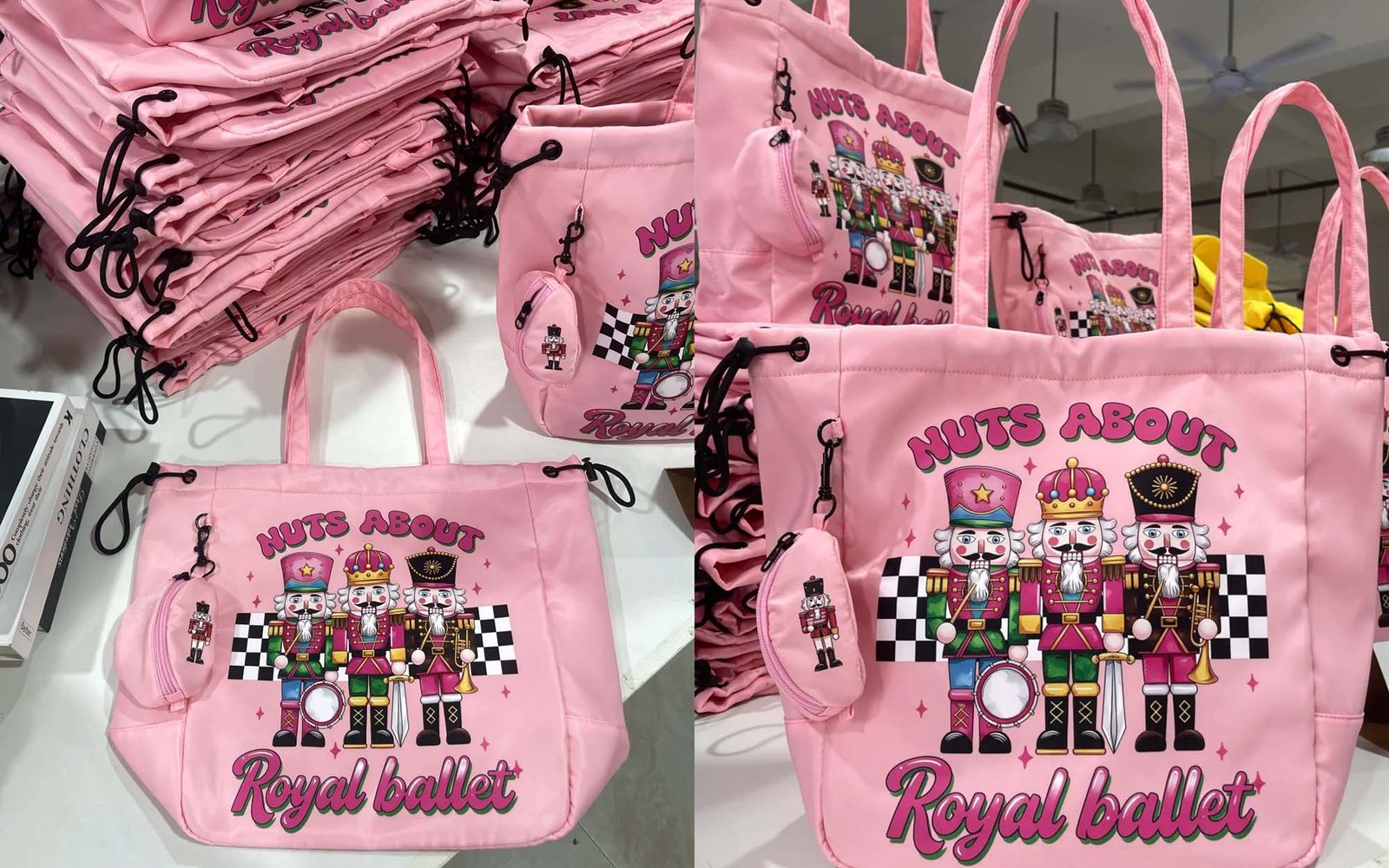
A useful approval record identifies exactly what the buyer accepted. I prefer a dated sample reference linked to the artwork version, material code, bag specification, and any written exceptions.
If approval happens through photographs, I explain the limitations. Lighting, camera settings, screen display, and viewing angle can affect how the logo appears.8 I do not treat a photograph as a reliable substitute for every physical color or texture decision.
I ask buyers to record:
- The approved artwork version and application method.
- The logo width and height.
- The position measured from agreed reference points.
- The selected fabric and finish.
- The approved color or physical appearance reference.
- Any deviations accepted for the sample but not for bulk production.
I agree on defects before inspection
I use method-specific examples to begin the quality discussion. I do not assume every example applies to every order.
| Application | Examples I ask the team to assess |
|---|---|
| Printing | Missing areas, smearing, unintended marks, or unacceptable registration |
| Embroidery | Missing stitches, loose threads, puckering, or unclear lettering9 |
| Embossing or debossing | Uneven appearance, unclear detail, or unintended surface damage |
| Applied badges | Incorrect orientation, uneven attachment, or visible edge defects |
| All methods | Wrong artwork, incorrect dimensions, or misplaced logos |
I ask the buyer and production team to agree on measurement methods and tolerances rather than applying an invented universal allowance.
Where performance matters, I recommend that qualified production or testing personnel propose suitable evaluations for the intended use. Buyers may need to consider rubbing, cleaning, flexing, or attachment security, but I do not claim that every logo needs the same test.10
Finally, I link the approved custom bag logo method to bulk inspection records. An approved sample gives the team a reference; it does not by itself guarantee every production unit will conform.11
Frequently Asked Questions
Can I get a final logo quotation from an image alone?
I can use an image to begin the discussion, but I do not treat it as enough for a reliable final quotation. I also need material details, logo dimensions, placement, quantity, and timing. Any early price should state its assumptions and identify what still needs confirmation.
Is embroidery always better than printing for custom bags?
I do not rank embroidery above printing as a general rule. I compare them against the selected fabric, desired appearance, artwork detail, application size, and construction. I ask production staff to assess suitability, then use sampling to help the buyer judge the proposed result.
Can the same logo method work on every bag in my collection?
I would not assume so. Different bags may use different surfaces, linings, pocket layouts, and application areas. I review each material and construction combination. I also ask whether the buyer needs one common visual standard or can accept an agreed variation across the collection.
What should I send when the bag material is not yet confirmed?
I suggest sending the intended bag style, reference images or samples, artwork, approximate logo dimensions, quantity, and delivery requirement. I can then coordinate preliminary options. I keep the recommendation conditional until the material is selected and the relevant application questions have been checked.
Should I approve a digital mockup before ordering samples?
I use a digital mockup to discuss layout, scale, and placement. I do not treat it as proof of actual color, texture, application depth, or material compatibility.12 I recommend confirming those points through appropriate physical references and sampling before authorizing bulk production.
Conclusion
I choose a custom bag logo method by starting with the bag, not a technique ranking. The artwork matters, but so do the fabric, logo dimensions, placement, quantity, and delivery requirements. I then compare feasible options, clarify quotation assumptions, and document sample approval. If you are preparing a B2B bulk order, send CoraggioBag your artwork, material details or reference sample, logo size and position, quantity breakdown, and required delivery date. I can use that brief to coordinate a more useful recommendation and quotation.
"Paper embossing", https://en.wikipedia.org/wiki/Paper_embossing. Terminological descriptions distinguish debossing, which creates a recessed design, from embossing, which creates a raised design. Evidence role: definition; source type: encyclopedia. Supports: Debossing is distinguished from embossing by producing a depressed rather than raised design.. ↩
"Screen Printing Conductive Inks on Textiles: Impact of Plasma ...", https://pmc.ncbi.nlm.nih.gov/articles/PMC12252473/. Technical descriptions of textile printing distinguish processes by their color application and fixation requirements, supporting the need to specify more than the general term “printing”; suitability for a particular bag still requires material-specific assessment. Evidence role: general_support; source type: education. Supports: Textile printing encompasses distinct processes with different substrate and production requirements.. Scope note: General process descriptions do not establish compatibility with the particular bag material or construction. ↩
"Ultimate Stabilizer Guide for Machine Embroidery",
. Machine-embroidery guidance describes the use of stabilizers and the presence of reverse-side stitching, explaining why the interior finish merits review; covering that surface is a construction-dependent choice rather than a universal requirement. Evidence role: mechanism; source type: education. Supports: Machine embroidery involves reverse-side threads and may use stabilizing material that affects the finished reverse surface.. Scope note: The presence of backing or reverse-side stitching does not establish that an interior covering is necessary. ↩"Fabric Coated with Shape Memory Polyurethane and Its ...", https://pmc.ncbi.nlm.nih.gov/articles/PMC6404130/. Research on polyurethane-coated textiles relates surface and mechanical properties to coating formulation, substrate, and processing, providing a technical basis for distinguishing materials that share a broad commercial label. Evidence role: mechanism; source type: paper. Supports: Coated-textile properties depend on coating formulation, substrate construction, and surface treatment rather than the polymer label alone.. Scope note: Variation within coated textiles does not by itself predict the outcome of a particular logo application. ↩
"5.3 Product Verification", https://www.nasa.gov/reference/5-3-product-verification/. Engineering verification frameworks distinguish component testing from evaluation of an integrated product, supporting the distinction between substrate trials and finished-bag checks; this is a general validation principle rather than direct evidence about bag-logo production. Evidence role: general_support; source type: government. Supports: Component-level evaluation and integrated-product evaluation address different verification questions.. Scope note: Engineering verification guidance provides contextual support, not a bag-specific sampling protocol. ↩
"Oeko-Tex", https://en.wikipedia.org/wiki/Oeko-Tex. OEKO-TEX STANDARD 100 concerns testing for harmful substances, while the Global Recycled Standard addresses recycled content, chain of custody, and specified processing requirements; neither scope alone establishes compatibility with a proposed logo application. Evidence role: definition; source type: institution. Supports: The named schemes address specified chemical, recycled-content, traceability, or processing requirements rather than universal logo-process compatibility.. Scope note: The applicability of any certificate depends on the scheme, certified article, scope, and validity. ↩
"Manufacturing", https://www.nist.gov/manufacturing. Manufacturing cost models commonly separate setup and tooling expenditure from recurring production costs, supporting their separate treatment when comparing quotations; actual charging and reuse arrangements remain supplier-specific. Evidence role: general_support; source type: education. Supports: Manufacturing cost models distinguish setup or tooling expenditure from costs that recur with production volume.. Scope note: A general costing model does not establish which charges a particular supplier includes or whether setup is reusable. ↩
"Color Error in the Digital Camera Image Capture Process", https://www.nist.gov/publications/color-error-digital-camera-image-capture-process. Color-science guidance identifies illumination, capture and display characteristics, and viewing conditions as influences on reproduced appearance, explaining why a photograph cannot be assumed to preserve every aspect of a physical sample. Evidence role: mechanism; source type: institution. Supports: Illumination, image capture, display characteristics, and viewing geometry influence reproduced or perceived appearance.. Scope note: Controlled photography and color management can reduce discrepancies; their presence does not make all photographic approval unsuitable. ↩
"assessment of seam puckering on different types of fabric", https://www.academia.edu/30987622/ASSESSMENT_OF_SEAM_PUCKERING_ON_DIFFERENT_TYPES_OF_FABRIC. Embroidery-quality research examines stitch formation, fabric puckering, and design reproduction as aspects of finished appearance, supporting their inclusion in inspection discussions without establishing universal rejection thresholds. Evidence role: general_support; source type: paper. Supports: Embroidery quality can be affected by stitch formation, fabric distortion, and the reproduction of fine design details.. Scope note: Acceptable severity and inspection criteria must be specified for the particular product. ↩
"ISO 105-X12:2016 - Textiles — Tests for colour fastness", https://www.iso.org/standard/65207.html. Textile and coated-fabric standards provide separate procedures for rubbing fastness, laundering fastness, and resistance to flex damage, illustrating why performance evaluation must be matched to the substrate and expected exposure rather than treated as a single universal test. Evidence role: general_support; source type: institution. Supports: Separate standardized methods address rubbing fastness, laundering fastness, and flex damage in relevant textile materials.. Scope note: These test categories do not establish an attachment-security method or mandatory test package for every bag logo. ↩
"6.2. Test Product for Acceptability: Lot Acceptance Sampling", https://www.itl.nist.gov/div898/handbook/pmc/section2/pmc2.htm. Statistical quality-control guidance evaluates production lots through inspection and sampling while recognizing decision risks, supporting the distinction between approving a reference item and establishing conformity across subsequent production. Evidence role: general_support; source type: government. Supports: Production-lot conformity requires evaluation beyond the acceptance of an individual reference item.. Scope note: Acceptance sampling itself does not guarantee that every unit in an accepted lot conforms. ↩
"NASA-STD-7009B Approved: 2024-03-05", https://standards.nasa.gov/sites/default/files/standards/NASA/B/1/NASA-STD-7009B-Final-3-5-2024.pdf. Model-validation guidance distinguishes a digital representation from evidence that it accurately predicts specified physical outcomes, supporting caution when interpreting a visual mockup as proof of material behavior or finished appearance. Evidence role: general_support; source type: government. Supports: Digital representations require validation for the physical properties and outcomes they are intended to predict.. Scope note: This is a general validation principle; a calibrated and validated simulation may provide more evidence than an ordinary visual mockup. ↩