A retail buyer once asked me to add more tote bag pockets to a custom design. I asked what shoppers would actually put in them. A higher pocket count might look better on a product page, but it can make the bag harder to use.1 I start with what shoppers carry and how they reach for it.
I choose a tote bag pocket layout by listing what shoppers need to carry, then matching each item to an opening, position, and closure. I check that the item goes in and comes out easily when the tote is packed. I add another pocket only if the existing layout cannot meet a distinct shopper need.
That conversation changed the question from how many pockets to offer to what each pocket should do. I use that distinction throughout sampling. A pocket can look right on an empty tote and still be awkward to use once groceries, a laptop sleeve, or other everyday items fill the main compartment.
Which Items Need Their Own Tote Bag Pockets?
When I see a brief that calls for a phone pocket, a key pocket, and a general organizer, I ask whether those labels describe different needs. A shopper may want to find a transit card quickly or keep keys away from a phone. Both needs matter, but they call for different checks.
I give an item its own tote bag pocket when retrieval, separation, or retention matters and the current layout does not already handle it. I choose a representative item, including any case or cover, and check that it passes through the opening. Then I check whether a shopper can grasp and remove it from the loaded tote.
I describe what the shopper needs to do
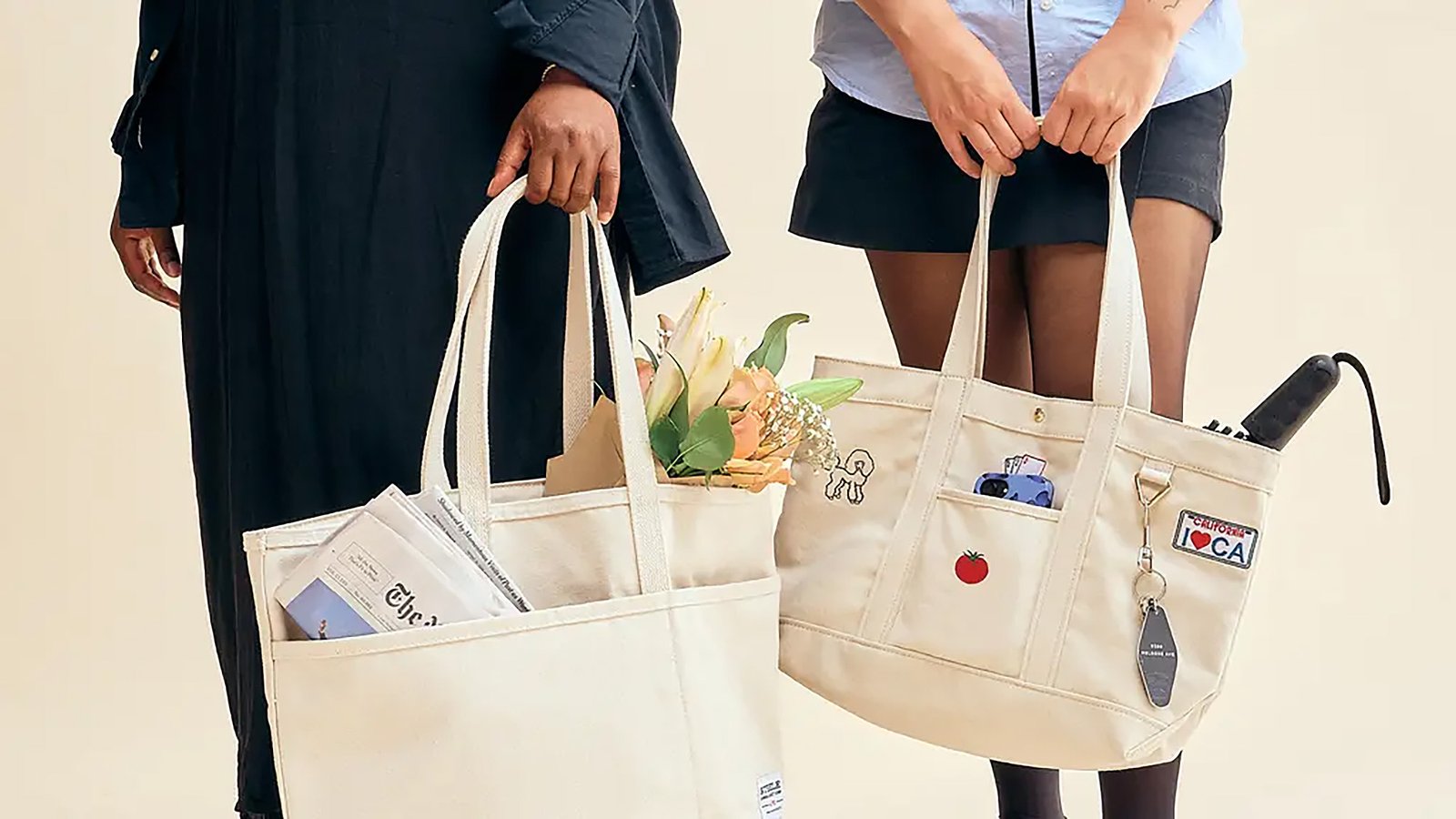
I find that a short use statement gives a sample team more direction than a pocket name alone. “I want the shopper to find a cardholder without moving the lunch container” tells me what to load, what to retrieve, and what counts as a problem.2 “Cardholder pocket” gives me none of that.
I use examples like these to discuss the assortment. They illustrate possible use cases rather than details from the buyer conversation.
| Representative item | What I ask about the intended use | What I check on the sample |
|---|---|---|
| Phone in a case | I ask whether shoppers need to reach it frequently. | I check whether the case clears the opening and leaves enough room for a grip. |
| Keys on a ring | I ask whether the intent is to separate keys from other belongings. | I check whether the full key ring goes in and comes out without catching. |
| Cardholder | I ask whether a shopper should be able to find it without unpacking. | I check whether it stays within easy reach instead of sinking into a deep pocket. |
| Folded receipt | I ask whether it needs a separate spot or can share one. | I check whether the shopper can see or pinch an edge to retrieve it. |
I measure the opening as well as the pocket body
A finished pocket can be wider inside than it is at the mouth. A zipper, binding, or stitching at the ends can narrow the usable opening.3 I therefore record the clear opening width separately from the pocket body width. I also look at usable depth: an item can fit through the mouth but sit too low for a shopper to grip comfortably.4
Before I add a pocket, I ask: What can the shopper do with this pocket that they cannot do with the current layout? If the proposed pocket only provides another place for items the existing design already handles, I leave it out of the brief unless the buyer can identify a separate use.
When Should Buyers Choose an Open or Zipped Tote Bag Pocket?
I often see closure decisions made before the buyer and supplier agree on how the tote will be carried. That can create unnecessary friction. One shopper may need to grab a card while holding the handles. Another may be more concerned about small items falling out when the tote tips.
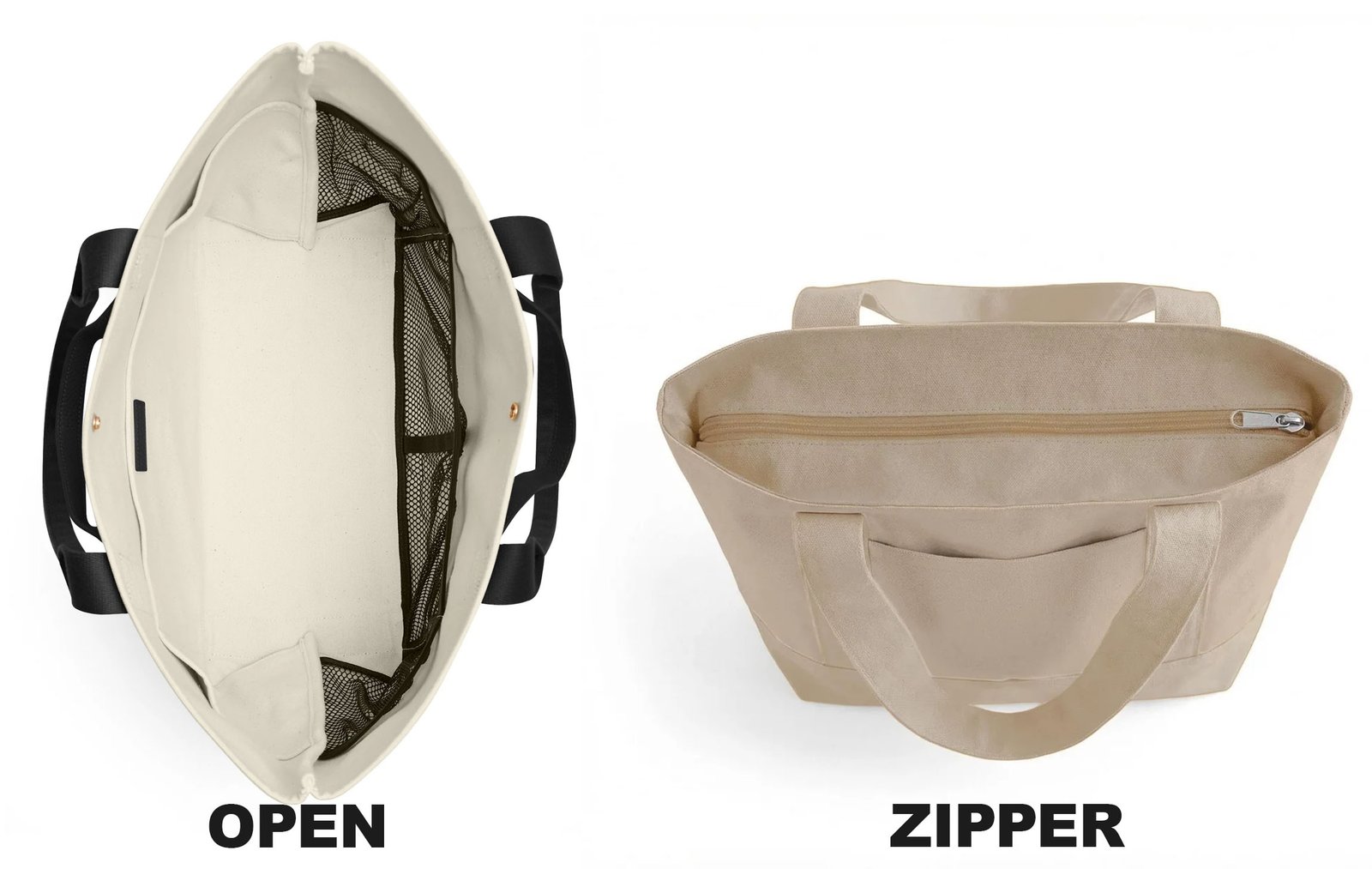
I choose an open tote bag pocket when quick retrieval matters most and the position and depth suit the item. I choose a zipped pocket when keeping an item inside during expected handling matters more than immediate access. I compare both options on a loaded sample rather than assuming a zipper or an open mouth is always better.
I compare the whole retrieval motion
An open pocket removes the need to operate a closure. It does not guarantee easy access. If the mouth sits against a bulky item, the shopper may still need two hands to open it or shift the load. A zipped pocket adds a step, but that step may be worthwhile if I want a small item to stay in the pocket during normal handling.5
| What I evaluate | Open pocket | Zipped pocket |
|---|---|---|
| Access while holding the tote | I check whether I can find the mouth and grip the item without setting the tote down. | I check whether I can reach and move the pull without having to reposition the bag. |
| Handling when the tote tilts | I observe whether the item shifts toward or exits the opening in the agreed review. | I observe whether the item stays inside when the zipper is fully closed in the same review. |
| Usable opening | I check whether the mouth still opens under the expected load. | I check the clear span between the zipper stops, not just the nominal zipper length. |
| Quoted construction | I ask the supplier to explain how the pocket edge is finished. | I ask the supplier to identify the zipper and explain any changes to assembly or inspection. |
I keep cost and performance claims tied to evidence
I ask for comparable quotes if the closure choice could affect the program. I keep the fabric, tote dimensions, order quantity, and other features the same, or I ask the supplier to identify any differences. That gives me a better basis for discussing price than assuming a fixed surcharge for adding a zipper.6
I also separate a sample observation from a product claim. If nothing falls out during an agreed handling check, I record what happened with that item, load, and closure position. I do not turn that observation into a guarantee.7 If a buyer plans to publish a retention or durability claim, I flag it for fact-checking and recommend that a qualified testing professional define the evaluation.
How Does Tote Bag Pocket Placement Affect Access to the Main Compartment?
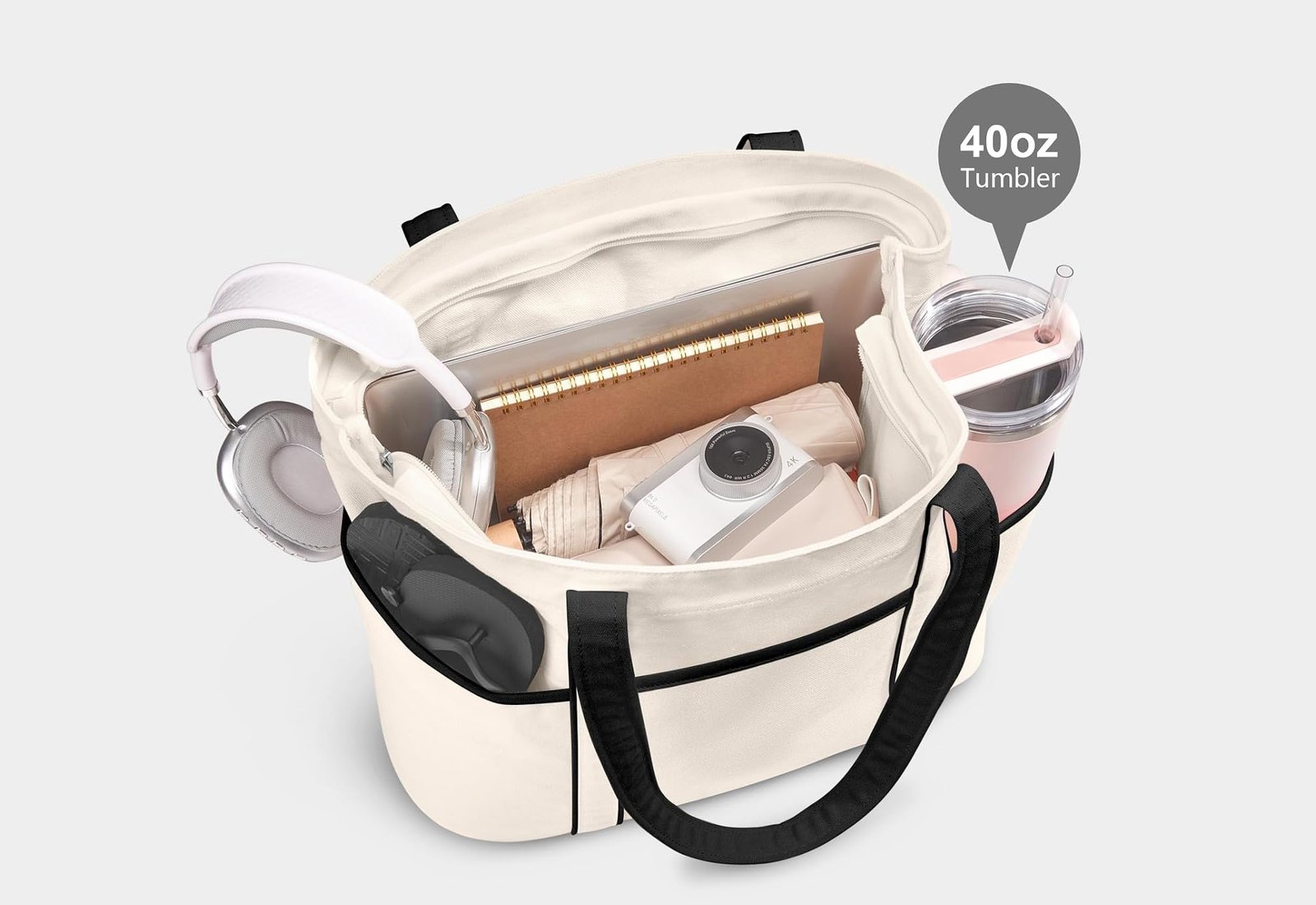
I can approve a pocket’s dimensions on paper and still miss where the shopper’s hand has to go. A pocket that works well against a flat tote panel may bulge into the opening once it holds a phone or keys.8 That matters if the shopper regularly takes a large item in and out.
I evaluate tote bag pocket placement by loading the pocket and main compartment at the same time. The pocket should remain reachable without blocking the route of the main item, crowding the bag opening, or forcing the shopper to unpack. I check how the handles and fabric sit when the tote is carried, not just when it lies flat.
I check the path of the largest routine item
For a work tote, I might use a laptop sleeve as the largest item the shopper inserts and removes regularly. For a grocery tote, I might use a carton or another bulky package that represents the intended load. I place the pocket item first. Then I insert and remove the larger item and watch whether it catches the pocket edge, presses on the pocket contents, or needs to be angled around the pocket.
I repeat the sequence in reverse. A pocket may leave plenty of room for the large item but become difficult to reach once that item is in place. Those are two different problems, and each points to a different revision. I might ask the supplier to move the pocket lower to clear the main opening or move it higher to keep the mouth reachable. I check the new sample rather than assuming either change solves both problems.
I compare positions in the way the tote will be carried
| Position I review | What I look for with the tote loaded |
|---|---|
| High on an inside wall | I check whether I can reach the mouth easily and whether the filled pocket narrows the bag opening. |
| Lower on an inside wall | I check whether the main load covers the pocket or presses the mouth shut. |
| On the exterior | I check whether the pocket is accessible in the intended carry position and whether its contents are more exposed than the buyer wants. |
I also check which side faces the body in the buyer’s intended carry scenario. I note when an exterior pocket is easy to reach with the tote on a table but awkward once it is on a shoulder. I approve placement based on those observations rather than where the pocket looks best in a flat product photo.
What Should a Loaded Tote Bag Pocket Sample Review Include?
When I review an empty sample, I can comment on the pocket’s shape, visible workmanship, and position. I cannot tell how the pocket behaves against the rest of the load. If I approve it at that point, the supplier may receive a clear sign-off on a layout the buyer has not used as intended.
My loaded sample review includes the intended pocket items, a representative main-compartment load, and the carry positions shoppers are likely to use. I check insertion, retrieval, closure access, and interference with larger contents. I record what happened and under which conditions so the supplier can reproduce the check on the next sample.9
I use the same sequence across sample revisions
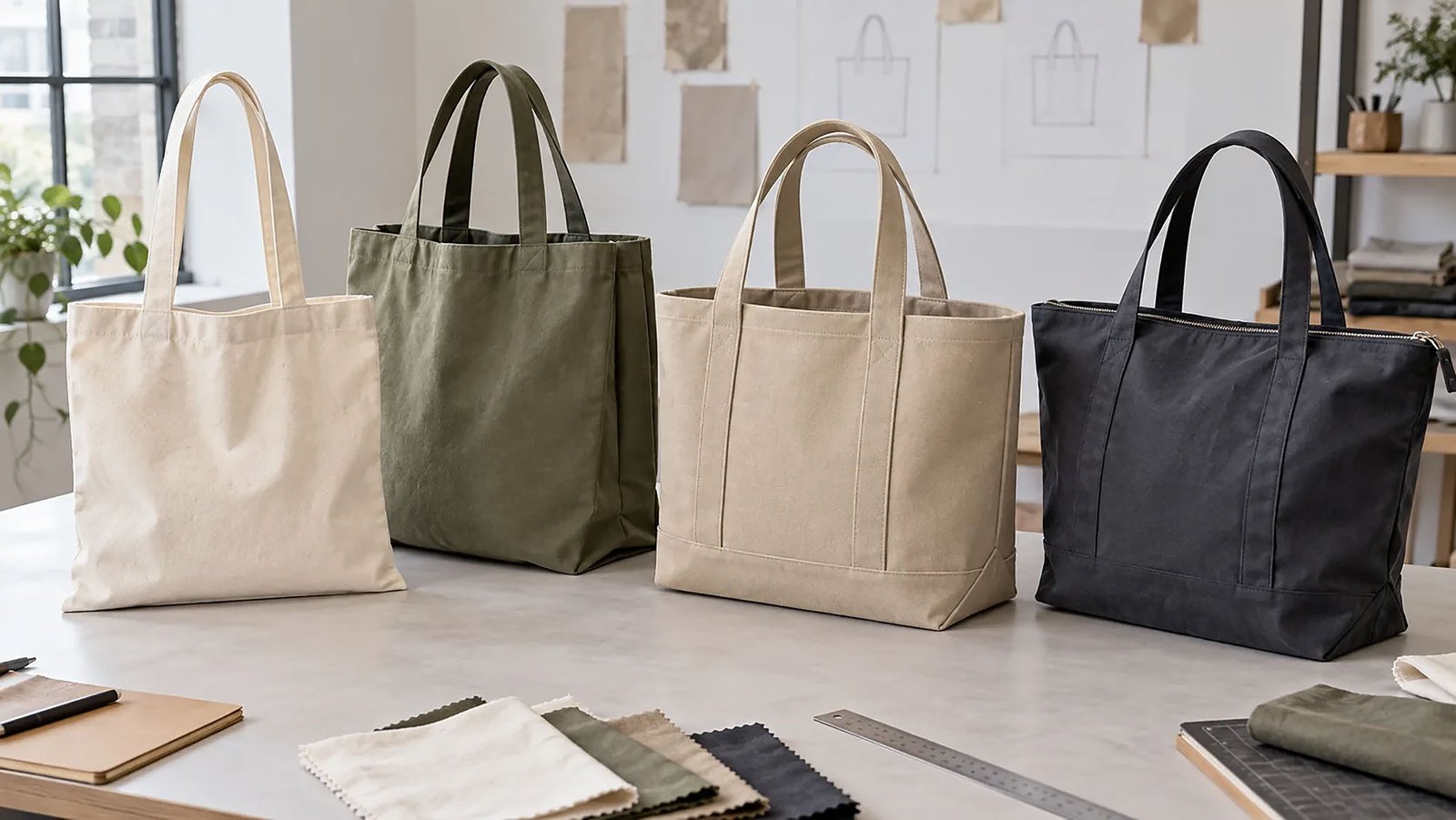
For a buyer-facing review, I prefer a short written sequence that another person can repeat. This is a practical comparison between samples, not a substitute for a formal test.
- I identify the sample and the load. I note the revision, the pocket item, and what goes in the main compartment. If the exact item is unavailable, I record the dimensions of the substitute and note any difference that may affect the result.
- I check insertion and retrieval. I start with the tote empty, then repeat with the agreed load. I note whether the item catches, disappears below the opening, or needs a second hand to retrieve.
- I check the normal carry position. I pick up the tote by its handles or carry it on my shoulder, depending on the design. I look for a change in access as the side panels pull inward or the bag rests against the body.
- I check interference in both directions. I remove the main item while the pocket is occupied. Then I put it back and try the pocket again.
- I record the result and the next decision. I state what I accept, what needs revision, and what I will check on the revised sample.
I write notes the sample team can act on
“Pocket too small” leaves the supplier to guess whether I need more depth, body width, or clear opening width. I prefer a note such as, “With the main compartment loaded, the case clears the mouth, but I cannot grip the top edge without moving the large item.” I pair the note with a photo that shows the load and the sample revision.
If a revised sample improves retrieval, I repeat the main-compartment check before approving it. A wider or higher pocket may resolve one problem and introduce another. I want the written approval to reflect how the layout works as a whole, not just how the last change looks.
Which Tote Bag Pocket Details Belong in the Approved Specification?
I have seen how easily a phrase like “same pocket as sample” can leave room for interpretation. The sample shows what the buyer handled, but it does not tell every person on a production or inspection team where a measurement begins. I use the written specification to make those details explicit.
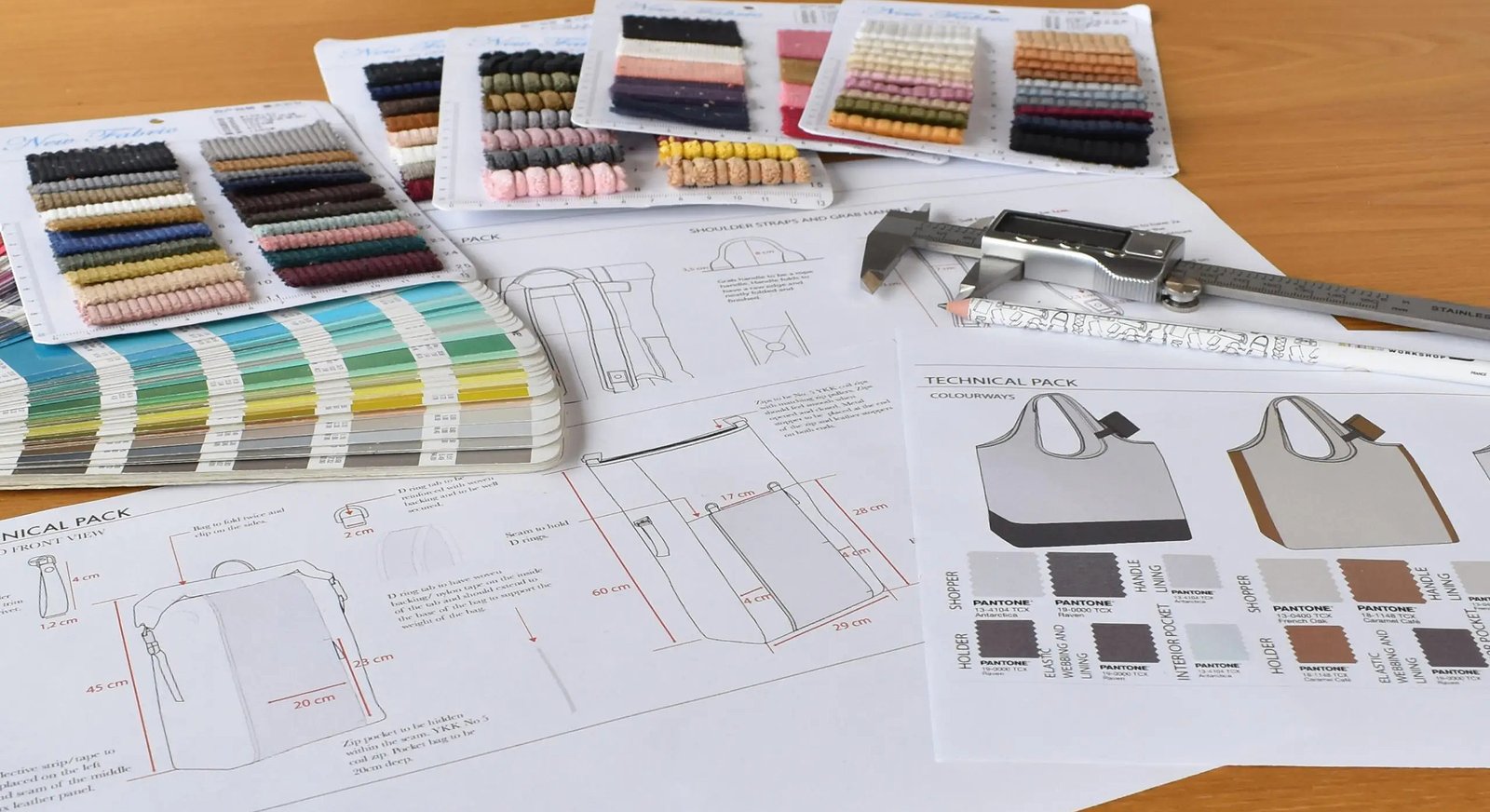
I put the finished pocket dimensions, clear opening, placement reference points, material, closure, and construction details in the approved specification. I also identify the approved sample revision and agree on tolerances with the supplier. If loaded access affected approval, I retain the item, load, and acceptance notes alongside the drawing.
I separate finished measurements from construction notes
I want the buyer and supplier to measure the same feature in the same way. I specify whether a dimension is taken on the finished bag laid flat and identify the relevant edges or seams.10 For example, I might measure from the finished top edge to the top of the pocket opening rather than use a general note like “position near top.” I agree on the actual measurement and tolerance with the factory after reviewing the sample.
| Specification detail | What I put in the approval record |
|---|---|
| Pocket count and location | I label each pocket on a drawing and link it to its intended use. |
| Finished size | I record the body width, usable depth, and clear opening width as separate measurements. |
| Placement | I identify the top, side, or seam reference points and show how to measure from them. |
| Material and closure | I list the approved materials and the relevant zipper or trim references. |
| Visible construction | I note the edge finish, seam appearance, and any reinforcement shown in the approved sample. |
| Approval and inspection | I include the sample revision, agreed tolerances, and any specific checks required for acceptance. |
I control changes after approval
I ask the supplier to flag substitutions before production. A different zipper may fit the same drawing while changing the clear opening or the way the pull feels. A change in pocket fabric can also affect how the mouth sits against the panel. I ask for an updated sample or another agreed form of review when a proposed change could affect use.11
If the pocket material carries a recycled-content or other sourcing claim, I ask to see the applicable documents and verify that they cover the specified material and claim.12 I keep that review separate from the fit and workmanship approval. One set of records supports the sourcing claim; the other tells the production team what to make and inspect.
Frequently Asked Questions
How many pockets should a custom retail tote have?
I do not set a universal pocket count. I start with the items shoppers need to reach, separate, or keep from falling out during expected use. If one pocket handles those jobs without compromising access, I do not add another just to make the feature list longer.
How do I specify a phone pocket if shoppers use different phone sizes?
I choose a representative phone-and-case size that suits the target assortment and record its dimensions. I check that it clears the opening and leaves enough room for a grip with the tote loaded. I avoid claiming universal compatibility unless the buyer has evidence to support it.
Can I approve pocket placement from photos alone?
I use photos to confirm visible details like orientation, position, and finish. I do not rely on them to judge how easily a shopper can find the opening or retrieve an item. For those decisions, I prefer a physical sample reviewed with an agreed load.
What should I send my supplier before the first sample?
I send the intended use, representative item dimensions, and a sketch that shows the pocket in relation to the main compartment. I also say which decisions are fixed and where I want advice. That gives the supplier room to suggest a simpler layout without losing sight of the shopper’s needs.
Conclusion
I approve a custom tote bag pocket layout when every pocket has a distinct job and the sample shows that shoppers can use it without fighting the rest of the bag. I check the clear opening, reach, closure, and main-compartment access with the tote loaded. Then I document what worked so production and inspection teams have the same reference. If you’re developing a tote assortment for bulk purchase, send me your brief at CoraggioBag, along with the items shoppers are likely to carry and the access problems you want to solve.
"Setting up the target template in visual search - PubMed - NIH", https://pubmed.ncbi.nlm.nih.gov/15831069/. Visual-search experiments show that increasing the number of plausible target locations can slow search, although these experiments do not establish how pocket count affects retrieval in a tote. Evidence role: mechanism; source type: paper. Supports: Searching among more plausible locations can increase the time needed to find a target.. Scope note: Laboratory visual search does not capture tactile cues, learned pocket locations, or the benefit of predictable organization. ↩
"Usability Testing", https://www.nist.gov/programs-projects/usability-testing. ISO 9241-11 defines usability in relation to specified users, goals, and contexts of use, supporting the formulation of the cardholder example as an observable task under stated conditions rather than validating the pocket design itself. Evidence role: definition; source type: institution. Supports: Usability can be evaluated against a specified user goal and context of use.. Scope note: The standard supplies a general framework, not a tote-specific task or acceptance threshold. ↩
"How to Sew a Zippered Welt Pocket",
. Construction diagrams for zippered welt pockets distinguish the finished opening from the pocket bag, illustrating how the access span can be shorter than the body width without establishing the effect of every binding or stitch configuration. Evidence role: mechanism; source type: education. Supports: A zippered pocket can have a finished access opening with a different width from its pocket body.. Scope note: The difference depends on the pocket pattern and how the zipper, binding, and seams are installed. ↩"HUMAN INTEGRATION DESIGN HANDBOOK (HIDH)", https://www.nasa.gov/wp-content/uploads/2015/03/human_integration_design_handbook_revision_1.pdf. Human-factors guidance treats reach and hand clearance as separate design considerations, explaining why an item can pass through an opening yet remain difficult to grasp once inside. Evidence role: mechanism; source type: government. Supports: Reach and hand clearance affect whether a person can grasp an object in a confined space.. Scope note: General ergonomic guidance does not establish a comfortable pocket depth for a particular item or shopper population. ↩
"Zipper", https://en.wikipedia.org/wiki/Zipper. Slide-fastener terminology describes the slider's role in engaging and disengaging the fastening elements, explaining both the added access operation and the physical barrier provided by a closed zipper. Evidence role: mechanism; source type: institution. Supports: A zipper closes the opening by joining fastening elements and must be operated to reopen it.. Scope note: The fastening mechanism does not establish whether a given pocket will retain a particular item during specified handling. ↩
"15.404-1 Proposal analysis techniques.", https://www.acquisition.gov/far/15.404-1. Federal procurement guidance calls for price comparisons to account for material differences in terms, quantities, and relevant product characteristics, supporting the use of comparable quote conditions without estimating a zipper surcharge. Evidence role: general_support; source type: government. Supports: Meaningful price comparisons account for differences in quantities, terms, and product characteristics.. Scope note: Public procurement guidance provides a comparison method, not commercial tote pricing data. ↩
"FTC Policy Statement Regarding Advertising Substantiation", https://www.ftc.gov/legal-library/browse/ftc-policy-statement-regarding-advertising-substantiation. The U.S. Federal Trade Commission's advertising substantiation policy requires a reasonable basis for objective claims, distinguishing an observation made under specified conditions from evidence for an unqualified retention claim. Evidence role: general_support; source type: government. Supports: Evidence for an objective performance claim must provide a reasonable basis for the claim as conveyed.. Scope note: The policy does not prescribe a tote-specific test method or number of samples. ↩
"Experimental Investigation into the Failure Mechanisms of Fabric ...", https://pmc.ncbi.nlm.nih.gov/articles/PMC11205530/. Experimental work on textile deformation shows that flexible fabric can deflect out of plane under load, providing a mechanical explanation for possible pocket intrusion without demonstrating that a phone or keys narrow a particular tote opening. Evidence role: mechanism; source type: paper. Supports: Flexible textile panels can deflect out of plane under contact loads.. Scope note: The direction and amount of intrusion depend on the pocket geometry, fabric, attachment points, and load. ↩
"NISTIR 6919", https://www.nist.gov/document/nistir6919pdf. ISO/IEC 17025 links technical records to identifying factors that affect results and repeating an activity under conditions as close as possible to the original, providing a methodological analogy for recording the tote load, carry position, and retrieval sequence. Evidence role: general_support; source type: institution. Supports: Technical records should identify conditions that affect results so a procedure can be repeated under comparable conditions.. Scope note: Laboratory recordkeeping principles do not make an informal sample review a standardized or validated test. ↩
"Pattern Drafting For Fashion The Basics", https://sebatinsky.cs.umd.edu/index.jsp/document/pattern-drafting__for-fashion-the-basics/mL7EDG603792. Apparel technical-design guidance uses defined points of measure and measurement instructions to make finished dimensions interpretable across teams, a practice that can also be applied to tote pocket dimensions. Evidence role: general_support; source type: education. Supports: Technical measurement instructions define the setup and reference points used to obtain a finished-product dimension.. Scope note: Apparel guidance does not establish the correct reference points or tolerances for a particular tote. ↩
"6.5 Configuration Management", https://www.nasa.gov/reference/6-5-configuration-management/. Configuration-management guidance treats proposed changes to an approved baseline as subject to impact evaluation and approval, supporting review of substitutions that could alter pocket use without requiring a new physical sample for every change. Evidence role: general_support; source type: institution. Supports: Configuration management calls for evaluating and controlling proposed changes to an approved baseline.. Scope note: The guidance does not specify when a tote pocket substitution requires resampling rather than a document review or another check. ↩
"Part 260 – Guides for the Use of Environmental Marketing Claims", https://www.ftc.gov/sites/default/files/attachments/press-releases/ftc-issues-revised-green-guides/greenguides.pdf. The U.S. Federal Trade Commission's Green Guides define recycled content and explain when partial-content claims require qualification, distinguishing evidence for a pocket material from evidence for a claim about the entire tote. Evidence role: definition; source type: government. Supports: A recycled-content claim must accurately convey the portion of the product or component to which it applies.. Scope note: This guidance addresses U.S. recycled-content marketing claims; it does not verify the material in a particular production lot or cover all other sourcing claims. ↩