When I help buyers develop custom cosmetic bags, “smooth and durable” is often the starting request for the zipper. But those words leave important details open to interpretation. A sample may feel right while the opening remains inconvenient. I recommend turning intended use, component details, and acceptance expectations into written requirements before bulk production.
I recommend specifying cosmetic-bag zippers by first defining what must pass through the opening, then confirming zipper construction, chain size, slider function, and component appearance. Buyers should connect those requirements to an approved sample and agree with the factory on performance checks, acceptance criteria, and substitution approval before bulk production.
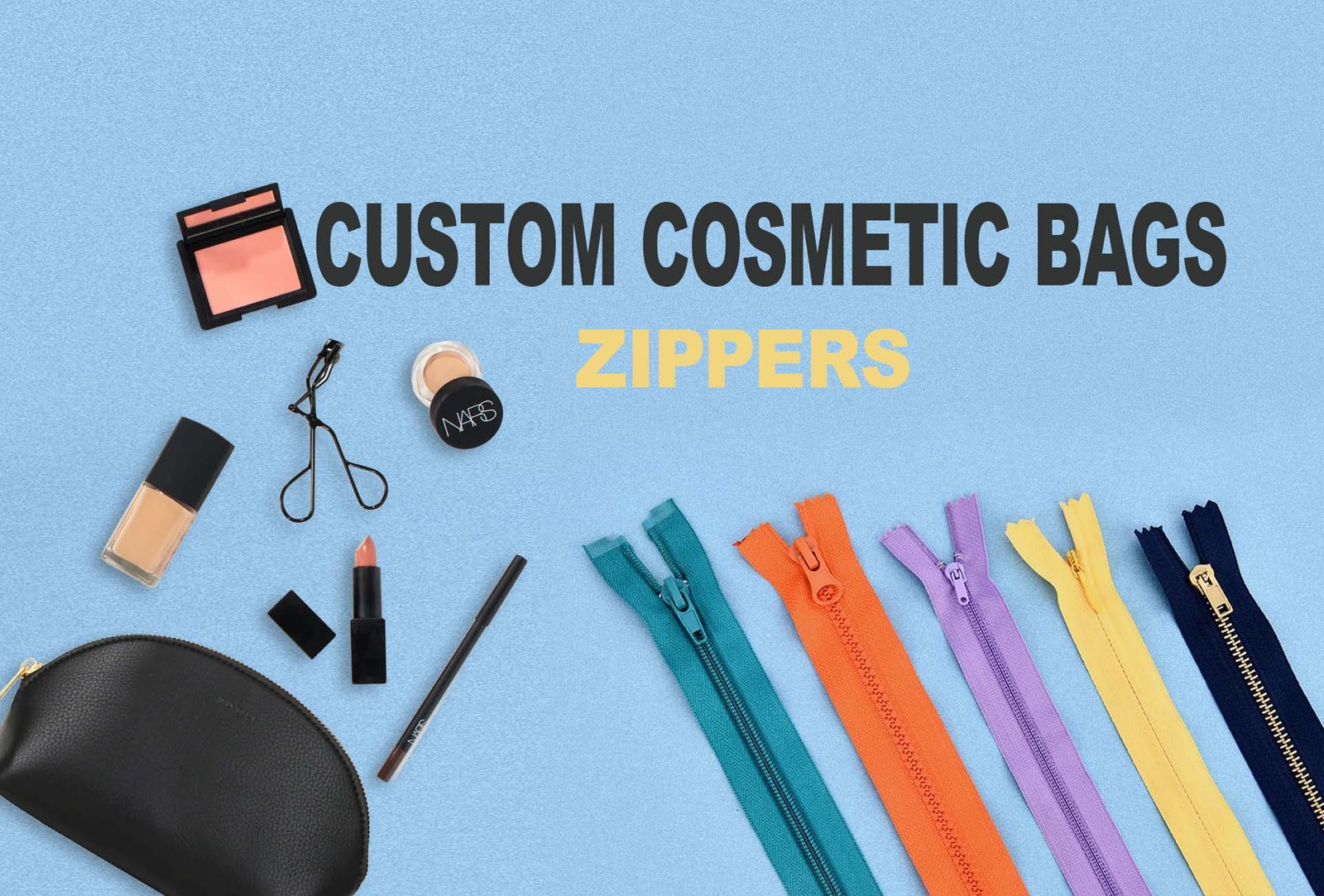
I approach this as a requirement-clarification and sample-approval task, not as a zipper-engineering exercise. The five questions below explain how I would translate a preferred opening experience into a specification that a buyer and manufacturer can review together.
Which Zipper Type Fits Your Cosmetic Bag Design?
I start with access because a zipper can look suitable while making the bag awkward to use. If buyers choose the component before defining the contents, they may approve the wrong opening. I first clarify what the finished bag must accommodate.
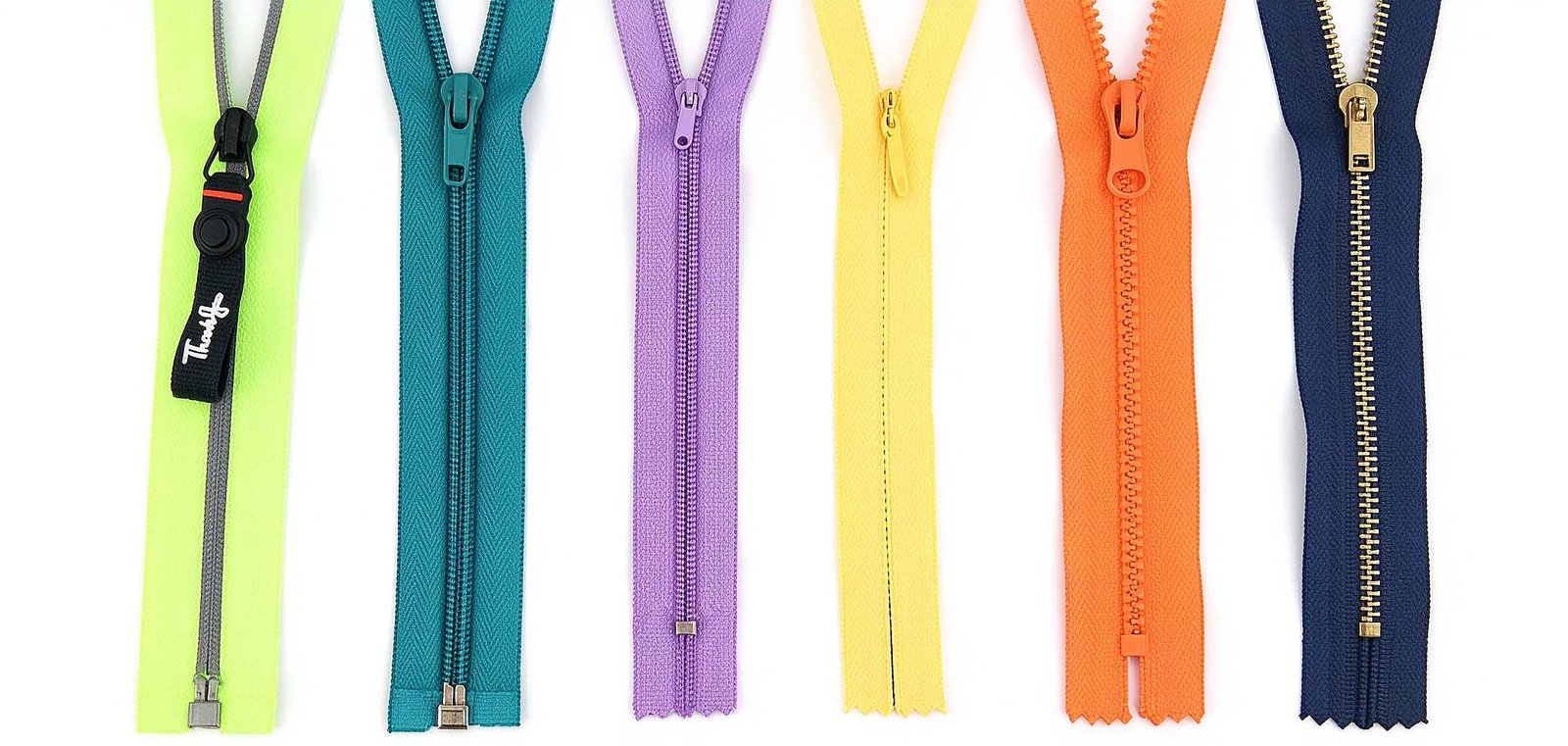
I recommend choosing the zipper type after confirming the intended contents, required access, bag structure, and appearance. Coil, molded plastic, and metal constructions offer different design possibilities, but none guarantees durability.1 I would evaluate the proposed zipper in a representative assembled sample, rather than select it from a component photograph alone.
I begin with the contents, not the zipper catalog
In a buyer discussion about custom cosmetic bags, the request was for a zipper that felt “smooth and durable.” My clarification focused on how the intended contents related to the opening size. That was the useful starting point: the component choice needed to support access to the bag.
I would keep that example bounded. It illustrates requirement clarification, not a verified improvement in durability or production performance. Where approved samples or correspondence are available, I would use those records to support the specific requirements that were confirmed.
For a new project, I would ask:
- What must enter the bag? The buyer should identify the largest or most awkward intended item.
- How will users pack it? The buyer should distinguish individual items from a filled insert or grouped product set.
- How much access is needed? The buyer should consider a narrow top opening, a wider curved opening, or another structure.
- What surrounds the zipper? The buyer should review lining, binding, reinforcement, and nearby seams.
- What appearance must remain consistent? The buyer should identify visible tape, teeth, finishes, and puller details.
I compare constructions within the actual bag design
| Zipper construction | What I would evaluate in the sample | What I would not assume |
|---|---|---|
| Coil | Flexibility along the proposed opening, appearance, and slider movement | Every coil zipper has equivalent performance |
| Molded plastic | Element appearance, component bulk, and compatibility with the bag structure | Larger-looking elements guarantee greater durability |
| Metal | Weight, finish, feel, and interaction with surrounding materials | Metal construction automatically lasts longer |
For custom cosmetic bags with curved openings, I would pay particular attention to how the zipper behaves after sewing. A loose zipper strip cannot show every interaction with the finished bag.2 My selection would therefore remain provisional until the assembled sample demonstrates the intended access.
How Should Buyers Specify Chain Size and Slider Function?
I often find that a zipper size description sounds more complete than it really is. A buyer may approve a size designation without confirming the matching slider or opening behavior. I would separate component identity from the way the finished bag should operate.
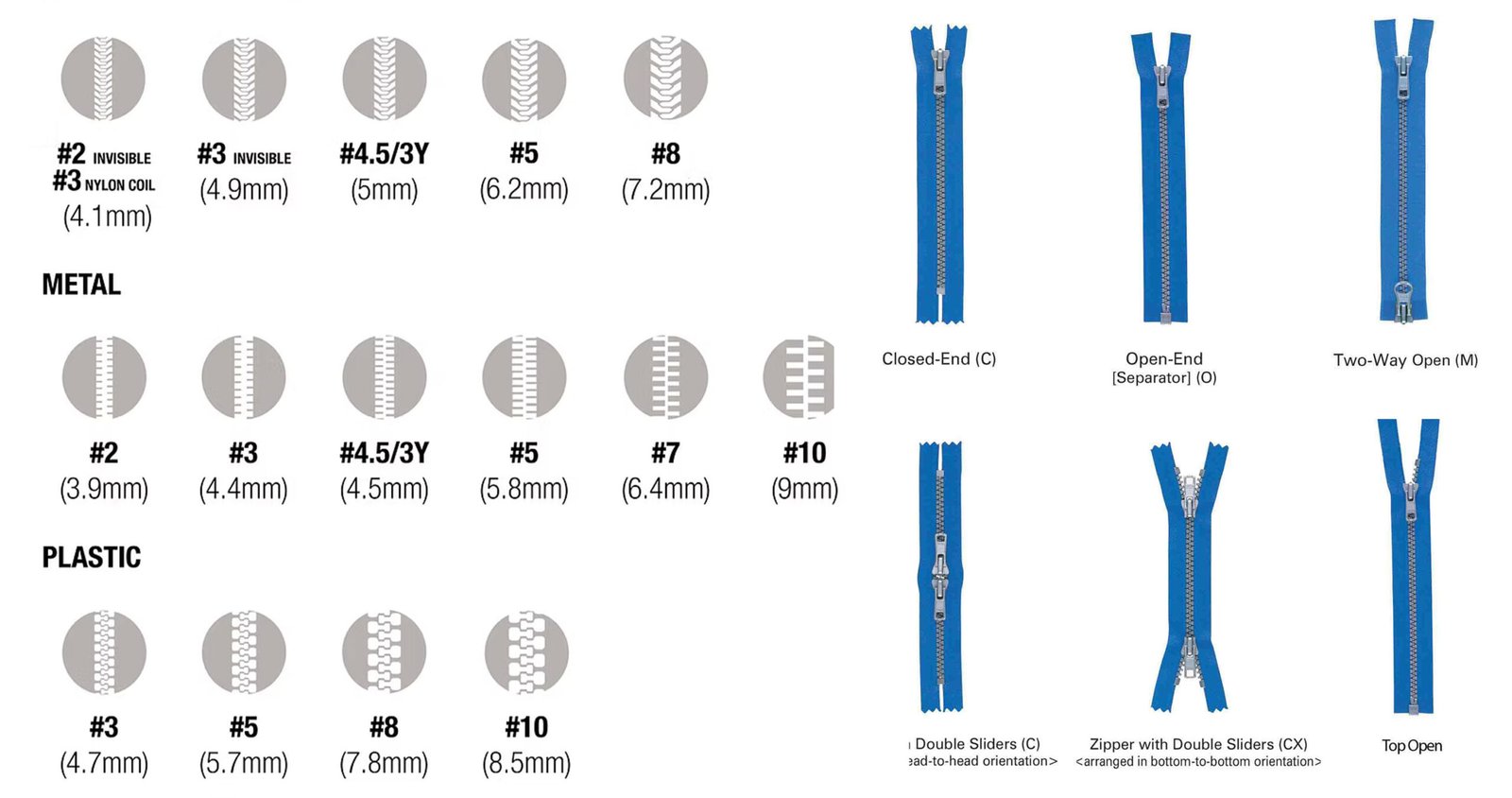
I recommend recording the supplier’s zipper series and size designation, together with the compatible slider, locking behavior, puller configuration, and opening arrangement. I would also distinguish overall zipper length from usable opening length. Any dimensions, tolerances, or component equivalents should be confirmed with the factory rather than inferred from a size label.
I do not treat a size label as a complete specification
A description such as “No. 5 zipper” may help begin a quotation discussion, but I would not use it as the entire purchasing requirement.3 The buyer and factory still need to identify the intended component series, compatible parts, and measurement references.
For custom cosmetic bags, I would propose confirming the following fields:
| Specification field | What I would ask the factory to confirm |
|---|---|
| Chain identification | Manufacturer or supplier reference, construction, series, and size designation |
| Slider compatibility | The slider intended for the selected chain |
| Slider function | Locking or non-locking behavior, where relevant |
| Puller details | Shape, material, attachment, finish, and logo requirements |
| Opening arrangement | Closed-end or another agreed configuration; number of sliders |
| Length references | Overall component length and usable access opening |
These are recommended confirmation fields, not a claim about a verified CoraggioBag procedure.
I define usable opening length separately
Overall zipper length and useful access are not necessarily the same.4 End tabs, seam placement, zipper stops, and the bag’s shape can affect the space available for inserting a product.
I would therefore ask the buyer and factory to agree on:
- The measurement points. The specification should show where the usable opening begins and ends.
- The measurement condition. The parties should define whether the bag is empty, filled, supported, or positioned in another agreed way.
- The access check. The sample review should identify which representative contents must pass through the opening.
- The dimensional tolerance. The buyer and factory should confirm what variation is acceptable.
I would also review whether the puller is easy to grasp in the finished design. A visually attractive puller may interact poorly with a nearby handle, decorative flap, or tight seam. My approval would consider the complete assembly, not just the appearance of the slider.
What Should a Zipper Sample Approval Checklist Include?
I see sample approval as a potential source of ambiguity when the buyer approves only the overall appearance. Later, both parties may remember different details. I recommend connecting the physical sample to a written reference that identifies exactly what the approval covers.
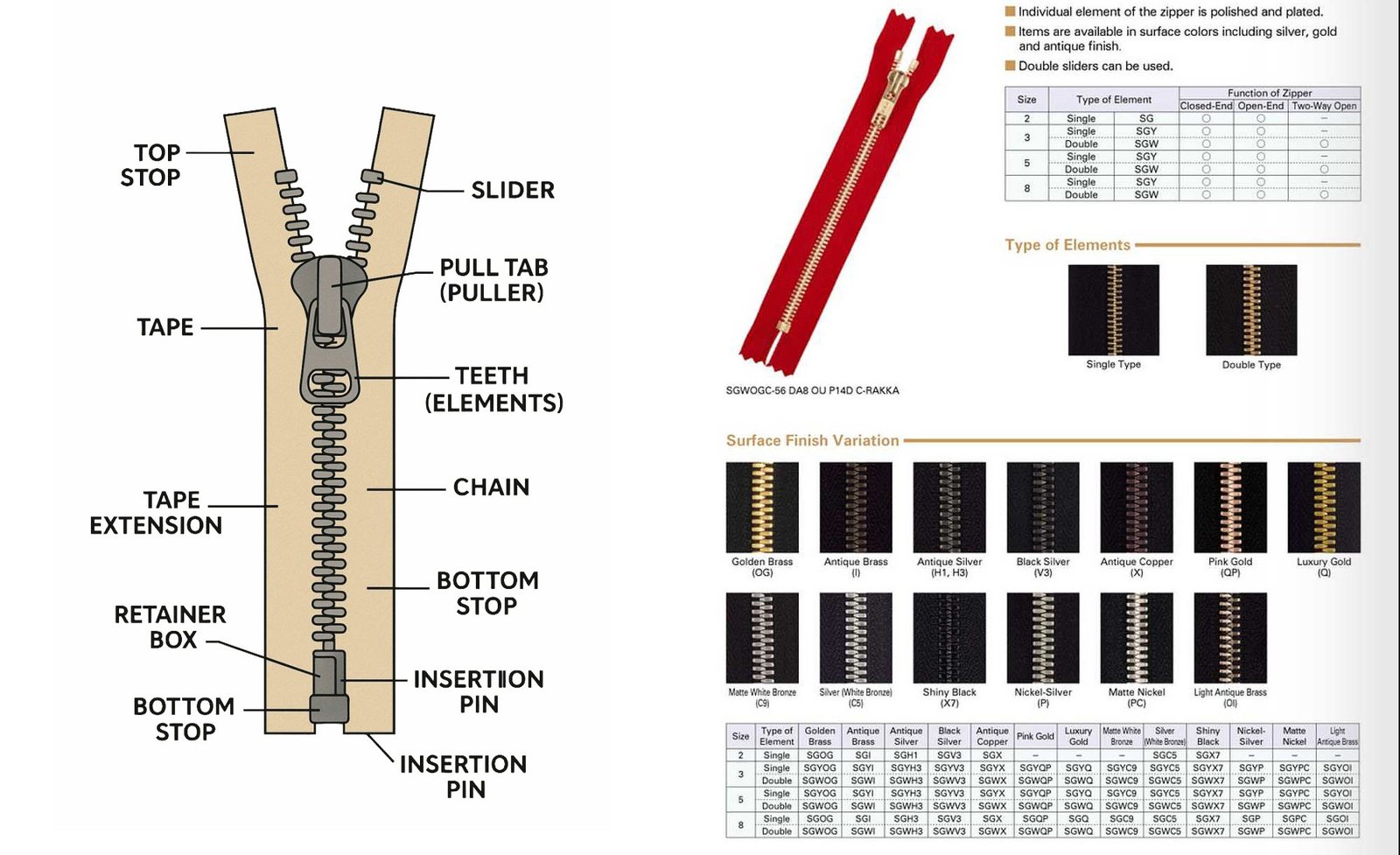
I would include zipper identity, usable opening length, tape and puller details, colors, installation appearance, and the approved sample reference in a zipper approval checklist. The checklist should separate accepted appearance and opening feel from any performance evidence. Outstanding requirements should remain clearly marked until both parties confirm them.
I use the sample as a reference, not as proof of lifespan
An approved sample can show the opening experience a buyer accepted. It can also provide a reference for color, puller appearance, and installation. It does not, by itself, establish service life or guarantee that every bulk unit will match.5
For custom cosmetic bags, I would propose a checklist with separate approval categories:
| Approval category | Proposed confirmation fields |
|---|---|
| Component identity | Construction, series, size designation, slider, and supplier reference where agreed |
| Access and dimensions | Usable opening, measurement points, and agreed tolerances |
| Tape and installation | Tape specification, visible tape width, stitching appearance, and lining clearance |
| Puller and branding | Shape, dimensions, finish, attachment, and logo orientation |
| Color | Tape, elements, slider, puller, and approved color reference |
| Sample traceability | Sample identifier, revision, approval date, and linked photographs |
| Performance status | Checks completed, evidence reviewed, and unresolved requirements |
I would make the approval scope explicit. For example, the buyer might accept the visible finish while leaving the puller attachment or opening dimension unresolved. A general “approved” message can hide that distinction.
I keep physical and written references connected
Photographs help document shape and construction, but I would not rely on photographs alone for exact color or tactile feel. Lighting, camera settings, and screens can change appearance.6 Where practical, I would connect written approval to an identifiable physical sample and an agreed color reference.
My proposed approval note would distinguish:
- What the buyer accepted: The note should identify the approved characteristics.
- What still needs confirmation: The note should list unresolved dimensions, components, or performance requirements.
- What must change: The note should describe required revisions clearly.
- What requires reapproval: The note should identify component or construction changes that cannot proceed without consent.
This approach makes sample approval more useful without overstating what the sample demonstrates.
Which Opening and Closing Tests Should Buyers Agree With the Factory?
I separate “smooth” from “durable” because they answer different questions. A brief sample review may reveal an uncomfortable pull or a lining snag, but it cannot establish long-term performance.7 I recommend agreeing on the purpose and conditions of each check before production begins.
I would agree with the factory on opening-and-closing checks that reflect the bag’s intended use, with defined sample conditions, methods, acceptance criteria, and reporting requirements. Any cycle count, force limit, loading condition, or applicable standard needs verification. I would not introduce an unsupported threshold or interpret sample feel as durability evidence.
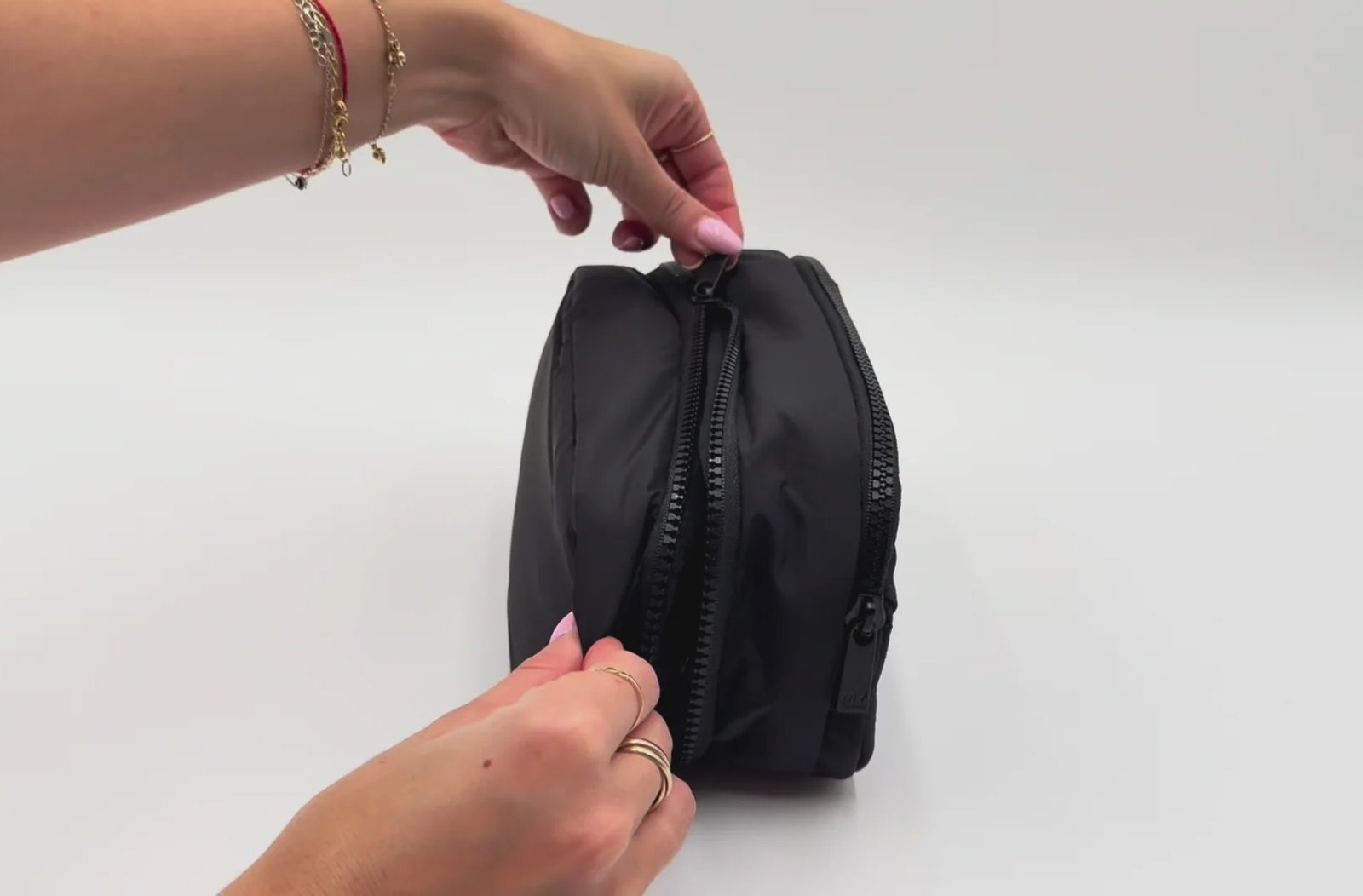
I separate usability checks from performance evidence
For custom cosmetic bags, I would discuss at least two different evaluation questions:
| Evaluation purpose | What I want to understand | What still needs agreement |
|---|---|---|
| Opening experience | Whether the assembled bag opens and closes as intended | Comparison sample, bag condition, handling method, and acceptance description |
| Repeated operation | Whether the assembly meets an agreed repeated-use requirement | Method, cycle definition, number of cycles, test conditions, and failure criteria |
| Component or assembly strength | Whether relevant parts meet the buyer’s specified requirement | Appropriate method, equipment, specimen details, and acceptance limit |
| Exposure-related performance | Whether a specified exposure affects function or appearance | Relevance, exposure conditions, evaluation method, and criteria |
The appropriate scope depends on the product. I would not automatically require every category, and I would not describe every possible check as an in-house factory capability.
I define the conditions before interpreting results
An empty bag on a table and a filled bag held in the hand may behave differently.8 If the buyer wants a meaningful comparison, I would ask both parties to specify the setup.
My proposed discussion would cover:
- Sample selection: The parties should agree on sample quantity and how samples are chosen.
- Bag condition: The parties should define contents, loading, and support where relevant.
- Operation: The parties should describe a complete opening-and-closing cycle.
- Observations: The parties should identify relevant issues, such as snagging, separation, puller damage, or loss of function.
- Acceptance: The parties should agree on what constitutes a pass or failure.
- Follow-up: The parties should define how results, failures, and proposed corrections are reported.
If formal laboratory evidence is needed, I recommend a qualified testing professional help select the applicable method and interpret its relevance. A test report also needs to identify the tested component or assembly clearly. Results from a different zipper or bag construction may not answer the buyer’s actual question.9
What Zipper Details Belong in a Cosmetic Bag RFQ?
I find that an RFQ becomes difficult to compare when one supplier prices a basic component and another prices a more specific configuration. Both quotations may appear reasonable, but they may cover different products. I recommend making confirmed requirements and open decisions visible from the beginning.
I would include intended contents, access requirements, zipper construction, chain and slider references, tape and puller details, colors, quantities, sample requirements, and proposed acceptance conditions in the RFQ. I would also ask suppliers to identify assumptions, exclusions, alternatives, and any component substitutions that would require buyer approval.
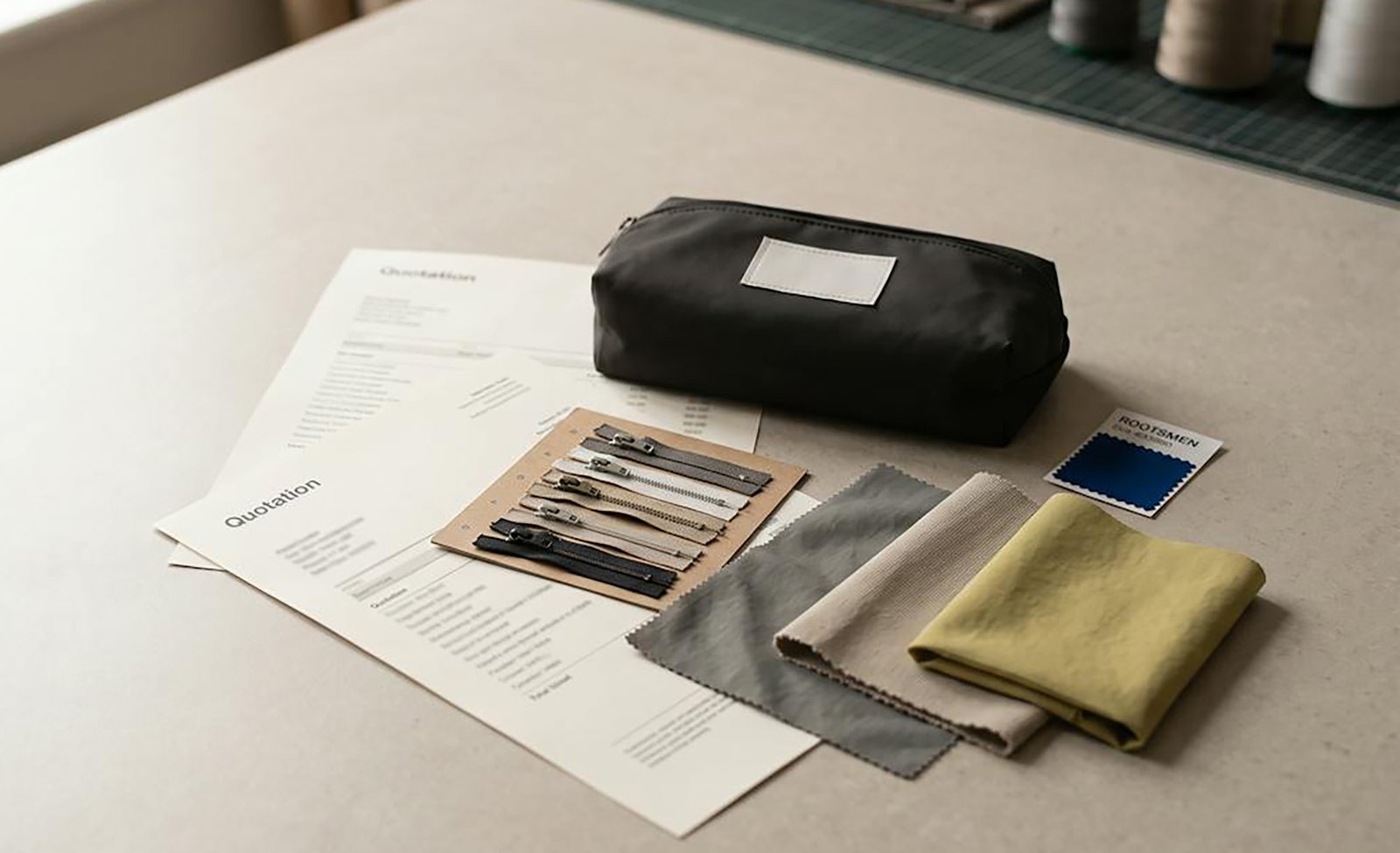
I organize the RFQ around decisions, not adjectives
For custom cosmetic bags, I would avoid leaving “premium zipper” or “smooth and durable” as the only functional description. Those phrases can express an intention, but they do not define a comparable quotation.10
My proposed RFQ structure would include:
| RFQ area | Information I would provide or request |
|---|---|
| Intended use | Representative contents, access needs, and relevant handling conditions |
| Bag construction | Dimensions, opening shape, outer material, lining, and nearby structural details |
| Zipper configuration | Construction, series or proposed equivalent, size designation, and slider arrangement |
| Appearance | Tape color, element finish, puller design, branding, and color references |
| Sampling | Required sample stage, written confirmation fields, and revision expectations |
| Performance | Required checks or a request for proposed methods and limitations |
| Commercial details | Order quantity, quantity breakdown, sampling costs, and quotation validity |
| Change control | Required approval for component or construction substitutions |
I would label each requirement as confirmed, proposed, or open for recommendation. This gives the manufacturer room to suggest alternatives without treating every preliminary idea as a final instruction.
I ask suppliers to disclose what their price assumes
A useful quotation should make its component assumptions visible. I would ask whether the quoted zipper includes a standard puller, a custom puller, special finishing, or other requested details. I would also ask the supplier to identify any component-related minimum order quantities and lead-time implications.
For substitutions, I would request written agreement before a change proceeds. A replacement that looks similar may differ in slider behavior, tape color, finish, or compatibility with the assembled bag.11
According to CoraggioBag’s supplied business information, we provide B2B OEM/ODM bag development and customization, including zipper and hardware options. Some products may support minimum orders as low as 100 pieces, depending on materials, structure, and customization. I would confirm the MOQ for the specific bag and zipper configuration, rather than assume that every option qualifies.
Frequently Asked Questions
Does a larger zipper make a cosmetic bag more durable?
I would not treat a larger zipper as a durability guarantee. Performance depends on the selected components, their compatibility, installation, bag construction, and intended use. I recommend evaluating the complete sample and agreeing on relevant performance evidence instead of choosing by size alone.
Can I approve a zipper from photos or a video?
I use photos and videos to review visible details and clarify questions, but they cannot fully communicate opening feel or exact color. For those characteristics, I recommend an identifiable physical sample where practical. I would record which requirements were approved remotely and which still need physical confirmation.
How do I specify a “smooth” zipper?
I would connect “smooth” to an approved reference and agreed comparison conditions. The discussion should address the assembled bag, representative contents, opening path, and any snagging or interruption. If a measurable force requirement is needed, I would have the buyer, factory, and qualified evaluator confirm an appropriate method.
Does sample approval guarantee bulk consistency?
I would not make that claim. Sample approval establishes a reference for specified characteristics; it does not verify every production unit. I recommend agreeing separately on production checks, sampling arrangements, acceptance criteria, and change control. Those arrangements should reflect the order’s risks and the buyer’s requirements.
Should I require a particular zipper brand?
I would specify a brand when it is a genuine purchasing requirement, but I would still identify the relevant series and component configuration. A brand name alone does not define the whole assembly or guarantee application-specific performance.12 I would require approval before any proposed equivalent replaces it.
Conclusion
I recommend specifying zippers for custom cosmetic bags by starting with access, then documenting component identity, sample references, and acceptance expectations. “Smooth” describes an opening experience; “durable” requires separately agreed evidence. Neither a larger size nor an approved sample resolves every production question. At CoraggioBag, I can help clarify bag structure, customization options, and sample requirements. Share your design, intended contents, order quantity, and zipper preferences so we can discuss a configuration and identify what needs confirmation before bulk production.
"EN 16732:2025 - Slide Fasteners Specification and ...", https://standards.iteh.ai/catalog/standards/cen/287e5aa3-377a-4073-aedf-42d84a60f4af/en-16732-2025?srsltid=AYCX9vJkx_2pmlV-faCChnXHXzsgTzxeA5Y5AvN7eGwFqXrx1D7a3Lwr. Zip-fastener specifications distinguish construction classifications from performance requirements, while strength test methods assess particular failure modes; construction type alone is therefore not a complete durability specification. Evidence role: general_support; source type: institution. Supports: Zipper classifications and performance requirements are distinct considerations, and performance is assessed through specified tests.. Scope note: Standards provide a framework for evaluation, not evidence that any proposed cosmetic-bag zipper meets the requirements. ↩
"NASA Systems Engineering Handbook", https://www.nasa.gov/wp-content/uploads/2018/09/nasa_systems_engineering_handbook_0.pdf. Systems-engineering guidance distinguishes component verification from verification of integrated products, where interfaces and interactions must also be assessed; this supports evaluating the zipper within the assembled bag. Evidence role: general_support; source type: government. Supports: Integrated-product verification addresses interactions that component-level verification does not fully establish.. Scope note: This is a general integration principle, not direct experimental evidence about cosmetic-bag zipper installation. ↩
"ASTM D2050-03 - Standard Terminology Relating to Zippers", https://webstore.ansi.org/standards/astm/astmd205003?srsltid=AYCX9vJnCE8kB5yvMKn-YI6QxMBtAwkmuUeOMrpJsMQJM8_1ipr9txRH. Standard zipper terminology treats the chain, slider, and associated components as distinct specification elements, supporting the distinction between a nominal size designation and a complete component description. Evidence role: definition; source type: institution. Supports: Zipper terminology distinguishes chain, slider, and other configuration attributes beyond nominal size.. Scope note: Terminology alone does not establish interchangeability between suppliers or identify the compatible parts for a particular zipper. ↩
"Zippers Made Easy - BE BOLD. Shape the Future.", https://pubs.nmsu.edu/_c/C221/index.html. Standard zipper dimension methods define component measurements using specified reference points; these measurements should be distinguished from the accessible opening in a sewn product. Evidence role: definition; source type: institution. Supports: Zipper component dimensions use defined measurement references that need not coincide with finished-product access dimensions.. Scope note: Component measurement methods do not quantify the access lost to a particular bag's seams, tabs, or opening geometry. ↩
"6.2.1. What is Acceptance Sampling?", https://www.itl.nist.gov/div898/handbook/pmc/section2/pmc21.htm. NIST guidance treats reliability assessment and lot acceptance as separate statistical tasks requiring defined data and sampling procedures; approval of an individual reference specimen does not establish service life or conformity of every production unit. Evidence role: general_support; source type: government. Supports: Reliability assessment and production-lot acceptance require evidence beyond approval of an individual reference specimen.. Scope note: These statistical principles do not specify an appropriate test duration or inspection plan for this bag. ↩
"Color Error in the Digital Camera Image Capture Process", https://www.nist.gov/publications/color-error-digital-camera-image-capture-process. Colorimetry distinguishes an object's color under specified illumination and viewing conditions from its reproduction through a camera and display, whose characteristics can alter apparent color. Evidence role: mechanism; source type: institution. Supports: Illumination, image capture, and display conditions influence reproduced color.. Scope note: This explains a source of color uncertainty but does not quantify the error in any particular product photograph. ↩
"A Methodology for Testing", https://nvlpubs.nist.gov/nistpubs/Legacy/IR/nbsir76-1157.pdf. Zip-fastener performance specifications include repeated-operation evaluation under defined conditions, distinguishing endurance evidence from observations made during a brief functional review. Evidence role: general_support; source type: institution. Supports: Repeated-operation performance requires defined endurance evaluation rather than a brief opening-and-closing observation.. Scope note: Passing an endurance test does not automatically establish a service-life prediction under all real-use conditions. ↩
"NIST TN 1297: Appendix D1. Terminology", https://www.nist.gov/pml/nist-technical-note-1297/nist-tn-1297-appendix-d1-terminology. Usability frameworks define performance in relation to a specified context of use, supporting explicit control of handling and loading conditions when comparing opening behavior. Evidence role: general_support; source type: institution. Supports: Functional usability is evaluated in a specified context, including the task and physical conditions.. Scope note: This contextual support does not demonstrate the magnitude or direction of a loading effect for a particular cosmetic bag. ↩
"ISO/IEC 17025:2017, Section 7.8 - Reporting of Results", https://www.nist.gov/document/sop-1-calibration-certificate-eval-app-b-c-20190506pdf. Laboratory reporting requirements under ISO/IEC 17025 provide for identification of test items and clarify that results relate to the items tested; applying those results to another construction requires a justified basis. Evidence role: general_support; source type: institution. Supports: Test reporting identifies the tested item and limits the scope of reported results.. Scope note: A different configuration is not necessarily unsuitable, but the original report alone does not establish its performance. ↩
"Technical Specifications", https://documents1.worldbank.org/curated/en/099710507092534067/pdf/IDU-2f5f55a5-f19b-41cb-bf5e-601fd69cce52.pdf. Institutional procurement guidance emphasizes clear technical or performance specifications so suppliers respond to defined requirements and offers can be evaluated on a common basis. Evidence role: general_support; source type: institution. Supports: Clear technical and performance requirements provide a common basis for supplier responses and evaluation.. Scope note: Public-procurement guidance provides a transferable principle rather than direct evidence about private cosmetic-bag quotations. ↩
"6.5 Configuration Management", https://www.nasa.gov/reference/6-5-configuration-management/. Configuration-management guidance evaluates changes against controlled physical, functional, and interface characteristics, supporting review of proposed substitutions beyond their visual resemblance. Evidence role: general_support; source type: government. Supports: Component substitutions require assessment of functional and interface characteristics, not appearance alone.. Scope note: This general principle does not demonstrate that any specific replacement zipper differs from the approved component. ↩
"Procurement Regulations for IPF Borrowers - Public Documents", https://thedocs.worldbank.org/en/doc/6c0602876d68949e80820507d90a14ed-0290012023/original/Procurement-Regulations-September-2023.pdf. Procurement guidance distinguishes brand references from the technical and performance characteristics required of a product, supporting explicit specification of the relevant configuration rather than reliance on the brand name alone. Evidence role: general_support; source type: institution. Supports: Brand references do not replace explicit technical characteristics and performance requirements.. Scope note: Procurement guidance does not establish the performance of any named zipper brand or validate its use in a particular bag. ↩