Bulk bag orders can fail on print cost, slow output, and weak quality. I have seen buyers lose time and margin when they choose the wrong decoration method1.
For bulk bag orders2, DTF is usually the better choice. It handles full-color designs3, cuts labor, speeds up production, and gives strong adhesion4n and good wash performance](https://greendotpackaging.com/packaging-printing-methods/)%%%FOOTNOTE_REF_5%%%. HTV fits simple, small, one-color jobs better, but it is slower and less cost-effective at scale.
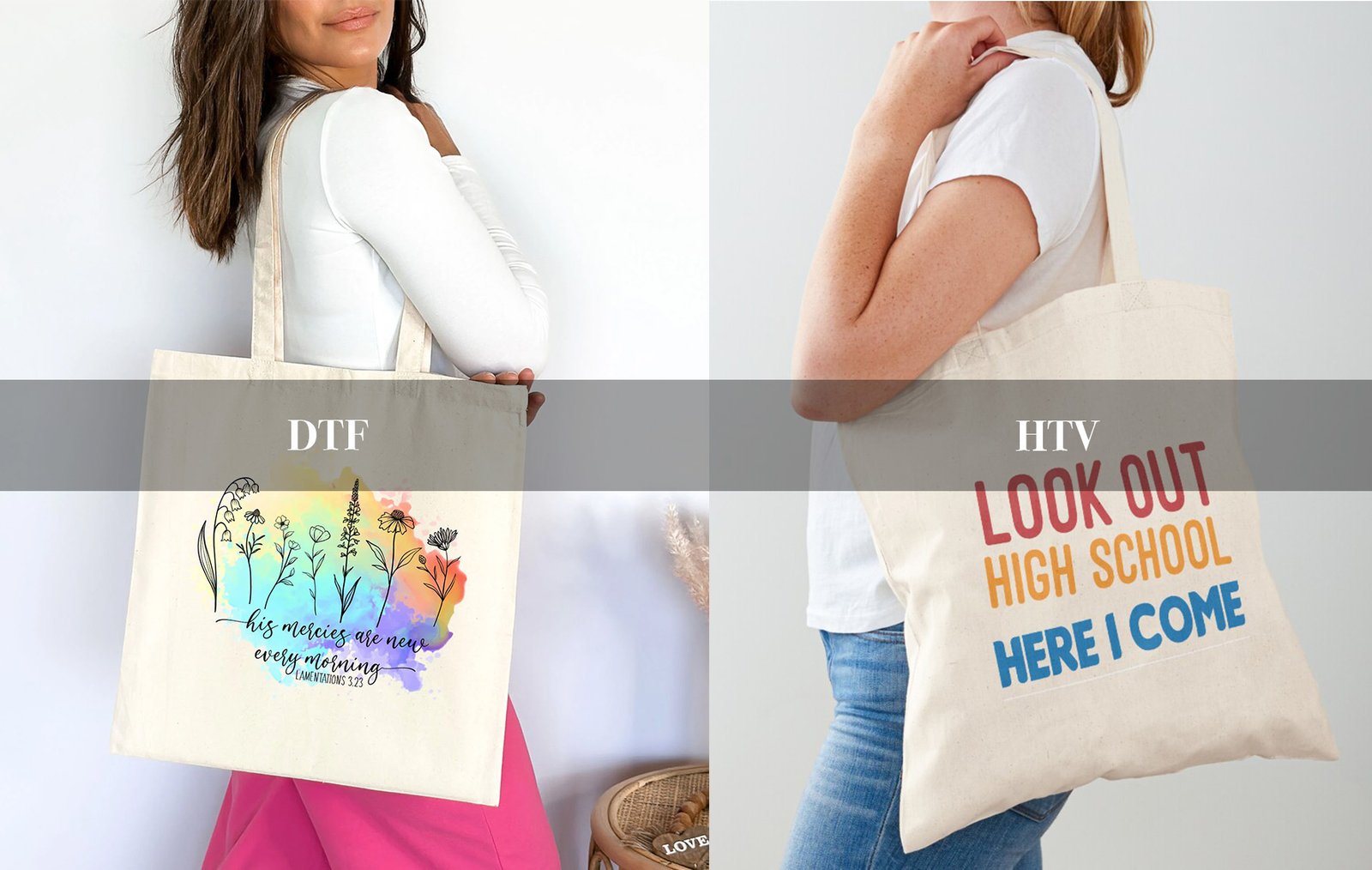
When I talk with buyers, I often find the same issue. They know the target price. They know the delivery date. But they do not always know which printing method will protect both. That gap can lead to rework, delays, and wasted budget. So I want to break this down in a simple way. I will compare DTF and HTV from the view of a bulk bag buyer. I will focus on cost, speed, durability, and order fit.
What Is the Difference Between DTF and HTV Printing?
Many buyers see two print options and think they are close enough. I used to hear that all the time. Then the order goes into production, and the real differences start to hurt.
DTF prints the design onto film, adds powder adhesive, and heat transfers it onto the bag. HTV cuts colored vinyl and presses it onto the bag. DTF is better for detailed, full-color artwork. HTV is better for simple shapes and short runs.
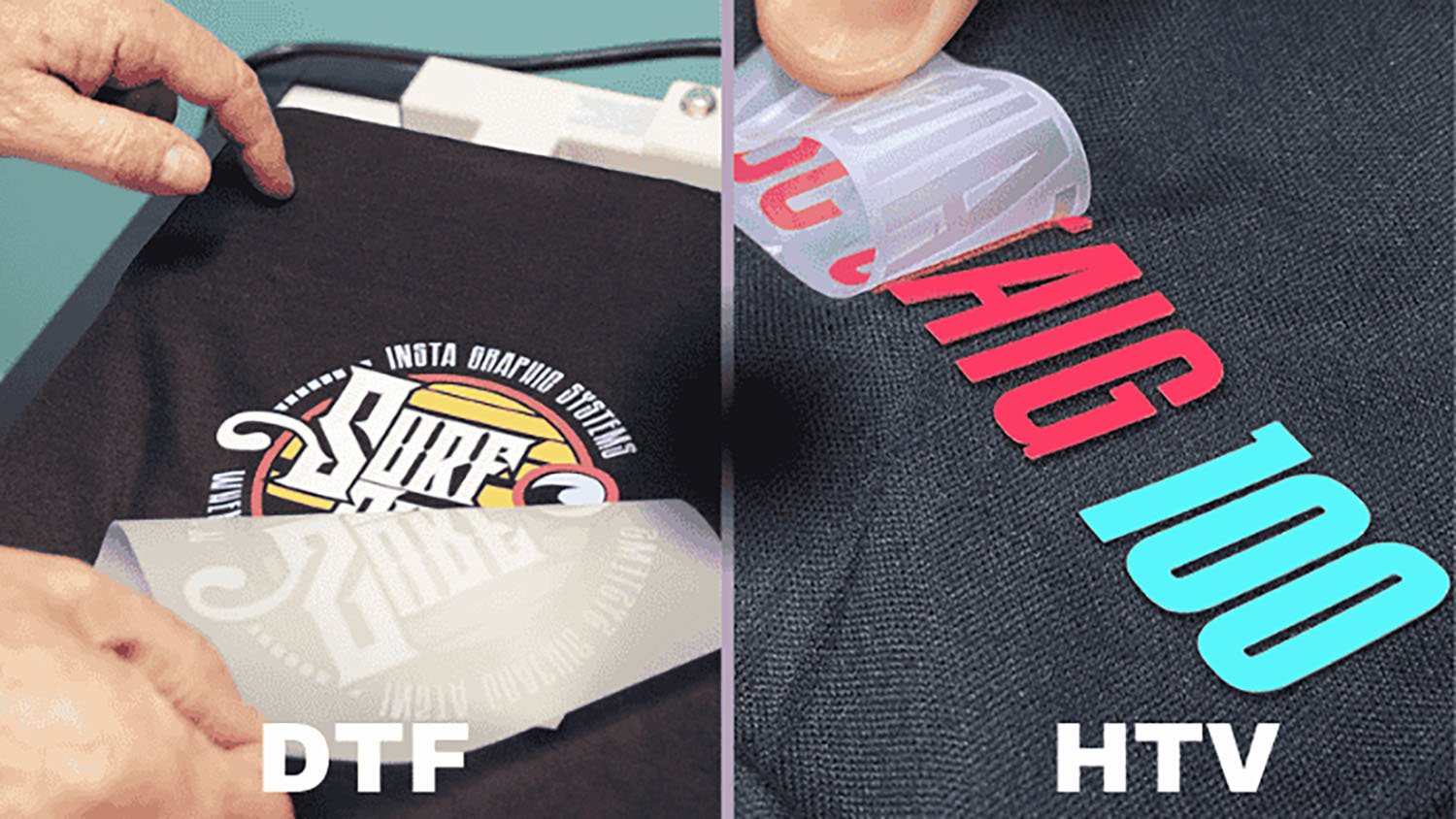
When I explain this to buyers, I keep it very direct. DTF and HTV are not just two names for the same thing. They are two different workflows. That matters a lot in bag production6.
With DTF, I can print a full image at once. The design can include gradients, small text, photo-like details7, and many colors. The film is prepared first. Then adhesive powder is added. Then the design is heat transferred to the bag. This process removes a lot of manual work8, especially for complex artwork.
With HTV, I need to cut the design from vinyl sheets. Then I remove the unwanted parts by hand. This step is called weeding9. After that, I heat press the vinyl onto the bag. If the logo has several colors, I often need to layer them one by one. That means more labor and more time.
I usually compare them like this:
| Point | DTF | HTV |
|---|---|---|
| Design type | Full color, detailed | Simple, solid color |
| Workflow | Print and transfer | Cut, weed, layer, press |
| Labor need | Lower | Higher |
| Small text | Better | Limited |
| Multi-color jobs | Easy | Slow |
I have seen DTF save a project when the buyer wanted a bright, retail-looking print on tote bags. I have also seen HTV work well for a simple one-color slogan on a small custom run. So the choice depends on the job. But for bulk bags, the difference usually becomes very clear.
Which Is More Cost-Effective for Large Bag Orders: DTF or HTV?
A lot of buyers look only at the unit print price at the start. I understand that. Still, I have learned that labor time10 often decides the true cost in bulk production.
For large bag orders, DTF is usually more cost-effective because it skips heavy manual weeding9, handles multi-color designs in one process, and reduces production hours. HTV can look cheap for simple small runs, but costs rise fast in bulk.
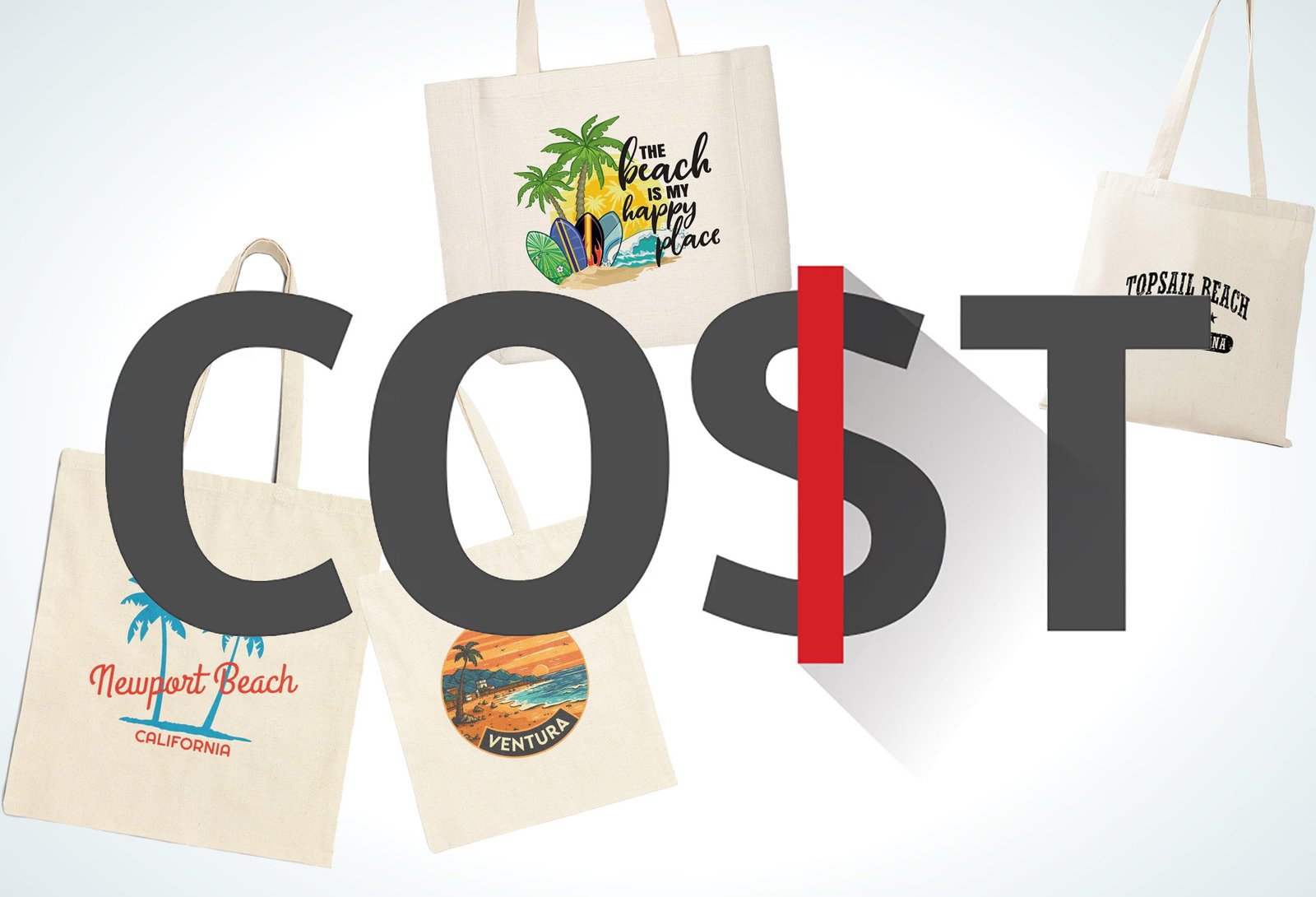
When I quote bag projects, I never look at material cost alone. I always look at the whole production chain. That is where DTF starts to win in bulk orders.
HTV may seem simple at first. A buyer may think, "It is just vinyl and a heat press." But the hidden cost is labor11. Every design needs cutting. Every design needs weeding9. If the artwork uses three colors, the operator may need to align and press three separate layers. If the order is 5,000 bags, those extra steps become a major cost.
DTF works better at scale because the design setup is more efficient. Once the print file is ready, the process is smoother. The operator does not need to weed each piece. The print can carry many colors and details in one transfer. That cuts hands-on time and lowers error rates.
I usually explain total cost12 like this:
| Cost factor | DTF in bulk | HTV in bulk |
|---|---|---|
| Setup for complex art | Efficient | Time-consuming |
| Labor cost | Lower | Higher |
| Error risk | Lower | Higher from manual steps |
| Speed impact | Fast | Slower |
| Best order size | Medium to large | Small to medium |
In one past project, I worked on a large promotional tote order with a colorful branding layout. If I had used HTV, the labor cost would have climbed fast. DTF gave us better control on cost and timing. That is why, for big bag orders, I usually guide buyers toward DTF first.
Does DTF or HTV Last Longer on Bags?
Some buyers focus on price first. Then they start asking the real question. Will the print still look good after use, shipping, and washing? That question matters a lot for bags.
DTF usually lasts longer on bags with complex prints because it has strong adhesion4, good flexibility, and good resistance to cracking and peeling. HTV can also last well on simple designs, but layered or poorly applied vinyl can lift over time.
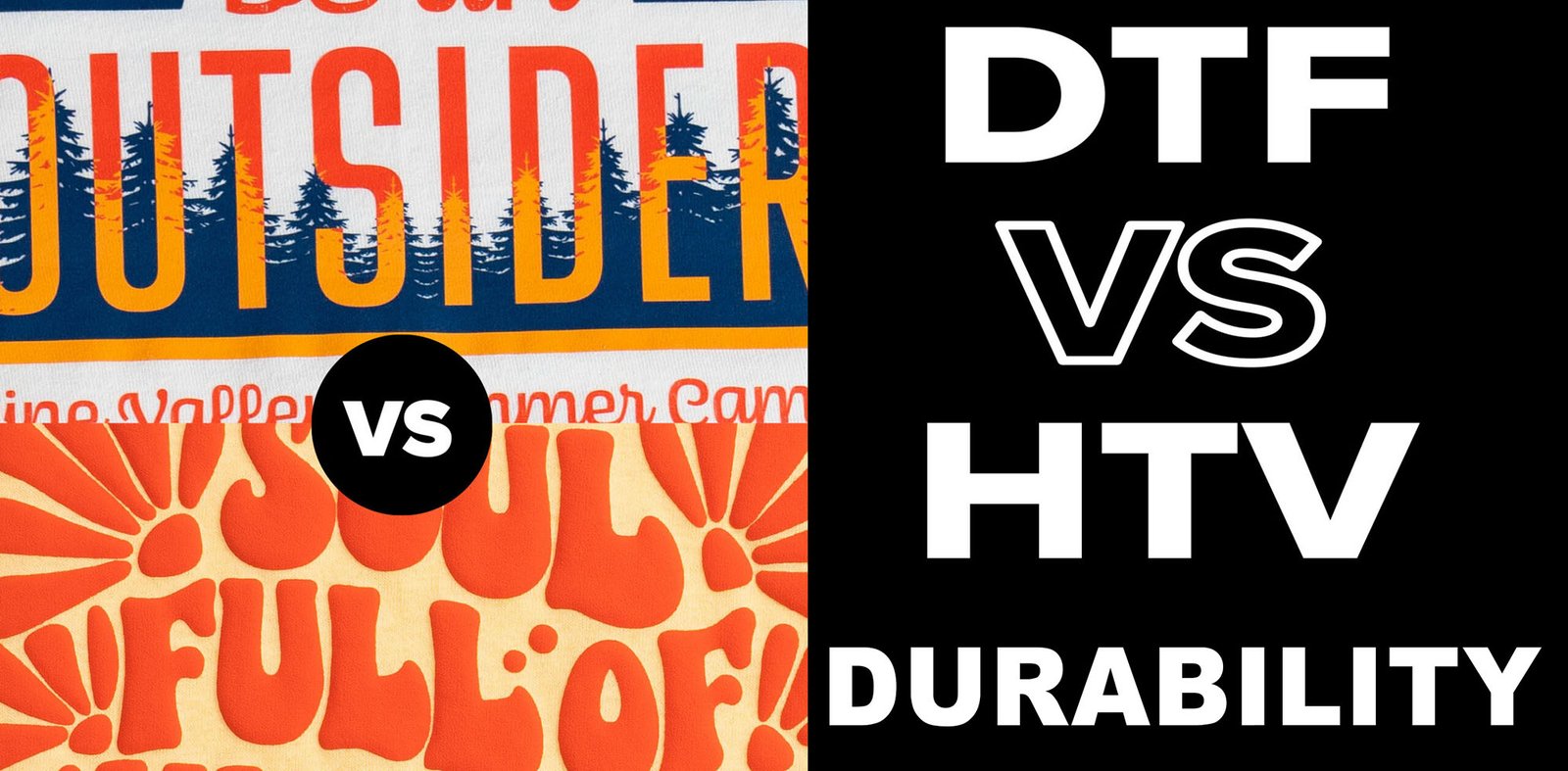
I always tell buyers that durability is not just about the print method name. It also depends on the bag fabric, press temperature, pressure control, and operator skill13. Still, if I compare the two methods in normal production conditions, DTF often gives more stable performance for bulk bag orders2.
Bags go through a lot. They are folded, packed, shipped, dragged, and used often. A print that looks fine on day one may fail after repeated friction or washing. DTF has a strong point here. It bonds well and keeps the design flexible. That matters when the bag surface bends or creases.
HTV can also be durable, especially for a simple logo with proper pressing. But the risk grows when the design gets more complex14. Multi-layer HTV can create weak points. Edges may lift. Thick vinyl areas may crack over time. This is more common when the bag is used heavily or stored in poor conditions.
Here is how I usually frame it:
| Durability point | DTF | HTV |
|---|---|---|
| Adhesion | Strong | Good if applied well |
| Flexibility | Better for complex prints | Good for simple shapes |
| Cracking risk | Lower | Higher on layered designs |
| Peeling risk | Lower | Can rise at edges |
| Best use case | Full-color bulk bags | Simple text or logos |
I have seen DTF perform very well on promotional totes, cosmetic bags, and backpacks. The print stayed clean and bright after repeated handling. For buyers who care about brand image and return risk, that extra stability is important. In my view, durability is one more reason why DTF fits wholesale bag orders15 better.
Which Printing Method Is Faster for Bulk Bag Production?
A delayed shipment can damage trust fast. I know many buyers care as much about lead time as they do about price. That is why production speed is not a small detail.
DTF is faster for bulk bag production6 because it avoids manual weeding9 and reduces repeated pressing steps. For complex or multi-color designs, DTF can be nearly twice as fast as HTV, which makes it better for tight delivery schedules16.
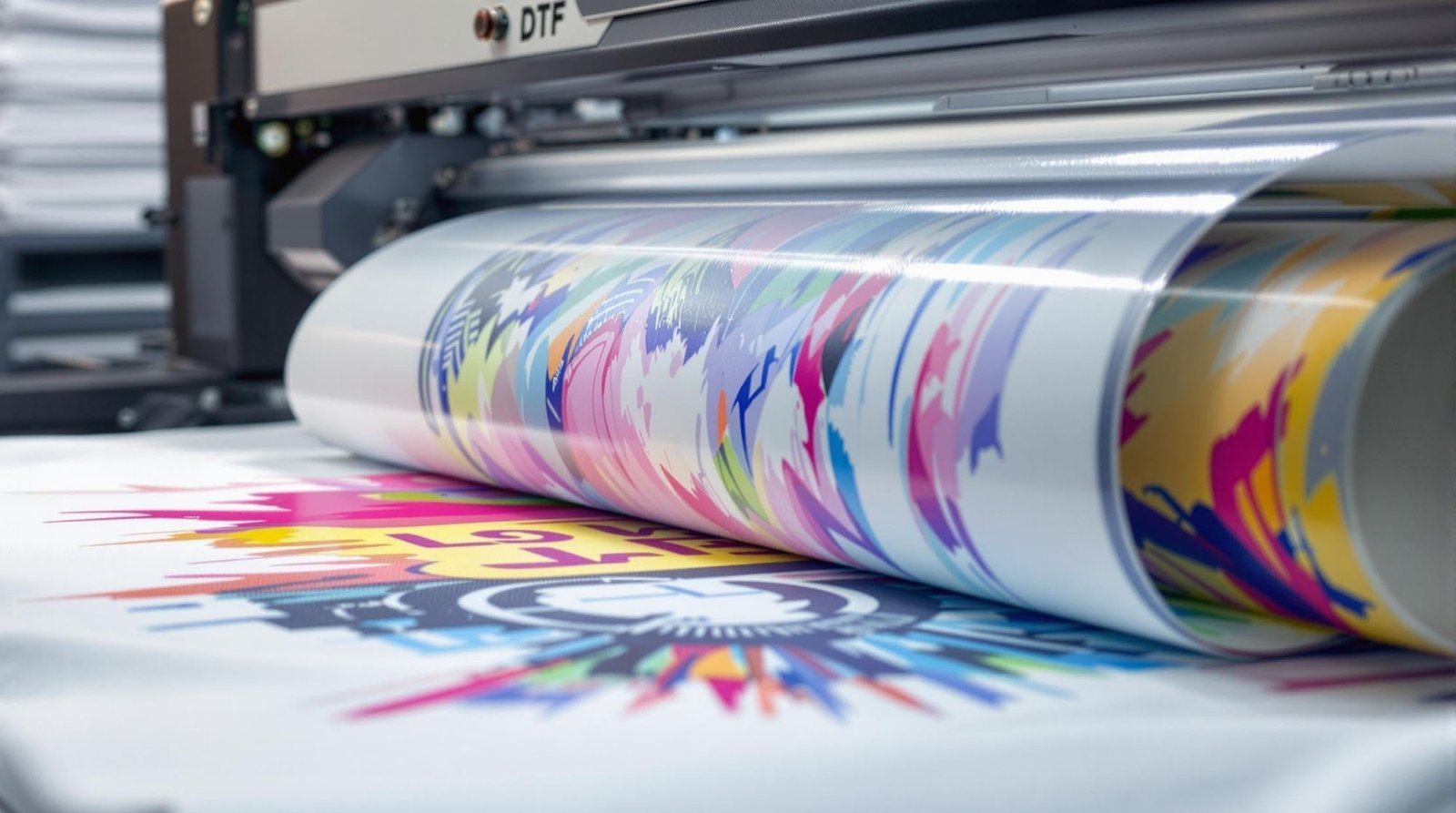
In factory work, speed is not just machine speed. It is total workflow speed. That includes file prep, operator time, transfer steps, and quality checking. When I compare DTF and HTV in real bag production6, DTF usually moves faster from start to finish.
HTV slows down because of hand work. The vinyl must be cut. Then the extra material must be removed. Then each color may need its own press step. That means more touch points. More touch points mean more chances for alignment errors and slower output.
DTF is more direct. Once the design is printed on film and prepared, the transfer step is simple and repeatable. This is especially useful for large bag runs where the same artwork is used across hundreds or thousands of pieces. The operator can maintain rhythm and reduce stop time.
I often explain speed with this table:
| Production step | DTF | HTV |
|---|---|---|
| Artwork complexity handling | Fast | Slows down fast |
| Manual work | Less | More |
| Multi-color production | One transfer | Multiple layers |
| Output consistency | High | Depends more on operator |
| Bulk order efficiency | Strong | Weakens with volume |
I remember one order where the buyer needed a fast restock before a retail promotion. The artwork had several colors and small elements. DTF helped us protect the shipping date. If we had used HTV, I believe the order would have taken much longer. For buyers who need on-time delivery, DTF gives a safer path.
Should Bag Buyers Choose DTF Over HTV for Wholesale Orders?
Many buyers ask me this at the end of the discussion. They want a clear answer, not just a technical comparison. I respect that. In wholesale, the best method should support margin, quality, and delivery.
Yes, bag buyers should usually choose DTF over HTV for wholesale orders, especially for large quantities, full-color artwork, and faster delivery needs. HTV still has value for simple, small, personalized jobs, but DTF is the better bulk solution.
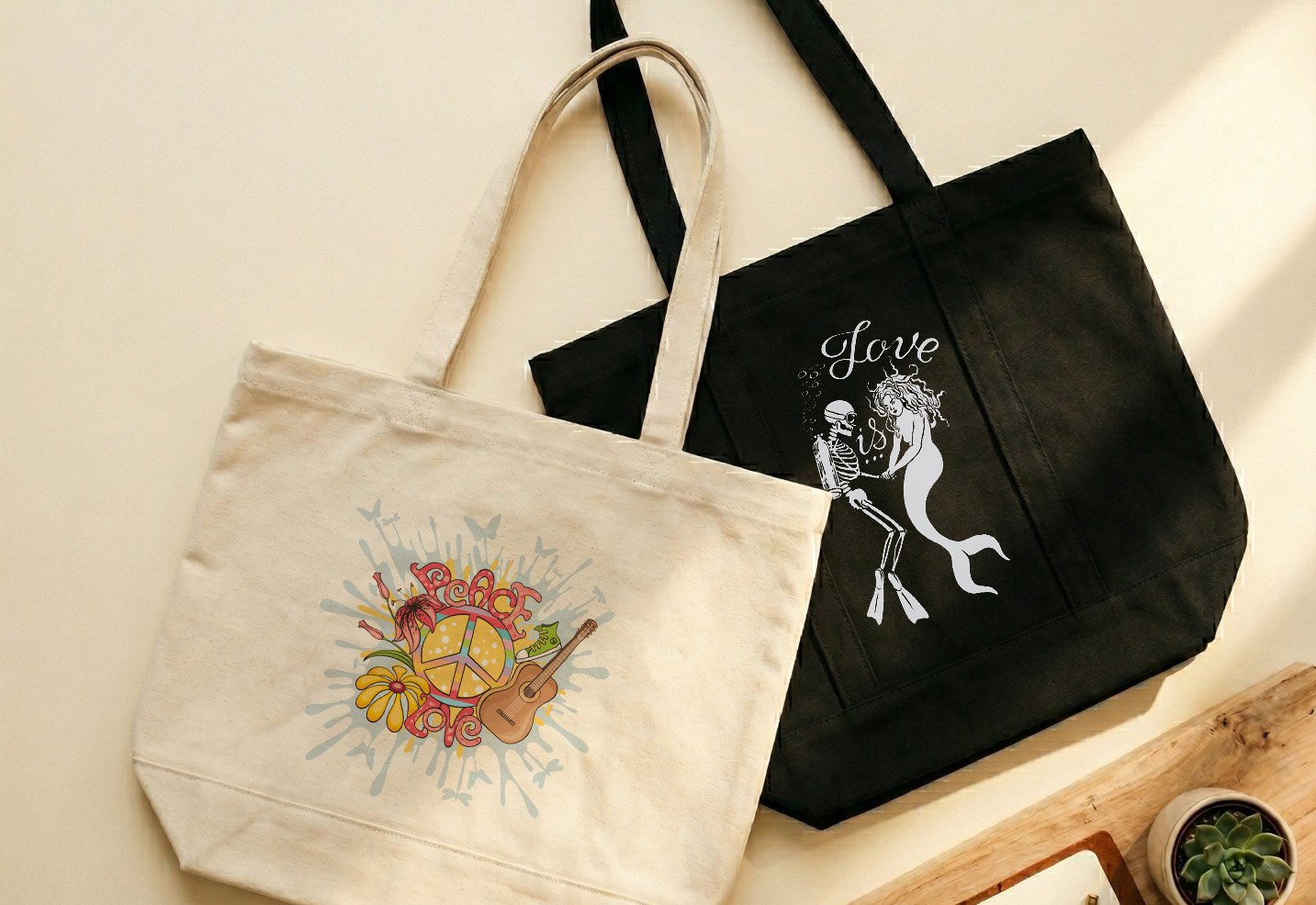
My answer is simple because the order logic is simple. If I am handling a wholesale bag project, I need stable output, clear print quality, controlled labor cost, and reliable lead time. DTF checks those boxes better in most cases.
I would choose DTF first when the buyer has any of these needs:
- large order quantity
- colorful or detailed design
- strict delivery date
- pressure to reduce labor cost
- need for good brand image on the finished bag
I would still consider HTV in some cases:
- very small test orders
- simple one-color text or shapes17
- highly personalized names or numbers
- special jobs where vinyl texture is part of the look
This side-by-side view helps most buyers:
| Buyer need | Better choice |
|---|---|
| Bulk wholesale order | DTF |
| Full-color artwork | DTF |
| Low labor cost | DTF |
| Fast output | DTF |
| Simple small custom run | HTV |
| Single-color personalized item | HTV |
From my experience, most B2B bag buyers do not want decoration methods that create extra steps and extra risk. They want smooth production and fewer surprises. That is why I see DTF become the first option again and again for wholesale bag orders15. If the goal is scale, value, and consistency, DTF is usually the smart call.
Conclusion
For bulk bag orders2, I would choose DTF in most cases. It gives better cost control, faster production, stronger print performance, and better value than HTV at scale.
Helps you learn from others’ failures so you can avoid reprints, refunds, and missed deadlines on big jobs. ↩
Shows you the full landscape of decoration methods so you can avoid costly mistakes when scaling up bag projects. ↩
Helps you see real print examples and choose a method that makes complex artwork look sharp and professional. ↩
Helps you match print chemistry to fabric so logos don’t crack or peel in real-world use. ↩
Guides you to durability tests so your prints survive washing, shipping, and daily use without failing. ↩
Explains how workflow choices affect throughput, staffing, and profit on large-scale bag runs. ↩
Shows techniques and case studies so intricate designs stay crisp instead of blurring or filling in. ↩
Reveals hidden labor costs that eat margin so you can justify more efficient print workflows. ↩
Provides tricks, tools, and alternatives that cut tedious labor and speed up production significantly. ↩
Helps you build accurate cost models so your quotes stay profitable even on large orders. ↩
Uncovers hard-to-see expenses so you can tighten operations and price jobs with confidence. ↩
Guides you through full cost accounting so you choose methods based on real, not just material, costs. ↩
Gives you practical parameters and best practices to reduce defects and warranty issues. ↩
Shows you how complexity affects failure points so you can design artwork that produces reliably. ↩
Shows you how large decorators handle wholesale runs so you can mirror proven, profitable setups. ↩
Helps you pick a process that can reliably hit ship dates without overtime or quality drops. ↩
Helps you recognize the specific scenarios where HTV is still the smartest, most economical choice. ↩