Choosing the wrong cotton for a bag line can raise costs, weaken your brand story, and disappoint buyers who care about feel, price, or eco claims.
Organic cotton is better for brands that sell a natural, skin-friendly, certified story1. Recycled cotton is better for brands that focus on circular use, lower carbon impact, and better cost control2. The better choice depends on your market, price target, and customer expectations.
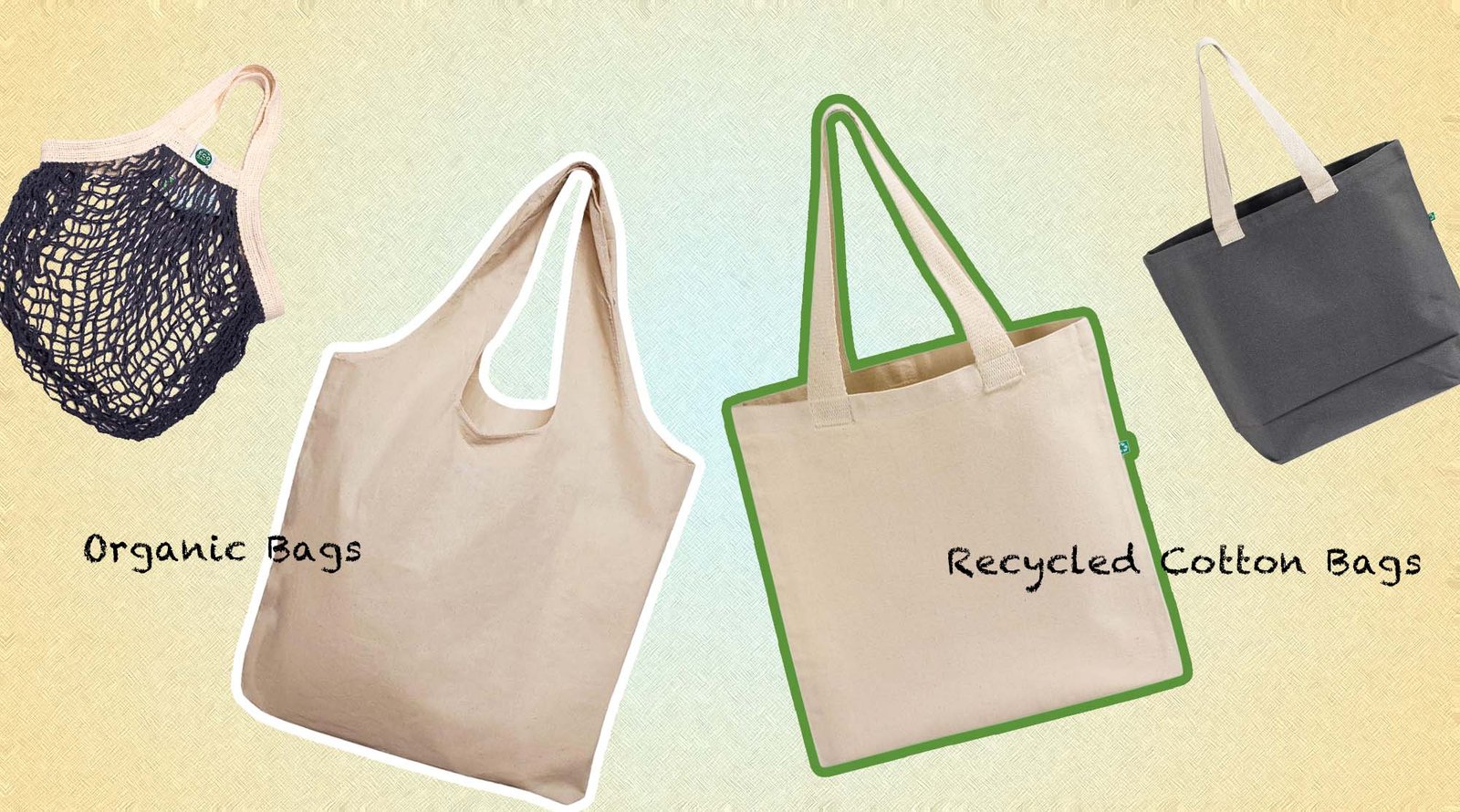
I have seen many buyers ask this question when they plan a new tote bag, cosmetic bag, or retail promotion project. I understand the concern. A bag may look simple, but the fabric choice shapes the product story, target price, buyer trust, and repeat orders. When I work with B2B customers, I do not treat organic cotton and recycled cotton as rivals in a simple way. I treat them as two useful tools. Each one fits a different sales goal. If I choose based on product positioning, the result is much better. That is why this comparison matters so much.
What Is the Difference Between Organic and Recycled Cotton?
Many buyers hear both terms and think they mean the same kind of eco cotton. That mistake can lead to the wrong sourcing plan and weak product messaging3.
Organic cotton comes from cotton grown without synthetic pesticides or chemical fertilizers. Recycled cotton comes from cotton waste, like old fabric scraps or used textiles, that is processed into new yarn. One starts at farming. The other starts at waste recovery.
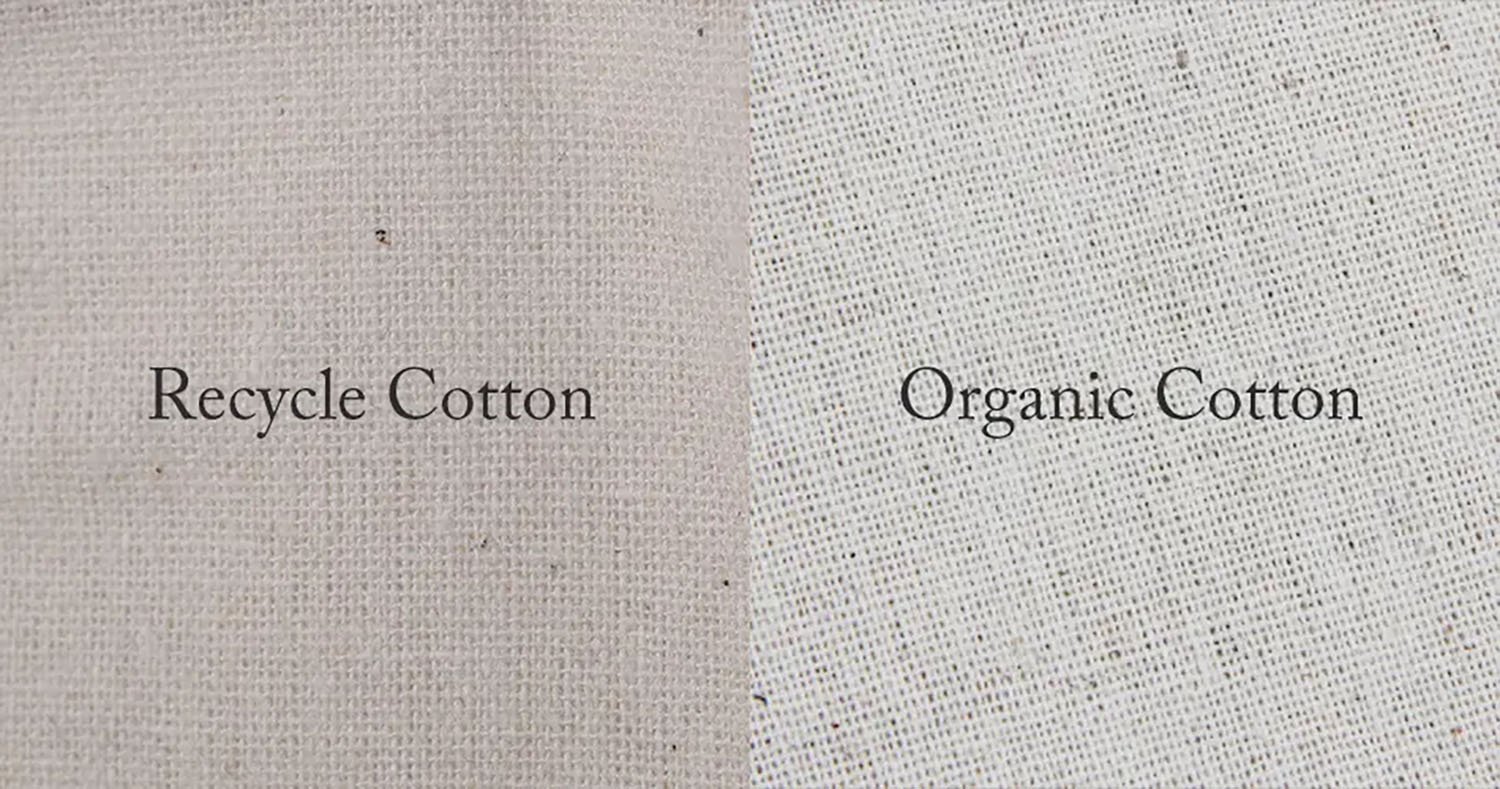
When I explain this to buyers, I start from the source. Organic cotton begins in the field. Farmers grow it under strict rules. They avoid many chemicals used in normal cotton farming. This gives the material a strong "from nature" story. It also makes traceability and certification4 more important. If my customer wants a clean supply chain story5, organic cotton often fits well.
Recycled cotton begins after the first life of the textile. The raw material can come from factory cutting waste, unsold stock, or post-consumer textile waste. The waste is sorted, broken down, and spun again into yarn. This gives the material a strong "waste turned into value" story. Many buyers like this because it supports circular design and lower waste6.
I also explain the practical differences clearly:
| Point | Organic Cotton | Recycled Cotton |
|---|---|---|
| Starting point | Cotton farming | Textile waste or fabric scraps |
| Main eco message | No harmful farm chemicals | Reuse of existing material |
| Brand angle | Natural, clean, certified | Circular, low-carbon, resource-saving |
| Hand feel | Often softer and more natural | Can vary by fiber quality and blend |
| Traceability focus | Farm to fabric | Waste source to recycled yarn |
| Common buyer interest | Premium natural products | Eco value with cost balance |
In my own factory discussions, this basic difference helps buyers decide fast. If they care about farm origin and skin feel7, they move toward organic. If they care about waste reduction and carbon story, they move toward recycled. The key is not to mix up these two stories, because buyers and end users notice the difference.
Is Organic Cotton or Recycled Cotton More Eco-Friendly?
Many people assume organic cotton must be greener because it sounds more natural. That is not always true when I look at the full material journey8.
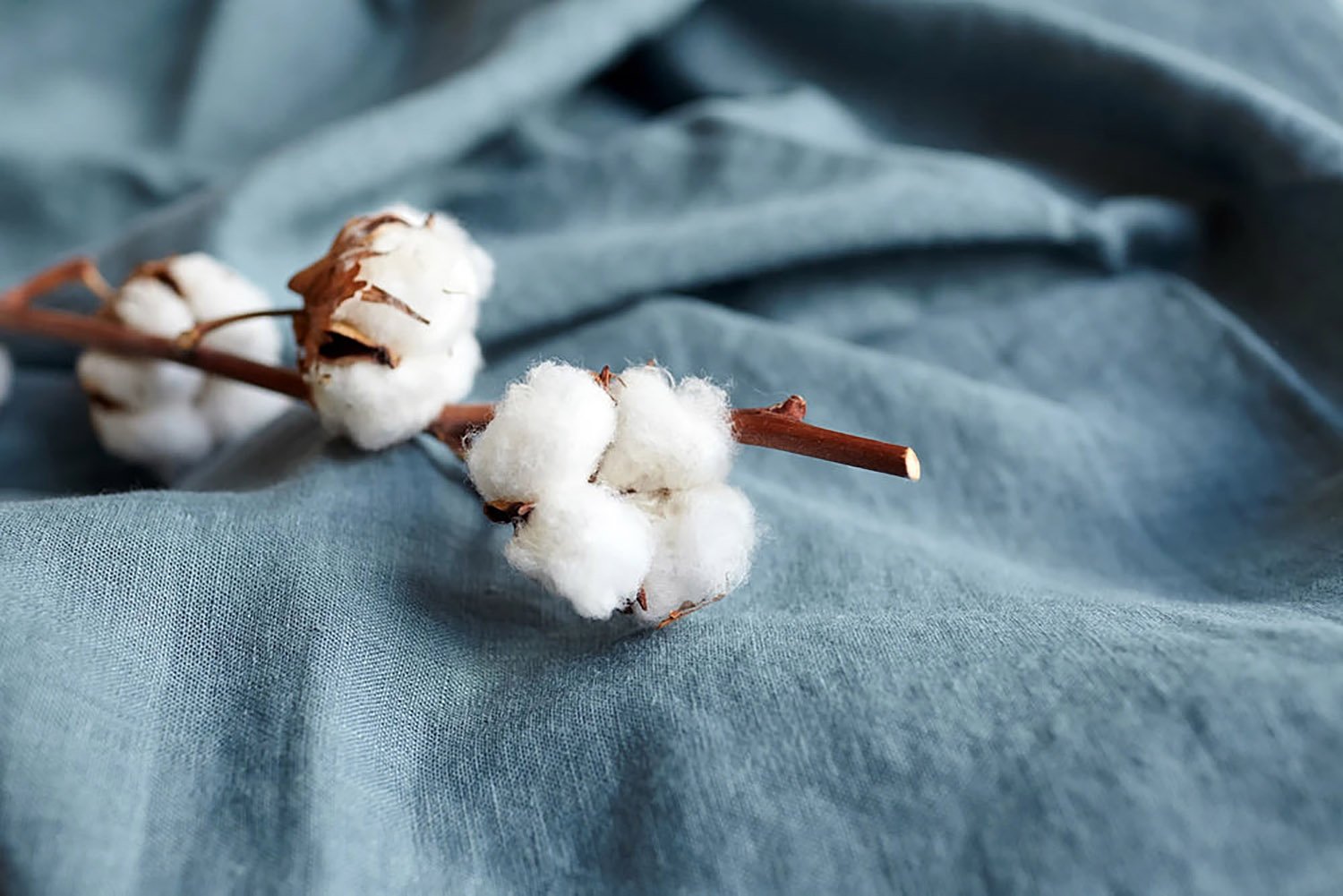
Recycled cotton is often more eco-friendly in carbon and waste reduction because it reuses existing textiles and can cut emissions by about 80% compared with conventional cotton production. Organic cotton is more eco-friendly at the farming stage because it avoids synthetic pesticides and chemical fertilizers.
I find this is where buyers need a balanced answer. Eco-friendly is not just one thing. It includes farming impact, water use, chemical use, carbon output, and waste control. If I only look at one point, I may give the wrong advice.
Organic cotton improves the farming side. It avoids many harmful inputs in the field. This matters a lot for soil, farm workers, and chemical exposure. It also supports a cleaner raw material story. Buyers who care about product origin often value this very highly.
Recycled cotton improves the resource side. It gives old textile waste a second life. It reduces demand for virgin cotton. It also usually needs less energy and fewer fresh resources than growing new cotton and processing it from zero. In many cases, it can reduce carbon emissions by around 80%9 compared with traditional cotton production. That is a strong point for brands that want a low-carbon story.
Here is how I usually compare them:
| Eco factor | Organic Cotton | Recycled Cotton |
|---|---|---|
| Pesticide reduction | Strong advantage | Not the main advantage |
| Chemical fertilizer reduction | Strong advantage | Not the main advantage |
| Waste reduction | Limited | Strong advantage |
| Carbon reduction | Good vs conventional cotton | Often stronger |
| Circular economy value | Low | High |
| Natural farming story | Very strong | Moderate |
| Sustainability certifications | Often important | Also important, but different focus |
I once worked on a buyer project where the team first wanted organic cotton because the word sounded premium. Then we reviewed their customer base. Their end users cared more about climate and reuse than farm origin. We changed direction and tested recycled cotton. The final product story became clearer, and the pricing also worked better. That experience reminded me that eco-friendly is not one fixed answer. It depends on what problem I want the material to solve.
Which Cotton Fabric Is Better for Making Bags?
A bag fabric must do more than sound sustainable. If it lacks strength, feel, or print stability, the product may fail in real use.
For bags, the better fabric depends on the product goal. Organic cotton is often better for a soft, premium, natural feel. Recycled cotton is often better for eco-focused, cost-conscious bags, especially when the construction and weight are chosen carefully for durability.

When I help customers develop tote bags, backpacks, cosmetic bags, or gift bags, I look at function first. A good bag fabric must match the use. It must hold weight. It must print well. It must fit the brand image. It must meet the price target. This is why I do not answer this question with one simple winner.
Organic cotton has a soft hand feel10 that many buyers like. It often supports a more natural surface look. It works very well for brands that want a clean, premium image. I think it is especially good for shopping totes, cosmetic pouches, and lifestyle bags where touch matters. If the end user handles the bag often, this softer feel can improve the product experience.
Recycled cotton can also work very well for bags, but I pay more attention to yarn quality, fabric weight, and whether the material is blended11 with other fibers for strength. Because recycled fibers can be shorter after processing, some recycled cotton fabrics may need careful engineering to get the right durability. In many OEM and ODM projects, this is manageable. The right weave, GSM, and finishing12 make a big difference.
I usually assess bag suitability like this:
| Bag requirement | Organic Cotton | Recycled Cotton |
|---|---|---|
| Soft hand feel | Strong | Good, but varies |
| Premium natural image | Strong | Moderate |
| Circular eco story | Moderate | Strong |
| Fabric consistency | Usually stable | Depends on recycling process |
| Durability for heavy use | Good with right construction | Good with right construction and blend |
| Printing effect | Good | Usually good, but test first |
| Cost control | Moderate | Often better |
In one sample round, I compared two cotton tote fabrics for a retail buyer. The organic option felt softer and looked more premium. The recycled option gave a stronger sustainability story around waste reuse and a better target cost. In the end, the buyer used organic cotton for a higher-value gift line and recycled cotton for a mass promotion line. That split strategy worked because each fabric was matched to the real use case, not just a trend word.
Does Organic Cotton or Recycled Cotton Cost More for Bulk Orders?
Many buyers want sustainability, but they also need margin. If material choice pushes bulk costs too high, the project can lose its market edge.
Organic cotton usually costs more for bulk orders because certified farming and supply chain control add cost. Recycled cotton is often more cost-effective, especially for brands that want an eco claim and better price control at the same time.

In B2B bag sourcing, price is never just fabric price per meter. I always look at the full order cost. That includes certification, dyeing, waste rate, printing, trims, packaging, and production efficiency. When I compare organic cotton and recycled cotton for large orders, organic cotton often comes out higher.
The reason is simple. Organic cotton needs controlled farming and separated supply chain management. If the buyer wants certification such as GOTS13, the process becomes more structured, and that often means higher cost. For some markets, that extra cost is worth it because the product can sell at a premium.
Recycled cotton often has a more practical cost advantage. The raw material comes from recovered textile sources, and this can help reduce material cost pressure. It also gives a strong eco message without always moving into a premium price bracket. This makes it very useful for supermarket programs, promotional bags, and large-volume retail projects14.
I usually explain bulk cost factors in this way:
| Cost factor | Organic Cotton | Recycled Cotton |
|---|---|---|
| Raw material cost | Usually higher | Often lower |
| Certification cost | Often higher | Varies |
| Premium market fit | Strong | Moderate to strong |
| Mass-market fit | Good but cost-sensitive | Strong |
| Best use in bulk | Premium branded bags | Large eco-focused programs |
| Cost-performance balance | Good for premium lines | Strong for price-sensitive lines |
From my experience, if a buyer says, "I need eco material, but I must control the budget," recycled cotton is often the more realistic path. If the buyer says, "I need certification, traceability, and a stronger natural premium story," then organic cotton may still be the right answer even with the higher cost. Bulk sourcing works best when I align material choice with the final shelf price and target margin early, not after sampling.
How Do I Choose the Right Cotton for My Bag Brand?
Many brands get stuck because both materials sound good. If the decision is based only on trend words, the final product may miss the real customer need.
I choose the right cotton by matching material to brand position, customer values, price range, and certification needs. I use organic cotton for a natural, premium, traceable story. I use recycled cotton for a circular, low-carbon, cost-aware story15.
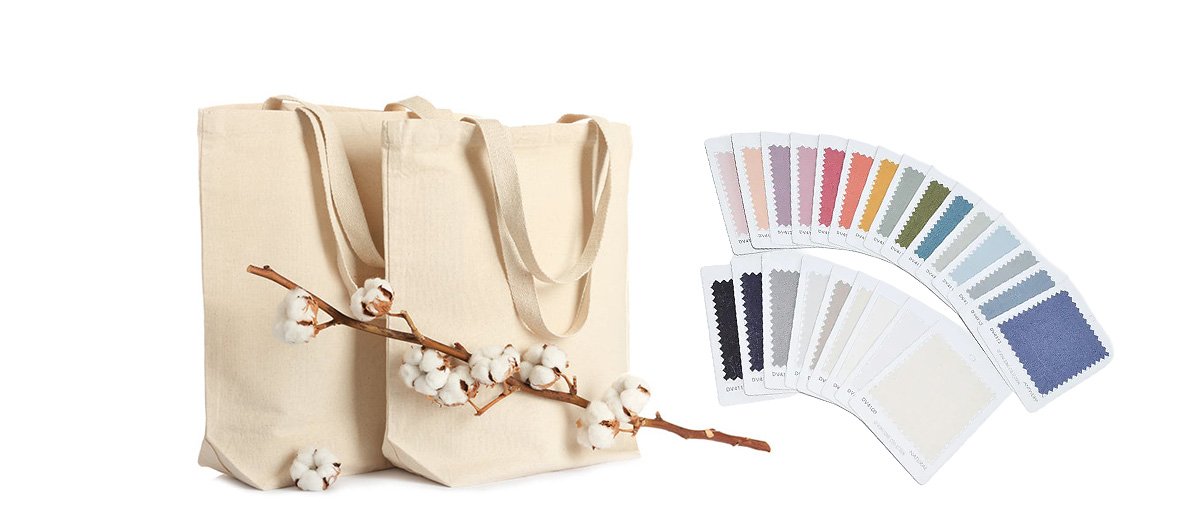
When I make this choice, I start with the brand promise. I ask a simple question: what does the customer really want to hear and feel? If the brand sells health, nature, softness, and clean sourcing, organic cotton usually fits better. If the brand sells circular fashion, climate action, waste reduction, and practical eco value, recycled cotton usually fits better.
I also look at the final customer. Some buyers sell to markets where certification matters a lot. Europe and some premium segments often care about material traceability and labels like GOTS. In that case, organic cotton gives a clearer story. Some buyers sell to large retail or promotional channels where price and sustainability need to work together. In that case, recycled cotton may be the better tool.
My decision process is simple:
| Question I ask | Best answer points to Organic Cotton | Best answer points to Recycled Cotton |
|---|---|---|
| What is my main brand story? | Natural, healthy, premium | Circular, low-carbon, practical |
| Do I need strong farm traceability? | Yes | Not necessarily |
| Do I need a known certification story? | Yes, often | Maybe, depends on claim |
| Is soft hand feel10 very important? | Yes | Sometimes |
| Is budget control very important? | Less so | Yes |
| Am I targeting mass eco retail? | Maybe | Often yes |
| Am I targeting premium conscious buyers? | Often yes | Sometimes |
I have found that the best material choice is rarely emotional. It is strategic. I do not ask which fabric sounds nicer. I ask which fabric helps the bag sell better, fit the margin, and support repeat orders. For some clients, the smart answer is not one or the other. It is both. They use organic cotton for a premium collection and recycled cotton for a larger commercial line. That approach gives them range, flexibility, and a stronger product plan.
Conclusion
Organic cotton and recycled cotton are both good choices. I choose organic for premium traceable softness, and I choose recycled for low-carbon value, better cost, and circular brand messaging.
Learn how to turn material choices into a compelling “clean” narrative that attracts health-conscious and premium-minded customers. ↩
See how to combine climate impact and budget discipline so your “eco” line remains profitable at scale. ↩
Understand common sourcing mistakes so your material, price, and story stay aligned and convincing for buyers. ↩
Find out which certification schemes matter and how they influence buyer confidence and pricing. ↩
Explore ways to prove your supply chain claims and avoid greenwashing when talking to retailers and end users. ↩
See practical models for closing the loop so your products contribute less to landfills and overproduction. ↩
Understand sensory and ethical drivers that push customers to pay more for certain cotton stories. ↩
Learn how life-cycle thinking prevents misleading “eco” claims and guides smarter material choices. ↩
See the science behind the carbon savings so you can communicate credible climate benefits in marketing. ↩
Learn why tactile experience can justify higher prices and drive repeat purchases for your bag line. ↩
Get technical guidance to engineer recycled fabrics that pass strength and durability expectations. ↩
Discover practical specs that factories use to balance softness, strength, and printability. ↩
Understand how GOTS and similar labels impact compliance, market access, and consumer trust. ↩
Learn how big retailers choose fabrics that balance eco claims with strict cost targets. ↩
Get a storytelling blueprint that ties recycled materials, climate benefits, and value pricing together. ↩