Many buyers ask me this after seeing two similar tote styles. The risk is simple. A cheap-looking choice can lead to the wrong bag shape, weak function, and wasted budget.
Neither flat nor boxed tote bag bases are always cheaper. In my factory experience, the better value depends on size, capacity, look, and use. I always compare both options under the same specifications before judging real cost.
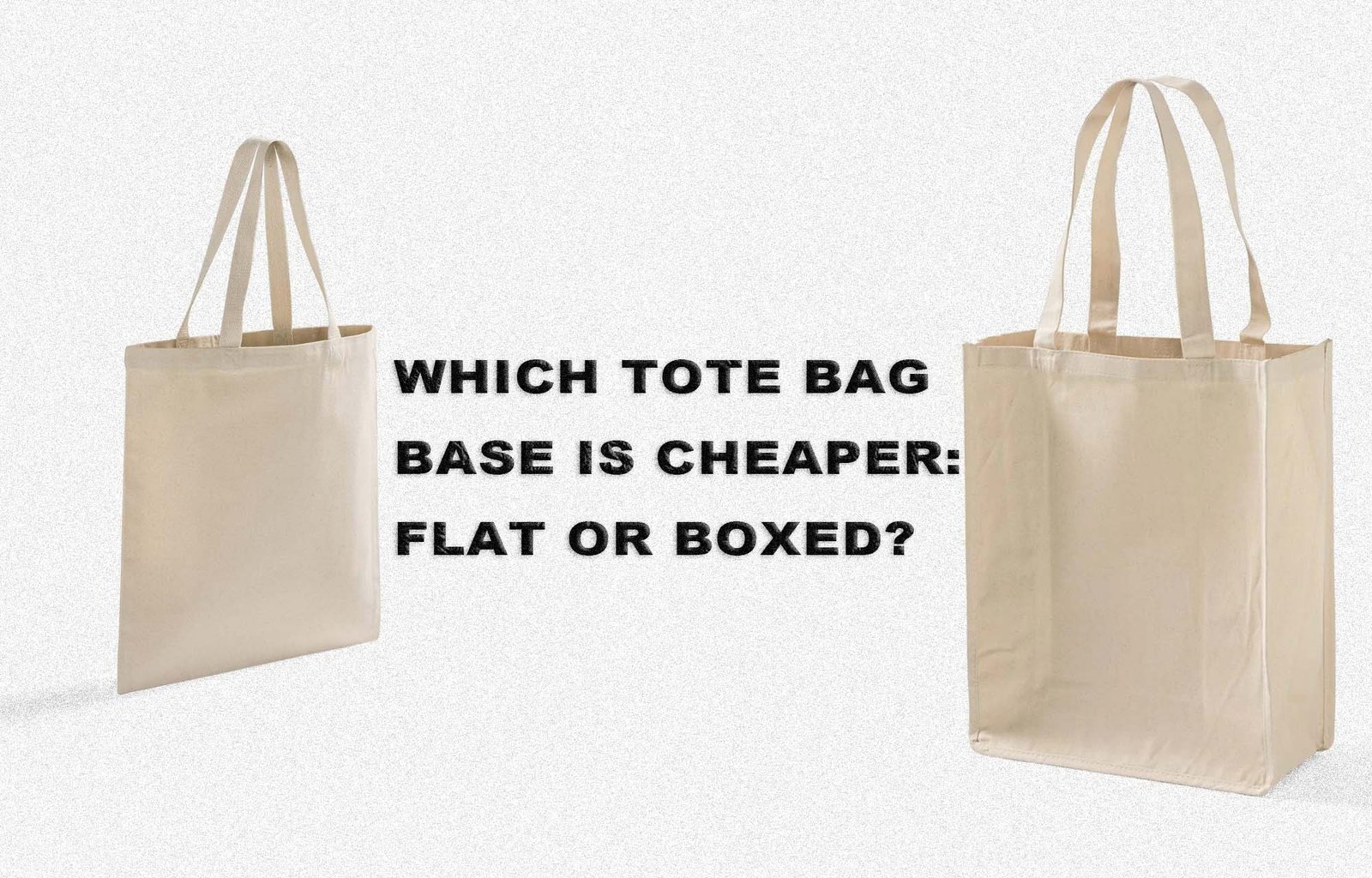
I have talked with many buyers who wanted a fast answer on tote bag base cost. I understand why. Procurement teams need clear numbers. Still, I have seen this question lead people in the wrong direction. The base type matters, but it does not act alone. I usually tell customers to step back first. I ask how the bag will be used, how full it should look, and what image the brand wants to show. That is where the real answer starts, and that is also what keeps expensive mistakes from happening later.
What Is the Cost Difference Between Flat and Boxed Tote Bags?
A buyer often expects a simple price gap. The problem is that a base change can also change size, shape, and customer expectation.
The cost difference between flat and boxed tote bags is often small when the bags are compared fairly.1 In many quotes I handle, overall dimensions, material use, and sewing steps matter more than the base label itself2.
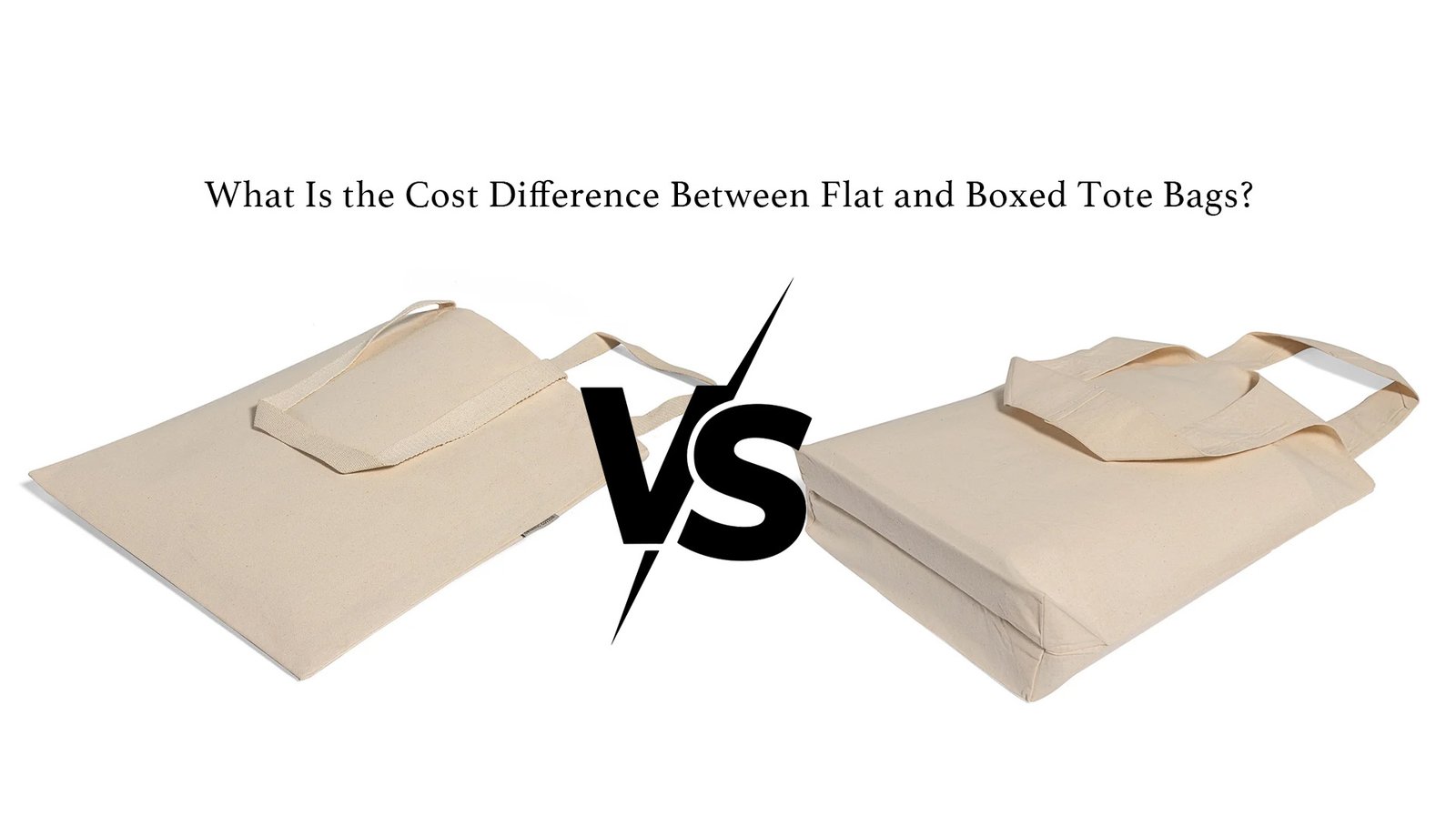
When I quote tote bags for customers, I rarely look at the base shape alone. I look at the full bag plan. A flat tote bag is often seen as the lower-cost option because it looks simpler. In some cases, that is true. It may use a more direct cutting and sewing method. Still, many buyers do not compare equal bags. They compare a slim flat tote to a roomy boxed tote meant to carry more items. That is not a fair cost test.
I have seen buyers send one reference photo of a flat bag and another of a boxed bag. Then they ask which one is cheaper. My first step is to match the function. If the boxed bag is wider, holds more3, and stands better when filled4, then some extra cost may come from that larger usable space, not just from the boxed bottom itself.
Here is how I usually explain the cost view:
| Factor | Flat Base Tote | Boxed Base Tote | What I Check in Quotation |
|---|---|---|---|
| Visual shape | More simple, slimmer | More structured, fuller | Does the brand want a basic or premium look? |
| Capacity | Lower at same face size | Higher at same face size | Is the buyer comparing equal carrying volume? |
| Sewing process | Often simpler | May need extra folding and stitching | Does the added work change labor cost much? |
| Fabric use | Can be lower | May increase due to gusset/base depth | Is the material change large or minor? |
| Buyer expectation | “Cheaper” | “More expensive” | Is the expectation based on fact or appearance? |
In many real cases, the quote gap is not dramatic. The bigger issue is fit. If a customer needs a bag for retail packs, folded clothing, or gift sets, a boxed base may suit the job better. If the customer only wants a simple giveaway tote, a flat base may be enough. I do not think the better question is “Which one is cheaper?” I think the better question is “Which one gives me the right result without paying for the wrong features?”
Which Tote Bag Structure Uses Less Fabric and Labor?
Many buyers assume a flat tote always uses less fabric and less labor. I have learned that this is not always so simple in actual production.
A flat tote bag often uses less fabric and labor in simple designs5, but the real difference depends on bag dimensions, seam method, reinforcement, and desired shape. I compare material yield and sewing steps together, not separately.
From the factory side, I can say that structure affects both fabric use and labor time. Still, I need to look at the pattern before I can speak with confidence. A flat tote bag can be very direct. It may use two body panels and simple side seams. That can help reduce labor. It can also support good material yield if the shape fits fabric width well.
But the story changes when customers want a flat bag to carry more. Then they often increase width and height. Sometimes they add reinforcement panels, wider hems, stronger handles, or a bottom support insert. At that point, the flat bag may no longer be the clear savings choice. A boxed tote may achieve the needed volume in a cleaner way.
I often break it down like this for buyers:
| Cost Element | Flat Base | Boxed Base | My Factory-Side View |
|---|---|---|---|
| Main fabric use | Often lower in basic styles | Often a bit higher due to gusset depth | The gap depends on final size |
| Cutting complexity | Usually simple | Slightly more pattern planning | Not always a major cost driver |
| Sewing time | Usually direct | May need extra fold and seam control | Labor change can be small in stable production |
| Reinforcement need | May rise if bag is overloaded | Shape can support use better | Use case changes cost more than theory |
| Waste from layout | Depends on panel size | Depends on gusset pattern | Fabric width matters a lot6 |
I remember one customer who wanted a “cheaper” flat tote for a retail promotion. We reviewed the item size that would go inside. The flat version had to be made much larger on the front panel to work. The boxed version had a neater shape and a similar total cost once we balanced dimensions. That case stayed with me. It reminded me that less fabric on one line of the drawing does not always mean lower total project cost. The best choice comes from matching structure to use, then checking labor and material together.
How Do Flat and Boxed Bottoms Affect Production Efficiency?
A small design change can look harmless in a sample. In bulk production, that same change can affect speed, consistency, and quality control.
Flat bottoms can support faster, simpler production in many standard totes, while boxed bottoms may need more handling.7 But in bulk orders with stable patterns, the efficiency gap can narrow if the design suits the production line well.
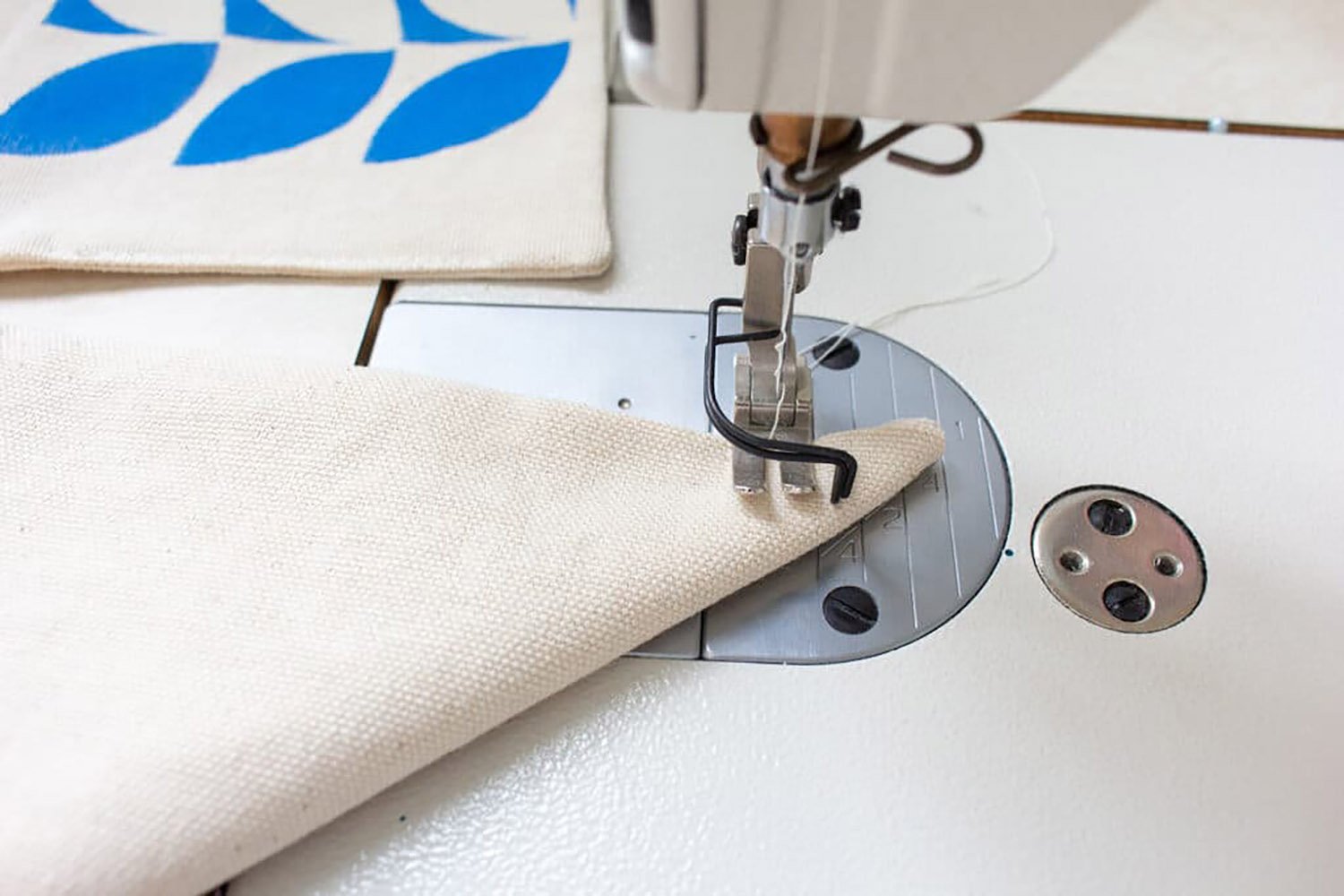
I spend a lot of time thinking about production efficiency because it affects lead time, consistency, and cost control. Buyers often focus on unit price, but they should also think about how smoothly a design runs on the line. A flat tote bag often has an advantage here. The process is easier to train, easier to inspect, and easier to repeat at scale.8 That helps in basic promotional orders.
Still, I do not want to turn that into a fixed rule. A boxed bottom tote can also run efficiently when the design is stable and the line is used to it. In our factory, we work with repeated OEM and ODM orders. Once the sample is approved and the process is set, boxed-bottom production can become very controlled. The extra folds and seams do add steps, but stable workmanship can reduce the impact.
This is how I usually judge efficiency:
| Production Point | Flat Bottom Tote | Boxed Bottom Tote | Why It Matters |
|---|---|---|---|
| Training ease | Easier | Slightly more skill needed | New workers learn flat styles faster |
| Process steps | Fewer in basic versions | More due to gusset/base shaping | More steps can mean more checks |
| Shape consistency | Good for simple form | Good if folding accuracy is stable | Poor control affects final appearance |
| Inspection focus | Basic seam and print check | More structure points to inspect | QC time can increase a bit |
| Bulk repeatability | Strong | Also strong after process setup | Sample approval is key |
One thing I have learned is this: efficiency is not just about speed. It is also about reduced mistakes. If a buyer chooses a flat tote only to save a little money, but the final bag does not hold the product well, the project loses value. If a boxed bag creates a better fit and a cleaner shelf look, the extra process may be worth it. I always look at the line efficiency and the sales result together because both matter in B2B orders.
Which Tote Bag Design Is Better for Bulk Manufacturing?
Buyers need a style that works not only in a sample room but also in a full production order. That is where many simple ideas get tested.
The better tote bag design for bulk manufacturing is the one that matches the product use, keeps specifications clear, and can be repeated consistently. Flat and boxed styles can both work well if the design goal is defined early.
When I discuss bulk manufacturing with customers, I always try to move the conversation from “cheap” to “repeatable.” A bag that looks fine in one sample can become hard to control in a large order if the dimensions, material, and intended use are not fully aligned. That is why I do not name one base type as the winner for bulk production.
A flat tote bag is often the safer route for promotions, exhibitions, supermarket giveaways, and other simple programs.9 It is direct. It is easy to pack. It is easy to explain. Buyers who want low price and quick execution often start there. But that does not mean it is always the better bulk design. If the customer wants a bag with stronger perceived value, better standing shape10, or more useful capacity, a boxed-bottom style can perform better in the market.
I usually ask buyers to review these points before they decide:
| Decision Area | Flat Tote Better When | Boxed Tote Better When | Buyer Risk if Ignored |
|---|---|---|---|
| End use | Light carry, simple promo | Retail sets, fuller loads | Bag may not match actual use |
| Brand look | Basic, clean, low-cost image | Structured, more premium image | Product may look too plain or too bulky |
| Packing need | Easy stacking and shipping | Needs shape retention after filling | Shipping plan may not fit display goal |
| Quote clarity | Standard style, easy spec | Must define gusset and shape clearly | Misquote risk rises with vague specs |
| Repeat orders | Stable basic item | Stable branded item with set pattern | Inconsistency can appear without approval standards |
I once worked with a customer who wanted the lowest price for a private label tote. After sampling, the team felt the flat version looked too thin for their retail line. We then tested a boxed version with adjusted dimensions. The cost moved up a little, but the bag looked more in line with the brand. For bulk manufacturing, that was the right choice. The lesson was simple. The best design is the one that the factory can repeat well and the market can accept well. Both sides need to be true.
Does a Boxed Bottom Increase Tote Bag Pricing Significantly?
This is often the final buying question. Buyers worry that one structural change will push the quote much higher than expected.
A boxed bottom does not always increase tote bag pricing significantly.11 In many projects I handle, the price impact is moderate and depends more on total size, material, stitching details, and brand requirements than on the boxed bottom alone.
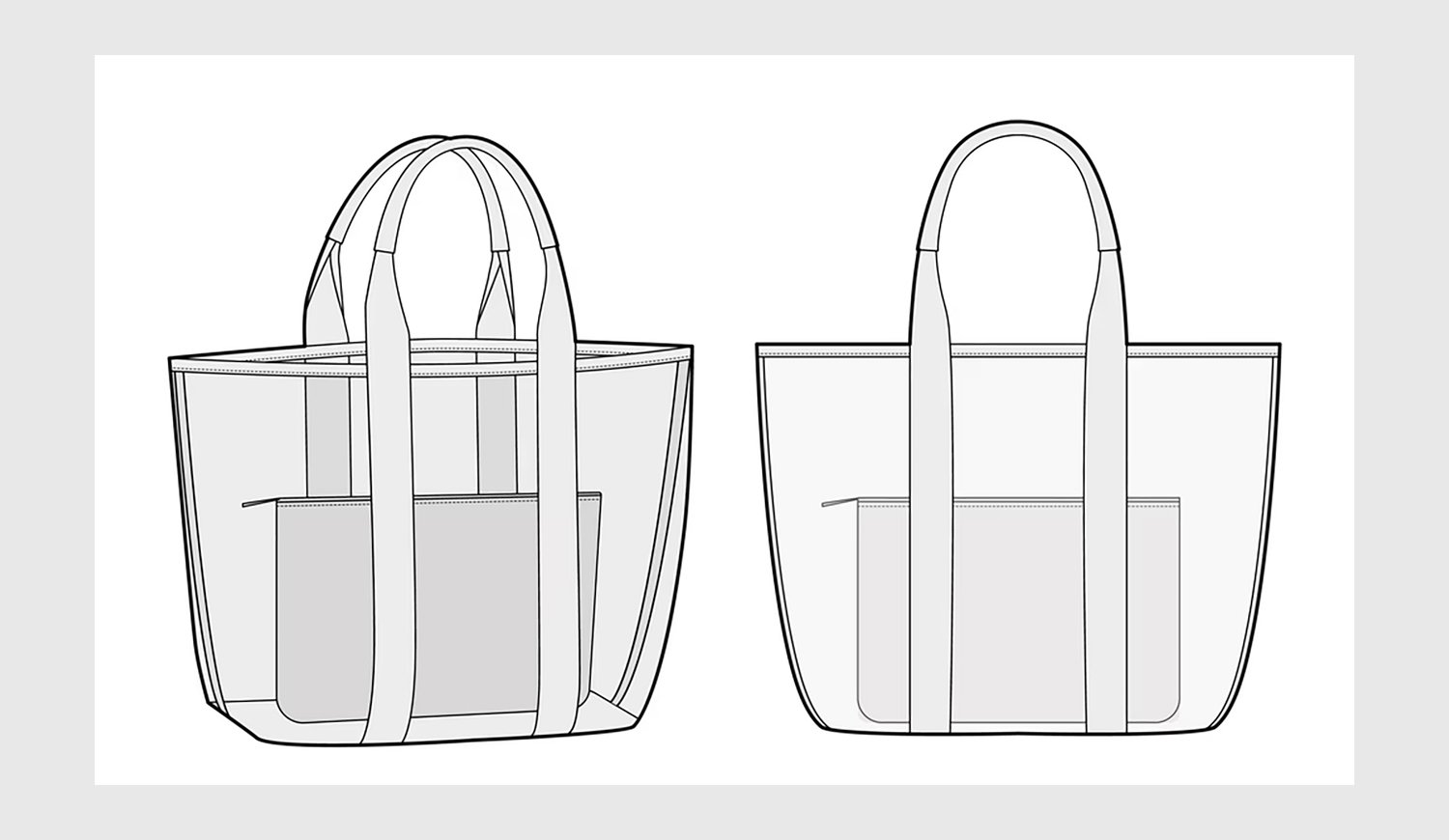
I understand why this question comes up so often. On paper, a boxed bottom sounds like an upgrade. Buyers expect a clear jump in cost. Sometimes the quote does rise in a visible way. That can happen when the boxed base adds real material area, extra sewing time, and stricter shape control. But in many cases, the difference is not as big as the buyer feared.
What matters is context. If I compare two totes with the same fabric, printing, handle style, and close dimensions, then yes, the boxed bottom may add cost. But if the boxed version allows better capacity without making the face panel much larger, the added value may be strong. If the brand needs a fuller and better-looking bag, then the price increase may be quite reasonable.
This is the framework I use in discussions:
| Pricing Driver | Impact on Boxed Bottom Cost | My Comment to Buyers |
|---|---|---|
| Added material area | Low to medium | Depends on gusset depth and final pattern |
| Added sewing work | Low to medium | Usually not a dramatic jump in stable orders |
| Shape expectation | Medium | Better appearance often raises perceived value |
| Reinforcement details | Medium to high | Bottom insert, piping, or lining matter more |
| Small order quantity12 | Medium | Setup cost is spread over fewer units |
| Print and packaging | Can exceed base impact | These often change pricing more than structure |
I often tell customers not to fear the boxed bottom without seeing the real quote. I also tell them not to choose it just because it looks better in a picture. The right way is to align the need first. If the tote is meant for higher volume carrying, gift presentation, or stronger shelf appeal, a boxed shape may be the better investment. If the use is simple and cost pressure is high, a flat bag may be enough. In my work, the hidden cost usually comes from wrong assumptions, not from the base itself. A buyer who asks for matched samples and matched quotes usually makes a better decision.
Conclusion
Flat and boxed tote bases do not have one fixed cheaper answer. I always compare them by use, look, capacity, and aligned specs before judging real value.
"[PDF] Brand Purchasing Practices and Labor Outcomes in Apparel and ...", https://www.ilr.cornell.edu/sites/default/files-d8/2025-07/brand-purchasing-practices-gli-report.pdf. Studies of sewn-product manufacturing identify material consumption and labor time as major components of unit cost; accordingly, price differences between two bag constructions may remain modest when overall dimensions and specifications are closely matched. Evidence role: general_support; source type: paper. Supports: In sewn-product manufacturing, material usage and labor content are primary cost drivers, which can make a single design feature less decisive than matched overall specifications.. Scope note: This supports the cost logic generally but may not quantify flat versus boxed tote bags directly. ↩
"chapter 10 Flashcards - Quizlet", https://quizlet.com/599586498/chapter-10-flash-cards/. Textile and sewn-goods production references commonly treat fabric consumption, pattern dimensions, and the number of sewing operations as core cost drivers, indicating that overall specification often matters more than a single style label. Evidence role: expert_consensus; source type: education. Supports: Materials, dimensions, and operation count are recognized cost drivers in textile and sewn-goods production.. Scope note: The evidence is general to sewn products and does not isolate tote-base geometry as an independent variable. ↩
"Plastic bag - Wikipedia", https://en.wikipedia.org/wiki/Plastic_bag. A gusset is an inserted panel that increases the dimensions and usable volume of an item such as a bag; in this context, a boxed or gusseted base can provide greater carrying capacity than a flat construction of similar face size. Evidence role: mechanism; source type: encyclopedia. Supports: Gussets add depth to a bag and thereby increase usable internal volume relative to a flat bag with similar front dimensions.. ↩
"[PDF] Experimental Investigation of Stresses in Gusset Plates", https://trace.tennessee.edu/cgi/viewcontent.cgi?article=7506&context=utk_gradthes. Packaging and structural-design literature describes gusseted constructions as increasing expansion and shape retention, which helps a filled bag maintain a more upright and structured form than a flat design. Evidence role: mechanism; source type: research. Supports: Gusseted or boxed constructions improve a container's ability to expand and maintain a more stable shape when loaded.. Scope note: Support is contextual from general packaging structure rather than direct testing of tote bags specifically. ↩
"What is a Gusseted Bag? - KanzoPack", https://kanzopack.com/what-is-a-gusseted-bag/. Patternmaking and production texts note that simpler constructions typically require fewer pieces and sewing operations; this principle supports the view that a basic flat tote may use less material and labor than a gusseted or boxed alternative. Evidence role: mechanism; source type: education. Supports: Simpler bag constructions generally require fewer pattern pieces or operations, which can reduce material and labor requirements.. Scope note: The support is mechanism-based and may vary with dimensions, reinforcement, and cutting layout. ↩
"[PDF] Examining Cut-and-Sew Textile Waste within the Apparel Supply ...", https://bren.ucsb.edu/sites/default/files/2024-04/Examining%20Cut-and-Sew%20Textile%20Waste%20within%20the%20Apparel%20Supply%20Chain%204.10.24.pdf. Apparel-production and marker-planning literature identifies fabric width as a key variable in material utilization, because pattern placement efficiency and resulting waste depend directly on the width available for layout. Evidence role: mechanism; source type: education. Supports: Fabric width is a major determinant of marker efficiency, yield, and cutting waste in textile production.. ↩
"Evaluating sewing operation complexity and its influence on ... - PMC", https://pmc.ncbi.nlm.nih.gov/articles/PMC10006435/. Industrial-engineering studies of sewing operations show that added handling, alignment, and seam steps can increase processing time; this supports the expectation that gusseted or boxed constructions may be slower to produce than simpler flat forms. Evidence role: mechanism; source type: paper. Supports: Additional folds, seams, and handling steps generally increase operation time and complexity in sewing production.. Scope note: The evidence addresses general sewing operations rather than tote bags alone. ↩
"Relationship between manufacturing complexity, strategy, and ...", https://pmc.ncbi.nlm.nih.gov/articles/PMC8214087/. Manufacturing and quality-management research commonly associates lower task complexity with easier operator training, simpler inspection requirements, and more stable repeatability across production runs. Evidence role: expert_consensus; source type: paper. Supports: Lower process complexity is associated with easier training, simpler inspection, and more consistent repeatability in manufacturing.. Scope note: This is a general manufacturing principle and not direct comparative evidence on tote-bag styles. ↩
"ROI, Pricing, and How to Build a Bulk Bag Strategy - Custom Ink Blog", https://www.customink.com/blog/promotional-bags-roi/. Guidance on promotional merchandise selection generally emphasizes low unit cost, straightforward production, and ease of distribution, factors that are consistent with using simple tote designs for giveaways and event programs. Evidence role: general_support; source type: other. Supports: Promotional merchandise selection often emphasizes low unit cost, simplicity, and ease of distribution, which aligns with basic tote formats.. Scope note: The support is contextual to promotional-product criteria and does not establish that flat totes are always the preferred format. ↩
"What Is a Gusseted Bag? Explore Its Types and Uses - Baishen Pack", https://www.bsflexpack.com/what-is-a-gusseted-bag/. Structural-design references describe gusseted or boxed-bottom constructions as increasing expansion and shape retention, which can produce a more stable and visually structured bag form than a flat base. Evidence role: mechanism; source type: research. Supports: Boxed or gusseted bottoms improve expansion and shape retention, contributing to a more structured appearance.. Scope note: This is structural context and does not directly measure consumer perception of 'better' appearance. ↩
"Unveiling the drivers of competitive success in the apparel sector", https://pmc.ncbi.nlm.nih.gov/articles/PMC12151375/. Cost-analysis literature in manufacturing shows that the effect of an added design feature depends on its incremental material and labor requirements and on production scale; therefore, a boxed-bottom detail does not by itself imply a large price increase. Evidence role: general_support; source type: paper. Supports: The cost effect of an added construction feature depends on material increment, labor increment, and production scale, so the increase is not inherently large.. Scope note: The evidence is general to manufacturing cost behavior and may not provide tote-specific percentages. ↩
"Economies of scale - Simple English Wikipedia, the free encyclopedia", https://simple.wikipedia.org/wiki/Economies_of_scale. Economies-of-scale references explain that fixed setup and overhead costs are distributed across output, so smaller production runs typically have higher unit costs because those costs are spread over fewer units. Evidence role: definition; source type: encyclopedia. Supports: Fixed setup or overhead costs raise unit costs more in small production runs because they are allocated across fewer units.. ↩