Many buyers choose by unit price first. Then they face cracks, yellowing, and returns1 later. I have seen this problem ruin margins in bulk bag orders.
TPU bags usually last much longer than PVC bags2 in the same use conditions. In most cases, TPU can last about 3 to 4 times longer, with better tear strength, wear resistance, and fewer defects3 in bulk production.
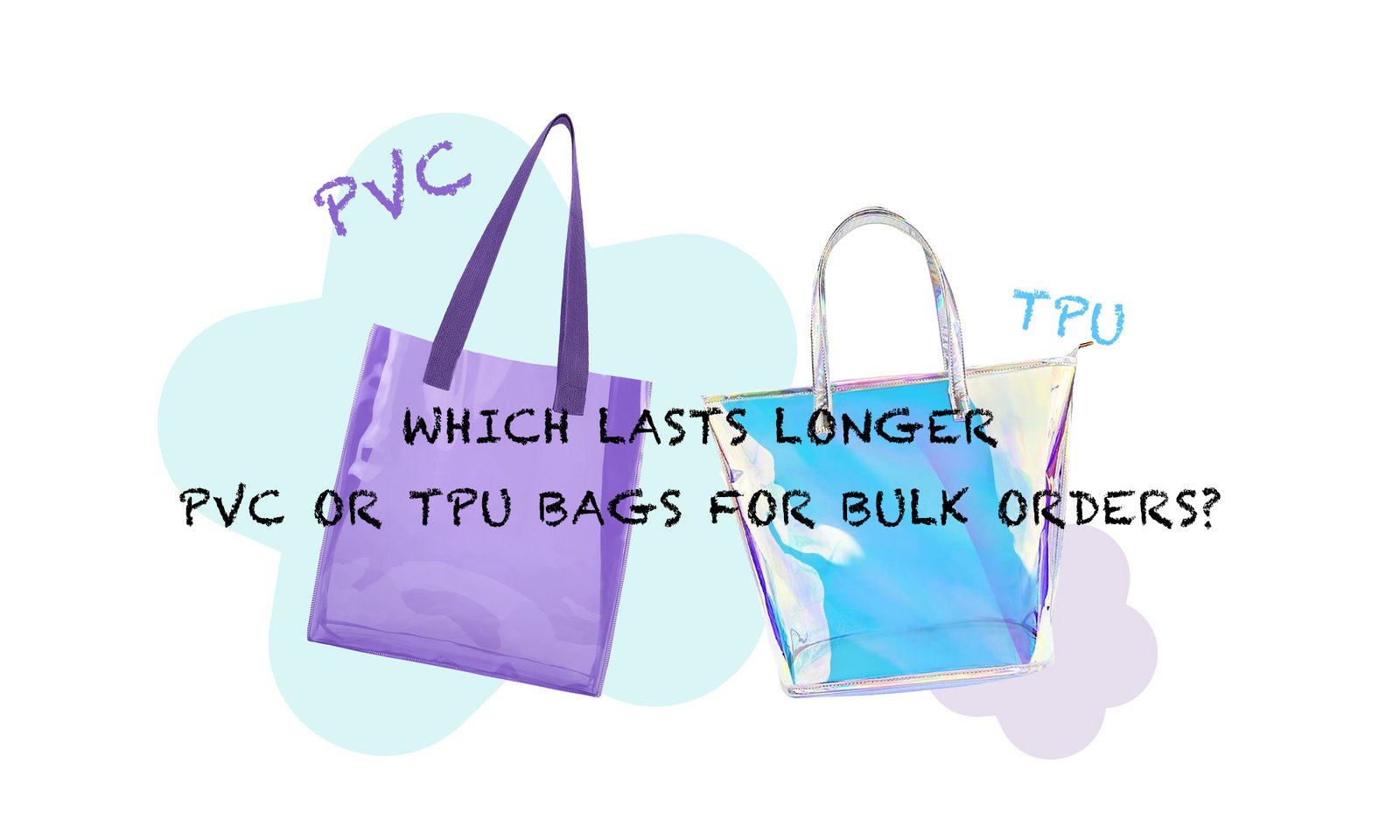
When I talk with buyers, I often hear the same question. They want the lowest cost. They also want fewer claims and stable quality4. These goals can fight each other if the material choice is wrong. I have worked on many OEM and ODM bag projects, and I have learned that PVC may look cheaper at the start, but TPU often wins when I count product life, defect rate, and return risk5. That is why this comparison matters so much for bulk orders.
What Makes TPU Bags More Durable Than PVC for Long-Term Use?
A bag may look fine in the sample room. The real test starts after months of use. I have seen PVC pass sampling and fail in the market.
TPU is more durable because it has better elasticity6, tear resistance, abrasion resistance, and aging performance. PVC becomes brittle more easily over time, while TPU stays flexible and strong under repeated daily use.
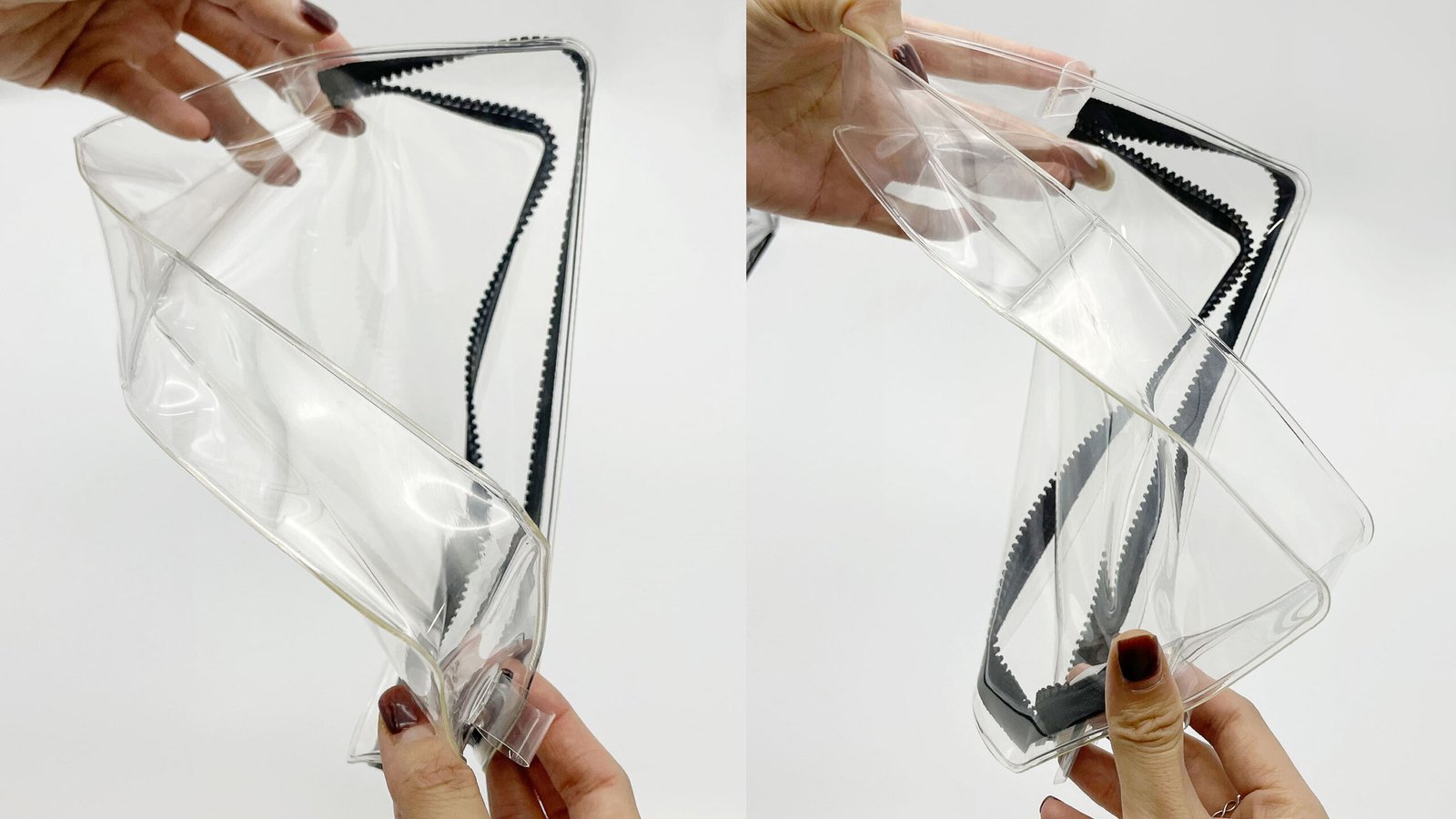
When I compare long-term use, I focus on what happens after the bag leaves the factory. A material is not truly good just because it looks smooth on day one. It must survive transport, handling, storage, and repeated use by the end customer. TPU does this better in most cases.
I have seen TPU perform well because it bends without cracking. It also handles pulling force better. This matters a lot for seams, corners, handles, zipper areas, and folded parts7. These are the stress points where many bags fail first. PVC often starts with a lower material cost, but it hardens faster with time8. Once it becomes less flexible, small damage grows fast.
Here is the simple way I look at it:
| Performance Factor | TPU | PVC | Why It Matters in Bulk Orders |
|---|---|---|---|
| Flexibility over time | Strong | Weaker | Fewer cracks after storage and use |
| Tear resistance | High | Medium to low | Better for heavy or frequent use |
| Abrasion resistance | High | Lower | Less surface wear in daily handling |
| Aging resistance | Better | Poorer | Lower complaint rate after months |
| Recovery after bending | Good | Limited | Better shape retention |
In practical terms, TPU often lasts 3 to 4 times longer than PVC under similar use. I do not say that every PVC bag is bad. PVC still has a place in short-life, low-cost, or less demanding product lines9. But if I am making outdoor bags, sports bags, cooler bags, or any style for high-frequency use, TPU is usually the safer choice. A buyer may pay more up front, but the product stays usable longer, and that changes the real value of the order.
How Does PVC Perform in Extreme Temperatures Compared to TPU?
Temperature can quietly destroy a bag before the customer even notices. I have seen cold weather make PVC brittle and hot weather speed up aging.
PVC performs poorly in extreme temperatures compared to TPU10. In cold conditions, PVC can become hard and brittle11. In heat and sunlight, it can yellow, deform, and crack faster. TPU stays more stable in both cold and hot environments.
This issue matters more than many buyers expect. Bags often move through very different climates before they reach the final user. A shipment may leave a warm factory, sit in a cold warehouse, cross the ocean, and then go into retail or daily use. If the material cannot handle temperature change, quality risk rises fast12.
PVC has a clear weakness in low temperatures. It tends to stiffen and lose flexibility. Once that happens, the material can crack during folding, pressing, or normal carrying. I have seen this problem in transparent cosmetic bags, travel pouches, and promotional tote bags13 shipped to colder markets. The product looked fine at inspection, but winter use exposed the issue.
High heat brings another problem. Long sun exposure can cause PVC to yellow and age faster. This hurts the look of the bag and can also weaken the material. TPU is not perfect in every environment, but it stays flexible better and resists aging more effectively.
Here is a direct comparison:
| Temperature Condition | TPU Performance | PVC Performance | Business Impact |
|---|---|---|---|
| Low temperature | Stays flexible | Can become brittle | Fewer cracks in cold markets |
| High temperature | More stable | Can soften or age faster | Better shape and function |
| UV/sun exposure | Better resistance | More yellowing and cracking | Lower return and claim risk |
| Repeated climate change | More reliable | More unstable | Better consistency in export supply |
If I know the bags will go to Canada, Northern Europe, or other cold regions, I become much more careful with PVC. If I know the bags will be used outdoors, in sports, or in travel, I lean toward TPU even more. The reason is simple. I do not want the customer to discover material failure after the goods are already on shelves.
Which Material Has a Lower Defect Rate in Bulk Bag Production?
In small samples, many materials look acceptable. In bulk production, hidden problems show up. I have learned that defect rate decides profit more than sample beauty.
TPU usually has a lower defect rate than PVC in bulk bag production14 because it is more stable, less brittle, and less likely to crack, discolor, or fail under processing and later use.
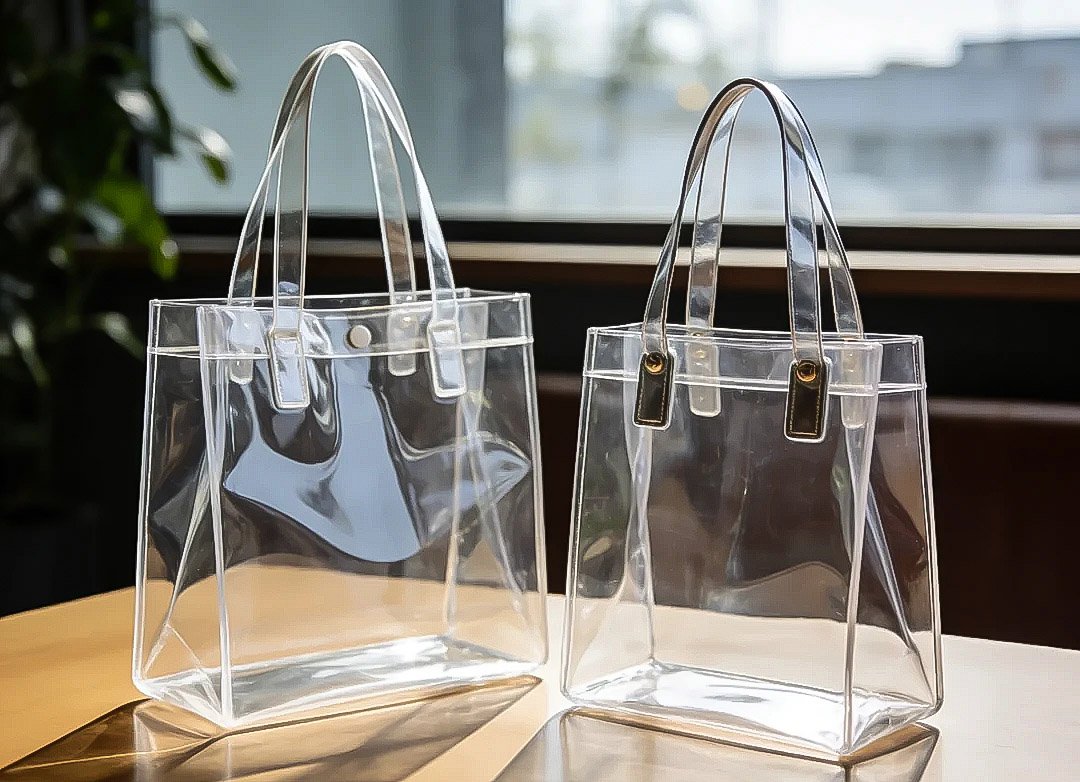
Bulk production is where material choice becomes very real. A buyer may compare two sample bags and think the difference is small. But when I produce thousands or tens of thousands of pieces, the gap grows. PVC often creates more quality trouble because it is less forgiving in both production and later storage.
I have seen several common defect types with PVC. One is cracking at folded edges or stress points. Another is surface yellowing after storage. Another is material inconsistency between batches15. Some PVC bags also show weld or seam weakness more easily, depending on design and thickness. These issues are costly because they are not always obvious during first inspection.
TPU tends to behave more consistently. It has better toughness, and that helps reduce damage during cutting, sewing, high-frequency welding16, packing, and shipment. It also lowers the risk of hidden failure after delivery. For a buyer, this matters a lot because the most expensive defect is often the one found by the final customer.
Here is how I break it down:
| Defect Type | TPU Risk | PVC Risk | Result for Buyer |
|---|---|---|---|
| Cracking at folds | Low | Higher | Less breakage after delivery |
| Yellowing in storage | Low | Higher | Better shelf appearance |
| Brittleness in cold weather | Low | High | Fewer seasonal complaints |
| Surface wear | Lower | Higher | Better product life |
| Batch consistency issues | Lower | Higher | Easier QC control |
In B2B orders, lower defect rate means more than fewer factory rejects. It means smoother communication, fewer urgent replacements, lower after-sales cost, and more trust from retail customers. If I am supplying a chain store, distributor, or importer, I care about this a lot. One bad batch can damage a relationship that took years to build. That is why I often guide buyers to look past the ex-factory unit price and study total quality risk instead.
Is TPU Worth the Higher Cost Over PVC for Wholesale Bag Buyers?
A higher price can scare buyers at first. I understand that. I also know that cheap products can become expensive after claims, returns, and lost repeat orders.
Yes, TPU is often worth the higher cost for wholesale buyers when the bags need durability, lower return risk, and better long-term value. TPU may cost 20% to 50% more, but it often reduces total business cost17.
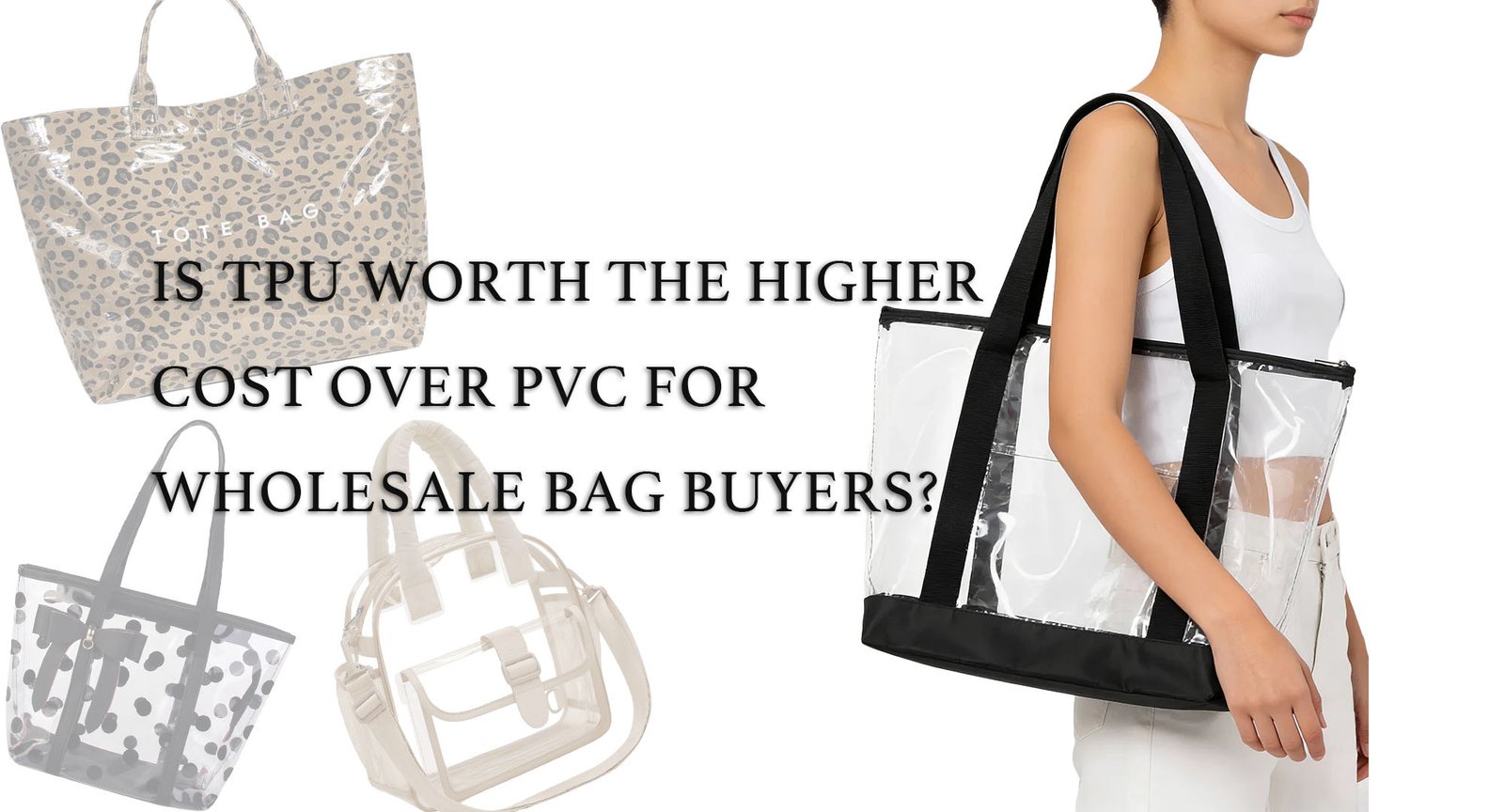
This is where many purchasing decisions become more strategic. If I only compare material cost, PVC often looks attractive. But wholesale buying is not only about material price. I need to think about how the bag performs in the market, how many complaints may happen, and how much rework or replacement may cost.
Let me put this in a simple business frame. If TPU costs 20% to 50% more, that increase is visible on the quotation sheet. But the gains are often less visible at first. TPU can reduce returns. It can lower defect-related claims. It can improve brand image. It can also support a higher selling price in some markets because the product feels more reliable.
Here is a practical comparison:
| Cost Factor | TPU | PVC | What I Watch |
|---|---|---|---|
| Initial material cost | Higher | Lower | Budget pressure at order stage |
| Product lifespan | Longer | Shorter | Real value after sale |
| Return risk | Lower | Higher | Hidden after-sales cost |
| Customer satisfaction | Better | Less stable | Repeat order potential |
| Suitable for premium lines | Yes | Limited | Margin opportunity |
I usually tell buyers to match the material to the sales goal. If the bag is a low-cost giveaway, short-term promo item, or entry-level line with limited use, PVC can still make sense. If the bag is for outdoor use, sports, travel, daily carry, or any product where failure will hurt the brand, TPU is often the better investment. I have seen buyers save money on paper with PVC and lose more money later through replacements and damaged trust. For large buyers, that trade-off matters a lot.
What Are the Key Differences Between PVC and TPU Bag Materials?
Many buyers know these names but not the real difference. That can lead to wrong sourcing choices. I think clear basics help buyers avoid expensive mistakes.
The key differences are durability, flexibility, temperature resistance, defect risk, and cost. TPU is stronger, more flexible, and more stable. PVC is cheaper, but it is more likely to crack, yellow, and age badly over time.

I like to explain PVC and TPU in plain business terms. PVC is often the lower-cost option. It can work for simple, price-driven projects. It is widely used, and many factories know how to process it. But it has limits. It tends to age faster. It can become brittle in cold weather. It may yellow or crack after long sun exposure. In bulk orders, these weak points can create more defects and more after-sales trouble.
TPU is a more durable and more flexible material. It stands up better to tearing, bending, abrasion, and repeated use. It also handles temperature changes better. That is why I often recommend it for high-use product categories. These include outdoor bags, sports bags, waterproof bags, and premium transparent bags18.
Here is a simple summary table:
| Item | TPU | PVC |
|---|---|---|
| Durability | High | Lower |
| Flexibility | Strong and lasting | Good at first, weaker later |
| Cold resistance | Better | Poorer |
| Heat/UV resistance | Better | More yellowing and cracking |
| Defect rate in bulk | Lower | Higher |
| Material cost | Higher | Lower |
| Best use case | Long-life, high-use, premium | Budget, short-life, promo |
When I support buyers, I do not push one material for every project. I ask what the bag is for, how often it will be used, where it will be sold, and what complaint risk the buyer can accept. This is the right way to choose. Material choice should fit the market plan, not just the first quote.
Conclusion
TPU usually lasts longer, performs better, and creates less risk in bulk orders. PVC costs less at first, but TPU often gives wholesale buyers better total value.
Understanding how visible defects trigger returns helps you see the hidden costs behind “cheap” materials and protect your margins. ↩
Learning the technical reasons behind TPU’s longer life helps you justify material upgrades to buyers and management. ↩
Seeing how these properties reduce failures clarifies why some materials consistently perform better in high-use products. ↩
Reducing claims and stabilizing quality directly protects your profit and reputation with distributors and retailers. ↩
Evaluating these three factors shows the true cost of a bag beyond the ex-factory price per unit. ↩
Understanding elasticity’s role helps you predict which materials will survive repeated bending and daily use. ↩
Targeting common failure points lets you design and source bags that last longer and generate fewer complaints. ↩
Knowing how PVC ages helps you avoid savings that later turn into quality issues and brand damage. ↩
Matching material to project type lets you use PVC safely where it truly fits without overexposing yourself to risk. ↩
If you ship globally, understanding temperature performance helps you prevent climate-related failures and returns. ↩
Knowing cold-weather behavior is critical if you sell into winter or northern markets with frequent freezing. ↩
Understanding shipping and storage temperature cycles helps you set realistic specs and packaging requirements. ↩
Comparing materials by product type helps you select the right option for clarity, cost, and durability. ↩
Lower defect rates translate into fewer reworks, smoother deliveries, and better long-term supplier relationships. ↩
Knowing why batch inconsistency happens helps you tighten supplier control and avoid surprise quality shifts. ↩
If your designs rely on welded seams, welding behavior can make or break both quality and production efficiency. ↩
A clear cost-benefit explanation helps you defend higher material choices to finance and procurement teams. ↩
Choosing the right material for demanding categories protects your brand image and supports higher selling prices. ↩