Many bag buyers want eco claims. Many also fear fake claims, failed audits, and lost orders. That gap creates risk, cost, and stress in every sourcing decision.
GOTS certification1 is the Global Organic Textile Standard. It proves that textile materials and production meet strict organic, environmental, and social rules2 across the supply chain. For bag buyers, it cuts sourcing risk3, supports brand trust4, and helps meet the entry standards of many Europe and US customers.
I have seen many buyers get stuck at the same point. They find a supplier with a good price, but they cannot prove the material claim. Then the customer asks one hard question. Is this bag really organic and compliant? If the answer is weak, the deal slows down at once. That is why I see GOTS as more than a certificate. I see it as a shortcut to trust, smoother approval, and stronger business.
What Does GOTS Certification Actually Cover in Bag Manufacturing?
Many buyers hear “organic” and think only about fabric. That is the problem. A bag is not just fabric. It is a full product with many steps and risks.
GOTS covers more than organic fiber content. It also checks processing, dyeing, chemical inputs, social criteria, labeling, and traceability across the supply chain. In bag manufacturing, this means the textile parts of the product and the related production stages must meet clear, audited standards.
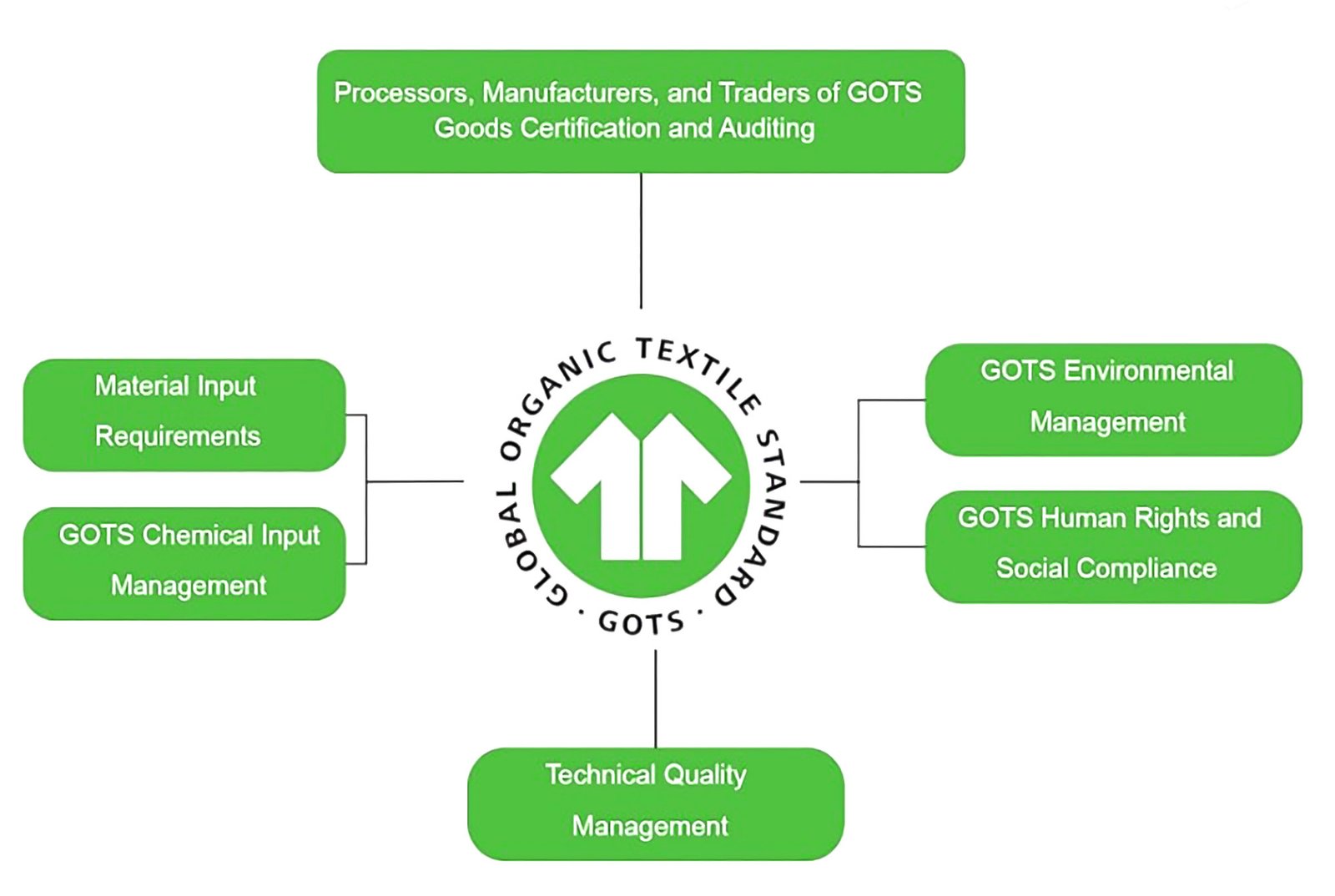
When I explain GOTS to buyers, I start with one simple point. GOTS is not just a fabric badge. It is a chain standard5. It follows the product from raw material to shipment. That is why many importers trust it. They do not need to rely only on a supplier’s sales talk.
In bag manufacturing, GOTS mainly applies to textile-based components. If I am making a cotton tote bag, canvas backpack, or cosmetic bag with organic cotton fabric6, GOTS looks at whether that fiber is certified organic and whether later processing also follows the rules. Those rules include restricted chemicals7, wastewater treatment8, and basic social responsibility requirements9 in production.
This matters because many bags are mixed products. A buyer should know which parts fall under GOTS and which do not. For example, the cotton body may be covered, but some trims may have separate limits or may not be organic parts at all.
| Area | What GOTS checks | Why it matters to buyers |
|---|---|---|
| Raw material | Organic fiber source and certification | Reduces false organic claims |
| Processing | Spinning, weaving, dyeing, printing | Supports cleaner production |
| Chemicals | Restricted substances and approved inputs | Lowers compliance risk |
| Social criteria | Basic labor and workplace rules | Helps protect brand reputation |
| Traceability | Documented chain of custody10 | Makes audits and claims easier |
| Labeling | Correct use of GOTS claims | Avoids misleading marketing |
I always tell buyers to think beyond the word “organic.” A good bag program needs proof that the product story holds together from start to finish. That is where GOTS becomes useful in real sourcing work.
How Do I Know If My Bag Supplier Is Truly GOTS Certified?
Many suppliers say they can make GOTS bags. Many cannot prove it. That creates confusion, and it can turn into a serious problem after sampling or before shipment.
To verify a supplier’s GOTS status, I check the current certificate, the certifying body, the certified scope11, and the product category. I also confirm that the factory name matches the certificate and that transaction documents support the certified supply chain.
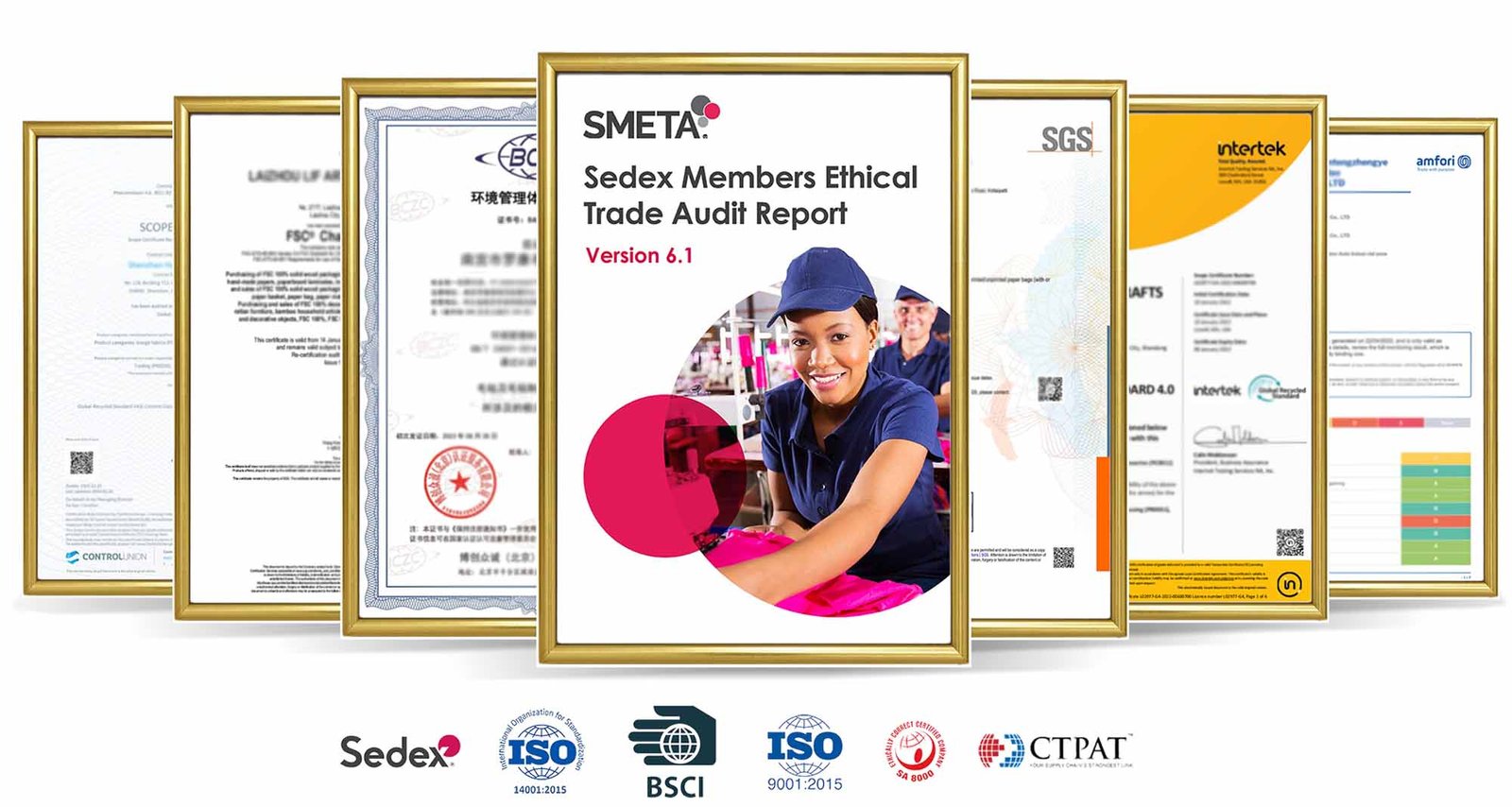
I have learned that this is where many buyers make avoidable mistakes. They ask one simple question. “Do you have GOTS?” The supplier says yes. Then everyone moves forward too fast. Later, the buyer finds out the certificate belongs to another company, another site, or another product scope. That kind of mistake can cost a season.
So I use a basic check process. First, I ask for the full certificate, not just a logo on a brochure. Then I read the legal company name, address, expiry date, and certified activities. I want to know if the factory is certified for manufacturing, trading, printing, or some other limited scope. I also check whether the bag type I plan to buy fits the certified scope11.
Then I look at transaction documents. A true certified supply chain should be able to provide paperwork that links certified material to certified production and shipment. If that chain is broken, the claim becomes weak.
Here is the basic checklist I use:
| Check point | What I look for | Warning sign |
|---|---|---|
| Certificate validity | Current issue date and expiry date | Expired certificate |
| Company name | Exact legal name of supplier | Different company on document |
| Factory address | Same production site as order site | Trading office only |
| Scope | Manufacturing and relevant processing | Scope too narrow |
| Product fit | Bags or relevant textile goods included | No matching product category |
| Certifying body | Recognized and traceable | Vague or missing issuer |
| Shipment documents | Transaction certificate12 or traceable records | No chain proof |
I also ask direct questions. Which fabrics are certified? Which trims are outside scope? Can you issue supporting documents with shipment? A real supplier answers clearly. A weak supplier often becomes vague. In my experience, that vague moment tells me more than the sales deck.
Is GOTS Certification Required to Sell Bags in Europe or the US?
Many buyers think every eco product needs GOTS by law. That is not true. Still, many lose orders because they assume certification is optional in practice.
GOTS certification1 is usually not a legal requirement to sell bags in Europe or the US. But many brands, retailers, and importers treat it as a commercial requirement. In real business, it can be the gate you must pass before price, design, or volume even matter.
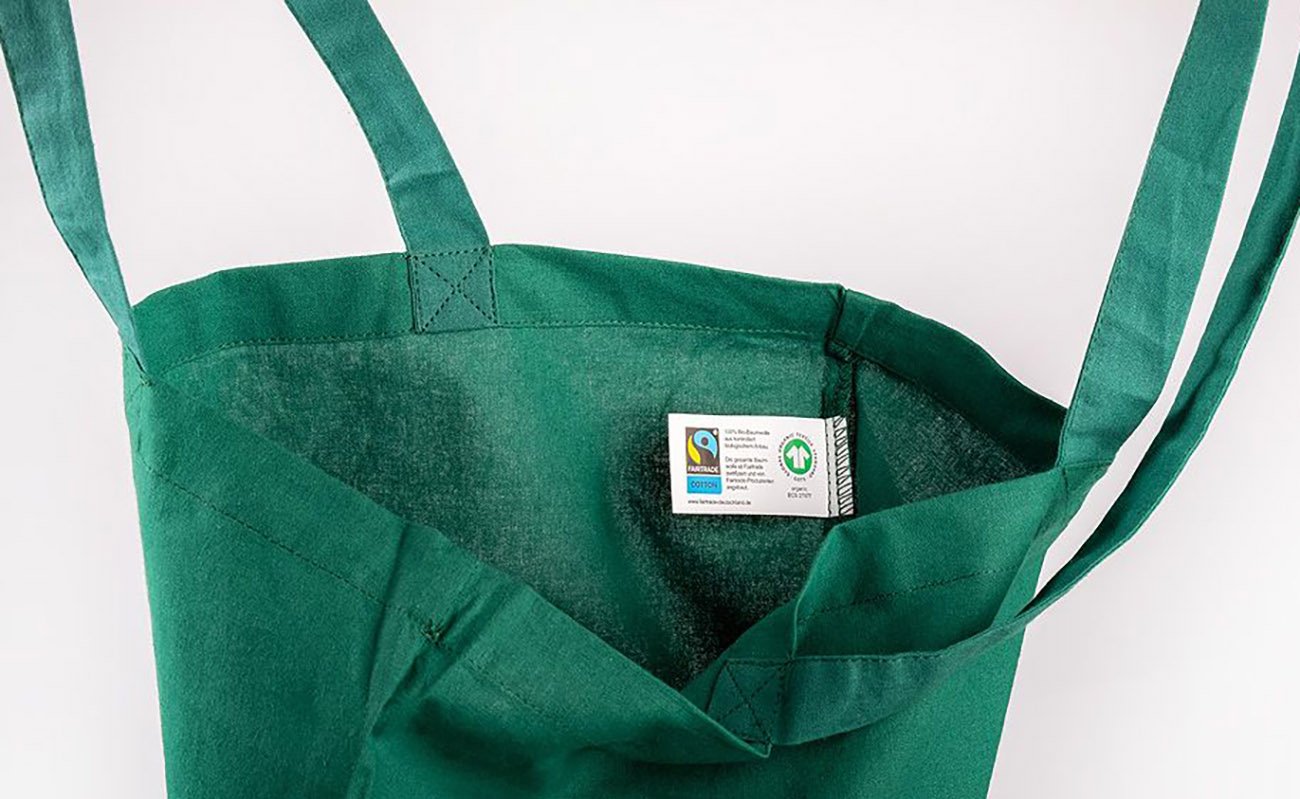
I think this is one of the most important distinctions for buyers. Law and market demand are not the same thing. In many cases, no customs officer will stop a bag only because it lacks GOTS. But a major retailer may refuse to approve the vendor. A private label brand may reject the quote. A supermarket buyer may never send the RFQ. So the business result feels the same.
I have watched this happen with Europe and North America accounts. Their teams now face more pressure on sustainability claims, product traceability, and supplier screening. Many of them no longer want to spend time checking every factory from zero. They prefer recognized systems. GOTS gives them a ready-made trust framework.
That is why I tell suppliers not to wait for a customer complaint or audit request. If your target market includes eco lines13, baby products, reusable shopping bags14, or premium cotton collections, certification can move you from “maybe” to “approved.”
| Market question | Legal answer | Real buying answer |
|---|---|---|
| Is GOTS mandatory by law? | Usually no | Often expected by key buyers |
| Can I sell without it? | Often yes | Maybe not to top accounts |
| Does it help approval? | Indirectly | Yes, very often |
| Does it reduce audit burden? | Not fully | Yes, in many sourcing cases |
| Does it improve trust? | Yes | Strongly yes |
So I do not treat GOTS as just a compliance tool. I treat it as a market access tool. That view helps buyers make smarter sourcing plans before they miss the order window.
What's the Difference Between GOTS and Other Eco Labels for Bags?
Eco labels are everywhere now. That sounds good, but it creates another problem. Buyers see many badges, and they do not know which one actually protects them.
GOTS is broader than many eco labels because it combines organic fiber rules, chemical processing controls, social criteria, and supply chain traceability. Other labels may focus on one area only, such as recycled content, chemical safety, or testing, but not the full organic textile chain.
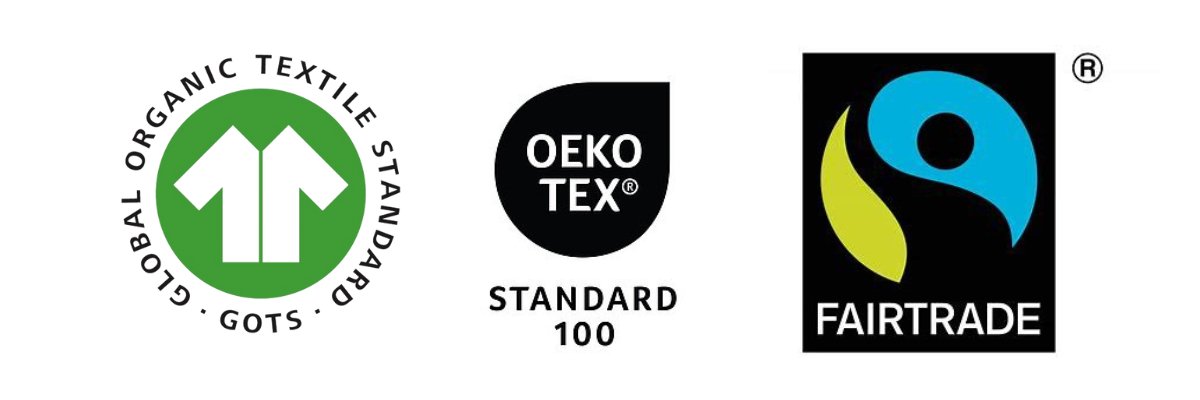
I often meet buyers who mix up several standards. That is normal. The market uses many terms, and suppliers sometimes use them loosely. One label may prove recycled input. Another may prove a product passed a chemical test. Another may cover factory social audits. None of these are useless. They just answer different questions.
GOTS answers a very specific and powerful question. Is this textile product made with certified organic fiber under controlled processing and social criteria through the supply chain? If that is your claim, then GOTS is the key label.
A bag buyer should compare labels by function, not by logo popularity. Here is a practical view:
| Label / standard type | Main focus | Best use in bag sourcing |
|---|---|---|
| GOTS | Organic textile chain, chemicals, social criteria, traceability | Organic cotton bags and strong sustainability claims15 |
| Recycled content standard | Recycled input verification and chain of custody | RPET or recycled fabric programs16 |
| OEKO-TEX type testing | Harmful substance testing17 on product or materials | Chemical safety support |
| FSC type label | Responsible paper or wood sources | Packaging, paper tags, carton items |
| Social audit standard18 | Labor and workplace review | Factory ethics and buyer approval |
I do not tell buyers that GOTS replaces everything else. It does not. A strong bag program may need several tools. But if the product story is “organic cotton bag,” then GOTS usually carries more weight than a simple self-claim or a single lab test. It gives a wider proof base. That is why many serious buyers ask for it first.
How Does GOTS Certification Affect Bag Sourcing Costs and Lead Times?
Many buyers worry that certification will only make sourcing slower and more expensive. That fear is understandable, but it is only part of the picture.
GOTS certification1 can increase material and process costs, and it can add control steps to production. But it can also reduce rejection risk19, speed up buyer approval, and lower the hidden costs of claim disputes20, failed audits, and supplier rework.
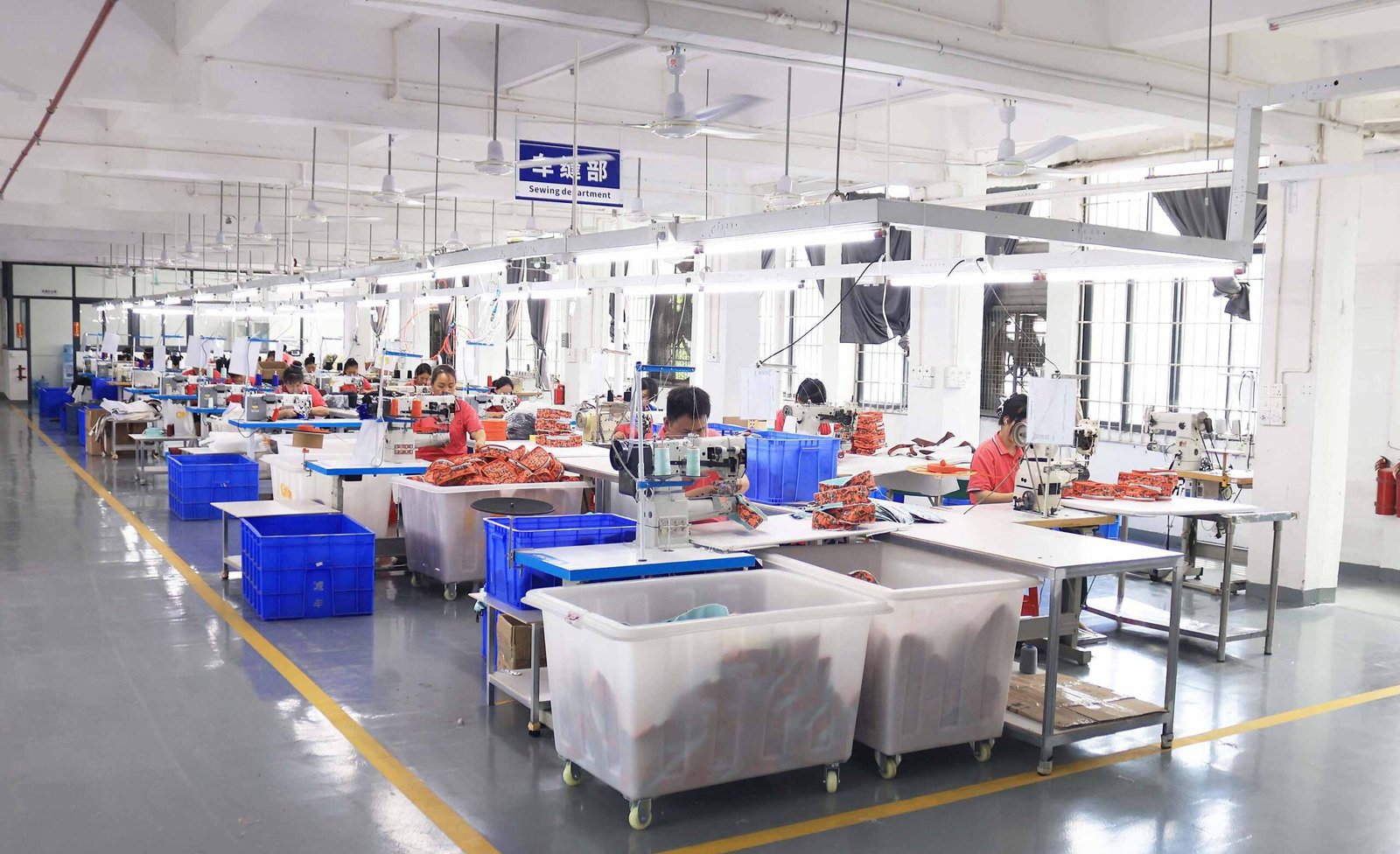
I like to talk about this in a balanced way. Yes, certified sourcing can cost more. Organic certified fabrics may have higher prices than conventional ones. Certified processing may limit some shortcuts. Documentation also takes time. If a buyer changes specs late, the sourcing team may need to re-check approved materials and paperwork. So there is no point pretending that GOTS has zero impact.
But I have also seen the other side. Non-certified sourcing may look cheaper at first. Then the customer asks for proof. The team scrambles. A shipment gets delayed. Labels are changed. Marketing claims are cut. The buyer pays for emergency fixes, not in one invoice, but across many hidden costs.
That is why I compare visible cost and hidden cost:
| Cost area | Without GOTS | With GOTS |
|---|---|---|
| Fabric price | Often lower | Often higher |
| Supplier options | Wider | More limited |
| Documentation | Lighter at first | More structured |
| Approval process | May face more questioning | Often smoother with eco buyers |
| Risk of claim dispute | Higher | Lower |
| Audit pressure | Higher burden on buyer checks | Partly reduced by certification |
| Lead time stability | Can break late if claims fail | More stable when system is set |
In my own sourcing work, the biggest advantage comes after the first setup. Once the factory, fabric mill, and paperwork flow are aligned, repeat orders often become easier, not harder. Buyers know what they are getting. Suppliers know what to prepare. That predictability is valuable. In B2B bag sourcing, predictability is often worth more than a small price gap.
Conclusion
GOTS helps me prove organic claims, reduce sourcing risk, and win stricter bag orders. For many buyers, it is no longer a nice extra. It is a real business advantage.
Understand the full structure and rules of GOTS so you can judge suppliers’ claims instead of relying only on their sales presentations. ↩
See the exact criteria behind GOTS so you can align your sourcing policies and internal compliance checklists with recognized benchmarks. ↩
Learn how GOTS can prevent costly compliance failures, shipment delays, and customer disputes in your bag sourcing projects. ↩
Discover how recognized eco standards can strengthen your marketing story and protect your brand from accusations of greenwashing. ↩
Understand how certification follows products from fiber to shipment, helping you design more reliable and auditable supply chains. ↩
Compare organic vs conventional cotton, including environmental impact and buyer expectations, to choose the right material strategy. ↩
Review chemical restrictions to avoid non‑compliant dyes and finishes that could trigger failed tests or shipment rejections. ↩
Ensure your suppliers’ wet processes meet environmental norms, reducing pollution risk and potential scrutiny from key customers. ↩
Check how GOTS addresses labor and workplace conditions so you can integrate it with your CSR and ethical sourcing programs. ↩
Learn how traceability documentation should look so you can verify that certified fiber really flows through to finished bags. ↩
Make sure your specific bag types are actually covered so you don’t base orders on certificates that don’t fit your products. ↩
See what transaction documents you should demand at shipment to maintain a valid certified chain for your orders. ↩
Explore how certification can move you into preferred supplier lists for sustainability‑focused collections in key markets. ↩
Understand retailer expectations for reusable bags so you can design offers that pass sustainability screens quickly. ↩
Learn what you can legally and credibly claim in marketing when your bags are backed by GOTS instead of internal self‑claims. ↩
See how GOTS fits alongside recycled-content standards so you can build mixed portfolios of organic and recycled bags. ↩
Find out when you still need lab tests even with GOTS, to reassure buyers about product safety and chemical compliance. ↩
Compare social audit schemes to decide how to combine them with GOTS for a robust ethical sourcing strategy. ↩
Quantify how better proof of claims can prevent expensive last‑minute quality, compliance, or marketing rejections. ↩
Identify the often-overlooked financial impacts of weak eco proof so you can justify the investment in certification. ↩