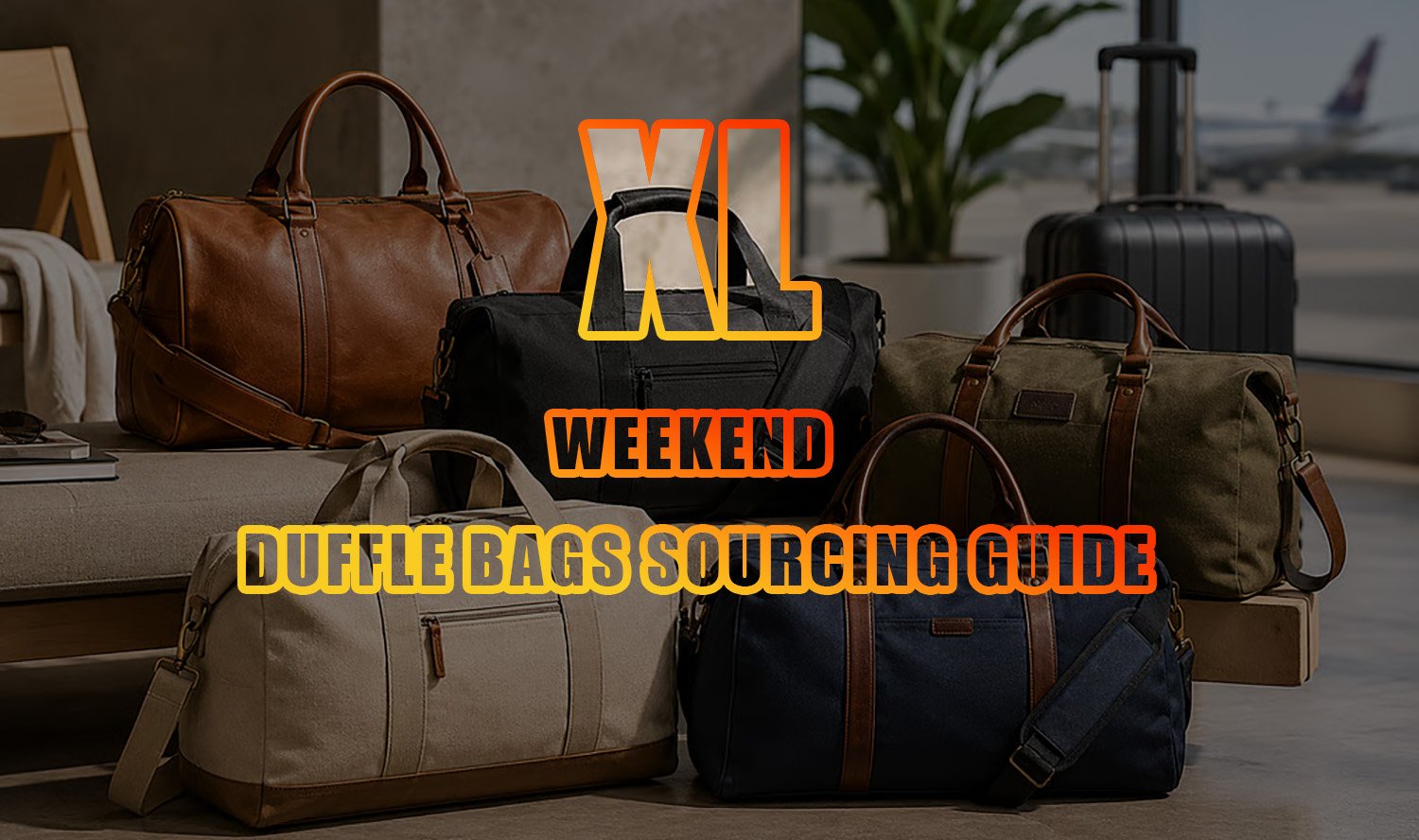
XL weekend duffle bags often look simple, but many retail buyers run into the same problem: they ask for quotes too early, compare prices that are not based on the same specs, and then face sample or bulk-order surprises. I find the safer path starts with clear retail requirements, then moves into RFQ, sampling, and supplier screening.
Retail buyers source XL weekend duffle bags best when they define the retail channel, target price point, capacity, structure, and quality expectations before comparing factories. In my experience, the lowest quote rarely means the lowest sourcing risk. A better process uses clear specifications, realistic samples, and production consistency checks to reduce complaints later.
When I discuss projects with retail buyers, I notice a repeated pattern. The buyers who stay in control do not begin with “Who is cheapest?” They begin with “What exactly do we need this bag to do in our retail channel?” That one shift changes almost everything below.
Why Are XL Weekend Duffle Bags Trending Again?
Retail buyers see renewed demand, but the trend can be misleading. A large duffle can sell well in one channel and stall in another. If I skip the use case and only follow trend language, I usually end up with a weak RFQ and uneven quotes.
XL weekend duffle bags are trending again because consumers want flexible travel bags that work for short trips, gym use, car travel, and gifting1. Buyers respond to that demand when the bag fits a clear retail scenario, affordable price band, and practical feature set. The trend is real, but product positioning matters more than size alone.
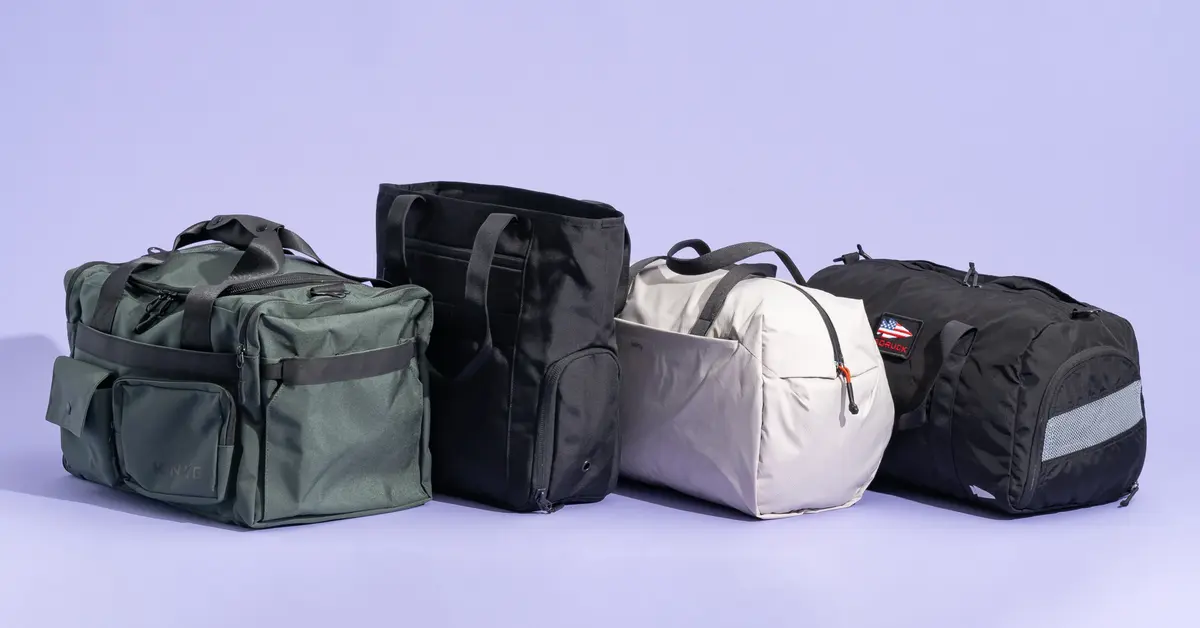
In multiple retail buyer RFQs and sampling discussions, we repeatedly see interest in bags that cover more than one use case. That is one reason XL weekend duffle bags have become attractive again. A backpack can feel too technical. A suitcase can feel too formal. A large duffle sits in the middle. It is simple, giftable, and easy to merchandise.
Why buyers are revisiting this category
Several commercial factors push the category forward:
- Short-trip travel habits2 remain common.
- Gym-to-office and weekend mobility3 still influence buying behavior.
- Soft luggage formats often feel lighter and easier to store.
- Retail gifting programs like broad-appeal travel bags.
- Private label programs can refresh the look with lower tooling complexity than hard luggage4.
Still, I do not think “trending” is enough. A trend is only useful when it connects to the shelf, the online listing, or the promotional campaign.
Channel fit matters more than hype
I usually suggest buyers define these points first:
Retail channel
Is the bag for supermarkets, chain stores, department retail, or promotional gifting?Target retail price
A bag intended for a mass retail price point must simplify structure and trim.Expected user
Is the customer a family traveler, young commuter, gym user, or business traveler?Display logic
Will the bag be folded, hung, stacked, or sold in carton-ready assortments?
When those points are unclear, one supplier may quote a basic unstructured duffle, while another quotes a reinforced travel bag with better hardware. The buyer then compares two different products as if they are the same.
I have seen many quote comparisons become confusing simply because “XL” was defined by dimensions alone, not by retail intent.
A simple positioning table
| Retail channel | Likely consumer expectation | Common cost pressure | Feature priority |
|---|---|---|---|
| Supermarket | Value, convenience, broad use | High | Low-cost durability |
| Chain retail | Better look, dependable function | Medium | Comfort + style balance |
| Gift/promo | Branding visibility | High | Custom logo area |
| Online travel category | Spec clarity and ratings | Medium | Capacity + details |
So yes, the category is trending. But the real sourcing opportunity is not the trend itself. The opportunity is to define exactly which version of the trend fits your channel and margin plan.
What Capacity Works for Weekend and Short Business Trips?
Many buyers ask for an XL bag without defining what “weekend” actually means. That creates risk. A bag that looks big in a photo may fail in use if the opening is narrow, the base collapses, or the side shape wastes packable volume.
For weekend and short business trips, many buyers target roughly 35L to 55L5, depending on use scenario, carry style, and retail positioning. The right capacity for XL weekend duffle bags is not just total liters. It also depends on opening design, bottom structure, compartment layout, and realistic load expectations.
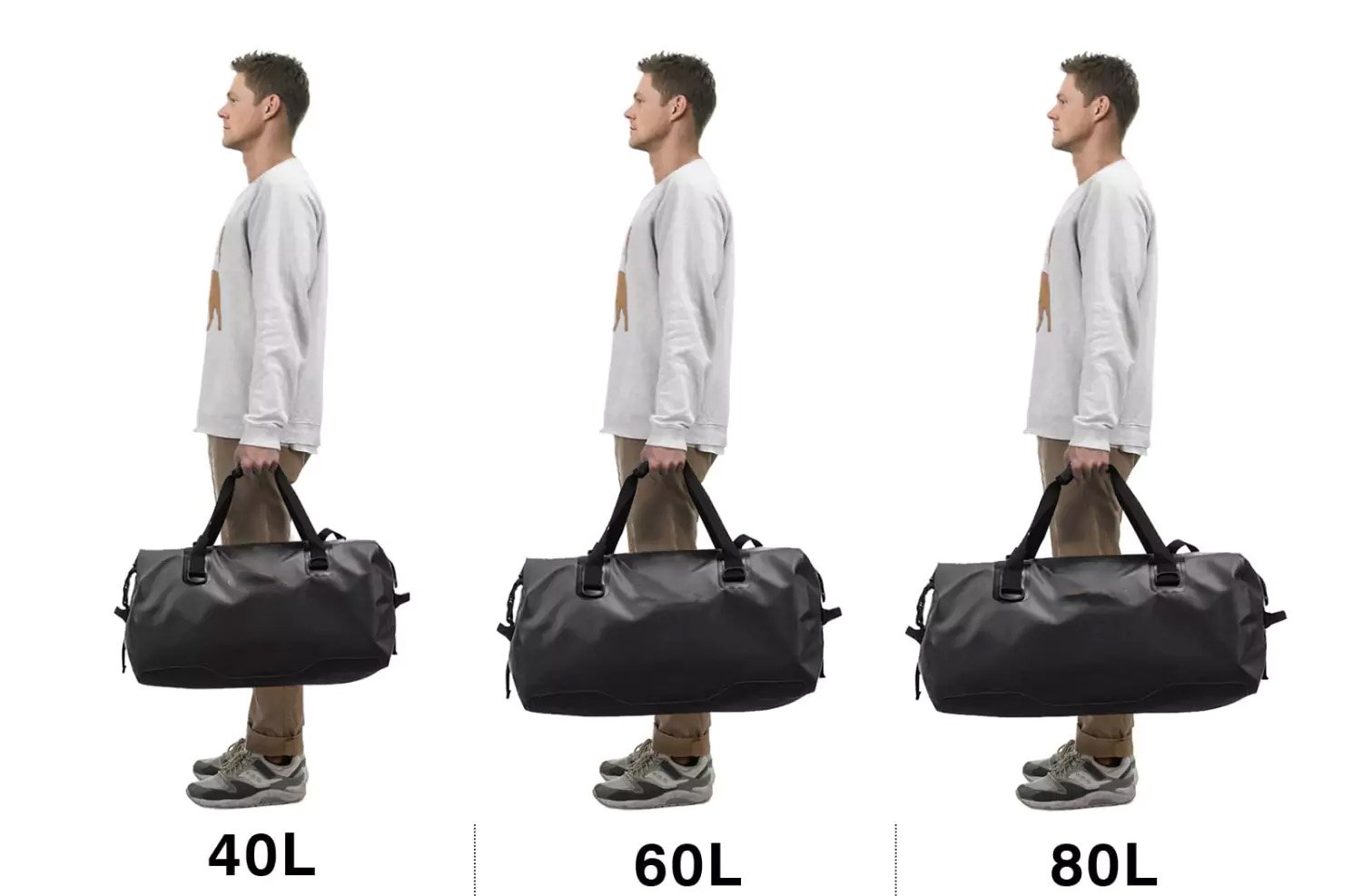
This is one of the biggest sourcing mistakes I see. Buyers focus on exterior dimensions, but users experience usable capacity, not just measured size. A long bag with a weak opening can feel smaller than a shorter bag with better structure.
Practical capacity ranges
Here is a simple way I think about it:
| Capacity range | Typical use | Notes for buyers |
|---|---|---|
| 30L–35L | 1-night trip, gym, light travel | Safer for lighter materials |
| 35L–45L | Standard weekend bag | Good balance for broad retail |
| 45L–55L | XL weekend or short business trip | Needs stronger straps and base |
| 55L+ | Extended weekend, bulky packing | Higher risk of overload complaints |
For many chain retail or supermarket buyers, 35L to 45L is often the easiest commercial range. It feels generous without pushing too hard on weight and structural failure risk. If you move into 45L to 55L, the bag may still be right, but I would pay closer attention to reinforcement and hardware.
Capacity is tied to structure
A few design elements affect real performance:
Opening width
A large top opening makes packing easier. A narrow zipper path reduces usable volume.
Bottom support
An XL bag without enough base support can sag badly. That hurts appearance and carry comfort.
End-panel shape
Curved end panels can look stylish, but they may reduce practical packing efficiency.
Pocket planning
Too many pockets increase cost and sewing complexity. Too few can reduce retail appeal.
Questions I would lock before RFQ
- What is the intended packing scenario?
- Will users carry shoes, laptops, or folded garments?
- Does the bag need a trolley sleeve?
- Is the target customer driving, flying, or commuting?
- What is the maximum comfortable loaded weight?
These questions matter because XL weekend duffle bags often fail not from bad sewing, but from bad specification logic. If the bag is sold as a short business trip item, then buyers may expect cleaner organization and shape retention. If it is sold as a casual weekend bag, softer construction may be acceptable.
A clear capacity brief gives the supplier a fair chance to quote the right product. Without that, every price comparison starts off distorted.
How Should Buyers Balance Size, Weight, and Carry Comfort?
A large bag can attract attention, but it can also create complaints if it becomes too heavy or awkward when full. I often tell buyers that comfort is not a luxury detail. In larger bags, comfort is part of quality perception6.
Buyers should balance size, weight, and carry comfort by matching bag volume with realistic load, material weight, strap design, and support features. XL weekend duffle bags need enough structure to carry well, but not so much added hardware that the bag becomes heavy, expensive, or hard to store.
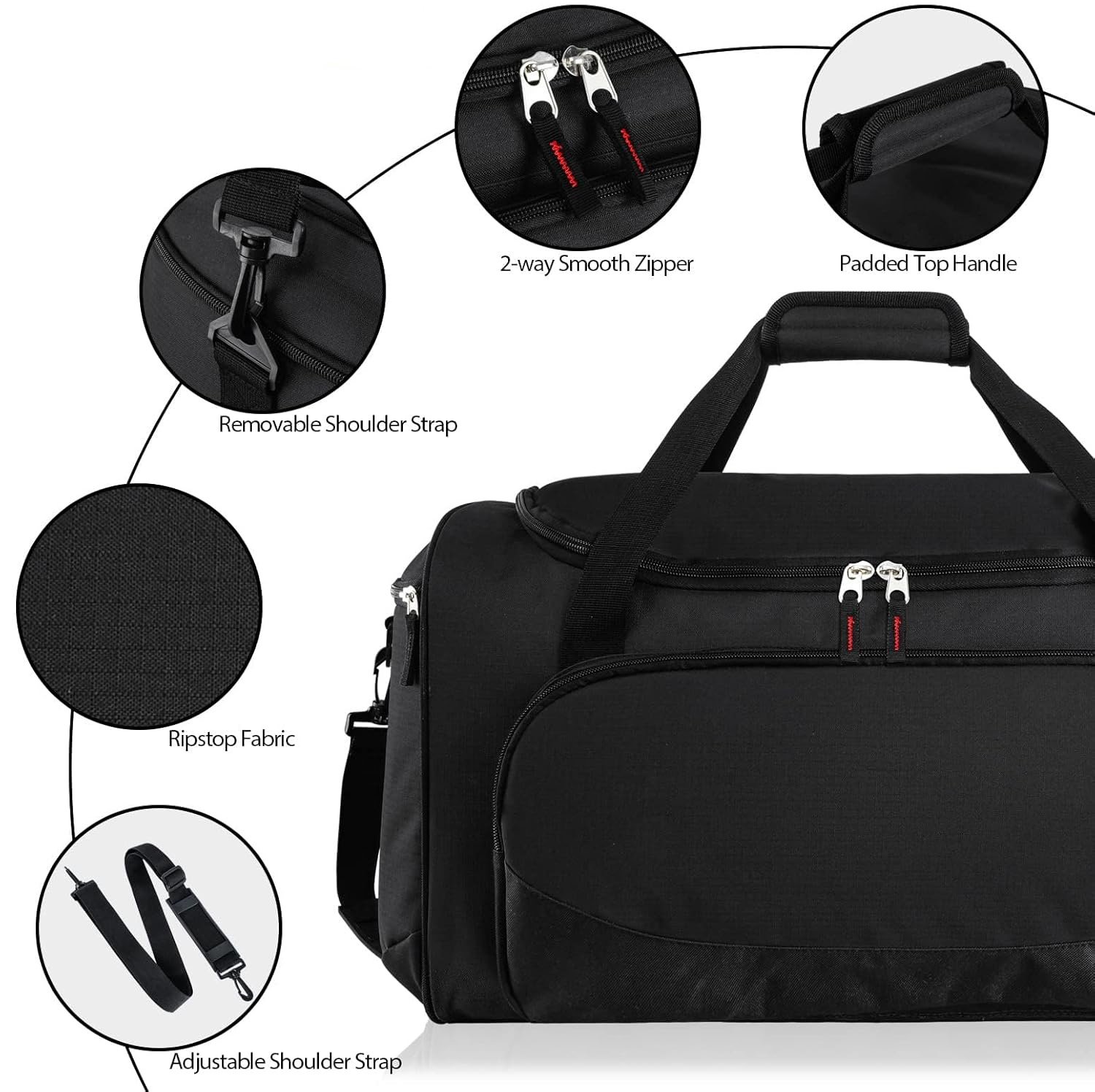
In real buyer conversations, I often see a conflict: the buyer wants an XL look, low cost, and light weight at the same time. Sometimes that is possible. Often it is not, at least not without trade-offs.
The main comfort variables
1. Empty bag weight
Heavier fabric, thick foam, and strong hardware improve structure, but they also add weight.
2. Strap construction
For larger duffles, thin webbing or lightly attached straps can become a complaint point very quickly.
3. Load distribution
A bag that collapses in the middle feels worse to carry, even if the total weight is moderate.
4. Handle and shoulder options
Retail buyers should decide whether the bag needs:
- Grab handles only
- A detachable shoulder strap
- Padded shoulder support
- Trolley compatibility
A practical trade-off table
| Goal | What helps | What it may increase |
|---|---|---|
| Lower bag weight | Lighter fabric, simpler trims | Lower structure |
| Better comfort | Wider straps, pad, reinforcement7 | Higher cost |
| Better shape | Base board, foam, piping | More weight |
| Lower price | Fewer parts, simpler sewing | Less perceived value |
What I would review in samples
When I evaluate a sample with a buyer mindset, I usually look at these points:
- Does the shoulder strap feel too narrow for a loaded bag?
- Do the handles pull the top opening out of shape?
- Does the base sag when moderately filled?
- Are the attachment points visibly reinforced?
- Does the bag feel stable when lifted from one side?
A sample can look excellent on a table and still perform poorly in motion. That is why I think carry simulation matters, even in basic sourcing review.
A good-looking sample is an early signal. It is not proof that bulk production will stay consistent under repeated load.
Why comfort affects returns and complaints
Retail buyers often focus on visual approval, but end users experience friction in very ordinary moments:
- carrying from car to hotel
- lifting into storage
- walking through transit
- packing and unpacking quickly
If the bag pinches the shoulder, tips over, or sags badly, the product can feel cheap even when materials look acceptable. For XL weekend duffle bags, comfort and quality perception are deeply linked. I would never separate them during supplier evaluation.
Which Custom Details Make a Duffle Feel Retail-Ready?
A plain duffle may meet function requirements, but retail buyers still need enough detail to make the product look intentional on shelf or online. At the same time, too many custom features can complicate production and create inconsistency.
Retail-ready XL weekend duffle bags usually combine a clear silhouette, practical compartments, coordinated trim, and branding details that fit the channel. The best custom details are the ones that improve perceived value without making production unstable or pushing the bag above its target retail price.
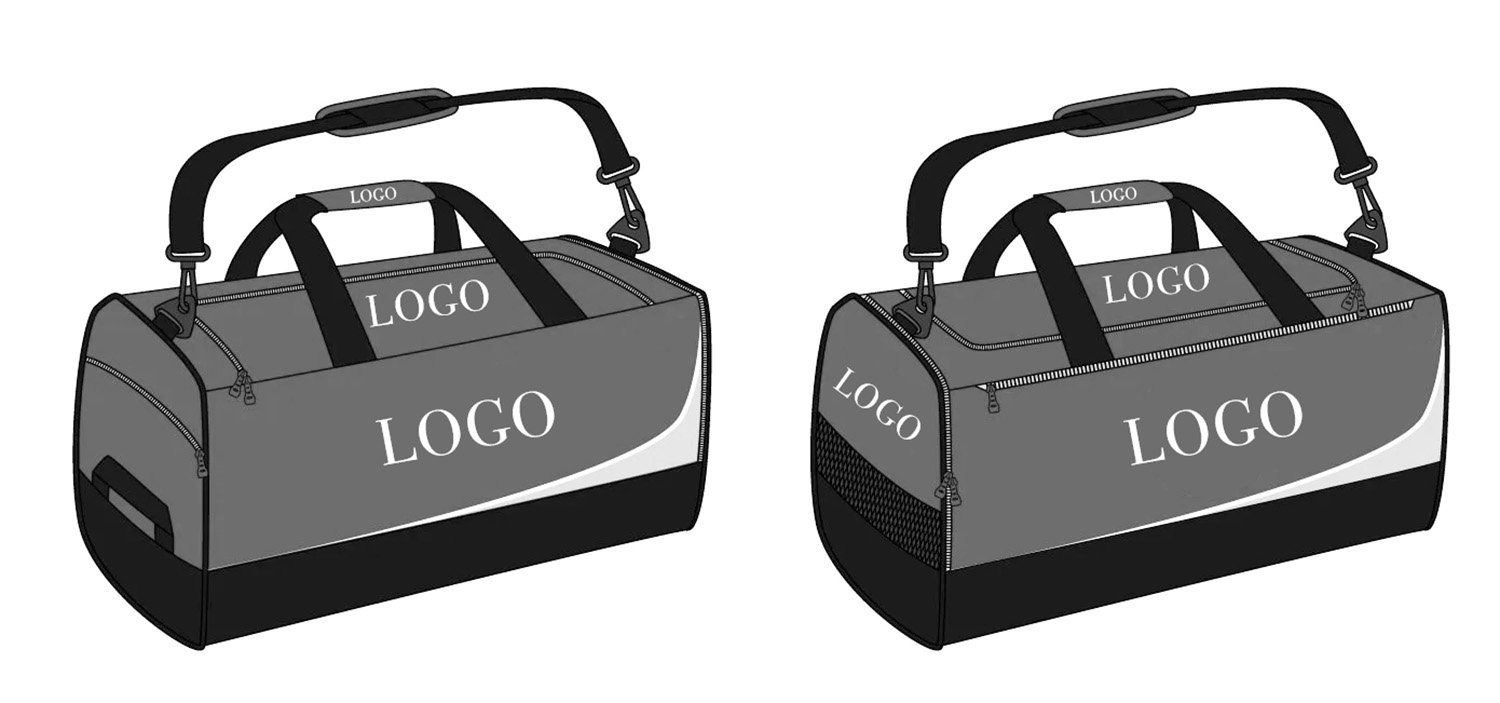
I like to remind buyers that customization is not decoration alone. In B2B bag development, every detail affects cost, sampling time, and production control.
Custom details that often add value
Visual details
- Contrast handles or shoulder straps
- Clean logo placement
- Matching zipper tape and puller finish
- Simple but structured end panels
- Lining color contrast for perceived value
Functional details
- Front quick-access pocket
- Trolley sleeve
- Shoe compartment
- Bottom studs or protective base
- Interior zip pocket for essentials
The most useful retail-ready principle
I usually advise buyers to choose 2 to 4 visible value details8, not 8 to 10. Too many details can create a sample that looks exciting but is difficult to reproduce consistently at scale.
A simple evaluation framework
| Detail type | Buyer benefit | Production risk |
|---|---|---|
| Printed logo | Strong branding | Usually low |
| Embroidery | Premium look | Medium |
| Metal badge | Higher perceived value | Medium |
| Contrast webbing | Visual impact | Low |
| Shoe compartment | Functional appeal | Medium to high |
| Trolley sleeve | Travel relevance | Medium |
Retail-ready does not mean feature-heavy
In several RFQs I have handled, the best-performing concepts were not the most complex. They were the most coherent. The fabric, trim, branding, and use case all matched the channel.
For example, a supermarket or value-driven chain buyer may benefit more from:
- one strong front pocket
- clean webbing color contrast
- simple logo print
- reinforced base panel
A higher-positioned travel retailer may need:
- better lining
- neater internal organization
- upgraded zipper pullers
- more polished branding treatment
The lesson is simple. XL weekend duffle bags should feel retail-ready because they fit the intended channel, not because they collect random features. If I overload a bag with custom elements before confirming the retail price logic, I usually create sourcing friction instead of value.
What Quality Checks Matter for Large Duffle Bags?
This is where many sourcing decisions become too optimistic. Buyers sometimes approve a nice sample and assume the factory can repeat that quality in bulk. In my experience, that assumption causes avoidable risk.
The most important quality checks for XL weekend duffle bags focus on load-bearing points, zipper performance, material consistency, stitching quality, dimensional tolerance, and production repeatability9. Buyers should verify not only whether one sample looks good, but whether the supplier can maintain that standard across bulk production.
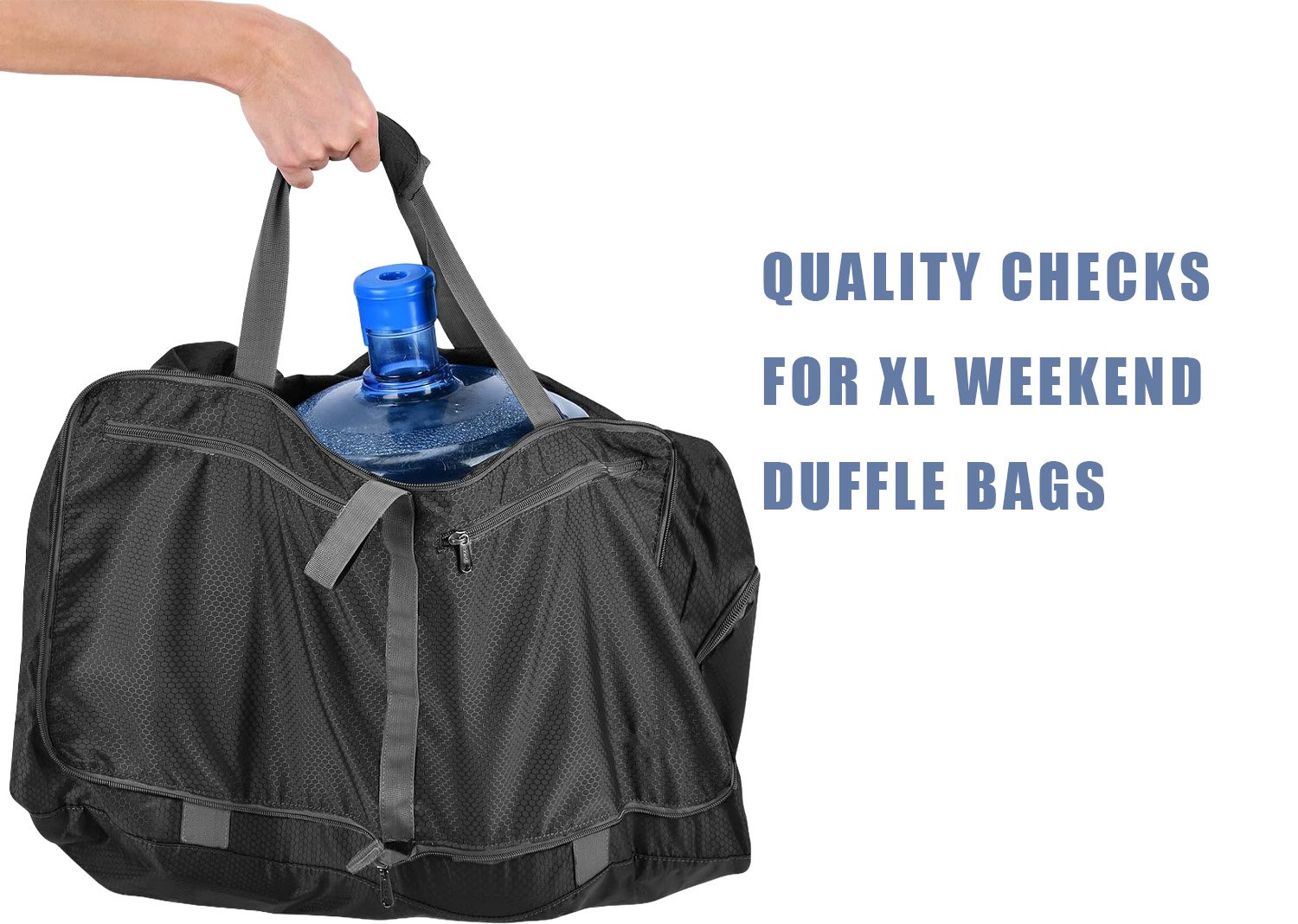
For larger bags, quality control should connect directly to end use. A large duffle creates more stress on handles, seams, and zippers than a small cosmetic pouch. That sounds obvious, but in sourcing practice, some RFQs still treat them too casually.
Core quality checks I would prioritize
1. Strap attachment strength
This is one of the first areas I review. On larger bags, poor reinforcement becomes visible fast.
2. Zipper smoothness and reliability
The zipper should run cleanly under light filling and moderate filling. A large opening increases stress.
3. Bottom panel stability
A weak base can ruin the user experience and create shape complaints.
4. Stitch consistency
Loose thread trimming is cosmetic. Inconsistent seam quality is more serious.
5. Material and color consistency
Bulk fabric variation can affect the final retail look, especially in chain-store programs.
Sample checks vs. production checks
| Stage | What it tells you | What it does not prove |
|---|---|---|
| Prototype sample | Design direction | Bulk stability |
| Sales sample | Visual appeal | Factory consistency |
| Pre-production sample | Production intent | Full shipment quality |
| Inline inspection | Process control | Final full-carton condition |
| Final inspection | Shipment snapshot | Long-term field performance |
This distinction matters a lot. I have learned that a supplier may produce one attractive sample with extra attention, stronger operator skill, or selected materials. That does not automatically show the same control across larger quantities.
Questions buyers should ask suppliers
- How are key load-bearing points reinforced?
- What in-process checks are used during sewing?
- How is fabric shade consistency managed?
- What tolerance is accepted for final dimensions?
- Can the supplier support pre-production and inline inspections?
- What corrective action process exists if defects appear?
Certification and document caution
If a supplier mentions test reports or compliance documents, I believe buyers should verify those documents independently10 and confirm relevance to the actual material and style being ordered. A valid-looking document is not a substitute for product-specific review.
Bulk reliability is the real sourcing test
For XL weekend duffle bags, the buyer’s goal is not just to receive a good sample. The goal is to reduce complaint risk after launch. That means checking whether the factory can sustain:
- the same stitching method
- the same trim quality
- the same reinforcement logic
- the same dimensional control
- the same delivery discipline
That is why I always come back to the same point: supplier selection should measure production reliability, not just sample attractiveness.
Frequently Asked Questions
How many liters should XL weekend duffle bags be?
For many retail programs, 35L to 55L is the practical range. The right choice depends on the use scenario, retail channel, and expected load. I would define user needs first, then confirm dimensions and structure with the supplier.
Should buyers choose the lowest quote for XL weekend duffle bags?
Usually, no. The lowest quote often reflects a different specification, lighter construction, or fewer reinforcement details. I prefer to compare quotes only after locking the real cost drivers, including materials, straps, zipper level, compartments, and packaging.
Is a good sample enough to approve a supplier?
No. A good sample is helpful, but it only shows early capability. Buyers should still review production control, consistency, inspection process, and communication quality before trusting the supplier with larger orders.
What features increase cost the most on large duffle bags?
Common cost drivers include heavier fabric, reinforced straps, structured bases, extra compartments, upgraded hardware, and more complex branding details. In my experience, structure-related features often affect cost more than buyers expect.
What should retail buyers verify before placing an order?
I would verify the approved specification, sample comments, production timeline, quality checkpoints, packaging details, and any compliance or certification documents relevant to the order. For application-specific requirements, qualified professional evaluation is still the safer path.
Conclusion
XL weekend duffle bags are not difficult to source when the process starts in the right place. I believe the smartest retail buyers define channel fit, price point, capacity, structure, and quality expectations before asking for quotes. Then they use RFQ comparison, sampling, and production-risk checks to filter suppliers more accurately. If you are sourcing duffle bags for retail, I can help you review specifications, develop samples, and assess whether a supplier setup is truly ready for bulk production.
"Travel Bag Market Size, Share, Trends, Industry Report, 2034", https://www.fortunebusinessinsights.com/travel-bag-market-111938. Consumer trend research on travel and carry products has identified demand for versatile bags that can serve multiple short-duration and everyday use cases, including leisure travel and fitness-related transport; this supports the article's characterization of duffle-bag appeal, although such studies may address broader bag categories rather than XL weekend duffles specifically. Evidence role: general_support; source type: research. Supports: Consumer research or market studies showing that shoppers value versatile travel bags for multiple use cases such as short trips, fitness, and everyday mobility.. Scope note: Most available evidence is likely to cover luggage or carry products broadly, not this exact subcategory. ↩
"Summary of Travel Trends: 2009 National Household ...", https://rosap.ntl.bts.gov/view/dot/50506/dot_50506_DS1.pdf. National and international travel statistics have documented that short-duration domestic and leisure trips constitute a substantial portion of travel activity, providing context for the article's statement that short-trip travel habits remain common. Evidence role: statistic; source type: government. Supports: Official tourism or travel-survey data indicating that short-duration trips or weekend breaks remain a significant share of travel activity.. Scope note: Travel statistics describe trip frequency and duration, not direct purchasing motives for duffle bags. ↩
"Comparison of features, usability, and load carrying design of recreational ...", https://www.imse.iastate.edu/files/2014/03/EagleZoe-thesis.pdf. Lifestyle and consumer-behavior research has shown that blended commuting, fitness, and leisure routines increase demand for multi-purpose personal-carry products, which is consistent with the article's claim that gym-to-office and weekend mobility shape bag preferences. Evidence role: general_support; source type: research. Supports: Research showing that blended work, fitness, and leisure routines affect preferences for portable and multi-use personal-carry products.. Scope note: The relationship is typically inferred from broader lifestyle-product research rather than from duffle-bag-only studies. ↩
"Soft side vs hard luggage for travel?", https://www.facebook.com/groups/Koningsdam/posts/3810763082556695/. Manufacturing and product-development literature distinguishes sewn soft goods from rigid molded luggage by noting that hard-shell products commonly require molds and more specialized tooling, whereas soft bags are typically developed through cut-and-sew processes; this provides process-based support for the article's claim about lower tooling complexity. Evidence role: mechanism; source type: paper. Supports: Manufacturing literature showing that rigid luggage commonly requires molds or higher tooling investment, whereas sewn soft goods rely more on patterning and cut-and-sew processes.. Scope note: Tooling requirements still vary with the exact materials, trims, and production method used. ↩
"Duffel Bags Size Chart", https://www.patagoniabend.com/pages/duffel-bags-size-chart?srsltid=AfmBOopgVUM06S9yc16sW3Vnyly3Nse2kDy7R7AoSwHaISZE8ygK3wZ9. Travel-packing references commonly place weekend and short-trip bags in the approximate mid-range of several tens of liters, which is consistent with the article's cited 35L to 55L range for weekend-oriented duffle use. Evidence role: general_support; source type: other. Supports: Neutral travel-packing or luggage-sizing references indicating that weekend travel bags commonly fall in the mid-range tens of liters.. Scope note: This support is contextual because published packing guides often discuss travel bags generally rather than buyer-targeted XL duffle specifications. ↩
"Influence of Customer Quality Perception on the Effectiveness of ...", https://pmc.ncbi.nlm.nih.gov/articles/PMC4789549/. Human-factors and consumer-perception research has shown that usability and physical comfort contribute to perceived product quality and overall satisfaction, supporting the article's statement that carrying comfort affects quality perception in larger bags. Evidence role: mechanism; source type: research. Supports: Human-factors or consumer research indicating that comfort and usability influence perceived product quality and satisfaction.. Scope note: Most studies address product experience broadly and may not be specific to travel bags. ↩
"The effect of shoulder strap width and load placement on ...", https://pubmed.ncbi.nlm.nih.gov/29254136/. Ergonomic studies of shoulder load carriage have reported that wider and padded straps can distribute force over a larger contact area and reduce localized pressure, which supports the article's recommendation for strap width, padding, and reinforcement in larger duffle bags. Evidence role: mechanism; source type: paper. Supports: Ergonomic evidence that wider or padded straps distribute load over a larger area and can reduce localized pressure or discomfort.. Scope note: Observed comfort effects depend on total load, strap geometry, and user body characteristics. ↩
"The role of variation, error, and complexity in manufacturing defects", https://digital.library.unt.edu/ark:/67531/metadc1314726/. Manufacturing-quality research has shown that increasing component count and process complexity can create more opportunities for variation and defects, providing general support for the article's caution against excessive feature layering in retail bag designs. Evidence role: mechanism; source type: research. Supports: Manufacturing research showing that increased part count or process complexity can raise variation, defect opportunities, or coordination burdens in production.. Scope note: The evidence supports the complexity principle, but it does not directly validate the precise recommendation of '2 to 4' details. ↩
"JSC-67721", https://standards.nasa.gov/system/files/tmp/JSC-67721_CGCISS_RevA_Final.pdf. Standards and institutional quality-assurance guidance for sewn travel goods commonly emphasize seam integrity, closure performance, dimensional conformance, and material consistency as core inspection categories, supporting the article's list of priority quality checks. Evidence role: expert_consensus; source type: institution. Supports: Industry or standards-based guidance identifying seams, closures, dimensions, materials, and repeatability-related checks as key inspection points for sewn travel goods.. Scope note: Specific inspection priorities can vary by market, bag construction, and applicable buyer specifications. ↩
"E-Verify: Home", https://www.e-verify.gov/. Accreditation and procurement guidance commonly advises purchasers to verify the authenticity, scope, and applicability of laboratory reports and compliance documents through independent checks, supporting the article's recommendation not to rely on supplier-provided documents at face value. Evidence role: expert_consensus; source type: institution. Supports: Accreditation or procurement guidance recommending independent confirmation of laboratory reports, certifications, or supplier compliance documents.. Scope note: Such guidance addresses due diligence broadly and does not prove that any given supplier document is invalid. ↩