Hybrid work backpack totes sound easy to specify, but many buyers still face the same problem: a bag can look excellent in a sample yet fail in daily commuting use1 or become unstable in bulk production. That gap creates returns, weak sell-through2, and sourcing headaches. I think the right solution is to build the brief around real commute tasks first.
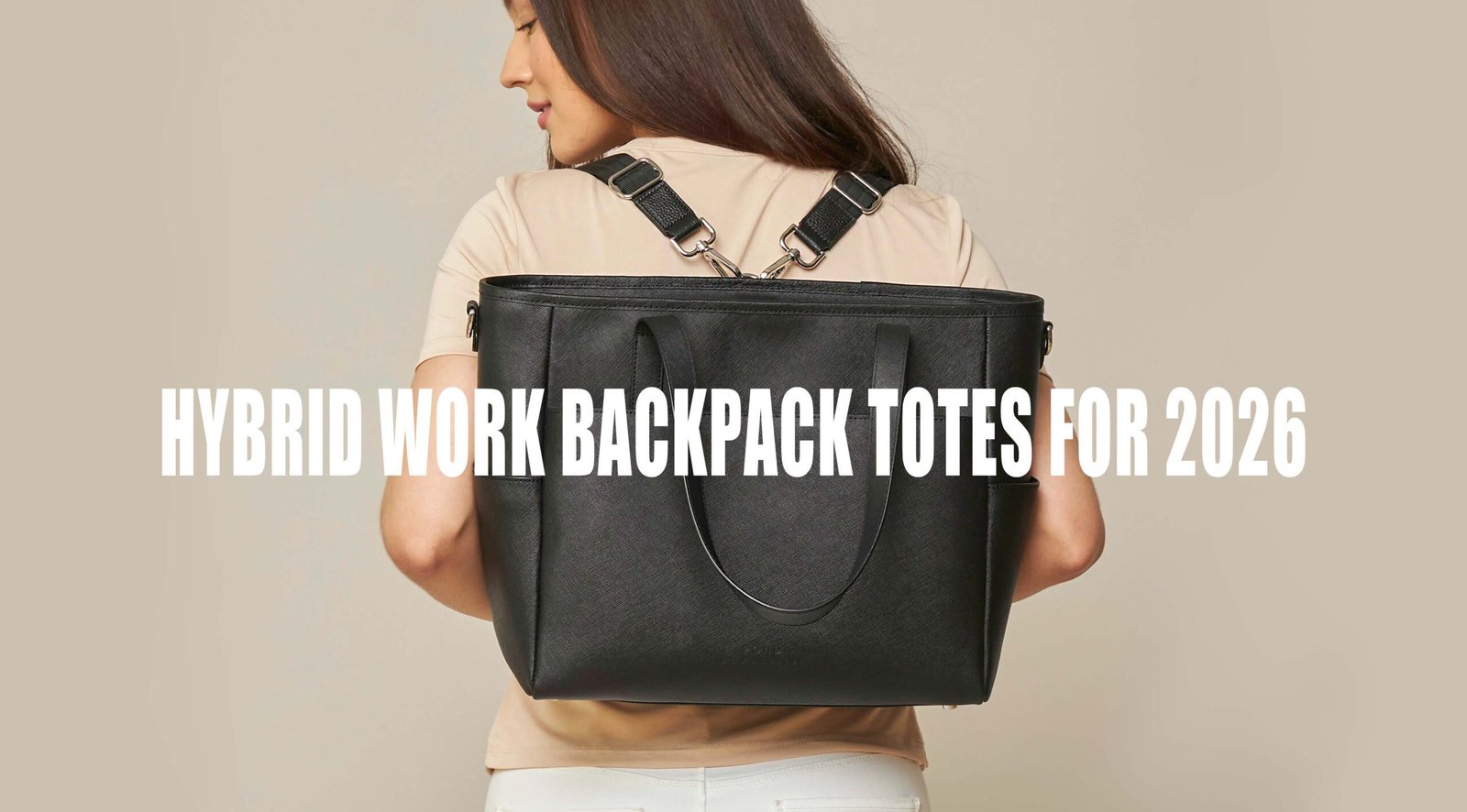
Hybrid work backpack totes for 2026 should be designed around actual urban commuting needs3, not feature overload. Buyers should compare carrying-mode comfort, laptop protection, material weight, and sample approval risks with mass production in mind. In my experience, the best-performing designs remove weak or unnecessary features instead of adding more.
When I discuss briefs with procurement teams, I often notice the same pattern: buyers start with pockets, zippers, and add-ons. Those details matter, but they come second. First, I want to know how the user moves through the day. That is where the useful evaluation starts.
What Is a Hybrid Work Backpack Tote?
A hybrid work backpack tote sounds appealing because it promises flexibility, but that same flexibility can create confusion. Many buying briefs define it too broadly, and that leads to bloated samples. The result is often a bag that does many things poorly instead of a few things well.
A hybrid work backpack tote is a work bag that combines tote-style hand or shoulder carry with backpack carry in one structured design. For buyers, the key is not the number of modes alone, but whether those modes switch naturally, carry stably, and support office-to-commute use without adding unnecessary complexity.
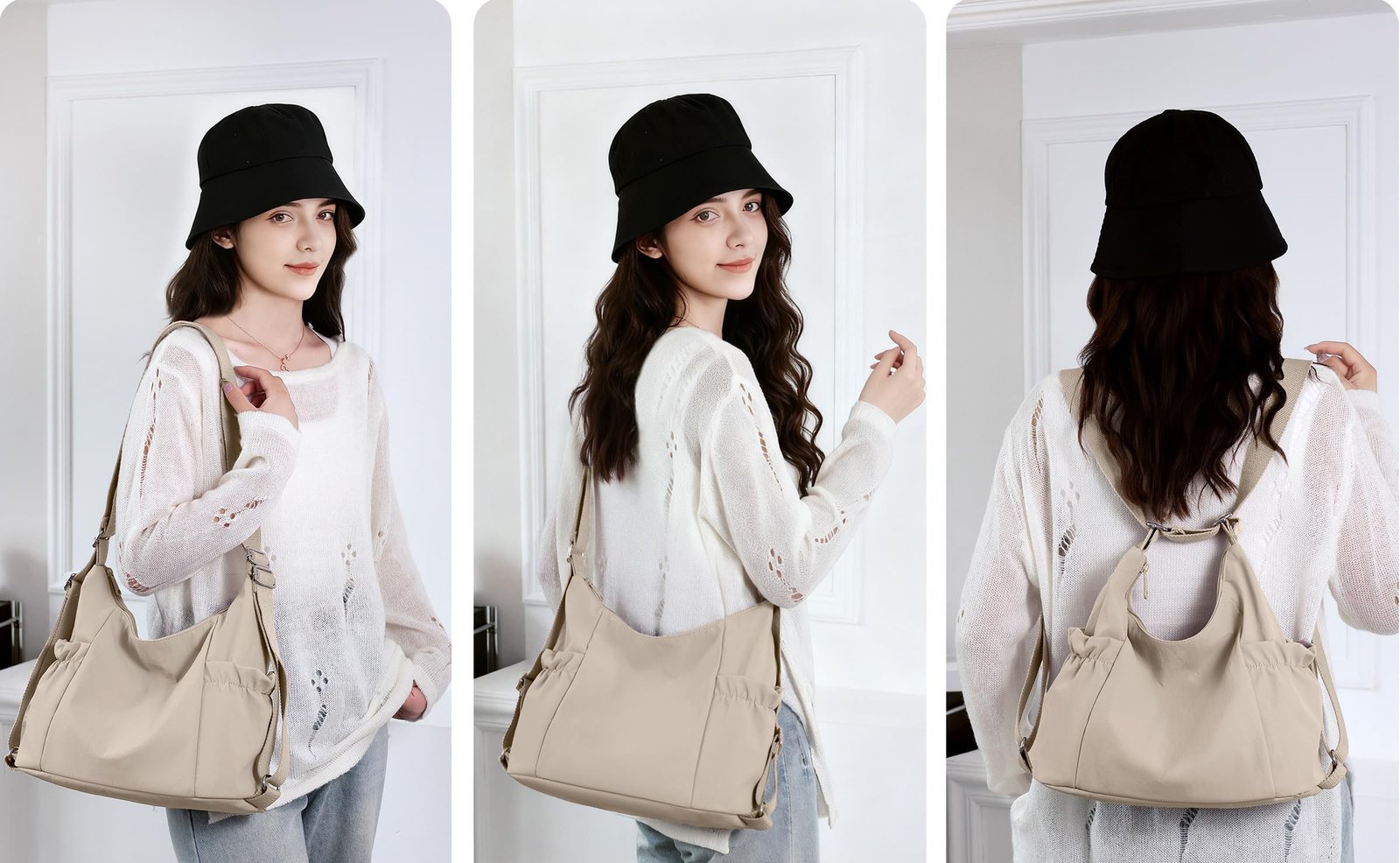
In our buyer discussions, I usually describe a hybrid work backpack tote as a task-based format, not a fashion category. That distinction matters. A buyer may see “hybrid” and think any bag with two straps qualifies. From a sourcing viewpoint, that is too loose.
A practical B2B definition
A real hybrid work backpack tote should do three things well:
Support at least two useful carry modes
- Hand carry or shoulder tote carry
- Backpack carry for longer walking or transit
Protect work essentials
- Laptop
- Documents
- Chargers
- Personal items
Maintain a professional silhouette4
- Suitable for office, retail, and commuter settings
- Not too sporty
- Not too soft and collapsing
I have seen many samples that technically met the “hybrid” idea because they had hidden backpack straps. But the bag still failed the real use test. The straps twisted. The body sagged. The tote handles interfered with the backpack mode. On paper, it had more functions. In use, it felt worse.
Why the use case matters more than the label
For 2026 planning, I would not begin with trend language. I would begin with the daily movement path:
- Walking to transit5
- Standing on subway or bus
- Entering office or customer site
- Carrying laptop and personal items
- Switching from commute mode to professional mode
That path tells me much more than a long feature list.
A common sampling-stage mistake is to ask for “more function” before deciding which commute problem the bag must solve.
What buyers should define early
Before requesting a sample, I suggest buyers clarify these points:
| Buying question | Why it matters |
|---|---|
| Is the main use 15-minute commute or 60-minute commute? | It changes comfort and strap requirements |
| Will users carry a laptop daily? | It affects structure and padding |
| Should the bag look formal or casual-professional? | It affects material and silhouette |
| Is backpack mode frequent or occasional? | It determines whether straps can be lighter or must be more engineered |
| What retail price band is targeted? | It controls feature decisions and material choice |
This is where smart subtraction starts. A hybrid work backpack tote should not try to satisfy every user. It should satisfy one clear work-commute scenario very well. In my experience, that gives buyers better sell-through and fewer production compromises.
Which Carrying Modes Should Buyers Compare?
A dual-carry concept sounds valuable, but not every carry mode is equally useful. Buyers often compare strap count, handle placement, and convertibility features without asking whether the switching feels natural during a real commute. That mistake adds cost while reducing comfort.
Buyers should compare carrying modes based on actual commuting transitions: hand carry, shoulder tote carry, and backpack carry. The best hybrid work backpack totes switch smoothly between these modes, keep the load stable, and avoid strap systems that tangle, drag, or weaken the bag’s structure.
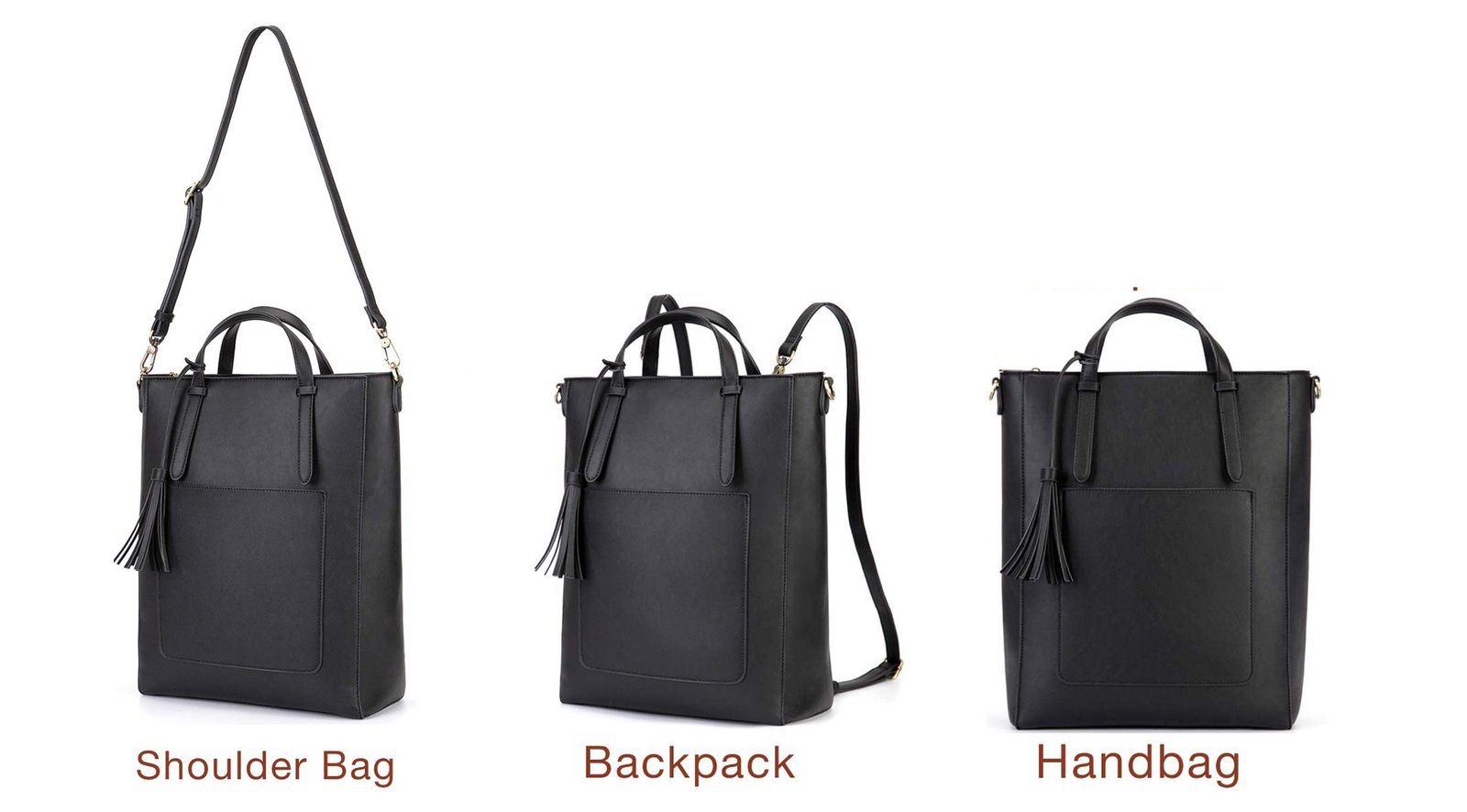
In my experience, buyers get the best results when they compare carrying modes by frequency of use, not by novelty. A hidden strap system can impress during a sample review, but if users struggle to deploy it quickly, the feature loses value at retail.
The three carry modes that matter most
1. Hand carry
This mode matters when the user:
- enters the office
- moves through meetings
- lifts the bag from a car seat
- places it on a desk
Hand carry should feel balanced. The handles should not pull the opening out of shape.
2. Shoulder tote carry
This mode suits:
- short walks
- quick entry and exit
- light loads
- office presentation
Shoulder drop length matters here. If the handles are too short, users cannot carry comfortably over outerwear. If the handles are too long, the bag swings too much.
3. Backpack carry
This mode matters most during:
- subway transfers
- longer walks
- heavier laptop loads
- crowded commuting periods
Backpack mode should distribute weight6 without making the bag look bulky.
What buyers should compare in samples
I recommend a simple comparison checklist:
- Switching speed between modes
- Load stability when carrying 3–6 kg7
- Strap interference with other handles
- Comfort after 10–15 minutes
- Bag shape retention in all carry modes
- Visual neatness when one mode is not in use
Here is a useful way to compare options:
| Carry system | Strength | Risk |
|---|---|---|
| Fixed tote handles + hidden backpack straps | Clean office look | Strap storage can be messy |
| Fixed tote handles + exposed backpack straps | Fast switching | Less formal appearance |
| Detachable straps | Lower complexity in some cases | Lost parts, hardware wear |
| Convertible single-strap systems | Novel concept | Often weak comfort and stability |
A production feasibility viewpoint
From a production feasibility viewpoint, more moving parts usually mean more risk8:
- more sewing points
- more hardware variation
- more tolerance issues
- more inconsistency between samples and bulk goods
I often tell buyers that a natural carry transition beats a clever mechanism. End users rarely reward hidden complexity. They reward comfort, neat appearance, and reliable daily use. For supermarket and chain-channel programs, those basics usually matter more than “wow factor.”
How Should Laptop Protection Be Designed?
Laptop protection is one of the first things buyers ask for, but many briefs reduce it to “add a padded sleeve.” That is too simple. A laptop compartment can look secure in a sample while still failing in real movement, especially when the bag shape collapses under load.
Laptop protection should be designed as a system, not just a padded pocket. Buyers should check suspended bottom clearance, side padding, compartment stability, and how the bag carries when loaded. In hybrid work backpack totes, good laptop protection must work together with the bag’s structure and carry modes9.
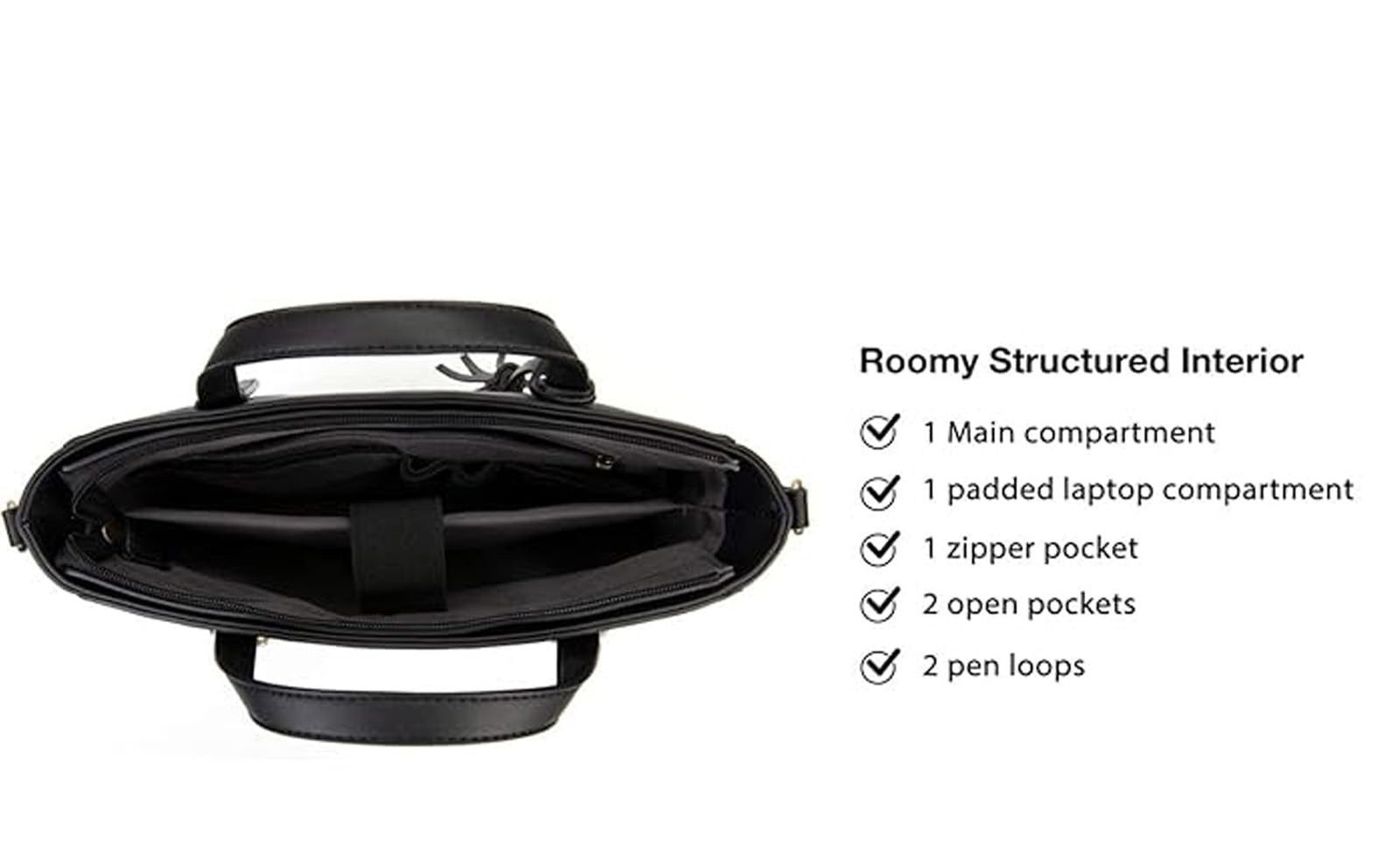
I have seen this issue many times in sampling conversations. A buyer asks for a 15.6-inch laptop sleeve, and the factory adds foam. The sample looks complete. But when the bag is worn as a backpack, the laptop shifts downward, the base loses shape, and impact risk rises.
What real laptop protection includes
Suspended bottom design10
This feature means the laptop sleeve does not sit directly on the base seam. A small clearance helps reduce direct shock when the bag is set down.
Side and panel padding
Padding should support:
- front impact resistance
- back panel comfort
- compartment shape retention
Too little padding increases risk. Too much padding adds bulk and weight.
Secure compartment fit
A laptop sleeve should hold the target device size with reasonable stability. If the compartment is too loose, protection decreases.
What buyers should test physically
I suggest these sample checks:
- Insert the target laptop size or a dummy with similar dimensions.
- Load the bag with normal daily items.
- Carry it in tote mode and backpack mode.
- Place it on the floor several times gently.
- Observe sleeve movement, body collapse, and base contact.
These are not lab tests. They are practical sourcing checks. For application-specific decisions, buyers should still use qualified professional evaluation where needed.
Common design mistakes
- Overly thin base structure
- Laptop sleeve stitched too low
- Main compartment too wide for the intended laptop
- No internal retention
- Back panel too soft for backpack mode
A balanced spec approach
| Element | Recommended buyer focus |
|---|---|
| Laptop size range | Define exact device target, not vague “fits laptop” wording |
| Bottom clearance | Ask supplier to show sleeve-to-base spacing |
| Padding placement | Focus on key zones, not maximum thickness |
| Closure type | Check whether laptop stays secure during movement |
| Shape retention | Review under loaded, real-use condition |
A common mistake is treating laptop protection as a standalone feature. In reality, it is part of the whole bag architecture. If the body collapses, the sleeve performance weakens. If backpack mode shifts the load poorly, the laptop area becomes less stable. That is why I always tie laptop protection back to commute behavior, not just material specs.
What Materials Keep the Bag Professional and Lightweight?
Material choice looks like a styling decision, but for buyers it is also a cost, weight, durability, and production decision. Many materials can look premium in a photo. Fewer can stay professional, lightweight, and production-friendly at the target price.
The best materials for hybrid work backpack totes balance professional appearance, low weight, structure, and manufacturing consistency. Buyers should compare fabric weight, surface finish, shape retention, and trim compatibility instead of choosing materials only for trend value or initial sample appeal.
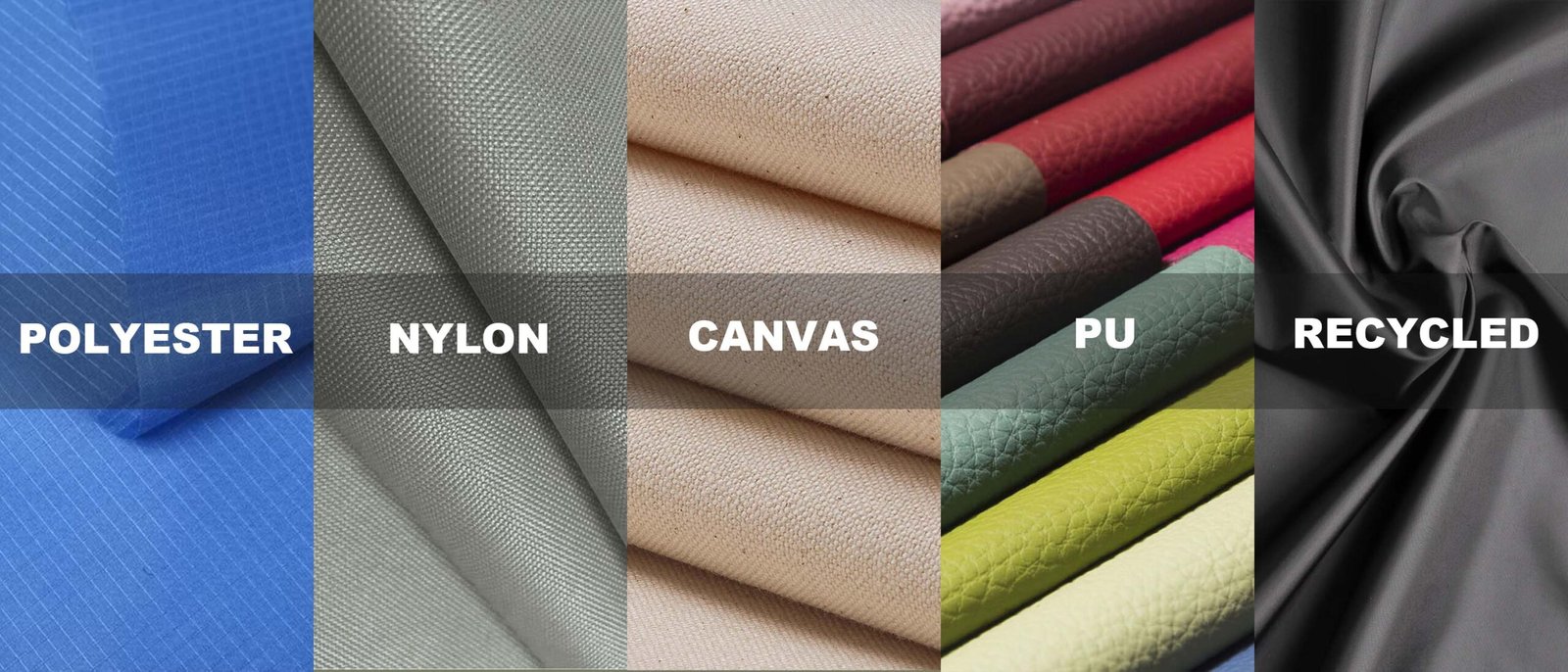
In our buyer discussions, I often see a tension between two goals: “make it look premium” and “keep it lightweight and cost-effective.” That tension is real. A material can improve one side while hurting another.
What buyers should prioritize
1. Surface professionalism
For work bags, the material should look neat and commercial. In most channel programs, buyers prefer:
- clean woven textures
- matte or low-sheen finishes
- surfaces that do not wrinkle easily
- colors that remain stable across lots11
2. Controlled weight
A hybrid bag already includes extra straps and structure. If the shell fabric is too heavy, the bag becomes tiring before the user even packs it.
3. Shape support
The fabric should help maintain a professional silhouette without requiring excessive reinforcement.
Material categories buyers often compare
| Material direction | Advantage | Watch-out |
|---|---|---|
| Lightweight polyester | Cost-effective, stable supply | Can look too ordinary if finish is weak |
| Nylon blends | Light, durable feel | Cost may rise depending on spec |
| Recycled fabrics | Good sustainability story | Buyers should verify document support and consistency |
| PU-facing materials | Premium visual effect | Weight, cracking risk, and aging should be reviewed |
| Canvas-type fabrics | Natural look | Often less ideal for structured office appearance |
For eco-friendly claims, I always suggest buyers verify supporting documents directly with the supplier. Claims should not replace material evaluation.
Trims matter as much as shell fabric
A bag can lose its professional look because of:
- shiny cheap hardware
- thick, stiff webbing
- mismatched zipper tape
- bulky adjusters
- weak edge finishing
I once reviewed a sample where the body fabric was strong, clean, and lightweight. Still, the bag looked lower-end because the trim package was too aggressive. That is why I advise buyers to judge the whole material system.
A practical sourcing rule
From a production-facing viewpoint, the safest material choice is often not the most novel one. It is the one that:
- sews consistently
- holds shape predictably
- matches available trims
- controls weight
- supports repeat orders
For volume business, repeatable quality is part of product quality12. A beautiful sample material that causes unstable production is usually not a smart buying decision.
What Should Buyers Check Before Approving Samples?
Sample approval feels like the final checkpoint, but in B2B buying it is often the most misleading stage. A sample can hide structural, workmanship, or scalability issues because it is reviewed too quickly or too narrowly. That creates expensive surprises later.
Before approving samples, buyers should check more than appearance and feature count. They should review structure stability, loaded comfort, workmanship consistency, trim practicality, and whether the design can scale into bulk production without raising defect risk, cost pressure, or delivery delays.
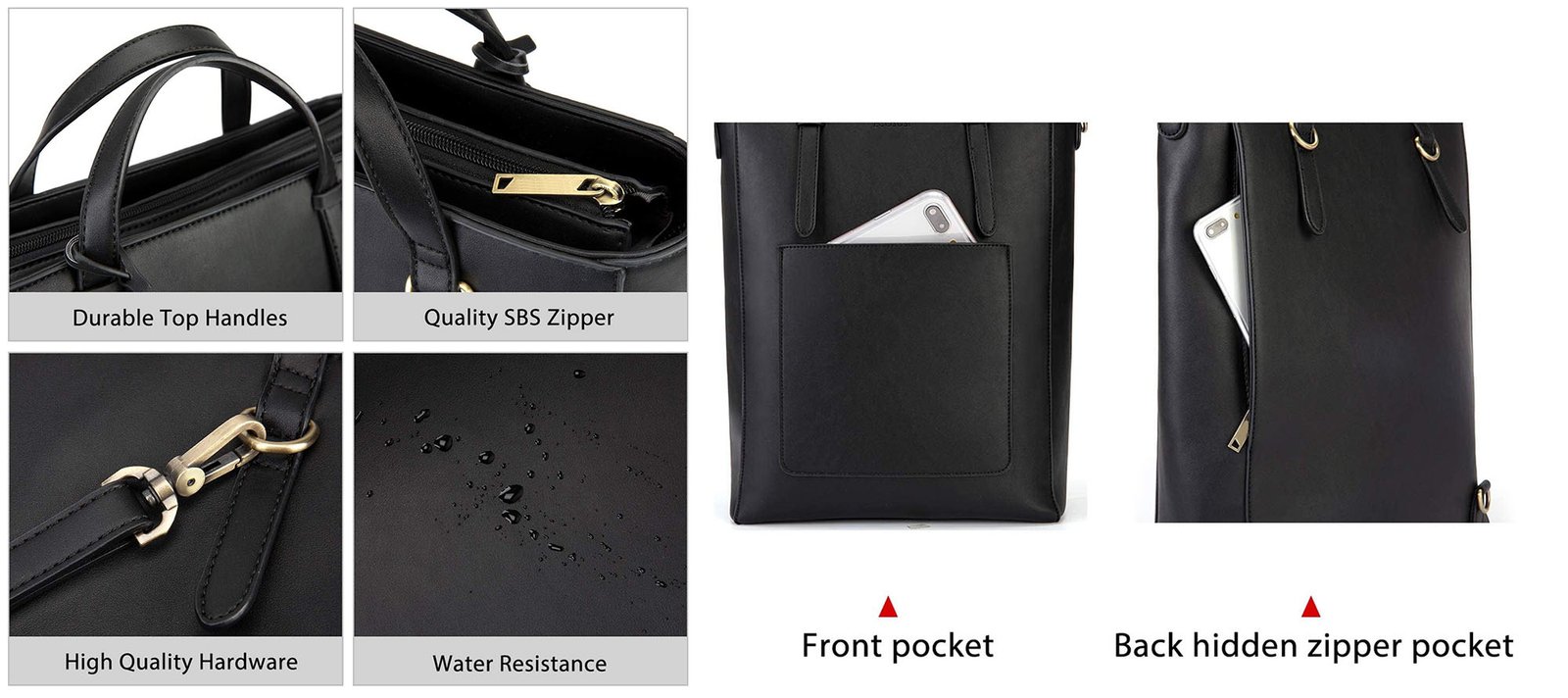
This is the section where I feel strongest from lived experience. A common sampling-stage mistake is to treat the sample as proof that the product is ready. In reality, the sample is only a discussion tool unless the buyer pushes deeper.
The five checks I would never skip
1. Check the bag under load
Do not review only an empty bag. Load it with:
- laptop dummy
- notebook
- charger
- bottle or similar weight item
Then carry it in each mode.
2. Check switching friction
Can the user move from tote to backpack smoothly? Or do straps snag, twist, or hang awkwardly?
3. Check structure after repeated handling
Open and close compartments several times. Lift the bag, set it down, and hang it. A weak design often reveals itself fast.
4. Check workmanship consistency points
Focus on:
- strap root reinforcement
- zipper sewing smoothness
- bar-tack quality
- lining alignment
- edge finish
- handle symmetry
5. Check bulk feasibility
Ask whether the same construction is stable across production. Some details look fine in one sample but are harder to keep consistent on an 8-line production floor.
A buyer-friendly approval table
| Sample checkpoint | What to ask |
|---|---|
| Comfort | Does it still feel balanced when fully loaded? |
| Shape | Does the bag keep a professional form in all modes? |
| Conversion | Can users switch modes naturally without confusion? |
| Workmanship | Are high-stress points reinforced cleanly and consistently? |
| Material practicality | Will this fabric and trim set stay stable in bulk? |
| Cost realism | Is the current sample overbuilt versus target price? |
| Delivery risk | Does the design add avoidable assembly complexity? |
Why subtraction is the smartest rule
I believe the best approval question is not “What else can we add?” It is “What can we remove without hurting the commute use case?”
That mindset helps buyers protect:
- margin
- lead time
- quality consistency
- repeat-order reliability
If one feature:
- adds weight
- raises failure points
- complicates sewing
- weakens comfort
- confuses the user
then it should be challenged.
That is especially true for hybrid work backpack totes. Because the format already combines functions, extra features can quickly become the reason the bag underperforms. In my experience, disciplined simplification is often what turns a good-looking sample into a commercially reliable product.
Frequently Asked Questions
Are hybrid work backpack totes better than standard laptop totes?
They can be, if the commute includes walking or public transit. Hybrid work backpack totes offer more flexibility, but only when backpack mode is comfortable and the structure remains professional. For short, light commutes, a standard tote may still be enough.
What laptop size should buyers design around?
Buyers should define a clear target, such as 14-inch or 15.6-inch devices, based on their market. Vague “fits most laptops” claims create fit problems. I prefer a precise size brief and a physical sample check with a device dummy.
Do more pockets make a hybrid work bag more sellable?
Not always. More pockets can add weight, cost, and user confusion. I usually recommend keeping only the compartments that support the main commute scenario. A cleaner layout often improves both usability and production stability.
What is the biggest sample-stage risk for hybrid work backpack totes?
The biggest risk is approving a bag based on looks alone. Many issues appear only after loading the sample, switching carry modes, and checking stress points. Structure stability and comfort often matter more than the initial visual impression.
Should buyers prioritize recycled materials for this category?
Recycled materials can be a strong option if they meet the price, appearance, and consistency targets. Buyers should verify supporting documents and review real production suitability. Sustainability claims should support the buying decision, not replace functional evaluation.
Conclusion
Hybrid work backpack totes for 2026 should be judged by real commuting performance, not by trend language or feature count. I believe buyers will make better decisions when they start with the user’s daily movement, define must-keep functions, and remove anything that adds cost or risk without real value. If you are developing an OEM or ODM work bag program, I can help you evaluate designs, refine sampling briefs, and build a more production-ready bag range for your market.
"School Bag Design and Weight: A Narrative Review of Their ...", https://pmc.ncbi.nlm.nih.gov/articles/PMC12812241/. Usability and human-factors research shows that products can perform differently in controlled reviews than in field use because task context, movement, and load conditions affect comfort and stability. Evidence role: general_support; source type: research. Supports: That user performance and satisfaction can differ between controlled evaluation and real-world use contexts, supporting the need to assess bags under actual commuting conditions.. Scope note: This would support the general principle of field-based evaluation rather than proving the claim for every backpack tote design specifically. ↩
"What To Do if You're Billed for Things You Never Got, or You Get ...", https://consumer.ftc.gov/articles/what-do-if-youre-billed-things-you-never-got-or-you-get-unordered-products. Consumer protection and retail research reports indicate that returns frequently arise when products do not meet functional expectations or perform poorly in actual use, supporting the relevance of use-case-driven design to return risk. Evidence role: general_support; source type: government. Supports: That product returns are often associated with unmet expectations, poor fit for use, or performance issues, which contextualizes the claim that better-use-oriented design may reduce returns.. Scope note: This evidence would be contextual and would not directly quantify sell-through effects for hybrid work bags. ↩
"Integrating more walking into public transit commuting: a proof-of ... - PMC", https://pmc.ncbi.nlm.nih.gov/articles/PMC12574145/. Transport and design literature describes urban commuting as a multimodal activity involving walking, transfers, standing, and carrying personal items, which supports evaluating bag design against commute tasks rather than feature count alone. Evidence role: expert_consensus; source type: institution. Supports: That urban commuting commonly involves multimodal movement such as walking and public transit, making task-based design a relevant framework for work bags.. Scope note: Such sources generally establish the commuting context and design rationale, not a direct ranking of all bag features. ↩
"Dress is a Fundamental Component of Person Perception - PMC - NIH", https://pmc.ncbi.nlm.nih.gov/articles/PMC10559650/. Research on workplace appearance and social perception finds that visual presentation can shape judgments of professionalism and suitability, supporting the inclusion of office-appropriate form in work-oriented bag design. Evidence role: general_support; source type: paper. Supports: That professional appearance influences workplace perceptions, supporting the relevance of office-appropriate form and silhouette in work bag design.. Scope note: This supports the broader importance of professional appearance but does not prescribe one exact silhouette for all markets. ↩
"Connecting Travelers to Transit with First-Mile/Last-Mile ...", https://www.itskrs.its.dot.gov/decision-support/case-study/connecting-travelers-transit-first-milelast-mile-solutions. Urban mobility reports commonly describe public-transport commutes as including first-mile and last-mile walking, waiting, standing, and transfers, which supports using these movements as a design context for commuter bags. Evidence role: historical_context; source type: institution. Supports: That urban commuting often includes first-mile/last-mile walking and periods of standing or transferring on public transit.. Scope note: The prevalence of these patterns varies by city, transport mode, and commuter segment. ↩
"Impact of Backpacks on Ergonomics: Biomechanical and Physiological ...", https://pmc.ncbi.nlm.nih.gov/articles/PMC9180465/. Ergonomic studies of load carriage report that backpack-style carrying distributes weight more symmetrically across the body than one-sided carriage, which is relevant when bags are used for longer walks or heavier loads. Evidence role: mechanism; source type: paper. Supports: That two-strap backpack carriage generally distributes load more evenly and can reduce asymmetrical strain compared with one-sided carrying methods.. Scope note: The effect depends on fit, strap design, total load, and user body characteristics. ↩
"Development, Validation, and Testing of a Novel Ergonomic Backpack", https://dc.uthsc.edu/dissertations/653/. Published measurements of laptop and accessory weights indicate that a daily work carry including a computer, charger, documents, and personal items can reach several kilograms, supporting the use of a moderate loaded test rather than evaluating an empty sample. Evidence role: general_support; source type: research. Supports: That common work-carry items such as a laptop, charger, documents, and bottle can plausibly place a commuter bag in a moderate multi-kilogram load range.. Scope note: This would contextualize a realistic test load but may not directly validate the exact 3–6 kg range for every user group. ↩
"Data-driven demand analysis and design reliability study of ...", https://pmc.ncbi.nlm.nih.gov/articles/PMC11932487/. Design-for-manufacture and reliability literature commonly finds that higher part count and assembly complexity increase opportunities for dimensional variation, assembly error, and failure points. Evidence role: mechanism; source type: paper. Supports: That greater part count and assembly complexity are associated with increased opportunities for variation, defects, and reliability problems in manufacturing.. Scope note: The relationship is general and does not mean every complex bag design will necessarily fail in production. ↩
"Applied research on the design of protective clothing based ...", https://pmc.ncbi.nlm.nih.gov/articles/PMC11500951/. Systems-design and protective-product research emphasizes that performance depends on the interaction of structure, restraint, and movement conditions, supporting the view that a padded sleeve alone does not determine laptop protection in use. Evidence role: expert_consensus; source type: research. Supports: That protective performance is influenced by system-level interactions among structure, load movement, and use conditions rather than by a single padded component alone.. Scope note: The support would be principle-based and may draw from adjacent protective-design fields rather than commuter bags alone. ↩
"A study of shock characterization for protective packaging design", https://www.academia.edu/38553991/A_study_of_shock_characterization_for_protective_packaging_design. Impact-protection research shows that separation from a hard base combined with cushioning can reduce shock transmission to a protected item, which supports the rationale for suspended-bottom laptop sleeves. Evidence role: mechanism; source type: paper. Supports: That adding clearance and cushioning between an object and a base surface can reduce direct impact transmission when the container is set down or dropped lightly.. Scope note: Most sources address general impact attenuation or protective packaging rather than laptop bags specifically. ↩
"Lot-to-Lot Variation - PMC", https://pmc.ncbi.nlm.nih.gov/articles/PMC6223607/. Textile quality standards and testing bodies recognize lot-to-lot color variation as a material-control issue because visible shade differences affect product consistency and acceptability. Evidence role: expert_consensus; source type: institution. Supports: That color variation between lots is a recognized textile quality-control issue relevant to consistent appearance in production goods.. Scope note: This would support the manufacturing relevance of color consistency rather than proving a specific consumer response in this bag category. ↩
"ISO 9001 explained", https://www.iso.org/home/insights-news/resources/iso-9001-explained.html. Quality-management standards define quality in terms of consistent fulfillment of specified requirements, which supports treating repeatable production performance as part of overall product quality. Evidence role: definition; source type: institution. Supports: That quality management frameworks define quality partly in terms of consistent conformance to requirements across production, not only one-off sample performance.. Scope note: This establishes the quality-management definition and does not by itself evaluate any specific supplier or bag program. ↩