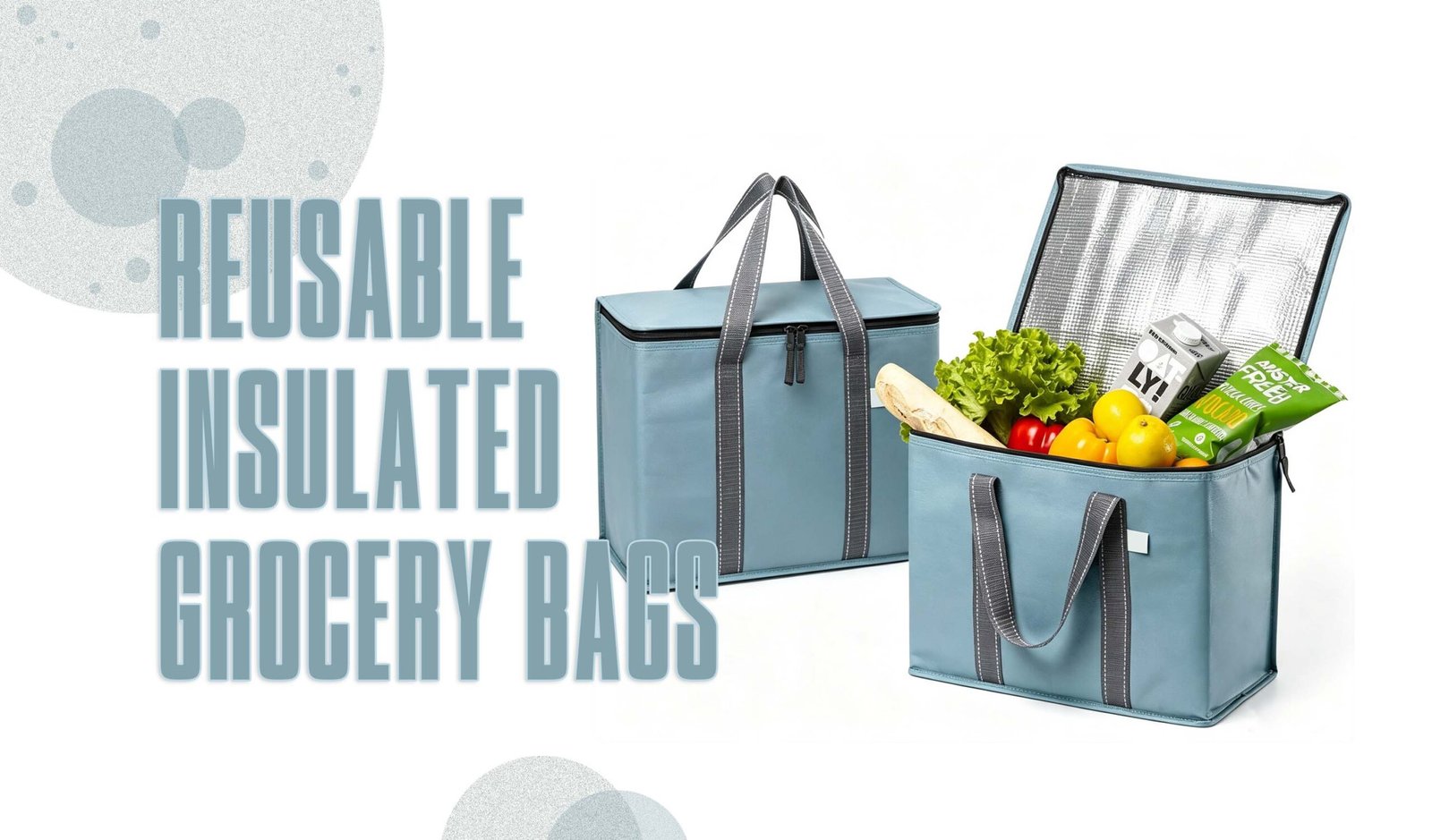
Reusable insulated grocery bags often look similar at first glance, so many retailers focus on the lowest quote and move on too fast. That creates problems later: weak handles, poor shape retention, customer complaints, and costly reorders. I always suggest a simpler fix: define the real use case first, then source for fit, durability, and repeat-use value.
Retailers should source reusable insulated grocery bags by starting with the actual shopping scenario, not just the unit price. The right bag depends on what it must carry, how long it needs to help maintain temperature during a normal trip, how often it will be reused, and how easy it is to close, clean, store, and customize for retail branding.
When I speak with supermarket and retail buyers, I hear the same opening question again and again: “What is your cheapest insulated bag?” I understand the pressure behind that question. Still, the better question is, “What job must this bag do in retail?” Once that becomes clear, supplier comparison becomes much smarter.
Why Are Retailers Sourcing Reusable Grocery Bags Now?
Retailers face pressure from both customers and operations teams. Single-use packaging creates waste, while low-quality reusable bags create returns and brand damage. I often see buyers stuck between cost targets and real-world performance needs. The answer is that reusable grocery bag sourcing is rising because retailers need a better balance of sustainability, usability, and margin protection.
Retailers are sourcing reusable grocery bags now because they support sustainability goals, strengthen store branding, and reduce repeat packaging costs over time1. Demand also grows as shoppers expect stronger, reusable formats that can carry heavier grocery loads2 and, in some cases, help protect chilled or frozen items on the trip home3.
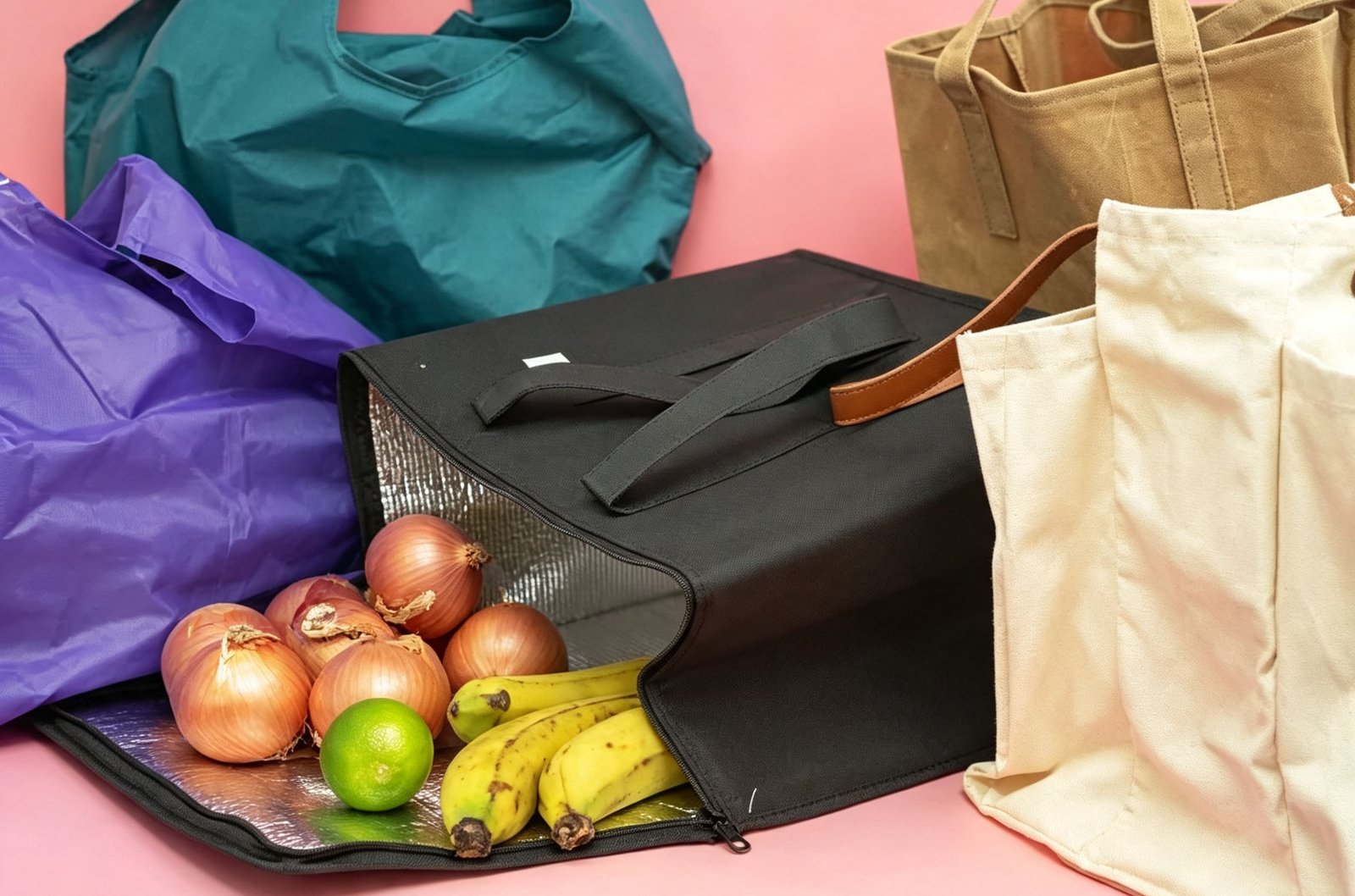
In real sourcing conversations, I notice that the demand is not coming from one reason alone. It usually comes from three pressures at the same time.
1. Retailers want visible sustainability without sacrificing function
Many stores want packaging that looks more responsible than disposable plastic. That goal is valid. But buyers also know that a “green” bag that fails after a few uses does not create a good outcome. I often remind customers that durability is part of sustainability4. If the bag tears quickly, the total cost and waste both go up.
2. Stores want better brand exposure
A reusable bag keeps the logo in front of shoppers long after checkout.5 That matters for:
- Supermarkets
- Grocery chains
- Convenience store groups
- Food delivery and fresh retail programs
- Promotional gift buyers
A plain low-cost bag may save a few cents at purchase. But a well-designed branded bag can create more repeat visibility in the customer’s daily life.
3. Buyers are trying to reduce the real cost per use
This is the part that many first-time buyers overlook. A cheaper unit price does not always mean a lower sourcing cost in practice. I have seen this happen with:
- Thin bodies that deform under bottles and cans
- Handles sewn into weak seams
- Zippers that fail too early
- Lining materials that are hard to wipe clean
- Bags that collapse and become annoying to load
I usually tell buyers to compare cost per successful use, not just cost per piece.
Here is a simple way to think about it:
| Buying approach | What it focuses on | Common risk |
|---|---|---|
| Lowest price first | Initial unit cost | Higher failure rate, weak user experience |
| Use-case first | Carrying need, closure, durability, cleaning, branding | Better long-term fit |
| Marketing-first only | Appearance and logo size | Functional mismatch in daily grocery use |
For most retail teams, the smartest path is to start with the shopper journey. What will customers carry? Frozen items? Dairy? Fresh meat? Dry goods? How far is the trip home? Will the bag be folded and stored often? Once those answers are clear, the sourcing brief becomes much stronger.
What Makes an Insulated Grocery Tote Different from a Cooler Bag?
Many buyers mix up these two categories. That creates confusion in quotations, sampling, and performance expectations. I often have to explain that an insulated grocery tote is not simply a cooler bag with a different name. The answer is that the difference usually comes down to retail use, shape, portability, and how the bag is loaded during normal shopping.
An insulated grocery tote is usually designed for everyday shopping convenience, upright loading, and repeated retail use, while a cooler bag often focuses more on temperature retention for outings, delivery, or transport. The two categories can overlap, but retailers should compare them based on shopping behavior, not labels alone.
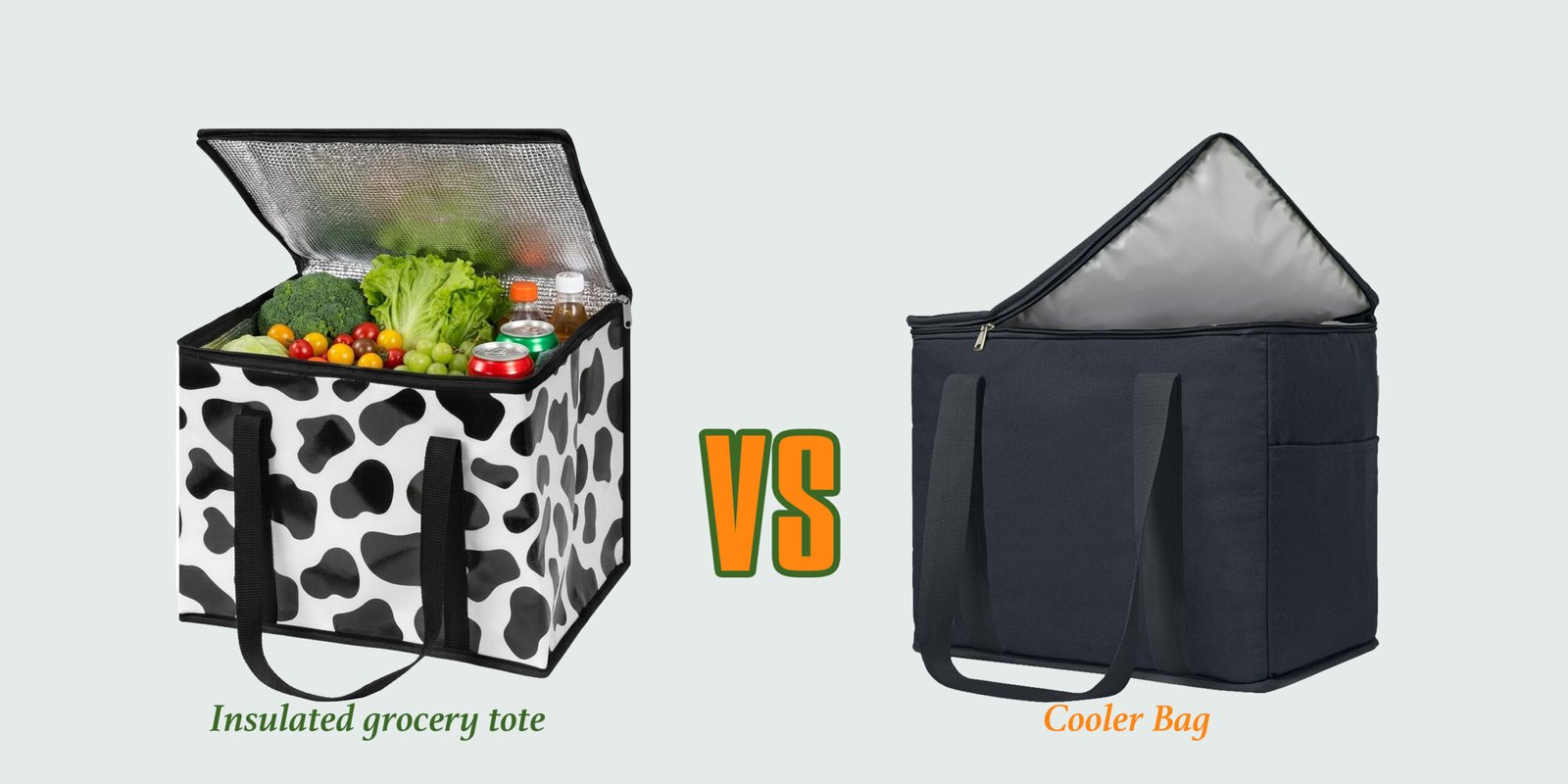
This is one of the most common misunderstandings I see. A buyer asks for a “cooler bag,” but after ten minutes of discussion, what they really need is a reusable insulated grocery bag that can stand up better in checkout lanes and fit weekly shopping patterns.
The main difference is the job the bag must do
A typical insulated grocery tote often needs to:
- Open wide for quick packing
- Stand more upright
- Carry mixed groceries, not just chilled items
- Feel easy to hold while walking from store to car
- Fold or store reasonably well
- Support retail branding clearly
A typical cooler bag often needs to:
- Prioritize thermal support for a longer outing
- Use a more enclosed structure
- Focus on picnic, delivery, or event use
- Include thicker insulation or different closure choices
- Sacrifice some shopping convenience for thermal performance
Why the distinction matters in sourcing
If a retailer chooses a bag that is too “cooler-like,” shoppers may find it bulky, awkward, or hard to load at checkout. If a buyer chooses a bag that is too light and tote-like, it may not support the chilled-item use case they actually need.
I usually ask buyers these practical questions:
- Will customers use it inside the store while shopping?
- Will they pack at checkout or after checkout?
- Will they mainly carry frozen and chilled products, or mixed groceries?
- Will the bag need a zipper, hook-and-loop closure, or open-top access?
- How important is foldability for storage at home or in the car?
Avoid abstract insulation claims
This point matters. Buyers often ask, “How many hours can it keep food cold?” I understand why. But that number is not very useful by itself unless the test conditions are clear.
Insulation performance depends on6:
- Starting temperature of the contents
- Outside temperature
- Sun exposure
- Bag fill level
- Closure type
- Whether ice packs are used
- Frequency of opening
So I advise buyers to compare bags by real retail scenario, not by isolated claims that may not reflect actual use.
Which Materials and Linings Should Buyers Compare?
Material choices can overwhelm buyers fast. I see this often, especially when procurement teams get too many samples with too many buzzwords. That creates uncertainty and slows decisions. The better answer is to compare materials and linings based on durability, structure, cleanability, print needs, and target price.
Buyers should compare reusable insulated grocery bags by separating the outer material, insulation layer, and inner lining. The best combination depends on carrying weight, required structure, ease of cleaning, branding goals, and expected reuse frequency rather than one material being universally best.
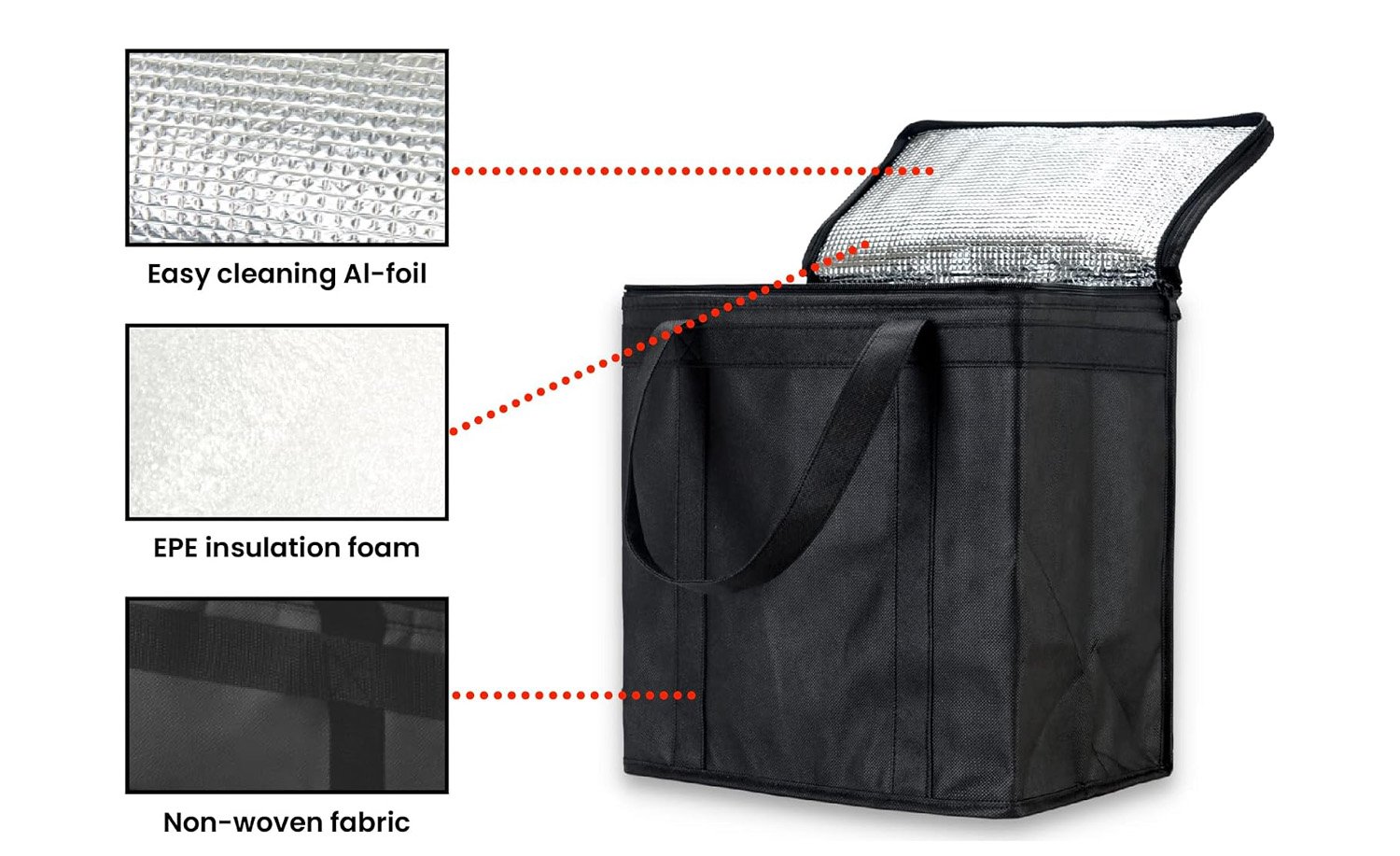
I like to break this into three layers so buyers can think more clearly.
Outer materials
Common outer options include:
- Non-woven polypropylene: Low cost, common for promotions, light structure
- Woven polypropylene: Stronger feel, often better for repeated use
- RPET fabric7: Popular when recycled-content positioning matters
- Canvas or cotton blends8: Strong visual appeal, but not always the most cost-efficient for insulated grocery formats
- Laminated surfaces: Better wipeability and print effect in some designs
Insulation layer
The insulation layer helps support temperature control, but it does not work in isolation. Thickness alone does not guarantee the right retail result. Structure, closure, and bag shape also matter.
Inner lining
Inner lining choices often affect:
- Ease of wiping clean
- Resistance to moisture
- Perceived quality
- Long-term wear at fold points
- Compatibility with food-related retail expectations
A practical comparison table
| Component | Typical benefit | Typical trade-off | Best checked by buyer |
|---|---|---|---|
| Non-woven outer | Lower cost, flexible MOQ options | Lower premium feel, may wear faster in some uses | Seam strength, body weight |
| Woven PP outer | Better durability and structure | May cost more than simple non-woven | Handle reinforcement, shape retention |
| RPET outer | Sustainability story, good branding value | Price can vary by spec | Certification, print quality |
| Foil-style lining | Familiar look, basic wipeability | Creasing and wear can show over time | Fold durability, sealing quality |
| Thicker structured build | Better upright loading | More storage bulk, higher shipping volume | Carton efficiency, usability |
What I tell buyers to ask suppliers
I encourage buyers to move beyond “What material do you use?” and ask:
- What is the fabric weight?
- How are the handles attached?
- Is there reinforcement at stress points?
- How does the lining behave after repeated folding?
- How easy is the inner surface to wipe clean?
- What happens when heavy groceries sit in the bag for 20–30 minutes?
- Can the bag keep its shape during checkout packing?
These questions produce much better samples. In my experience, the best sourcing outcomes happen when buyers compare real construction details, not just material names.
How Can Retailers Customize Reusable Shopping Bags?
Retailers want custom bags because they need branding, shelf impact, and a better fit for their customer profile. Still, customization can go wrong when it focuses only on logo size or color. The smarter answer is that retailers should customize reusable shopping bags around actual store use, load needs, and repeat-order practicality.
Retailers can customize reusable shopping bags through size, shape, handles, closures, printing, pockets, and material choices. The most effective customization starts with store use and customer behavior, then balances brand visibility, bag function, MOQ, and long-term repeatability across future orders.
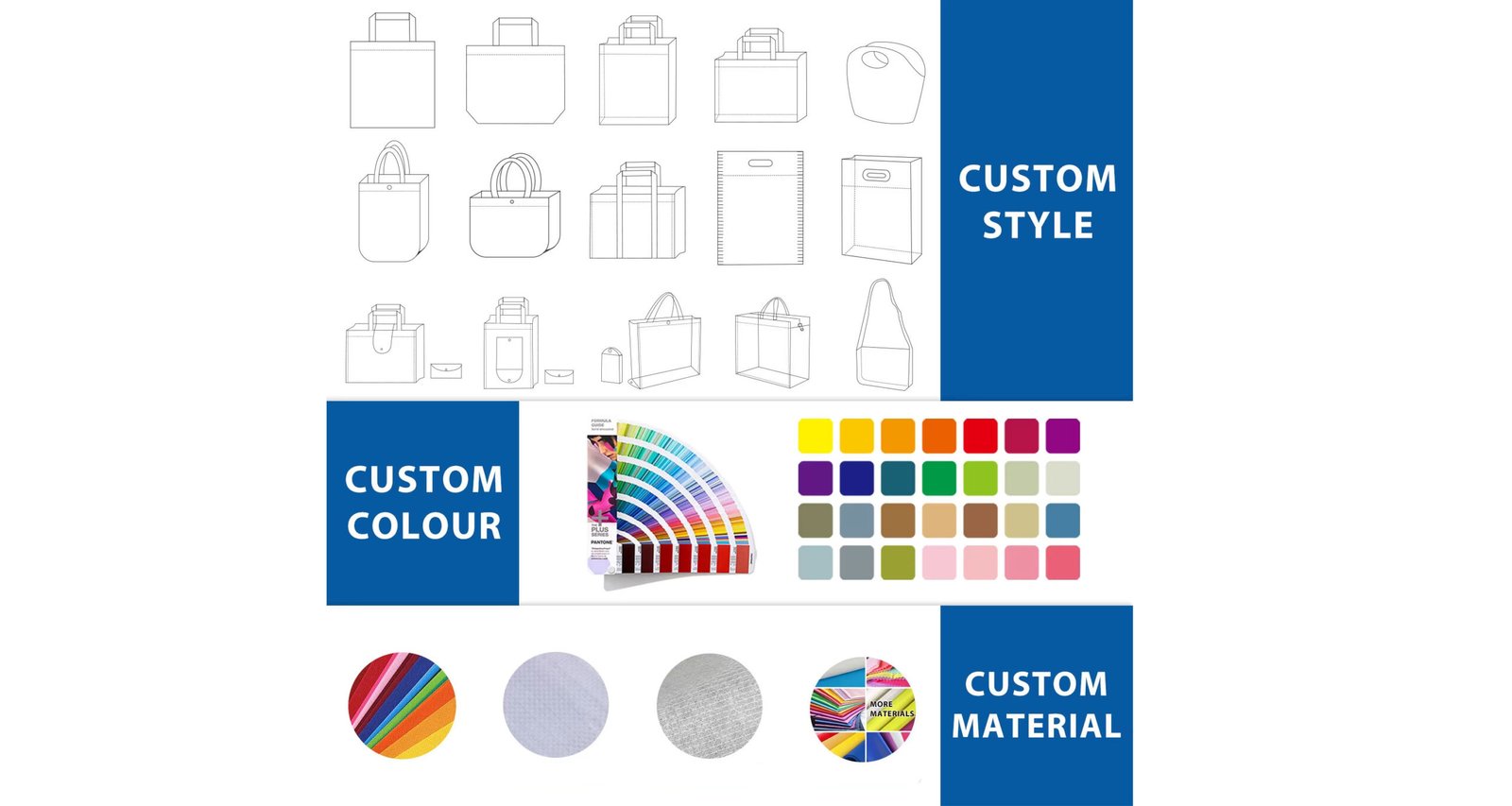
I work with many OEM and ODM inquiries, and I often see one avoidable mistake: the artwork discussion starts before the bag spec is settled. That usually leads to revisions, delay, and cost confusion.
Start with functional customization
Before logo placement, I suggest locking in these points:
Size and capacity
A bag that looks attractive in a mockup may be too shallow, too tall, or too narrow for real grocery use. Buyers should define likely contents first:
- Bottles
- Frozen food boxes
- Fresh produce
- Mixed weekly groceries
Handle design
Handle length affects comfort more than many buyers expect. Short handles, shoulder handles, and wrap-around reinforcement all change the user experience.
Closure style
Common options include:
- Open top
- Zipper closure
- Hook-and-loop closure
- Fold-over formats
Each has trade-offs between convenience and insulation support.
Then move to branding choices
Branding options usually include:
- Screen printing
- Heat transfer
- Full-panel printing
- Woven labels
- Hangtags
- Seasonal graphics
For large retailers and supermarket groups, I often recommend thinking beyond one campaign. A bag should support repeat-order consistency. That means the design should be practical to reproduce across production runs.
Customization checklist for procurement teams
- Define the retail scenario.
- Define target load and item mix.
- Choose size and structure.
- Confirm closure type.
- Review handle construction.
- Confirm print method and brand standards.
- Check carton packing efficiency.
- Approve pre-production sample.
In my experience, the best custom bag is not the one with the most features. It is the one with the fewest wrong ones.
This matters a lot for B2B buyers like supermarket procurement teams. They need bags that are easy to reorder, easy to inspect, and predictable in quality.
What Quality Tests Matter for Heavy Grocery Loads?
A bag can look fine on a sample table and still fail in real use. That gap creates the biggest sourcing headaches I see. Buyers get an attractive sample, approve quickly, and later discover handle stress, bottom distortion, or seam failure. The answer is that quality testing for reusable insulated grocery bags should focus on load-bearing reality, not just appearance.
The most important quality tests for heavy grocery loads include handle strength, seam strength, bottom support, closure durability, shape retention, and repeated-use checks9 under realistic loading conditions. Retail buyers should also inspect cleanability, dimensional consistency, and carton packing quality before approving bulk production.
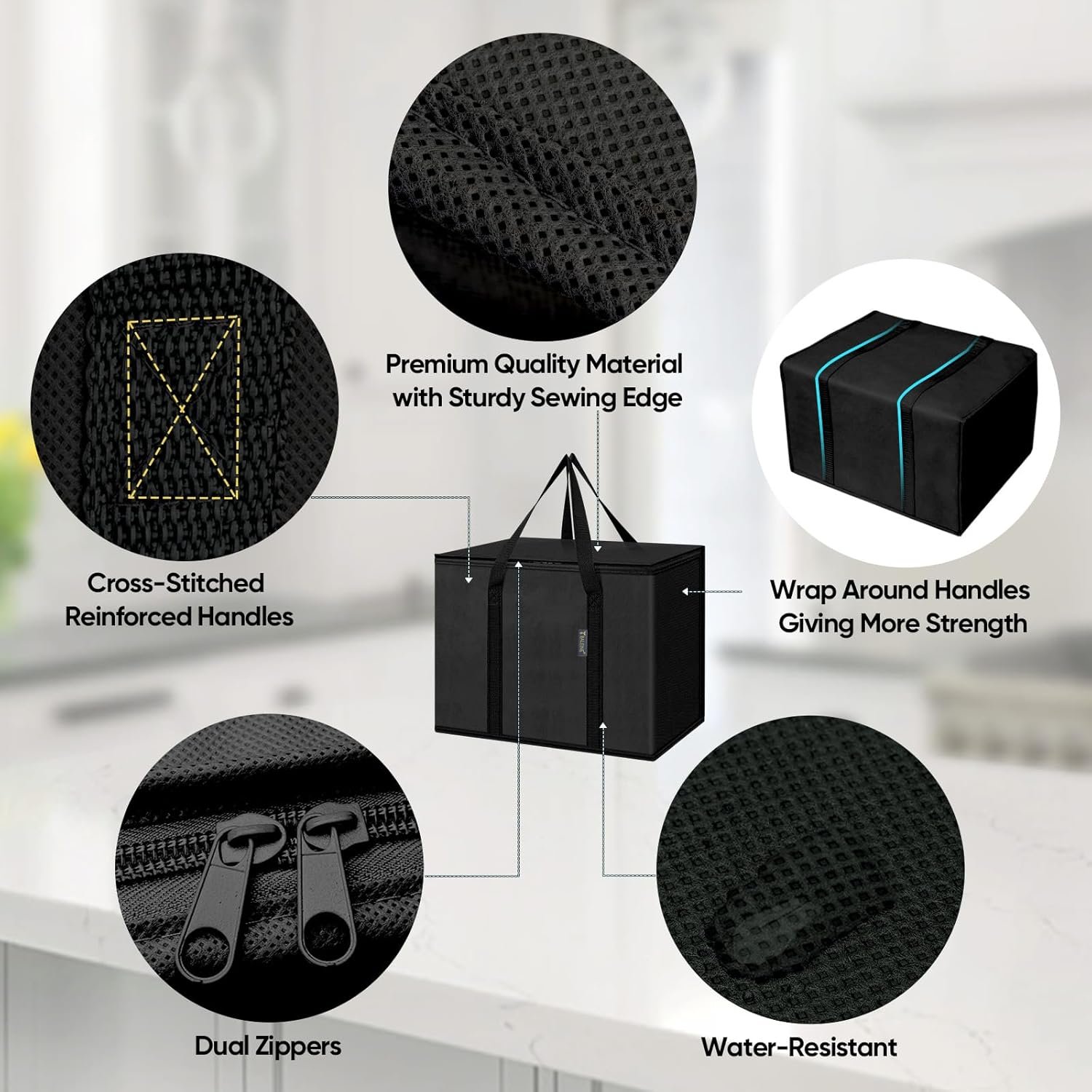
When I advise buyers, I usually separate quality checks into lab-style checks and practical use checks. Both matter.
Core tests buyers should ask about
1. Handle and seam strength
Heavy groceries create concentrated stress where handles meet the body. This area fails early if the stitching or reinforcement is weak.
2. Bottom load support
Some bags hold weight well only when lifted carefully. Real shoppers do not lift carefully every time. The bottom panel and body structure need to support ordinary handling.
3. Closure cycling
If the bag uses a zipper or hook-and-loop closure, repeated opening and closing matters. A closure that feels fine on day one may wear quickly.
4. Shape retention
A bag that collapses too much becomes frustrating at checkout. Shoppers want easy loading.
5. Repeated-use simulation
I strongly prefer simple repeated-use checks that reflect normal behavior:
- Load the bag
- Lift it repeatedly
- Store and fold it
- Reopen it
- Wipe the lining
- Check for deformation, tearing, or delamination
A simple buyer inspection framework
| Test area | Why it matters | What to watch for |
|---|---|---|
| Handles | Main stress point | Loose stitching, twisting, tearing |
| Side seams | Weight transfer | Split seams, uneven stitching |
| Bottom panel | Heavy item support | Sagging, deformation |
| Lining | Hygiene and maintenance | Hard-to-clean surface, peeling |
| Closure | Daily usability | Snagging, weak adhesion, zipper issues |
Ask for realistic validation
I do not suggest that every buyer needs a complex technical protocol. But I do suggest asking suppliers to show:
- Sample load demonstration
- Reinforcement details
- QC checkpoints during production
- AQL or inspection method10
- Packaging method for export
For larger orders, buyers should also check:
- Color consistency across batches
- Logo placement tolerance
- Carton drop resistance
- On-time production capacity
At Coraggio, this is where long manufacturing experience matters in practice. A supplier with stable production lines and clear QC habits can often prevent the small issues that become expensive after shipment.
Frequently Asked Questions
How many uses should reusable insulated grocery bags last?
There is no single universal number because durability depends on material, structure, load, and user behavior. I advise buyers to evaluate expected cost per use and test the bag under realistic grocery conditions instead of relying on a generic lifespan claim.
Are reusable insulated grocery bags better than standard reusable totes?
They are better only when the retail scenario requires added thermal support for chilled or frozen items. If shoppers mainly carry dry goods, a standard reusable tote may be more cost-effective. The right choice depends on actual store use.
What is the best material for reusable insulated grocery bags?
There is no one best material for every project. Buyers should compare outer fabric, insulation layer, and inner lining together. The right combination depends on price target, desired structure, branding, cleanability, and repeat-use expectations.
Should retailers choose zipper closure or open-top design?
A zipper can support better temperature control11 and content security, but it may reduce loading speed and add cost. An open-top design improves convenience but may not suit chilled-item use as well. Buyers should match closure choice to shopping behavior.
What is the biggest mistake when sourcing reusable insulated grocery bags?
The biggest mistake is buying by unit price alone. I see better results when retailers define the use case first, then compare structure, durability, cleanability, and supplier consistency before negotiating final price.
Conclusion
Reusable insulated grocery bags are not a category where the cheapest quote automatically creates the best buy. I have seen strong retail programs start with a simple shift in thinking: first define the real shopping job, then match the bag’s material, structure, closure, and quality level to that use. If you are sourcing for supermarkets, retail chains, or promotional distribution, I can help you turn that sourcing logic into a practical OEM or ODM bag program. Reach out to Coraggio at info@coraggiobag.com or visit https://coraggiobag.com/ to discuss your next project.
"Life Cycle Assessment of Grocery Bags in Common Use in the United ...", https://open.clemson.edu/cudp_environment/6/. Life-cycle assessments from public agencies have found that reusable carrier bags may offset the repeated production and disposal burdens of single-use bags when they are used multiple times, supporting the article’s claim that repeat use can reduce packaging costs over time. Evidence role: general_support; source type: government. Supports: Government or agency life-cycle assessments can support the proposition that repeated use can offset impacts and costs associated with recurring single-use bag consumption.. Scope note: Such studies usually evaluate environmental burdens rather than a retailer’s direct accounting cost, so they provide contextual support rather than a project-specific financial calculation. ↩
"Consumers' Intention to Bring a Reusable Bag for Shopping in ...", https://pmc.ncbi.nlm.nih.gov/articles/PMC8955543/. Consumer research on reusable shopping bags has reported that durability and carrying capacity are salient attributes in bag selection and repeated use, which supports the statement that shoppers value stronger reusable formats for grocery transport. Evidence role: general_support; source type: research. Supports: Consumer or retail studies should show that durability and carrying performance are important purchase or usage criteria for reusable shopping bags.. Scope note: Consumer preference studies may not specifically measure expectations for insulated bags or quantify what qualifies as a 'heavier' grocery load. ↩
"Keeping "Bag" Lunches Safe", http://www.fsis.usda.gov/food-safety/safe-food-handling-and-preparation/food-safety-basics/keeping-bag-lunches-safe. Public food-safety guidance recommends insulated bags or coolers for transporting perishable foods so that chilled and frozen items remain colder during the trip from store to home, supporting the article’s statement that such bags can help protect temperature-sensitive groceries in transit. Evidence role: general_support; source type: government. Supports: Food-safety guidance should support the use of insulated bags or coolers to help keep perishable foods cold during transport.. Scope note: Guidance generally advises the use of ice packs or time limits as well, so the support is contextual rather than proof that any insulated bag alone will maintain safe temperatures under all conditions. ↩
"Linking product design and durability: A review and research agenda - PMC", https://pmc.ncbi.nlm.nih.gov/articles/PMC9513616/. Circular economy and life-cycle literature commonly treats product durability and longer service life as mechanisms for reducing material demand and waste generation, supporting the article’s statement that durability is part of sustainability. Evidence role: expert_consensus; source type: institution. Supports: Circular economy and sustainability frameworks should support the principle that extending product lifetime through durability can reduce material throughput and waste.. ↩
"Consumers' Intention to Bring a Reusable Bag for Shopping in ...", https://pmc.ncbi.nlm.nih.gov/articles/PMC8955543/. Studies of branded carry items and repeated-use shopping bags indicate that such products can continue to display logos in public settings after checkout, lending support to the claim that reusable bags extend brand visibility over time. Evidence role: general_support; source type: research. Supports: Marketing or consumer behavior research should support the idea that reusable bags function as repeated-visibility branded items after purchase.. Scope note: Evidence on brand exposure often concerns promotional products broadly and may not isolate grocery bags as a distinct category. ↩
"Optimizing ATP Isothermal Tests: A Theoretical and Experimental ...", https://pmc.ncbi.nlm.nih.gov/articles/PMC12840328/. Heat-transfer studies of insulated food containers show that temperature retention is affected by initial product temperature, ambient conditions, insulation design, closure performance, and repeated opening, which supports the article’s caution that isolated 'hours cold' claims are not meaningful without test conditions. Evidence role: mechanism; source type: paper. Supports: Heat-transfer or cold-chain studies should explain that thermal retention in insulated containers depends on starting conditions, ambient temperature, closure integrity, and opening events.. ↩
"Polyethylene terephthalate", https://en.wikipedia.org/wiki/Polyethylene_terephthalate. RPET commonly denotes recycled polyethylene terephthalate, a polyester material produced from recovered PET feedstock and used in textile and bag applications, supporting the article’s description of RPET fabric as a recycled-content option. Evidence role: definition; source type: encyclopedia. Supports: A neutral source should define RPET as recycled polyethylene terephthalate and note its use in textile applications.. ↩
"Plastic, Paper or Cotton: Which Shopping Bag is Best?", https://news.climate.columbia.edu/2020/04/30/plastic-paper-cotton-bags/. Textile reference sources describe canvas as a heavy-duty woven fabric, often cotton-based or blended, widely used in bags and other load-bearing products, supporting its inclusion here as a reusable bag material option. Evidence role: definition; source type: education. Supports: Textile references should support that canvas and cotton blends are standard fabric classes used for bags and other carrying products.. ↩
"The Effect of Reusable Bag Type on Tensile Strength, ...", https://csef.usc.edu/History/2010/Projects/J2203.pdf. Bag and textile testing standards commonly assess seam strength, strap or handle attachment strength, dimensional stability, and closure durability, which supports the article’s identification of these features as priority quality checks for heavy-load reusable bags. Evidence role: expert_consensus; source type: institution. Supports: Testing standards or institutional guidance should show that seam strength, handle attachment, closure durability, and repeated-use performance are standard evaluation areas for bags.. Scope note: Standards may not use the exact phrase 'most important' and may require adaptation to the specific geometry and use case of an insulated grocery tote. ↩
"Acceptable quality limit", https://en.wikipedia.org/wiki/Acceptable_quality_limit. Acceptance Quality Limit (AQL) is a standard sampling-inspection concept used to determine whether a production lot meets a specified quality threshold, supporting the article’s reference to AQL as an inspection method buyers may request. Evidence role: definition; source type: institution. Supports: A neutral standards source should define AQL as Acceptance Quality Limit in sampling inspection.. ↩
"thermal design of shipping containers", https://www.ars.usda.gov/ARSUserFiles/30200525/396thermaldesignofshippingcontainersforbeneficialinsects.pdf. Thermal-retention research indicates that closed insulated containers generally lose less heat or cold through air exchange than open or incompletely sealed ones, supporting the article’s statement that a zipper can improve temperature control relative to an open-top design. Evidence role: mechanism; source type: paper. Supports: Thermal studies should support that more complete closures reduce convective air exchange and thus improve temperature retention compared with open configurations.. Scope note: The magnitude of the effect depends on insulation design, fit, loading pattern, and the extent to which the zipper achieves an effective closure. ↩